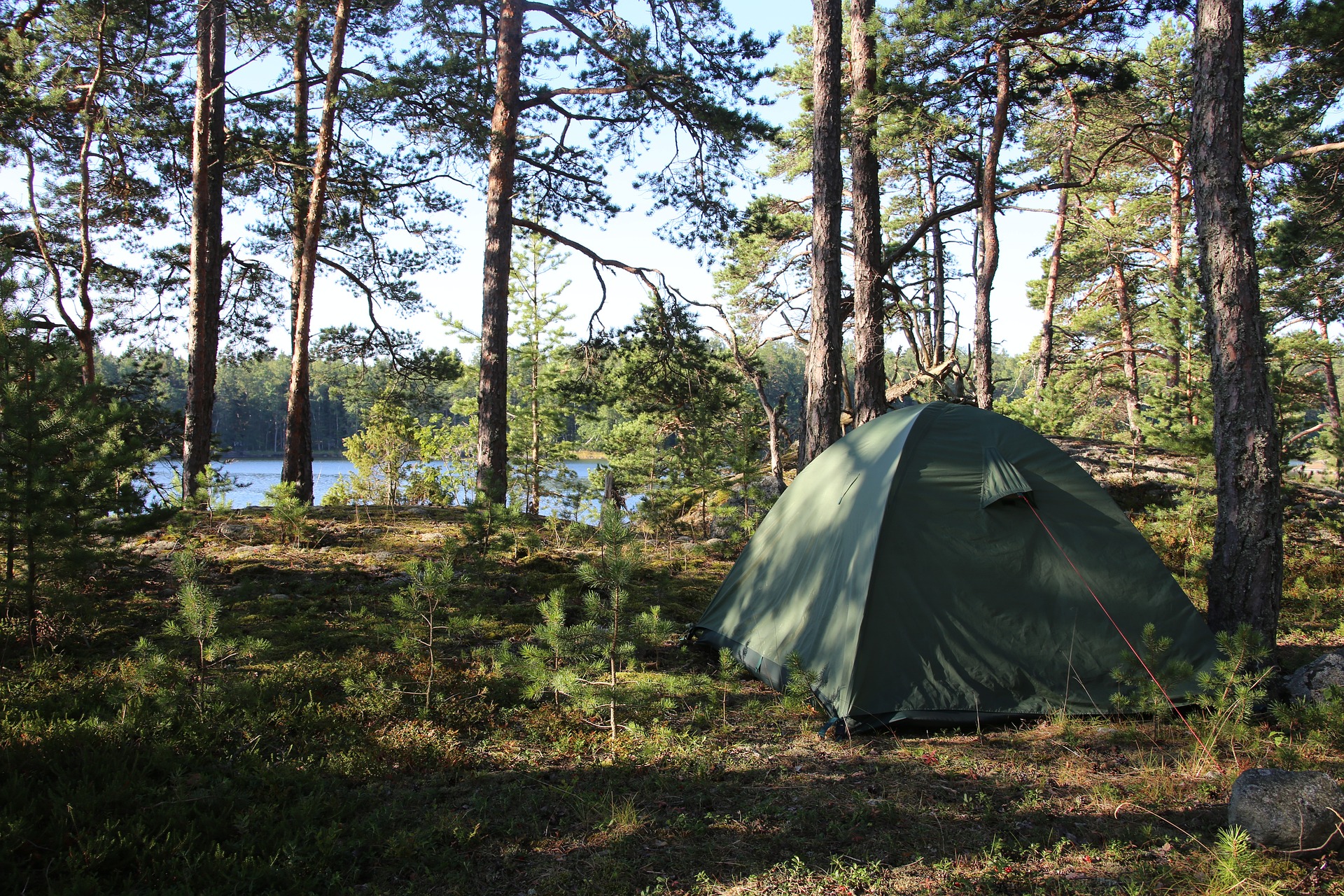
Camping lets you reconnect with nature, but it also means taking responsibility for protecting it. Every choice you make, from the gear you buy to how you handle waste, can either help or harm the environment. Eco-friendly camping isn’t about giving up comfort; it’s about being mindful and responsible. With a few simple habits and smart swaps, you can enjoy your favorite outdoor adventures while leaving the wilderness as pristine as you found it.
1. Choose Sustainable Camping Gear

When buying camping equipment, look for gear made from recycled or responsibly sourced materials. Bamboo utensils, stainless steel bottles, and solar lanterns reduce waste and last for years. Avoid single-use plastics or cheap items that wear out quickly. Investing in quality, eco-friendly gear saves money in the long run and keeps harmful waste out of landfills, ensuring your camping trips stay green and sustainable for years to come.
2. Camp at Established Sites
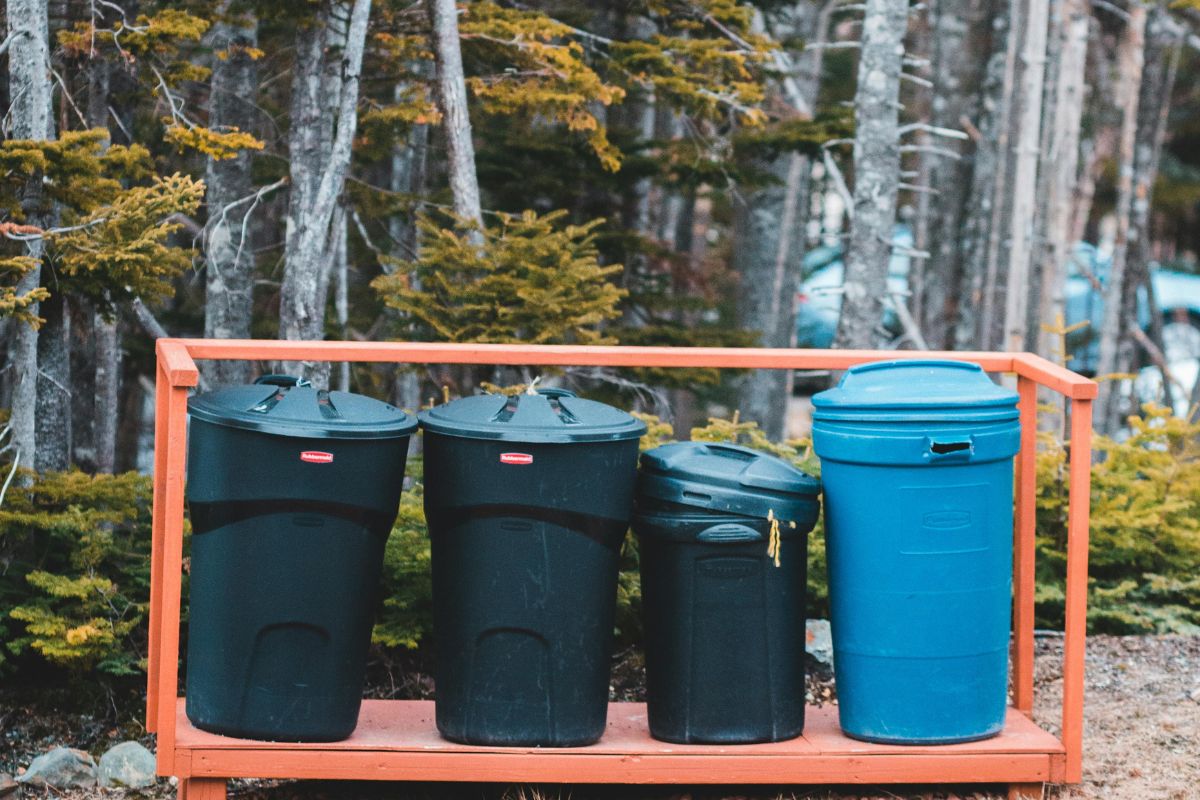
Stick to designated campsites whenever possible. These areas are designed to minimize impact on fragile ecosystems and wildlife. Avoid creating new fire rings or clearing vegetation for tents. Established sites already have compacted ground and safe waste systems. Staying within those boundaries helps preserve natural habitats and prevents long-term damage caused by repeated off-trail camping. A simple choice that makes a huge environmental difference.
3. Pack Reusable Containers

Replace disposable bags and packaging with reusable food containers, silicone pouches, and metal water bottles. Bringing your own utensils and coffee mug eliminates the need for single-use plastics that often end up littering trails or waterways. After meals, wash dishes with biodegradable soap at least 200 feet from any water source. Reusable systems keep your camp cleaner, reduce waste, and make post-trip cleanup easier and faster every time.
4. Reduce Food Waste

Plan your meals carefully to avoid overpacking perishables. Pre-portion ingredients and store them in airtight containers. Use up leftovers for next-day meals like wraps or soups instead of throwing them out. Bring compostable bags for organic waste and pack them out if no composting bins are available. Reducing food waste not only lightens your load but also keeps wildlife from scavenging and becoming dependent on human food.
5. Leave No Trace
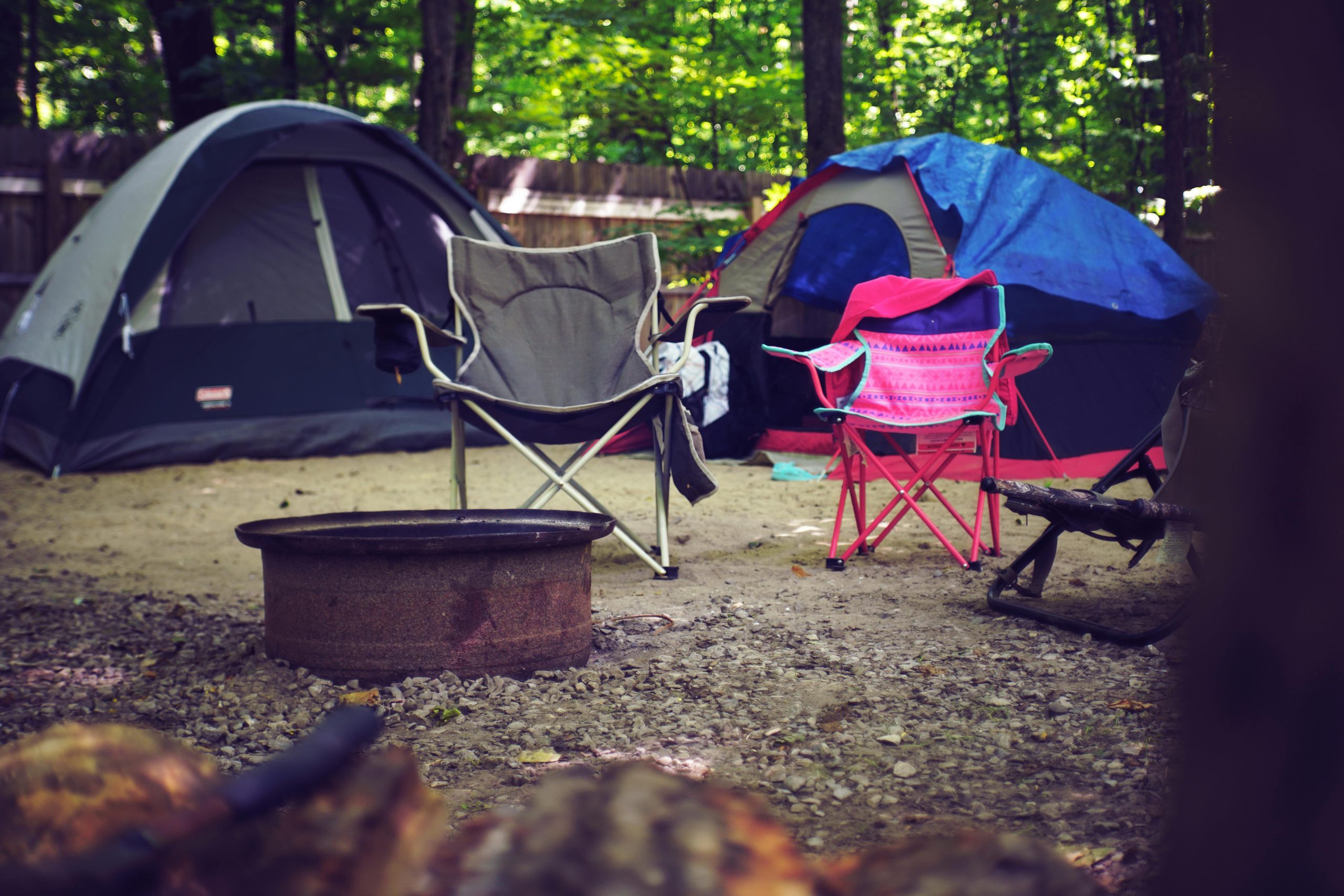
Follow the “Leave No Trace” principle by packing out everything you bring in. This means no litter, no food scraps, and no leftover firewood. Stay on marked trails, respect wildlife, and avoid disturbing plants or rocks. Even small actions like picking up trash someone else left behind can protect fragile environments. When every camper does their part, the natural beauty of the outdoors remains for generations to enjoy.
6. Use Solar Energy
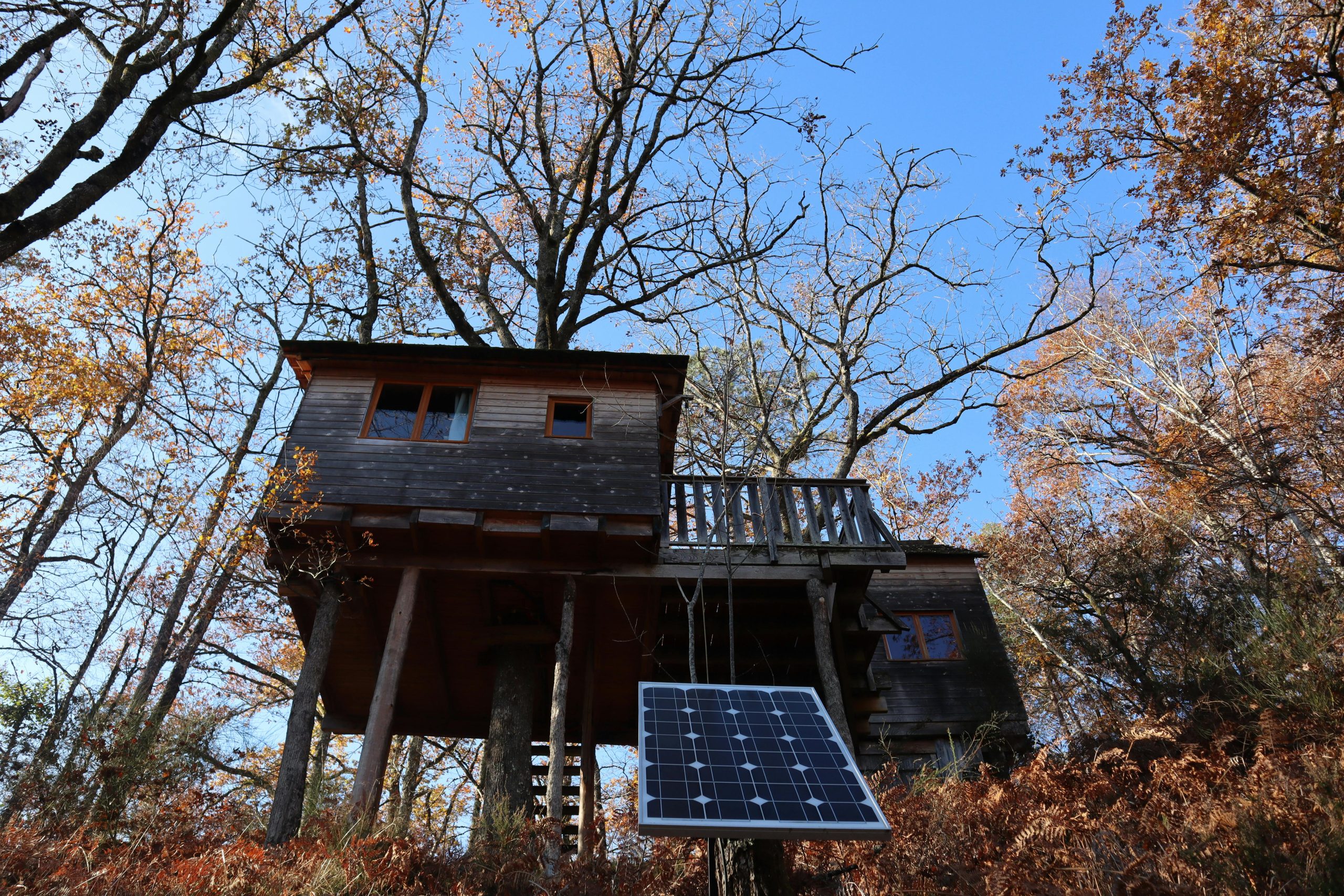
Ditch gas-powered generators and switch to portable solar panels for charging devices or powering lights. Solar energy is clean, quiet, and sustainable, keeping your campsite peaceful and pollution-free. A compact foldable panel can easily recharge batteries, phones, and small appliances. Embracing renewable energy not only reduces your carbon footprint but also helps preserve the serenity that makes camping so refreshing in the first place.
7. Respect Wildlife
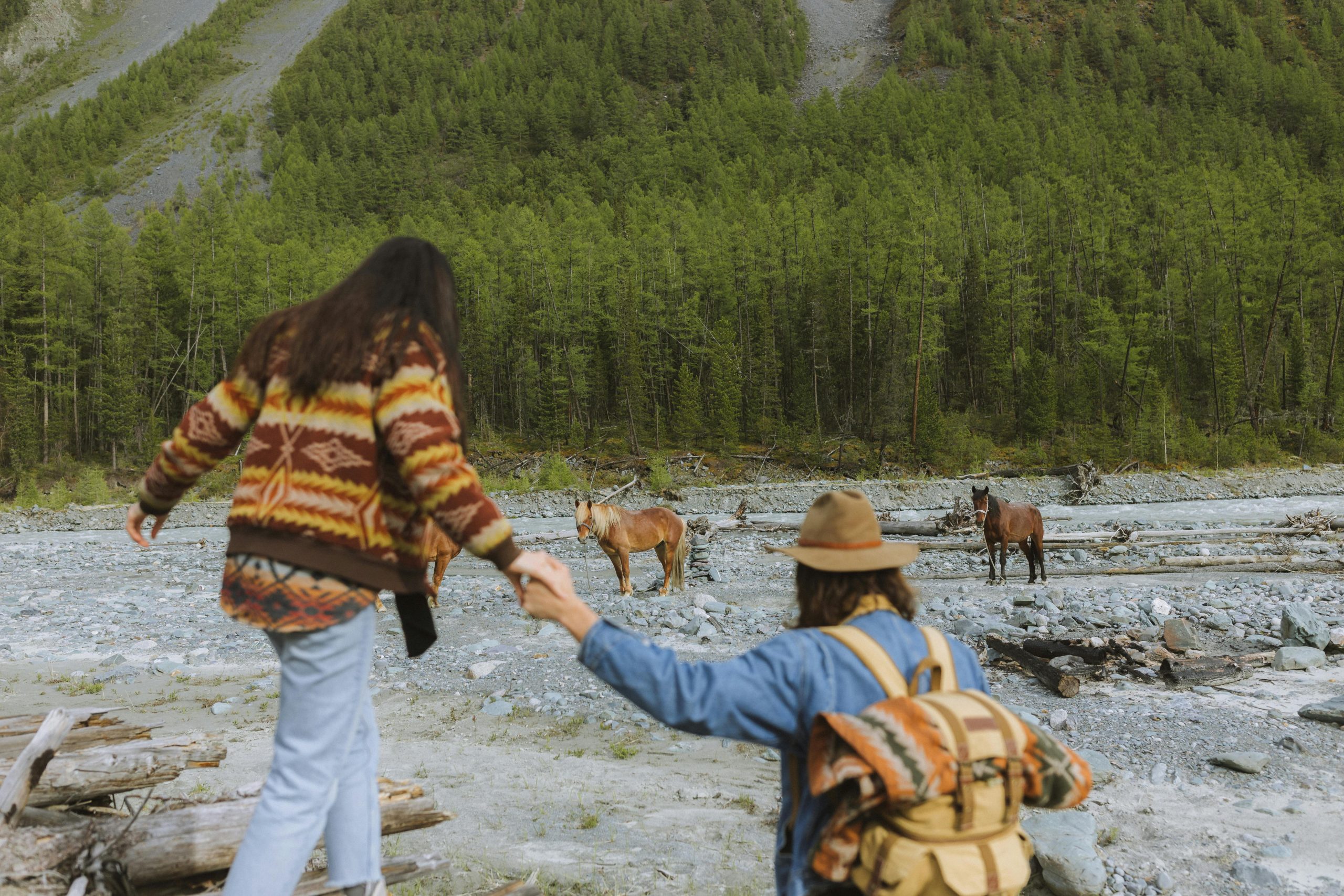
Keep a safe distance from animals and never feed them. Human food can harm wildlife and alter their natural behavior. Store your food securely in bear-proof containers or inside your vehicle. Observing animals quietly from afar allows them to remain wild and stress-free. Remember, you’re a visitor in their home. Respecting their space ensures future campers can witness the same undisturbed beauty of nature you came to enjoy.
8. Opt for Eco-Friendly Toiletries

Conventional soaps and shampoos often contain chemicals that pollute water sources. Switch to biodegradable and phosphate-free options that break down safely in soil. Use minimal amounts and wash at least 200 feet away from rivers or lakes. Choose reusable cloth wipes or biodegradable tissue when possible. Small personal care changes can drastically reduce environmental harm and help maintain the purity of the natural water systems you explore.
9. Minimize Campfire Impact
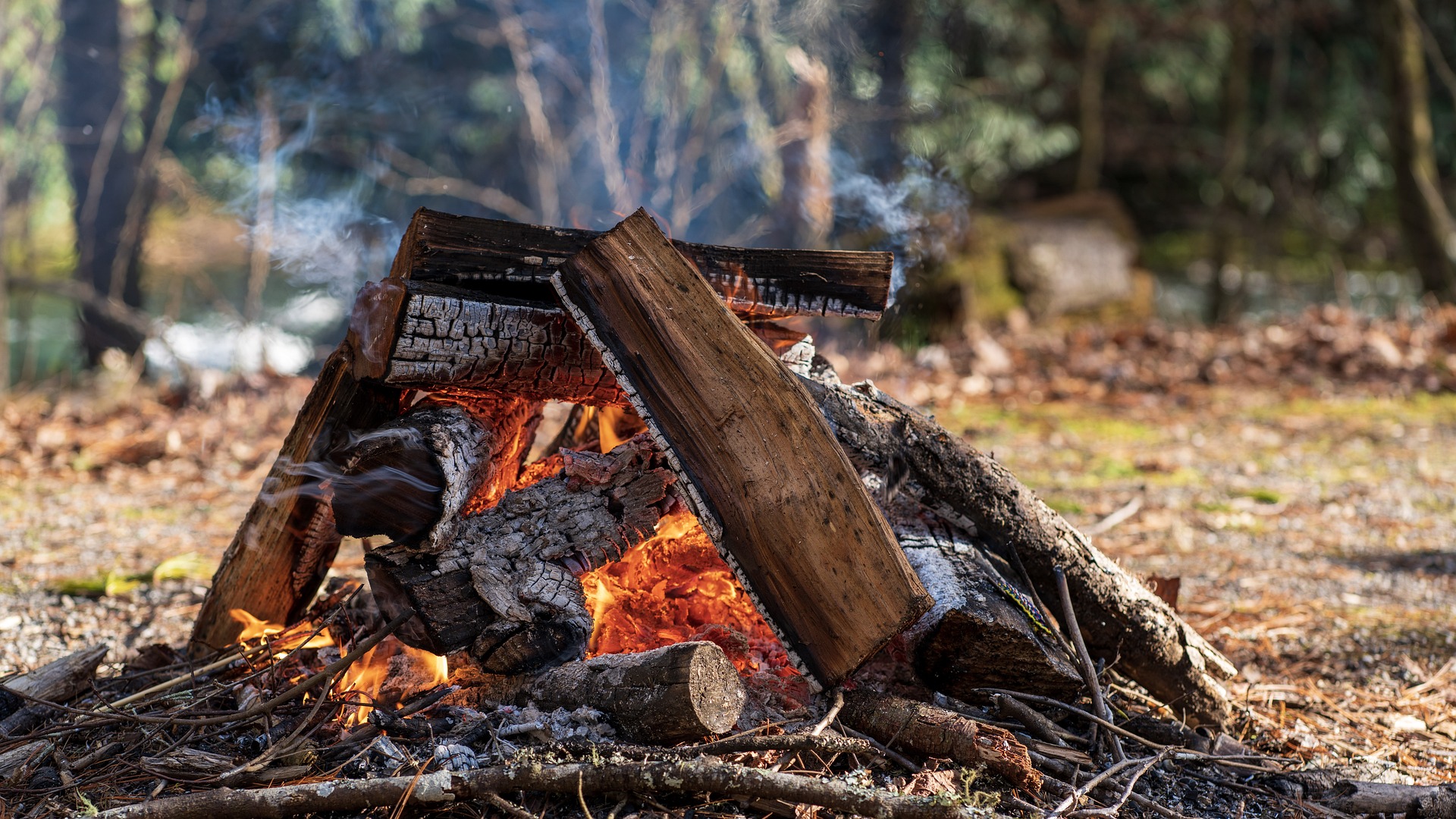
Campfires are a beloved tradition, but can harm the environment if done carelessly. Use a portable camp stove for cooking and build fires only in existing fire rings. Gather fallen wood instead of breaking live branches, and burn small amounts completely to ash. Always douse fires thoroughly before leaving. Responsible fire management prevents wildfires, protects wildlife, and ensures everyone can enjoy safe and scenic campsites year-round.
10. Carpool or Use Fuel-Efficient Travel

Getting to your campsite is often the largest part of your carbon footprint. Carpooling with friends or choosing a hybrid or electric vehicle cuts emissions significantly. Pack efficiently to improve fuel economy and consider exploring closer destinations instead of driving hundreds of miles. Reducing travel emissions doesn’t limit adventure, it simply makes your trip more sustainable and sets a positive example for future outdoor enthusiasts.
11. Support Local and Ethical Brands

When restocking supplies, buy from local stores or eco-conscious brands. Supporting small businesses reduces shipping emissions and helps sustain local economies near parks and campgrounds. Look for certified sustainable products and avoid mass-produced disposable goods. Every dollar spent on ethical choices strengthens the movement toward greener outdoor recreation and ensures that companies continue producing environmentally responsible camping essentials.
12. Educate Fellow Campers

Eco-friendly camping grows when everyone shares knowledge. Teach friends or family about Leave No Trace principles, waste reduction, and responsible fire use. Lead by example, others often follow when they see simple green habits in action. Whether it’s reminding someone to pack out their trash or suggesting solar gear, your guidance can help spread awareness and preserve the wild places we all love to explore.