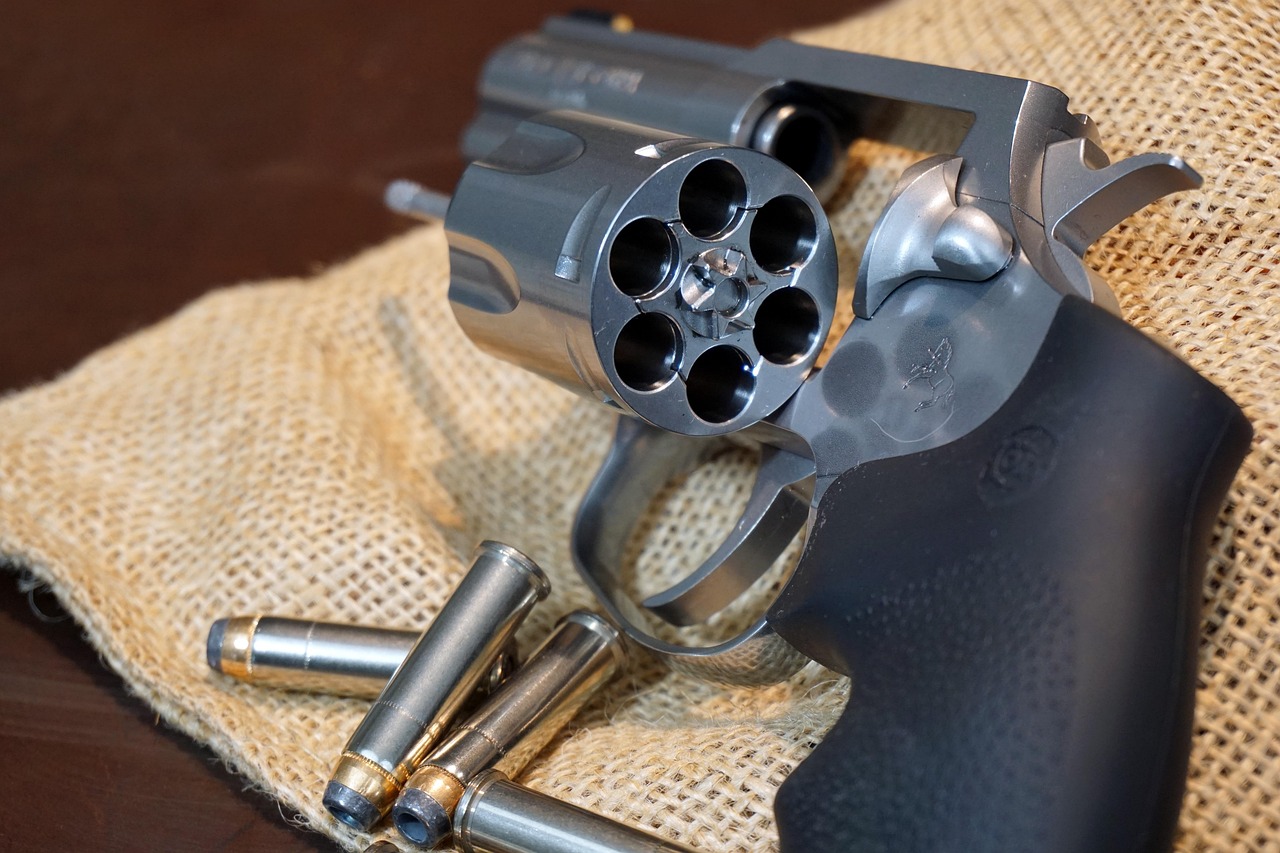
A handgun’s real revolution did not begin with the trigger. It began with the cylinder.
The cylinder turned a pistol into a practical repeater
Before revolvers caught on, most handguns were single-shot tools with painfully slow reloads. That made them useful for one desperate moment, then awkward and time-consuming to get back into action.
Samuel Colt’s early Paterson revolvers changed that equation in the 1830s by pairing a rotating cylinder with indexed chambers, giving the shooter multiple ready shots in one compact firearm. The Metropolitan Museum notes that Colt’s patented revolvers used a rotating cylinder loaded with several rounds, a concept that became the foundation of the modern revolver.
That sounds obvious now, but it was a major leap in mechanical timing. The cylinder had to rotate, stop precisely, align each chamber with the barrel, and do it consistently enough to fire safely.
Once that problem was solved, the handgun stopped being a one-chance weapon. It became a repeat-fire sidearm, and that changed military carry, frontier defense, and personal protection in a lasting way.
Early cylinder design still carried serious limits
The first successful revolver cylinders were a breakthrough, but they were not yet modern in convenience. Early Colt percussion revolvers still required separate loading of powder, projectile, and percussion cap for every chamber.
That meant the cylinder gave the shooter more shots, but not faster reloading in the modern sense. In practice, the cylinder solved one problem, rate of fire between shots, while leaving another problem, reload speed, mostly untouched.
Even so, the shape and layout of the cylinder mattered enormously. Chamber spacing, lockup strength, and alignment determined whether a revolver was reliable in mud, dust, cavalry use, or rough belt carry.
This is why cylinder design became the core engineering challenge of revolver development. Barrels and grips could vary, but the cylinder was the beating heart that decided how many shots the gun held and how well those shots could actually be delivered.
The bored-through cylinder unlocked the cartridge era
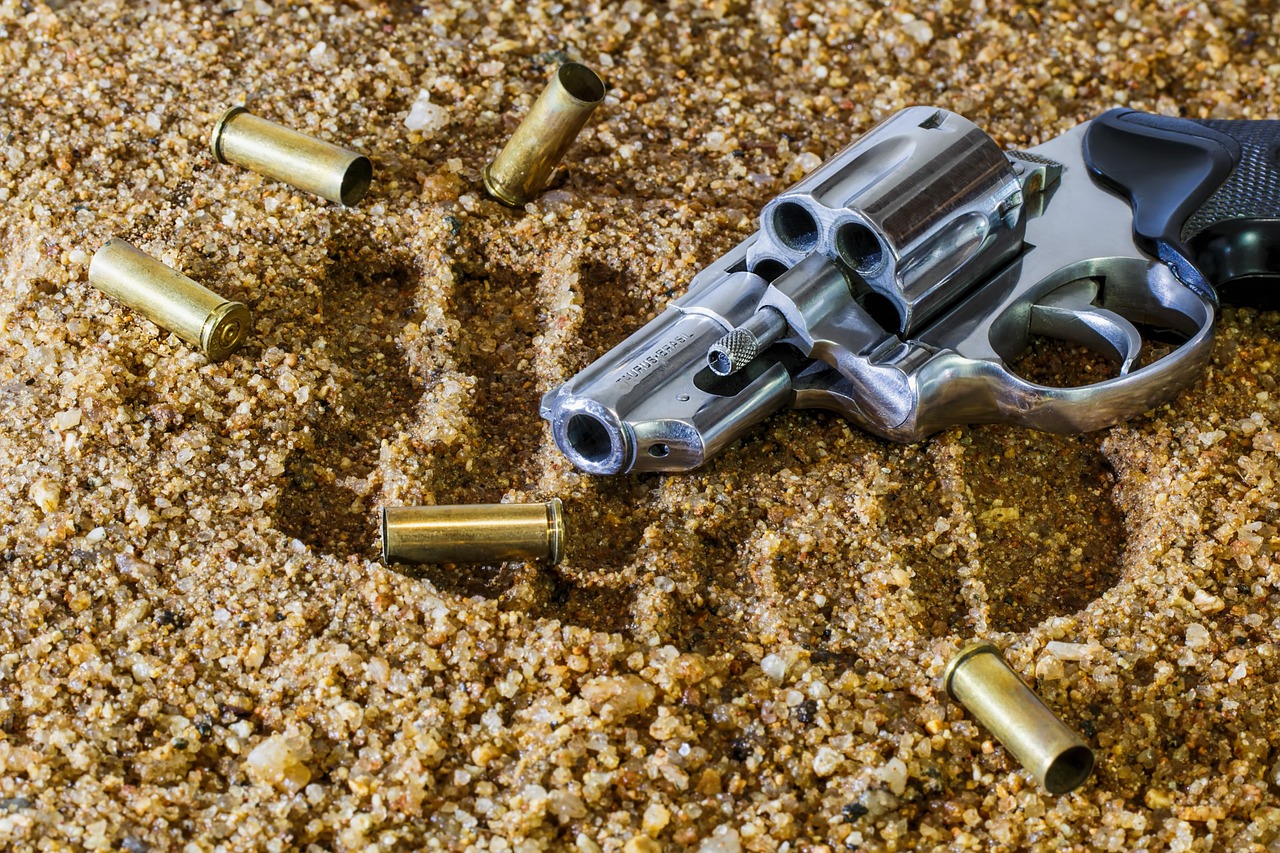
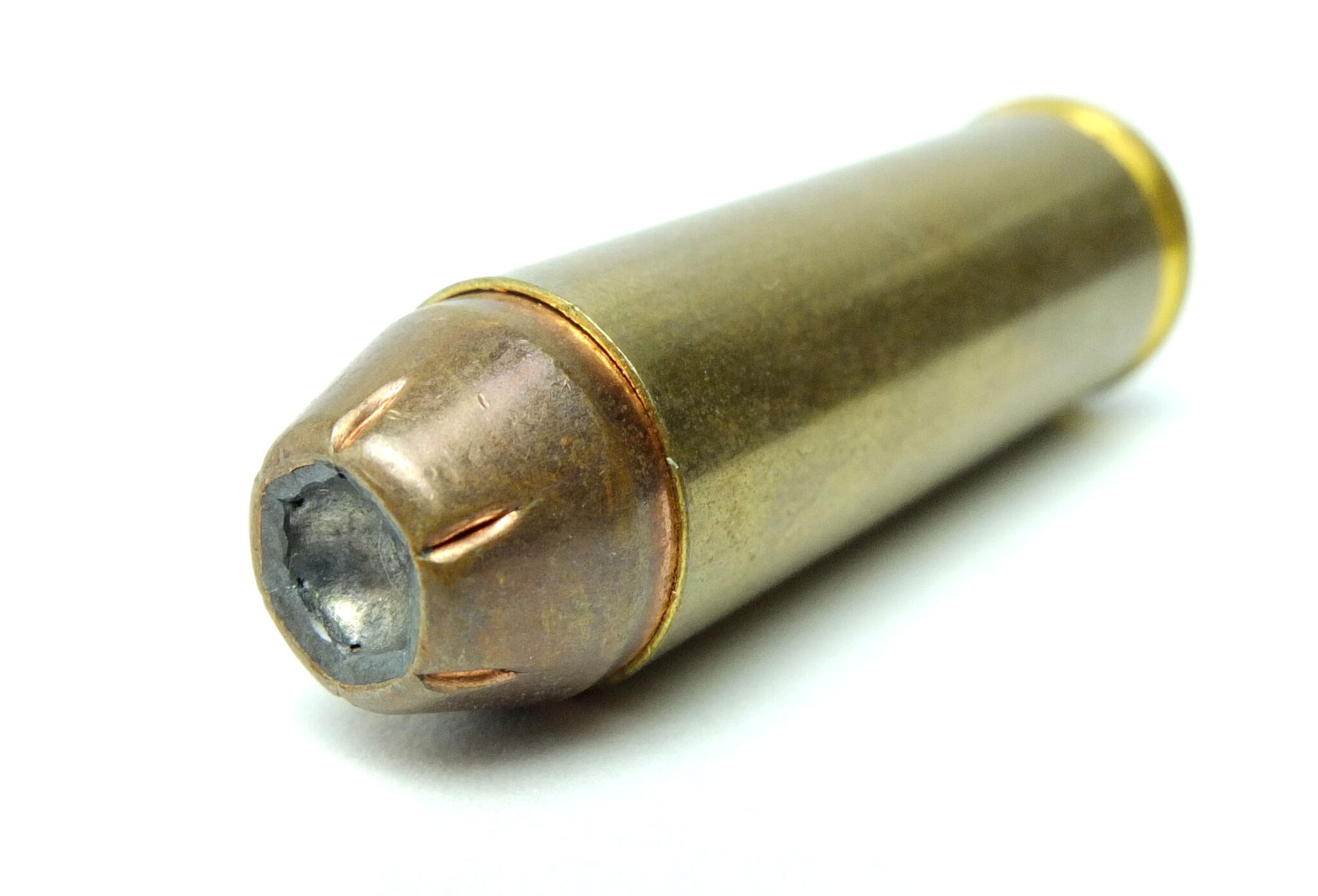
The next giant step came when designers moved from capped chambers to bored-through cylinders that could accept self-contained metallic cartridges from the rear. That sounds like a small machining detail, but it changed everything.
Smith & Wesson’s Model 1, introduced in 1857, is widely credited as the first successful cartridge revolver, made possible by Rollin White’s bored-through cylinder patent and timed perfectly after Colt’s earlier revolving-cylinder patent expired. Smith & Wesson’s own company history identifies the Model 1 as a 7-shot .22 tip-up revolver, while American Rifleman explains how the bored-through cylinder enabled breech-loaded metallic cartridges.
Now the cylinder no longer held loose components. It held complete rounds that were cleaner, quicker, and more weather-resistant.
That one design shift pushed handguns into a more modern age. It improved readiness, reduced handling steps under stress, and made revolvers far more practical for everyday carry, police use, and military service.
Reloading systems grew around cylinder architecture
Once the cartridge cylinder arrived, designers competed to make it faster to empty and refill. Different revolvers attacked the problem in different ways, and nearly all of those solutions were really cylinder-access solutions.
Smith & Wesson’s early tip-up revolvers required the gun to open and the cylinder to be removed for loading and unloading. That was an advance over percussion loading, but still clumsy by later standards.
Top-break revolvers then pushed the idea further by hinging the frame so the cylinder became instantly accessible. According to the Royal Armouries, British Webley service revolvers retained an automatic extraction feature, which meant opening the gun could eject spent cases in one motion.
Swing-out cylinders, introduced later and refined into the modern pattern, may look less dramatic than a top-break gun, but they offered a strong frame with excellent access for extraction and reloading. In historical terms, the race to improve revolvers was really a race to improve what the cylinder could do.
Specialized cylinder ideas pushed the design even further
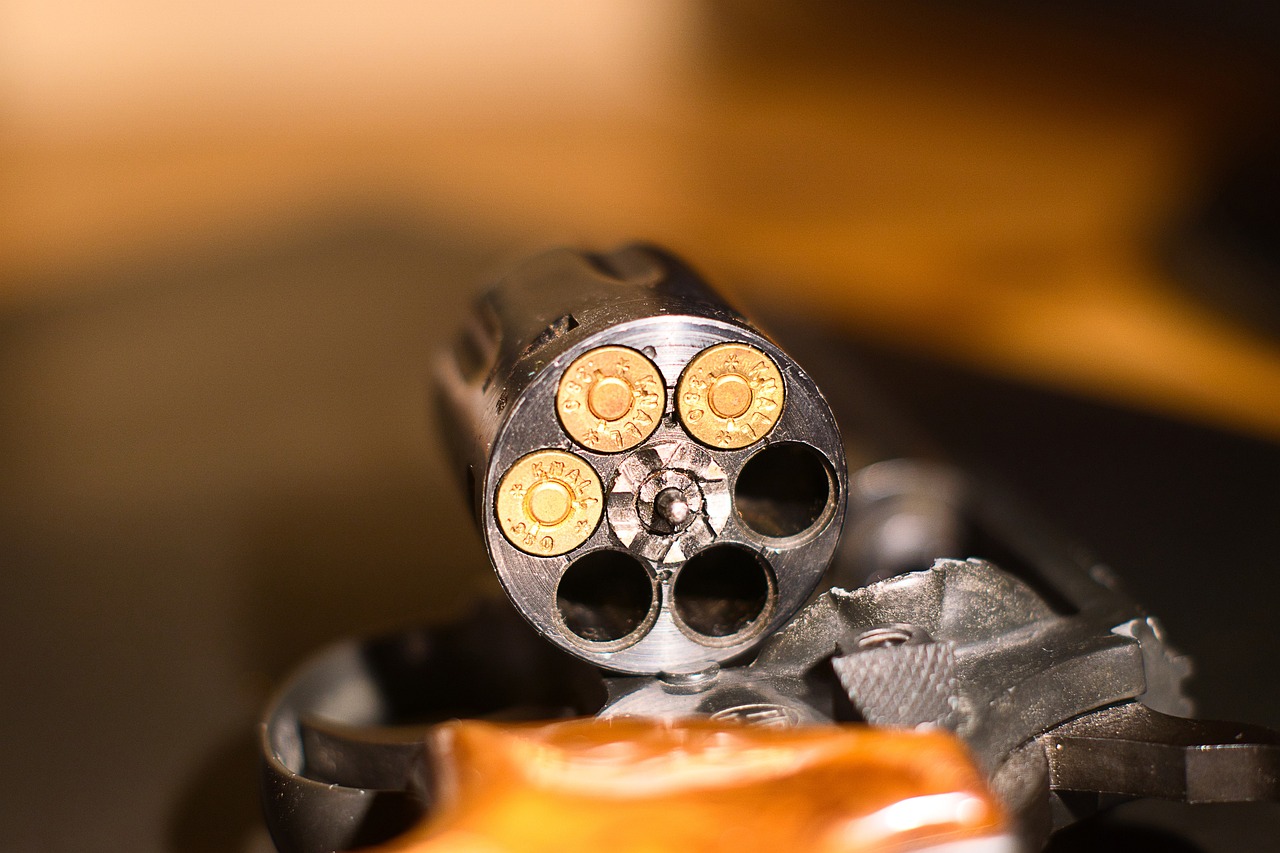
Not every cylinder innovation became mainstream, but some showed just how far inventors were willing to go. A good example is the Nagant Model 1895 and its unusual gas-seal system.
In that revolver, the cylinder moved forward when cocked, helping close the gap between the cylinder and barrel. Royal Armouries identifies the Nagant as Russia’s adopted sidearm, and period patent history tied to the Nagant brothers describes the gas-seal concept as a distinct design improvement.
Why does that matter? Because the normal cylinder gap in a revolver leaks gas. The Nagant system tried to reduce that loss, improving efficiency in a way most revolvers never attempted.
It was mechanically clever, though more complex than standard designs. That is a recurring theme in handgun history: cylinder innovation could produce real gains, but only if the gains were worth the added cost, maintenance, and manufacturing difficulty.
The cylinder’s legacy still defines the revolver today
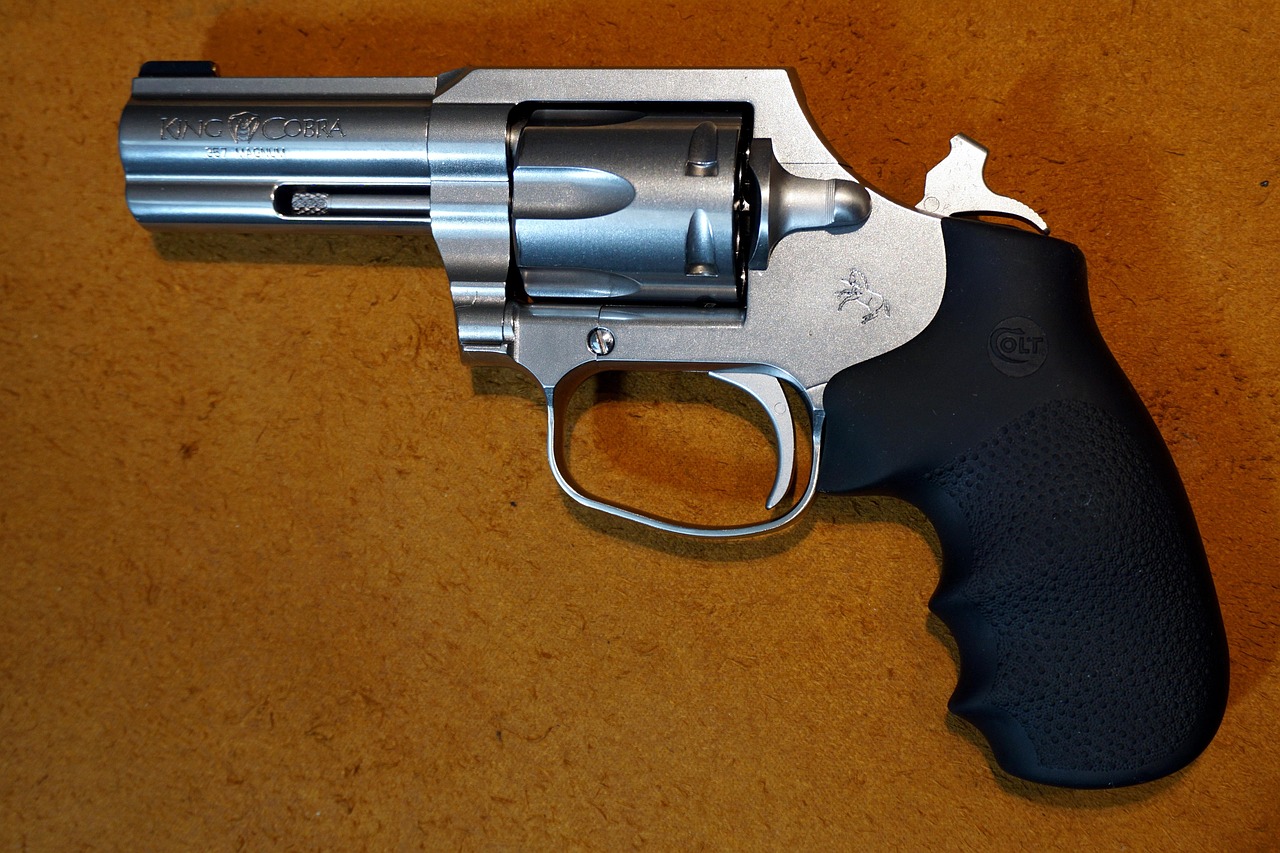
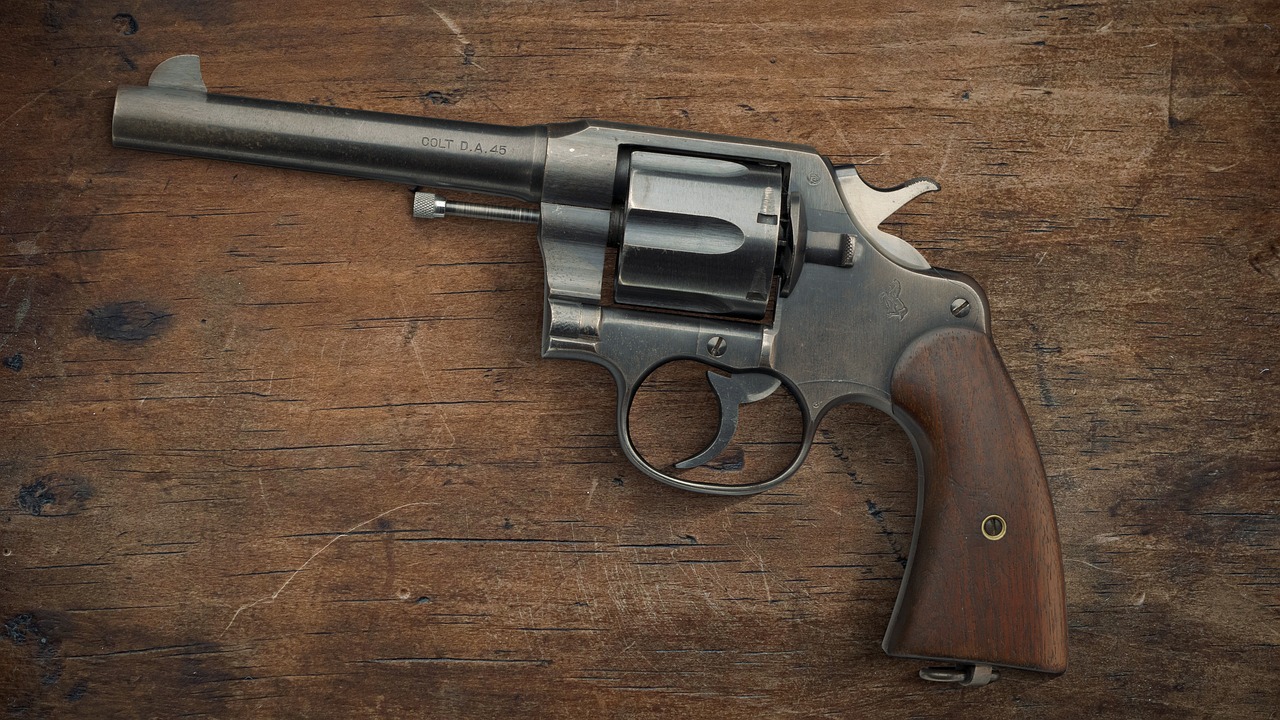
By the 1870s, once bored-through cylinders and metallic-cartridge systems matured, landmark revolvers like Colt’s Single Action Army helped standardize the practical form people still recognize today. American Rifleman notes that the expiration of the Rollin White patent opened the door for Colt’s cartridge revolver development, including the path to the 1871-72 Open Top and the 1873 Single Action Army.
That is the big historical lesson. The revolver did not become important simply because it fired more than once. It became important because the cylinder kept evolving from a rotating cluster of chambers into a durable, reloadable, precisely timed ammunition system.
Modern revolvers still live by the same rules established in the 19th century: alignment, lockup, capacity, extraction, and strength. Change the cylinder, and you change the handgun. History proved that again and again.