A lot of survival planning focuses on gear, fire, and shelter, but medical mistakes are what often turn manageable situations into real emergencies. The surprising part is that many of the most common field errors are exactly the kind of thing a basic wilderness first aid course covers in an afternoon. This gallery breaks down six big mistakes and shows how a little training can make you calmer, faster, and far more effective when it counts.
Why survival confidence often outruns medical skill
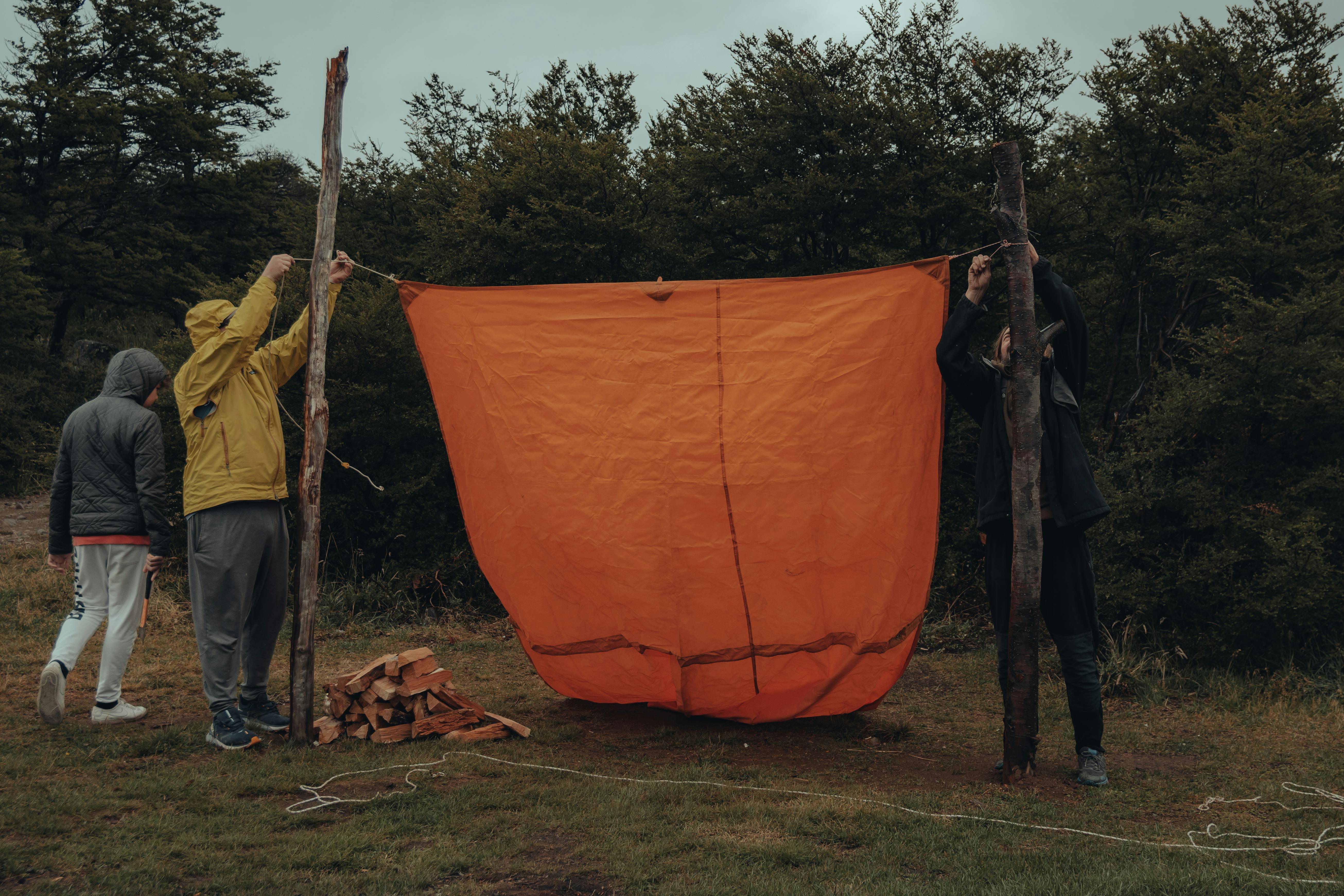
Many outdoorsy people can start a fire in the rain, pitch a tarp in the dark, and name every item in their pack. Then someone slices a hand, rolls an ankle, or gets dangerously cold, and all that confidence suddenly gets very quiet.
That gap matters because emergencies in the field rarely look dramatic at first. They usually begin as small, fixable problems that get worse through hesitation, bad assumptions, or improvised care. A cheap wilderness first aid course helps replace guesswork with a simple system, which is often the difference between inconvenience and evacuation.
Ignoring the scene before rushing to help
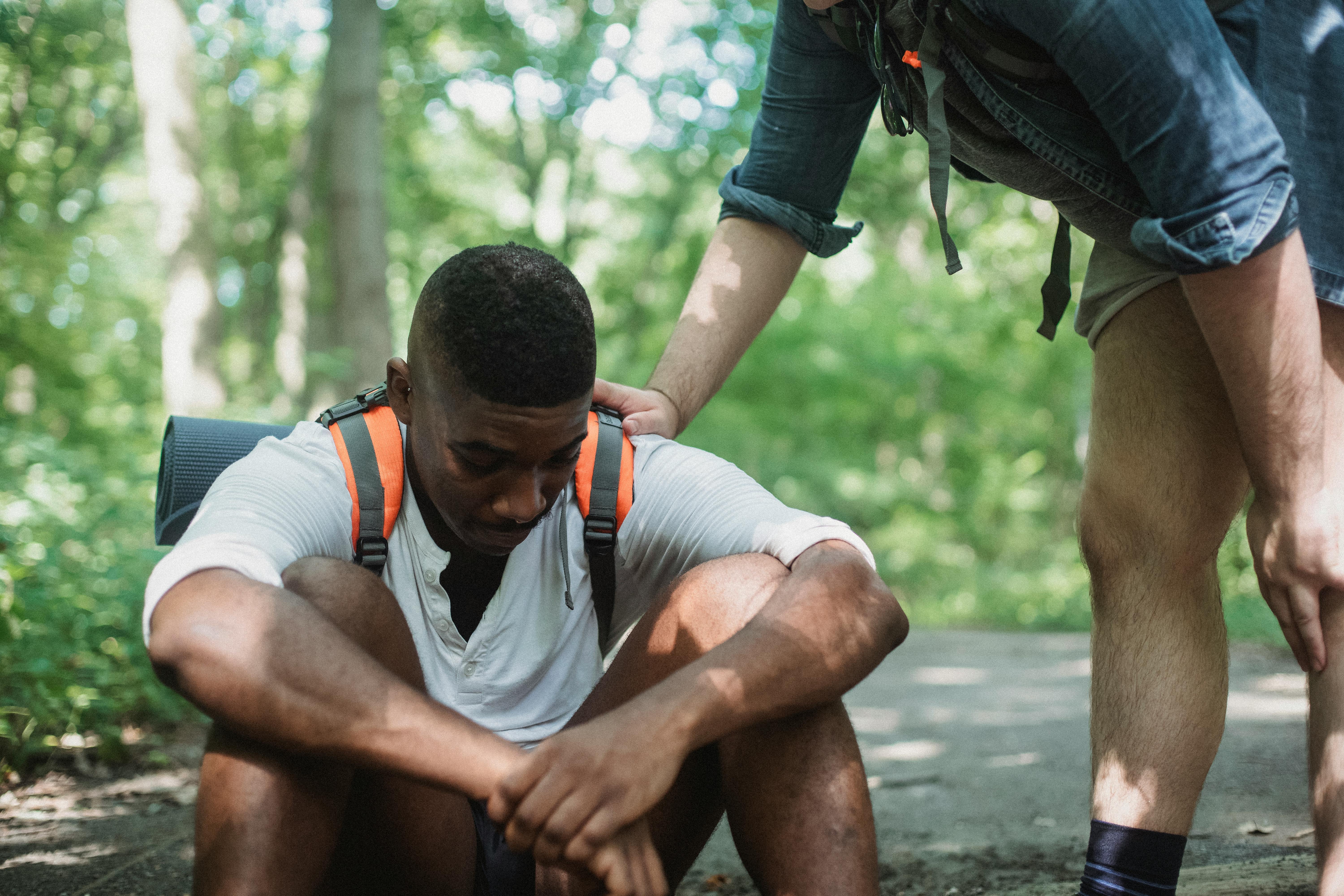
One of the biggest field mistakes is charging straight to the injured person without checking what caused the injury. Loose rock, lightning, cold water, unstable ice, falling branches, or even a panicked camp stove can turn one patient into two very quickly.
Basic wilderness first aid teaches a habit that sounds simple but changes everything: pause, look, and make the area safer before touching the patient. That might mean moving the group off exposure, shutting off a stove, putting on gloves, or stabilizing footing first. It feels slower in the moment, but it prevents chaos and keeps the rescuer useful instead of becoming the next problem.
Treating blood like it is either nothing or a catastrophe
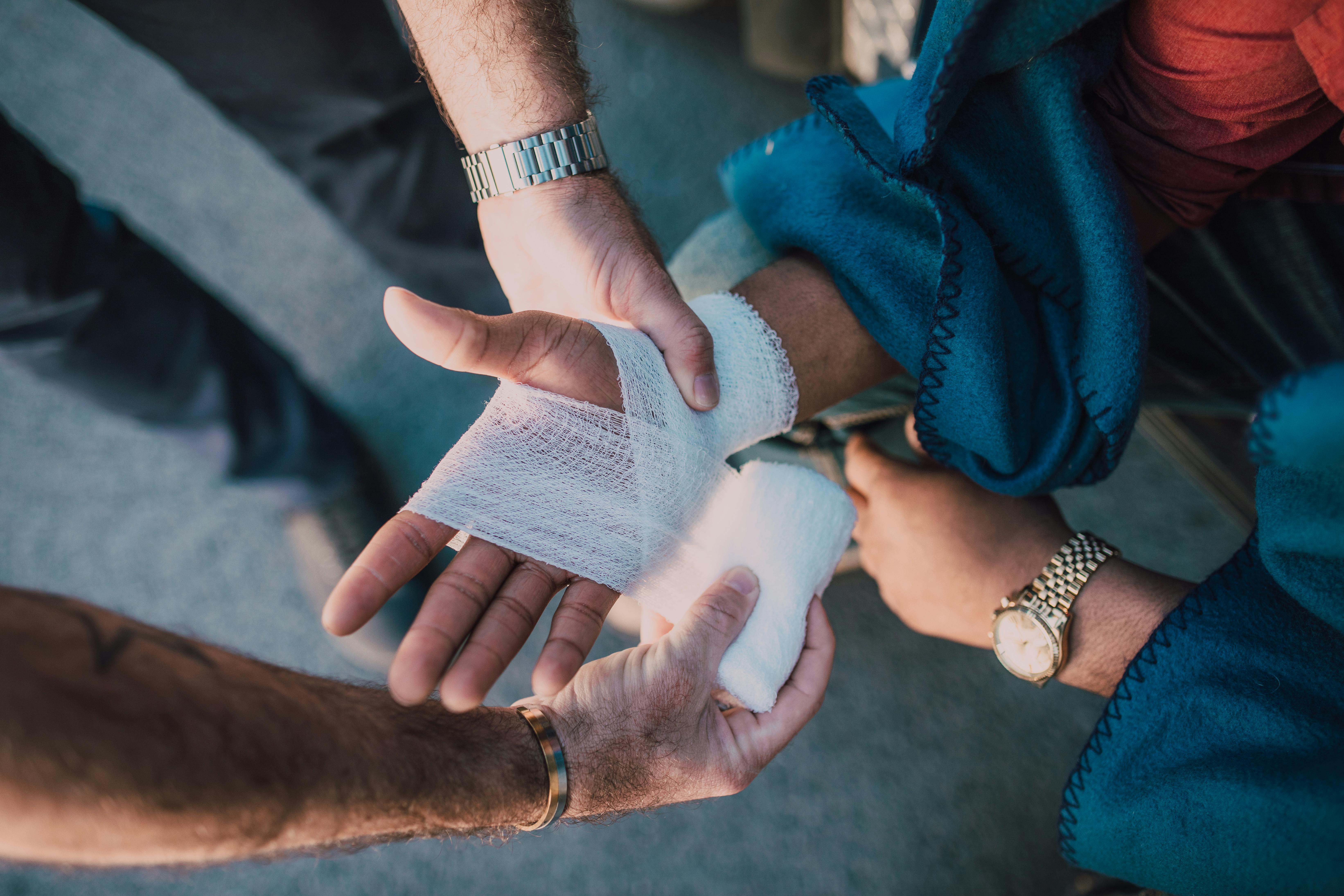
People tend to make the same two mistakes with bleeding: they either shrug it off because the wound looks small, or they panic the second they see a lot of red. Neither response is especially helpful when clear pressure and patience are what usually matter most.
A basic course teaches how to expose the wound, apply direct pressure correctly, and avoid constantly lifting the dressing to inspect it every 10 seconds. It also explains when bleeding is serious enough to escalate quickly. That kind of training cuts through the movie-version drama and replaces it with calm, practical action that works much better in the dirt, rain, and confusion of real life.
Missing the early signs of hypothermia and heat illness

Many field emergencies are not dramatic injuries at all. They are slow-burning problems like hypothermia, dehydration, and heat illness that creep up while everyone is busy hiking, setting camp, or insisting they are fine.
That is where a little training pays for itself fast. A wilderness first aid class teaches you to notice subtle changes like clumsiness, irritability, poor decisions, chills, headache, or unusual fatigue before the situation spirals. It also reinforces the basics people skip in the field: dry layers, shade, fluids, calories, rest, and early intervention. These are not exotic skills, but they are exactly the ones people forget right before a routine trip turns into a rescue call.
Using the first aid kit like a box of random props

A surprising number of people carry well-stocked kits they barely know how to use. The gear looks impressive, but under stress, it becomes a collection of mystery packets, awkward wraps, and tools that come out too late or get used for the wrong problem.
A low-cost course changes your relationship with the kit by connecting each item to a purpose and a sequence. Suddenly, your gloves, gauze, elastic wraps, triangle bandages, and blister care make sense as part of a process rather than camping décor. The result is not just better care. It is speed, confidence, and fewer fumbling mistakes when someone is cold, scared, and waiting for you to do something useful.
Skipping patient assessment because the injury looks obvious

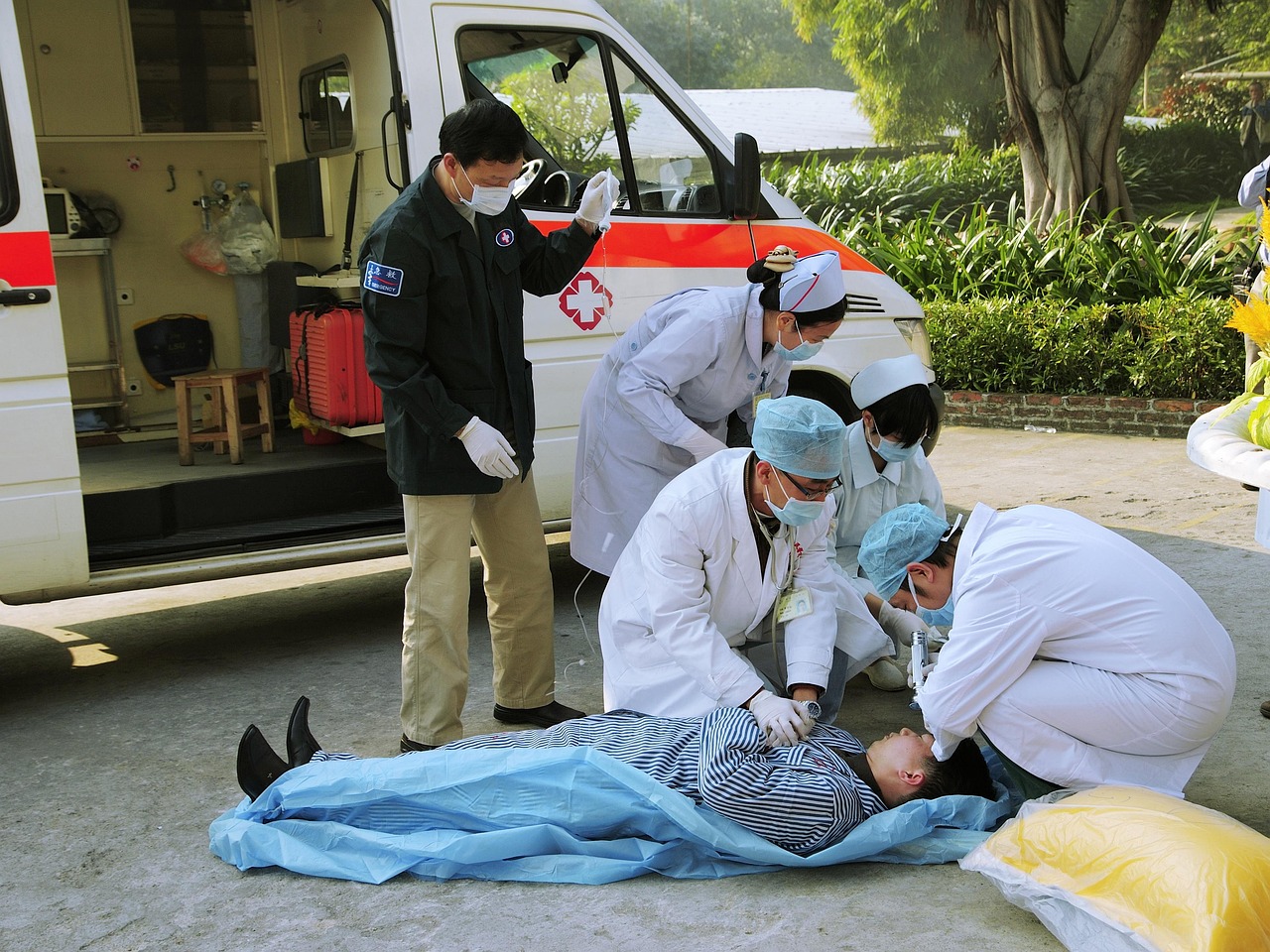
A bloody knee or twisted wrist can pull all your attention to one visible injury, but that tunnel vision is a classic mistake. People get so focused on the obvious problem that they miss breathing trouble, worsening shock, head injury, or changes in mental status.
Wilderness first aid teaches a step-by-step assessment so you do not let the loudest symptom distract you from the most dangerous one. It is not about turning amateurs into medics. It is about giving ordinary people a repeatable checklist for stress-heavy moments. That structure helps you ask better questions, notice what is changing, and avoid making decisions based only on whatever looks dramatic at first glance.