The handgun market is dominated by familiar names, but some less-mainstream models have earned devoted followings through distinctive engineering, thoughtful ergonomics, historical importance, or impressive shooting characteristics. These firearms may not outsell the industry’s biggest brands, yet enthusiasts continue to appreciate what makes each one different. Of course, no single handgun is best for everyone. Price, reliability, maintenance, parts availability, and intended use all matter when comparing models. This list explores 10 handguns whose loyal fan bases help explain why popularity alone does not always determine a firearm’s reputation.
1. CZ 75
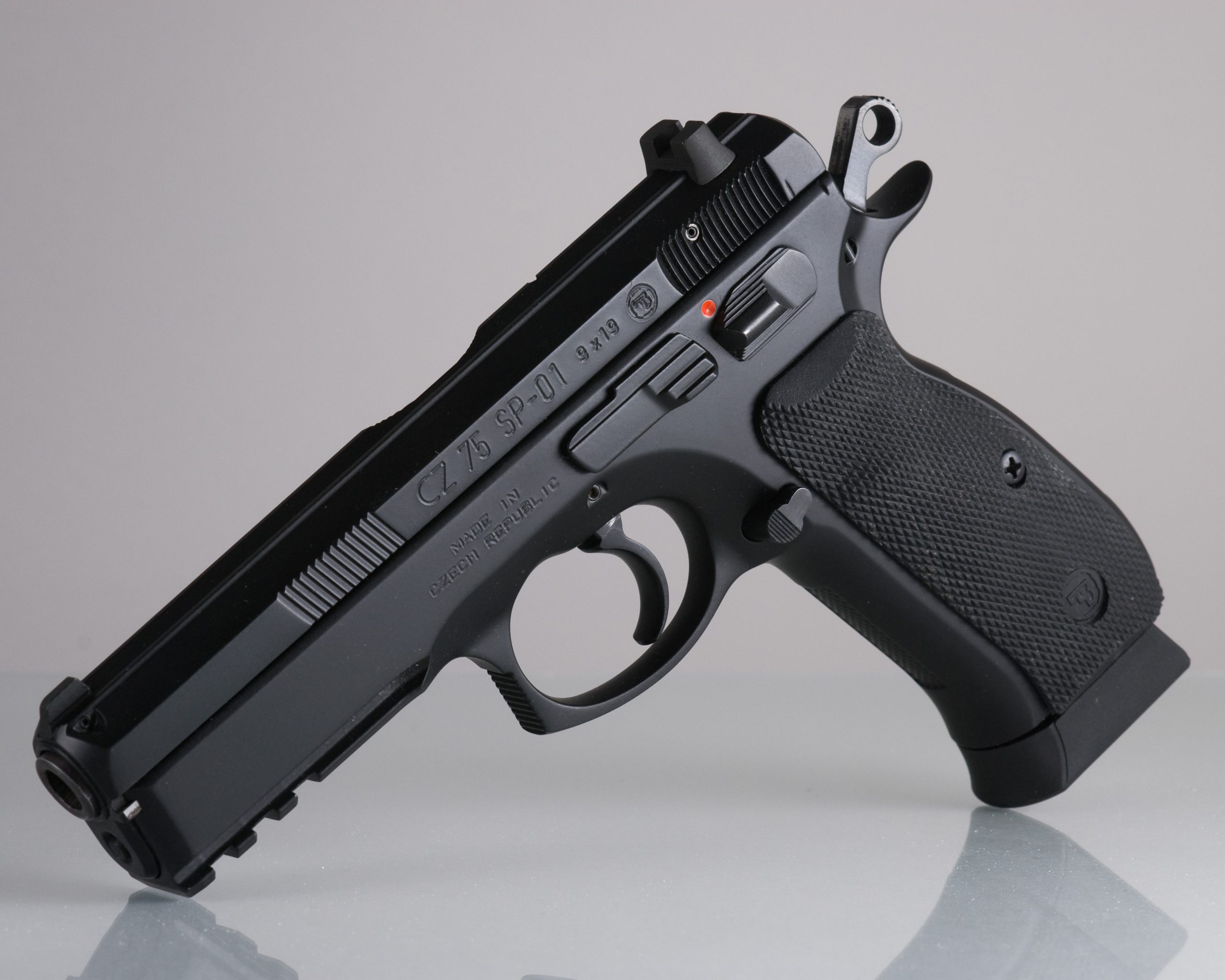
Introduced in 1975, the CZ 75 built its following through comfortable ergonomics, steel construction, and a distinctive slide that travels inside the frame rails. Standard 9mm versions commonly feature a 15-round magazine, although capacity varies by model and market. Enthusiasts often praise its balance and shooting characteristics, while its substantial weight may not suit everyone. Its influence is visible in numerous related designs, including the Israeli Jericho. For collectors, the CZ 75 offers an appealing combination of engineering, history, and practical shooting appeal.
2. Browning Hi-Power
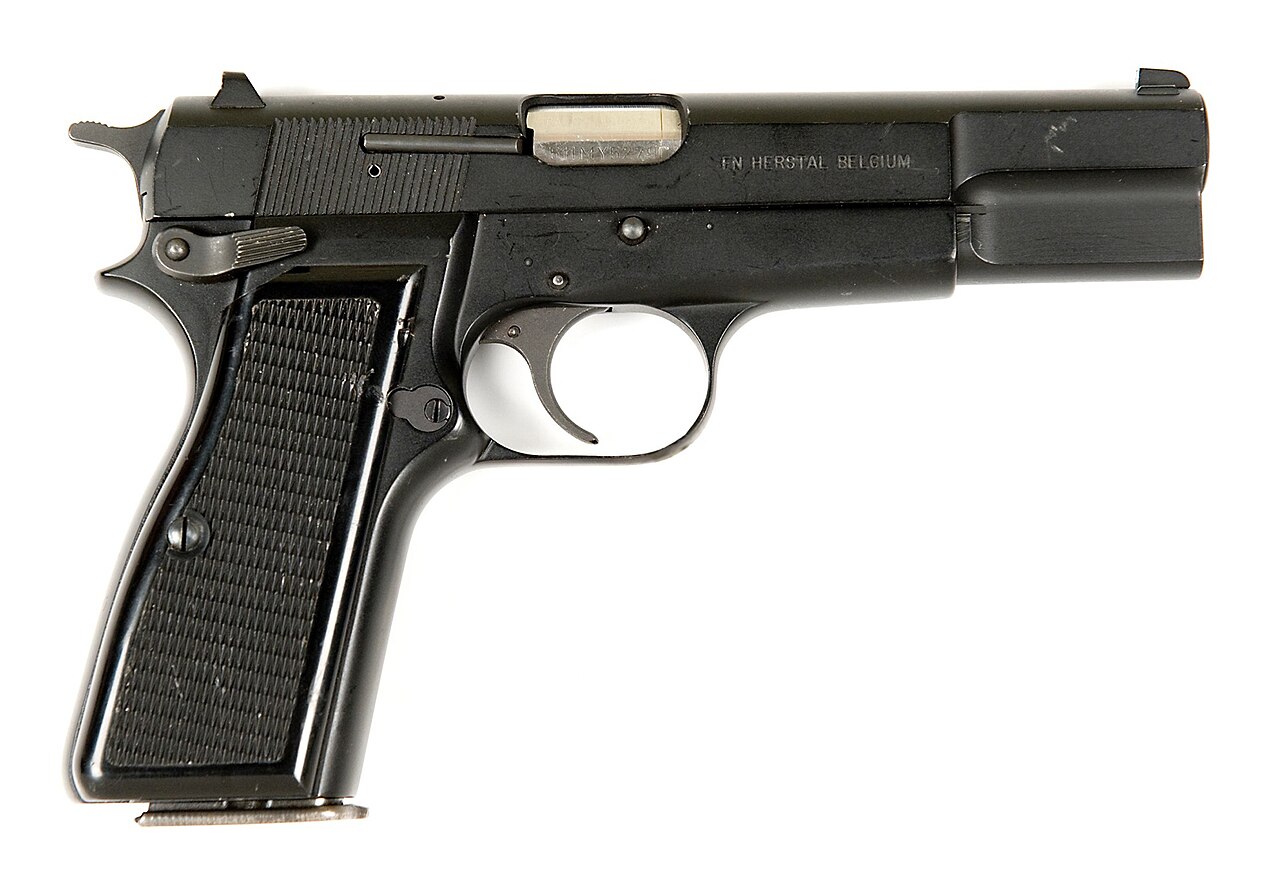
The Browning Hi-Power became an influential handgun after entering production in 1935, combining a slim grip with a double-column magazine holding 13 rounds in its original configuration. John Browning began the design, and Dieudonné Saive completed its development at FN. Its long military history and distinctive profile have earned it lasting admiration among collectors. Modern reproductions offer updated features, but the classic design remains appealing for its historical importance and handling qualities. Its loyal following shows how an older pistol can remain relevant long after newer designs arrive.
3. IWI Jericho 941
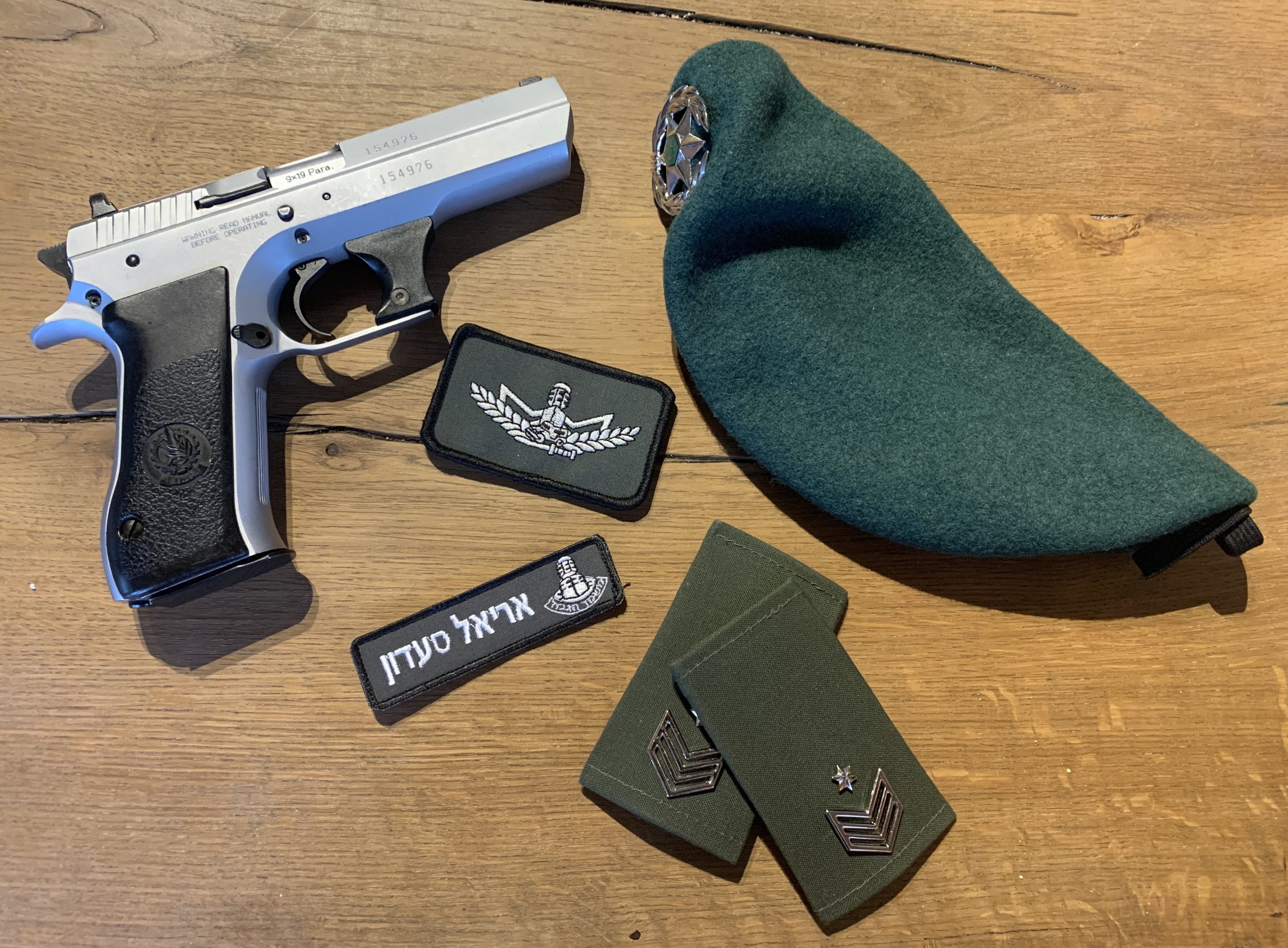
The IWI Jericho 941 has developed a devoted following through its substantial construction, distinctive appearance, and association with Israeli firearm design. Introduced in the early 1990s, it was initially offered in 9mm and .41 Action Express, with later versions available in other chamberings. Its steel-framed variants appeal to shooters who prefer a solid feel over the lighter construction of many modern pistols. Different generations have different controls, weights, and features, so buyers should check the exact version. Its combination of unusual history and recognizable styling makes it stand out in a crowded market.
4. Walther P99
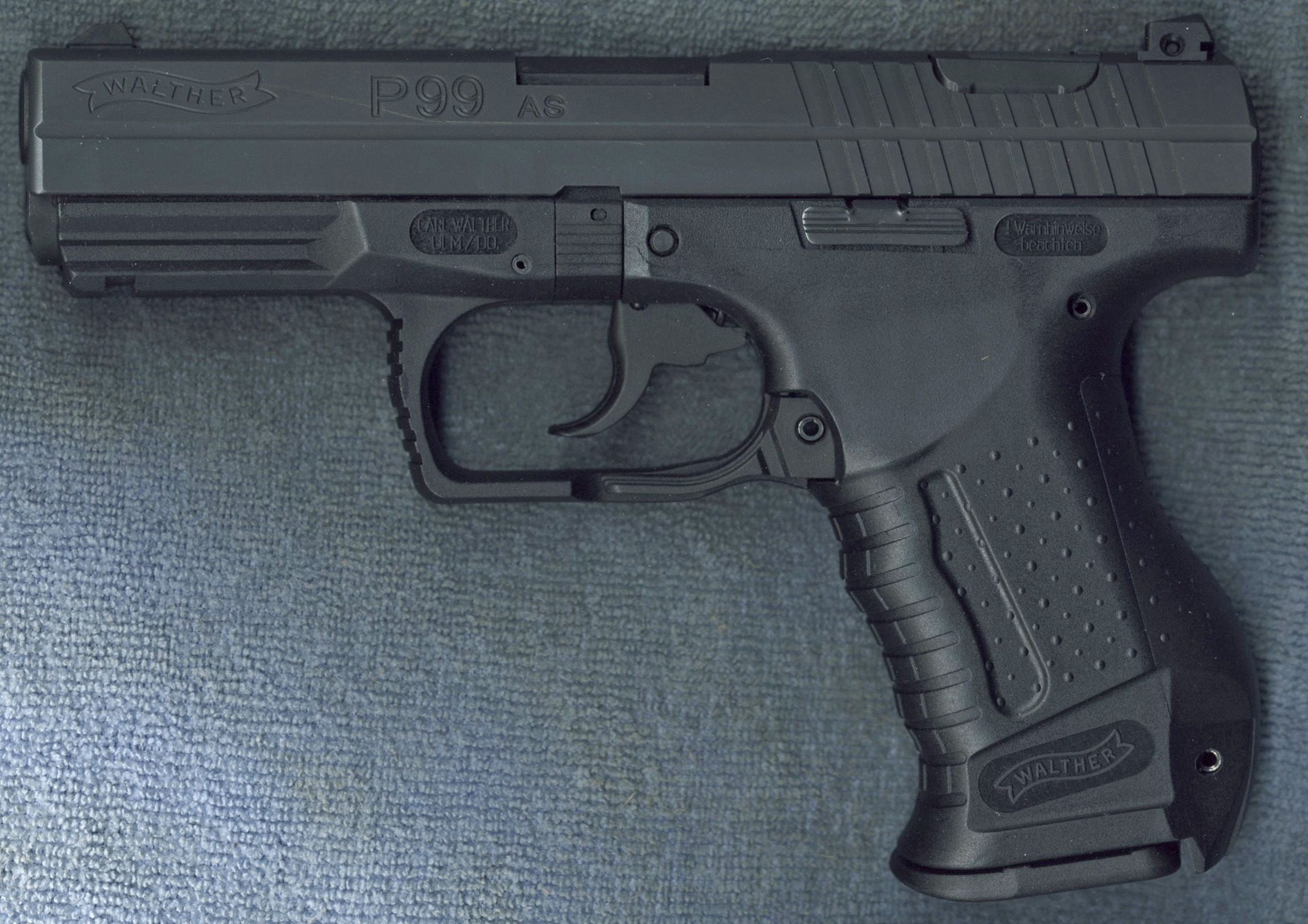
Introduced in 1997, the Walther P99 brought an adaptable trigger system and polymer construction to a market increasingly interested in modern service pistols. Its different variants include distinctive trigger configurations, so the precise model matters when comparing specifications or handling. Many enthusiasts appreciate its ergonomics and the unusual character of its original trigger system. Although newer Walther pistols have taken center stage, the P99 remains interesting to collectors who value designs that helped shape later products. Its appeal comes from thoughtful engineering and individuality rather than simply following the most popular handgun trend.
5. Steyr M9-A2
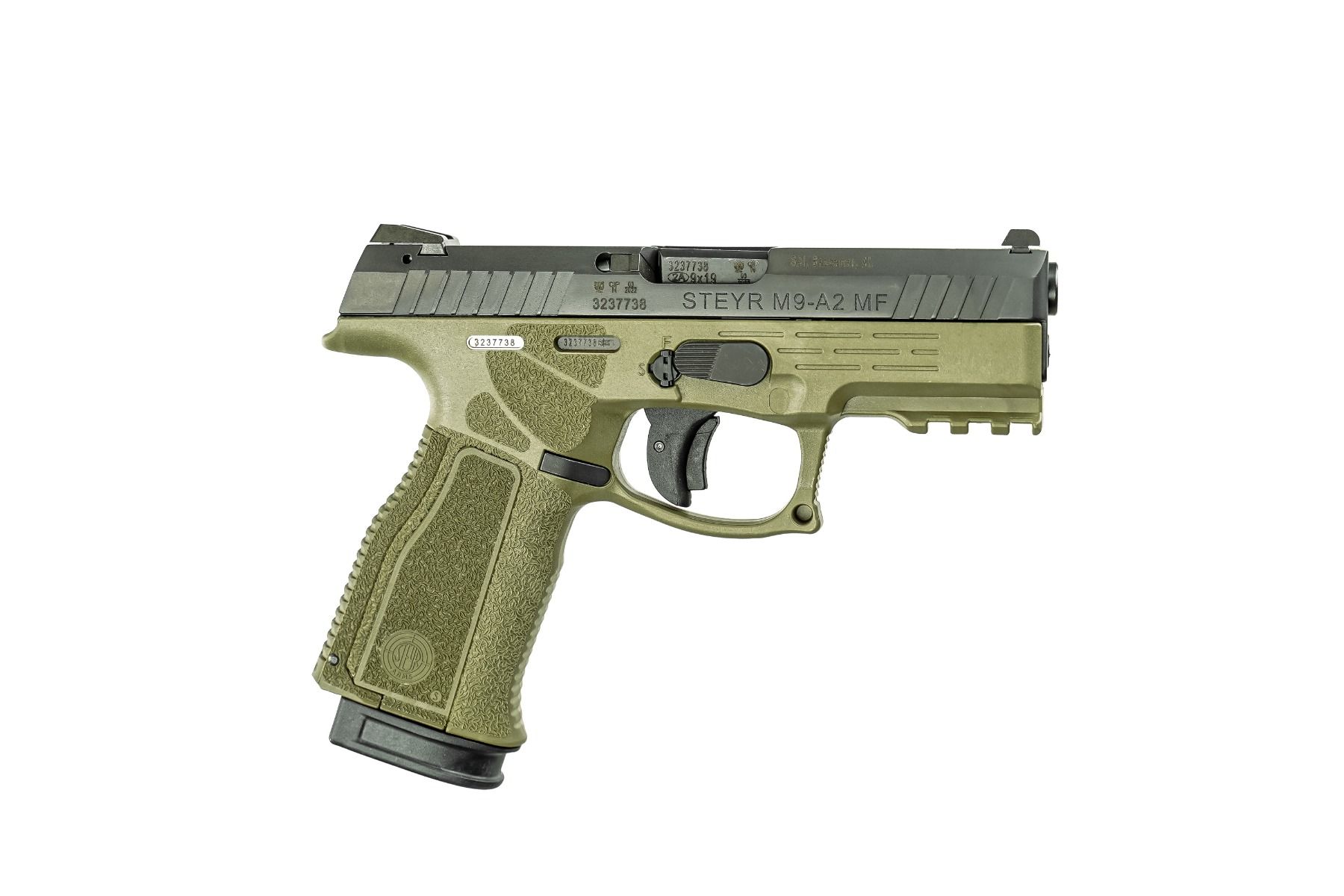
The Steyr M9-A2 stands apart with its unusually shaped grip, low-profile sighting arrangement, and polymer frame. Chambered in 9mm, it typically uses a 17-round magazine, although specifications can vary with regional versions. Its grip geometry is designed to encourage a natural pointing position, but personal comfort differs from one shooter to another. Steyr has a smaller market presence than some major handgun manufacturers, which helps the M9-A2 retain a niche following. Prospective owners should also consider local service availability and spare-part support alongside its distinctive ergonomics and features.
6. Beretta PX4 Storm
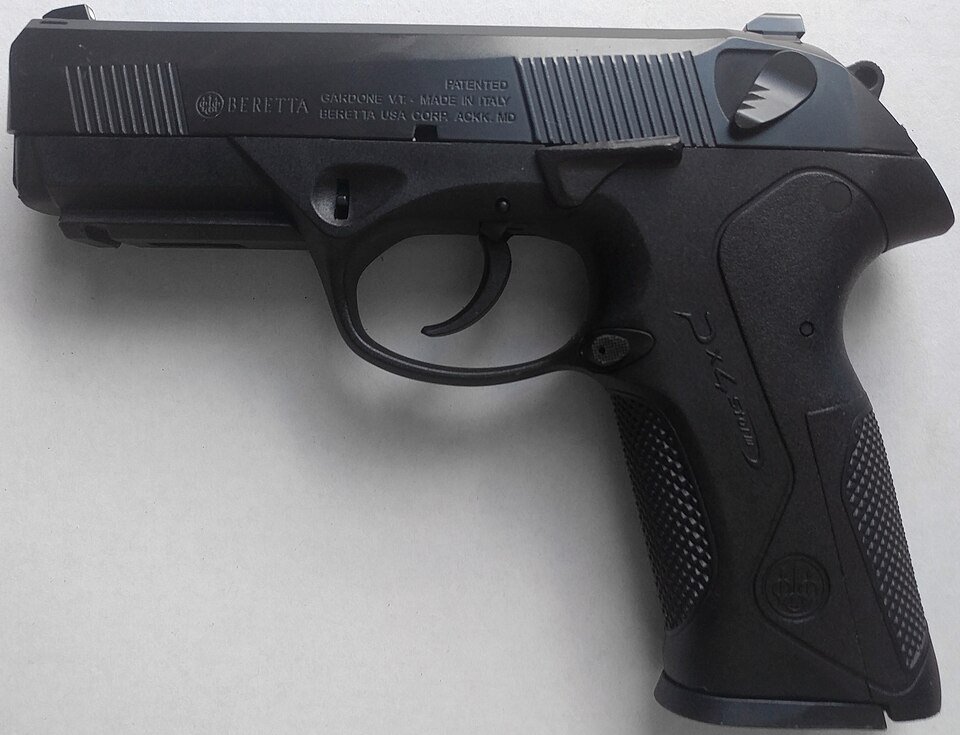
The Beretta PX4 Storm attracts enthusiasts with its distinctive styling and, on selected models, a rotating-barrel operating system. The full-size 9mm version commonly holds 17 rounds, though compact versions and regional configurations differ. Its polymer frame keeps weight manageable, while interchangeable backstraps on certain variants help accommodate different hands. The PX4 never became as universally recognizable as Beretta’s 92 series, yet its individual design has earned appreciation among owners who prefer alternatives to conventional striker-fired pistols. Model-specific differences matter, especially when comparing trigger systems and available accessories.
7. FN FNP-9
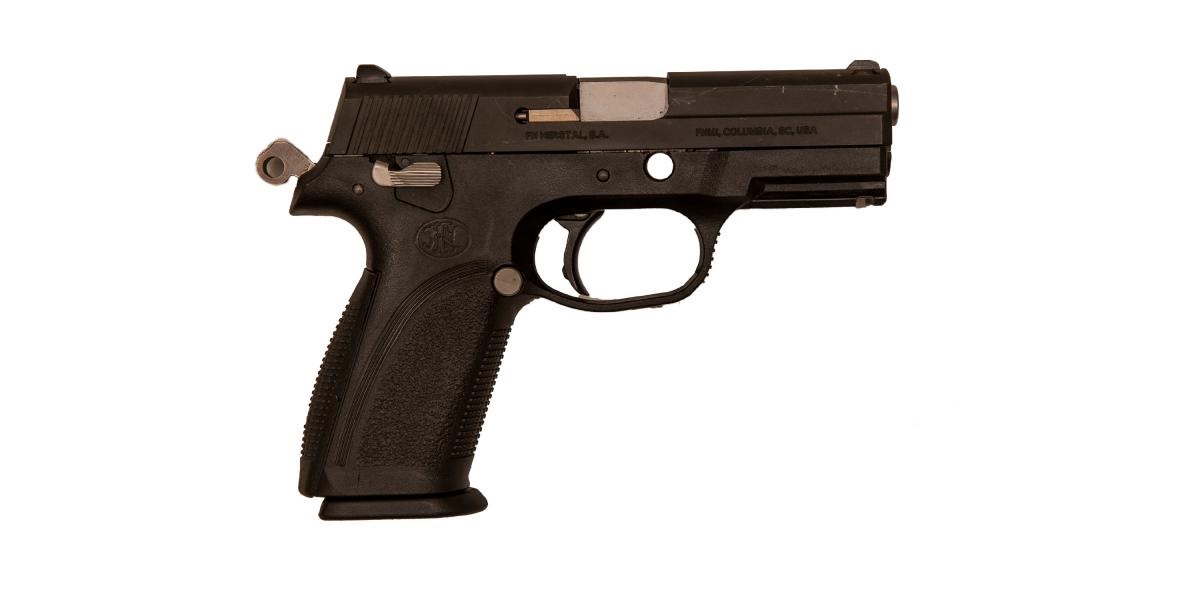
The FN FNP-9 is a double-action/single-action 9mm pistol that helped establish the company’s modern polymer-handgun family before the later FNX and FN 509 generations. Depending on configuration, its magazine capacity is commonly 16 rounds. The design offers a traditional external hammer and controls that appeal to shooters who prefer a different operating style from striker-fired pistols. Although it receives less attention than some competing service handguns, its engineering and place in FN’s product history interest collectors. Because it is an older model, buyers should check parts availability and the condition of any used example.
8. Grand Power K100
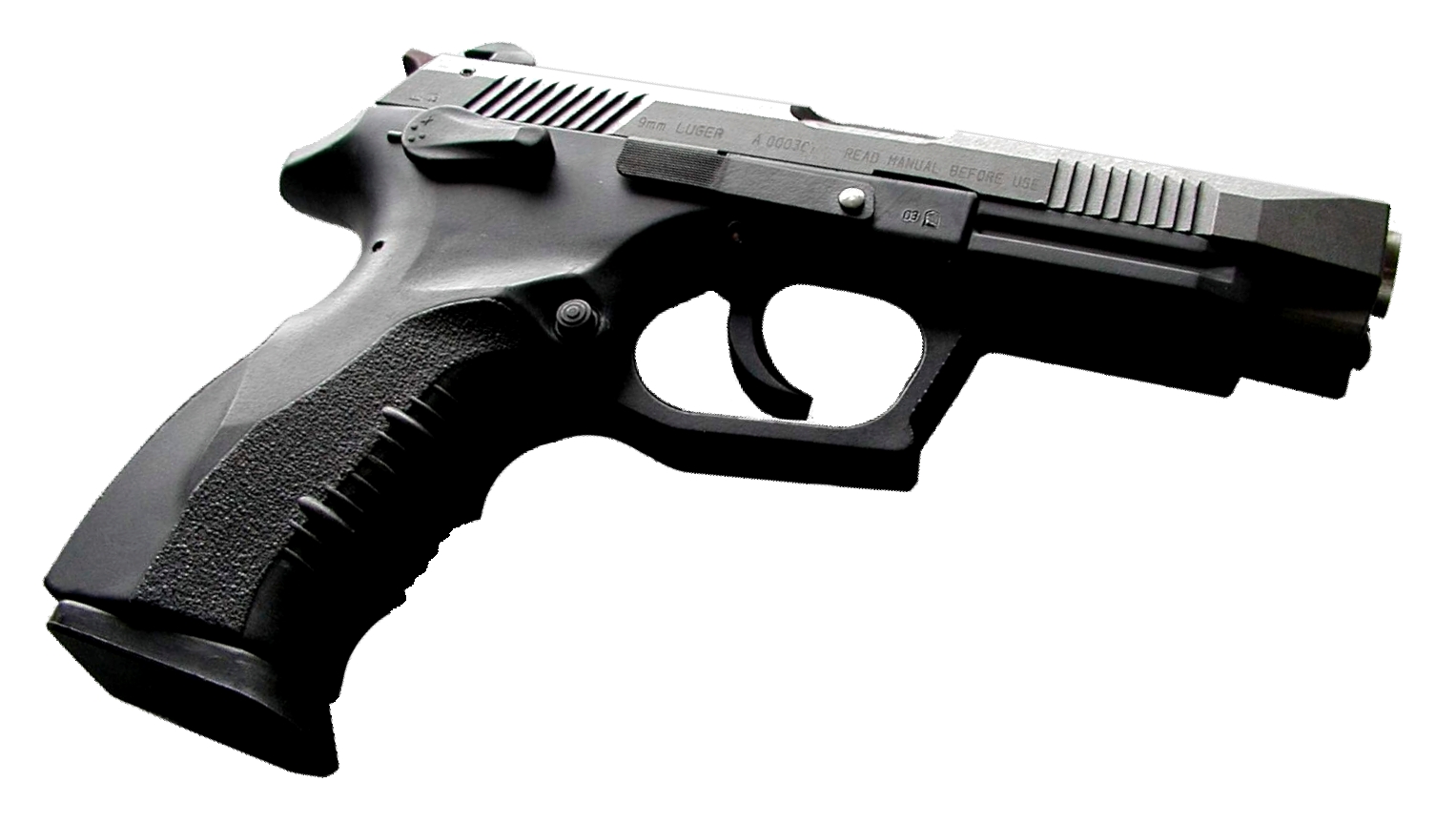
The Slovakian Grand Power K100 stands out because its operating system uses a rotating barrel rather than the more familiar tilting-barrel arrangement found in many semiautomatic pistols. Introduced in the early 2000s, it helped the manufacturer establish a distinct identity in the European handgun market. The 9mm design has attracted enthusiasts interested in alternative engineering and ergonomic controls. Its comparatively limited availability in some countries can make hands-on evaluation and service support less convenient. The K100’s appeal lies in its unusual mechanism and specialist following, rather than broad commercial recognition.
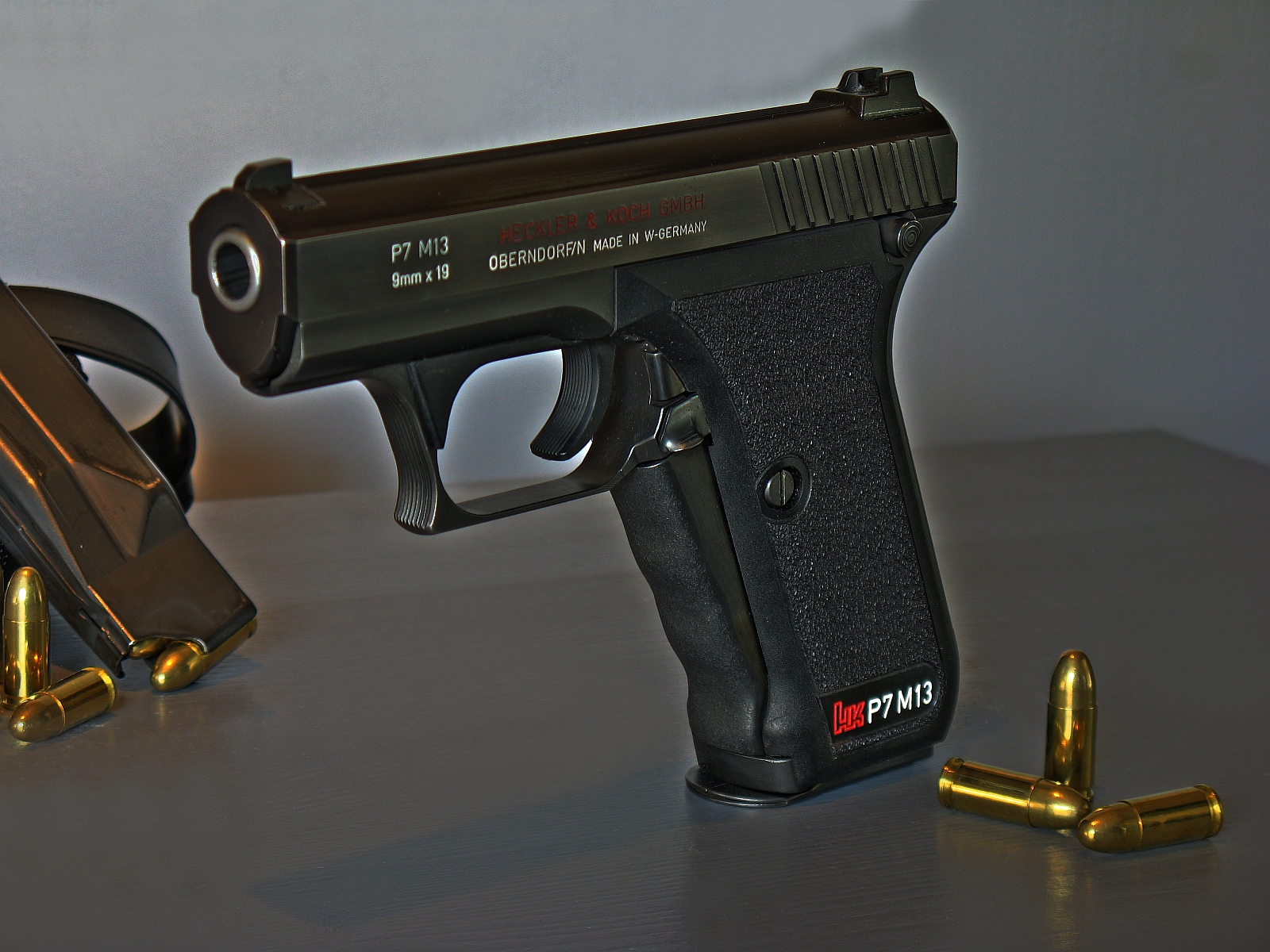
9. HK P7
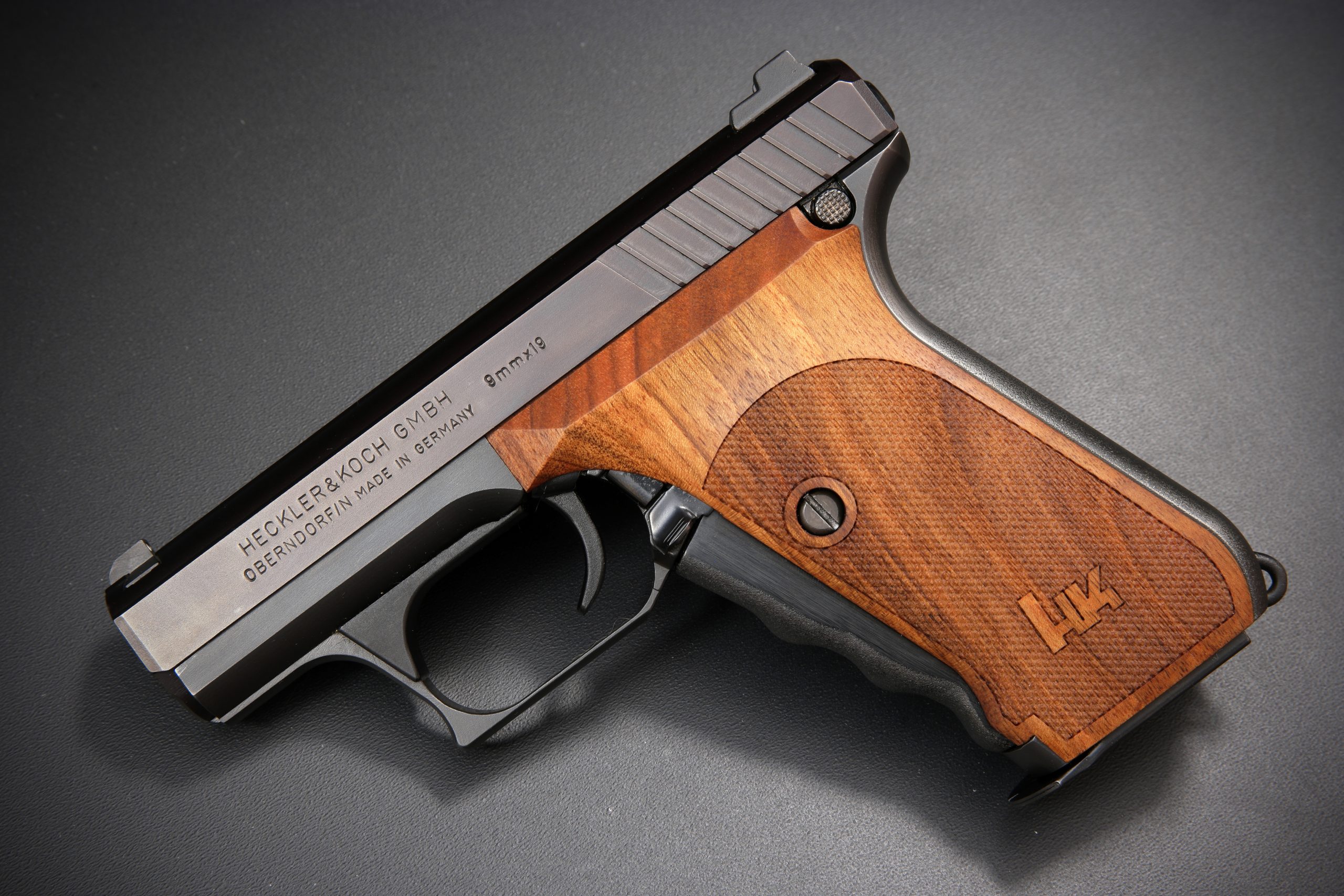
The Heckler & Koch P7 is one of the more unusual pistols to emerge from postwar German engineering. Introduced in the 1970s, it uses a squeeze-cocking mechanism in the front of the grip and a gas-delayed blowback system in its original 9mm versions. Those features give it a distinctive operating character that enthusiasts continue to admire. Production ended years ago, making condition, specialist servicing, and parts availability important considerations for buyers. Its relatively heavy construction and specialized design may not suit every user, but its originality has secured a lasting place in handgun history.
10. SIG Sauer P210

The SIG Sauer P210 earned a reputation for precision and refined construction after its introduction in Switzerland in 1949. Original military versions were chambered in 9mm, and the design became particularly respected among target shooters and collectors. Its close-fitting slide and frame arrangement, carefully finished components, and crisp trigger contribute to its appeal. Classic examples can command substantial prices, while later P210 variants differ in size and features. The pistol’s dedicated following reflects an appreciation for craftsmanship and accuracy, qualities that can matter more to enthusiasts than widespread popularity or large production numbers.