It looked like the future of infantry firepower. Then the future arrived too early for the rifle to survive it.
The Army Wanted More Than A Better Rifle
In the late 1950s and early 1960s, the U.S. Army was chasing a hard truth. Combat studies suggested average riflemen missed far more often than planners liked, especially under battlefield stress. That led from Project SALVO into the Special Purpose Individual Weapon, or SPIW, a program built around the idea of dramatically boosting hit probability.
The concept was bold rather than incremental. According to Army historical material, SPIW aimed to fire tiny fin-stabilized flechettes at very high velocity while also carrying a built-in grenade-launching capability. In plain language, it was supposed to combine a rifle and grenade launcher in one package without the weight penalty soldiers already hated.
That ambition explains why so many people inside Army research circles believed SPIW might become the next true service rifle family. Army acquisition history and later Army reviews both show that officials saw it not as a mere M14 replacement, but as a generational jump beyond conventional ball ammunition and traditional recoil-heavy automatic fire.
Four Builders Took A Shot At Reinventing Firepower

The Army moved fast enough that, by 1963, four development contracts had been let. Army research reporting from that period identified the competitors as Aircraft Armaments Inc., Winchester-Western, Harrington and Richardson, and Springfield Armory. Prototypes were expected quickly, which tells you how urgently the service wanted a breakthrough.
On paper, the flechette made tremendous sense. A dart is extremely light, so recoil impulse could stay low even with very high velocity. Army histories later described that as one of SPIW’s core attractions, because low recoil meant controllable bursts and theoretically much better odds of scoring hits in fast, chaotic infantry fights.
But the engineering burden was enormous. SPIW was not just a rifle with unusual ammunition. It was an entire weapon system involving exotic projectiles, magazines, firing mechanisms, sabots, and grenade-launching hardware, all of which had to work in dirt, heat, rain, and the hands of tired soldiers who did not care how futuristic the blueprints looked.
Why The Idea Kept Slipping To The Right
The deeper testing went, the more the calendar slipped. Army acquisition histories note that SPIW had once been scheduled for type classification as Standard A in December 1965, but technical trouble pushed that milestone first to January 1967 and then again to June 1968. That is usually the clearest sign a promising weapon is starting to drown in its own complexity.
The central problem was not one fatal flaw. It was an accumulation of them. Flechette ammunition had to be consistent, safe, durable, and affordable. The weapon had to seal gases properly, feed reliably, survive rough handling, and keep acceptable accuracy. Doing all of that at once proved far harder than selling the original concept.
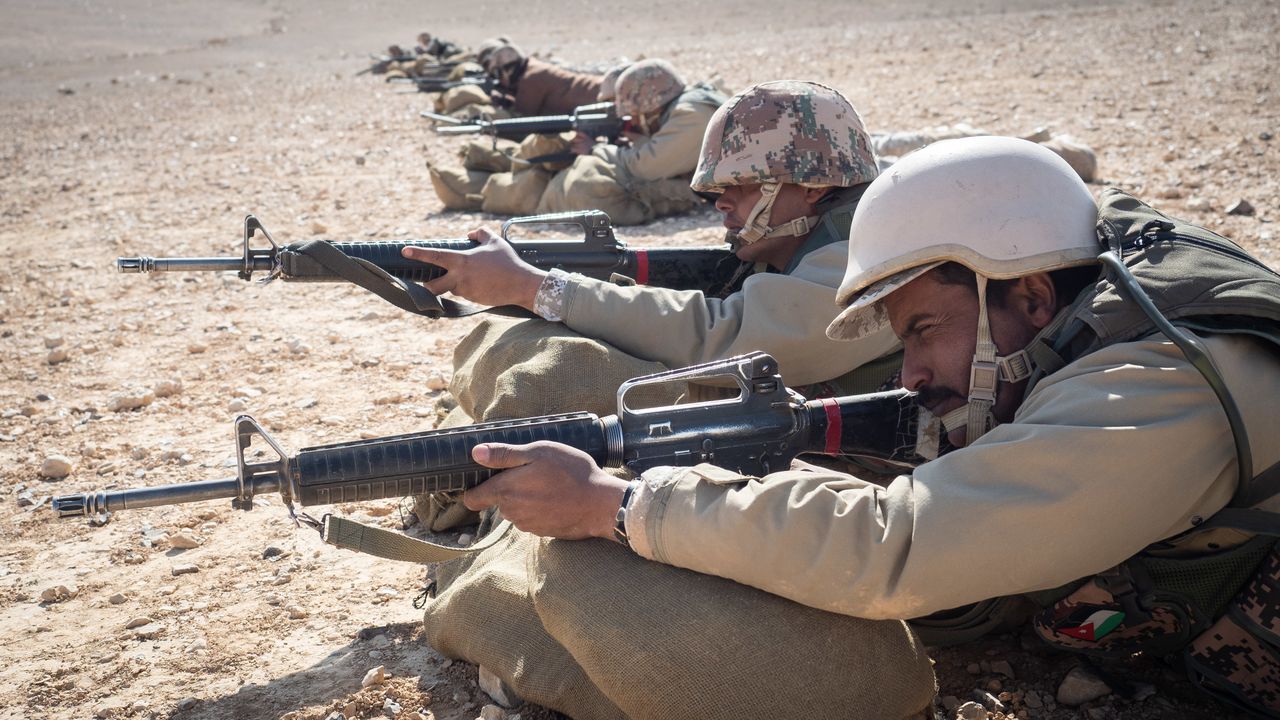
Meanwhile, the real world would not pause for laboratory dreams. As U.S. involvement in Vietnam expanded, the Army needed rifles immediately, not after another cycle of redesigns. That urgency strengthened the case for the 5.56mm M16 family, which had its own early troubles but was at least a weapon the Army could field in meaningful numbers.
The Biggest Test Never Really Arrived
What makes SPIW such a fascinating dead end is that its decisive proving moment kept moving just out of reach. Army studies from the period still talked about a future in which the weapon would finally become available around 1970. Yet other Army documentation makes clear the program was already slipping badly and losing confidence well before then.
In effect, SPIW was canceled before the sort of full, defining field validation its supporters had long promised could settle the argument. Later Army analytical writing even referred to the SPIW only being compared by computer simulation in some broader effectiveness work, which says a lot about how far it remained from clean, convincing operational proof.
That is the cruel part of ambitious weapons development. If a rifle cannot survive long enough to reach large-scale troop testing in realistic conditions, it never gets the one thing revolutionary designs need most: a fair chance to prove that all the pain was worth it.
What Killed SPIW Was More Than Bad Timing
Timing mattered, but timing alone did not kill SPIW. Army reports and retrospective discussions point repeatedly to technical and cost problems. By the late 1970s, official Army analysis was blunt that cost and technical difficulties had basically eliminated SPIW-style multi-projectile concepts from active development in that form.
There was also a doctrinal shift hiding underneath the engineering story. Once lighter, controllable 5.56mm rifles matured, the Army could gain a lot of the practical benefit it wanted without resorting to dart ammunition and unusually complicated mechanisms. A good-enough improvement available now often beats a spectacular improvement that is always two years away.
That lesson keeps returning in military procurement. Elegant theory has to survive mud, production lines, maintenance cycles, and budget reviews. SPIW was brilliant in concept, but it tried to change ammunition, weapon architecture, and infantry tactics all at once. That is usually a dangerous amount of revolution for one program to carry.
The Rifle Still Matters Because It Predicted The Future
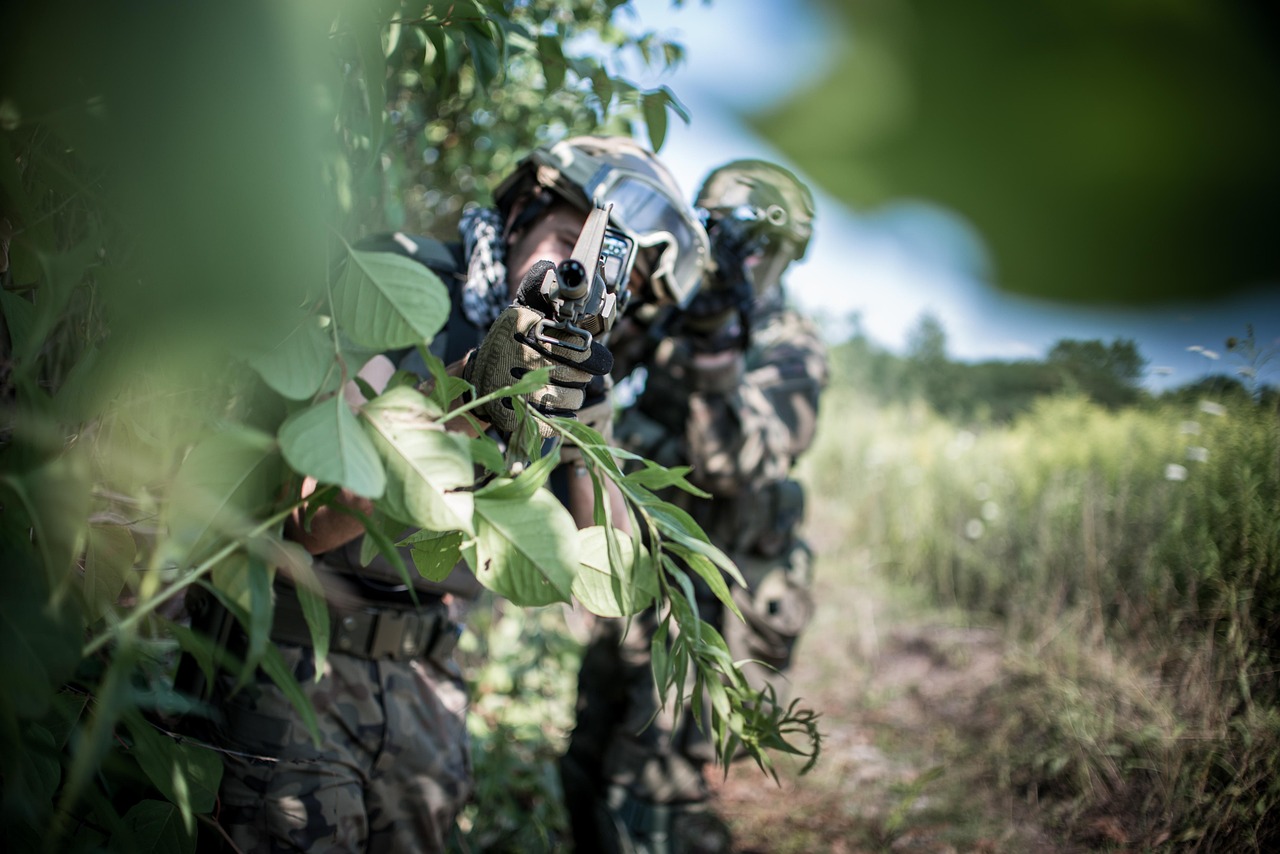
SPIW failed, but it was not foolish. In many ways, it anticipated later attempts to raise infantry lethality through integrated systems rather than just better barrels. The Army’s much more recent Next Generation Squad Weapon effort, for example, has again treated the rifle, ammunition, and fire control as one combined problem, though with far more mature technology.
That is why SPIW still gets remembered by gun historians and military engineers. It was canceled before its biggest real-world test could begin, yet it asked the right question: how do you make ordinary soldiers more likely to hit under stress? That question never went away, even after the rifle itself did.
So the experimental rifle’s real legacy is not a battlefield record. It is the warning it left behind. If you want a revolutionary infantry weapon, every piece of the revolution has to be ready at the same time, or the future gets canceled before the first decisive shot is ever fired.