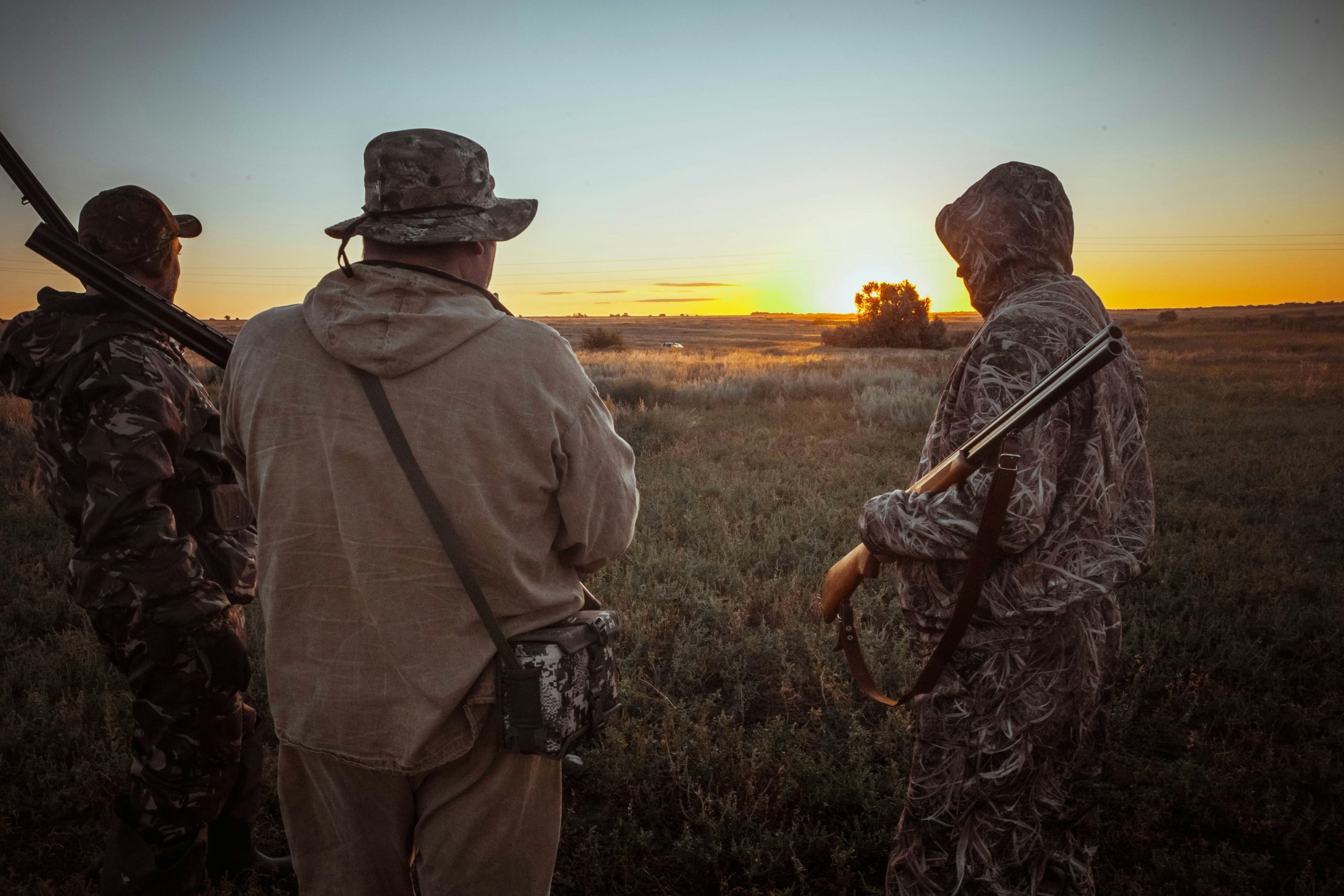
Guided hunts offer hunters a chance to explore unfamiliar terrain, learn from experienced professionals, and pursue game without managing every detail themselves. However, booking these trips has become increasingly expensive as outfitters face rising operating costs, limited hunting opportunities, and greater demand for well-organized experiences. A hunt that once seemed affordable can now require months of saving, particularly when travel, lodging, licenses, and equipment are added to the package price. Understanding the eight factors behind these increases helps hunters compare bookings carefully and decide where their money delivers the greatest value.
1. Rising Costs of Fuel and Transportation
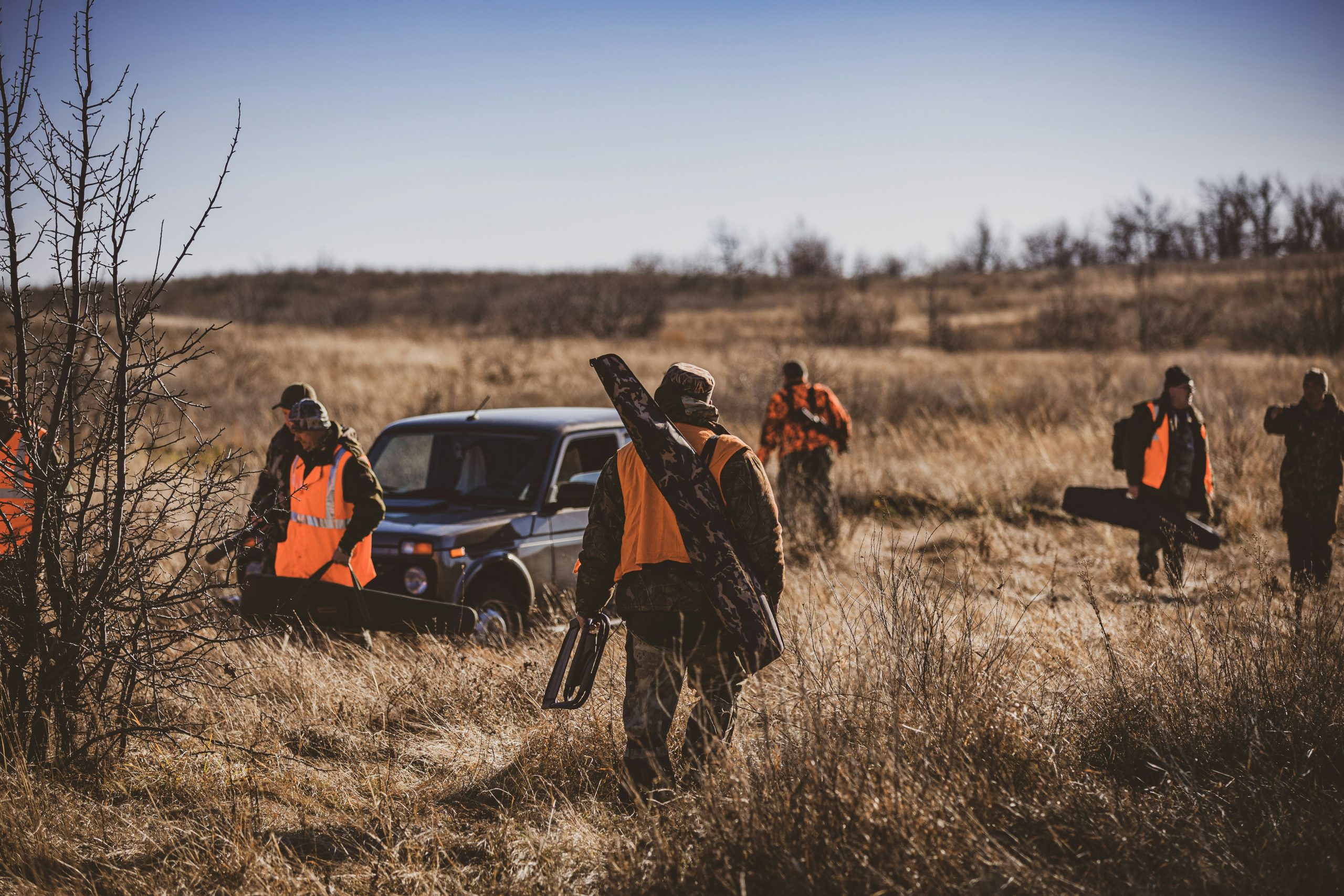
Fuel prices affect nearly every stage of a guided hunt, from transporting clients to remote camps to moving equipment across large hunting properties. An outfitter running several 4×4 trucks for 10 days may consume hundreds of gallons of fuel, especially when camps are far from paved roads. Higher diesel costs also increase the expense of hauling trailers, delivering supplies, and maintaining backup vehicles. These increases often appear in package prices rather than as separate charges. Even a modest $5 to $15 daily increase in transportation costs can add $50 to $150 to a 10-day trip, depending on distance and vehicle use.
2. Higher Wages for Guides and Support Staff

Experienced guides contribute far more than basic supervision. They understand animal behavior, local terrain, weather changes, tracking methods, and hunting regulations, making their expertise valuable to clients. Outfitters also need cooks, camp managers, drivers, and seasonal assistants to keep operations running smoothly. If an operation employs six workers and labor expenses rise by $20 per person per day, the additional cost reaches $1,200 over 10 working days. Remote locations can make recruitment even harder because staff must travel long distances or stay at camp. Higher wages help retain reliable workers, but clients often absorb part of the increase through higher booking fees.
3. More Expensive Lodging and Camp Operations
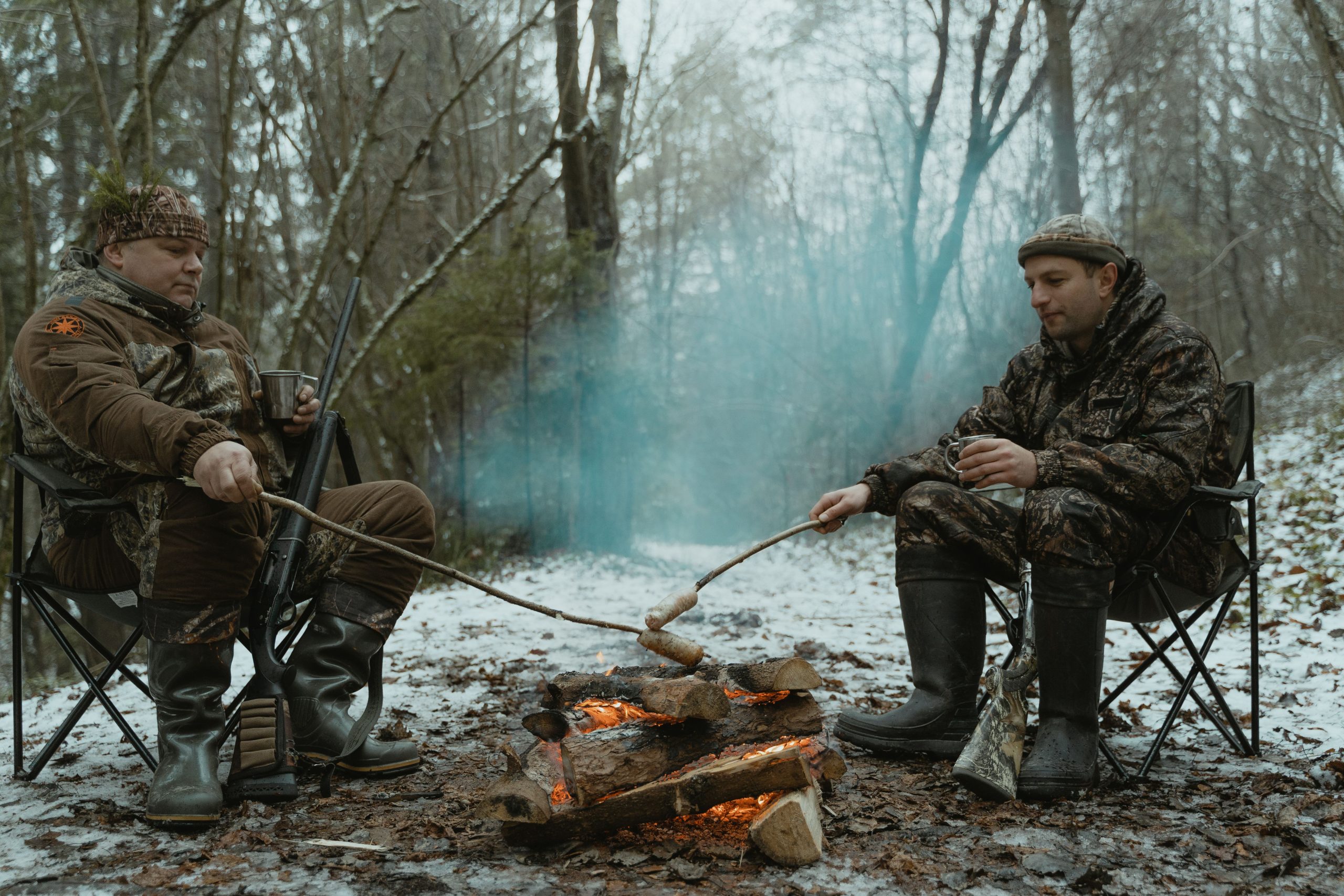
A comfortable hunting camp requires regular spending on food storage, heating, electricity, water, sanitation, bedding, repairs, and cleaning. Remote properties may depend on generators, propane deliveries, or off-grid systems that cost more to operate than ordinary accommodation. Even basic camps need maintenance before each season, while premium lodges may offer private rooms, hot showers, and prepared meals. For example, an extra $25 per guest per night adds $250 to a 10-night stay. Outfitters must also cover empty beds during quieter periods, so higher accommodation costs can affect the price of every confirmed booking, even when the camp itself has not changed.
4. Growing Demand for Limited Hunting Opportunities

Popular hunts often have more interested clients than available dates, particularly when a destination offers strong game populations, experienced guides, or convenient lodging. Outfitters cannot simply add unlimited bookings because hunting seasons, land access, animal numbers, and guide availability restrict capacity. An operation with 20 bookable slots that receives 30 serious inquiries may have little reason to discount its remaining dates. Demand can also rise when international travel becomes easier or a destination gains attention online. However, higher prices are not automatic every year; weather, wildlife conditions, and cancellations can change demand. Scarce dates and desirable locations nevertheless give some outfitters greater pricing power.
5. Higher Land Access and Lease Expenses
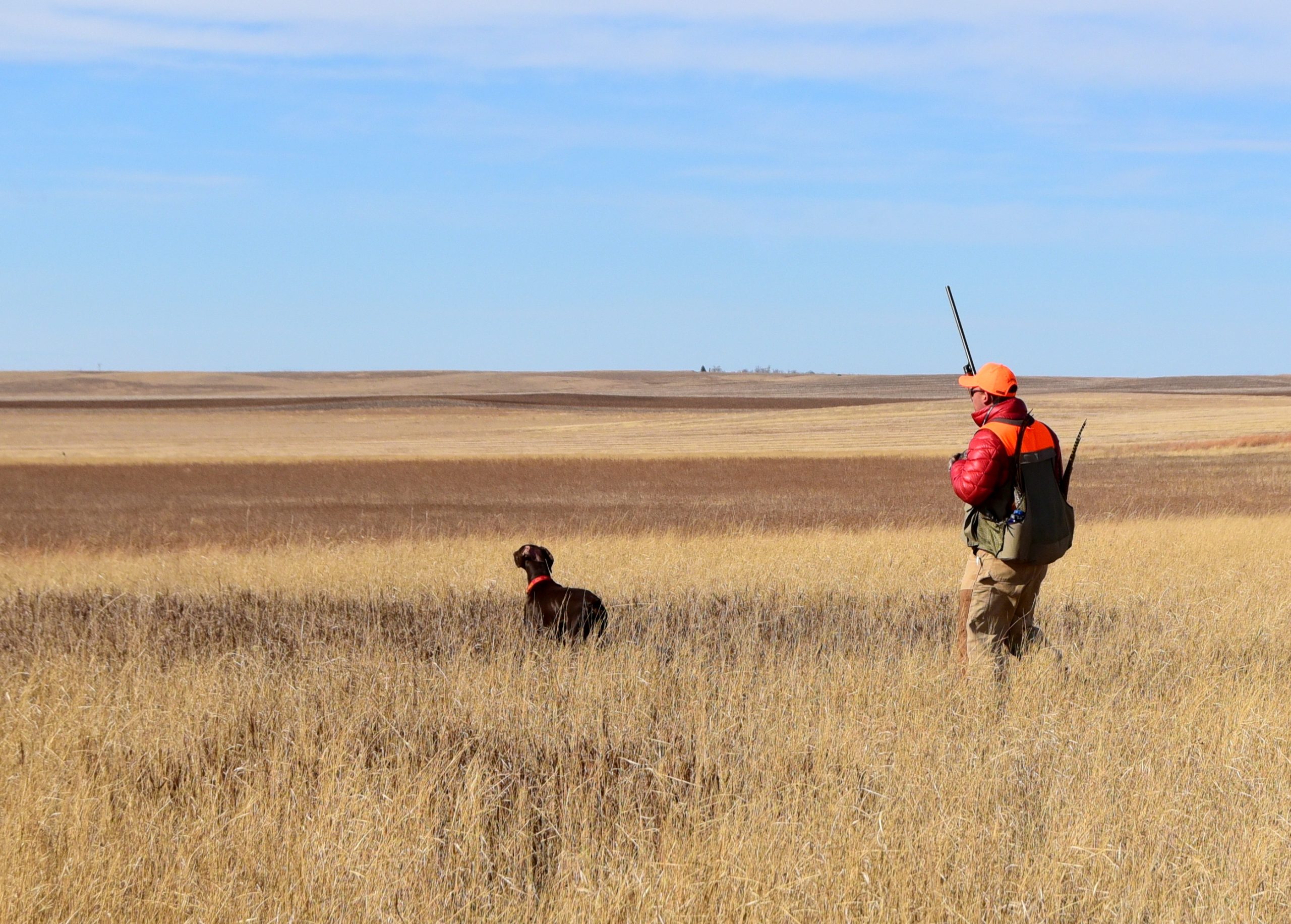
Access to productive hunting land can represent a major expense, especially where outfitters lease private acreage or pay landowners for seasonal use. They may also need permission to cross neighboring properties, maintain access roads, manage gates, or coordinate hunting activity with farming and livestock operations. Suppose an outfitter’s annual land lease increases from $30,000 to $36,000. That is an additional $6,000 to recover through bookings, sponsorships, or other income. If the business serves 40 clients annually, spreading the entire increase across those bookings would mean $150 more per client. Actual pricing depends on occupancy and other revenue, but securing reliable land access remains a significant cost.
6. More Expensive Licenses, Tags, and Permits
Hunting regulations can add substantial costs, particularly for nonresident hunters pursuing species with limited permits or special management requirements. License fees, application charges, species-specific tags, conservation fees, and mandatory stamps vary by state and hunting opportunity. A hunter booking a $4,000 trip could face several hundred dollars in additional government fees, depending on the destination and species. Outfitters may include some permits in their advertised packages, while others require clients to purchase them separately. Application deadlines and limited quotas can also complicate planning. Because fees change independently of outfitter prices, hunters should verify the current season’s official requirements before paying a deposit.
7. Rising Costs of Insurance and Business Compliance
Professional hunting operations face liability risks involving vehicles, firearms, uneven terrain, remote medical emergencies, and accidental injuries. Commercial insurance, vehicle coverage, workers’ compensation where required, and other business policies can become more expensive as premiums and operating risks change. Outfitters may also spend money on licenses, safety training, inspections, legal assistance, and updated emergency procedures. For example, if annual insurance expenses increase by $4,000 and a business hosts 50 clients, the increase equals $80 per client when distributed evenly. The actual amount varies with coverage, location, and claims history. These expenses may be less visible than lodging or meals, but they contribute to the final booking price.
8. Specialized Equipment and Better Client Services
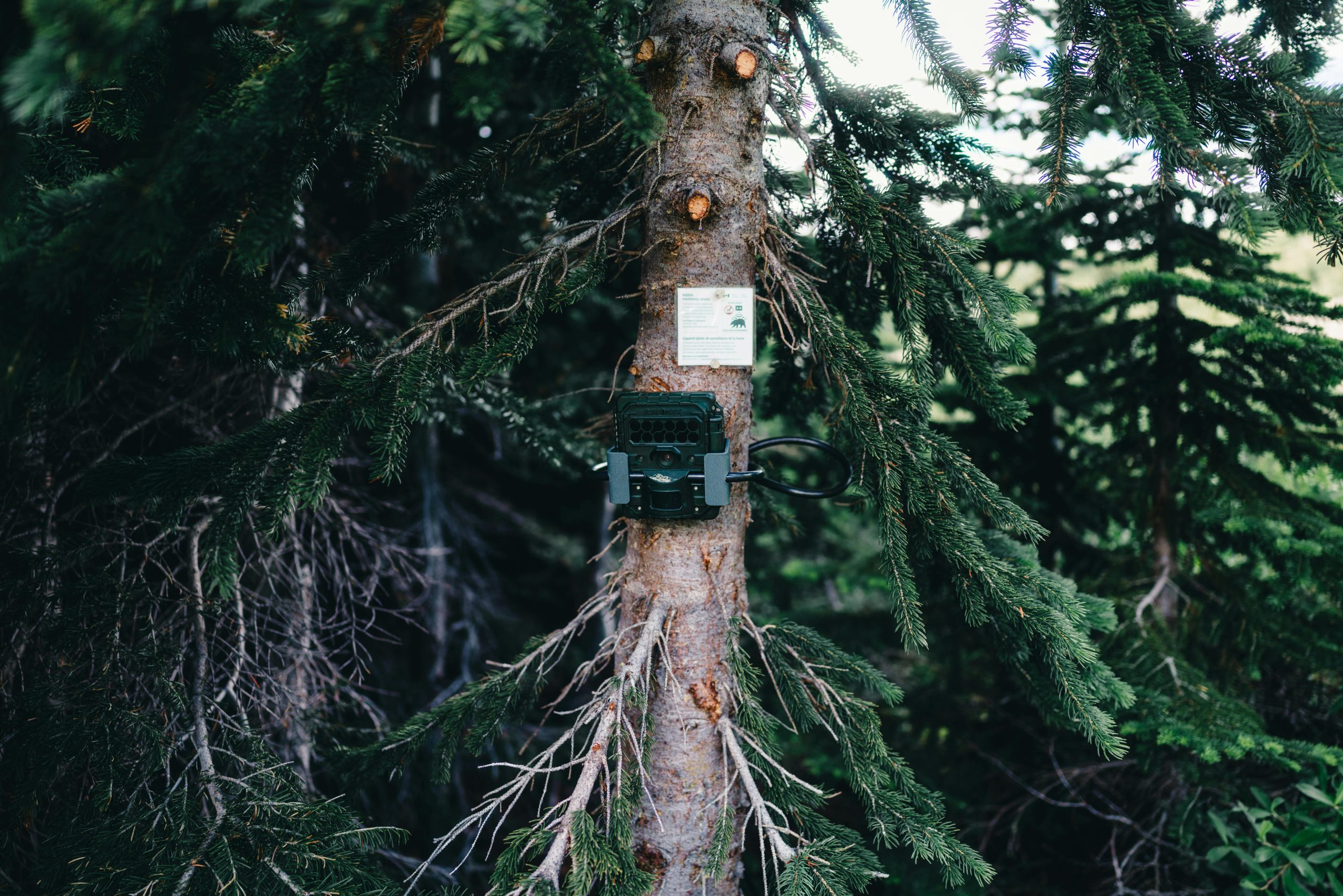
Many outfitters invest in reliable optics, trail cameras, communication devices, recovery equipment, and vehicles suited to difficult terrain. They may also provide airport transfers, prepared meals, meat handling, field preparation, or help arranging taxidermy and shipping. These services can improve convenience, but equipment must be purchased, maintained, replaced, and sometimes upgraded each season. Consider a $6,000 equipment investment spread across 40 clients over three years. If all of that cost were recovered evenly, it would represent $50 per client annually before maintenance and other expenses. Not every upgrade justifies a higher fee, so hunters should compare what is actually included rather than assuming every expensive package offers better value.