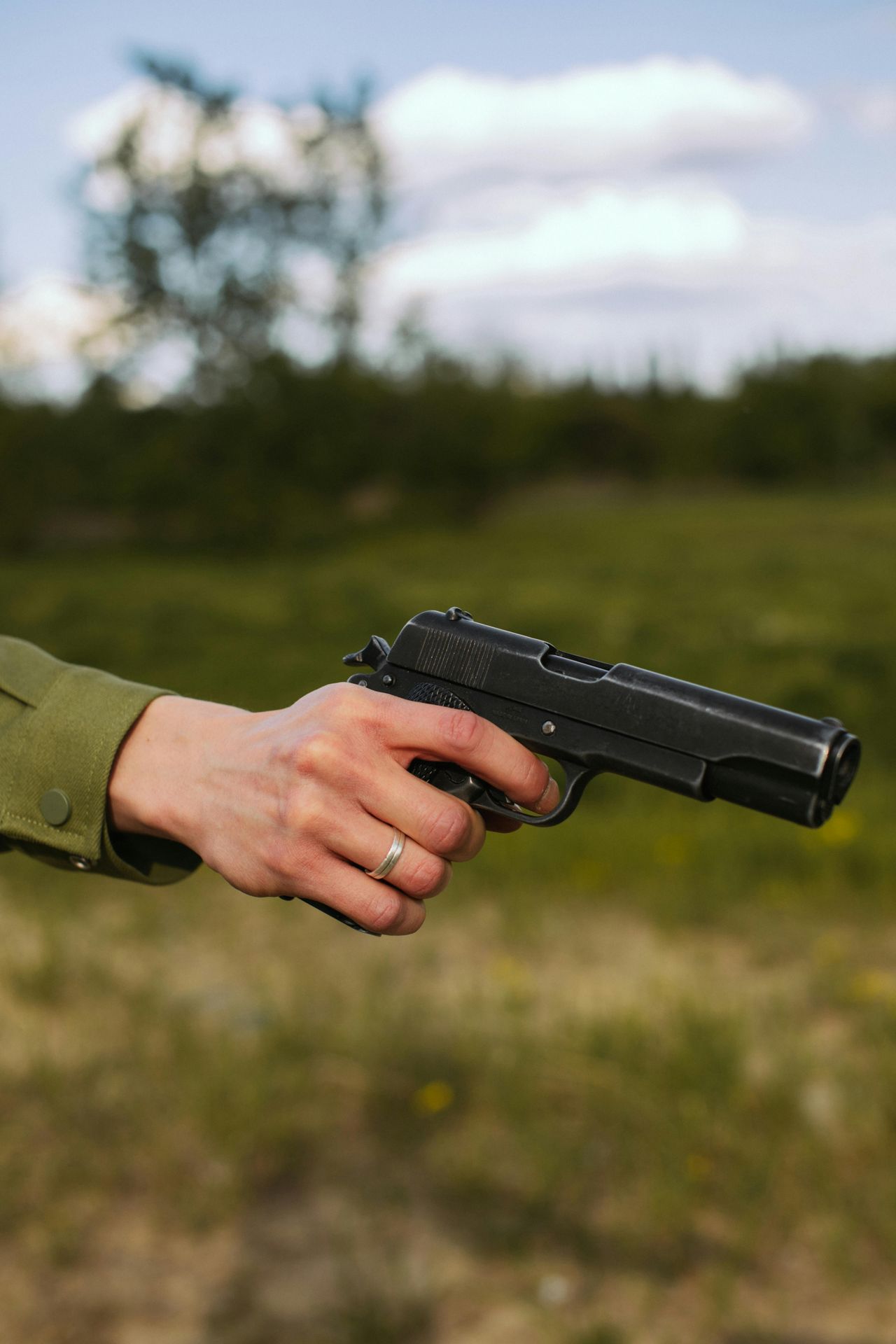
It starts with a weapon and ends with a question. What should a society do with an object built to injure, once it has been taken out of circulation?
When a handgun stops being a handgun
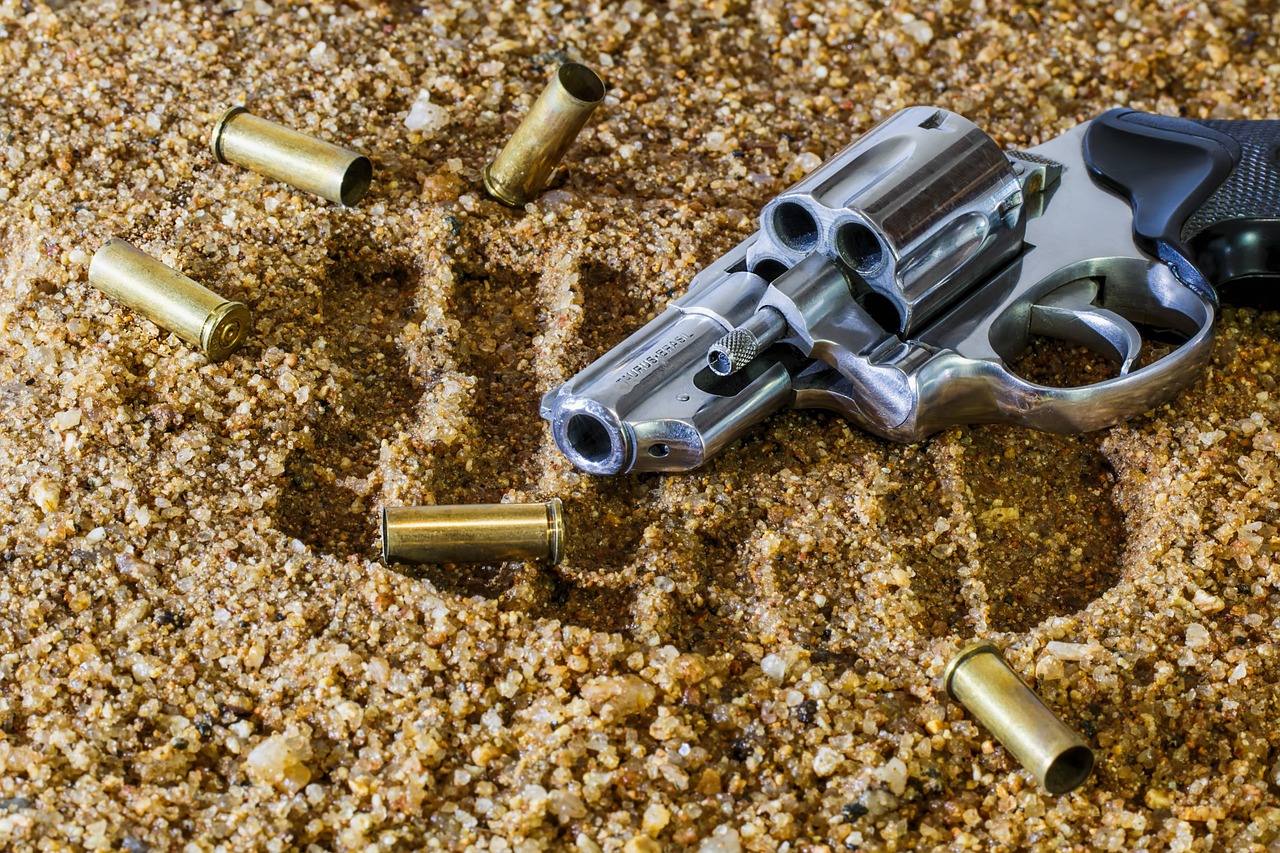
In these peace campaigns, the first step is physical and symbolic at the same time. A handgun is disabled, broken down, and often melted so it cannot return to use.
That process matters because it removes any aura of power the object once carried. What was designed for control or fear becomes raw material, and that shift is the whole point.
Projects built around this idea have appeared in several forms over the years. The Washington Post reported on a Washington, D.C., community effort that turned confiscated guns into a public art display meant to stand for peace in streets touched by violence.
The same logic drives newer efforts like Philadelphia’s Reforge Project, which says melted gun metal can be repurposed by students into art and functional objects that promote change. The message is simple, but not simplistic: destruction alone ends a weapon, while transformation creates a story.
The long tradition behind guns into art
This idea did not appear out of nowhere. It sits inside a much older peace tradition often described as turning swords into plowshares.
One of the best-known modern symbols is the knotted gun sculpture created by Swedish artist Carl Fredrik Reuterswärd in 1980 after John Lennon’s death. The Non-Violence Project says that artwork helped turn a single object into a global peace emblem.
In the United States, artists and activists have revisited that same language for decades. The Washington Post archive described a 1997 work in D.C. called GUNS into Plowshares, created from disabled firearms to deliver an unmistakable anti-violence message.
The power of the concept is that it speaks across politics faster than policy language usually can. People may disagree on legislation, but they instantly understand a handgun that has been remade so it can never fire again.
What the artwork is trying to do
A melted handgun turned into art is not just a craft exercise. It is a public argument made in metal.
The object asks viewers to see gun violence not as an abstract debate, but as something with weight, texture, cost, and memory. According to the Robby Poblete Foundation’s Art of Peace program, the goal has been to transform confiscated guns into works that carry hope, awareness, and renewal.
That kind of art often works because it avoids easy sentimentality. The material itself does the talking. When an artist uses gun fragments to form clasped hands, a bench, a garden tool, or a memorial object, the contrast creates tension the viewer has to resolve.
Scholars have noticed that effect too. A study in Humanities and Social Sciences Communications argued that artworks using guns or gun-like objects confront audiences with the physical presence of violence in ways that ordinary discussion often does not.
Real examples from around the world
Some of the strongest examples come from places marked by conflict. In Colombia, Doris Salcedo’s Fragmentos used metal from 37 tonnes of decommissioned weapons from the FARC peace process to create floor tiles for a space of art and memory, according to The Guardian.
In Mozambique, artist Gonçalo Mabunda became known for transforming decommissioned weapons from the civil war into masks, thrones, and sculptural figures. The Guardian described that work as part of a broader arms-to-art movement in conflict-scarred countries.
Mexico offers another influential case. Pedro Reyes’s Palas por Pistolas gathered 1,527 donated guns, melted them down, and turned them into shovels used to plant trees, The Guardian reported.
These projects differ in scale, politics, and aesthetics. But they share a core belief that peace is not only negotiated in offices or courts; it also has to be made visible in public life.
Why communities keep returning to this idea

Communities return to these campaigns because they provide something statistics cannot. They create a ritual.
A surrendered or confiscated handgun usually disappears into an evidence chain, a warehouse, or a furnace. Turning that same material into a visible object gives neighbors a place to direct grief, anger, and even cautious hope.
That is why the finished works are often practical or communal. San Francisco projects described by SFGATE turned guns into flower pots, bike racks, benches, and sculptures, making the point that public life can be built from what once threatened it.
There is also an educational side. Reforge’s model emphasizes students designing with transformed gun metal, which turns the campaign from a one-time statement into an ongoing civic lesson about consequences, responsibility, and imagination.
The limits and the lasting impact
Art does not pass laws, prosecute traffickers, or by itself reduce shootings. No serious organizer claims otherwise.
But these campaigns are not pretending to replace policy. Their strength is cultural. They give people a way to mark the end of one object’s violent life and the beginning of a different conversation.
That matters because gun debates often harden into slogans. A melted handgun turned into art interrupts that pattern by forcing attention onto the material fact of the weapon and the human damage behind it.
In the best versions of these projects, the artwork does not ask viewers to forget what the gun was. It asks them to remember it clearly, and then decide whether a society is brave enough to remake its symbols of harm into something that serves peace.