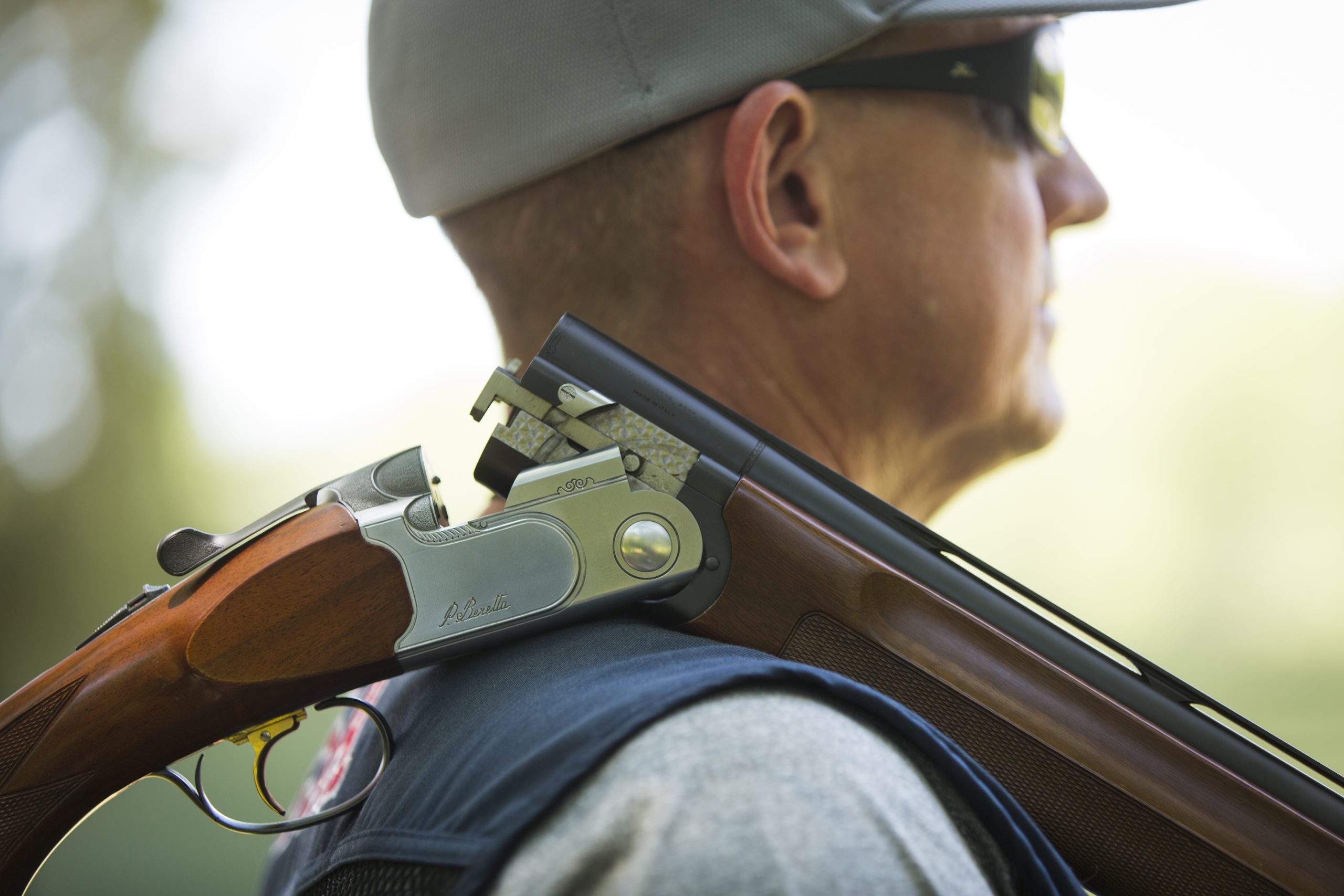
A firearm that works perfectly during a short-range session can still reveal problems when conditions change. Experienced shooters therefore tend to value reliability testing rather than assuming a new or recently serviced firearm will perform flawlessly. That does not mean deliberately creating dangerous malfunctions. Manufacturers and safety guidance emphasize inspecting firearms, using correct ammunition, and stopping when something behaves abnormally.
1. One Failure Can Reveal a Hidden Weakness

Some shooters become skeptical of a firearm that has only performed perfectly during limited testing because reliability is more complicated than a clean first impression. A malfunction may expose an issue involving ammunition, magazines, maintenance, damaged components, or assembly. Firearms guidance specifically identifies parts such as extractors, firing pins, ejectors, magazines, and locking components as areas that can affect operation. The sensible lesson is not to force a failure, but to evaluate reliability systematically. If something fails during normal, safe use, investigate the cause before trusting the firearm again.
2. Different Ammunition Can Behave Differently

A firearm may perform consistently with one ammunition type and behave differently with another. Cartridge dimensions, bullet design, manufacturing quality, and load characteristics can all influence how a particular firearm functions. Manufacturer guidance commonly recommends using the correct ammunition specified for the firearm and investigating unusual performance rather than simply continuing. This is one reason experienced shooters pay attention to ammunition history instead of counting only successful shots. A single malfunction does not automatically mean the firearm is defective, but repeated problems with appropriate ammunition deserve professional inspection.
3. Magazines Can Be the Real Culprit
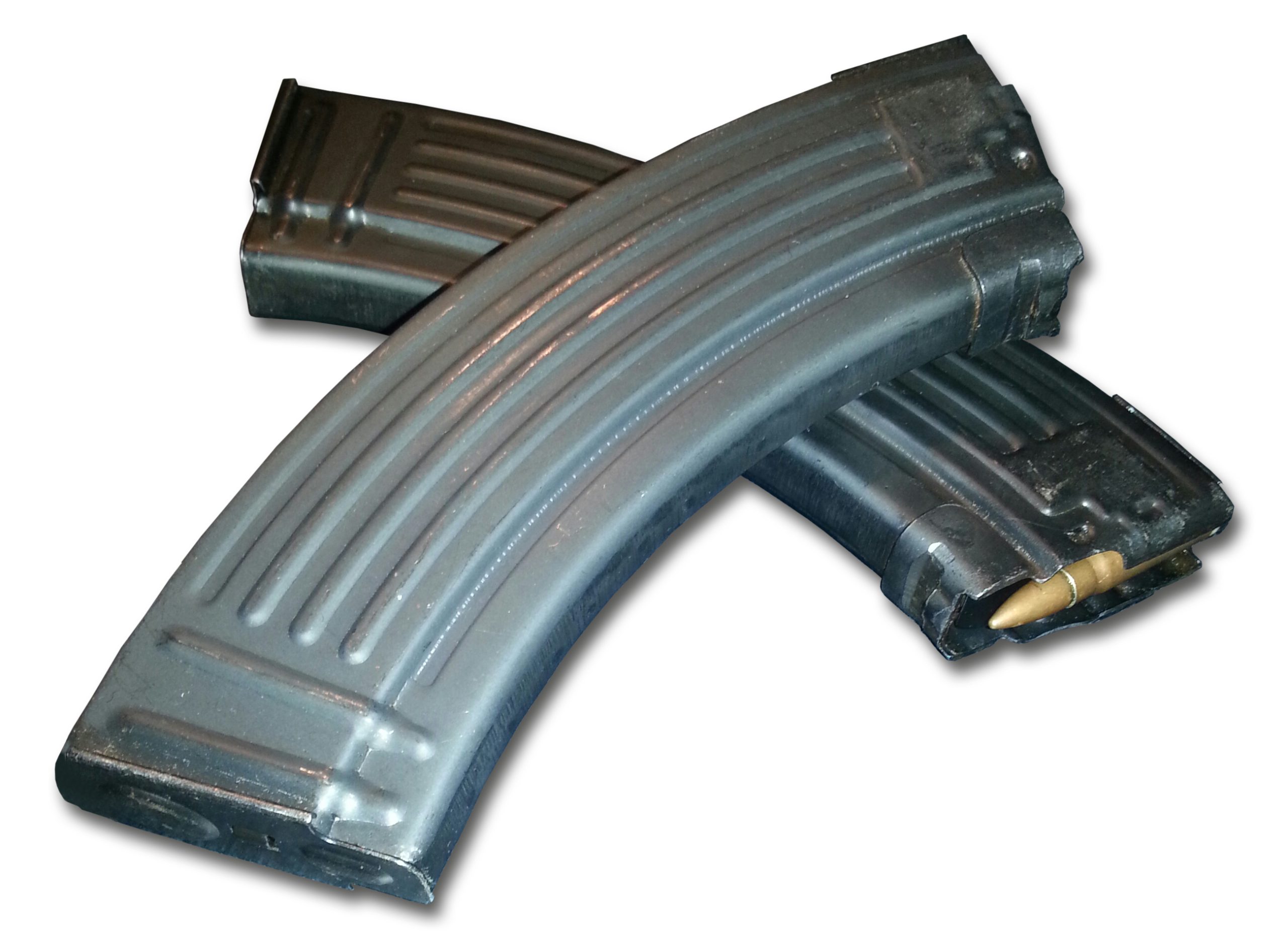
When a semiautomatic firearm malfunctions, shooters sometimes immediately blame the firearm itself. The magazine can actually be part of the problem. Damaged feed lips, worn springs, contamination, or poor fit can interfere with reliable feeding. Firearms examination guidance specifically includes magazines, magazine lips, feeding surfaces, and related components when investigating operational problems. That means reliability testing should consider the entire system rather than treating the receiver and barrel as the only important components. If a problem repeatedly appears with one magazine but not another, that pattern is useful information for a qualified gunsmith.
4. Maintenance Changes Reliability Over Time
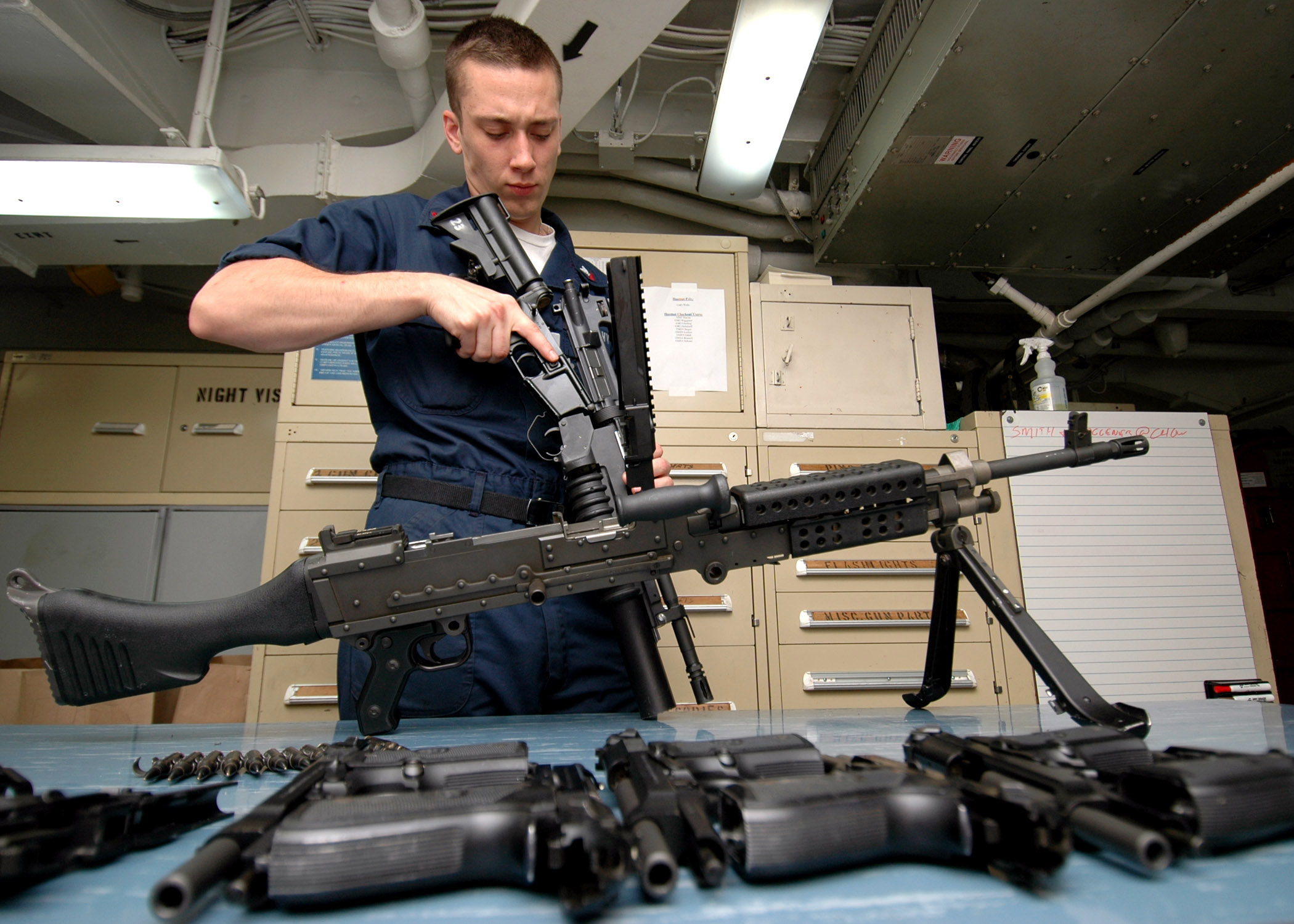
A firearm’s behavior can change as fouling, dirt, moisture, corrosion, or component wear accumulates. Manufacturer guidance recommends inspection and maintenance, particularly after exposure to adverse conditions. This explains why some shooters remain cautious even after hundreds of successful rounds. Reliability is not necessarily a permanent characteristic established by one good range session. A firearm that worked reliably last month still deserves inspection today, especially after storage or environmental exposure. If a component appears damaged, loose, excessively worn, or otherwise abnormal, continued use should stop until the firearm has been assessed appropriately.
5. Reassembly Can Introduce New Problems
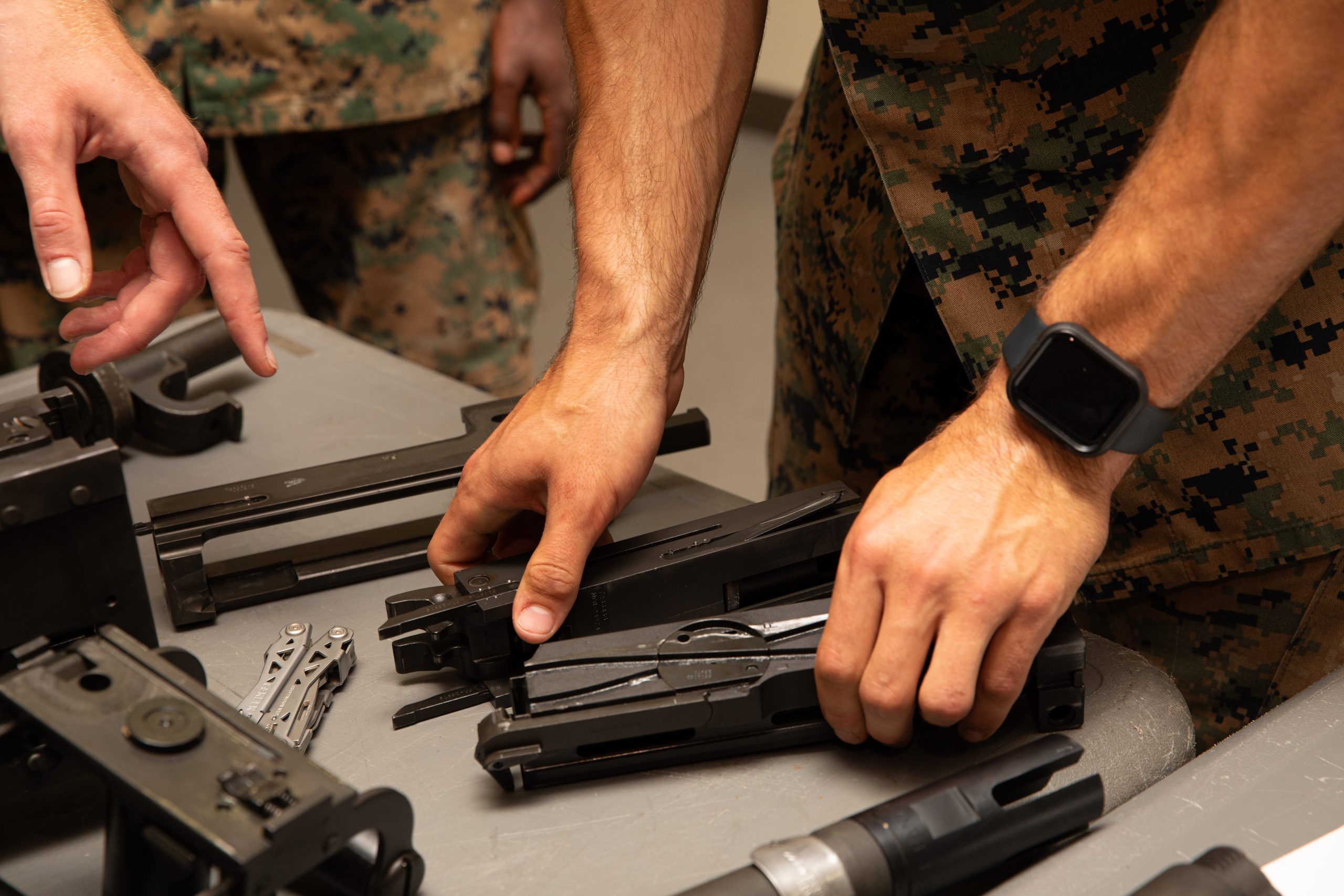
A firearm can function normally before disassembly and behave differently afterward if something has been incorrectly assembled or a component has not been installed correctly. Manufacturers therefore commonly call for a function check after inspection, conversion, part replacement, or reassembly. The important point is that this should be performed exactly as the firearm’s manual specifies and with the firearm unloaded. A shooter who discovers abnormal operation should not improvise a repair or continue firing to “see what happens.” A qualified gunsmith is the appropriate choice when the cause is unclear.
6. Mechanical Safeties Are Not Guarantees

Another reason experienced shooters remain cautious is that mechanical safety mechanisms are components, not magical guarantees. Browning’s safety guidance, for example, explains that mechanical safeties can fail or be inadvertently manipulated and should never replace fundamental safe handling. A firearm that passes one basic check is therefore not something to treat casually. Different designs use different safety systems, and their operation varies considerably. Any inspection or function check should follow the manufacturer’s instructions. If a safety behaves unexpectedly, the firearm should be unloaded and taken out of service until it receives appropriate professional attention.
7. A Malfunction Should Teach You Something

The most useful “failure” is an unexpected one that provides information without anyone deliberately creating a dangerous condition. A malfunction can reveal an ammunition issue, maintenance problem, worn component, magazine fault, or assembly mistake. Official firearms guidance recommends stopping when a firearm behaves unusually rather than simply firing another round. That makes reliability less about proving that a firearm can survive a failure and more about understanding its condition. The goal should be predictable, safe operation, supported by proper maintenance and professional inspection when something goes wrong.