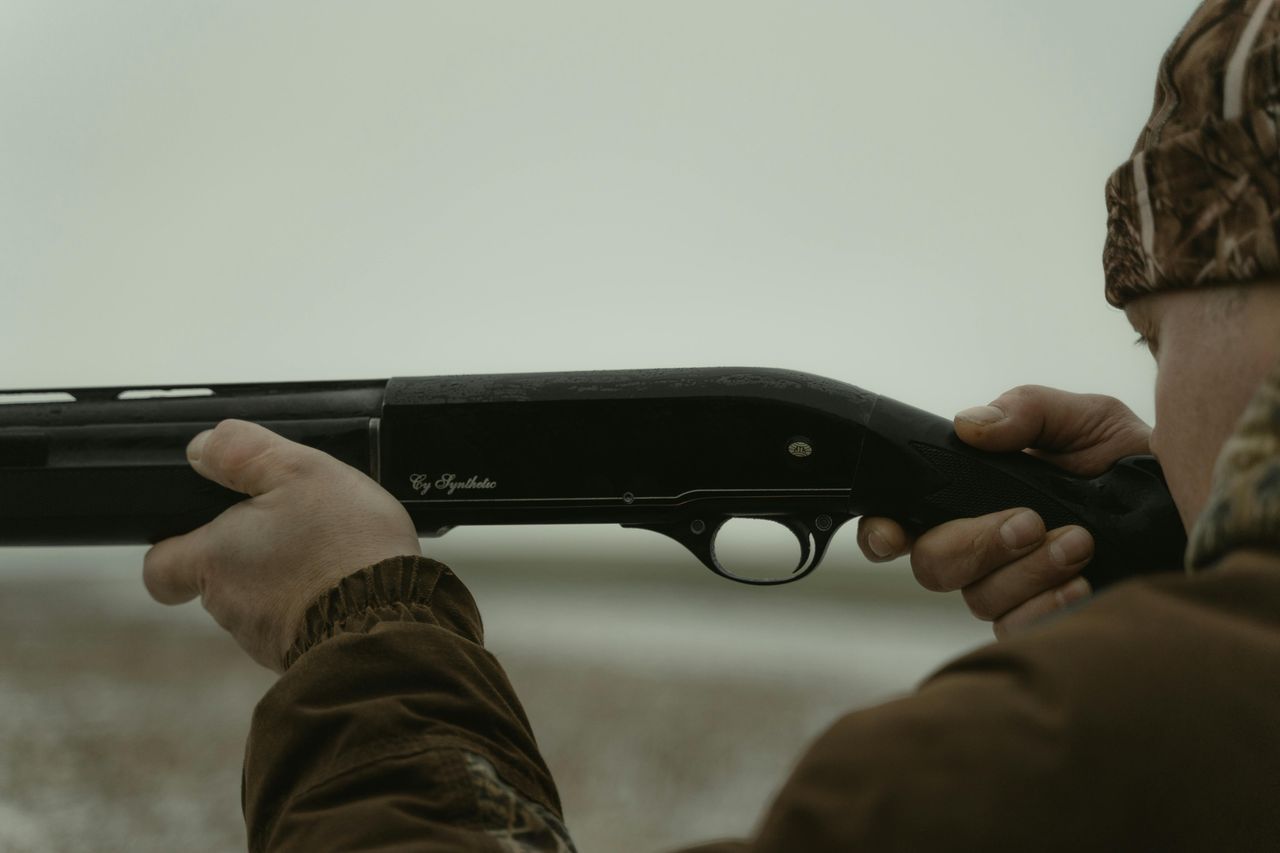
During wartime shortages, money could lose its usefulness when shops ran out of supplies, banks closed, or governments struggled to maintain public confidence. In those circumstances, firearms sometimes became valuable items for barter, especially in occupied territories, isolated communities, and regions where hunting helped families obtain food. Rifles, pistols, and military surplus weapons could command practical value because they offered protection, supported subsistence hunting, or could be exchanged for other scarce goods. However, not every weapon was accepted like ordinary money. These 10 firearms illustrate how weapons sometimes became powerful bargaining tools when conventional markets broke down.
1. Mauser Karabiner 98k: Germany’s Widely Recognized Military Rifle
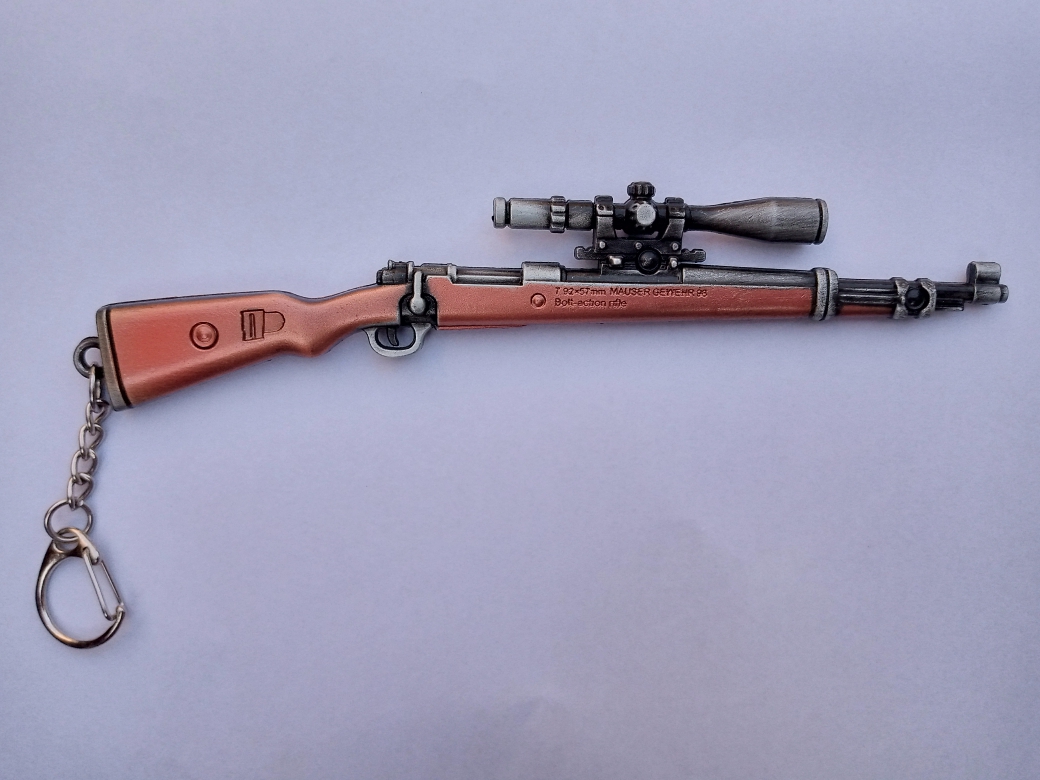
The Mauser Karabiner 98k became one of the most recognizable German military rifles of World War II, which lasted from 1939 to 1945. As German forces retreated and military authority weakened, abandoned equipment and captured weapons entered informal trading networks in some regions. A serviceable rifle could interest someone seeking protection or hunting opportunities, but its value depended on ammunition, condition, and local restrictions. There is no strong evidence that the 98k served as standardized currency. Its place in this history is better understood through the uncertain value of military equipment during economic disruption.
2. Lee-Enfield: A British Rifle With a Long Service Life
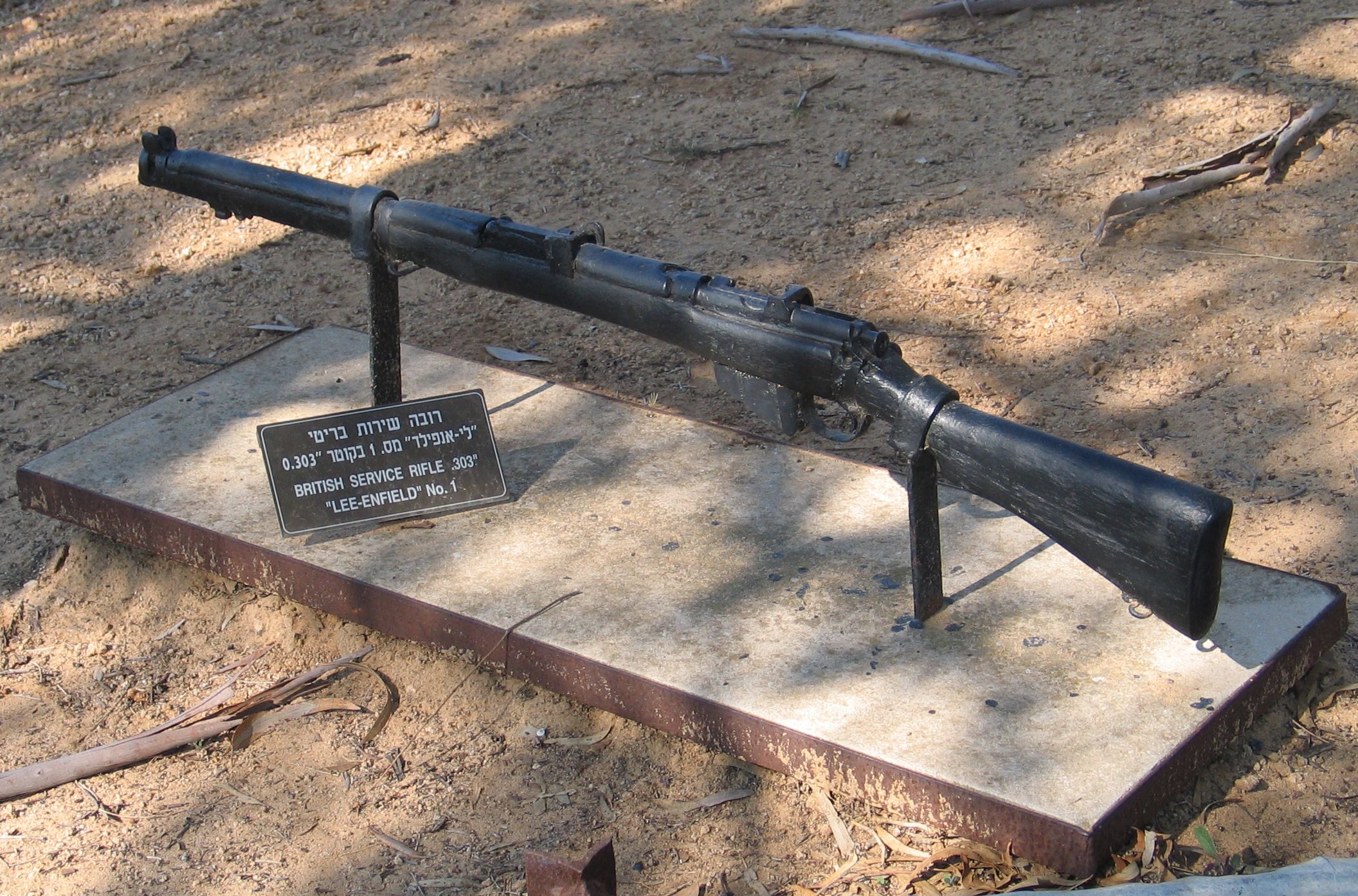
The Lee-Enfield served British and Commonwealth forces through both world wars, making it familiar across numerous military theaters. Its standard .303 British cartridge and long service history could make an available rifle useful to someone living where supplies had broken down. During wartime upheaval, military equipment sometimes changed hands through capture, abandonment, private exchange, or black-market dealings. However, the Lee-Enfield was not an established form of currency. Any barter value depended on local demand and whether ammunition and replacement parts remained obtainable. Its historical importance comes from its widespread presence, not a documented universal exchange rate.
3. Mosin-Nagant: A Rifle Associated With the Eastern Front
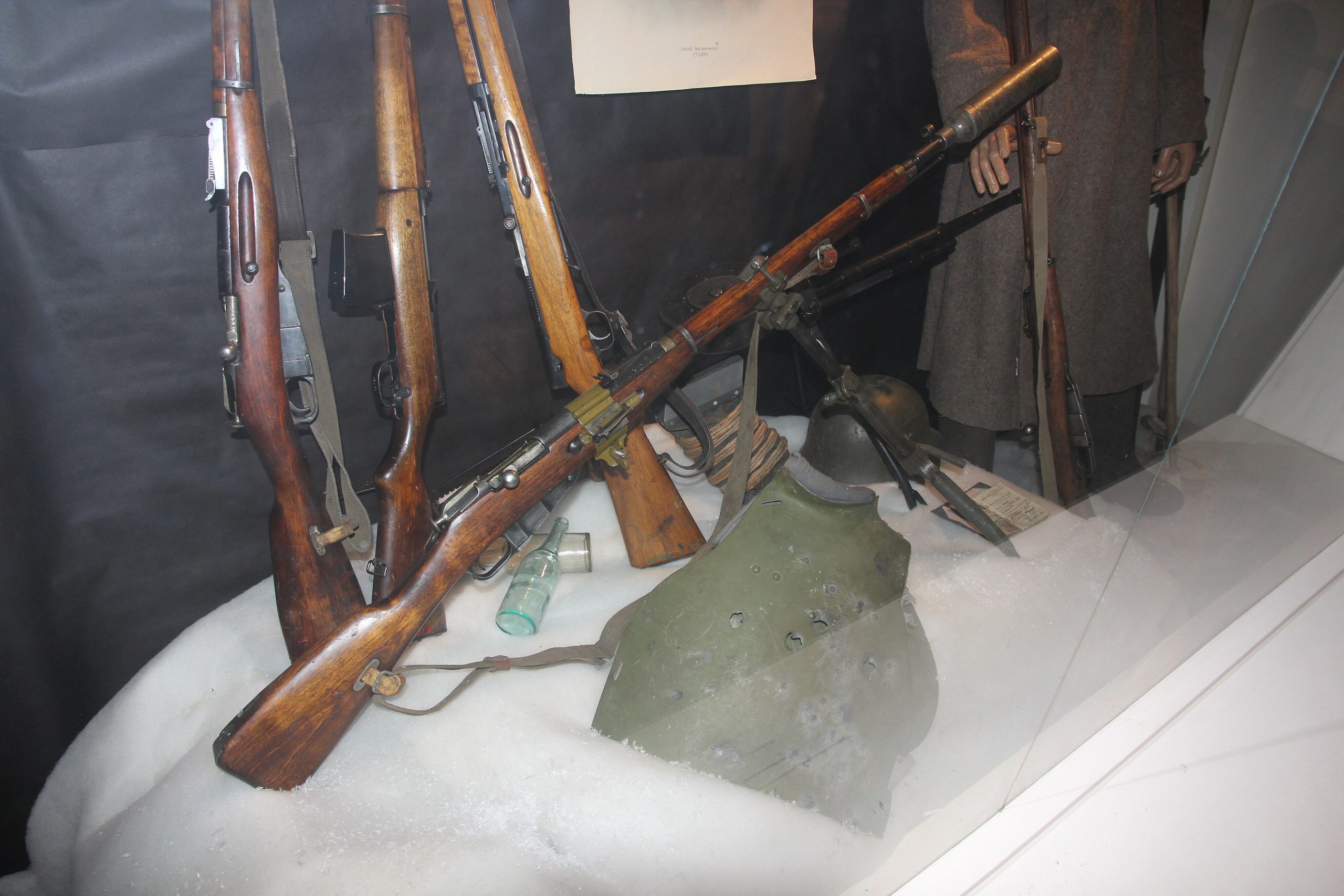
The Mosin-Nagant rifle was widely used by Soviet forces during World War II, particularly on the Eastern Front between 1941 and 1945. As armies advanced or withdrew, weapons could be captured, abandoned, or diverted into unofficial channels. In communities experiencing severe shortages, a usable firearm might be exchanged privately for food, clothing, or other necessities, although specific transactions require individual historical evidence. The Mosin-Nagant’s widespread distribution made it a recognizable piece of military equipment, but that did not guarantee a stable barter value. Ammunition access, legal restrictions, and the risks of possession all mattered.
4. M1 Carbine: A Compact American Military Firearm
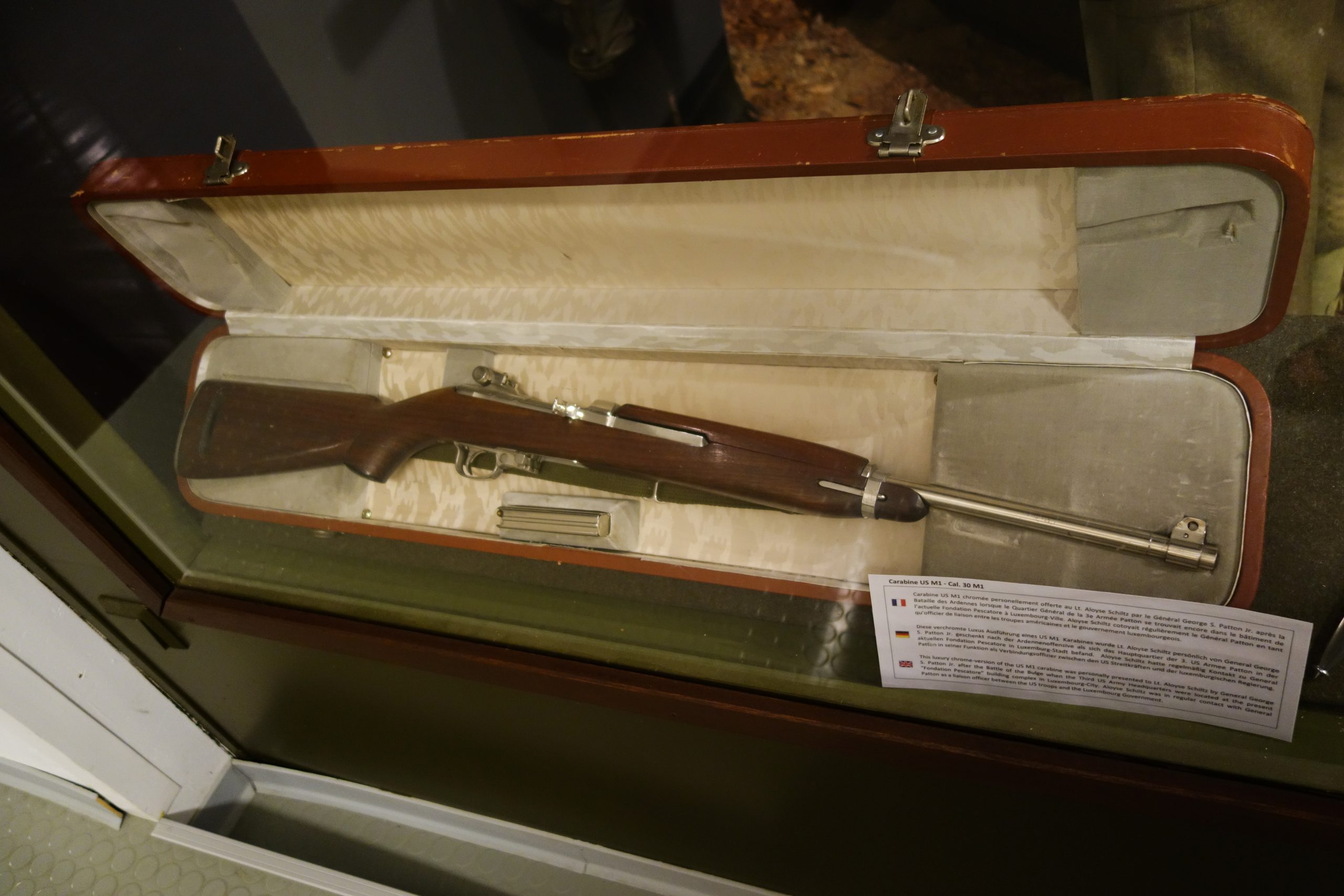
Introduced during World War II, the American M1 Carbine offered a lighter alternative to a full-size service rifle. It was issued to personnel in roles where portability was especially useful, and large numbers were produced during the conflict. After battles, occupations, and military withdrawals, firearms could enter informal markets through surplus disposal, theft, or capture. In a shortage economy, a carbine might attract interest from someone seeking a practical possession, but that does not establish it as currency. Its specialized .30 Carbine ammunition could also limit its usefulness where supplies were scarce. Any exchange remained dependent on local circumstances.
5. Colt M1911: The American Service Pistol
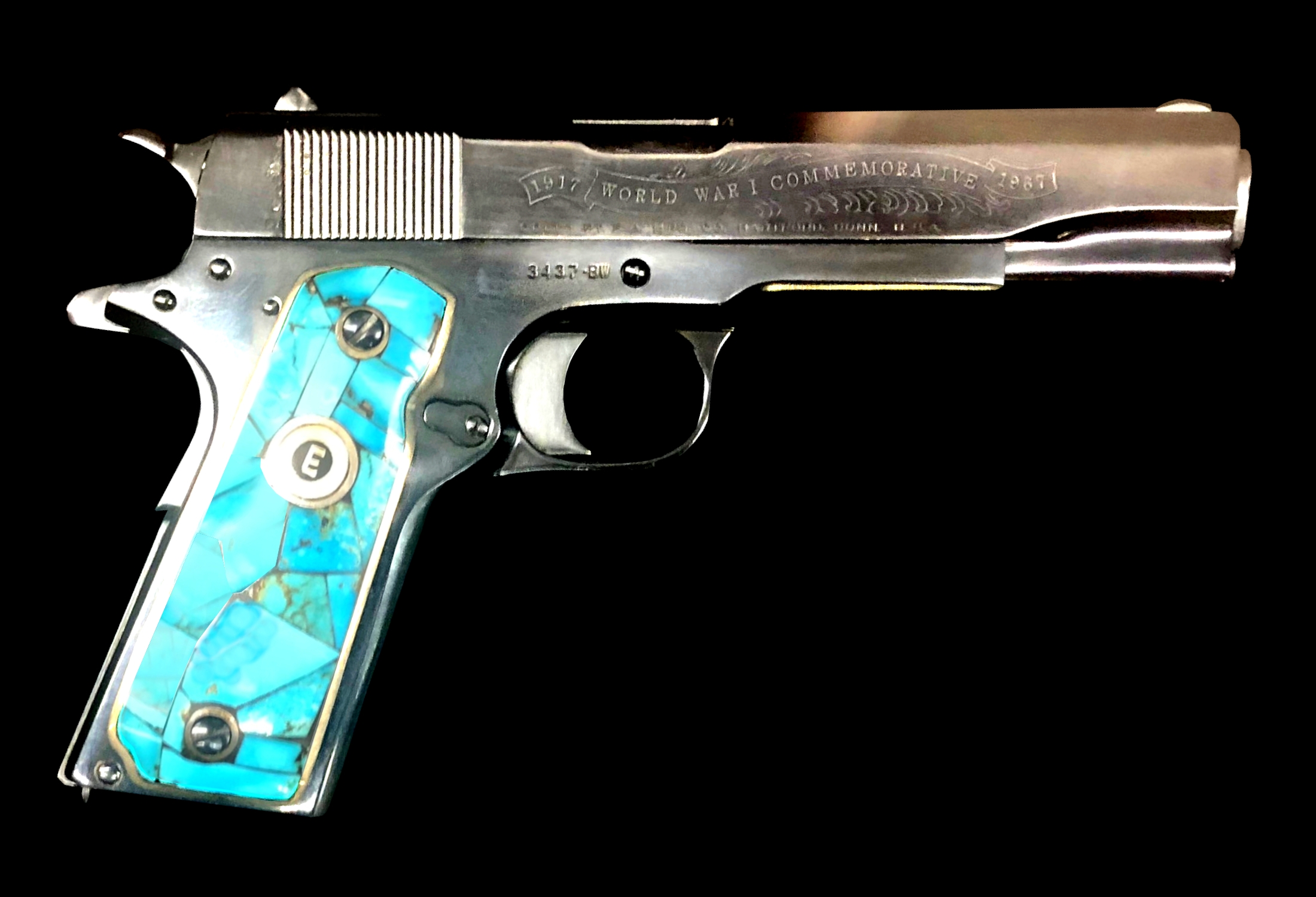
The Colt M1911 became a familiar American military sidearm during the 20th century, including both world wars. Its compact size made it easier to carry than a full-length rifle, and its association with US forces gave it strong recognition among soldiers and collectors. During periods of military breakdown, a pistol could be exchanged privately as a valuable possession, especially where formal markets had disappeared. Nevertheless, there is no sound basis for claiming that the M1911 routinely purchased everyday goods at a fixed rate. Its possible barter value was shaped by condition, ammunition availability, legal controls, and the particular needs of the people involved.
6. Luger P08: A German Pistol With Strong Recognition
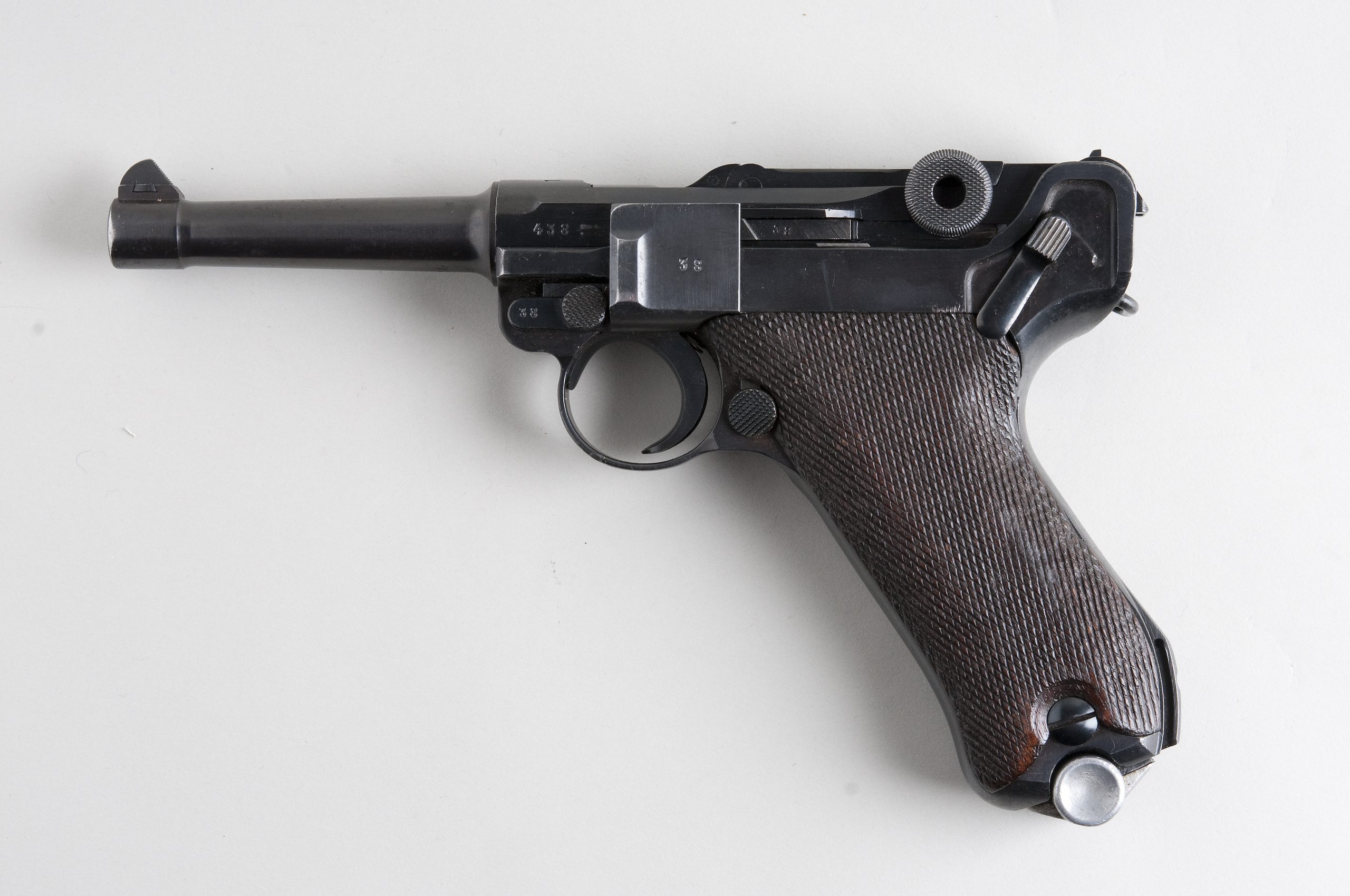
The Luger P08 became closely associated with German military history, particularly during the first half of the 20th century. Its distinctive design and military connections made it a recognizable object in occupied Europe, where weapons and other valuables sometimes circulated outside official markets. A Luger in good condition could attract interest as a privately exchanged possession, although its worth was not necessarily based on practical use alone. Collectibility, provenance, and access to suitable ammunition could all influence its appeal. Claims that it served as routine wartime currency should be treated cautiously because documented local exchange rates are lacking.
7. Tokarev TT-33: A Soviet-Era Military Pistol
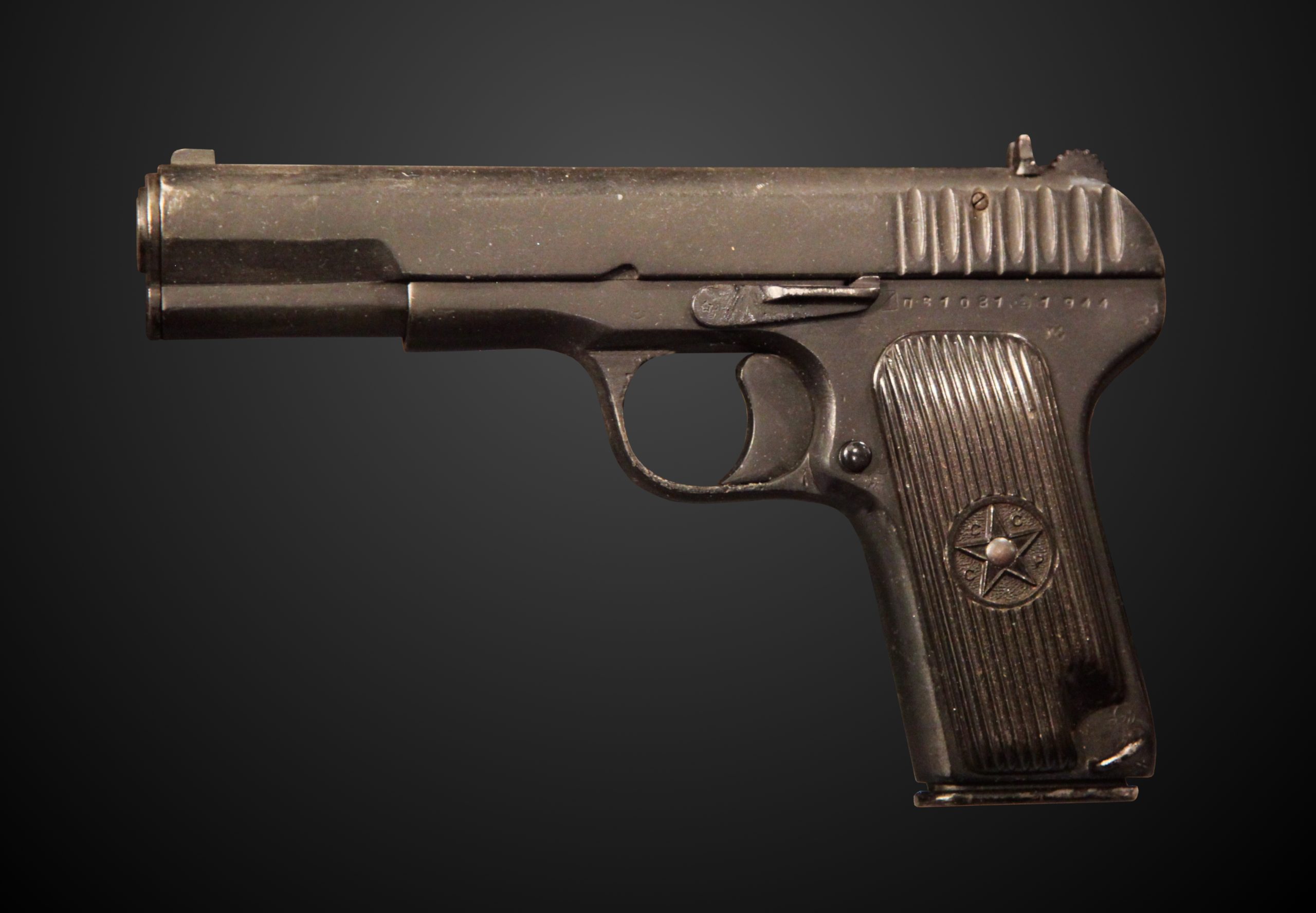
Adopted by the Soviet Union in 1933, the Tokarev TT-33 became an important military pistol during the years surrounding World War II. Soviet military equipment moved across borders through combat, occupation, capture, and later redistribution, creating opportunities for unofficial exchanges. In places where ordinary money could not secure scarce goods, a privately held pistol might be regarded as valuable property. Yet its presence in a conflict zone does not prove it functioned as currency. The TT-33’s historical connection to this subject lies in the wider movement of military equipment through disrupted economies, where individual barter arrangements varied greatly.
8. Sten Gun: Britain’s Mass-Produced Wartime Weapon
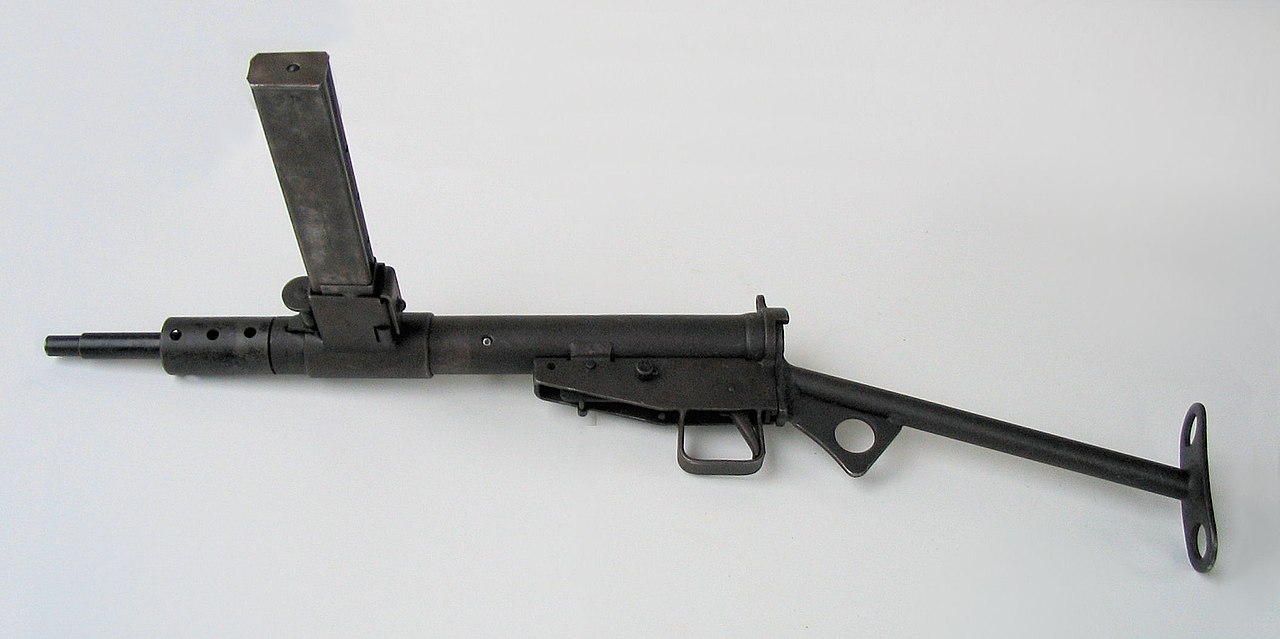
Britain developed the Sten gun during World War II as an inexpensive weapon that could be manufactured quickly. Its production expanded after 1941, and versions were supplied to resistance groups and Allied partners in occupied Europe. Because these weapons sometimes reached irregular forces operating beyond normal supply systems, they became part of the wider underground movement of military equipment. A Sten gun might be exchanged between groups or treated as a valuable asset, but this is different from using one to buy groceries or pay debts. Claims of currency use need specific evidence from a place and period rather than assumptions about wartime scarcity.
9. Arisaka Type 99: A Japanese Rifle From the Pacific War
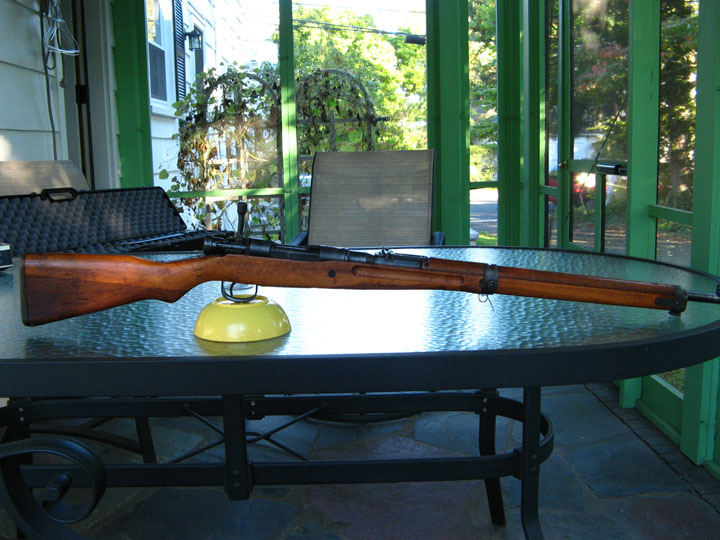
Japan introduced the Type 99 rifle in 1939, and it saw extensive service during the Pacific War. As Japanese forces lost territory between 1942 and 1945, weapons could be captured by opposing troops, retained by local groups, or left behind during withdrawals. In communities affected by shortages, a military rifle might possess exchange value because usable equipment was difficult to obtain. Still, there is insufficient evidence to describe the Type 99 as a regular currency accepted by ordinary traders. Its role is more accurately connected to the circulation of military property and the improvised exchanges that could develop when established supply networks collapsed.
10. Civilian Shotguns: Practical Property in Isolated Communities
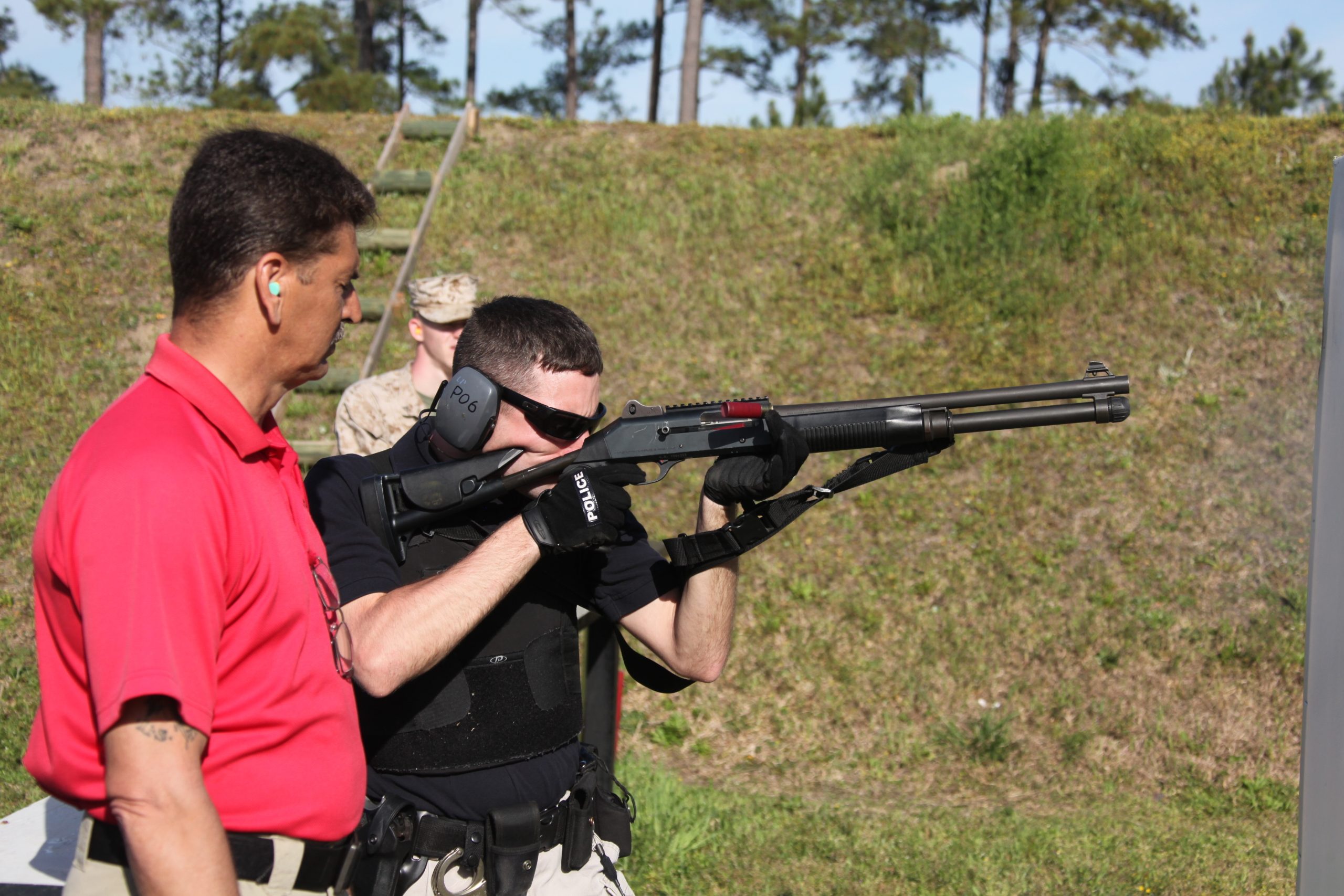
Unlike a military rifle tied to a particular army, civilian shotguns were already familiar possessions in many rural communities before wartime shortages began. When transport failed, or shops ran short of essential goods, useful household property could become more attractive in private exchanges. A shotgun might interest someone who valued its sporting or hunting role, although actual use depended on local laws, available ammunition, and access to game. This example is deliberately broader than a single model because civilian firearms varied widely across countries. There is no universal record of shotguns functioning as money, but they illustrate how practical goods could gain bargaining value during economic disruption.