Military firearms face unusual challenges when they operate beyond ordinary ground conditions. Extreme cold, thin air, limited equipment space, and the need to keep weight under control can influence how a weapon is designed and tested. Some rifles and firearm systems were developed specifically for high-altitude troops, while others became famous through experiments connected to space exploration. The distinction matters because not every firearm associated with astronauts or mountain warfare was originally designed for that purpose. These seven examples explore the engineering, history, and specialized roles behind some remarkable weapons.
1. ArmaLite AR-15: The Lightweight Rifle Tested in Arctic Conditions
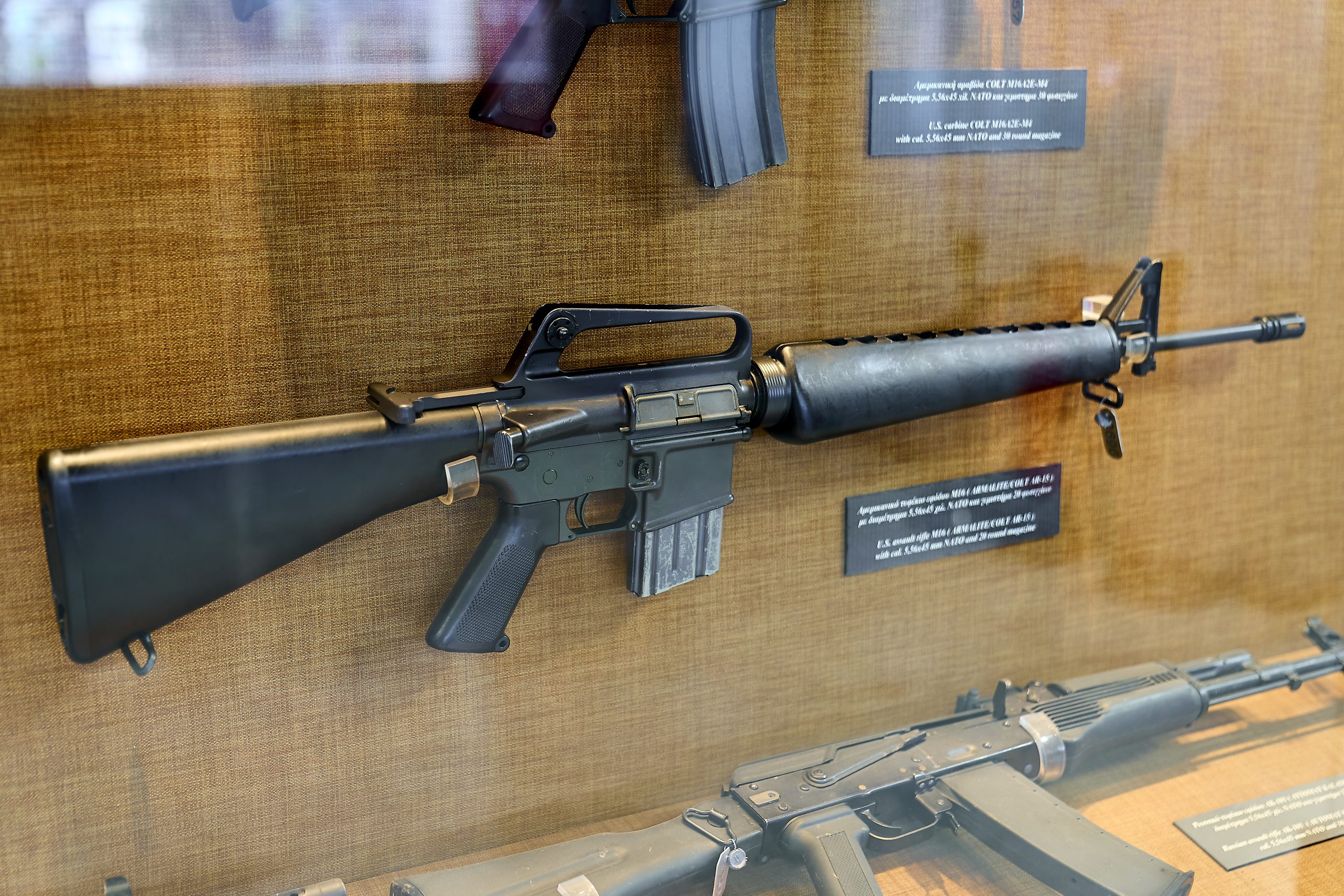
The AR-15 emerged in the 1950s with a lightweight design that challenged traditional military rifle thinking. Chambered in 5.56×45mm, it weighed considerably less than many contemporary 7.62mm service rifles. Its development included Arctic evaluations in the late 1950s, where cold-weather reliability and accuracy became important testing concerns. Although it was not created exclusively for mountain warfare, its reduced carrying weight made it attractive for troops operating in difficult terrain. The AR-15 later became the foundation for the US military’s M16 family.
2. M16: A Military Rifle That Had to Prove Itself in Extreme Conditions
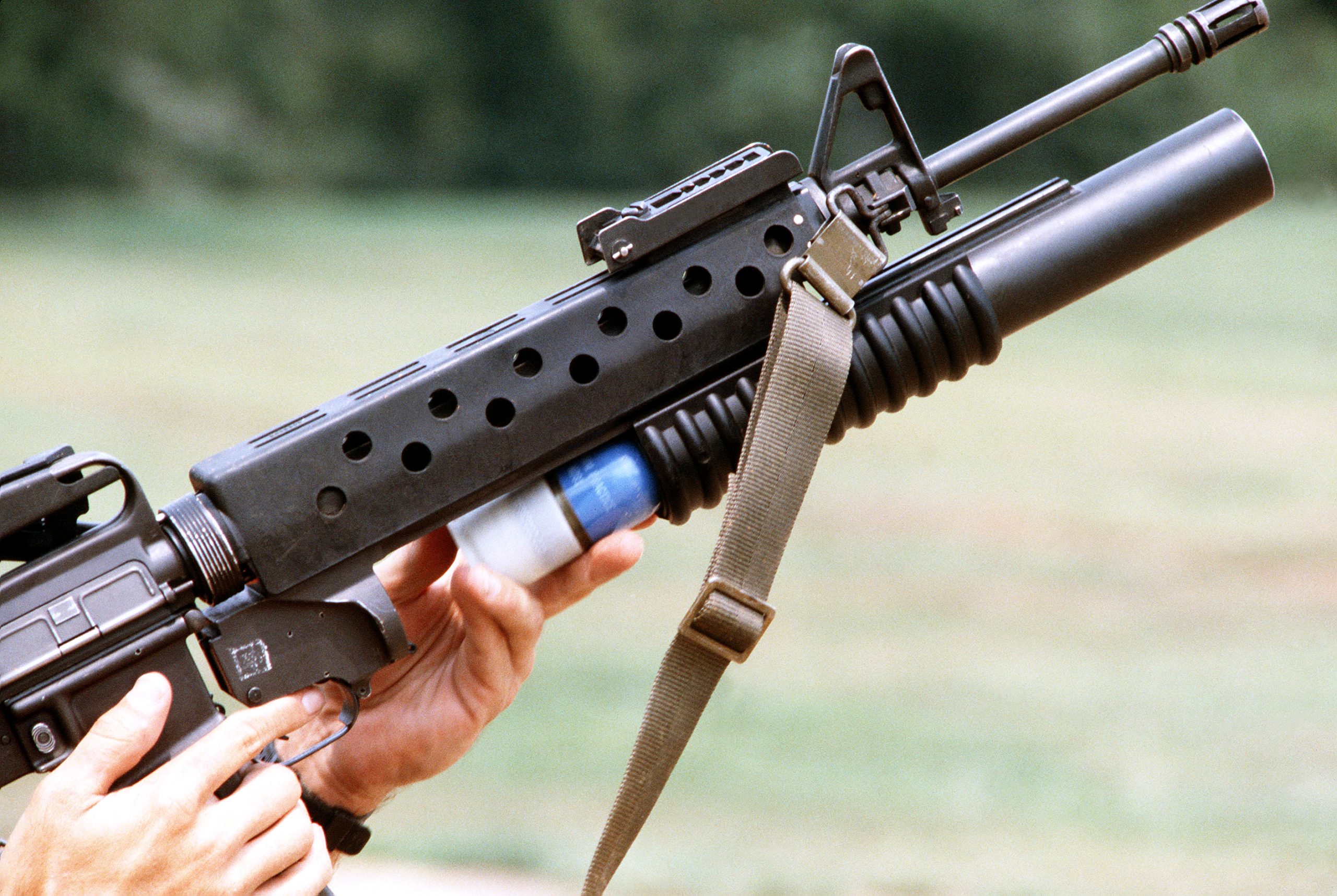
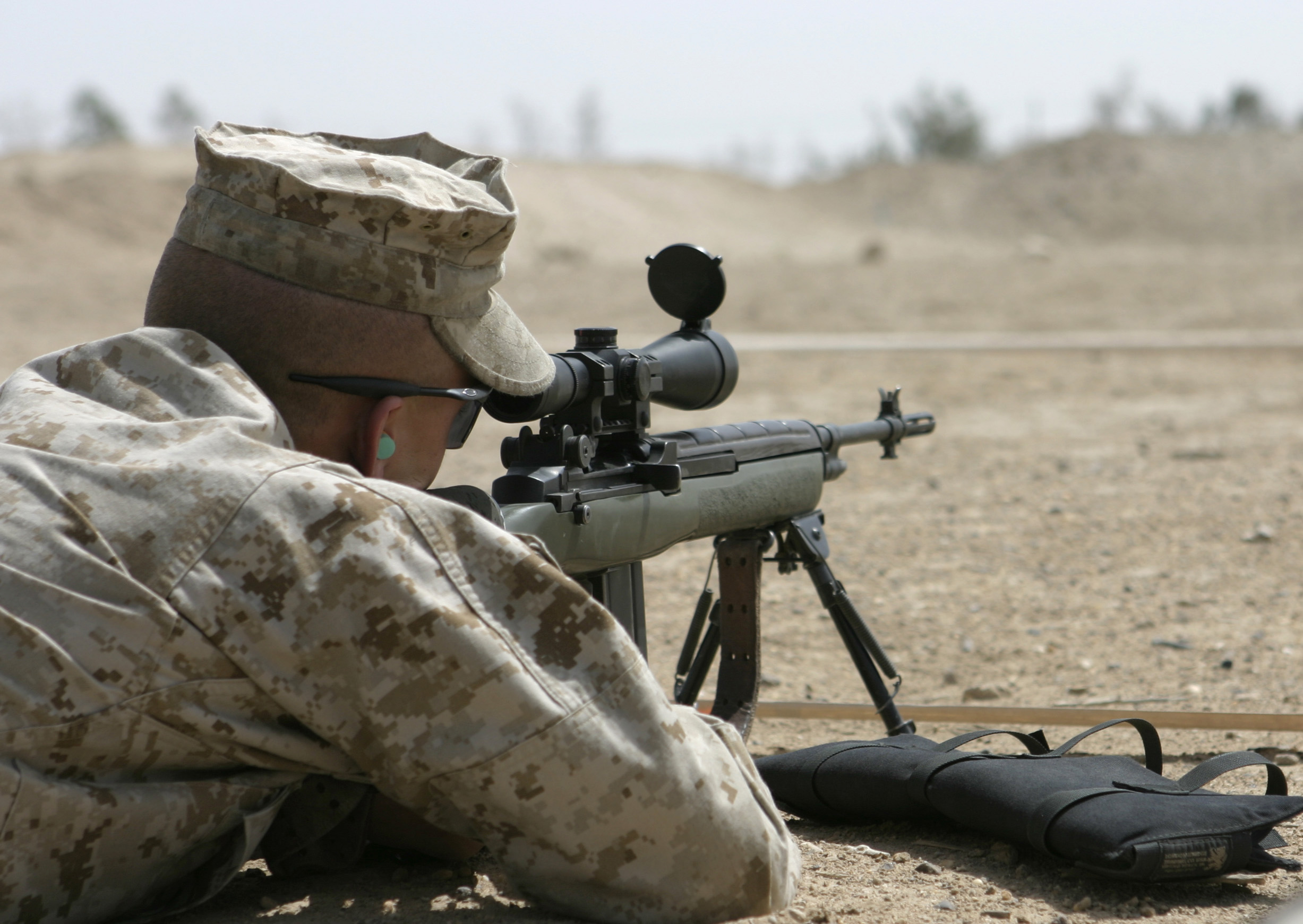
Adopted during the 1960s, the M16 brought a lighter rifle and smaller-caliber ammunition to American infantry units. Its 5.56×45mm cartridge helped reduce the weight soldiers carried, an advantage during long movements through demanding terrain. Early service also exposed serious maintenance and reliability problems, demonstrating that a lightweight design alone could not guarantee dependable performance. The M16 evolved through several versions, with improvements addressing lessons from combat. Its history is relevant to high-altitude warfare because soldiers in mountainous regions benefit from manageable equipment weight, although the M16 was not originally designed specifically for high-altitude use.
3. M4 Carbine: Compact Equipment for Mountain Operations
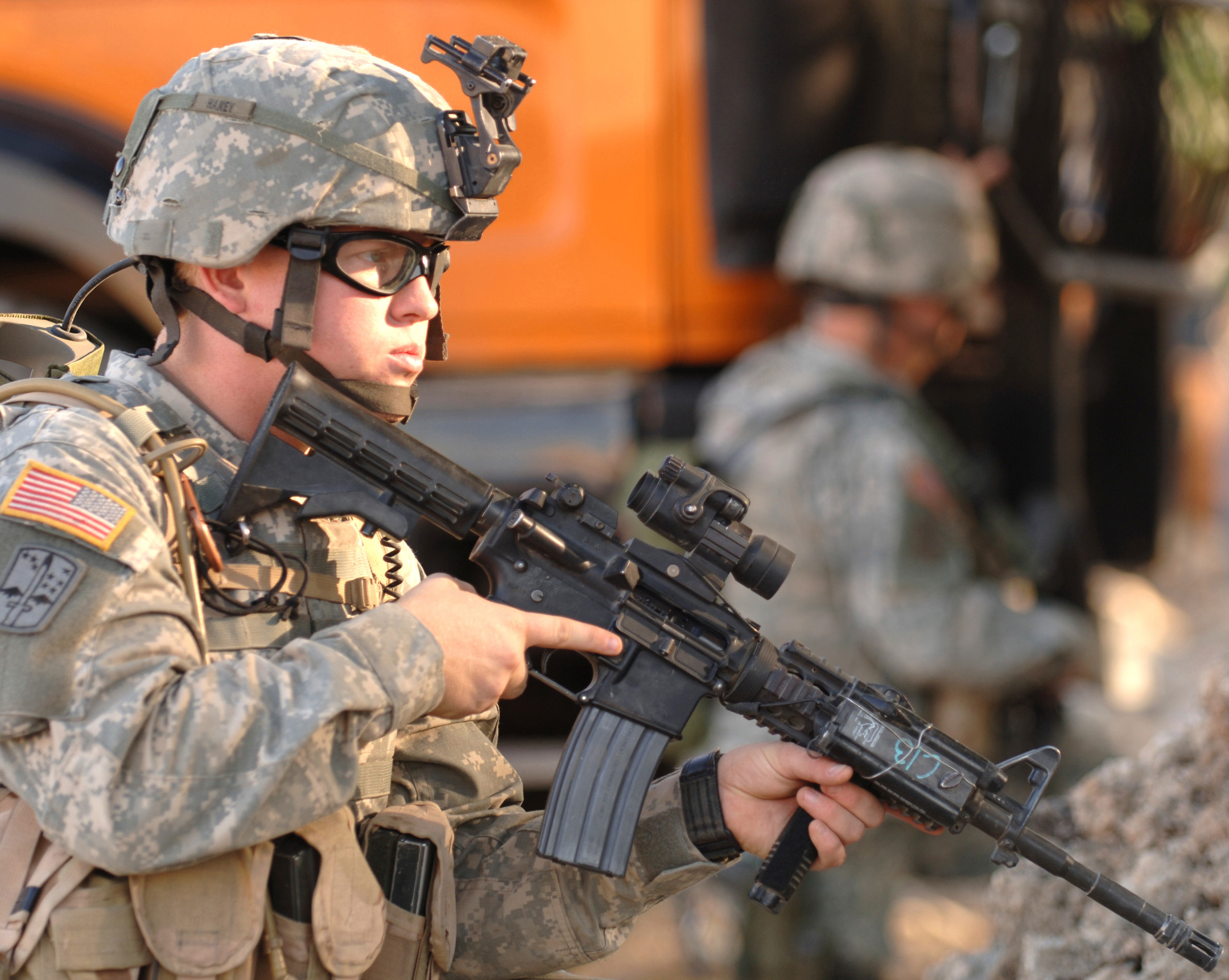
The M4 carbine developed from the M16 family to provide military personnel with a shorter, more compact firearm. Its 5.56×45mm chambering and approximately 14.5-inch barrel distinguish it from the original full-length M16 configuration. A shorter rifle can be easier to carry through narrow mountain paths, enter confined positions, and manage around bulky cold-weather clothing. However, compact dimensions do not automatically improve performance in thin air or freezing temperatures. The M4’s relevance lies in portability and adaptability, rather than a specialized space or altitude requirement. Its practical value depends on training, maintenance, and mission needs.
4. SIG SG 550: Switzerland’s Precision-Oriented Service Rifle
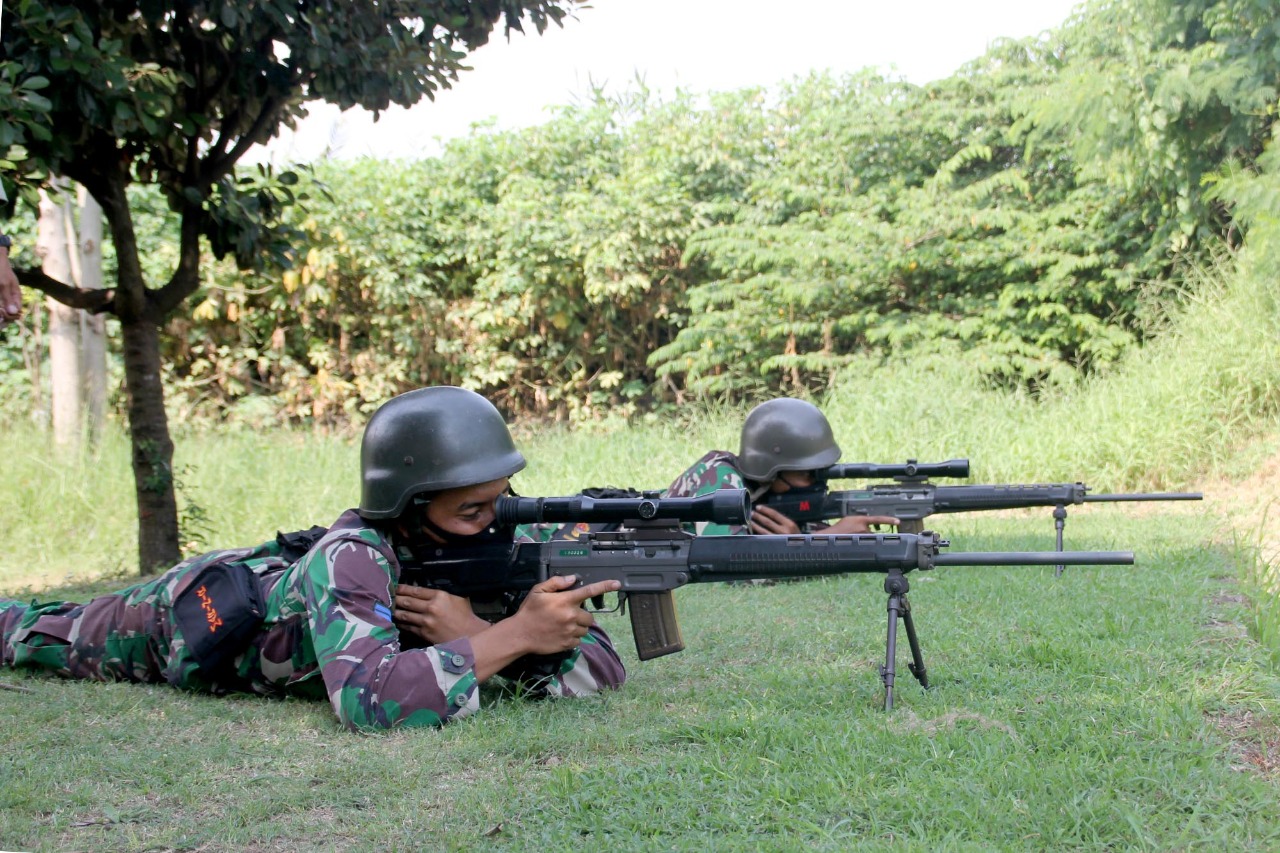
Switzerland’s SIG SG 550 reflects the country’s long tradition of preparing soldiers for demanding alpine terrain. Introduced into Swiss military service in 1990, the rifle uses the 5.56×45mm cartridge and has a standard barrel measuring approximately 528mm. Its design emphasizes controllability, durability, and practical handling for military service. Switzerland’s mountainous geography makes reliable equipment particularly important, especially when troops must move across steep ground and face changing weather. Nevertheless, the SG 550 is a general-purpose service rifle, not a weapon developed exclusively for high-altitude operations. Its connection to alpine warfare comes from its national military context and suitability for varied terrain.
5. IMI Galil: A Rifle Built Around Harsh-Environment Reliability
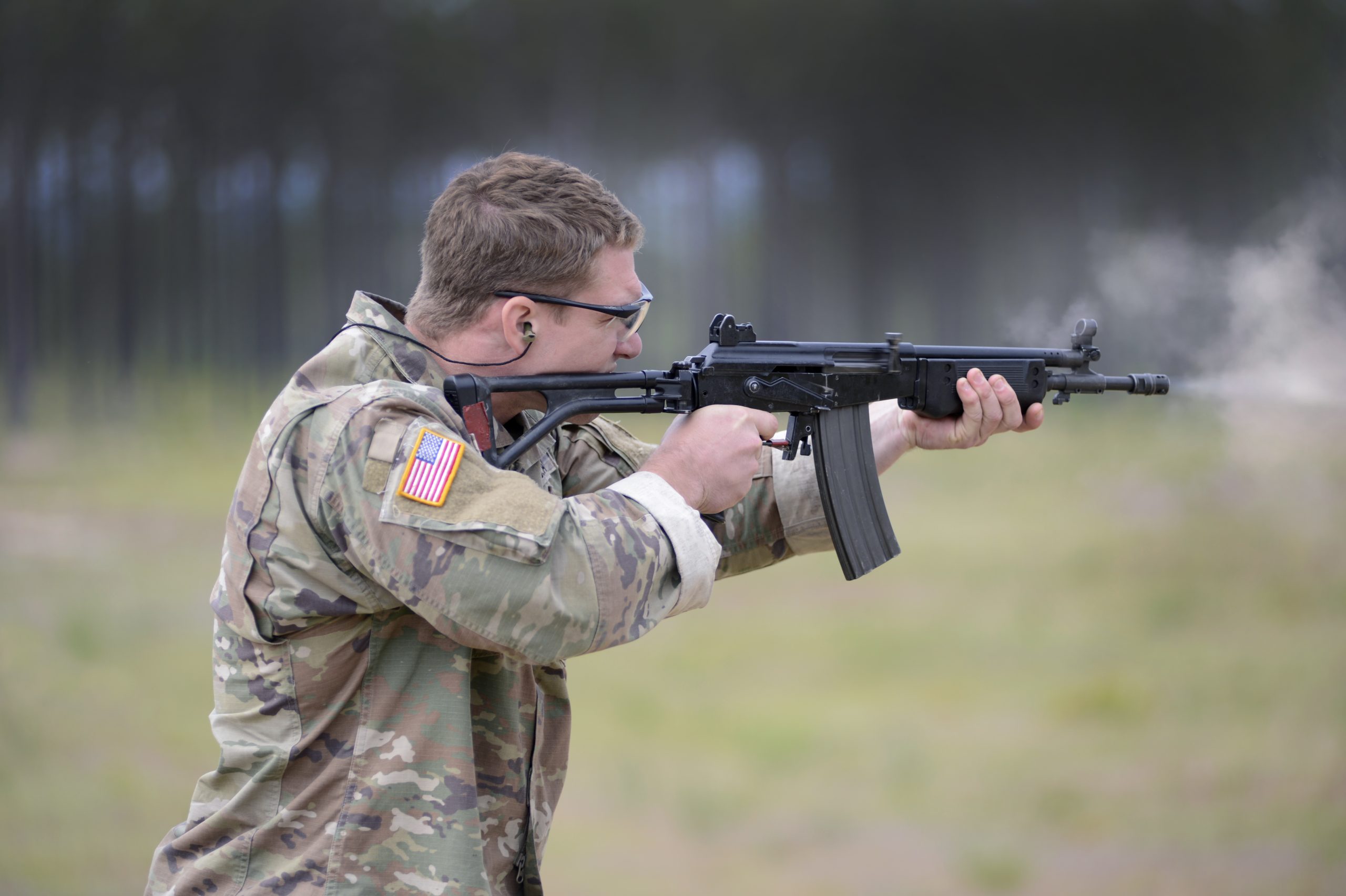
Israel’s Galil family was developed during the 1960s and 1970s, drawing on lessons from earlier military rifles. Different variants were chambered in 5.56×45mm or 7.62×51mm, depending on their intended role. The design became known for its rugged construction and practical handling in demanding field conditions. Those characteristics are relevant to mountain troops, who may face dust, moisture, cold, and long periods away from maintenance facilities. However, the Galil was not originally a space weapon or a dedicated high-altitude rifle. Its place on this list reflects the broader engineering challenge of producing dependable military firearms for difficult environments.
6. AK-74: A Lighter-Caliber Rifle for Demanding Military Service
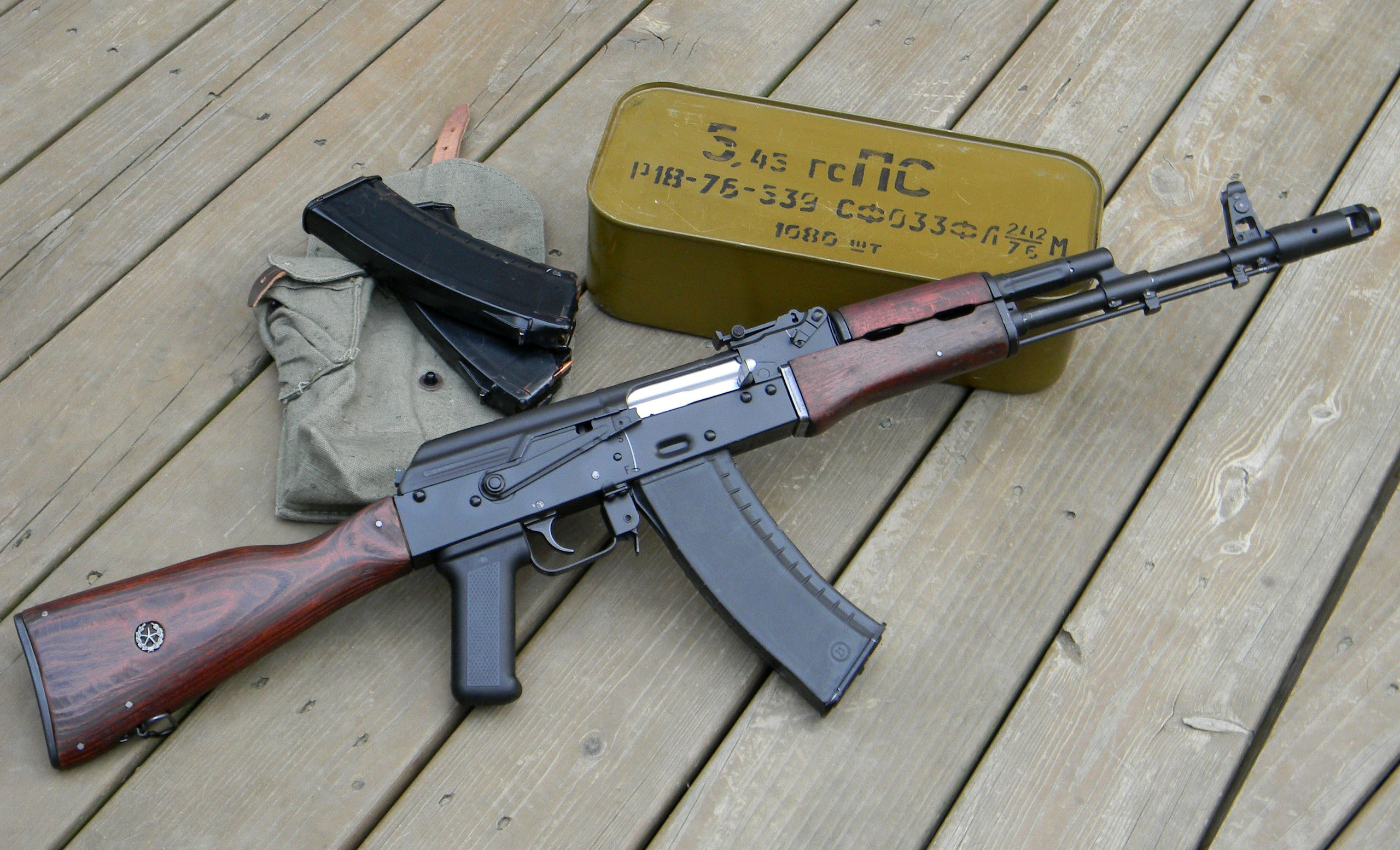
Introduced into Soviet service in the 1970s, the AK-74 uses the 5.45×39mm cartridge and weighs approximately 3.3kg unloaded in its original configuration, depending on the model. The smaller cartridge was part of a wider effort to reduce ammunition weight and improve controllability compared with earlier 7.62×39mm designs. These features can matter when troops carry equipment across steep slopes or remote terrain. The AK-74 was a general-purpose military rifle rather than a purpose-built mountain weapon, and its performance still depends on environmental conditions and proper maintenance. Its history illustrates how weight, reliability, and ammunition selection influence military equipment choices.
7. TP-82: The Extraordinary Firearm Carried Into Space
The Soviet TP-82 is the clearest example of a firearm developed specifically for the needs of space crews, although it is a combination gun rather than a conventional rifle. Introduced for cosmonaut survival kits in 1986, it had three barrels: two for 12.5×70mm shotgun ammunition and one for 5.45×39mm rifle ammunition. It was intended for emergencies after landings in remote wilderness, not combat in orbit. A detachable stock also doubled as a machete. The weapon was carried on Soviet and Russian missions for years, but reports indicate that ammunition concerns led to its retirement from spaceflight use around 200