Hunting television has done much more than capture successful trips and impressive trophies. For generations of viewers, these programs offered an introduction to wildlife behavior, fieldcraft, scouting, equipment, and the patience required to hunt responsibly. From traditional deer camps to modern outdoor adventures, each show brought a different perspective into living rooms across America. Some emphasized family traditions, while others highlighted conservation, public-land challenges, and the realities of spending long hours outdoors. These nine programs helped shape how many hunters approached the sport, learned from experienced outdoorsmen, and passed their knowledge to the next generation.
1. The American Sportsman
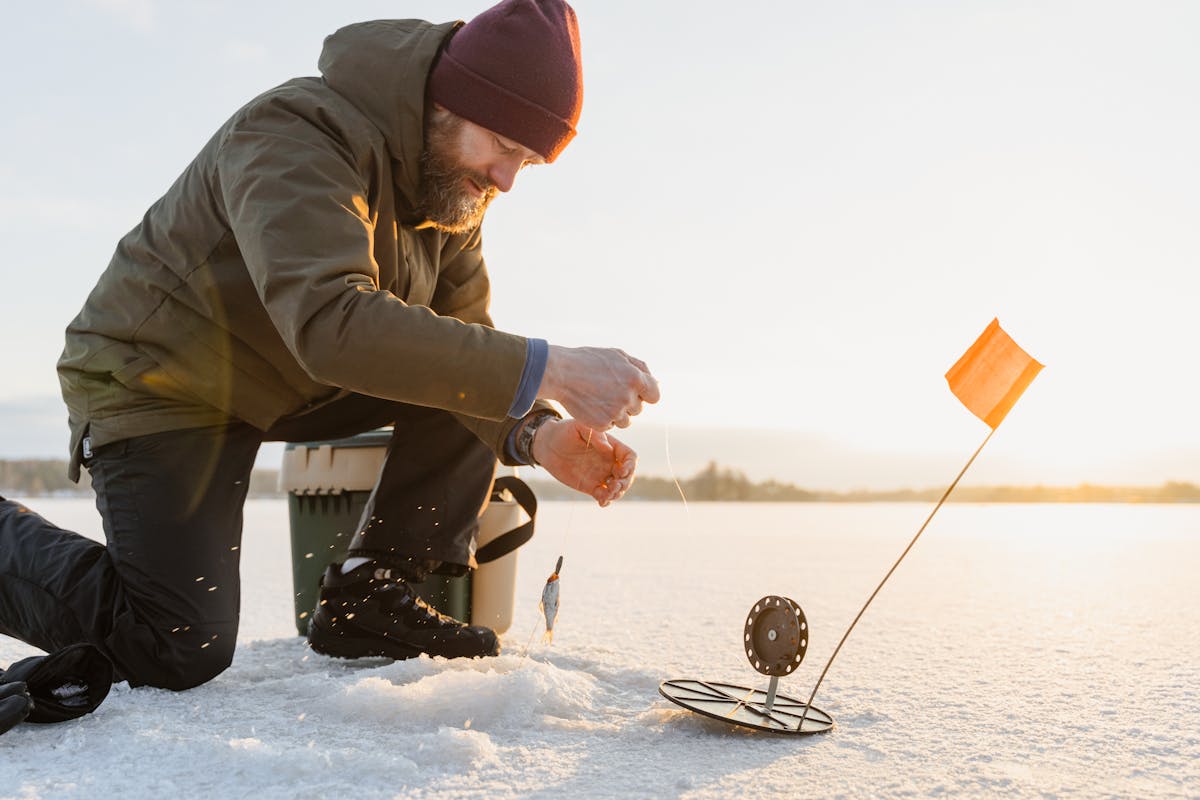
First aired in 1965, The American Sportsman brought hunting and fishing into American homes through ABC, with Curt Gowdy becoming its best-known host. Rather than focusing only on the moment an animal was taken, episodes followed outdoor trips, landscapes, and the people sharing them. Viewers saw that preparation, weather, travel, and patience were part of the experience. Celebrity guests introduced outdoor recreation to people who might never have watched a dedicated hunting program. For many families, it made the outdoors feel like a place to explore, not just a distant backdrop.
2. Realtree Outdoors
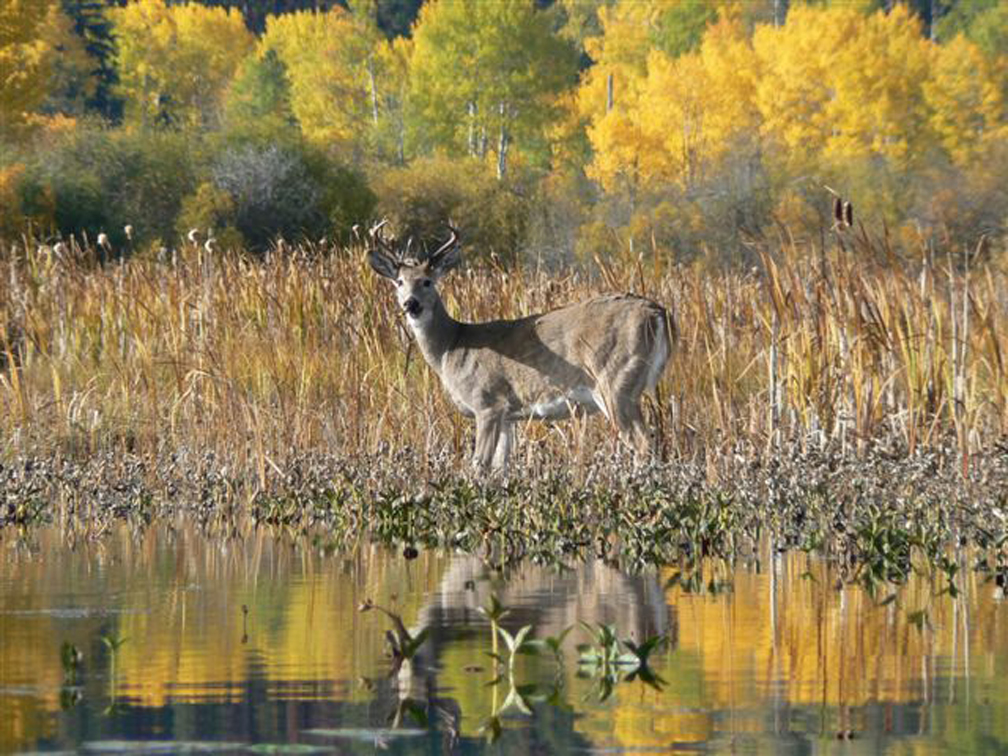
Debuting in 1993, Realtree Outdoors helped define the modern hunting show built around whitetail deer, seasonal routines, and practical field decisions. Host Bill Jordan and guests brought viewers into stands, blinds, and scouting trips, showing how wind, cover, timing, and familiarity with a property shape a hunt. The program reflected the growing role of camouflage and specialized gear in outdoor culture. Its long run gave viewers a yearly rhythm and reminded hunters that success often begins weeks before opening day, with observation and preparation rather than a dramatic final scene.
3. Primos’ Truth About Hunting
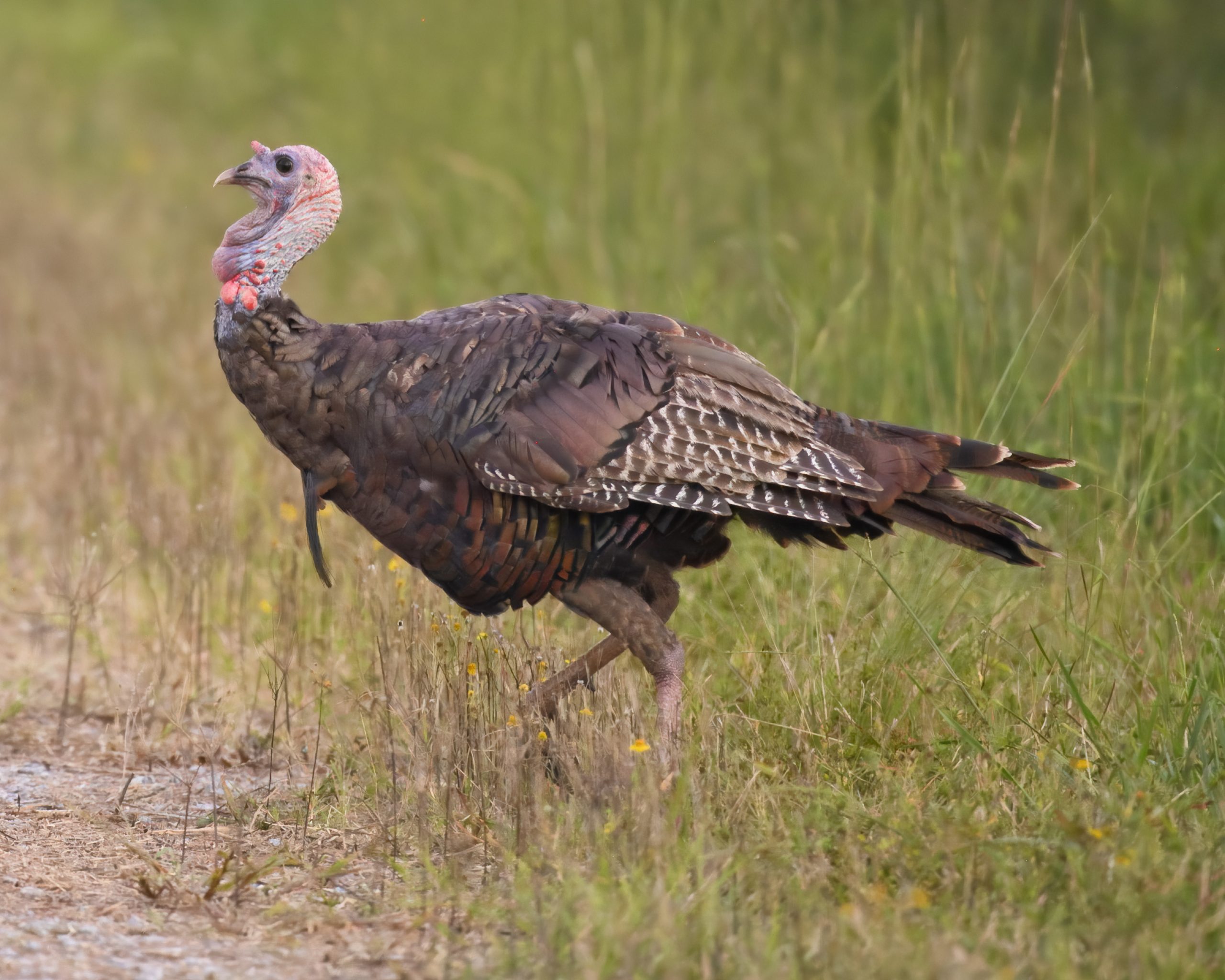
Primos’ Truth About Hunting made calling and communication central to its lessons, especially for turkey and whitetail hunters. The show presented vocalizations, decoy choices, and setup decisions as skills to study rather than magic shortcuts. Viewers could hear how a call imitates an animal and see why location, patience, and reading the situation still mattered. Across its seasons, the series helped make sound-based techniques more accessible to newcomers. It also showed that a convincing call is only one part of the process; knowing when to stay quiet can be just as important.
4. Michael Waddell’s Bone Collector

Launched in 2008, Michael Waddell’s Bone Collector brought energetic storytelling, humor, and a close-knit crew to a younger television audience. Its mix of whitetail hunts, turkey seasons, and outdoor conversations made the people behind each trip part of the appeal. The show helped present hunting as a shared social experience, with friends and family celebrating preparation as much as the result. Viewers also saw that missed chances, changing conditions, and long waits were part of the story. Its style influenced later programs that blended instruction, personality, and entertainment.
5. MeatEater
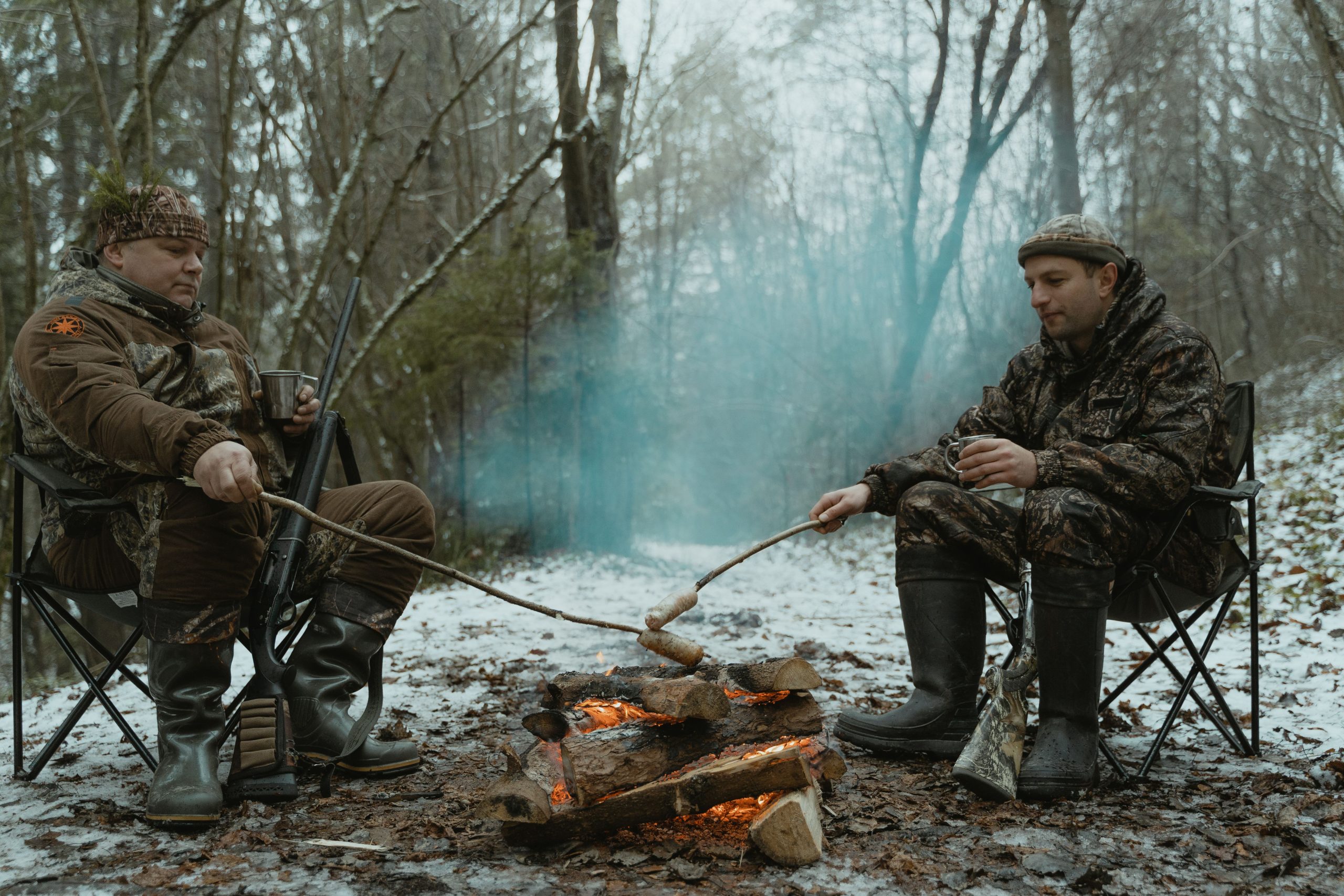
Steven Rinella’s MeatEater, which began in 2012, gave hunting a wider context by connecting fieldcraft with ecology, cooking, and the origins of food. Episodes followed pursuits across North America, then often continued into preparing and eating wild game. That structure showed viewers that a hunt involves more than the moment of harvest: habitat knowledge, legal seasons, careful meat handling, and respect for the animal matter afterward. Its thoughtful pace also reached people curious about conservation or food who had never considered hunting. The series made learning part of the adventure.
6. Jim Shockey’s Hunting Adventures
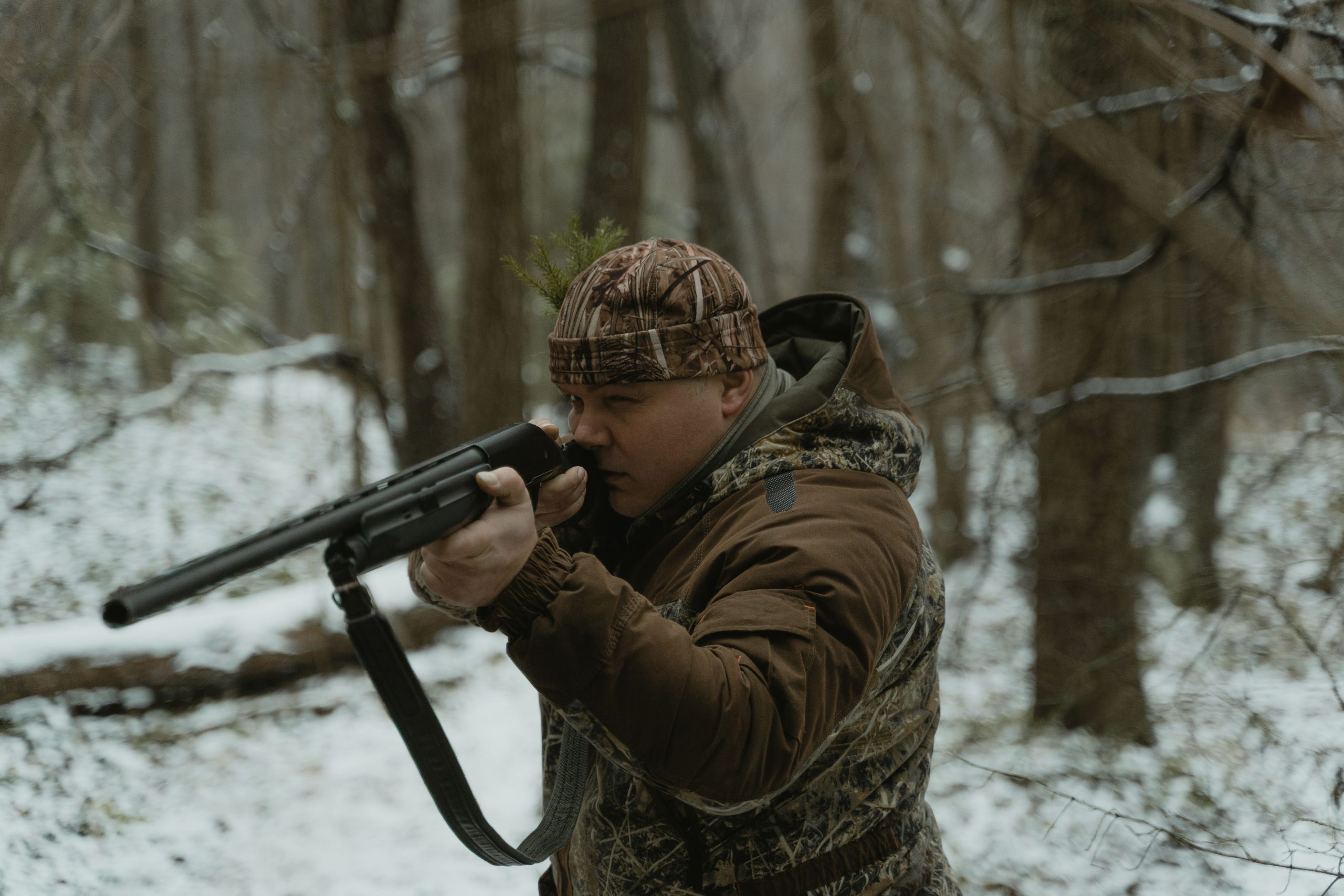
Jim Shockey’s Hunting Adventures took viewers beyond familiar deer woods, following expeditions across varied landscapes and cultures. The series featured pursuits from North American big game to international adventures, making travel, tracking, local knowledge, and endurance part of the narrative. Across more than 18 seasons, Shockey’s journeys showed how hunters adapt to terrain, climate, and animal behavior. The program introduced audiences to guides and communities whose knowledge comes from long experience on the land. Its global scope expanded what a hunting show could document.
7. The Crush with Lee and Tiffany
The Crush with Lee and Tiffany followed a husband-and-wife team through whitetail seasons, land management, and family life outdoors. Its emphasis on scouting, trail-camera observations, food plots, and seasonal planning gave viewers a look at the work that happens before a hunt. The show presented hunting as a shared pursuit, helping couples and families imagine themselves participating. By returning to familiar ground over time, it illustrated how repeated observation can reveal patterns a single visit would miss. Teamwork made preparation part of the story, not just the harvest.
8. GrowingDeer.tv
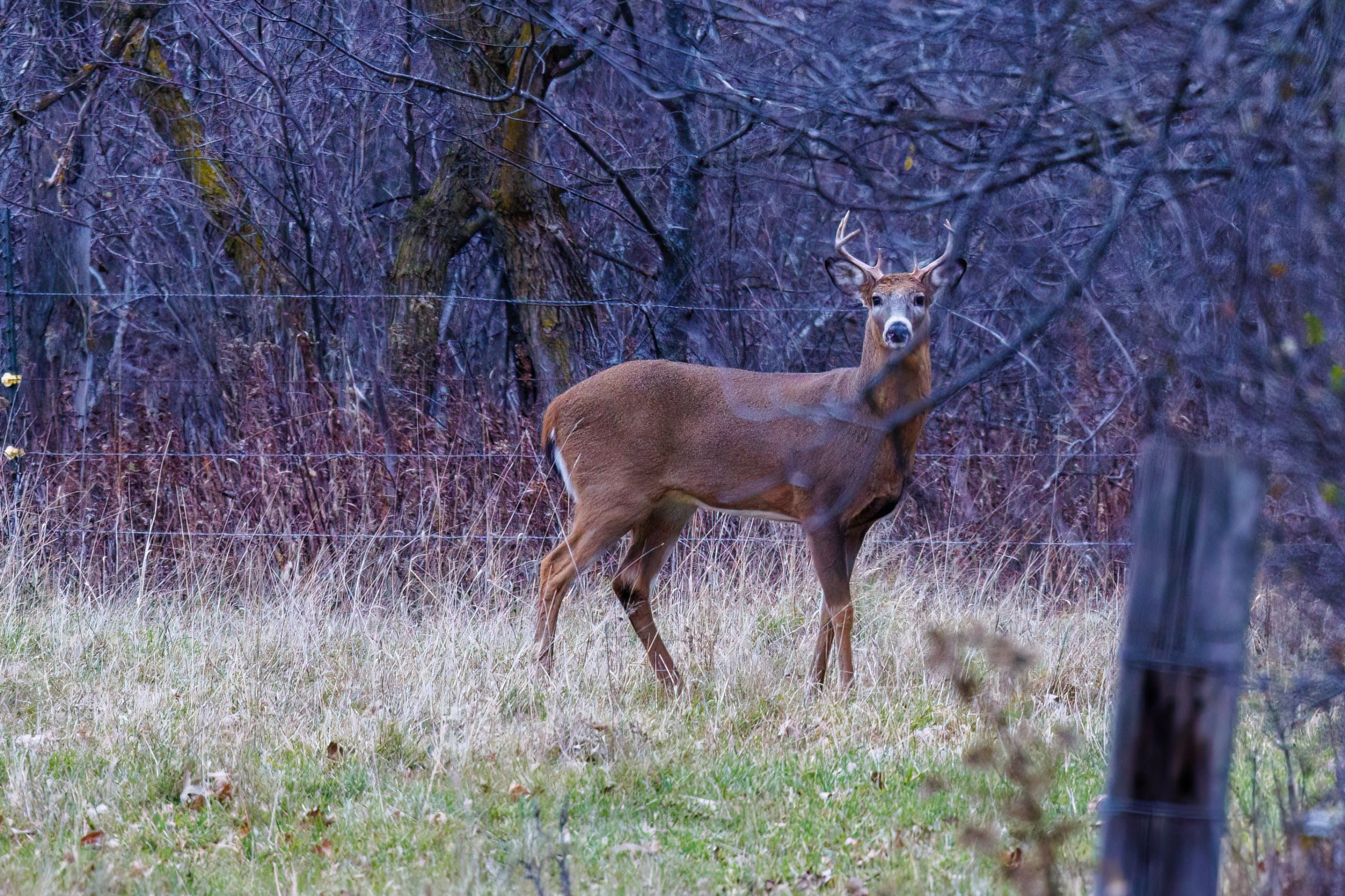
GrowingDeer.tv, led by wildlife biologist Grant Woods, brought a science-focused approach to deer hunting and habitat management. Its videos connected practical decisions with deer movement, food sources, bedding cover, and property stewardship. Rather than treating a successful hunt as proof of one universal trick, the program encouraged viewers to observe local conditions and adjust plans. That approach helped hunters look beyond equipment and consider how land management influences wildlife over time. Its educational format made research and field observation relevant to hunting decisions.
9. Winchester’s Legends
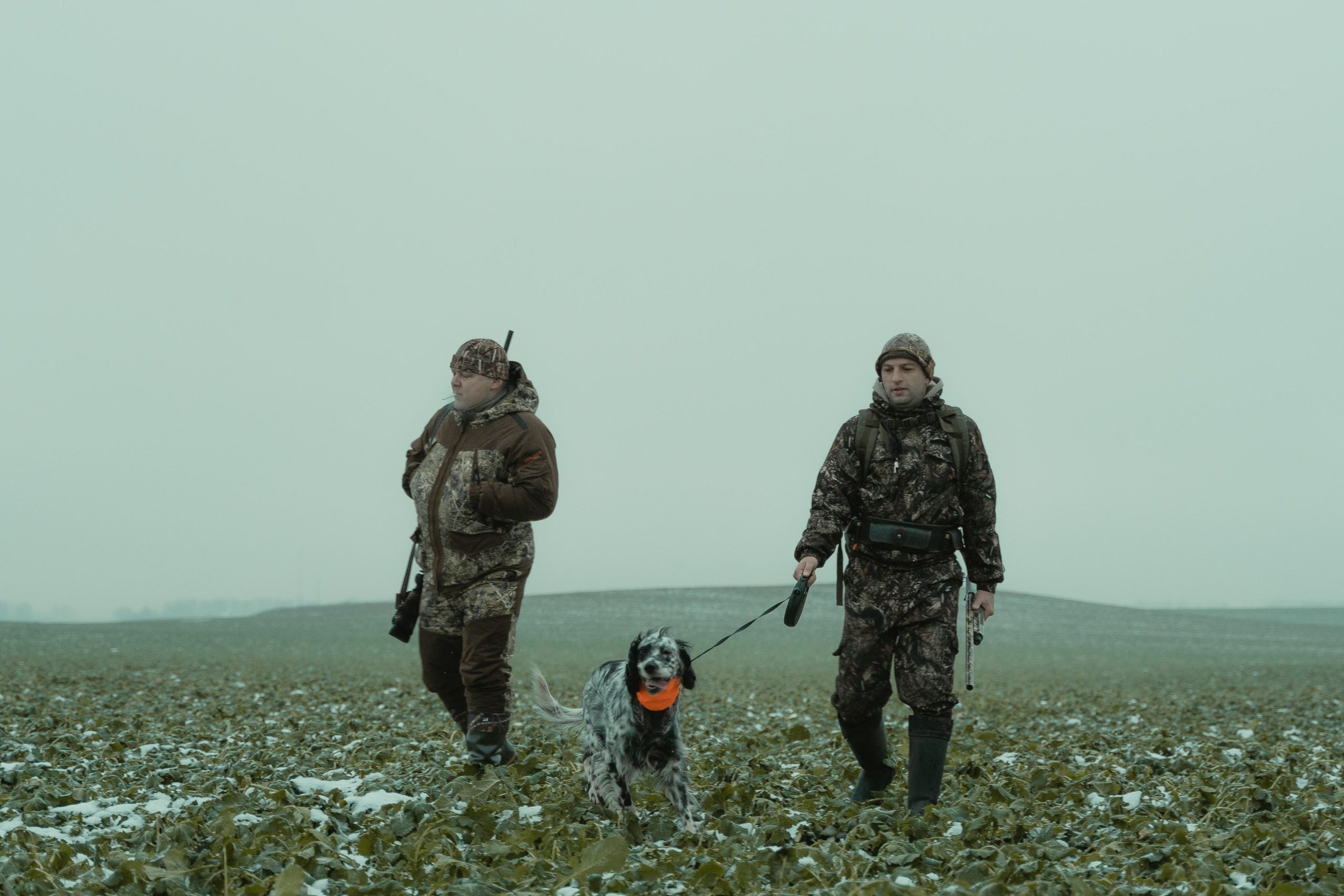
Winchester’s Legends used stories about notable hunters, firearms history, and outdoor traditions to connect viewers with the sport’s past. By placing adventures in a historical setting, the program encouraged audiences to consider how equipment, access, ethics, and hunting culture have changed. Its appeal was less about one technique than about people shaping outdoor communities. For younger viewers, these stories offered a bridge between today’s hunting and earlier generations, showing that skills evolve while patience, preparation, and respect for wildlife remain enduring themes.