A lot of hunters thought the 6.5 Creedmoor was just another trend. Then they took it into the field and saw what it could really do.
The shift did not happen by accident

The .308 Winchester earned its reputation over decades. It is dependable, widely available, and capable of taking everything from whitetails to elk when loaded properly. For a long time, it was the practical answer for hunters who wanted one rifle that could do almost everything well enough.
Then the 6.5 Creedmoor arrived and did something important. It did not try to replace the .308 by being more powerful at the muzzle. Instead, it offered a more efficient design that emphasized high ballistic coefficient bullets, consistent accuracy, and better downrange performance.
That combination mattered to real hunters, not just bench shooters. Rifle makers quickly chambered lightweight hunting rifles for it, ammo companies expanded their offerings, and hunters started hearing the same thing from friends at the range and in deer camp. The cartridge was simply easy to shoot well.
Once hunters saw that it was not a gimmick, the conversation changed. It stopped being about whether the 6.5 Creedmoor was legitimate and became about whether the .308 was still the best all-around choice for the average hunter. For many shooters, the answer quietly shifted.
Less recoil means better shooting in the real world
One of the biggest reasons hunters stay with 6.5 Creedmoor is recoil. On paper, recoil charts may not seem dramatic, but in the field the difference is obvious. A typical 6.5 Creedmoor hunting load produces noticeably less kick than a comparable .308 load in the same rifle weight.
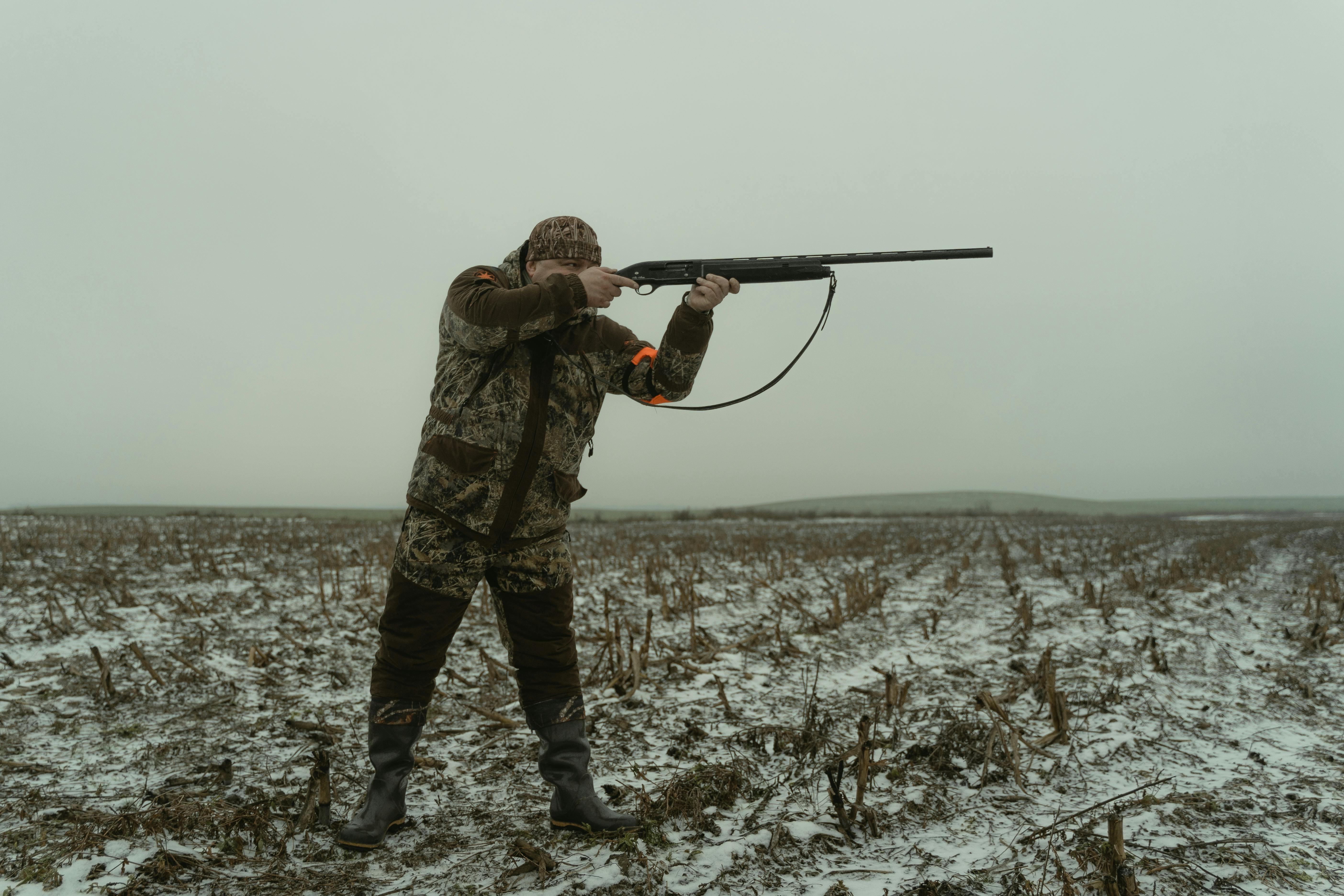
That matters because most hunters are not shooting from a concrete bench with perfect form. They are shooting in cold weather, from awkward rests, over backpacks, from blinds, or while breathing hard after climbing a ridge. In those conditions, lighter recoil helps them keep the rifle steady and press the trigger cleanly.
Less recoil also helps with follow-through. Hunters can stay in the scope, watch bullet impact, and make a faster second shot if needed. That is a practical advantage, especially for newer shooters, smaller-framed hunters, and anyone who wants a rifle that is pleasant enough to practice with regularly.
The result is simple. People tend to shoot the cartridge better that beats them up less. Many hunters who moved from .308 to 6.5 Creedmoor discovered they were not just more comfortable. They were more accurate under pressure, and that tends to make a permanent impression.
Flatter trajectories reduce small mistakes
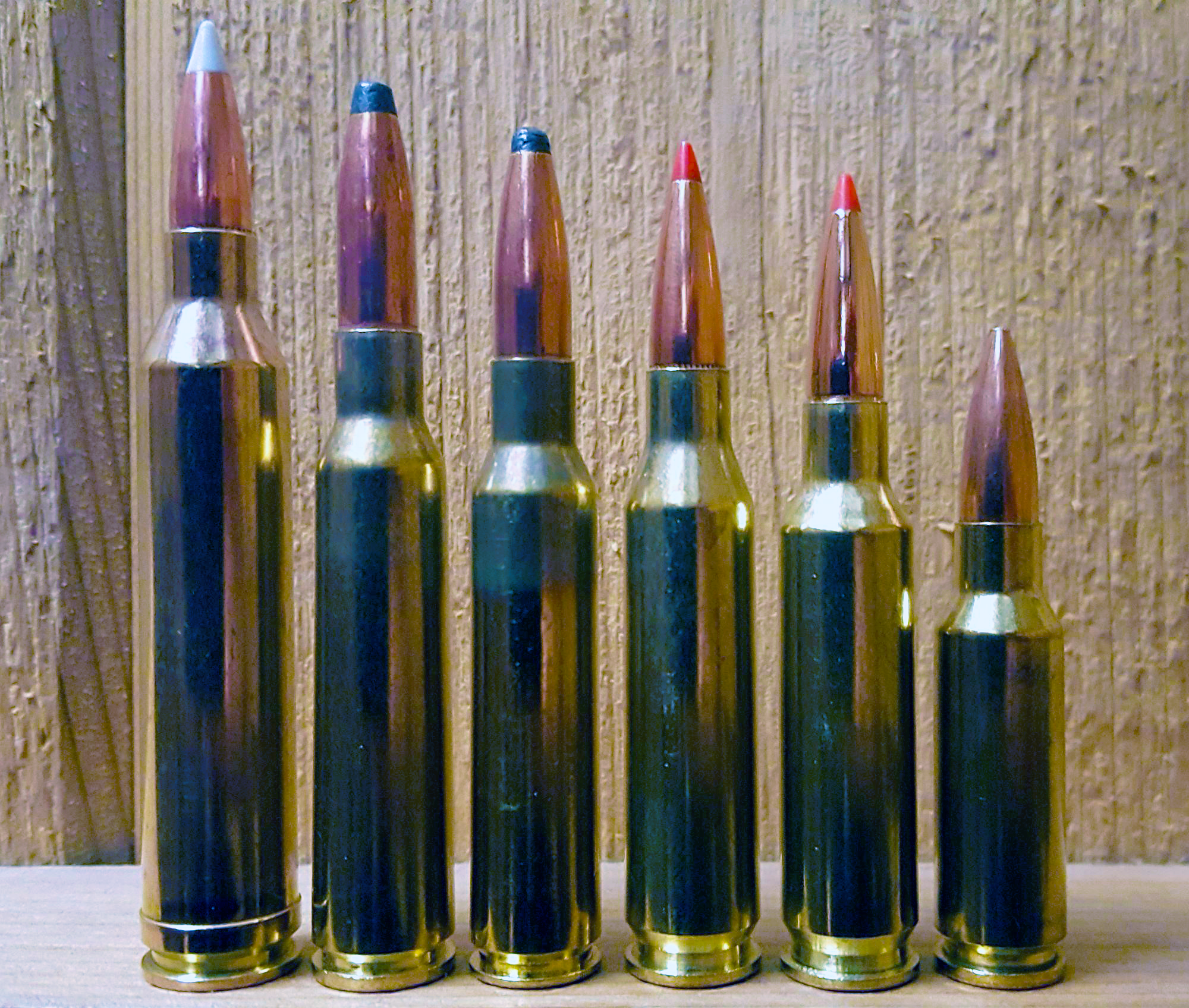
The 6.5 Creedmoor built much of its reputation on efficiency at distance. Its common hunting bullets, often in the 120 to 143 grain range, typically have strong ballistic coefficients for their size. That allows them to hold velocity well and drop less over longer ranges than many traditional .308 hunting loads.
For hunters, that does not automatically mean taking extreme shots. What it means is more forgiveness when a range estimate is slightly off or when the shot stretches past the comfortable 200-yard mark. A flatter trajectory can shrink the penalty for those small errors that happen in real hunting situations.
Wind drift is another major factor. The 6.5 Creedmoor generally handles crosswinds better than .308 with common deer-weight hunting loads, and that can be the difference between a clean hit and a miss on open-country game. Western hunters in particular noticed this quickly on antelope, mule deer, and bean-field whitetails.
This is where many hunters stopped looking back. The cartridge gave them a little more margin without demanding magnum recoil or expensive specialty rifles. It made ordinary hunters more capable at ordinary long-ish distances, and that kind of practical benefit spreads fast by word of mouth.
Accuracy is not marketing when the rifle proves it
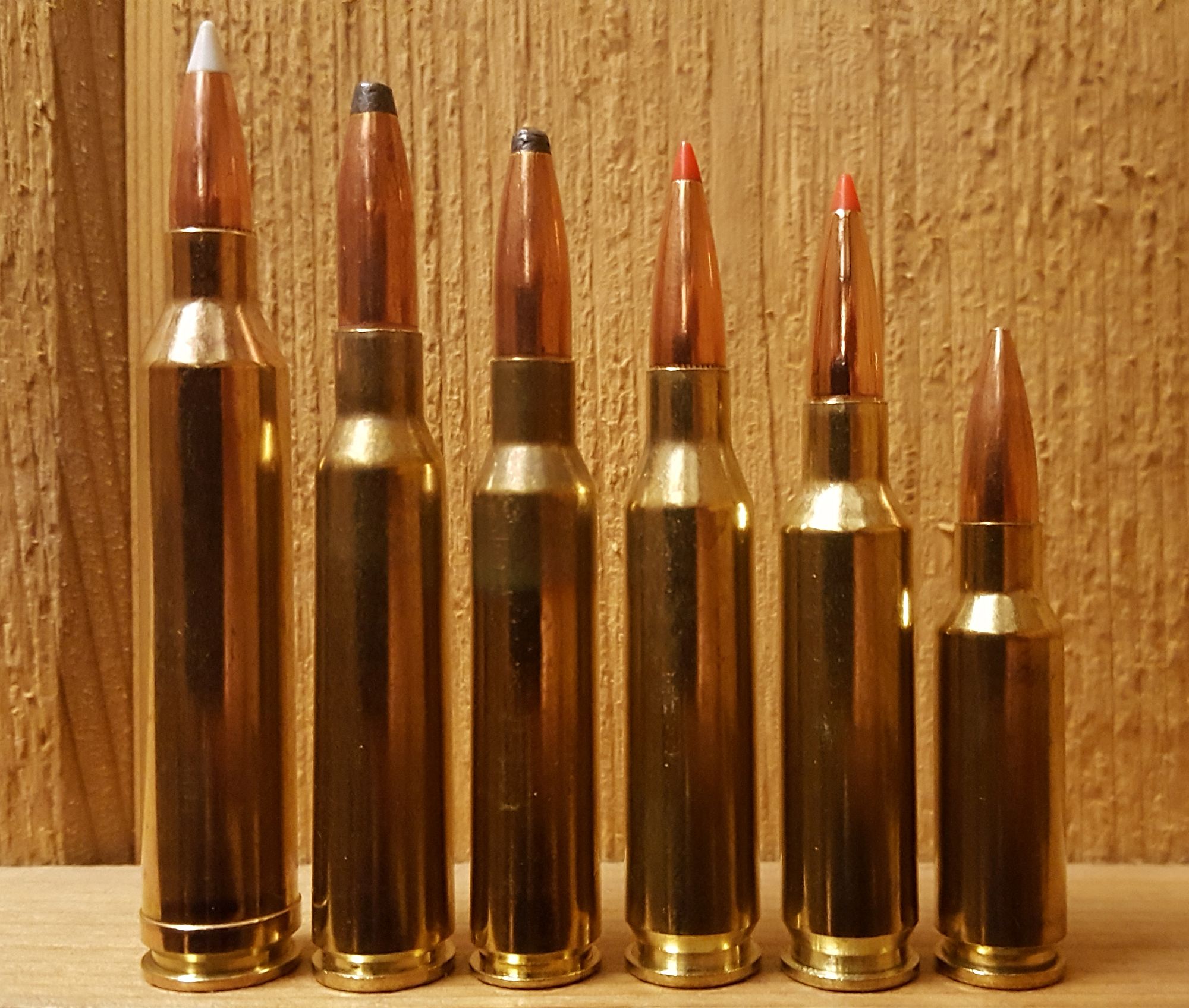
The 6.5 Creedmoor became famous for accuracy, and unlike many cartridge claims, this one held up. From the beginning, it was designed around efficient case geometry, moderate recoil, and bullets that perform well from standard short-action rifles. Those design choices translated into rifles that often shoot exceptionally well with factory ammunition.
That factory ammo part is crucial. Not every hunter handloads, and many never will. With the .308, excellent factory loads absolutely exist, but the 6.5 Creedmoor earned a reputation for making precision easier to access right off the shelf, especially with match-inspired hunting loads from major manufacturers.
Gun writers and competitive shooters helped build that reputation, but hunters confirmed it in practical use. A rifle that prints tight groups at 100 yards inspires confidence at 250, and confidence matters more in the field than many people admit. Shooters who trust their rifle tend to make calmer, cleaner shots.
Many who switched from .308 were surprised by how quickly they settled in behind the new cartridge. They spent less time chasing load preferences, less time fighting recoil-induced flinching, and more time learning exactly where the rifle hit. That sort of familiarity creates loyalty very quickly.
Terminal performance has been better than skeptics predicted
Critics often framed the debate as simple bullet diameter versus real-world effect. The .308 throws a larger, heavier projectile, and for many hunters that sounded reassuring. But field performance depends on far more than diameter alone, including bullet construction, impact velocity, shot placement, and retained energy at hunting distance.
The 6.5 Creedmoor has benefited from modern bullet design. Controlled-expansion bullets, bonded loads, monolithic copper options, and highly consistent polymer-tipped hunting bullets have allowed it to punch above what older assumptions might suggest. On deer-sized game, its reputation for deep penetration and efficient tissue damage is now well established.
That does not mean it turns elk into easy work at any angle, and serious hunters know that. But within sensible distances and with proper bullets, plenty of hunters have used it effectively on larger game too. State wildlife agencies, outfitters, and experienced guides have all seen enough clean kills to take the cartridge seriously.
This is another reason people do not rush back to .308. Once a hunter has taken several deer, pronghorn, or hogs cleanly with a 6.5 Creedmoor, the old doubts fade. The cartridge no longer feels theoretical. It becomes a proven tool, and proven tools are hard to abandon.
Rifles, optics, and hunting styles changed around it
Timing helped the 6.5 Creedmoor enormously. It rose during a period when hunting rifles were getting lighter, scopes were improving, and more hunters were paying attention to practical precision. The cartridge fit that moment perfectly because it delivered reach and accuracy without the punishment of magnum cartridges.
Manufacturers responded fast. Compact bolt guns, mountain rifles, chassis-style crossover rifles, and suppressor-ready hunting models all began appearing in 6.5 Creedmoor. That gave hunters choices that matched modern styles, whether they hunted hardwoods back East or glassed long cuts and open basins in the West.
Suppressor use also changed the conversation. In a suppressed rifle, the 6.5 Creedmoor becomes especially pleasant to shoot, with modest recoil and manageable blast. Hunters who value hearing protection, reduced flinch, and better communication during a hunt often find that setup extremely appealing compared with a sharper-shooting .308.
As equipment evolved, the 6.5 Creedmoor kept fitting the way people actually hunted. It worked for youth hunters, experienced riflemen, and cross-over shooters who wanted one rifle for paper, steel, and game. That flexibility gave it staying power far beyond the original hype cycle.
The .308 is still good, but the 6.5 fits more hunters better
None of this means the .308 suddenly became a poor cartridge. It remains versatile, powerful, and widely supported, with excellent ammo availability and a long record of success. For hunters in thick woods, those taking shorter shots, or those who value heavier bullet options, it still makes complete sense.
But the average hunter does not choose a cartridge based on nostalgia. They choose what helps them shoot accurately, recover quickly from recoil, and make confident hits at the distances they actually face. For a growing number of hunters, that practical answer has become the 6.5 Creedmoor.
That is why so many who switched are not going back. They found a cartridge that is comfortable to practice with, forgiving in the wind, accurate with factory ammo, and fully capable on game when used responsibly. Once those benefits show up in real hunts, the old loyalty to .308 weakens fast.
In the end, the 6.5 Creedmoor did not win by magic or marketing alone. It won because it made hitting easier for many ordinary hunters. And in hunting, a cartridge that helps people place bullets better tends to keep its place in the gun safe.