Extreme cold creates challenges for handgun designers that go far beyond keeping a firearm operational. Thick winter gloves can make small controls difficult to reach, reduce finger movement, and interfere with a secure grip. Snow, freezing rain, and temperatures below 0°F can also affect lubricants, batteries in accessories, and exposed metal surfaces. Military and outdoor handguns have addressed some of these problems through large controls, generous trigger guards, textured grips, and designs intended for harsh environments. However, not every pistol on this list was specifically engineered for gloved use. The following seven models illustrate different approaches to cold-weather reliability and handling, including several with documented military or service roles.
1. FN Five-seveN
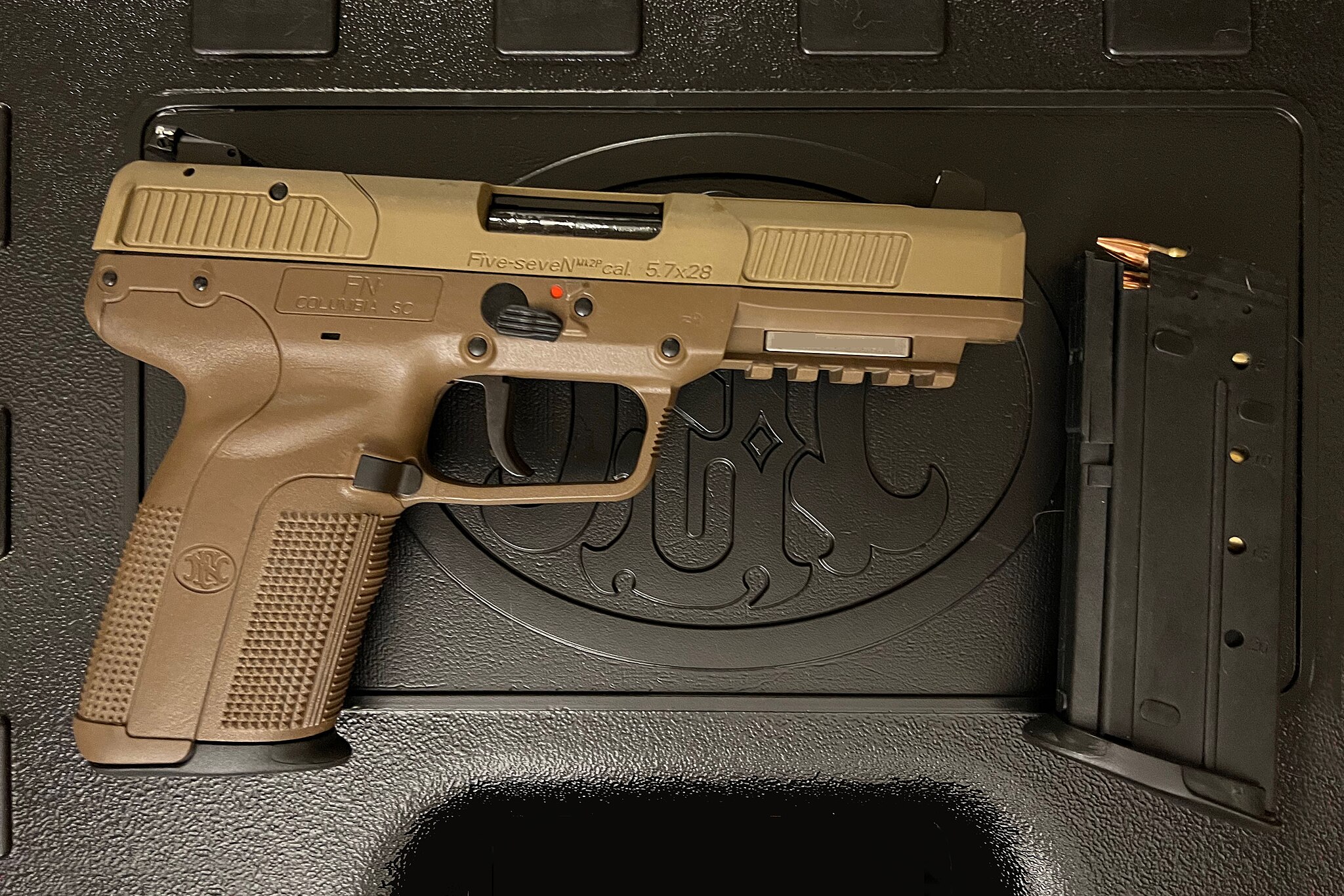
The FN Five-seveN stands out because its design includes an elongated trigger guard intended to accommodate gloved fingers. Introduced alongside FN’s 5.7×28mm ammunition system, this Belgian pistol uses extensive polymer construction and features textured grip surfaces. Its standard magazine holds 20 rounds, while the barrel measures approximately 4.8 inches. These details make it an interesting example of ergonomic design for demanding environments. However, glove compatibility does not guarantee reliable operation in extreme cold, and appropriate clothing, maintenance, and manufacturer-approved cold-weather testing remain important.
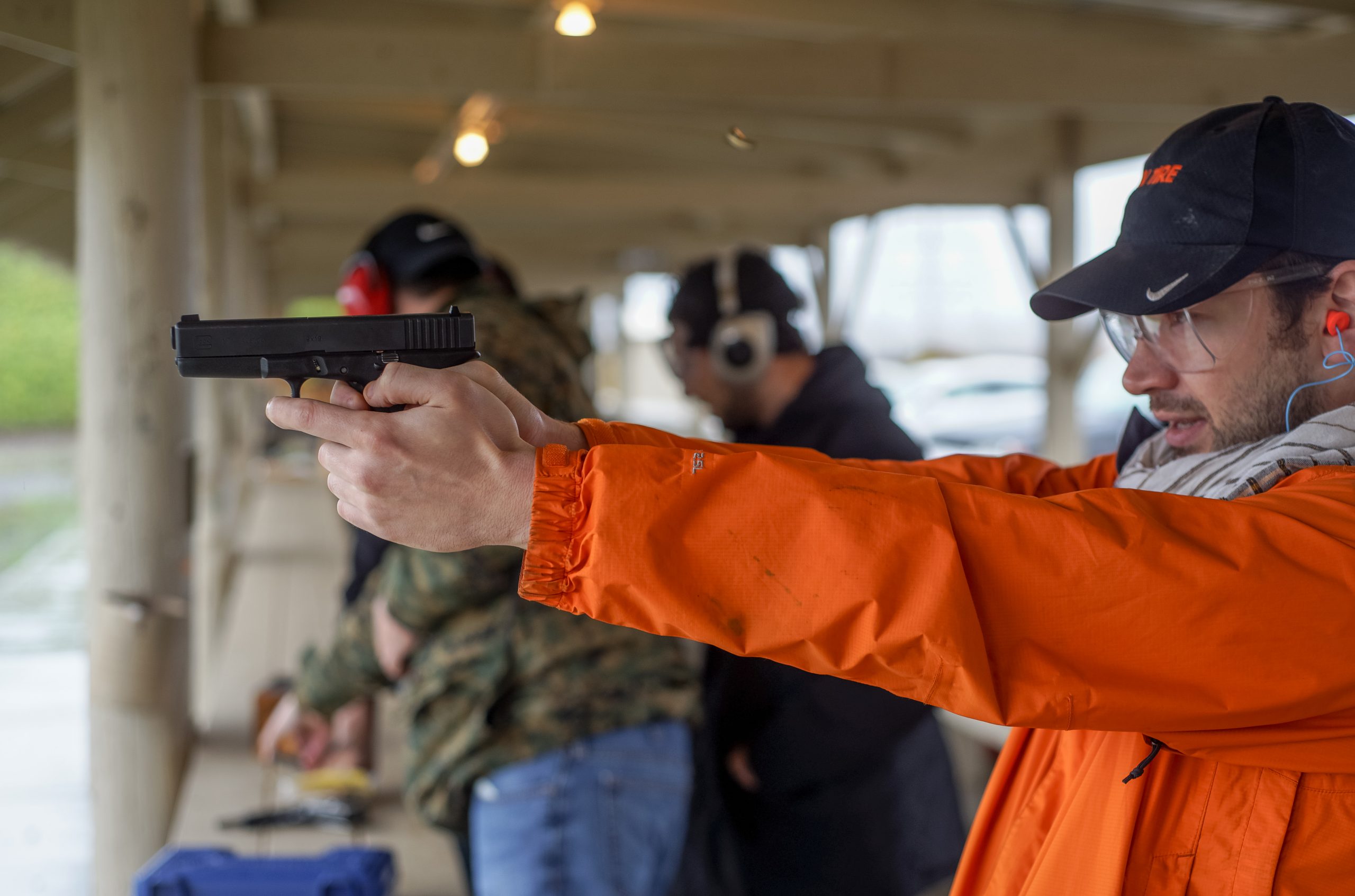
2. Glock 17
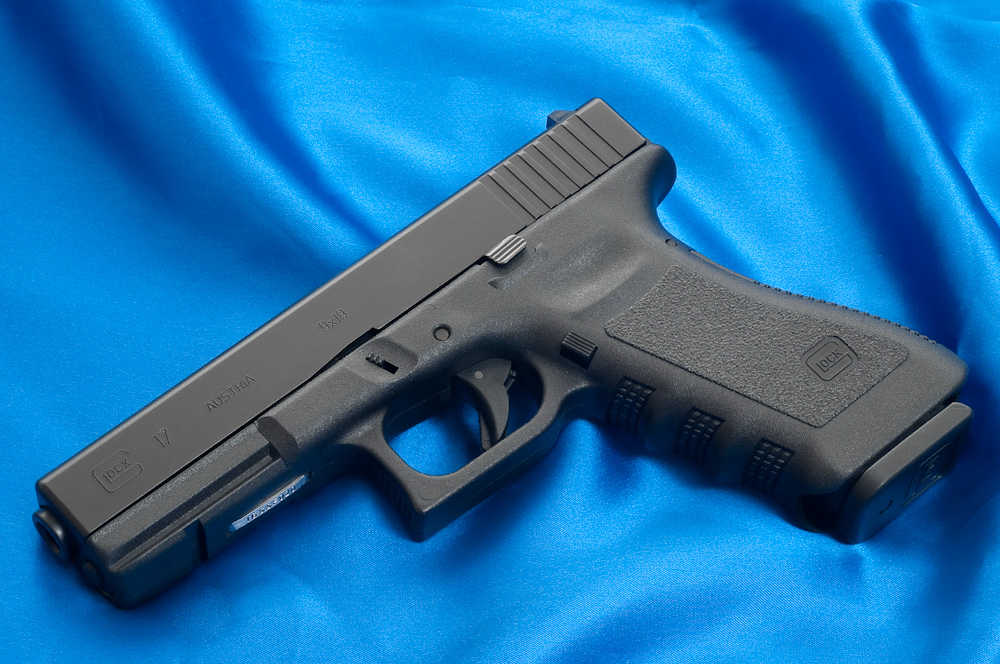
Introduced in 1982, the Glock 17 became a widely recognized service pistol partly because of its comparatively simple operating system and lightweight polymer frame. Standard versions use 9×19mm ammunition and a 17-round magazine. Its full-size grip offers more contact area than many compact handguns, while the broad slide provides substantial gripping surfaces. These characteristics can make handling more manageable with suitable winter gloves. Nevertheless, the Glock 17 was not designed exclusively for polar conditions, and thick gloves may still interfere with trigger access or other controls. Cold-weather suitability depends on the specific model, maintenance, and testing.
3. Beretta M9
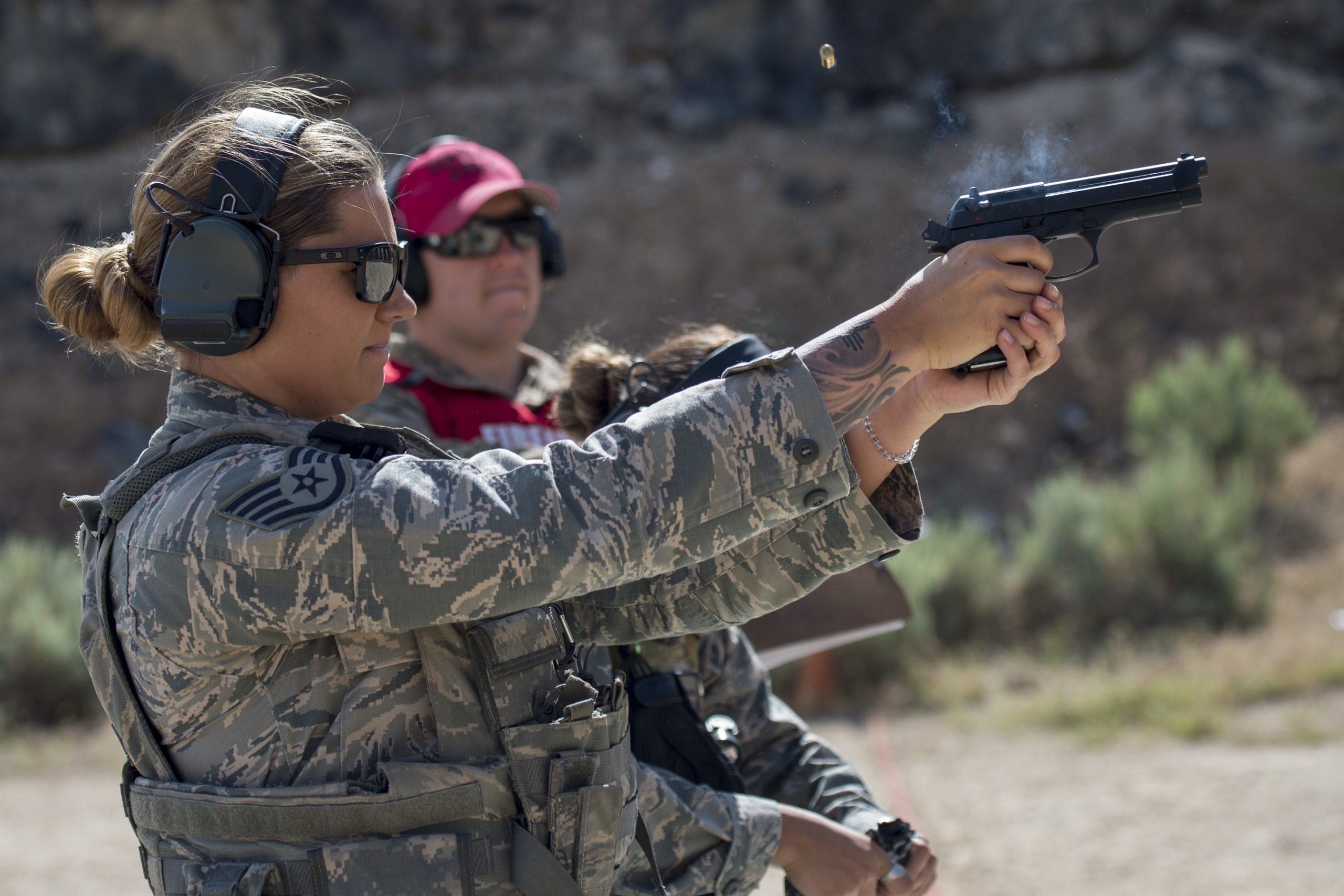
The Beretta M9 entered US military service in the 1980s and became familiar to personnel working in varied climates. Chambered in 9×19mm, the standard M9 uses a 15-round magazine and a double-action/single-action trigger system. Its substantial frame provides a full-size grip, while the squared trigger guard distinguishes its military configuration from some other designs. Those features are relevant when evaluating handgun ergonomics for winter gloves. However, the M9 was not purpose-built solely for extreme cold, and its external controls can require extra attention when finger movement is restricted. Model-specific cold-weather performance should never be assumed.
4. SIG Sauer P226
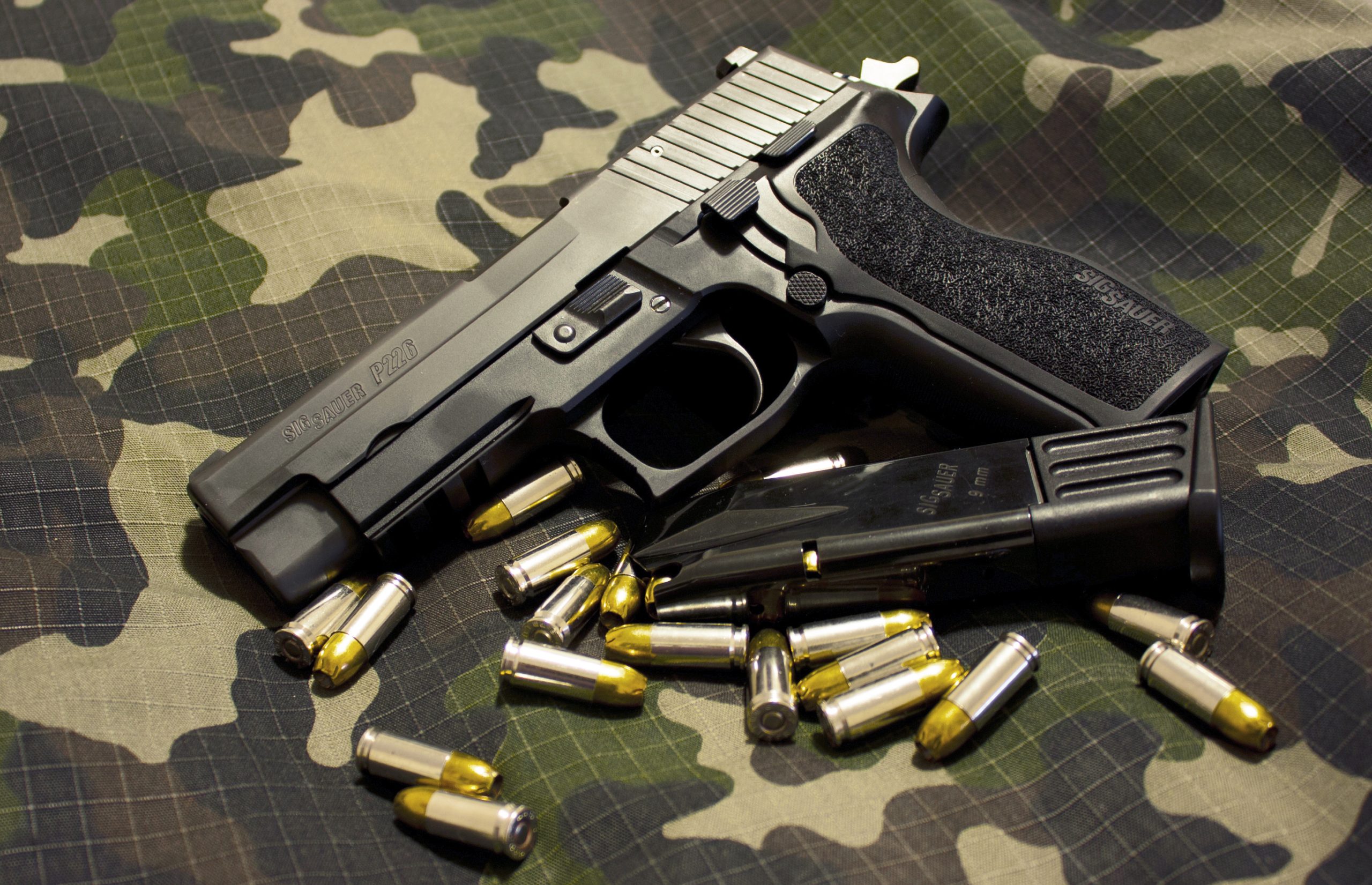
Developed during the 1980s, the SIG Sauer P226 became known as a full-size service pistol used by military and law-enforcement organizations. Common 9mm versions have a 15-round magazine, although capacities vary by model and market. Its substantial frame and double-action/single-action operating system offer a different handling experience from modern striker-fired pistols. The full-size grip can be easier to hold with suitable gloves than a very compact handgun. Still, the P226 was not specifically designed for extreme-cold glove use. Its metal construction also makes sensible cold-weather storage important, particularly when moisture could accumulate on exposed surfaces.
5. Heckler & Koch USP
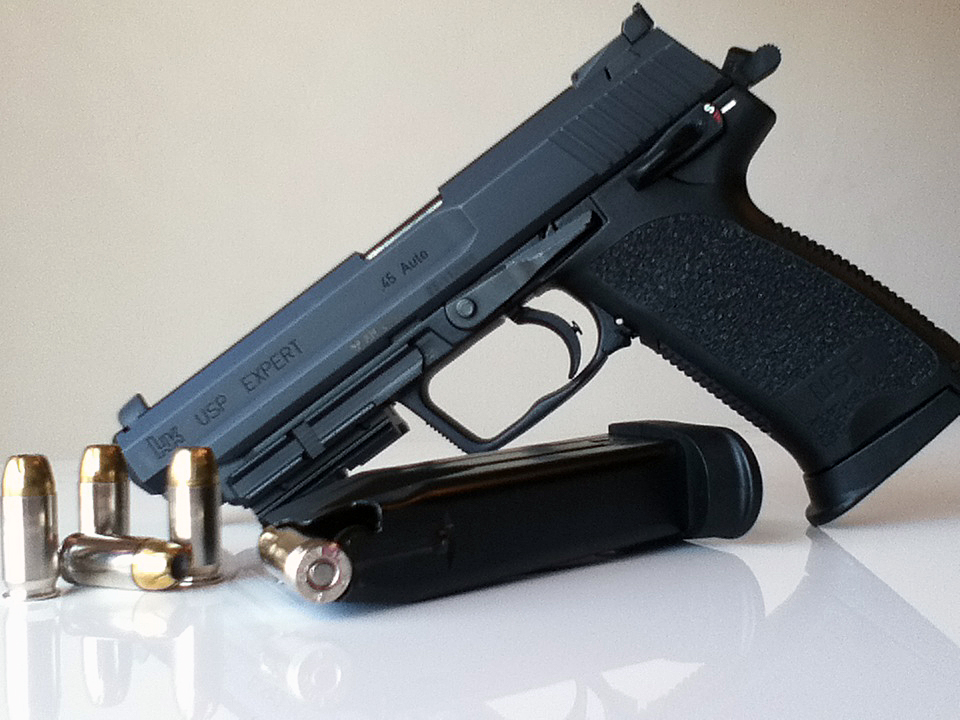
Introduced in 1993, the Heckler & Koch USP was developed as a durable handgun platform for demanding service applications. Full-size 9mm versions commonly use 15-round magazines, although specifications differ across chamberings and variants. Its polymer frame, substantial grip, and protected internal components make it worth examining in a discussion of challenging environments. The USP family also includes different trigger and safety configurations, so handling characteristics are not identical across every model. Although durability is an important consideration, the pistol should not automatically be described as purpose-built for Arctic conditions. Manufacturer guidance and model-specific testing remain essential.
6. Smith & Wesson M&P9 M2.0
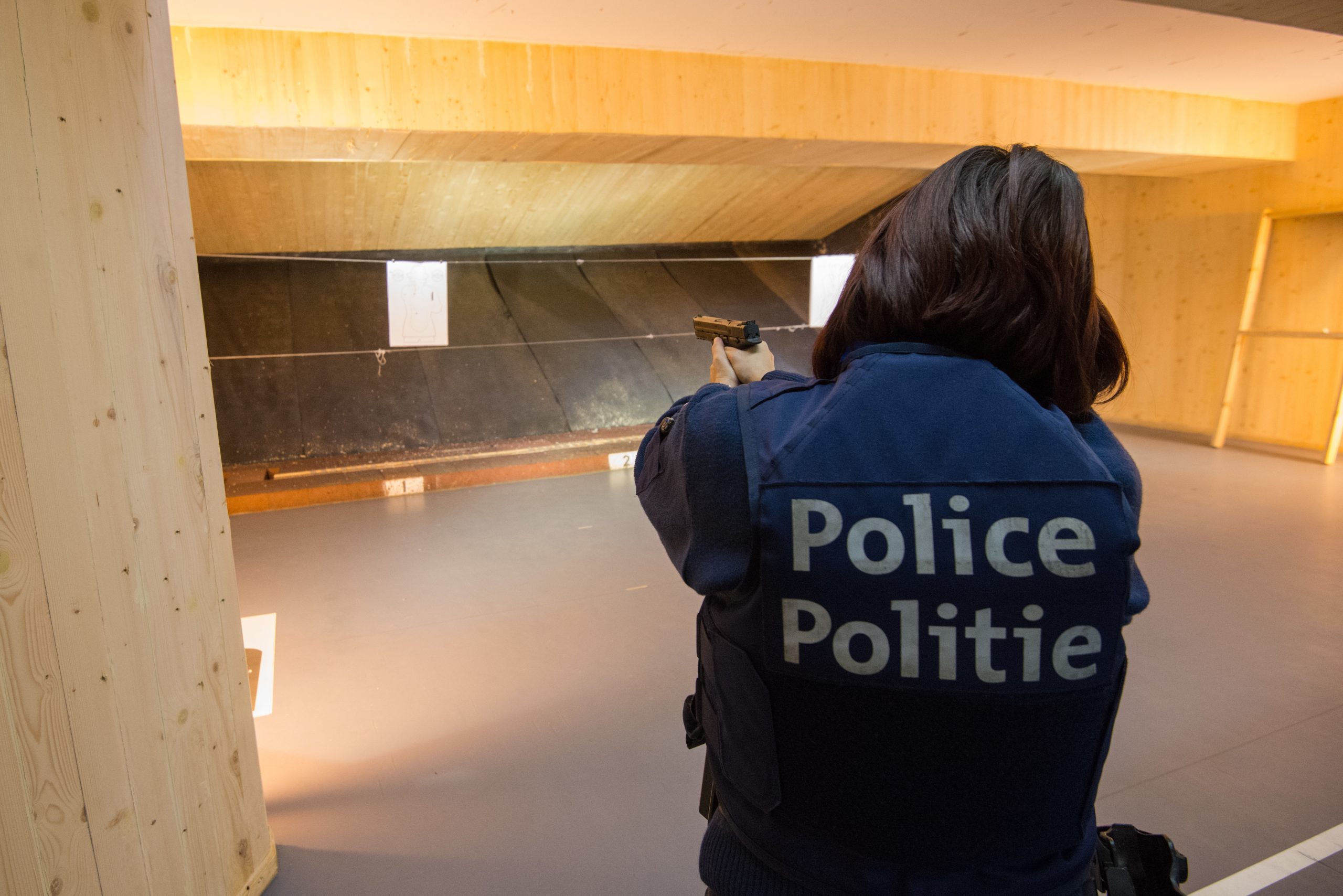
The Smith & Wesson M&P9 M2.0 is a modern service-style pistol introduced as an evolution of the original M&P platform. Standard full-size 9mm configurations commonly feature a 17-round magazine, interchangeable backstraps, and textured grip surfaces. The grip design is particularly relevant when comparing how handguns feel through winter gloves, since maintaining secure contact becomes harder when dexterity decreases. Its polymer frame also avoids the weight of a comparable all-steel construction. However, the M&P9 M2.0 is not exclusively a cold-weather handgun, and its performance in freezing conditions depends on correct maintenance, ammunition compatibility, and appropriate environmental testing.
7. SIG Sauer M17
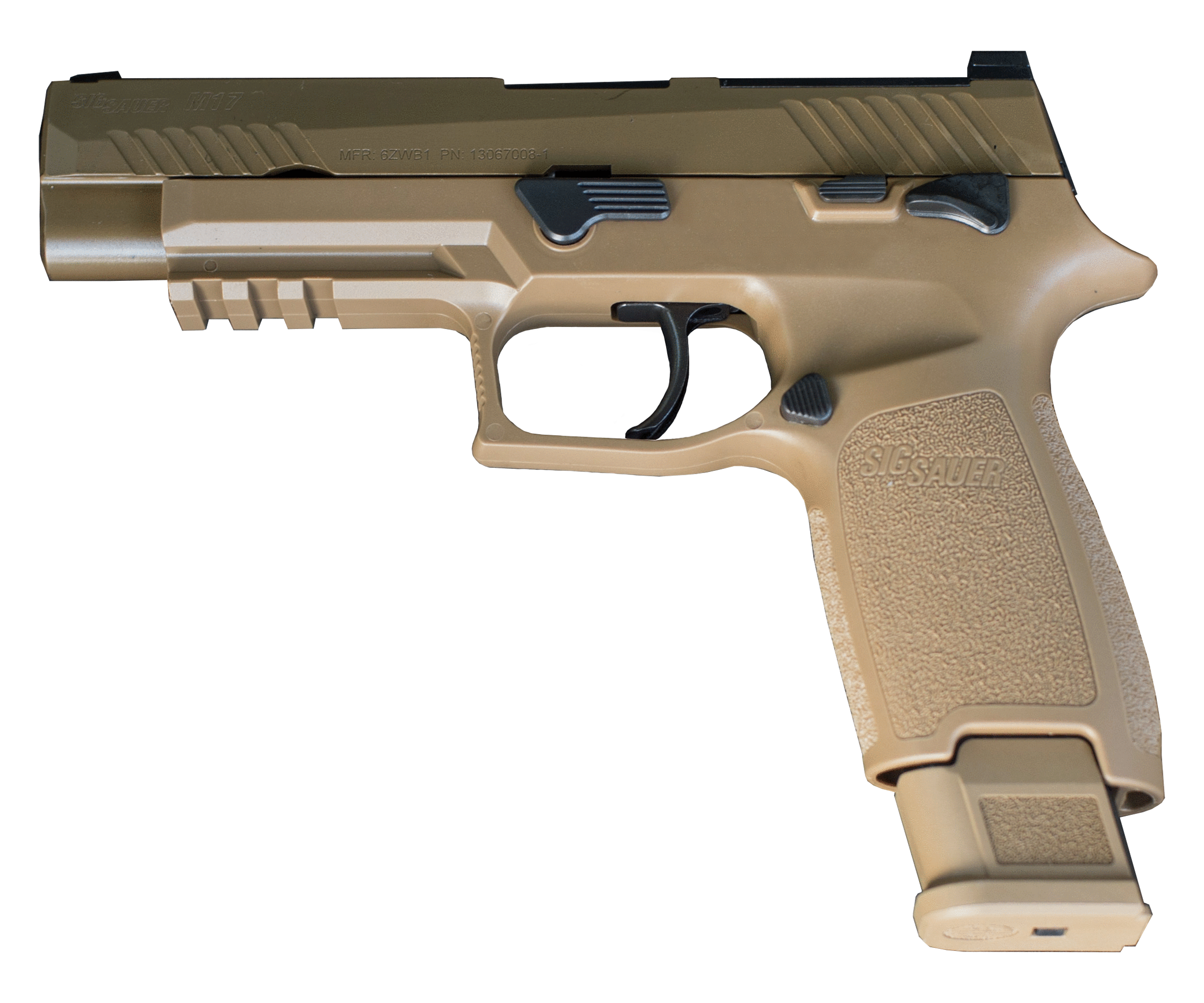
Selected by the US Army in 2017, the SIG Sauer M17 is a military variant of the P320 platform developed under the Modular Handgun System program. It uses 9mm ammunition, has a barrel measuring approximately 4.7 inches, and commonly ships with a 17-round magazine. Its full-size configuration, modern frame design, and military-service role make it relevant to discussions of equipment used in demanding environments. However, military adoption does not establish that every feature was specifically designed for thick gloves or extreme cold. Its suitability depends on the issued configuration, approved equipment, and performance under the temperatures encountered.