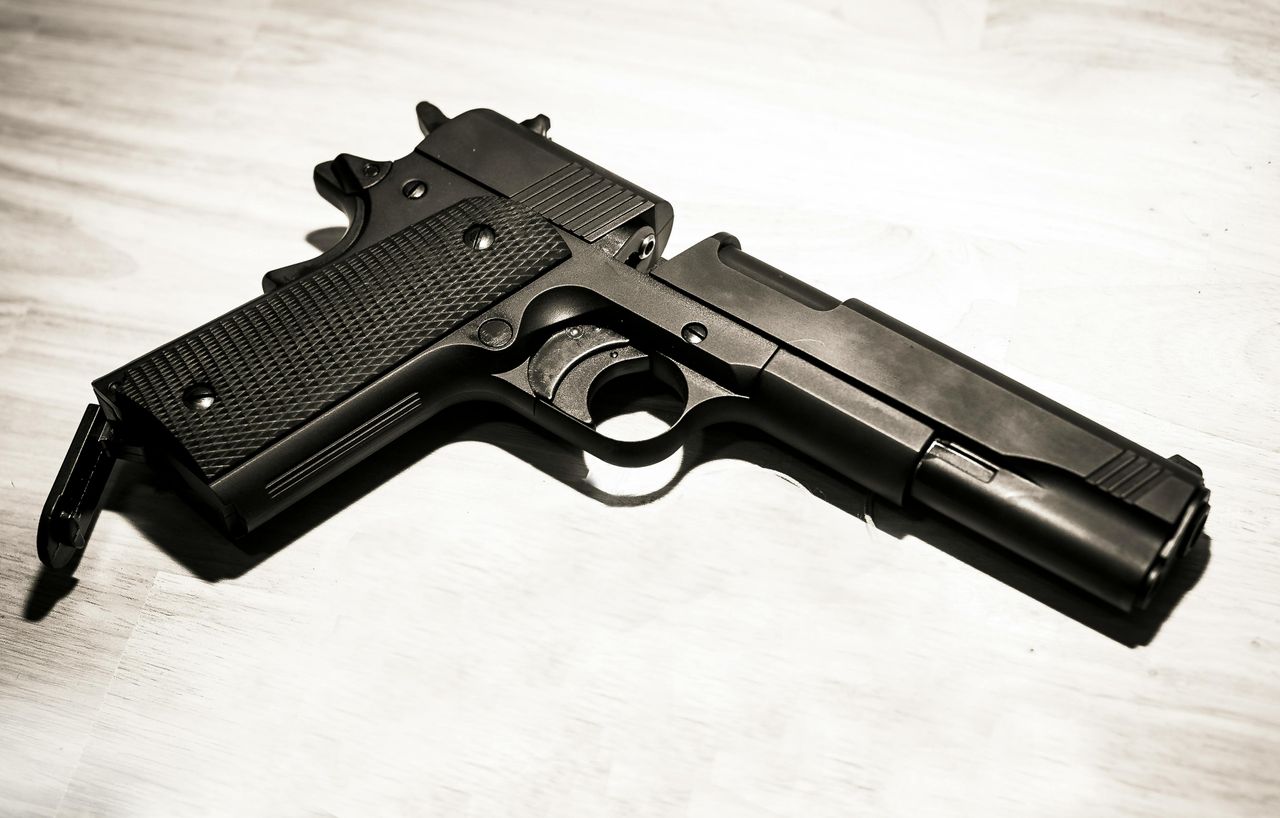
Some guns stay relevant because they are practical. The 1911 stayed relevant because it became personal.
More than a century after its adoption, people still buy, carry, compete with, collect, and argue about the 1911 as if it were introduced yesterday.
It started as a service pistol, but it became an icon.

The 1911 was born in a brutally practical era. John Browning designed it around the .45 ACP cartridge, and the U.S. military adopted it in 1911 after a series of demanding trials. It later evolved into the M1911A1, with changes such as a shorter trigger, relief cuts behind the trigger, and other ergonomic refinements that helped define the form most people recognize today.
That military lineage matters more than many outsiders realize. The gun served American forces for decades, and the Civilian Marksmanship Program still sells authentic U.S. military M1911A1 pistols, a reminder that this is not just a nostalgic replica culture. It is a living platform with direct ties to American history and service.
History alone does not keep a machine alive this long, though. Plenty of once-famous firearms became museum pieces. The 1911 endured because its historical weight is attached to a design that still feels usable, shootable, and relevant in the hand.
That combination is rare. A lot of modern products can outperform old ones on paper, but very few can also carry a century of reputation without feeling obsolete. The 1911 does both, which is why its fanbase starts with history but never ends there.
The trigger still sets the standard that people compare everything else against
Ask serious 1911 fans why they keep coming back, and the trigger is usually the first answer. Unlike many modern handguns that use pivoting triggers or striker-fired systems, the 1911 uses a straight-to-the-rear single-action trigger that has long been praised for its crisp break and short reset. Even people who prefer newer pistols often admit this is the benchmark.
That matters because shooting is not only about mechanical function. It is about how predictably the gun lets the shooter press through a shot without disturbing the sights. The 1911 has a reputation for making that easier, which is one reason it remained beloved in competition circles long after more modern service pistols took over the duty market.
American Rifleman and many trainers over the years have pointed to the platform’s shootability as one of its defining virtues. Fans are not imagining this advantage. A clean, controllable trigger changes how confident a pistol feels, especially for people who care about precision.
Modern engineering has absolutely improved durability, capacity, weight, and maintenance in many handguns. What it has not fully replaced is the specific sensation of a well-tuned 1911 trigger. For many shooters, that difference is not minor. It is the whole point.
Its ergonomics feel unusually natural, even by modern standards
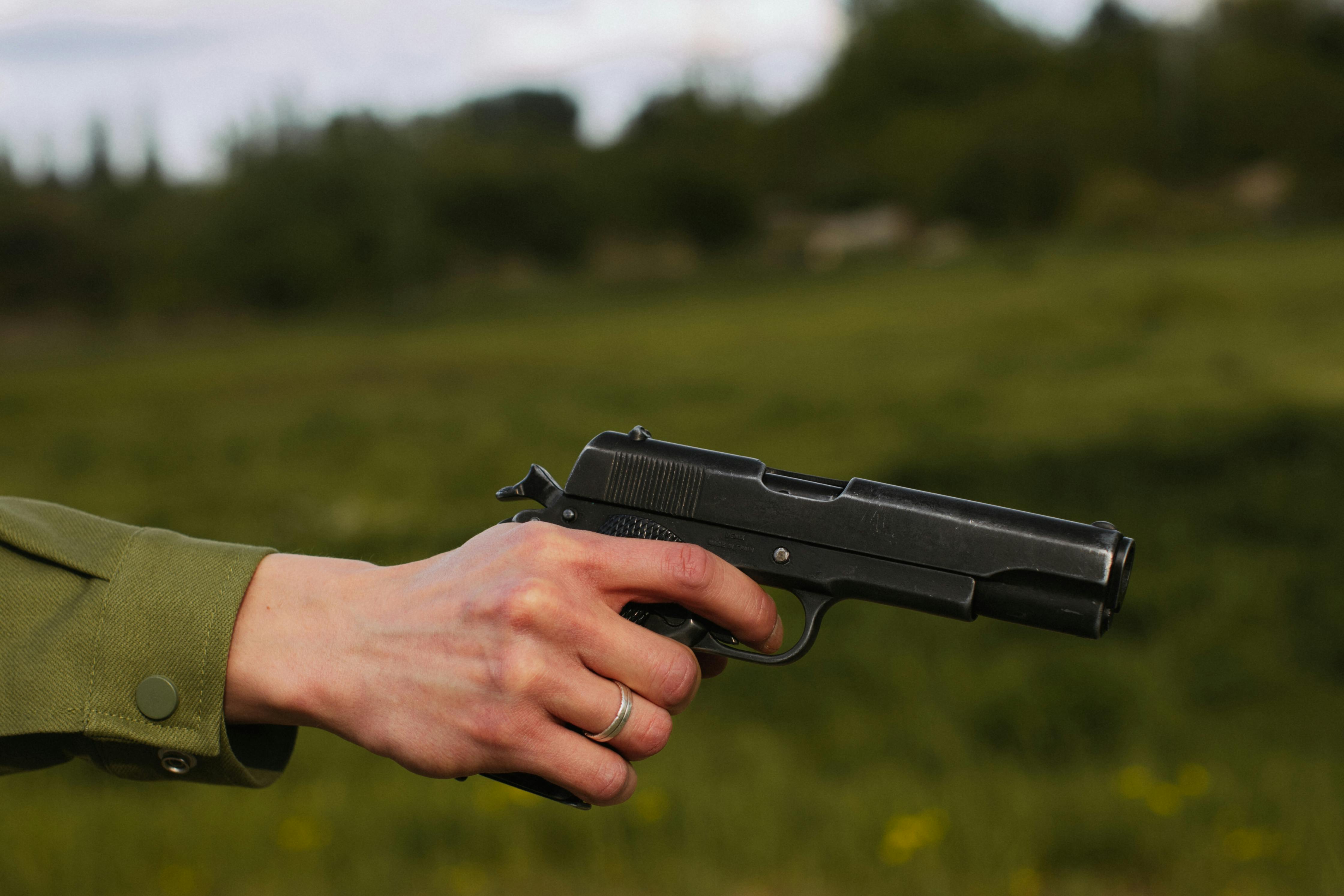
A lot of old designs survive because people forgive their flaws. The 1911 is different because one of its biggest strengths is how modern it still feels in the hand. Its grip angle, slim single-stack profile, and low, controllable feel continue to win over shooters who expected it to feel outdated.
This is especially important because ergonomics are hard to quantify but easy to feel. A pistol can have brilliant engineering, outstanding reliability, and impressive capacity, yet still feel awkward when someone presents it on target. The 1911 often avoids that problem by pointing naturally for many users and offering controls that feel deliberate rather than cluttered.
The design also rewards refinement. Beavertails, safeties, sights, mainspring housings, grips, and trigger lengths can all be adjusted across the platform in ways that let owners tailor the gun closely to their hands. That adaptability helped the 1911 evolve instead of freezing in time.
Springfield Armory, Colt, Wilson Combat, and other manufacturers still build multiple 1911 variants because buyers continue to want that formula. Some want a classic Government Model. Others want rails, optics cuts, lightweight frames, or 9mm chambering. The platform survives because its base ergonomics remain strong enough to support both tradition and modernization.
The 1911 offers craftsmanship in an age of efficient manufacturing
One reason the 1911 still inspires loyalty is that it feels like a machine people can admire, not just use. In an era dominated by polymer frames, modular fire control units, and mass-produced striker pistols, the 1911 stands out as something more mechanical, more tactile, and, to many owners, more soulful.
That emotional language is not accidental. The 1911 has long been tied to hand-fitting, custom work, and the idea that a pistol can reflect the taste of its owner. High-end makers like Wilson Combat built entire reputations around that idea, and their continued success says something important about demand. People are still willing to spend serious money on a platform that rewards detail.
This is where modern engineering sometimes loses the argument. Efficient design often aims to remove variables, reduce cost, simplify assembly, and maximize uniformity. Those are real virtues. But they can also strip away the sense that an object has character.
The 1911 keeps winning hearts because it occupies the space between tool and artifact. It can be a working defensive pistol, a competition gun, a historical collectible, or a custom showpiece. Few other handgun platforms move that comfortably across all four roles.
It thrives because it is more than one gun now
The original full-size .45 still defines the type, but the modern 1911 world is far broader than that stereotype. Today, you can find compact carry models, commander-length pistols, railed variants, optics-ready versions, and a huge number of 9mm options. Some companies have even pushed the format into double-stack territory while preserving much of the familiar manual of arms.
That matters because a platform stays alive when it adapts to real use, not just nostalgia. Fans can buy a traditional blued steel pistol with GI styling, or they can buy something tuned for concealed carry, home defense, or competition. The 1911 did not survive by refusing change. It survived by absorbing it selectively.
Even so, the core identity remains intact. The straight-pull trigger, the grip safety, the thumb safety, the slender feel, and the visual lines still signal 1911 to the people who love it. That continuity is a big part of the appeal.
In other words, the fanbase is not merely defending an antique. It is supporting a family of pistols that kept evolving without surrendering the qualities that made the original special. That is a difficult balance, and the 1911 has managed it better than most classics.
The criticisms are real, and that actually explains the loyalty
The 1911 is not magic, and its fans know that better than its critics think. Compared with many modern handguns, it usually carries fewer rounds, often weighs more, and requires better magazines, better maintenance, and more careful quality control. Cheap examples can be finicky, and tightly fit examples can be less forgiving when neglected.
Paradoxically, those drawbacks help explain the devotion. The 1911 tends to attract people who value mastery, familiarity, and intentionality. It asks the owner to understand magazines, springs, extractor tension, lubrication, and setup more than many modern pistols do. For some buyers, that sounds annoying. For others, it is part of the bond.
There is also a cultural truth here: enthusiasts often love systems that reward knowledge. Manual-transmission cars, mechanical watches, and classic cameras all keep loyal followings for similar reasons. Ease is not always the same as satisfaction.
So when critics say modern pistols are more practical, many 1911 fans simply agree and keep theirs anyway. They are not always chasing the most efficient choice. They are choosing the platform that gives them the most rewarding relationship with the act of shooting.
The real answer is that modern engineering solved different problems
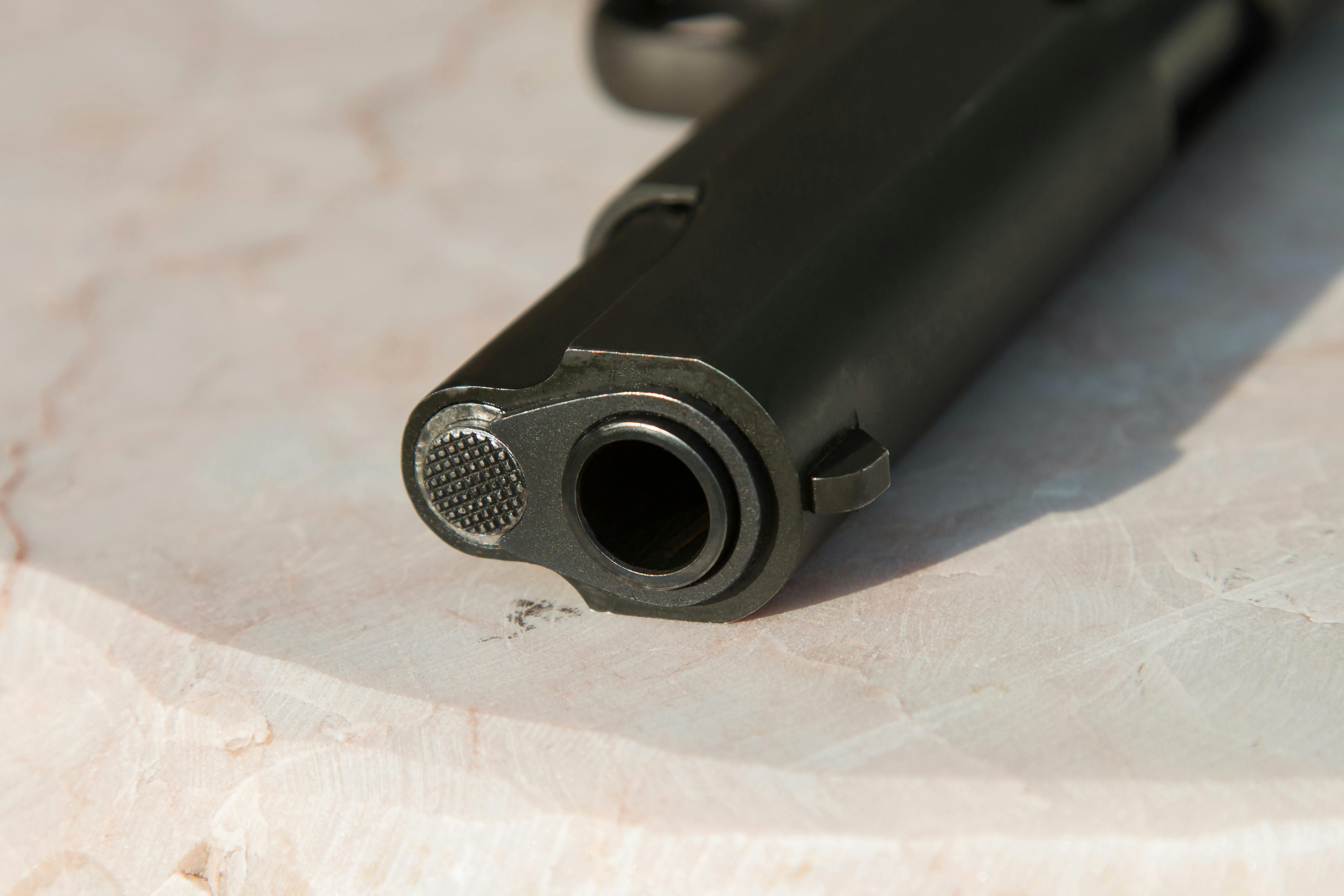
Modern handgun engineering has done exactly what it set out to do. It made pistols lighter, simpler, cheaper to manufacture, easier to maintain, and easier for large institutions to issue at scale. In that sense, newer designs succeeded. They replaced the 1911 in many official roles because they addressed logistical and operational needs better.
What they did not do was replace the emotional and tactile experience of the 1911. They solved for capacity, consistency, and efficiency. The 1911 still dominates a different set of values: trigger quality, slimness, history, customizability, and that hard-to-define sense that the gun becomes an extension of the shooter.
That is why the fanbase persists. It is not a failure of engineering that the 1911 remains beloved. It is proof that engineering alone does not determine what people value most. Performance metrics matter, but so do feelings, confidence, identity, and pleasure.
The 1911 still has a fanbase because it delivers something modern design often treats as secondary. It makes people want to shoot it, tune it, admire it, and keep it. For a machine introduced in 1911, that is not stubborn nostalgia. That is lasting power.