Some hunters see preserves as a valuable tradition. Others see them as hunting with the uncertainty removed.
Why does this argument never really go away?

The fight over pen-raised bird hunting preserves lasts because it is really three debates at once: ethics, identity, and access. For many upland hunters, “real hunting” means matching wits with truly wild birds on public ground or private farms where game is not planted for the day. In that view, unpredictability is the point, and anything that reduces it changes the soul of the sport.
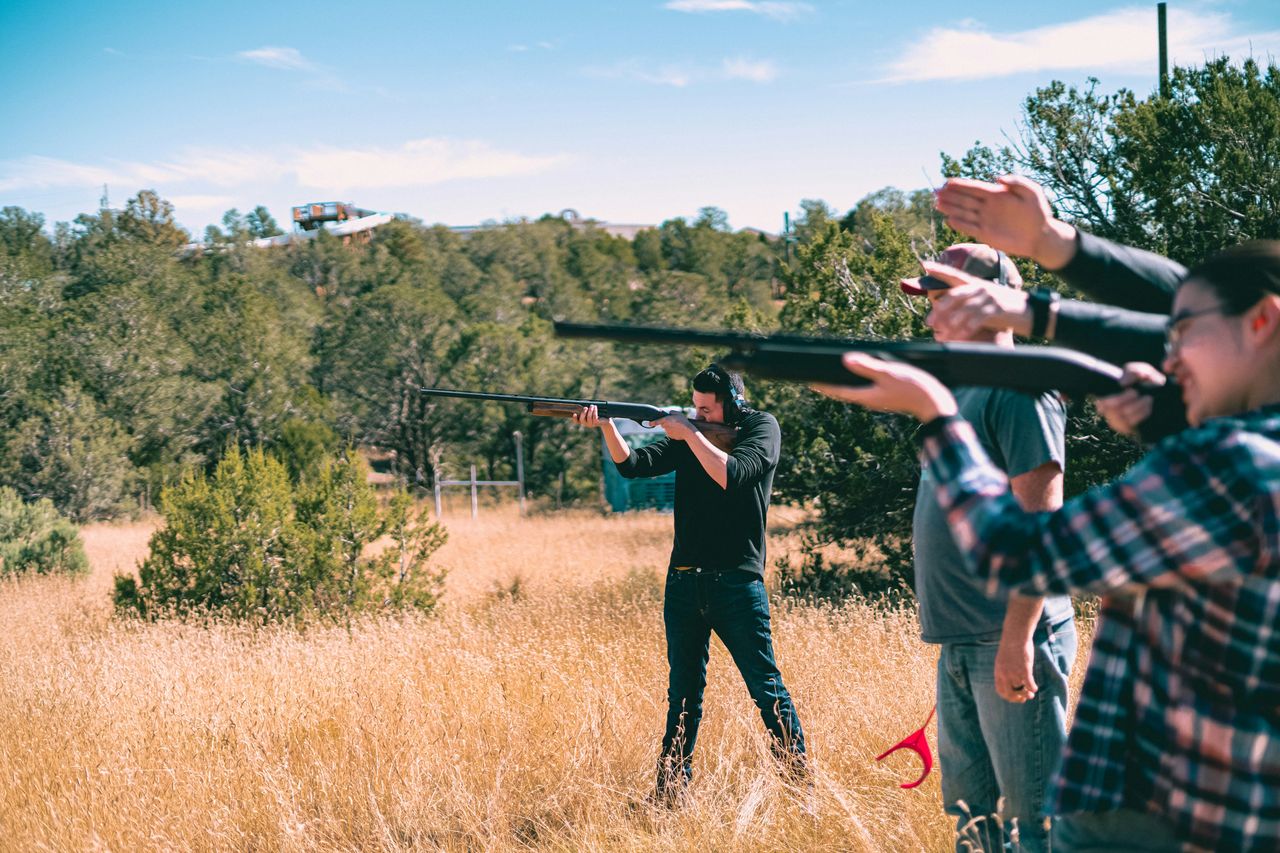
Supporters answer that hunting has always existed on a spectrum. A preserve hunt with pointing dogs, thick cover, missed shots, and fast-flushing birds can still demand skill, woodsmanship, gun handling, and discipline. They argue that the test may be different from chasing wild pheasants across the Dakotas, but different does not automatically mean fake.
Part of the tension comes from language. Even among state agencies, preserves are often regulated separately from wild-bird seasons, and captive-reared pheasants or quail may be treated differently from naturally occurring birds. Illinois, for example, distinguishes controlled pheasant hunting areas for captive-reared pheasants from ordinary upland hunting rules, which reinforces the idea that preserves occupy a category of their own.
That separate category is exactly what bothers traditionalists. If the rules, expectations, and bird source are different, they say the experience should be described honestly as preserve shooting or put-and-take hunting, not folded seamlessly into the same mental box as pursuing wild birds that survive on habitat, weather, and instinct alone.
What pen-raised preserves actually are

Most bird preserves operate around captive-reared pheasants, chukar, or quail raised specifically for release and harvest. Federal agriculture and animal-health materials recognize upland gamebirds such as ring-necked pheasants, chukar, and bobwhite quail as birds commonly farmed for meat or hunting purposes, which shows how firmly this practice is built into the rural economy. USDA materials also note that game birds are produced for hunting preserves and state wildlife agency programs.
In practice, preserves vary enormously. Some are small operations that release birds shortly before a hunt and guide clients over compact fields. Others manage larger acreages with habitat plantings, shelterbelts, food plots, ponds, and long-running dog programs intended to create a more natural upland experience.
That range matters because critics often picture the worst version: a nearly tame bird kicked from thin grass a few minutes after release. Supporters point to better-run preserves where birds are hardened off, cover is thick, dogs must work, and shooters still leave with empty game bags when they rush shots or cannot read terrain.
Even so, preserves are designed environments. The land may be attractive, and the birds may fly hard, but the basic transaction remains different from hunting self-sustaining wild populations. The customer is paying for access to stocked opportunity, and that commercial certainty sits at the center of the philosophical discomfort many hunters feel.
The ethics question: fair chase or managed experience?

The ethical question usually turns on fair chase, even though fair chase was developed more clearly around big game than released upland birds. Critics say the core issue is not whether a preserved bird can fly, but whether the animal has a meaningful chance to evade hunters over time. If the bird was bred for release, placed in known cover, and pursued within a controlled setting, they argue the contest is too heavily tilted.
Supporters push back by saying upland hunting has always involved management. Farmers alter habitat, landowners control pressure, clubs plant cover, and wildlife agencies stock birds in some places. A preserve, in their view, is simply the most visible version of human-managed hunting opportunity, not a moral break from everything else hunters do.
There is also a practical ethical argument in favor of preserves. They can provide older hunters, newcomers, youth groups, and people with limited time a realistic shot at seeing dogs work and flushing birds rise. For many families, that is the difference between participating in hunting culture and giving it up entirely.
Still, the ethical line often depends on how the hunt is conducted. A large property with strong habitat, lightly pressured birds, and no guarantee of easy limits feels more defensible to many hunters than a quick-release operation built almost entirely around guaranteed shooting. In other words, the argument is not just about preserves in general, but about degrees of challenge and honesty.
What the science says about pen-raised birds

Research helps explain why preserving birds and wild birds are not the same thing. Studies summarized in wildlife literature consistently show that released pheasants tend to have lower survival in the wild than truly wild birds, and many die quickly after release from predation, disease, inexperience, or inability to adapt to natural food and cover. A review in the journal Wildlife Biology found especially heavy mortality soon after release in some settings.
Older U.S. work on Pennsylvania pheasant stocking found the state’s average cost per harvested pheasant was $29.10 in the 1998 season after nearly 200,000 birds were raised and released. That study was not about preserving ethics, but it underscored a lasting wildlife-management point: stocked birds can create short-term shooting opportunity without building a durable wild population.
Groups focused on wild upland conservation make the same distinction forcefully. Pheasants Forever has argued that stocking pen-raised pheasants is not an efficient way to increase wild populations and that habitat work produces much stronger long-term results. That matters because critics of preserves often worry that easy releases can distract from harder habitat restoration.
There are also animal-health and environmental concerns. USDA animal-health guidance for upland game bird production highlights disease surveillance issues, including avian influenza monitoring tied to game birds and preserves. In some regions outside the United States, published studies have also examined habitat damage and ecological effects associated with large-scale release operations, especially where release densities are high.
Why do preserves still have strong defender?s
For all the criticism, preserves solve real problems that wild-bird purists sometimes understate. Access is shrinking, free time is limited, and many parts of the country no longer support abundant wild pheasant or quail numbers. Habitat loss remains a major limiting factor for upland birds, and even state hunting guides often tell hunters plainly that the issue is habitat quality, not simply a shortage of birds.
That reality makes preserves attractive as a reliable outlet. A person in the suburbs can book a half-day hunt, work a dog, practice safe shooting, and bring home birds for the table without investing a week in travel to classic wild-bird country. For newcomers, that can be the only realistic entry point into upland hunting.
Preserves also support dog training, local guides, rural landowners, gamebird breeders, and a slice of the outdoor economy that might otherwise disappear. They create repeatable experiences for youth hunts, corporate outings, and hunters with mobility limitations who still want to stay engaged in the field.
Defenders also argue that many preserve hunters are not pretending they are conquering untouched wilderness. They know the setting is managed. What they value is time behind dogs, safe camaraderie, and a hunt that fits modern life. To them, authenticity comes from participation and respect for the game, not from proving purity to strangers.
Where critics believe the line gets crossed

Critics are most persuasive when they focus on excess rather than absolutes. They are not wrong that some operations market certainty more than challenge. When birds are released immediately before the hunt, concentrated in predictable spots, or so unconditioned that they run poorly and flush weakly, the experience can resemble a staged shoot more than a hunt.
That matters because public perception is fragile. Nonhunters who already feel uncertain about hunting may see the worst preserve footage and assume the whole sporting culture is built on canned outcomes. Hunters worry about that image because the future of the sport depends not only on legal permission but also on social legitimacy.
There is also an internal cultural cost. If success becomes too easy to buy, some hunters fear the values of patience, scouting, persistence, and humility get eroded. Wild-bird hunting is treasured partly because it includes failure, and failure teaches lessons that no guaranteed release schedule can fully reproduce.
Finally, critics worry about language that softens the distinction. Calling every preserve outing “real hunting” without qualification can feel evasive. A more honest approach, they argue, is to acknowledge that preserve hunting is a legitimate but separate form of hunting, one measured by a different standard than pursuing truly wild birds.
So, does it count as real hunting?
The most defensible answer is yes, but with an asterisk large enough to matter. Pen-raised bird preserve hunts usually involve real firearms, real dogs, real field skills, real safety responsibilities, and real animals that can still flush, run, and escape. That makes them more than target practice and more than simple shooting in the abstract.
But they are not equivalent to hunting wild birds sustained by habitat and natural reproduction. The level of uncertainty is usually lower, the environment is more controlled, and the game exists because someone bred, raised, transported, and released it for that purpose. Pretending those differences do not matter only weakens the argument.
A clearer and more useful standard is this: preserve hunting counts as hunting when the operation is transparent, the birds are treated responsibly, the property offers genuine challenge, and no one confuses the experience with wild-bird fair chase. Under that standard, quality varies widely, and so do the ethics.
In the end, the debate says less about semantics than about what hunters value most. If the highest ideal is wildness, preserves will always rank lower. If the goal is participation, dog work, food, fellowship, and a managed but meaningful day afield, many preserves still qualify as real hunting, just not the purest version of it.