Some guns earn their reputation immediately. Others take years, sometimes decades, before the shooting community fully acknowledges what they were always capable of. Early criticism, manufacturing growing pains, market timing, or simple unfamiliarity can hold a perfectly capable firearm back from the recognition it deserves. Then something shifts. Competitive shooters start posting results. Military contracts get signed. Hunters bring them into the field and come back with filled tags. Law enforcement agencies quietly swap out trusted platforms for newer ones. Word spreads, and suddenly, a gun that nobody took seriously is sitting at the top of every recommended list. This collection covers twelve firearms that went through exactly that journey. Each one faced doubt, dismissal, or outright ridicule at some point, and each one answered its critics through consistent, documented performance over time. These are guns that earned respect the hard way.
1. Glock 20 (10mm Auto)
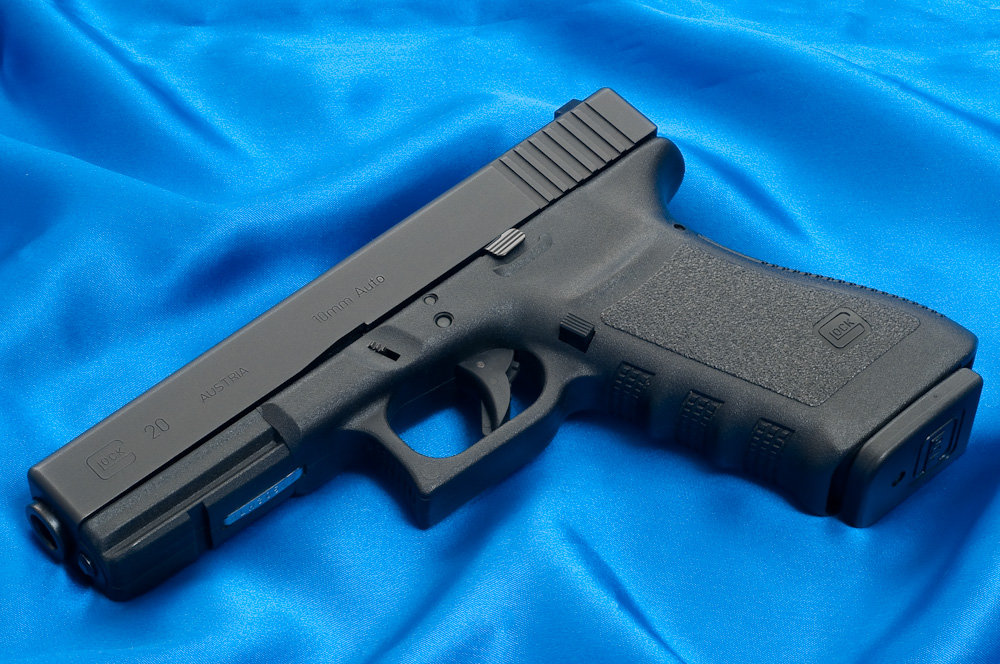
When Glock introduced the Model 20 in 1991, the 10mm Auto cartridge was already considered commercially troubled following its abbreviated FBI career. Most shooters assumed the platform would fade alongside the caliber. It did not. The Glock 20 quietly built a following among handgun hunters, backcountry hikers, and bear country guides who needed serious stopping power in a semi-automatic package. Firing 10mm at velocities reaching 1,300 feet per second with 180-grain projectiles, it generates over 650 foot-pounds of muzzle energy, which is roughly double what standard 9mm produces. The standard magazine holds 15 rounds. Empty weight sits at 27.68 ounces, keeping it manageable for all-day carry. For years, it lived in the shadow of the 9mm and .45 ACP variants. Today, it is widely regarded as one of the most capable semi-automatic handguns available for dual-purpose defensive and field use, and 10mm ammunition availability has never been stronger.
2. FN SCAR 16S
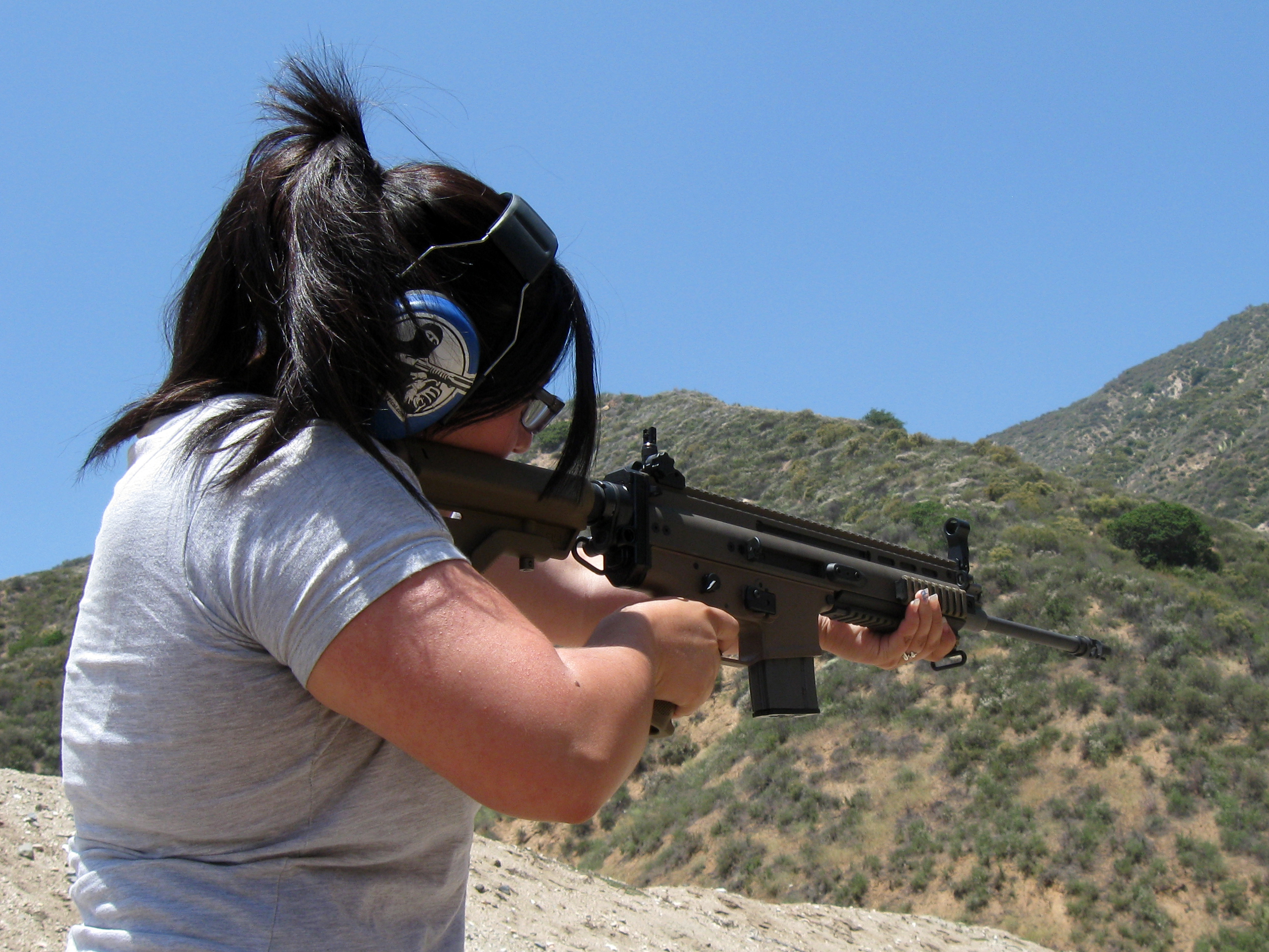
When the FN SCAR 16S hit the civilian market around 2009, the price tag drew immediate skepticism. At nearly $3,000 at launch, it cost roughly three times what a quality AR-15 ran at the time, and critics questioned whether the modularity and folding stock justified the premium. Military adoption by the US Special Operations Command provided credibility, but civilian shooters remained cautious. Over time, the platform’s reputation solidified through sheer documented reliability. The short-stroke gas piston system runs cleaner and cooler than direct impingement designs, and the reciprocating charging handle positioned away from the bore axis reduces shooter interference. It fires 5.56x45mm NATO, cycles reliably across temperature extremes from negative 40 to 140 degrees Fahrenheit, and accepts standard STANAG magazines. Barrel changes between 16-inch and other configurations take under a minute. Its stock-folding capability reduces overall length to 28.5 inches. It took years, but the SCAR 16S is now accepted as a legitimate premium platform rather than an overpriced novelty.
3. Ruger LC9s
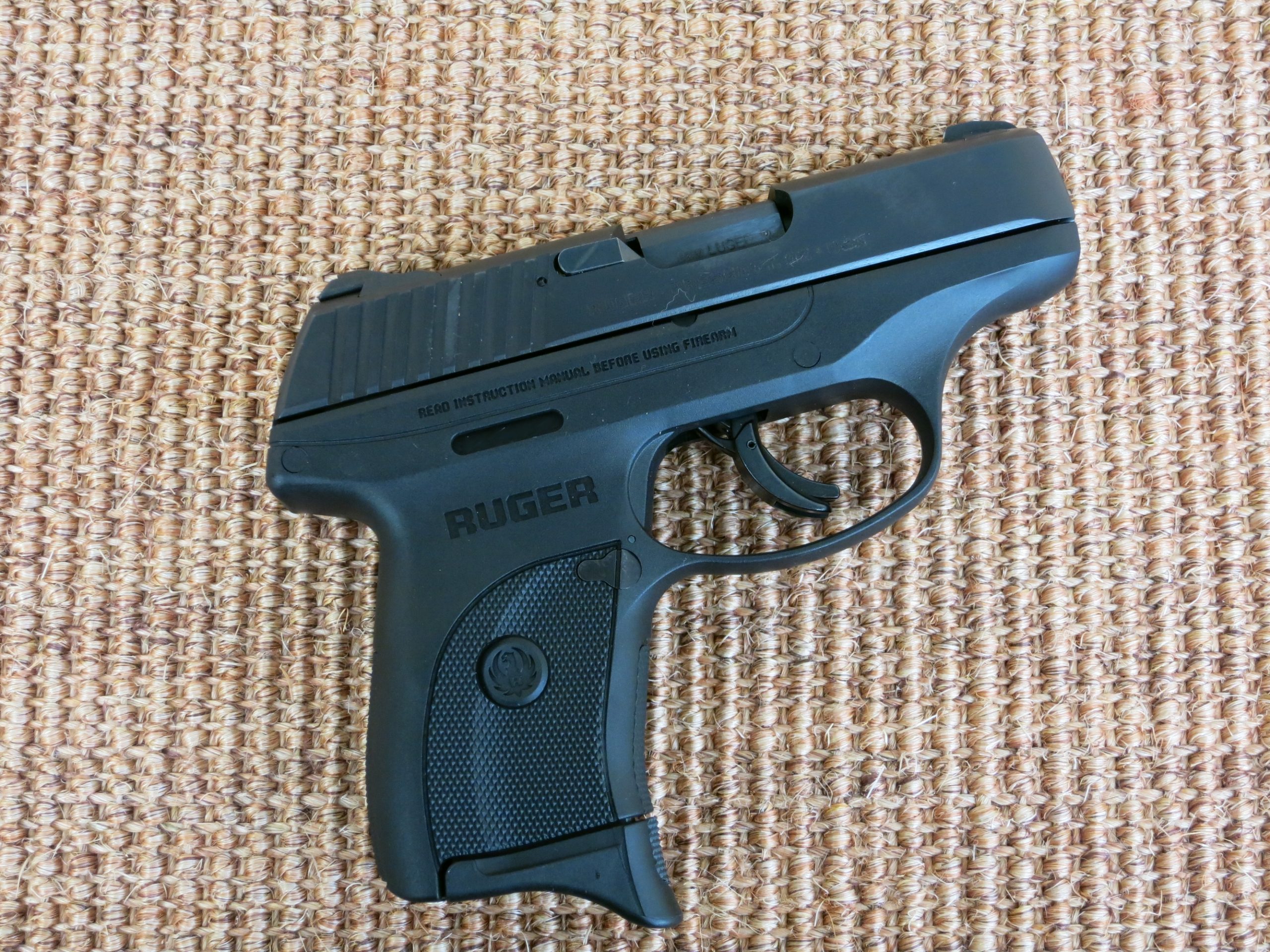
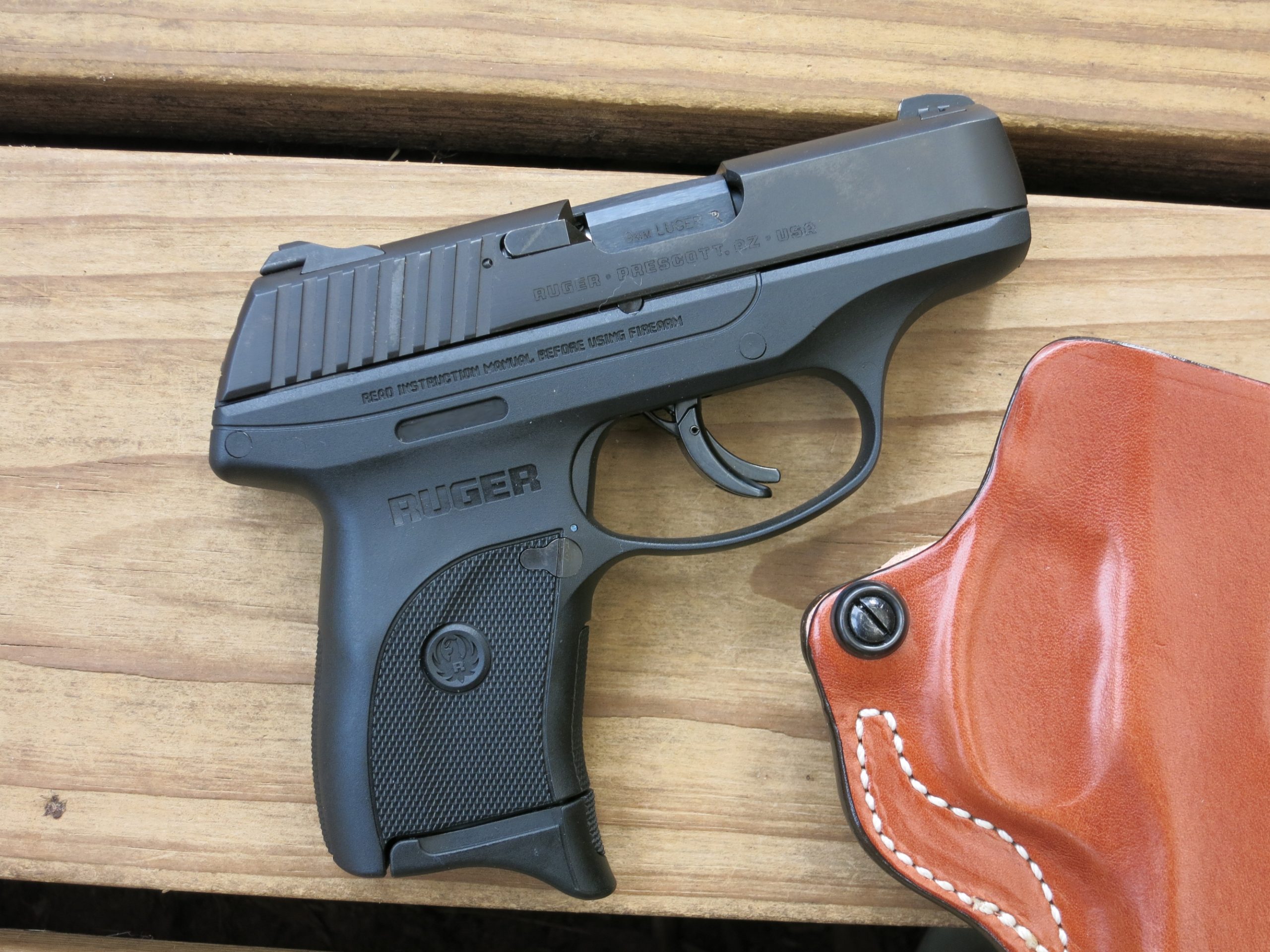
The original Ruger LC9 launched in 2011 as a slim 9mm carry pistol and immediately drew criticism for its long, heavy double-action-only trigger pull, which many reviewers described as a serious liability for a defensive firearm. Sales were modest, and the platform struggled against competitors with striker-fired triggers already on the market. Ruger responded by redesigning the action entirely, releasing the LC9s in 2014 with a striker-fired trigger breaking at approximately 5.5 pounds with a much shorter reset. The transformation was immediate and acknowledged across the industry. At 17.2 ounces unloaded and measuring just 0.90 inches wide, the LC9s fits inside a front pants pocket with the right holster. The 7-round flush magazine keeps the grip compact. Sight radius runs 5.6 inches, acceptable for a pistol this size. Accuracy at 15 yards is consistent and respectable. It took one meaningful engineering revision to convert a criticized platform into one of the most recommended slim 9mm carry options under $400 on the market.
4. Kel-Tec KSG
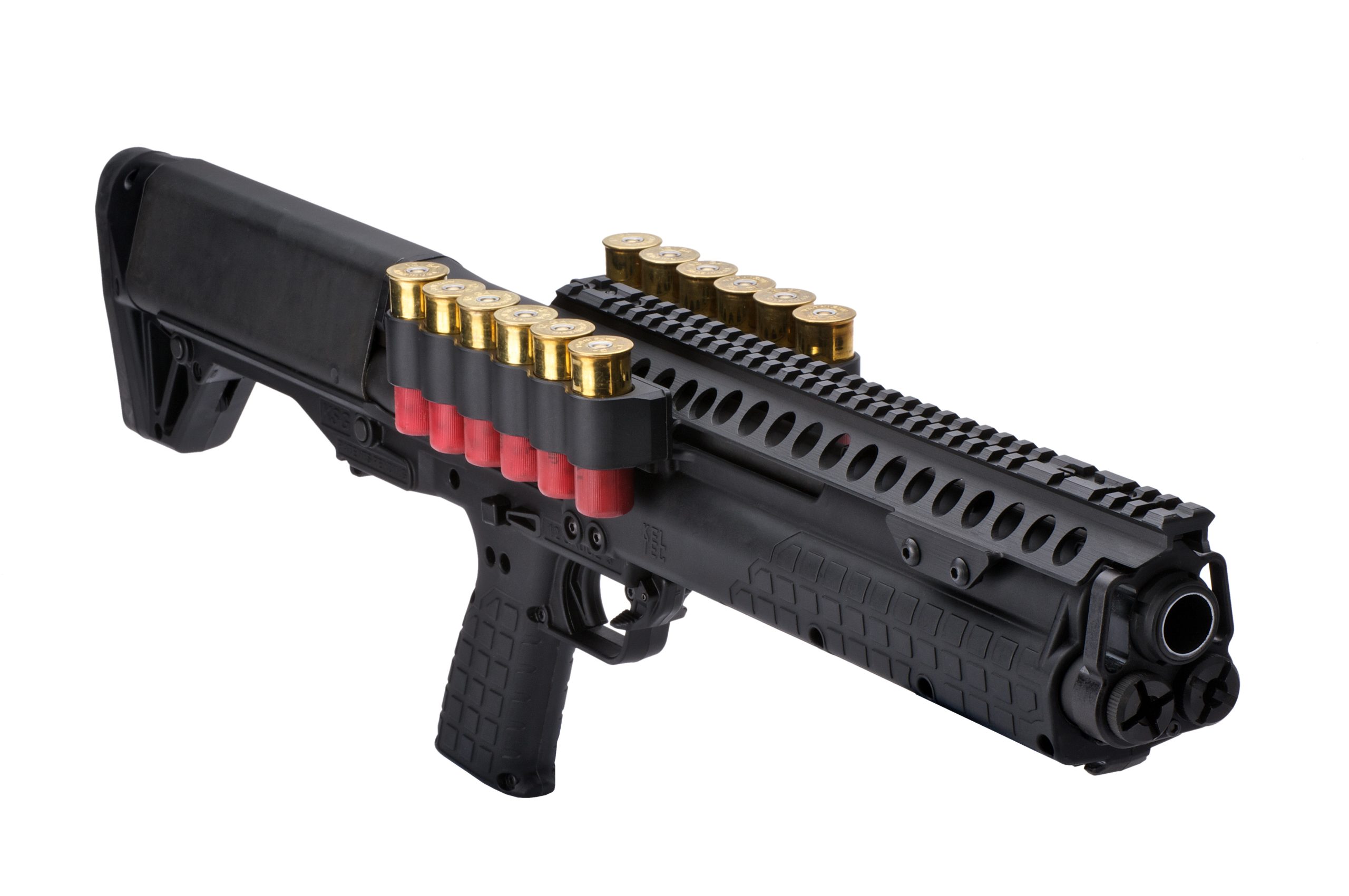
The Kel-Tec KSG debuted at SHOT Show 2011 and generated enormous excitement, followed almost immediately by enormous frustration. Early production examples shipped with feeding issues, inconsistent finish quality, and a manual tube-selector that required deliberate attention to operate under stress. Many reviewers wrote it off as a concept gun that failed practical execution. Kel-Tec addressed the mechanical issues progressively through production updates, and the fundamental design eventually delivered on its original promise. The KSG holds 14 plus 1 rounds of 12-gauge ammunition across two parallel magazine tubes, making it one of the highest-capacity pump shotguns available in a package measuring just 26.1 inches overall. Empty weight is 6.9 lbs. The bullpup layout keeps the 18.5-inch barrel in a genuinely compact chassis. Law enforcement agencies and home defense shooters who stuck with the platform through early revisions now report consistent, reliable performance. It earned its reputation slowly, but the KSG today is taken seriously in ways its troubled launch never suggested possible.
5. Smith & Wesson M&P Shield
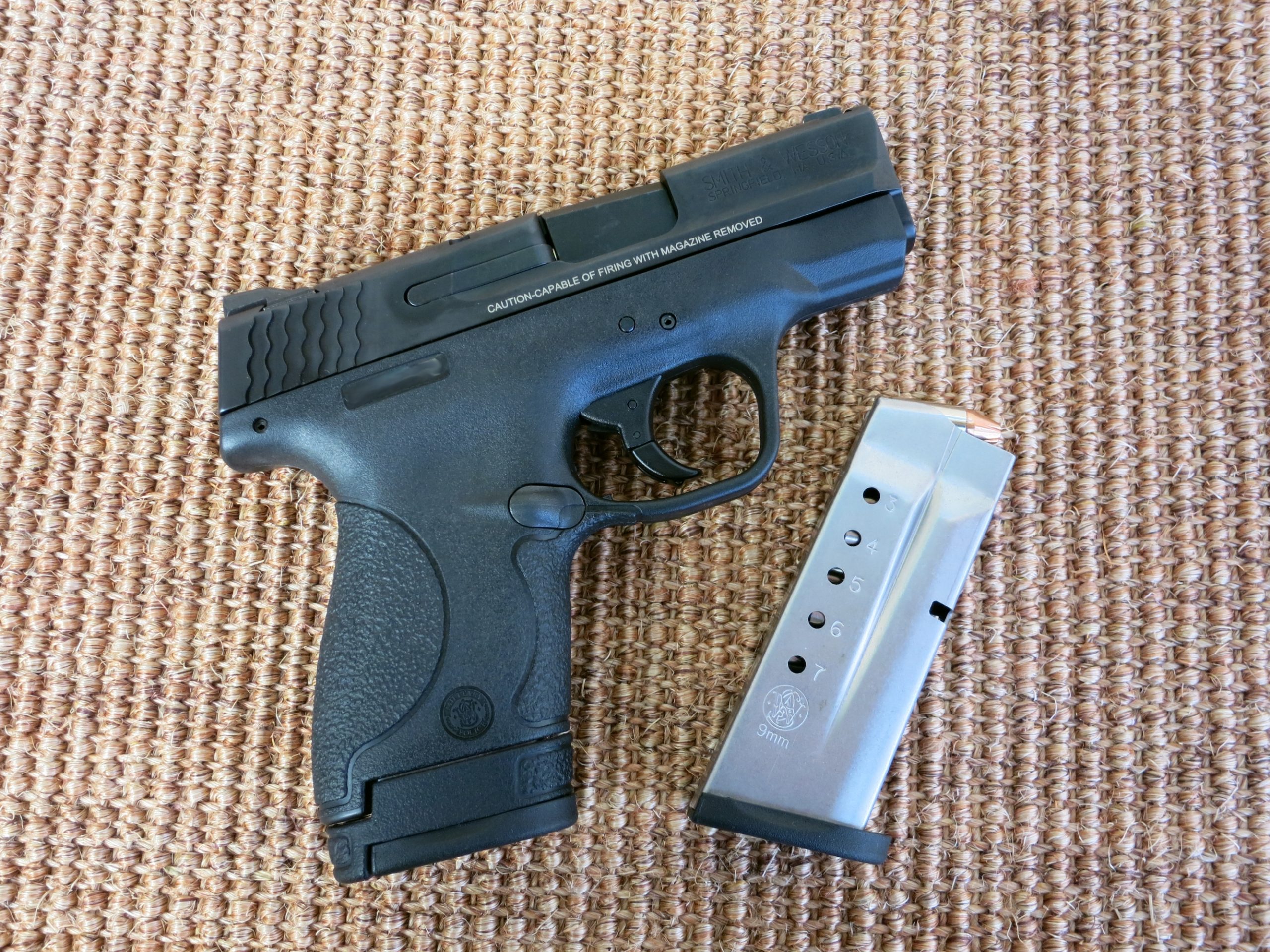
Smith & Wesson launched the M&P Shield in 2012 as a slim single-stack 9mm carry pistol, entering a segment already occupied by established competitors. Early reviews were positive but measured, with some critics noting the trigger felt mushy compared to rivals and the 7-round magazine felt limiting. The Shield sold in large numbers regardless, and its reliability record accumulated across millions of rounds fired by everyday carriers. What truly elevated its reputation was the Shield EZ variant and subsequent M&P Shield Plus, which expanded capacity to 13 rounds in a still-slim 1.10-inch-wide frame. The trigger on revised models breaks cleanly at around 6.5 pounds. Empty weight on the standard 9mm Shield runs 18.3 ounces. Aftermarket support expanded dramatically as the platform matured, with quality holsters, sights, and trigger options available from dozens of manufacturers. Today, the M&P Shield family sits among the top-selling carry pistols in the United States, a position that early measured reviews certainly did not predict with confidence.
6. Desert Eagle (.50 AE)
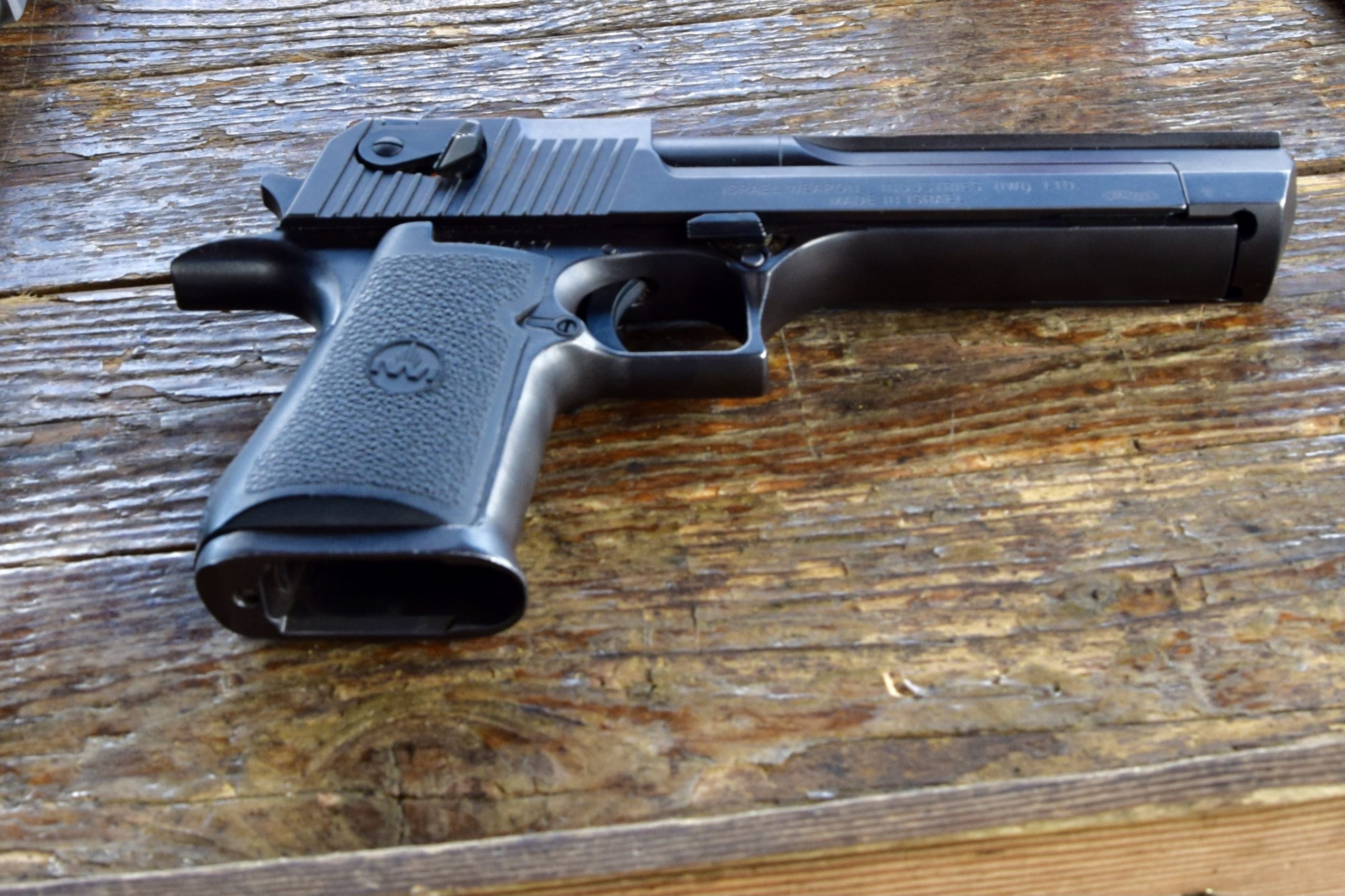
For most of its commercial life, the Desert Eagle was treated as a novelty, a movie prop, and a range toy for people who wanted attention more than accuracy. The .50 Action Express cartridge, generating over 1,500 foot-pounds of muzzle energy from a 300-grain projectile at 1,475 feet per second, seemed excessive to the point of comedy for a semi-automatic handgun. The handgun hunters started paying attention. At distances between 50 and 100 yards, the Desert Eagle in .50 AE delivers rifle-adjacent terminal performance from a pistol platform, making it a legitimate hunting tool for deer, hogs, and black bear in states permitting handgun hunting. The rotating bolt lockup handles the cartridge’s extreme pressure without battering the frame excessively over time. Magazine capacity sits at 7 rounds. Weight unloaded is 72.4 ounces, which is substantial but manageable from a supported field position. It took decades, but the Desert Eagle is now genuinely respected in handgun hunting circles where results matter more than appearances.
7. Mossberg 500

The Mossberg 500 spent years in the shadow of the Remington 870, which held an almost untouchable reputation in American shotgun culture from the 1950s onward. The 500 was considered the budget alternative, a fine enough gun but not the serious choice for people who really cared about their equipment. That perception eroded steadily as the 500’s durability record accumulated across law enforcement, military, and civilian use spanning decades. The dual extractors, top-mounted tang safety operable by either hand, and aluminum receiver kept the weight at approximately 7.5 lbs while maintaining mechanical simplicity that survived genuinely brutal handling. Military variants passed torture tests involving sand, mud, and saltwater immersion, and very few shotguns survived intact. Over 10 million units have been manufactured since 1961. The platform accepts an enormous range of aftermarket components. Today, the Mossberg 500 is not considered second-best by informed buyers. It stands beside the 870 as a co-equal platform with its own loyal following built on documented performance.
8. Steyr AUG A3 M1
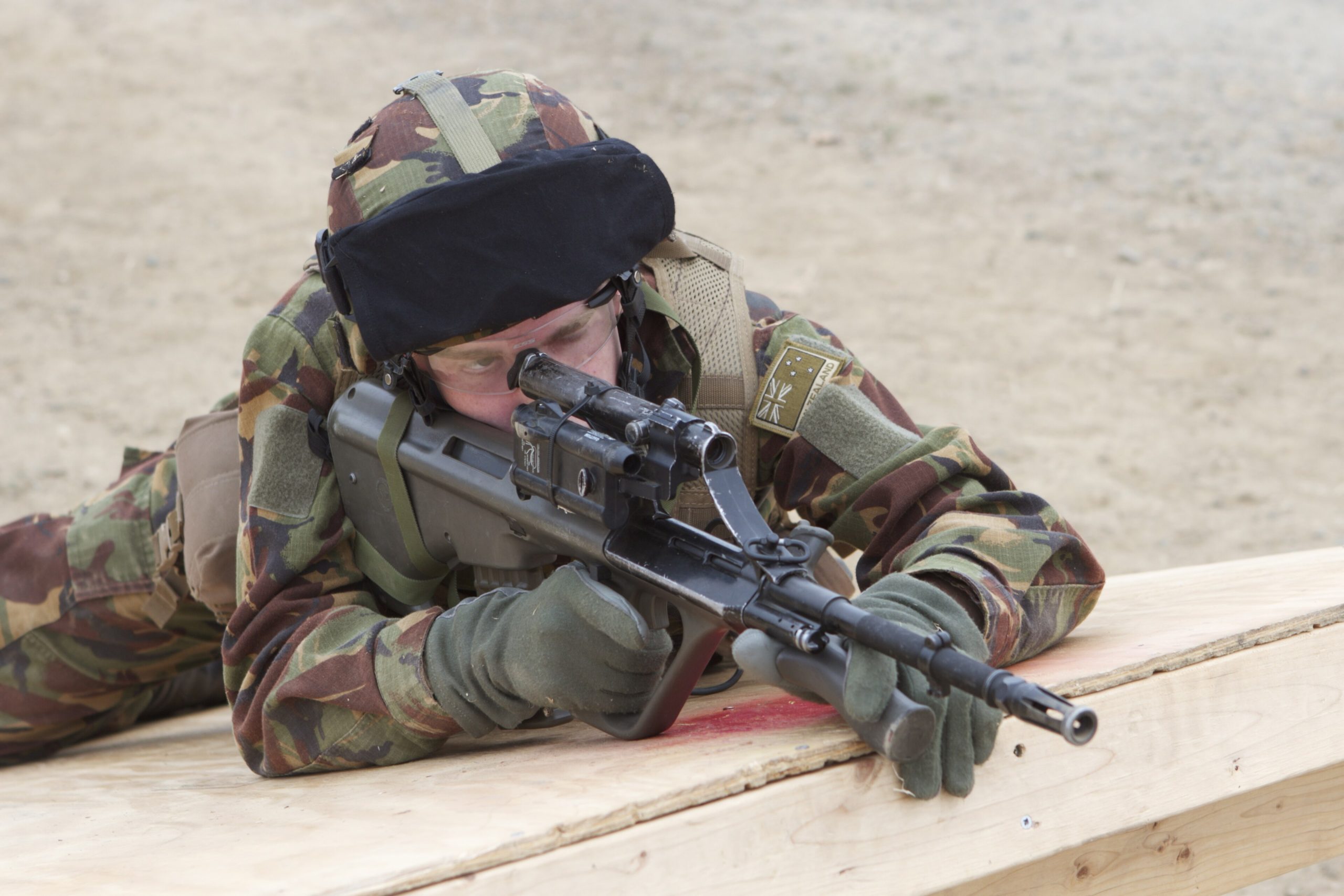
The Steyr AUG arrived in the United States civilian market carrying genuine military credentials from its adoption by Austrian armed forces in 1977, yet American shooters remained largely indifferent for decades. The bullpup layout felt alien to a market raised on traditional rifle ergonomics, and the proprietary magazine system frustrated shooters who wanted STANAG compatibility. Early pricing above $2,000 reinforced the perception that it was a collector’s curiosity rather than a practical fighting rifle. What gradually shifted the conversation was sustained documentation of reliability and the introduction of the A3 M1 variant, which included a NATO magazine adapter accepting standard AR-15 magazines. The 16-inch barrel sits within an overall length of just 28.15 inches, making it genuinely compact without sacrificing velocity. Firing 5.56x45mm NATO, muzzle velocity reaches approximately 3,200 feet per second. The integrated 1.5x optic provides fast target acquisition. Empty weight runs 7.9 lbs. Law enforcement adoption across multiple European agencies added credibility that American range results eventually confirmed, and the AUG now commands serious respect among bullpup advocates who prioritize documented performance over familiar aesthetics.
9. Remington Model 783
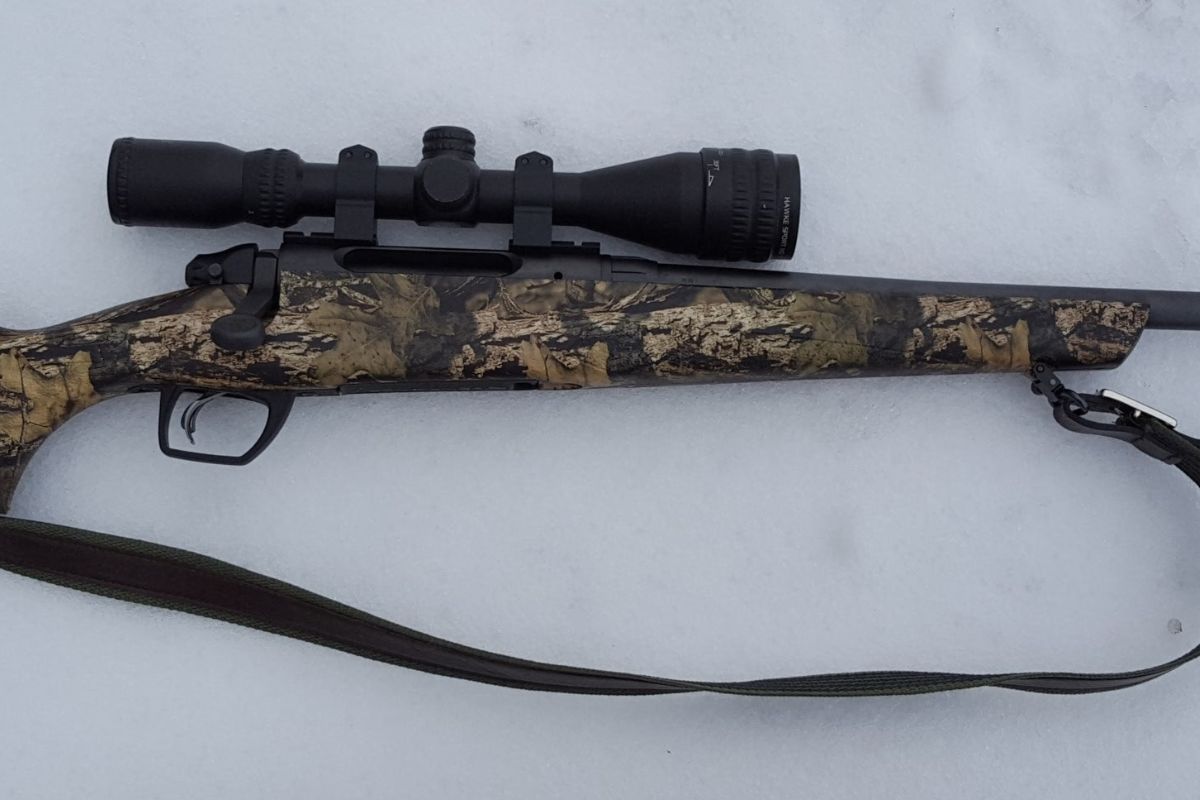
Remington’s reputation took significant hits during its corporate turbulence of the 2010s, and the Model 783 entered the market carrying that baggage alongside its more established siblings. Critics initially dismissed it as a cost-cutting exercise disguised as a budget hunting rifle, pointing to its plastic trigger guard and straightforward stock design as evidence of compromised ambition. What changed the conversation was accuracy. Independent testing across multiple publications and YouTube channels documented consistent sub-MOA groups at 100 yards with factory ammunition, a performance figure that rifles costing three times as much do not always deliver reliably. The Model 783 chambers in popular calibers, including .308 Winchester and .30-06 Springfield, with a 22-inch barrel and a crossbolt safety system. Average retail pricing runs between $380 and $450. The detachable box magazine holds 4 rounds. For deer hunters prioritizing field accuracy over premium aesthetics, the 783 proved its case repeatedly through documented performance rather than brand legacy, and its reputation among budget-conscious hunters has grown considerably since its skeptical introduction.
10. CZ Scorpion EVO 3
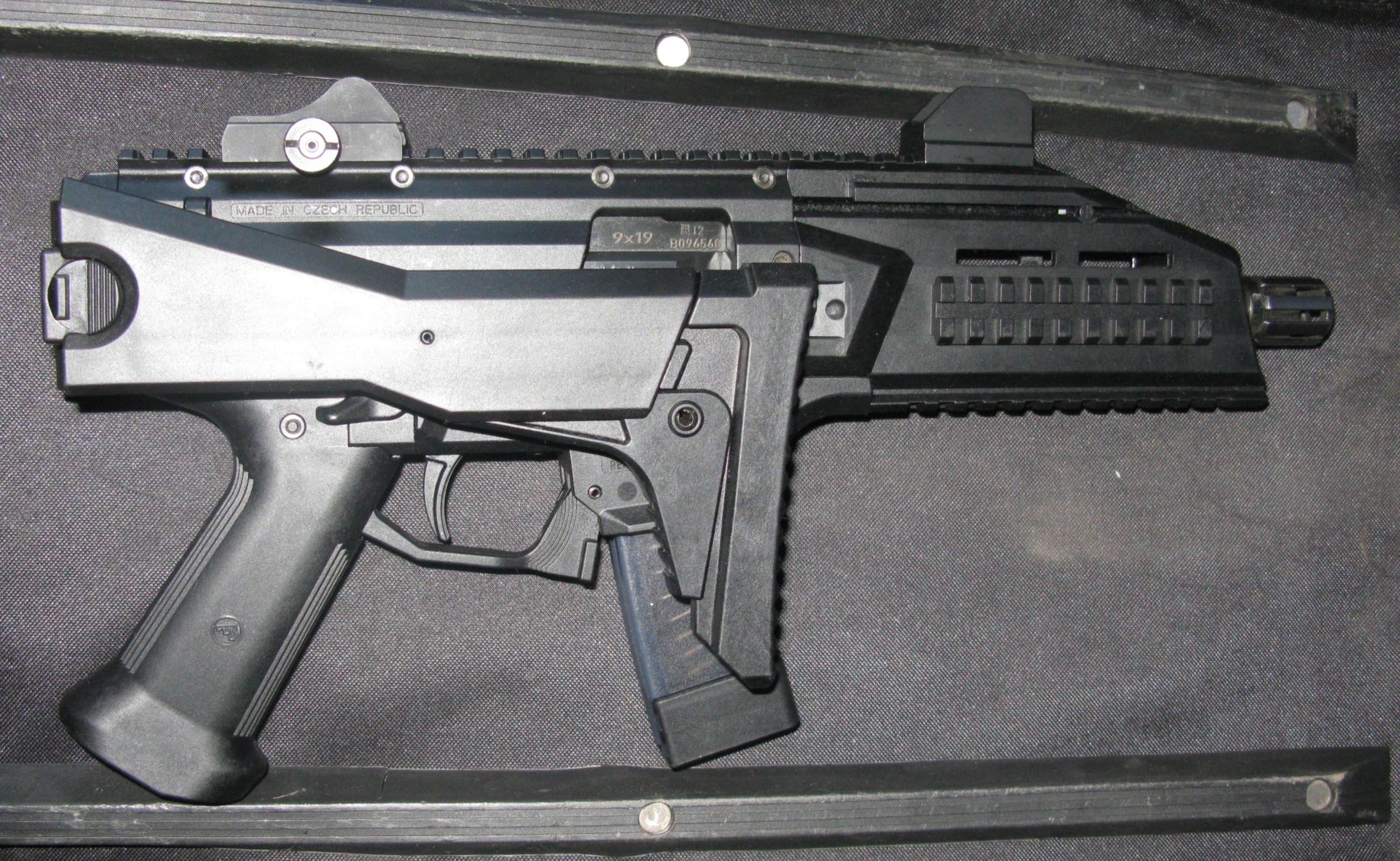
The CZ Scorpion EVO 3 arrived in the US civilian market around 2015 as a 9mm pistol-caliber carbine and immediately attracted interest from the competition shooting and home defense communities. Early adopters praised the ergonomics and magazine capacity but raised concerns about the factory trigger, which broke at a heavy and somewhat gritty 9 to 10 pounds in early production versions. Aftermarket trigger companies responded quickly, and CZ itself released improved components over subsequent production runs. The platform’s fundamental strengths became undeniable with time. The 20-round magazine is standard, with 30-round options available. Folded length on the carbine variant measures 18.1 inches. Blowback operation keeps the design mechanically simple and easy to maintain. Weight runs approximately 5 lbs empty. Suppressor-ready barrel threading is included on most variants. Competition shooters in PCC divisions began posting strong results with the platform, building a performance record that addressed early trigger criticism directly. The EVO 3 is now consistently recommended as one of the strongest pistol-caliber carbine options available under $1,200.
11. Henry Big Boy (.357 Magnum)
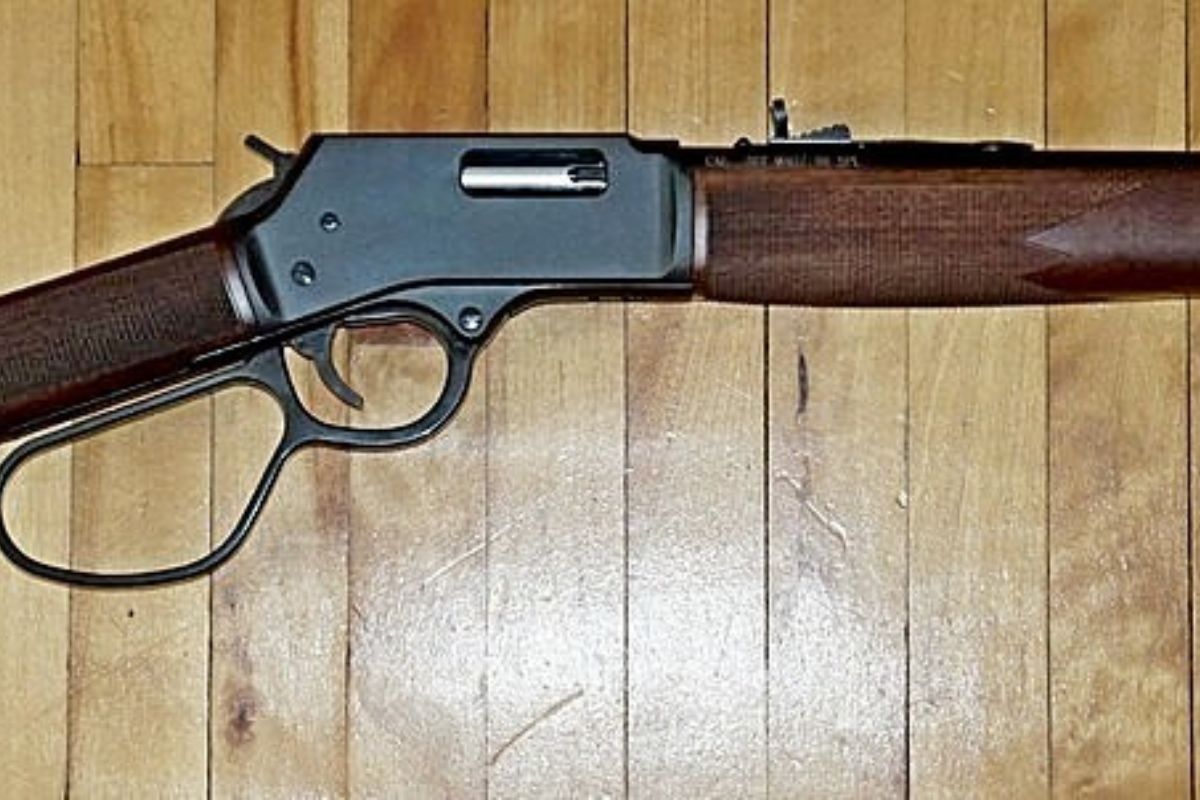
Lever-action rifles occupy a sentimental space in American firearms culture, but sentiment alone does not earn practical respect from serious shooters and hunters. The Henry Big Boy in .357 Magnum had to demonstrate genuine field utility to overcome the assumption that lever guns are nostalgia pieces rather than capable working tools. It has made that case convincingly over the years of accumulated field use. The Big Boy feeds both .357 Magnum and .38 Special from a brass-framed receiver with a 10-round tubular magazine. The 20-inch octagonal barrel produces .357 Magnum velocities around 1,800 feet per second with 158-grain loads, generating approximately 1,100 foot-pounds of muzzle energy, which is adequate for deer-sized game inside 100 yards. Weight runs 8.68 lbs. The American walnut stock and brass receiver are genuinely attractive without sacrificing function. No magazine to lose in the field, smooth cycling, and pistol-caliber commonality with a sidearm make this platform logistically elegant in ways that modern semi-automatics simply cannot replicate, and hunters who use it regularly defend it on performance, not aesthetics.
12. Springfield Armory Hellcat
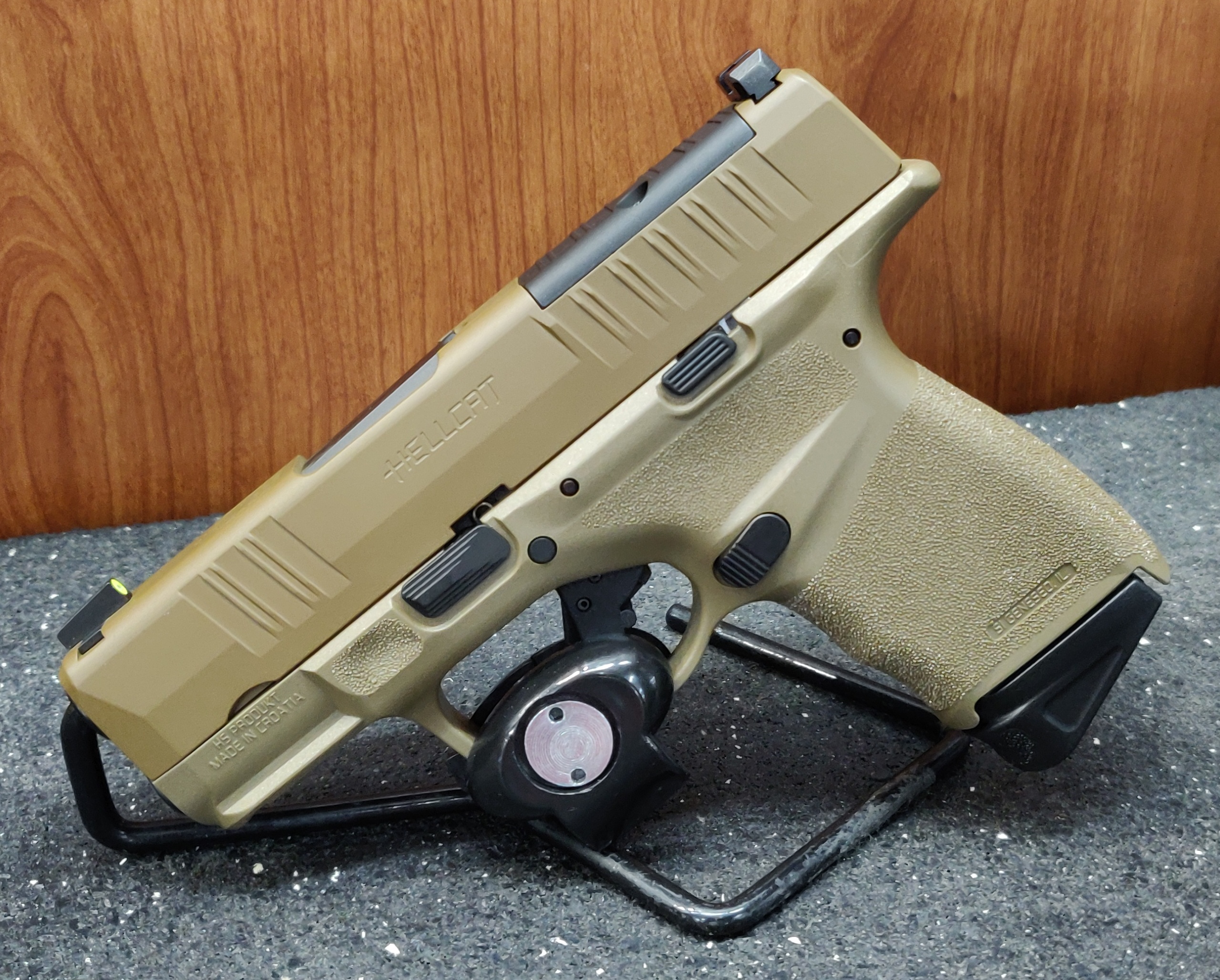
When Springfield Armory released the Hellcat in 2019, the micro-compact 9mm segment was already crowded with respected competitors, including the Sig P365 and Glock 43X. Early skepticism centered on whether Springfield could deliver a genuinely competitive product rather than a follower chasing an established trend. The Hellcat answered that question with an 11-round flush magazine and a 13-round extended option in a grip measuring just 3 inches tall, the highest capacity-to-size ratio in the micro-compact category at the time of release. The 3-inch barrel produces reliable 9mm velocities around 1,150 feet per second with 124-grain loads. Empty weight is 18.3 ounces. The adaptive grip texture offers genuine purchase in wet or sweaty conditions without abrading a cover garment during daily carry. The trigger breaks at approximately 5.5 pounds with a short reset that compares favorably to established competitors. Independent reliability testing documented consistent function well past 1,000 rounds. It took roughly 18 months of field reports and competition results to fully shift the narrative, but the Hellcat is now a legitimate top-tier recommendation in the micro-compact defensive category.