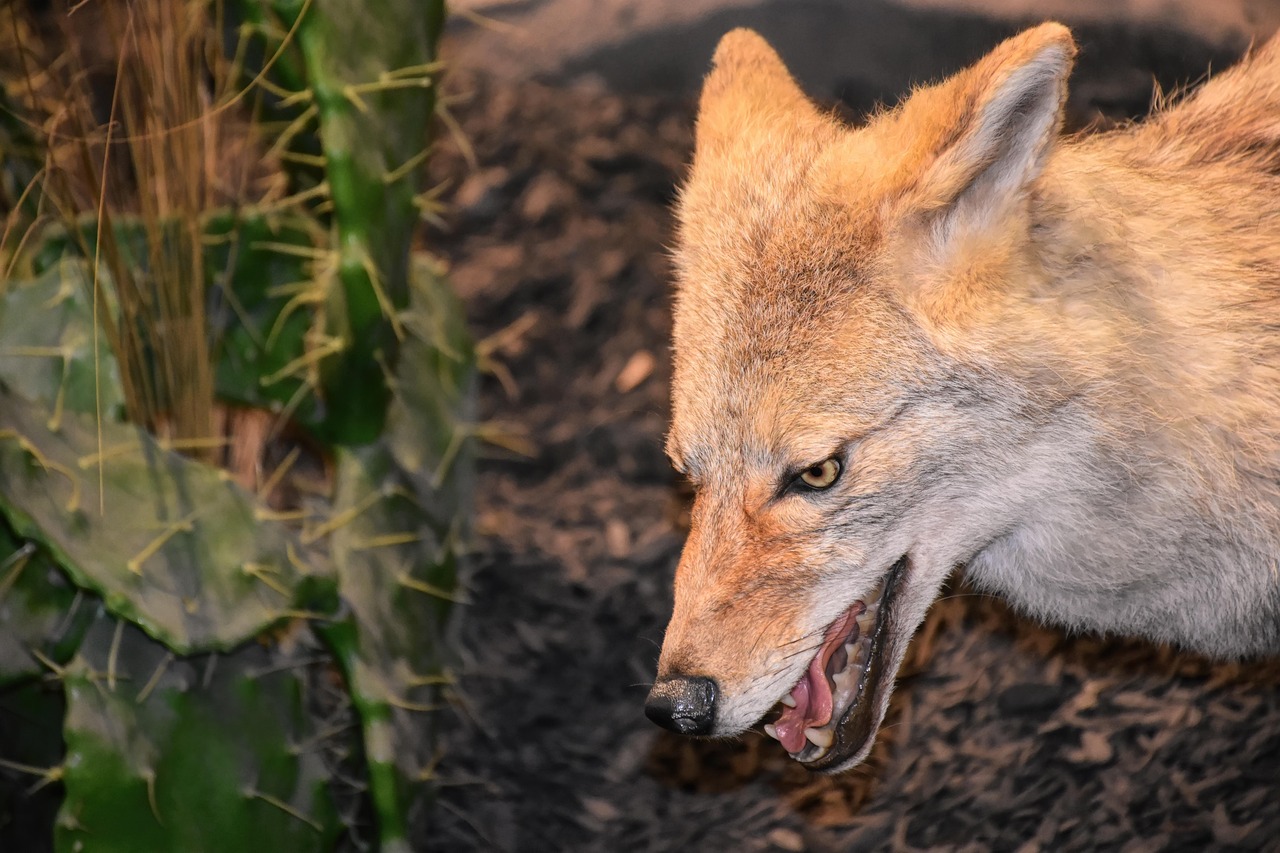
Coyotes do not experience a calling setup the way humans imagine it. They filter every sound, swirl of scent, shadow, and terrain feature through senses tuned for survival, which is why tiny setup mistakes often get exposed fast. Understanding how they actually perceive calls and odor can change where hunters sit, how they approach, and what they expect a coyote to do next.
Coyotes Hear Direction Better Than Many Hunters Expect
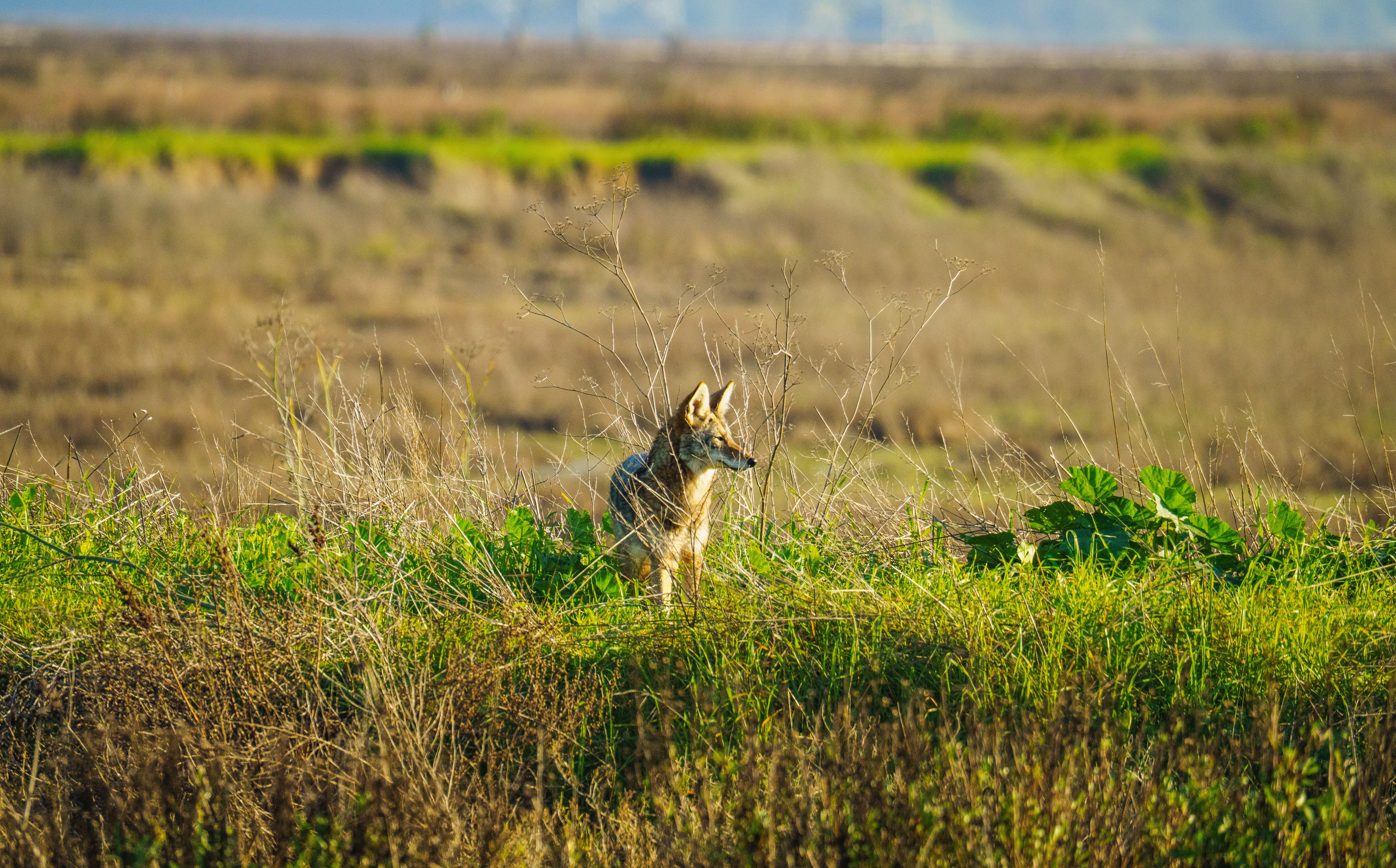
A coyote is not just hearing a rabbit’s distress or howl. It is also sorting out exactly where that sound sits in the landscape, how it reflects off cover, and whether the source seems stationary, moving, or wrong for the terrain. That means sloppy speaker placement or a caller set too close to the shooter can quickly collapse the illusion.
In practical terms, setup matters as much as sound choice. If the sound source pulls the animal across an opening with a safe downwind route, the coyote is more likely to commit. If the caller sits in a spot that forces the coyote to expose itself before it can verify the sound, hunters often get better shot opportunities.
Wind Carries A Story Long Before A Coyote Appears
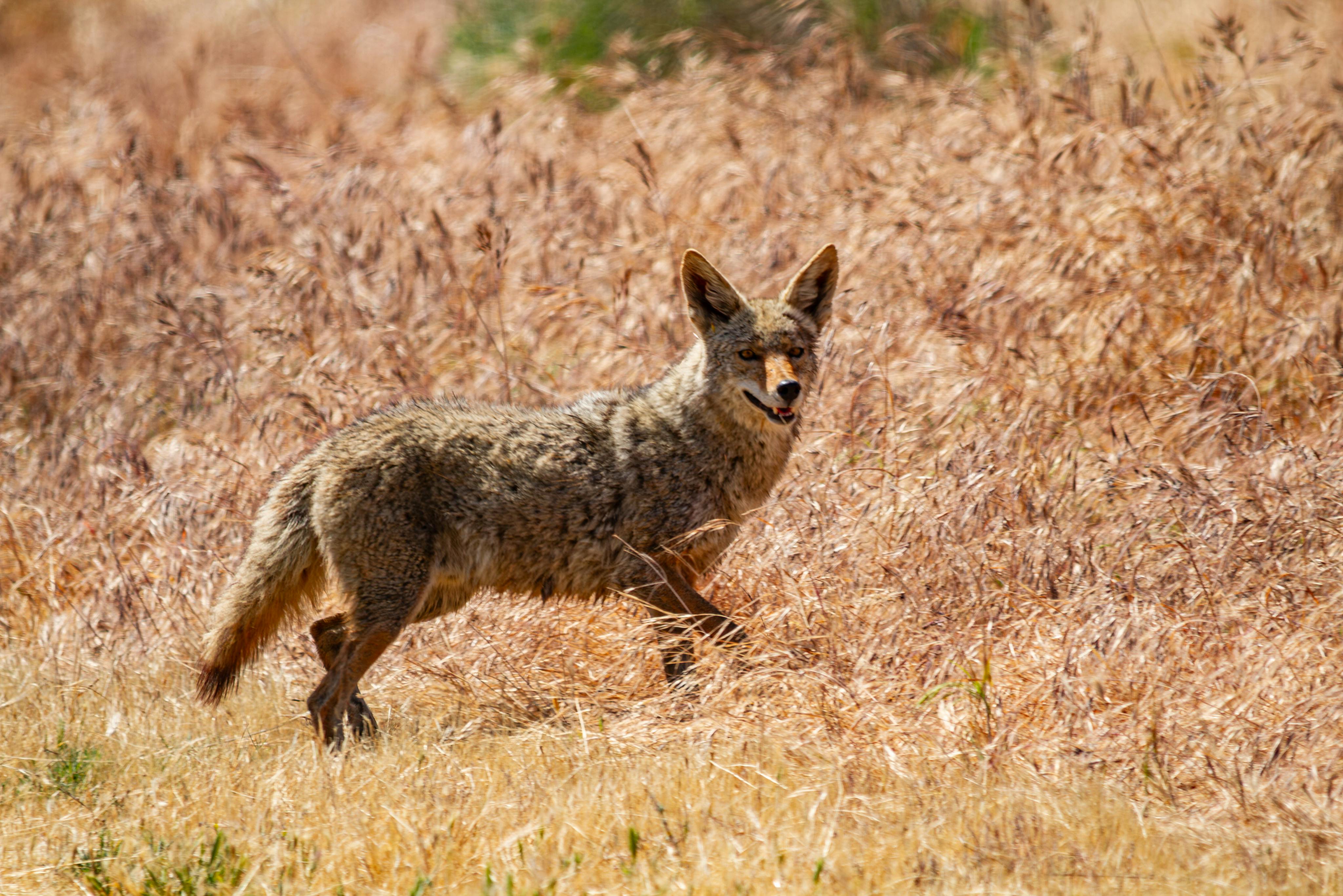
Hunters often think of scent as a last-second deal breaker, but for a coyote, it is often part of the entire approach. Air currents can carry human odor, boot scent, vehicle residue, and disturbed vegetation well before the animal reaches the visible setup. By the time a hunter finally spots fur, the coyote may already be evaluating risk.
That is why wind direction alone is not enough. Thermals, side winds, and terrain-driven eddies can bend scent into pockets and draws in ways that look harmless on a map. Smart setups account for where the coyote wants to circle, not just where the breeze seems to be blowing at the truck.
They Often Try To Confirm With Their Nose Before They Commit
A coyote may respond aggressively to a call, but that does not mean it is charging in on faith. Very often, it is trying to get to a position where scent can confirm what the ears suggested. That familiar downwind swing is not random caution. It is a deliberate attempt to solve the puzzle before stepping into danger.
This changes how experienced hunters think about approach lanes. Instead of watching only the obvious front door, they pay close attention to side cover, low spots, and brush edges that let a coyote slip into a scent-check position. When those routes are ignored, coyotes seem to vanish when they were actually working the setup exactly as expected.
Volume Is Not Realism If The Landscape Does Not Match

Louder is not always more convincing. In still air or tight cover, a call blasted too hard can sound unnatural for the distance a coyote expects from the terrain in front of it. Predators hear distress and social vocalizations in the real world all the time, and the scale of that sound matters more than many hunters assume.
Better setups treat volume as part of the illusion. Starting lower and building only when needed often fits how prey or coyotes actually sound across the ground. It also helps keep a nearby animal from hanging up because the source feels too intense, too exposed, or simply off compared with the cover around it.
Movement Stands Out Even When Camouflage Looks Great

Coyotes do not need a hunter to glow like a beacon to detect danger. A hand shifting to the rifle, a head turning at the wrong moment, or a silhouette changing against the skyline can be enough. Good camouflage helps, but stillness and background are usually doing more of the real work than the pattern on the jacket.
This is where setup discipline pays off. Sitting in shade, avoiding the horizon line, and positioning for a minimal final movement before the shot can make a dramatic difference. Many called coyotes are lost not because they saw a person clearly, but because they caught one small motion that did not belong in the scene.
Terrain Changes How Sound And Scent Behave
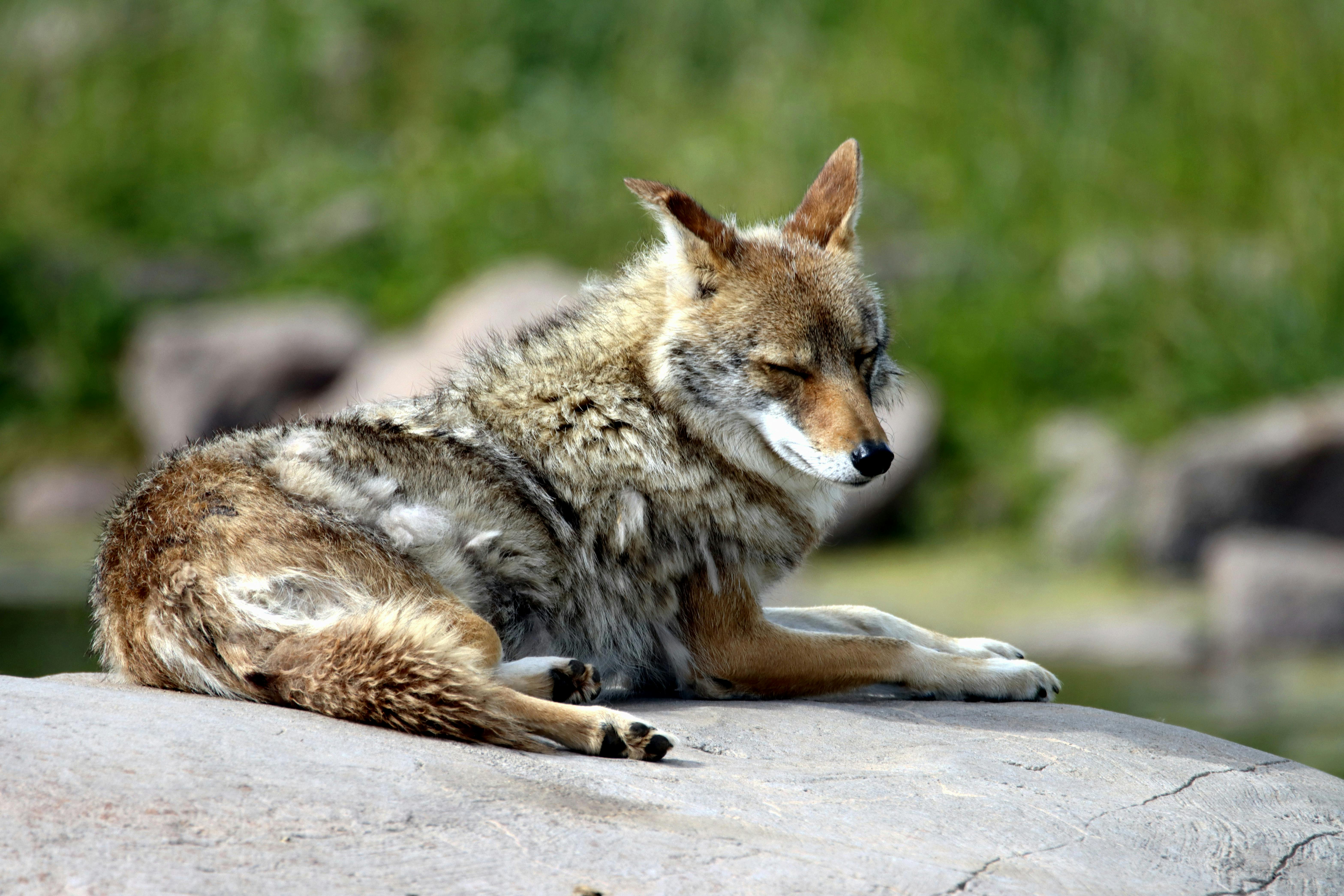
Hills, creek bottoms, shelterbelts, cut banks, and sage flats all reshape a setup in ways that matter to a coyote. Sound can be muffled, funneled, or reflected depending on the contours, while scent can pool in cold air, slide downhill, or swirl unpredictably behind ridges and brush. The land is never just a backdrop.
That means one stand cannot be copied blindly onto another. A call that carries beautifully across a basin may feel trapped in timber or broken ground. Hunters who read terrain as part of the animal’s sensory world are often better at choosing caller position, shooting lanes, and the places a coyote is most likely to appear first.
Silence Between Sounds Can Make A Setup More Convincing

Many hunters worry that too much silence will lose a coyote, but nonstop calling can sound artificial too. Real prey struggles are uneven, and real coyote vocal exchanges are rarely mechanical or perfectly timed. Pauses give an approaching animal room to listen, locate, and keep working toward what feels like a believable source.
Those quiet gaps can also reveal a lot. A coyote that keeps coming during silence may already be committed, while one that hangs up may be trying to process the scene or angle for scent. Used well, silence is not dead air. It is part of the message the setup sends.
Coyotes Read Pressure And Human Patterns Quickly
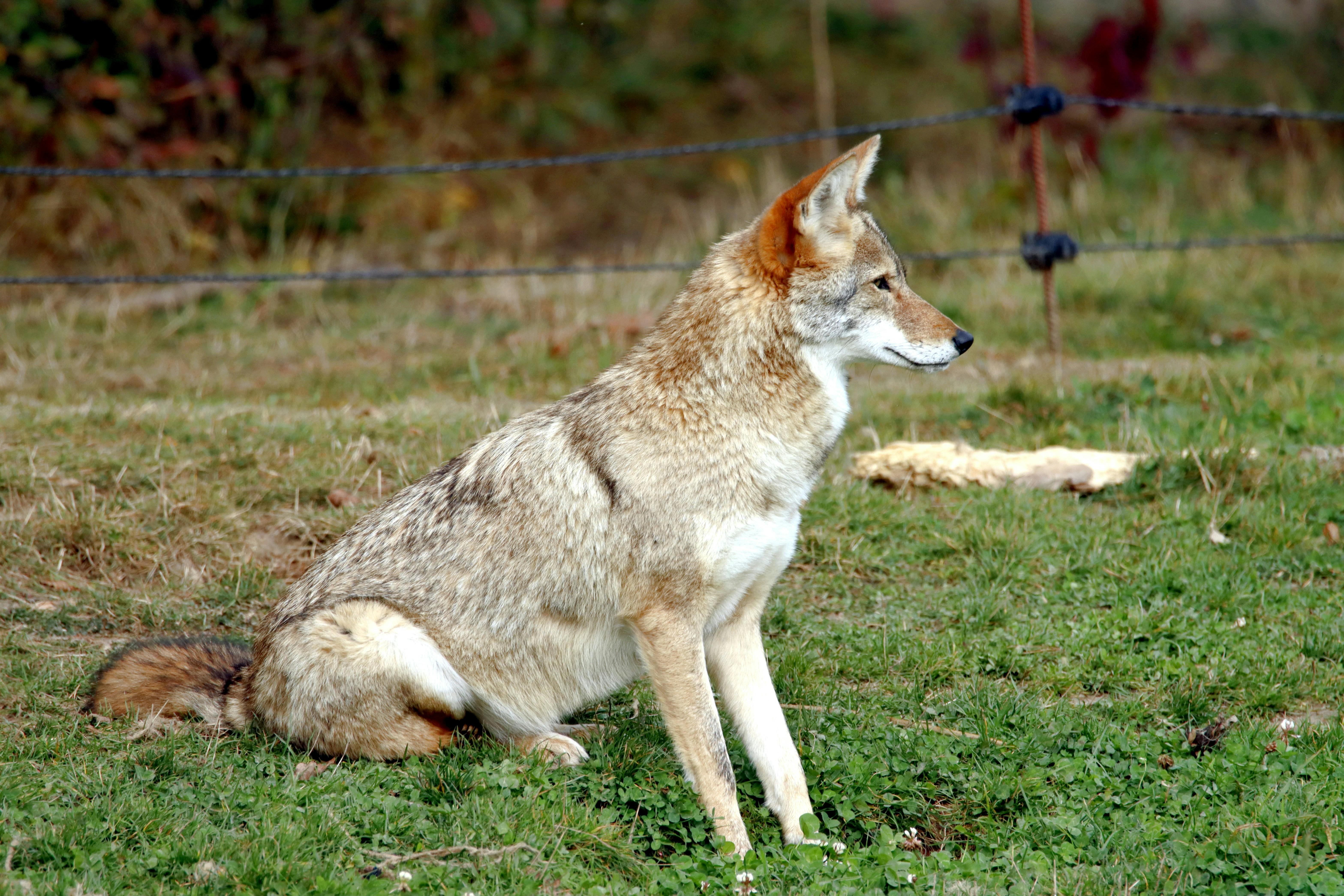
Coyotes living around roads, farms, public ground, or frequently called the country, often learn the rhythm of human behavior. They begin to associate parked trucks, repeated sounds, boot tracks, and easy approach routes with danger. What looks like a textbook setup to a hunter may feel familiar in exactly the wrong way to a pressured animal.
That is why fresh angles matter. Changing entry routes, calling from less obvious positions, and thinking about what the coyote has likely encountered before can improve odds dramatically. The more a setup breaks from predictable human patterns while respecting how the animal hears and smells the world, the more believable the whole stand becomes.