Few gun arguments are as stubborn as this one. The 10mm Auto debate keeps coming back because every new piece of evidence answers one question while opening three more.
The argument is really about trust, not just power
People like to frame the 10mm Auto debate as a technical question: does it have enough power for bear defense? But in practice, it is a trust question. When someone heads into grizzly country, they are asking what tool they can trust when everything goes wrong fast.
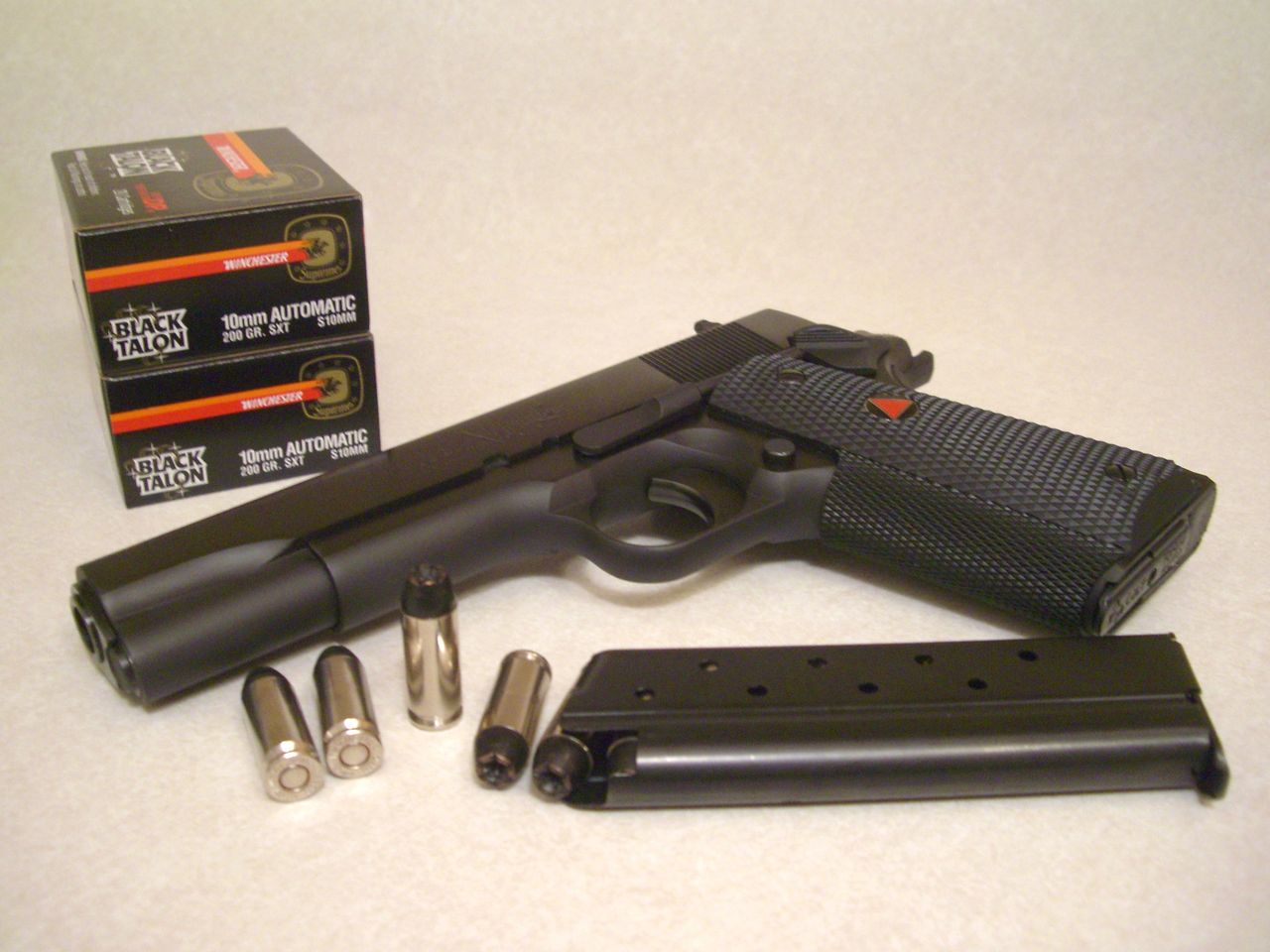
That is why the 10mm inspires such loyalty. A full-size platform like the Glock 20 gives shooters a relatively high-capacity sidearm in a cartridge widely marketed as delivering magnum-like performance for an autoloader. Glock itself lists the G20 with a standard 15-round magazine, and the model has become one of the most recognizable 10mm choices for backcountry carry.
At the same time, the argument never settles because people are not comparing only numbers. They are comparing confidence, carry comfort, recoil tolerance, price, training habits, and the kind of encounter they imagine in their heads. A fisherman in Alaska, an elk hunter in Montana, and a day hiker in Wyoming are all picturing different emergencies.
That difference matters. One person is worried about a bluff charge at bad-breath distance. Another is imagining a wounded bear in thick brush. Another is mostly trying to avoid trouble and wants a sidearm as a last-ditch backup to spray. The cartridge becomes a symbol for all those anxieties, which is why the debate never stays purely factual for long.
The best-known research does not answer the exact question people want answered.
A lot of people enter this debate expecting one study to settle it. Instead, the most cited research tends to redirect the conversation. The famous Alaska bear-deterrence studies by Tom Smith, Stephen Herrero, and coauthors examined real-world bear incidents involving spray and firearms, and they remain central because they looked at actual encounters rather than range theories.
The spray study found very strong outcomes for bear spray in many incidents, and the firearm study found guns were not the clean, decisive answer many people hoped for. One major conclusion from the firearms research was that firearm type did not clearly predict success, which is exactly the sort of finding that frustrates caliber partisans because it does not crown a winner.
But that does not end the 10mm conversation, because critics immediately point out what the study did not isolate. It was not a head-to-head trial of 10mm Auto versus .44 Magnum versus 12-gauge slugs fired by equally skilled people under identical conditions. It covered varied users, varied guns, varied bears, and wildly varied circumstances.
So both sides leave feeling vindicated. Skeptics say the research proves handguns are overrated. 10mm supporters say the research lumps together weak handguns, poor shooting, panic, and old incidents that do not reflect modern loads or today’s more common backcountry pistols. The data is real, but it does not perfectly match the question people emotionally want answered.
Ballistics create clarity on paper and confusion in the field
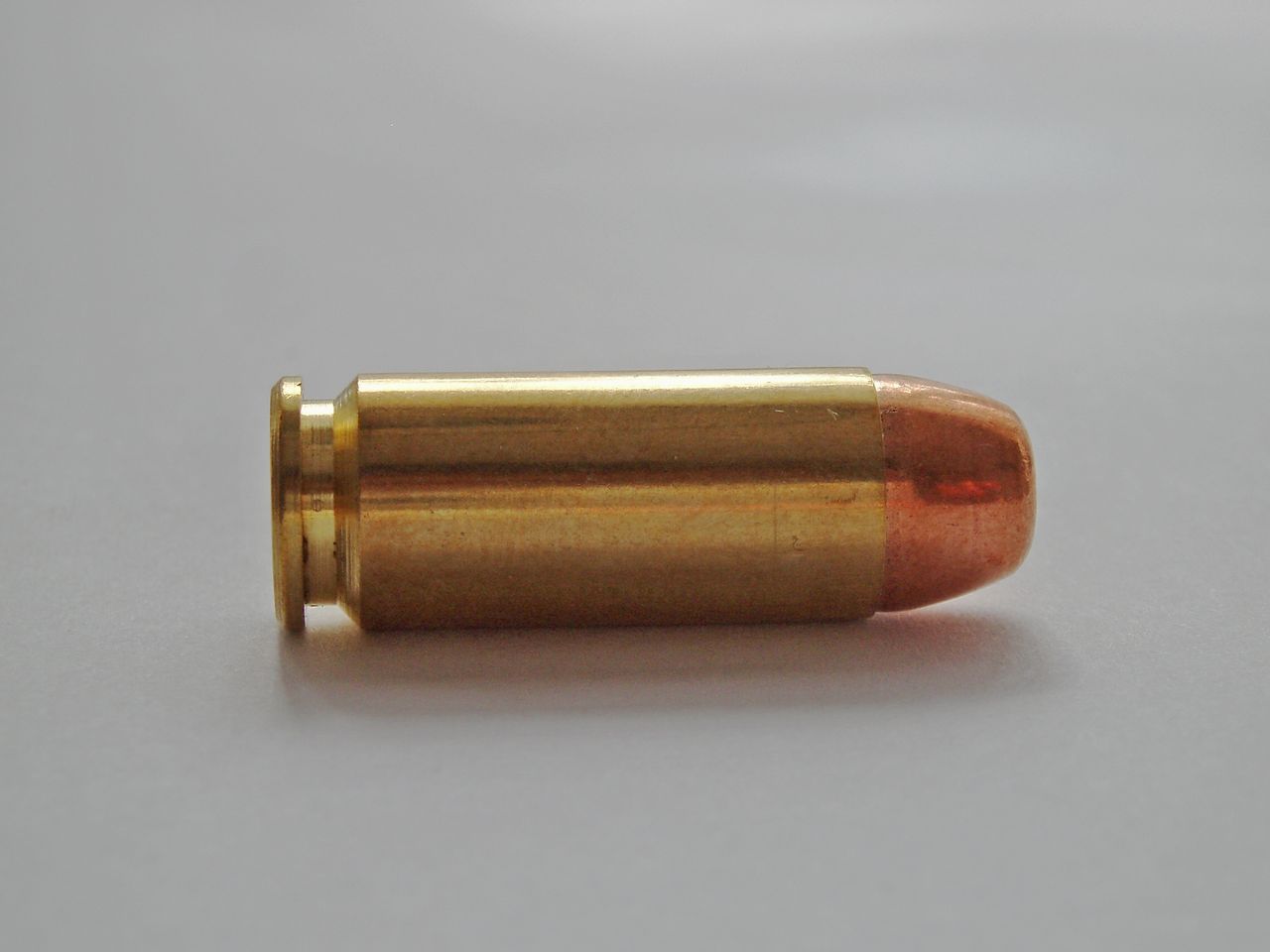
On paper, the 10mm Auto has a straightforward sales pitch. Compared with mainstream defensive handgun cartridges, it typically drives heavier bullets faster and hits harder. That gives it more penetration potential, and penetration is the keyword that keeps the cartridge in this conversation.
That emphasis on penetration is not random. FBI ballistic guidance has long reinforced the idea that adequate penetration is the most important physical factor in handgun effectiveness, with the widely cited 12- to 18-inch benchmark in calibrated gelatin shaping how people think about bullets. Even though that standard was built around human threats, many 10mm advocates borrow the logic and push it further for large animals with heavier bones, thick muscle, and difficult shot angles.
Then the field complicates everything. A gelatin block does not move, turn, charge, break bones unpredictably, or absorb poor hits under stress. Loads that look impressive in advertising can behave differently depending on bullet construction, barrel length, velocity loss, and whether the user picked expanding bullets or hard-cast rounds intended for deep straight-line penetration.
That is why new test videos rarely settle anything. One set of results will show a 10mm hard-cast load punching deep enough to impress almost anyone. Another will show recoil, muzzle flip, or inconsistent follow-up shots that make a heavier revolver round seem worth the sacrifice if the shooter can control it. Ballistics are part of the answer, but never the whole answer.
The gun you actually carry keeps beating the one that wins on paper
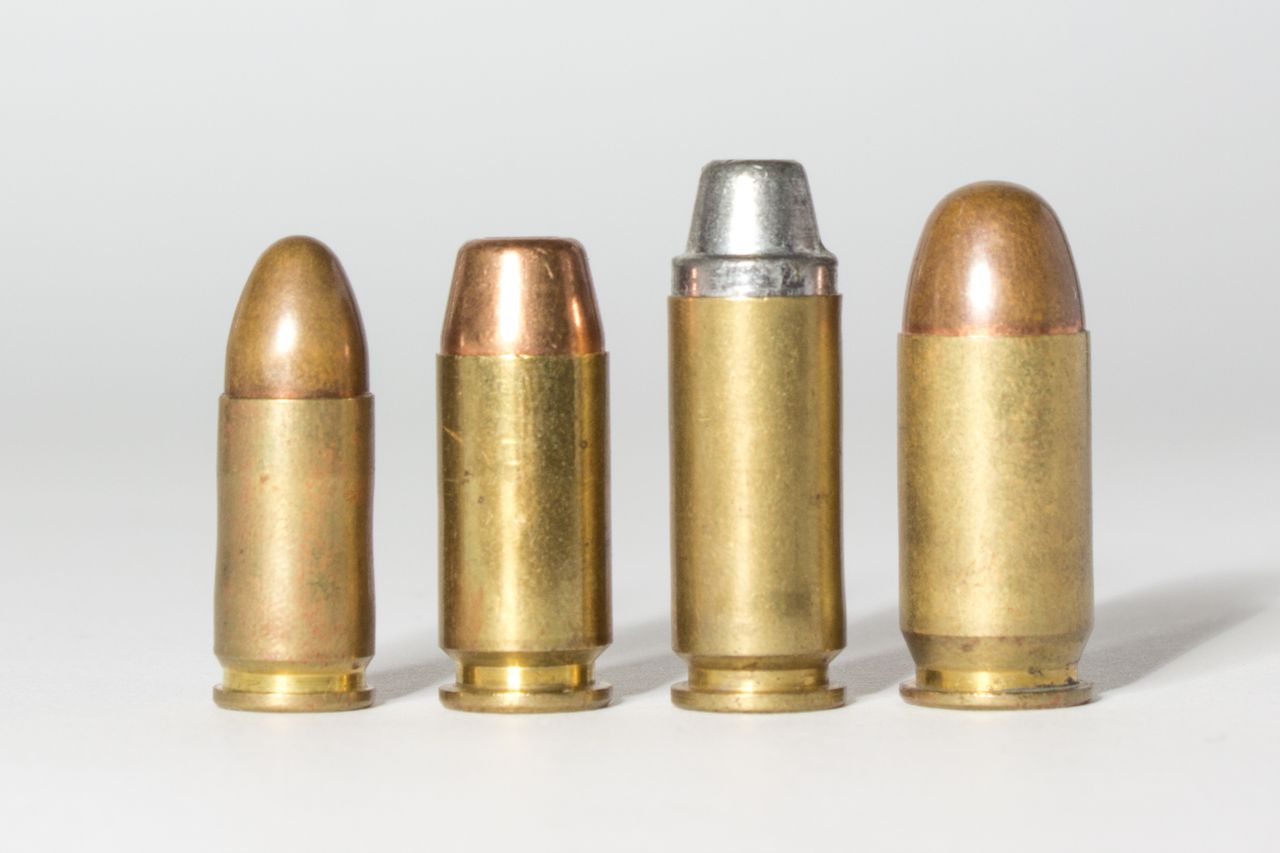
This is where the 10mm gets its strongest practical case. A lot of backcountry people do not want a giant revolver on their belt all day, and they definitely do not want to leave it in camp, in a truck, or under gear because it is heavy and annoying. A defensive gun that is absent at the moment of need has zero ballistic advantage.
The modern 10mm pistol fits a useful middle ground. It offers more power than typical 9mm or .40 S&W carry pistols while giving more onboard capacity and often faster reloads than traditional magnum revolvers. That tradeoff is a huge reason the Glock 20 became a standard reference point, and why newer 10mm platforms from major makers keep appearing as demand stays strong.
Yet that practical advantage also keeps the argument alive because tradeoffs cut in both directions. A revolver supporter will say fewer, more powerful rounds are better if each one penetrates more reliably through the shoulder, skull, or dense muscle. A 10mm supporter will answer that multiple fast hits from a shootable pistol may matter more than theoretical single-shot superiority.
Neither claim is crazy. In fact, both can be true depending on the shooter. The debate survives because it is built around competing truths: ballistic margin matters, but so do speed, capacity, accuracy, and willingness to actually keep the gun on your body.
Bear spray refuses to leave the conversation, and that changes everything.

Any honest article about 10mm bear defense has to admit something many caliber debates try to sidestep: the biggest rival is not another handgun round. It is bear spray. Agencies and bear-safety experts keep bringing people back to avoidance, situational awareness, and spray because the goal is not winning a gunfight with wildlife. The goal is to survive and prevent escalation.
Alaska Department of Fish and Game guidance still emphasizes bear spray and careful behavior in bear country, while also acknowledging there is no simple rule for when a person may decide to shoot a persistent, aggressive bear. That nuance matters. It reflects real life better than internet certainty does.
Research has kept spray in the center of the discussion for years. The 2008 Alaska study on bear spray reported high success rates in deterring undesirable bear behavior, and a later USGS-backed study found spray was also successfully deployed against polar bears across all four seasons. That does not mean spray is magic, but it does mean firearms are not arguing from a clean slate.
As soon as spray enters the picture, the 10mm debate stops being 10mm versus .44 Magnum and becomes a layered risk-management argument. Should the firearm be primary or backup? Is the handgun there for when spray fails, wind ruins the plume, or the encounter starts too close? Once those questions appear, no single caliber can settle the larger issue.
Internet culture rewards certainty even when reality does not
Part of the reason this fight never dies is that online gun culture hates unresolved conclusions. People want a winner, a loser, and a shopping list. But bear defense is a domain where uncertainty is honest, and honest uncertainty performs badly on social media.
The 10mm also sits in a perfect narrative slot. It is powerful enough to sound serious, common enough to be accessible, and dramatic enough to inspire identity. Owning a 10mm can signal preparedness without crossing into the heavier, more specialized world of large-frame magnum revolvers. That gives the cartridge a cultural life beyond its measurable performance.
Meanwhile, every fresh bear incident gets used like courtroom evidence. If someone stops a bear with a 10mm, believers treat it as confirmation. If someone fails with a handgun, skeptics treat it as proof the whole concept is flawed. Isolated stories feel vivid, but they rarely control for training, distance, animal behavior, ammunition choice, or pure luck.
That is why new data never fully lands. People are not just updating beliefs. They are defending identity, experience, and the expensive gear choices that came with both. Once a debate becomes personal, even solid evidence tends to get filtered through loyalty before it gets evaluated on its own terms.
The debate will stay unsettled because the real answer is conditional

The most truthful conclusion is also the least satisfying one: 10mm Auto can be a credible bear-defense option, but not a universally superior one. It makes sense for many people precisely because it balances power, capacity, portability, and shootability in a way few other handgun setups do.
But that answer has conditions attached to it. Load selection matters. Skill matters. Nerve matters. Whether the gun is paired with spray matters. Whether the shooter can draw fast and hit under panic matters. Whether the encounter is defensive, predatory, sudden, close-range, or partially obstructed matters even more.
In other words, the debate survives because reality refuses to produce a simple ranking. The data tells us useful things: firearms are not magic, spray remains highly relevant, penetration matters, and platform choice affects real-world usability. What the data does not do is erase the role of circumstance.
So the 10mm argument will keep going, no matter how many gel tests, bear stories, or expert panels pile up. People do not really want a conditional answer when they are imagining a charging bear. They want certainty. The problem is that Bear Country does not offer any.