Some firearms are valuable because they are old. Others become legends because so few survive, and even fewer ever come up for sale. This gallery explores the elusive guns that collectors talk about in hushed tones, from limited military trials pieces to discontinued commercial icons that seem to vanish into private vaults.
Colt Walker Revolver

The Colt Walker revolver has a larger-than-life reputation, and not just because of its size. Built in 1847 with ties to the Texas Rangers and the U.S. Mounted Rifles, it represents the moment Samuel Colt went from promising inventor to true firearms force.
Collectors prize original examples because production was limited and survival rates were never high. These revolvers saw hard frontier use, and many were modified, damaged, or simply worn out over time.
When an authentic Walker appears at auction, it gets immediate attention. For serious collectors, it is one of those rare pieces that combines military history, myth, and eye-popping scarcity in a single package.
Winchester Model 1866 Musket
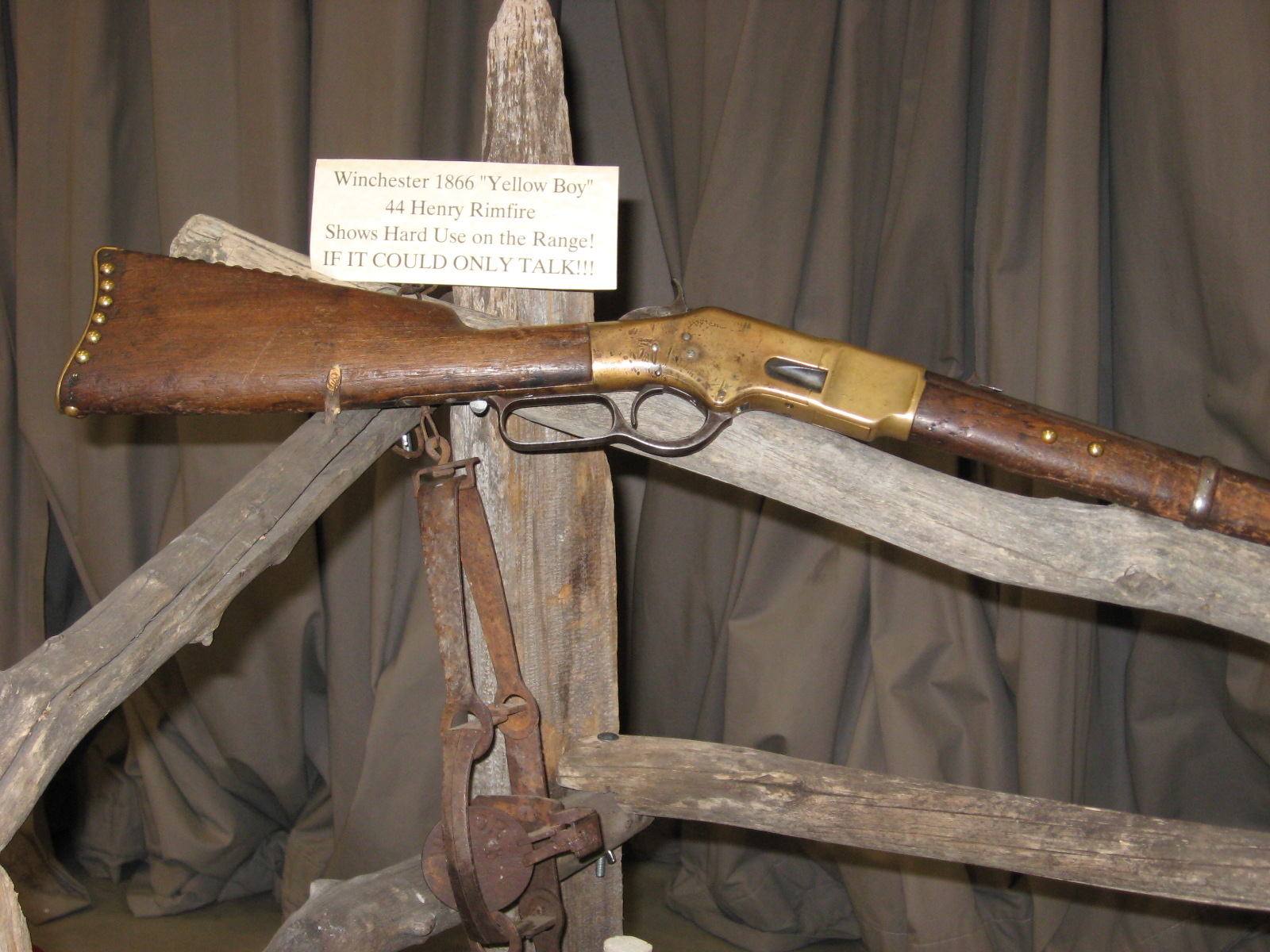
Most people know the Winchester Model 1866 as a saddle-ring carbine or classic rifle, but the musket version is far harder to spot. It was produced in much smaller numbers, giving it a special aura among Winchester specialists.
Because these long military-style variants were less common to begin with, original untouched examples are a real challenge. Many were altered, refinished, or broken up for parts as tastes changed over the decades.
That scarcity matters in a serious collection. The brass-framed “Yellow Boy” is iconic on its own, but the musket adds a layer of rarity that turns a famous lever gun into a true conversation piece.
Colt Single Action Army Sheriffs Model
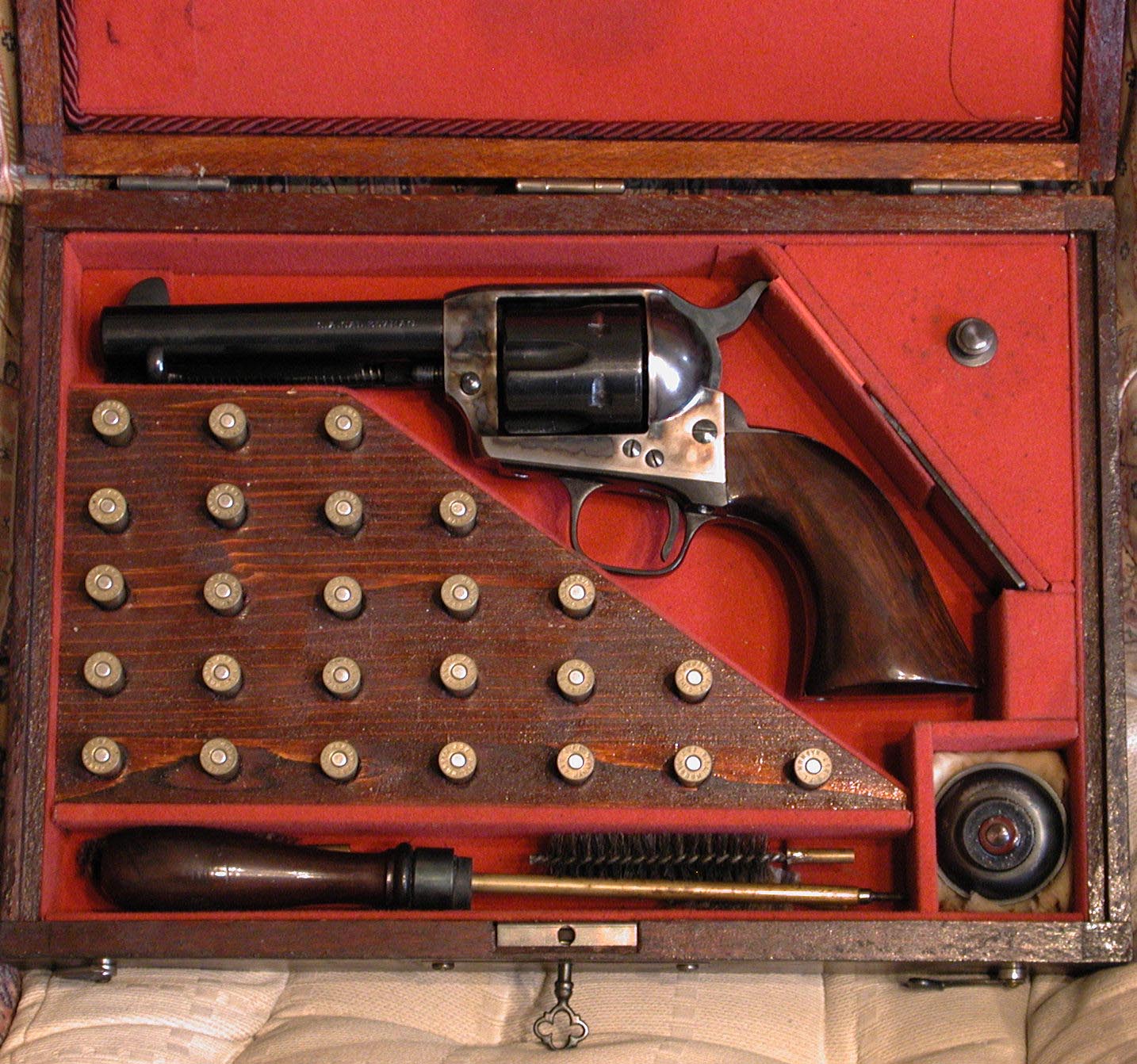
The Colt Single Action Army is hardly obscure, but the Sheriffs Model lives in a different world. Made without the standard ejector rod housing, this short-barreled variation has a cleaner profile and a much smaller population than regular production Peacemakers.
Collectors are especially drawn to factory-original examples with matching finish, correct barrel length, and period features. That sounds straightforward until you realize how many old Colts have been refinished, rebarreled, or “improved” somewhere along the line.
The result is a revolver that looks familiar at first glance yet becomes intensely rare under scrutiny. For Colt enthusiasts, a documented Sheriffs Model is one of the toughest frontier-era prizes to land.
Smith & Wesson Registered Magnum

Before the .357 Magnum became a standard American handgun cartridge, Smith & Wesson introduced the Registered Magnum as something special. Buyers could order custom features, and each revolver came with a registration certificate that made it feel exclusive from day one.
That combination of performance, craftsmanship, and papered provenance has made surviving examples highly sought after. Collectors pay especially close attention to original stocks, finish, barrel length, and whether the accompanying registration materials still exist.
Finding one is difficult enough. Finding a really complete, unaltered one is another matter entirely, which is why this prewar magnum remains one of the classiest and most elusive revolvers in the hobby.
Luger Carbine

The standard Luger pistol already holds a firm place in collecting lore, but the Luger Carbine takes that fascination to another level. With its longer barrel, shoulder stock, and unmistakable profile, it looks like the elegant alternate-universe version of a sidearm everyone already recognizes.
It was never a common firearm, and surviving examples tend to disappear into advanced collections quickly. As with many high-end European arms, originality is everything, from finish and grips to sights and matching numbers.
That blend of visual drama and genuine rarity keeps demand high. Even people who are not dedicated Luger specialists usually stop and stare when a true carbine appears in a catalog or museum case.
Mauser C96 Cone Hammer
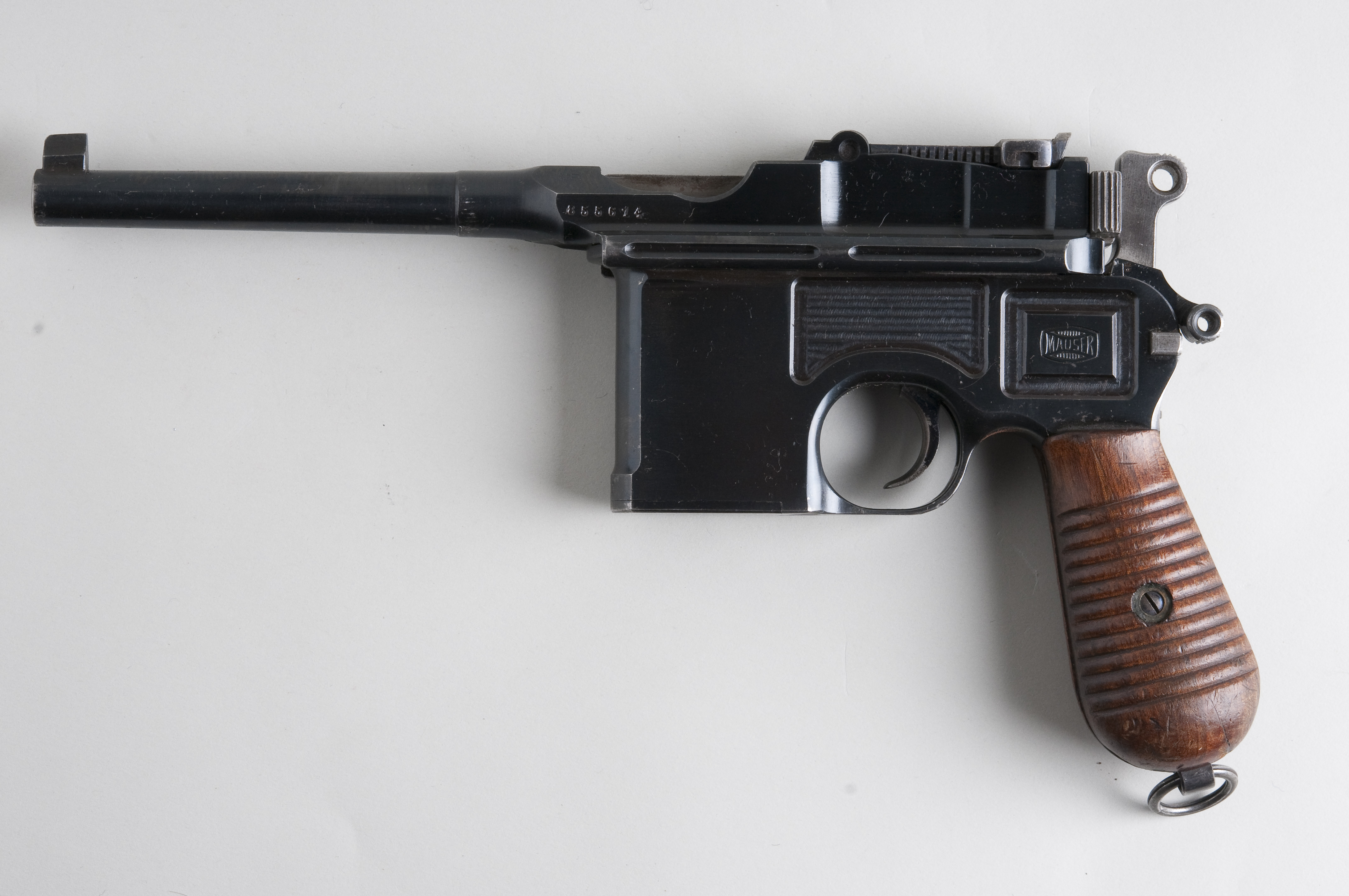
The Mauser C96 is famous enough to be recognized by silhouette alone, but early Cone Hammer variants are another story. These first-pattern pistols represent the beginning of the C96 line, and subtle details separate them from the more commonly encountered later guns.
Because they are early, scarce, and heavily studied, they attract a very detail-oriented kind of collector. Matching parts, proper finish, and honest condition matter enormously, especially since replacements and restorations can muddy the waters.
The appeal is easy to understand once you see one in person. It is not just an old broomhandle pistol; it is a foundational chapter in self-loading handgun history, and a very hard one to own.
Borchardt C-93

The Borchardt C-93 looks unusual even today, which is part of its enduring charm. Introduced in the 1890s, it was one of the earliest successful self-loading pistols and helped pave the way for later designs, including the Luger.
Collectors chase it because it sits at the crossroads of invention and rarity. Production was limited, surviving numbers are modest, and complete examples with original accessories are especially difficult to locate.
It is also one of those firearms that rewards a second look. What first appears awkward suddenly becomes fascinating once you understand how early and influential the design really was. For advanced pistol collectors, it is a landmark piece with very limited supply.
Colt Model 1900 Sight Safety

The Colt Model 1900 is significant for several reasons, including its connection to John Browning’s early semi-automatic pistol development. The scarce Sight Safety variation is the one that gets veteran Colt collectors especially animated.
Its unusual rear sight safety system was short-lived, making original examples much harder to find than later and more conventional pistols. Many were altered or simply did not survive in high condition, which only tightened the market further.
What makes this gun so compelling is that it captures experimentation in real time. You can almost see the design world figuring itself out, and that gives the Sight Safety an appeal that goes beyond rarity alone.
Winchester Model 1873 One of One Thousand

Few names in American gun collecting carry the same magnetic pull as “One of One Thousand.” Winchester selected especially accurate Model 1873 rifles for this premium designation, then marked and sold them at a substantial price.
Very few were made, and far fewer remain verified today. Because of that, every authentic example is treated as a major event, with provenance and factory letters playing an enormous role in establishing confidence.
Part of the fascination is cultural. This rifle is not just rare; it became part of the mythology of the American West. When a real one surfaces, it feels like a legend stepping out of a dime novel and into the auction room.
Singer M1911A1
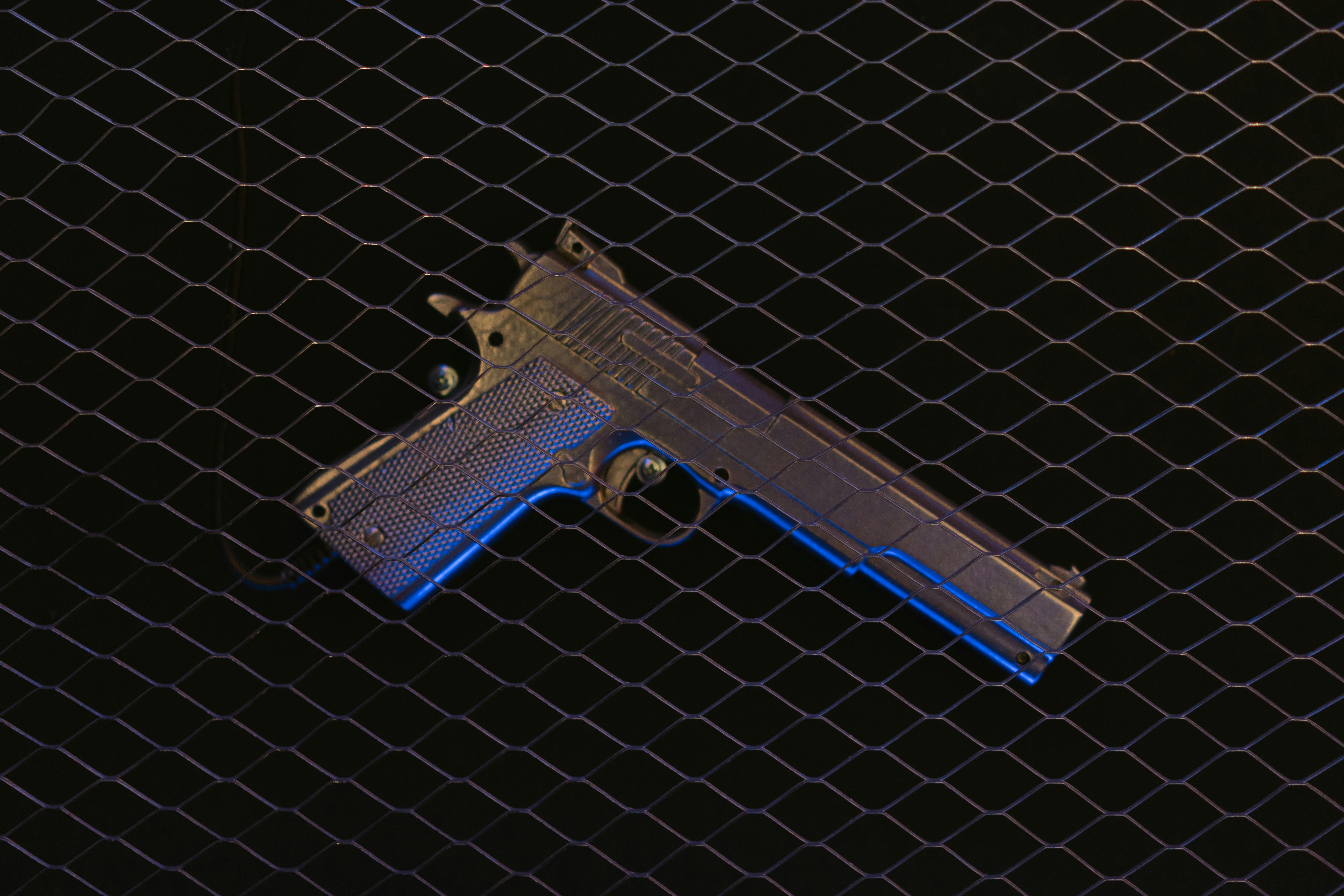
The Singer M1911A1 is one of the most famous scarce military pistols in the United States, and the backstory only adds to its mystique. Singer, better known for sewing machines, produced a tiny run of 1911A1 pistols under wartime contract before shifting its manufacturing efforts elsewhere.
That very limited production made these pistols collectible almost from the moment enthusiasts realized how few existed. Genuine examples are intensely studied, and condition, markings, and originality can mean the difference between impressive and extraordinary.
For many collectors, this is the ultimate U.S. martial sidearm prize. It combines a beloved platform, unusual manufacturer, and vanishingly small numbers in a way the market never forgets.
Johnson Model 1941 Light Machine Gun
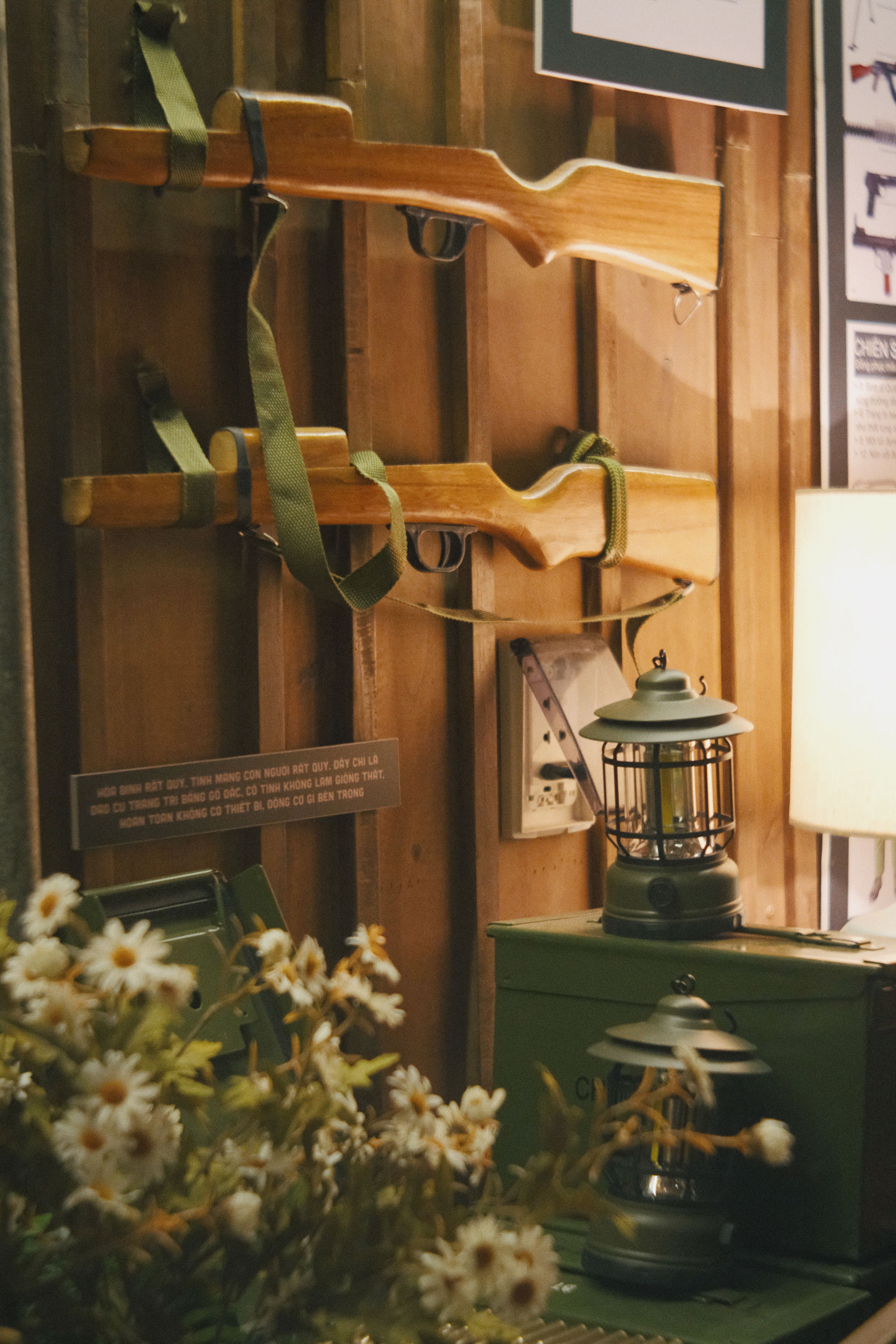
The Johnson Model 1941 rifle gets more mainstream attention, but the light machine gun version is the true rarity. Developed by Melvin Johnson as an alternative wartime design, it saw limited use and never achieved the broad adoption that would have boosted surviving numbers.
That leaves collectors with a fascinating but seldom-seen piece of U.S. military small-arms history. Transfer rules, attrition, and the already small production base all contribute to its near-mythical status in advanced collections.
It also has real visual presence, with an immediately distinctive profile. For enthusiasts who enjoy unusual American military designs that nearly changed history, the Johnson LMG is one of the hardest boxes to check.
FG 42

The German FG 42 has become one of the most coveted World War II firearms, and it is easy to see why. Built for German paratroopers, it blended rifle and automatic weapon features into a strikingly advanced package for its era.
Original examples are scarce because wartime production was limited and battlefield loss was severe. Add postwar capture, destruction, and legal restrictions, and the number of collectible transferable pieces becomes incredibly small.
Its legend has only grown with time. Historians admire the design, shooters respect the engineering, and collectors know that finding an authentic FG 42 is less like shopping and more like waiting for a comet to pass.
M1941 Johnson Rifle

The M1941 Johnson rifle occupies a very specific place in American military collecting: well known, deeply admired, and still frustratingly hard to obtain in excellent original condition. It was innovative, accurate, and distinct from the M1 Garand that ultimately overshadowed it.
Production numbers were never enormous, and many rifles led complicated service lives across different contracts and users. That means untouched examples with strong provenance are far scarcer than casual observers might assume.
Collectors love the Johnson because it represents a serious alternate path in U.S. small-arms development. It is a rifle of “what if” history, and those stories tend to hold the market’s attention for decades.
Remington Model 40-XB Benchrest Rifle
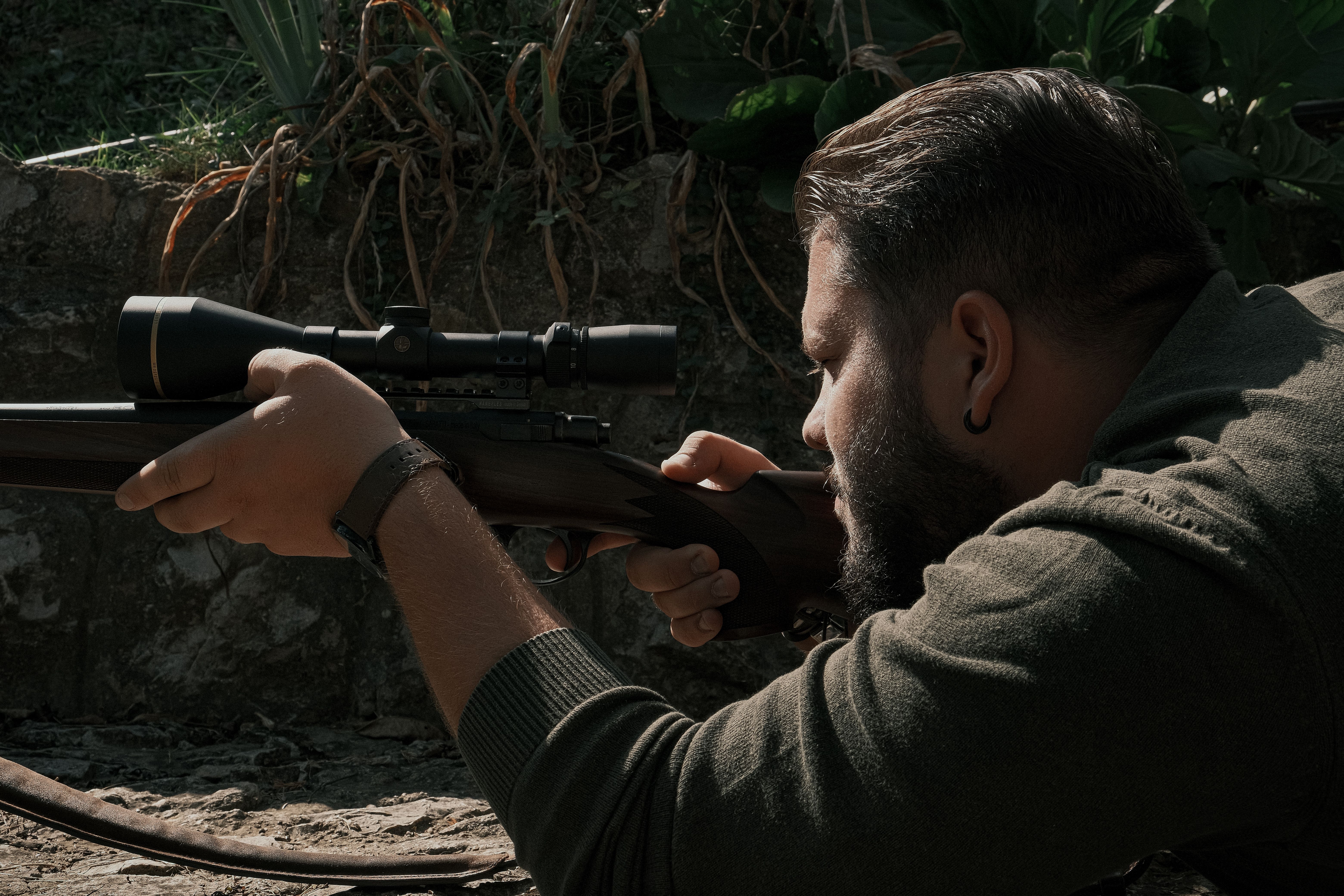
Not every hard-to-find collector gun comes from a battlefield or frontier holster. The Remington Model 40-XB benchrest rifle earned its following through precision, with custom-shop craftsmanship that made it a dream firearm for serious accuracy devotees.
Because many were built in specialized configurations and sold to a relatively focused audience, they can be surprisingly difficult to locate today. The best examples often stay with dedicated shooters or collectors who know exactly what they have.
That niche appeal is part of the charm. To the general public it may look like a target rifle, but to someone who appreciates elite factory accuracy guns, the 40-XB is a rare and deeply respected piece of modern collecting history.
Heckler & Koch P7M7

The Heckler & Koch P7 family has a devoted following, but the P7M7 sits in especially rare company. Chambered in .45 ACP and produced only in tiny numbers as a prototype or developmental offshoot, it is one of those modern unicorns that almost no collector expects to encounter casually.
Part of the fascination comes from the platform itself. The squeeze-cocking P7 design is already unusual, and seeing that concept paired with a bigger cartridge makes the pistol feel like an alternate chapter in H&K history.
When one surfaces, enthusiasts pay attention immediately. It combines prototype intrigue, extremely low availability, and the kind of brand mystique that keeps advanced modern collectors permanently interested.