
When Winchester introduced the .243 WSSM in the early 2000s, it was marketed as a small-caliber powerhouse destined to redefine deer and varmint hunting. Combining high velocity with compact rifle design, the cartridge seemed to deliver everything modern hunters wanted. Yet, over time, the hype faded, and the round quietly slipped from the spotlight. Here’s a deep look at what made it exciting, where it fell short, and what lessons it left behind.
The Ambitious Beginning
The .243 WSSM Winchester Super Short Magnum debuted in 2003 alongside other WSSM rounds. Built to offer magnum performance from a short action rifle, it promised lighter guns, faster cycling, and blazing velocity. The design featured a short, fat case derived from the .300 WSM, offering efficient powder burn and high pressure. Shooters were instantly intrigued by the promise of “magnum energy without the weight,” and early press hailed it as revolutionary.
Cutting Edge Cartridge Design
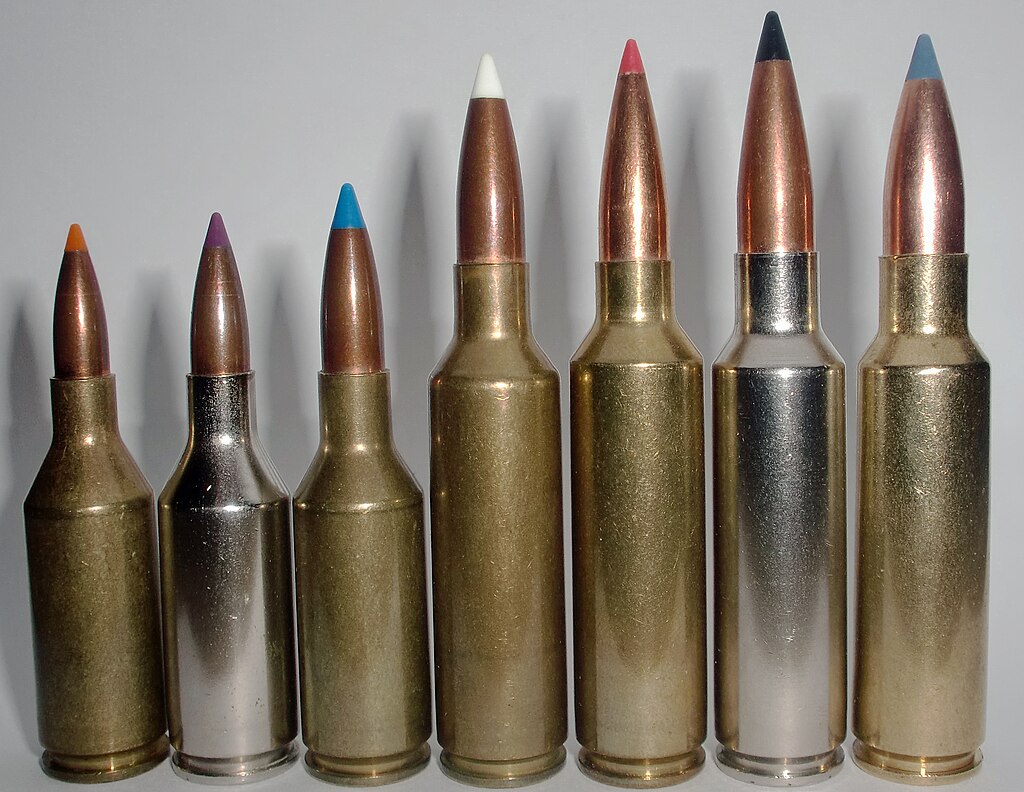
Winchester’s engineers built the .243 WSSM with an unusually squat case to optimize powder combustion and minimize shot-to-shot variation. Its design allowed impressive velocity from smaller cases, helping generate flatter trajectories and tighter groups. This efficiency came from higher internal pressures and faster powder burn rates. The concept aimed to outperform older calibers while keeping recoil manageable. It was a bold mechanical experiment that showcased Winchester’s forward-thinking engineering.
Ballistics That Turned Heads
At launch, the .243 WSSM boasted astounding numbers: 55-grain bullets reached speeds close to 4,000 feet per second, while 100-grain projectiles exceeded 3,100 fps. That meant flatter flight paths, less wind drift, and better downrange energy. On paper, it outperformed the traditional .243 Winchester in nearly every category. For varmint hunters and long-range shooters, this translated into explosive terminal performance and pinpoint precision at least theoretically, under ideal conditions.
Field Performance Reality

When hunters took the .243 WSSM into real-world conditions, expectations met a dose of reality. While it certainly shot fast and flat, the difference in performance over the standard .243 Winchester wasn’t always significant at typical hunting distances. Beyond 300 yards, gains diminished quickly, and accuracy depended heavily on rifle quality. For many shooters, the practical improvement didn’t justify the added cost, especially when both cartridges cleanly took deer-sized game.
The Barrel Life Problem
The cartridge’s greatest weakness emerged early: excessive barrel wear. The .243 WSSM’s high velocity and extreme chamber pressures burned barrels fast, sometimes losing precision after just 1,200 rounds. For hunters shooting casually, this wasn’t catastrophic, but for varmint shooters firing hundreds of rounds a day, it was unacceptable. The rapid throat erosion and costly barrel replacements turned off enthusiasts who valued longevity and consistency over pure speed.
Feeding and Cycling Challenges
The .243 WSSM’s short, fat case shape created headaches in certain rifle actions. Standard magazines and bolts weren’t always reliable, causing occasional feeding jams and tight chambering. Though Browning and Winchester rifles were built specifically for it, aftermarket compatibility was limited. Hunters reported inconsistent cycling under field stress, which undermined confidence in a cartridge marketed for performance. For many, smooth reliability outweighed the appeal of theoretical speed.
Availability and Market Support
A strong cartridge needs widespread adoption, and that’s where the .243 WSSM stumbled. Only a few rifles were ever chambered for it, and ammunition supply dwindled quickly after its initial excitement faded. Factory ammo was expensive and hard to find, especially in smaller towns. Handloaders could keep it alive, but the average hunter didn’t have that luxury. Without consistent manufacturer support, the cartridge simply couldn’t maintain a mainstream foothold.
The Challenge of Competing with a Proven Classic
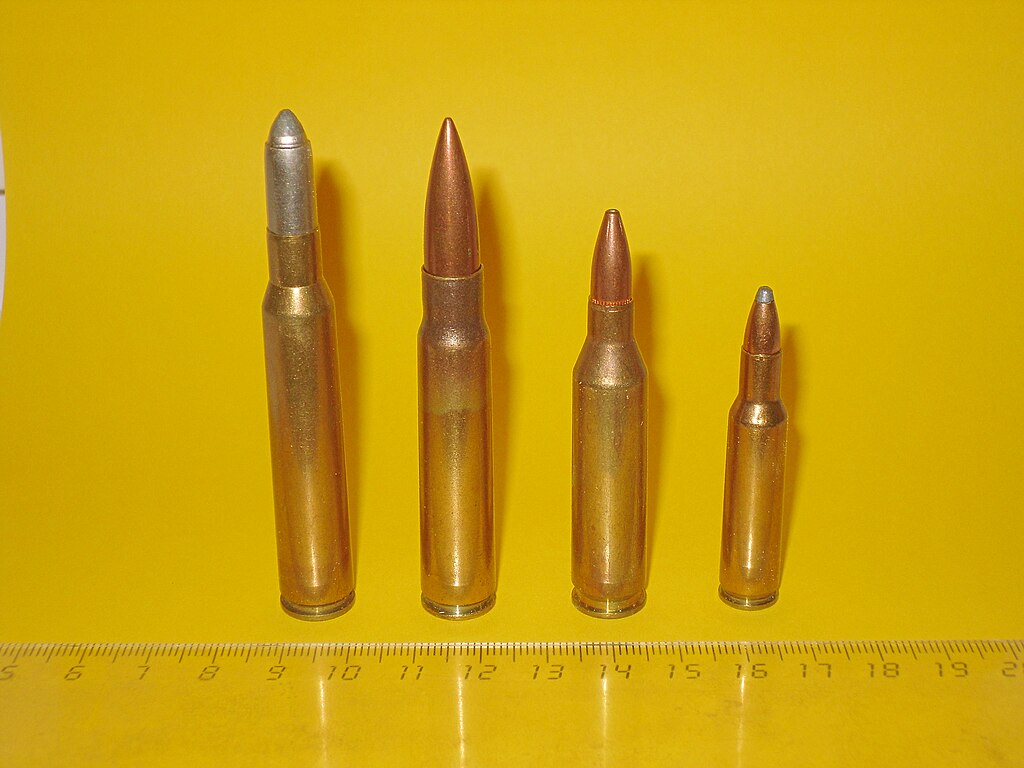
The classic .243 Winchester remained the biggest obstacle to the WSSM’s success. It offered proven reliability, widely available ammo, and excellent accuracy in nearly every rifle platform. While the WSSM was marginally faster, it didn’t translate to better hunting outcomes. The .243 Winchester also had superior barrel life and smoother feeding. In the end, tradition, familiarity, and practicality easily won over marginal ballistic advantages and flashy marketing claims.
What Went Wrong

The .243 WSSM wasn’t a bad idea; it was just ahead of its time. The technology behind short, fat cartridges was solid, but execution lagged. Overpressure issues, inconsistent rifle compatibility, and limited ammo availability doomed it from mass success. Add the public’s skepticism toward “new magnums,” and the round lost traction fast. What was meant to redefine efficiency ended up becoming a cautionary tale about marketing exceeding practical benefit.
Legacy and Lessons Learned
Today, the .243 WSSM stands as an intriguing footnote in ammunition history. It proved that innovation must be balanced with practicality; shooters need availability and durability more than sheer speed. Though it never replaced its predecessor, the design influenced future cartridge engineering and reminded gunmakers that not every technical leap translates to real-world success. For collectors and enthusiasts, the .243 WSSM remains a fascinating symbol of ambition and innovation gone slightly astray.