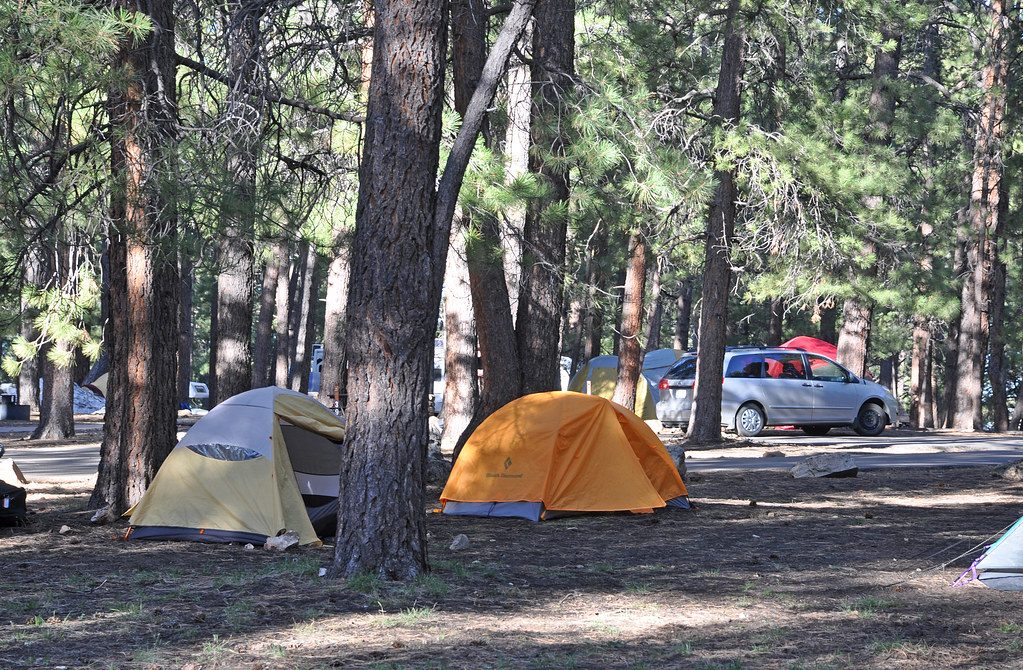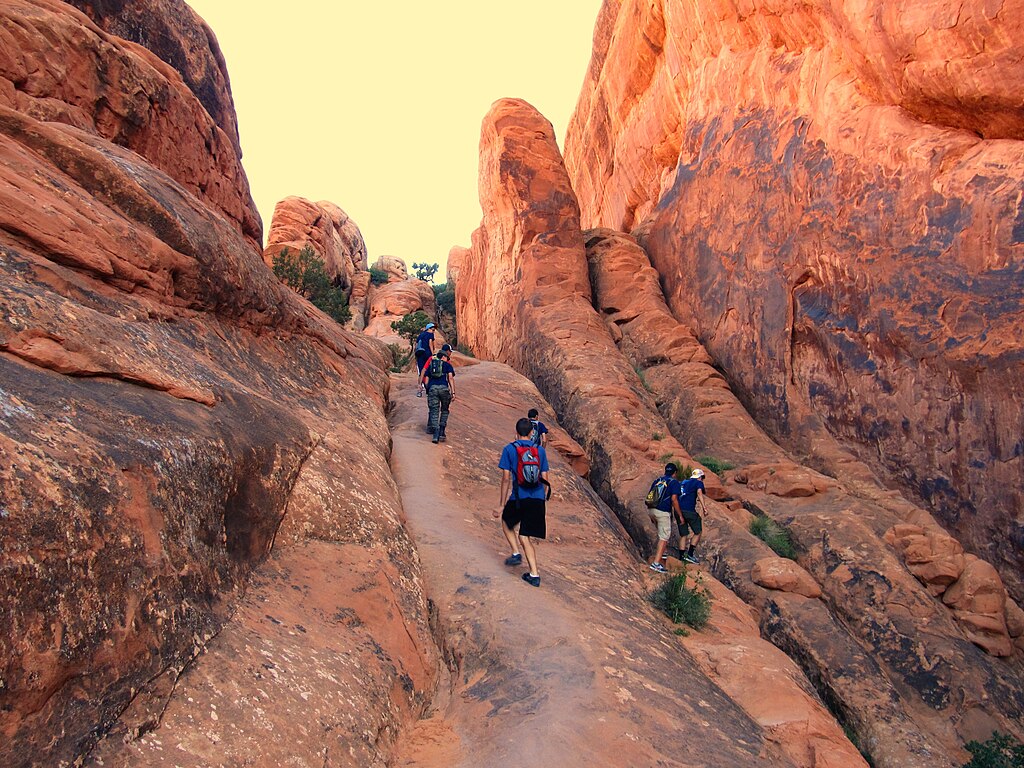
Survival training often emphasizes repetition, drills, and mastery, yet overtraining can create blind spots. People practice certain skills obsessively while neglecting context, adaptability, and decision-making under stress. When real situations unfold, rehearsed techniques sometimes remain unused or applied incorrectly. Muscle memory fails when conditions differ. These mismatches reveal that survival depends less on perfect execution and more on judgment. Understanding which skills are commonly overtrained helps redirect preparation toward flexible thinking, situational awareness, and practical application when circumstances deviate from controlled practice environments.
Fire By Friction
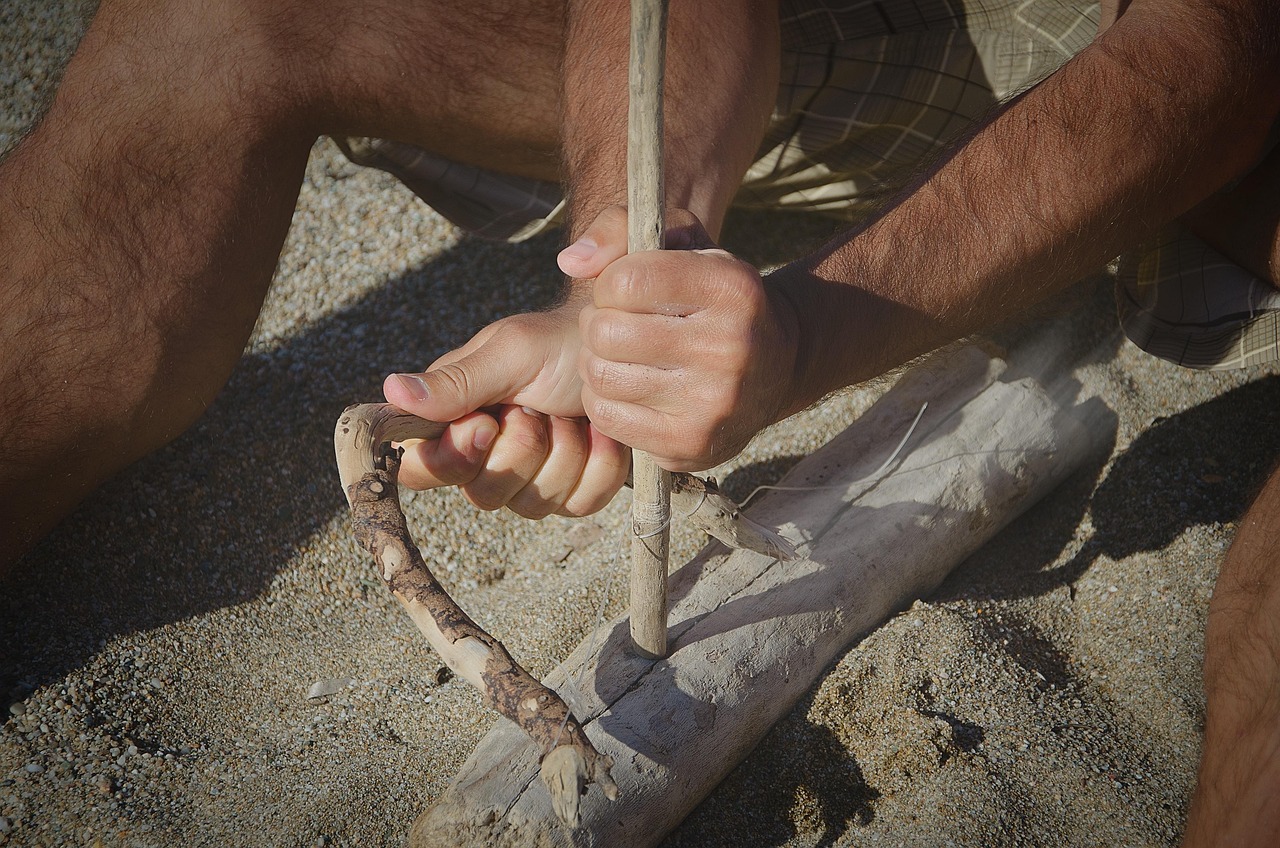
Fire by friction receives heavy focus in survival culture. People practice bow drills repeatedly in controlled settings. Materials are dry and prepared. In emergencies, conditions rarely cooperate. Hands shake from cold or stress, and time pressure increases mistakes. Lighters or matches often exist but remain unused due to fixation. Overtraining friction fire creates misplaced confidence. Real survival favors redundancy, conserving calories, and using the simplest ignition method available rather than proving technique under adverse conditions when survival situations demand efficiency over demonstration and rapid decision-making.
Knot Tying Mastery
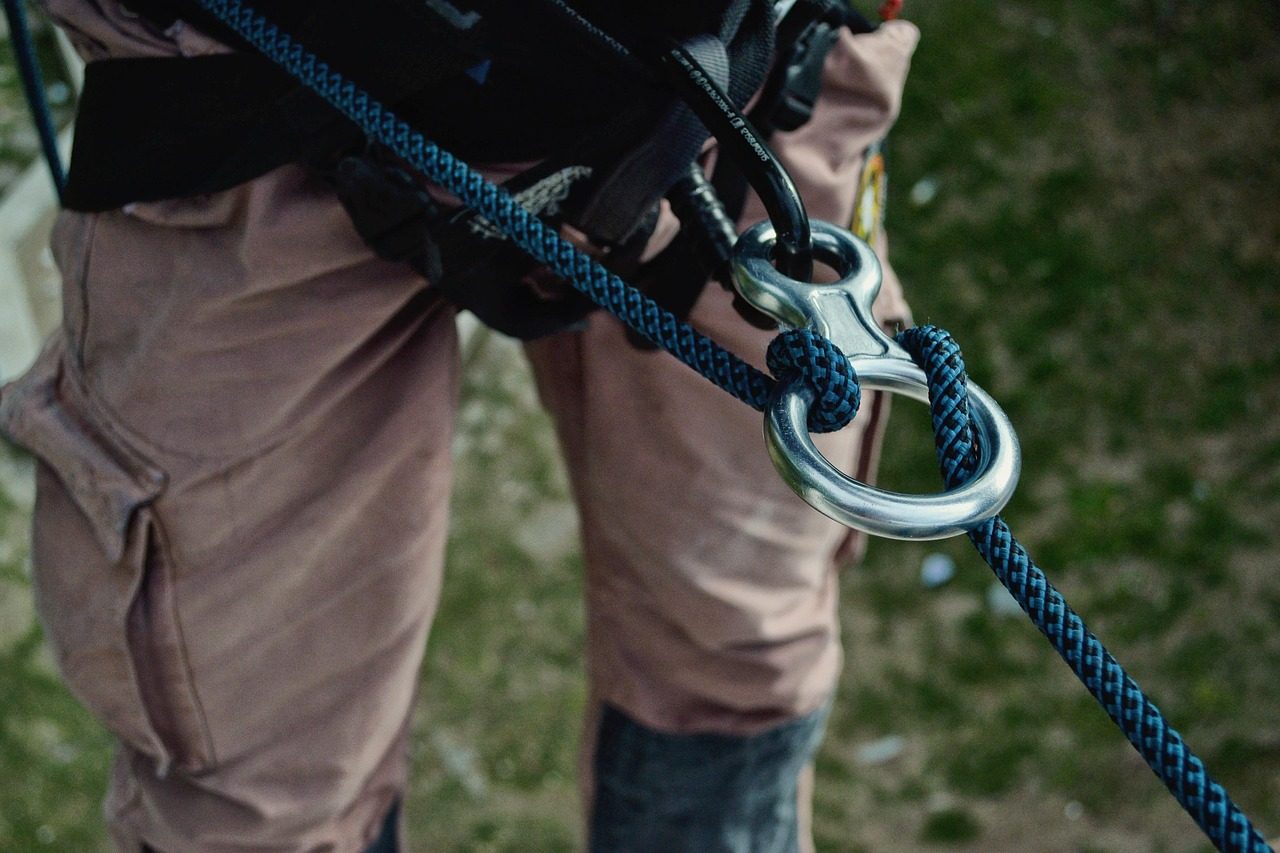
Knot-tying mastery becomes an obsession for many trainees. Dozens of knots get memorized and rehearsed. Practice happens calmly with a clean rope. Real scenarios introduce gloves, darkness, wind, and panic. Fingers lose dexterity. Remembering complex knots becomes difficult. Simple knots would suffice. Overtraining variety creates hesitation instead of speed. People freeze when choosing the correct knot. In emergencies, reliability matters more than elegance. Focusing on a few strong, versatile knots improves outcomes. Excessive knot knowledge often goes unused when stress demands quick, imperfect solutions that hold under pressure reliably.
Elaborate Shelter Building
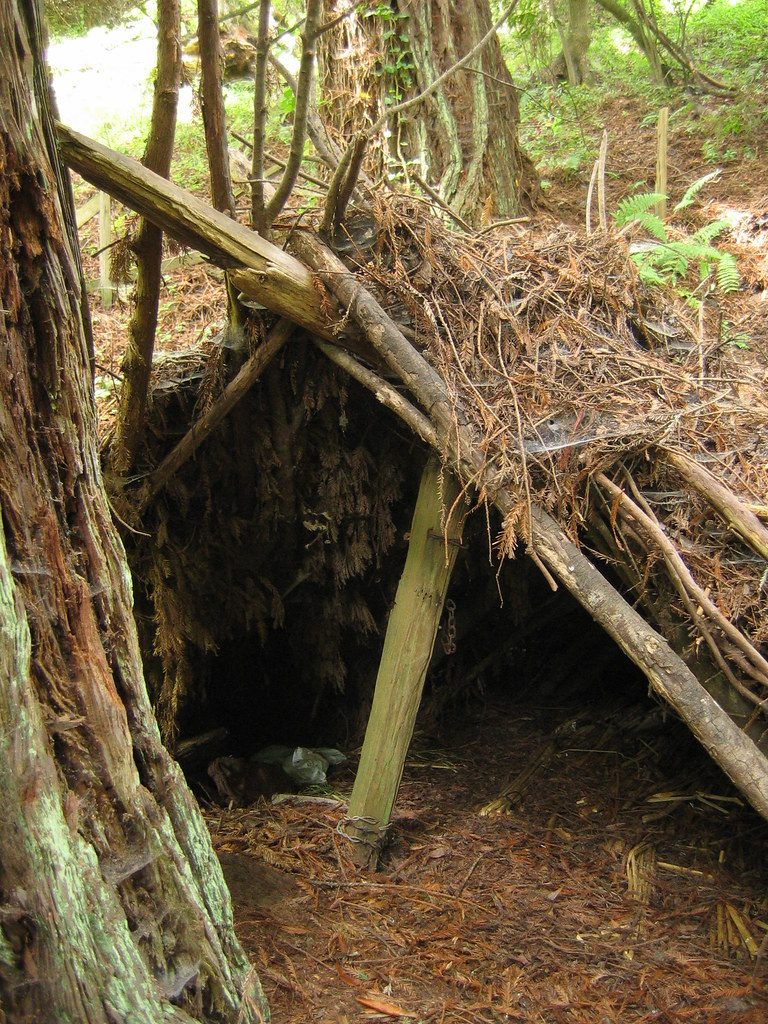
Shelter building often gets overtrained through elaborate designs. Lean tos, debris huts, and complex frames dominate instruction. Practice occurs with daylight, tools, and energy. Real emergencies limit time and strength. Darkness arrives quickly. Overbuilt shelters consume calories unnecessarily. People delay rest while perfecting structures. Simpler windbreaks would suffice. Overtraining complex shelters creates unrealistic expectations. Survival prioritizes insulation, dryness, and speed. Quick, minimal shelter often outperforms elaborate designs that remain unfinished or abandoned when exhaustion and exposure escalate rapidly.
Star Navigation

Star navigation fascinates survival enthusiasts. People memorize constellations and celestial movement. Practice happens in clear skies. Emergencies rarely cooperate with the weather. Cloud cover obscures stars. Dense forests block views. Stress impairs recall. Night navigation increases risk. Overtrained star skills become unusable. Ground-based navigation often remains available. Terrain, slope, and water flow offer clues. Overreliance on stars delays safer decisions. Survival favors staying put, daylight movement, and terrain reading over complex celestial techniques that require ideal conditions rarely present when people become lost.
Primitive Trapping

Primitive trapping receives heavy attention in survival media. People practice snares and deadfalls meticulously. Instruction assumes abundant time and calm focus. Real survival limits patience. Animals avoid disturbed areas. Traps require monitoring and knowledge. Energy spent setting traps rarely pays off. Overtraining trapping creates false expectations of food security. Many fail to deploy traps correctly when stressed. Survival calories matter early. Foraging, signaling, or rationing supplies often proves more effective than relying on trapping skills that demand time, luck, and experience rarely available immediately.
Signal Mirror Use

Signal mirror use often appears simple during training. Practice occurs in open fields with clear sunlight. Real emergencies include trees, clouds, and uneven terrain. Aiming becomes difficult. Hands shake. Targets move. Overtraining mirror signaling ignores alternatives. Smoke, sound, or ground signals may work better. Fixation on mirrors delays other methods. Survival signaling benefits from redundancy. Multiple techniques increase visibility. Overemphasizing mirrors causes frustration when conditions fail. Effective survival signaling adapts to the environment, light availability, and rescuer proximity rather than relying on one rehearsed tool.
DIY Water Filtration
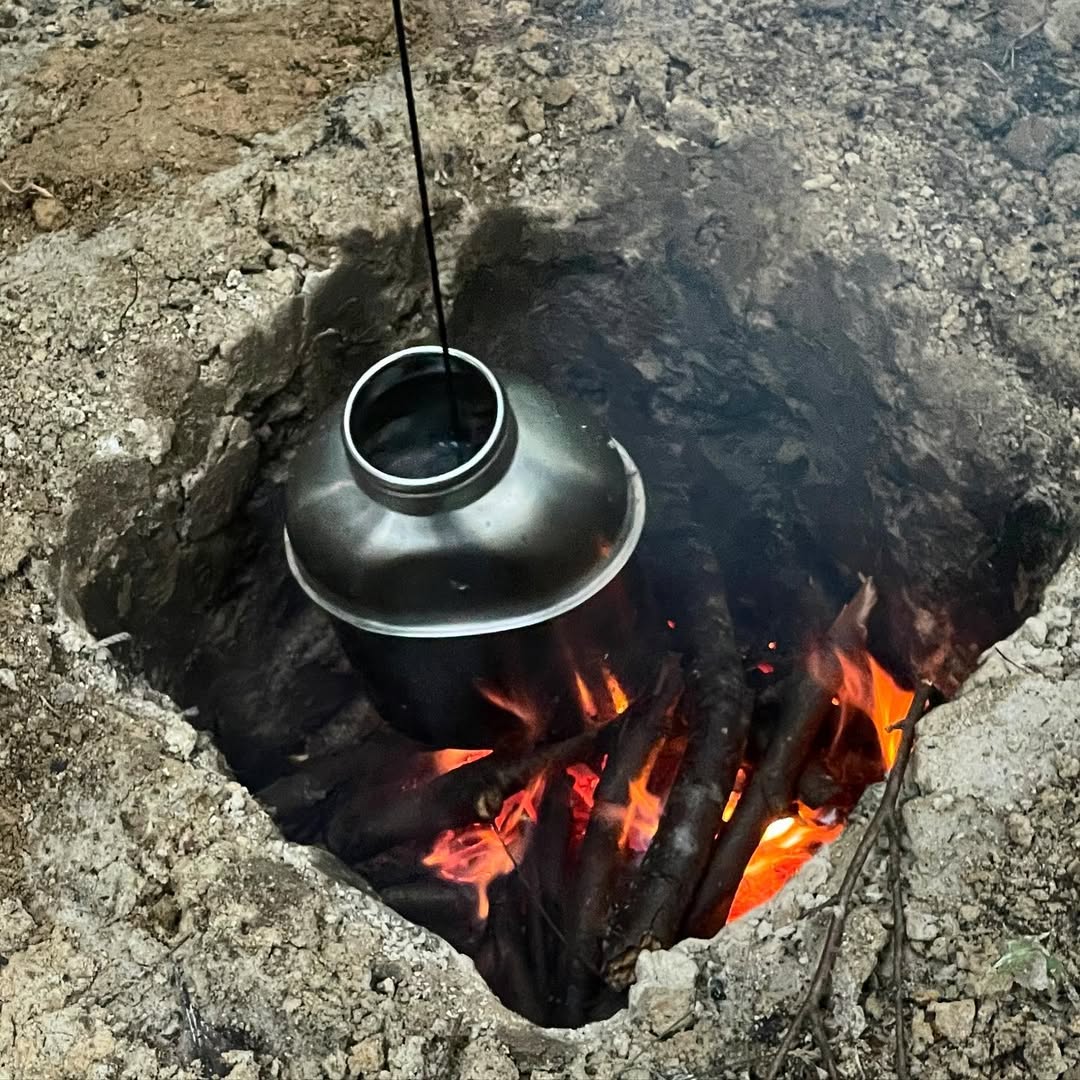
DIY water filtration receives intense focus. People build filters from sand, charcoal, and cloth. Training occurs with clean materials. Real environments lack ideal components. Filtration alone does not remove pathogens. People drink untreated water, believing filters suffice. Survival water priorities favor boiling, chemical treatment, or carrying purification tablets. Overconfidence in improvised filters leads to misuse. Understanding limitations matters more than construction skill. Effective survival emphasizes reliable purification methods rather than aesthetic filtration systems assembled under unrealistic practice conditions.
Edible Plant Identification

Edible plant identification becomes a memorization exercise. People study guidebooks and photos. Practice occurs without pressure. Real environments vary by season. Plants look different when stressed or damaged. Misidentification risks poisoning. Stress impairs recall accuracy. Overtraining plant ID encourages foraging when unnecessary. Early survival calories rarely justify risk. Carried food often exists. Survival prioritizes hydration and shelter first. Plant knowledge remains valuable long term, but overconfidence causes mistakes when conditions, lighting, or plant maturity differ from training examples.
Weapon Retention Techniques
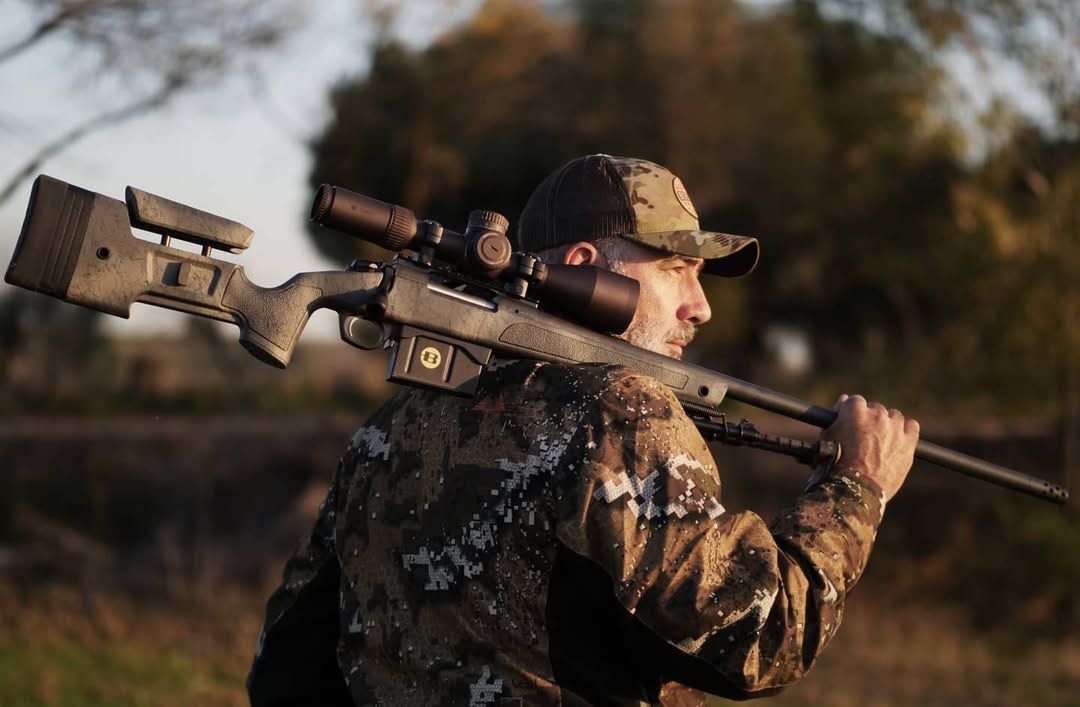
Weapon retention techniques receive heavy repetition in courses. Practice occurs with partners and predictable movements. Real altercations involve surprise and chaos. Terrain complicates movement. Overtraining retention drills creates tunnel vision. People focus on techniques instead of avoidance. In survival contexts, disengagement matters more. Carrying weapons does not guarantee control. Overreliance delays escape or signaling. Survival prioritizes safety, distance, and de-escalation. Retention skills may help briefly, but fixation on them often prevents better options when stress disrupts precise movements and coordination.
Advanced First Aid Procedures
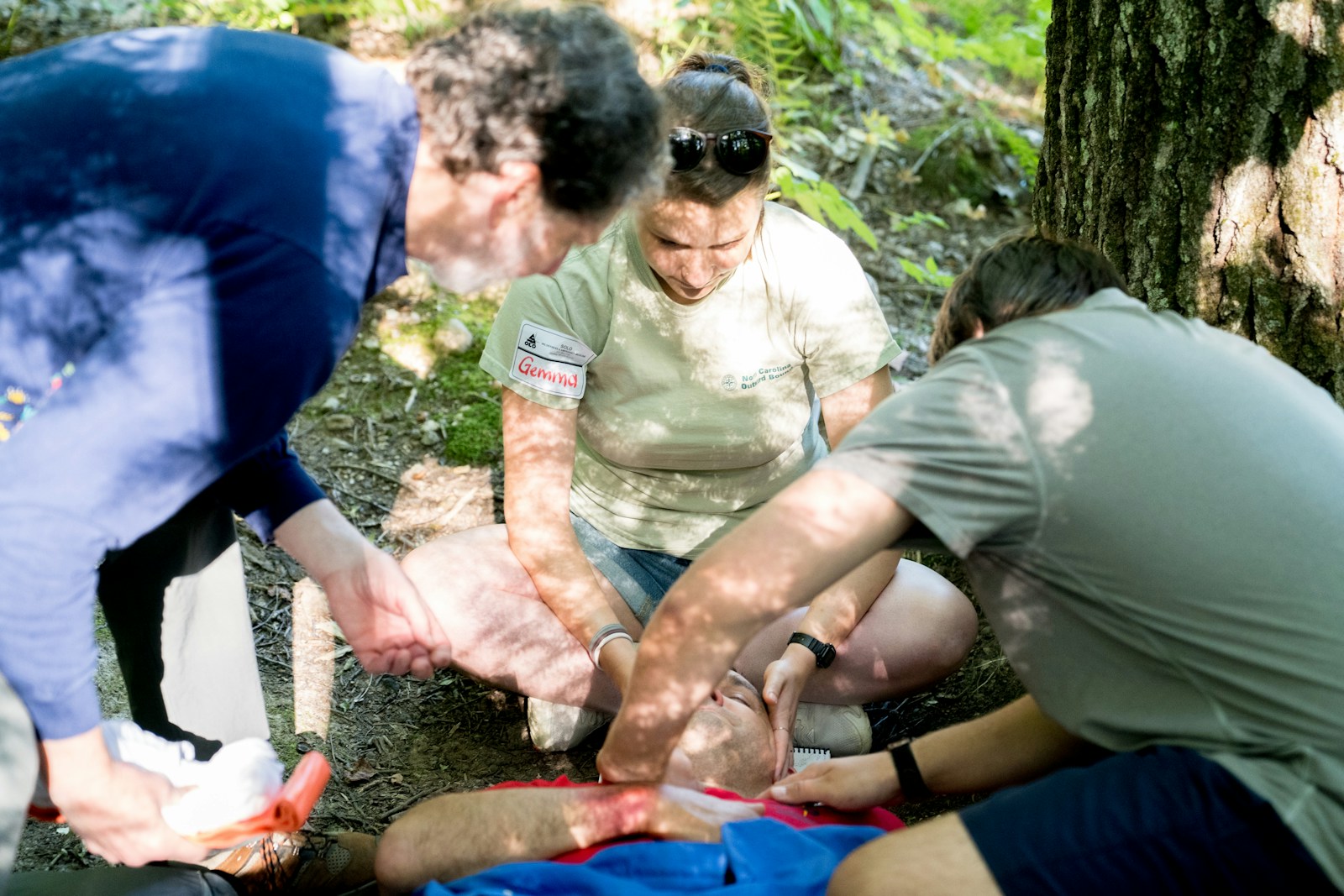
Advanced first aid procedures attract serious focus. People memorize complex interventions. Training happens calmly with supplies. Real emergencies limit tools and time. Stress disrupts sequencing. Overtraining advanced care overshadows basics. Bleeding control, airway management, and shock prevention matter most. People freeze recalling advanced steps. Simple actions save lives. Survival medicine prioritizes stabilization, not perfection. Carrying first aid gear matters more than memorizing rarely used techniques. Overconfidence in advanced skills delays calling for help or applying basic care immediately.
Perfect Gear Packing
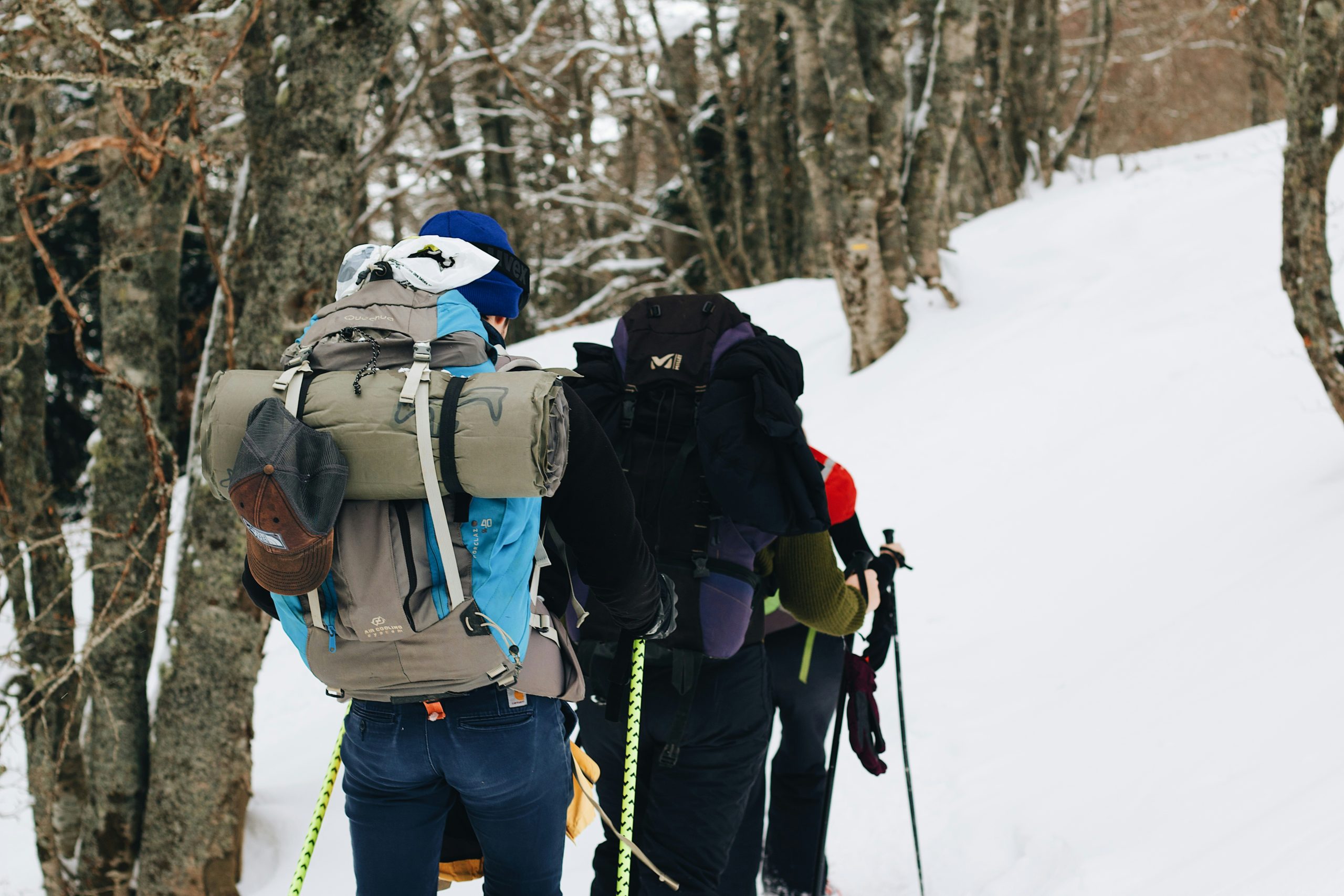
Perfect gear packing becomes a fixation. People rehearse loadouts meticulously. Practice occurs before trips. Real emergencies involve lost packs or damaged gear. Overtraining packing creates dependence. When gear disappears, panic rises. Survival requires improvisation. Knowledge matters more than equipment. People hesitate without ideal tools. Simpler skills remain unused. Effective survival prioritizes adaptability. Overpacking also increases fatigue. Understanding priorities helps when gear fails. Packing discipline matters, but overreliance prevents creative problem-solving when equipment becomes unavailable or inaccessible.