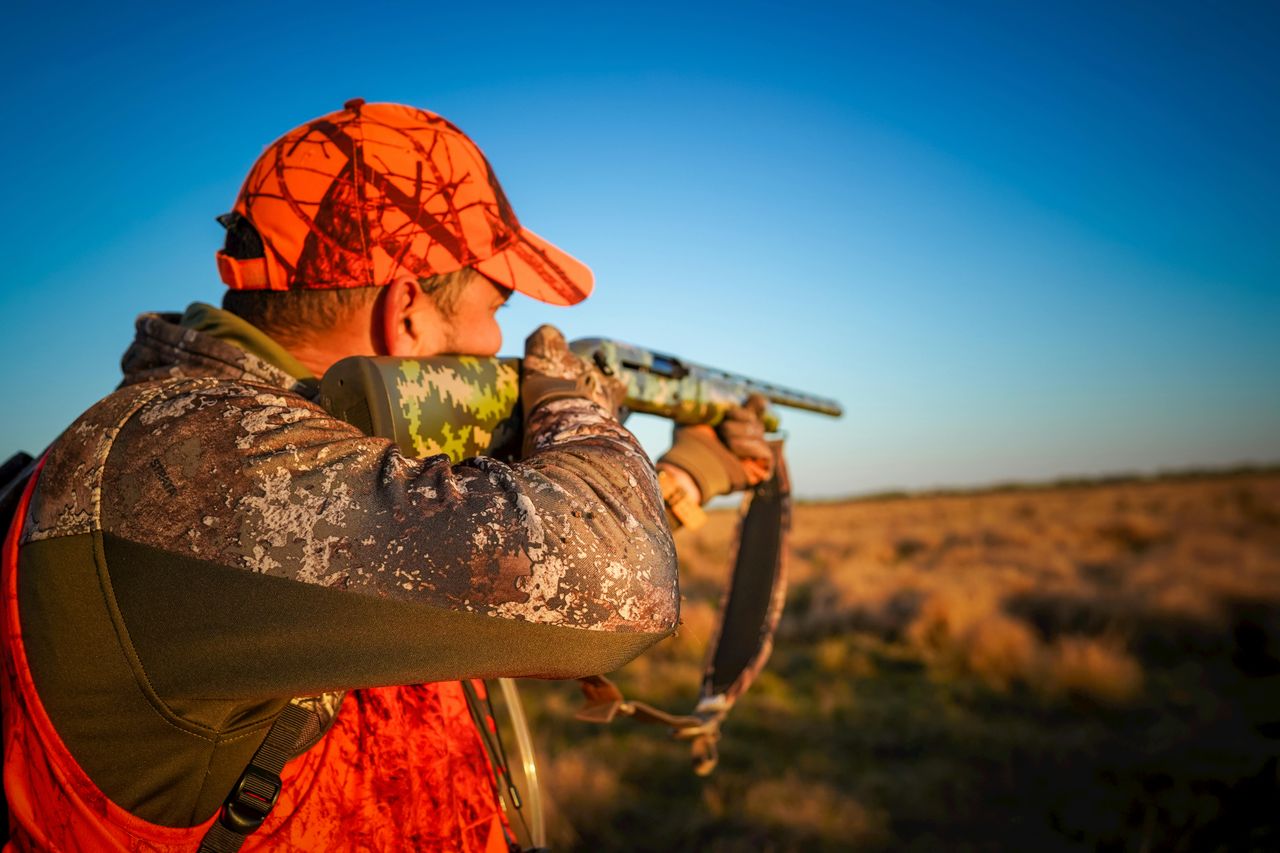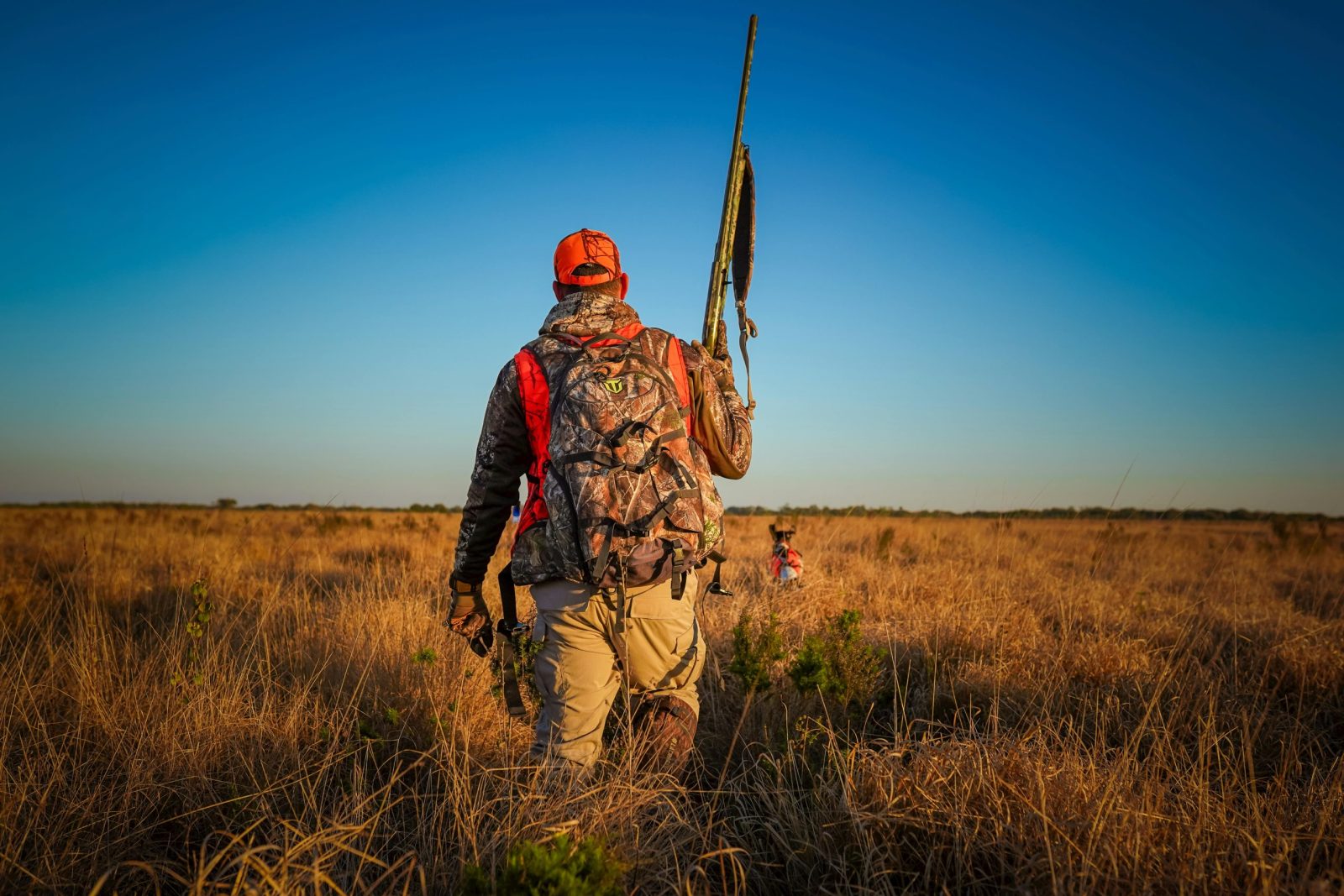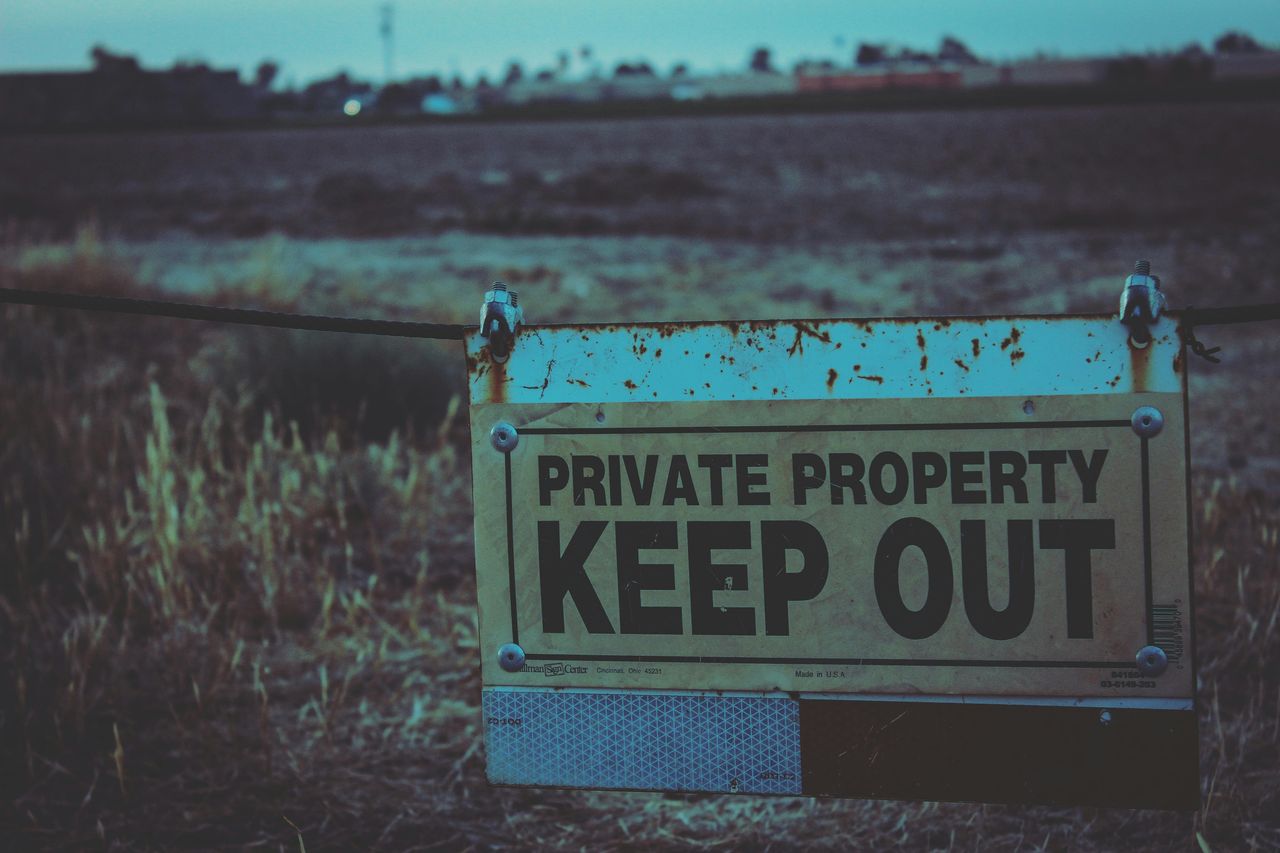
Property owners tend to think hunting trespass is obvious until a real dispute starts. That is when assumptions about fences, signs, wounded game, and liability collide with state law.
Private land does not automatically mean simple enforcement
A lot of owners believe that if land is clearly private, any hunter who steps onto it is automatically committing the same kind of offense in every state. That is one of the biggest misunderstandings. Trespass law is heavily state-specific, and hunting rules often sit on top of general trespass statutes rather than replacing them.
In New York, for example, the Department of Environmental Conservation says hunters may not enter private property without permission, may not use private property to reach public land, and may not pursue wounded game onto private land without consent. The agency also makes clear that trespass can be illegal even on unposted land. That surprises owners who assume a missing sign means weaker rights.
Other states take slightly different approaches on notice and posting. Pennsylvania recognizes purple paint, posted signs, and verbal commands as ways to warn people off property, according to the Pennsylvania Game Commission digest. In other words, the owner’s rights may be strong, but the proof of notice still matters when the case reaches an officer, prosecutor, or judge.
The practical lesson is simple: landowners should stop thinking in broad national terms. Hunting trespass is not one rule. It is a mix of criminal law, wildlife regulation, and local enforcement practice, and the details can change dramatically once a case moves from the field into court.
Signs help, but they do not solve everything
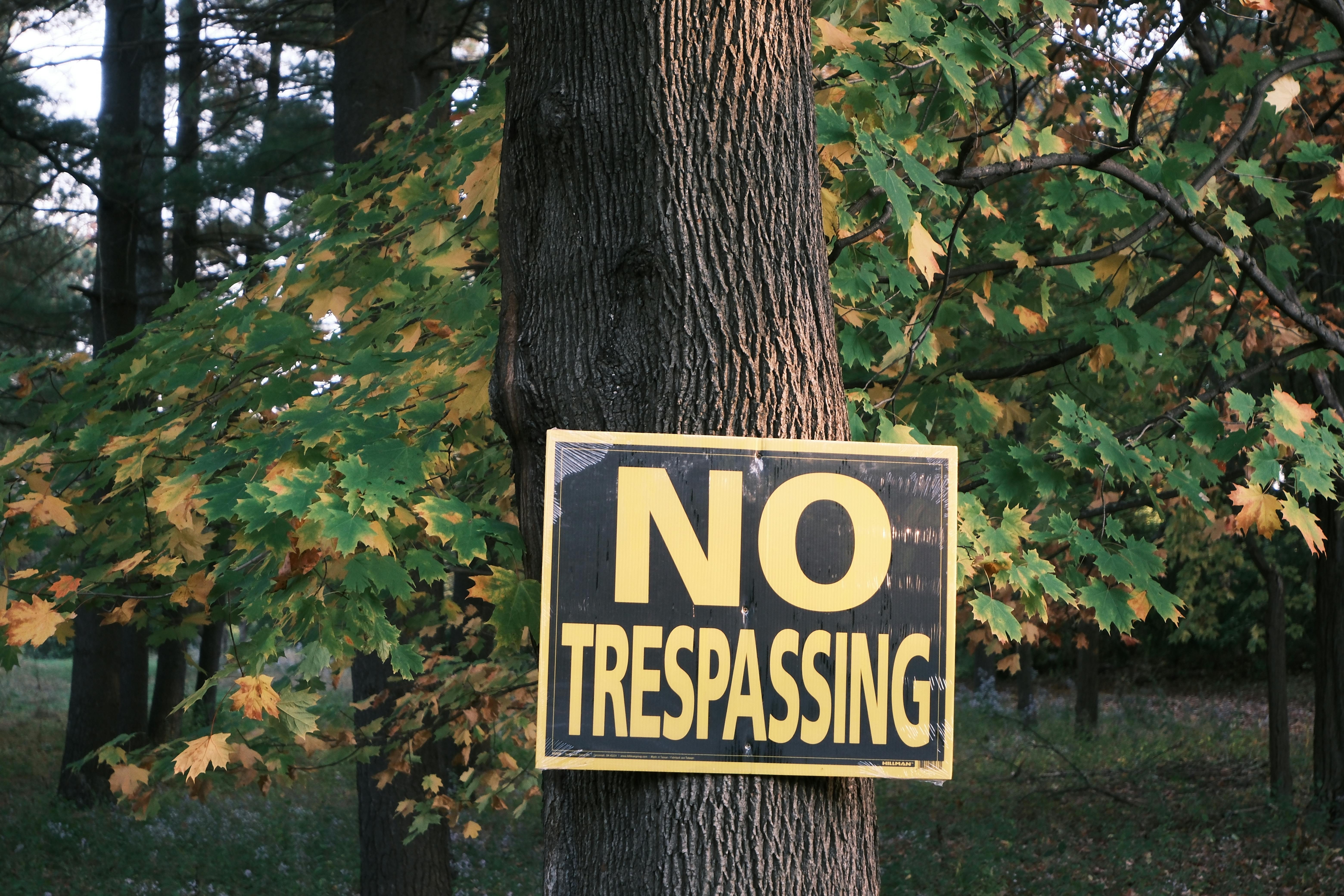
Many owners overestimate what a “No Trespassing” sign actually does. A sign is useful, and in some states it is essential evidence, but it is not a magic shield that instantly creates a clean prosecution. Officers still need to identify the person, verify where the boundary was crossed, and show the hunter had notice or ignored a lawful order to leave.
That is why posting strategy matters more than many people realize. Signs should be visible at common entry points, gates, trail openings, field edges, and corners where someone might plausibly claim confusion. Some states also recognize purple paint markings, which can be easier to maintain than paper or metal signs in wooded areas or along long property lines.
There is another common misunderstanding: owners think signs control projectile travel. They do not. Texas Parks and Wildlife specifically prohibits knowingly discharging a firearm so a projectile crosses a property line without the proper ownership or written permission. That means a hunter can create legal exposure without physically setting foot on the neighboring tract.
For property owners, that distinction is important. A trespass problem is not always about boots on the ground. It can also involve shots fired across boundaries, access by ATV on private roads, dogs entering land, or equipment left behind. Clear posting helps, but documentation, boundary marking, and incident reporting often matter just as much.
Permission is broader and more fragile than owners think
Property owners often assume permission is binary: either they gave it or they did not. In practice, permission can be limited by place, time, method, guest status, and even species. A hunter who had permission last season may not have permission this season. A hunter invited to deer hunt one field may still be trespassing if he crosses into another section or brings extra people.
This becomes especially messy when access is informal. A handshake agreement made years ago can turn into a dispute when ownership changes, family members disagree, or a tenant and a landowner give conflicting instructions. Verbal permission may be legally valid in some places, but written permission is much easier to enforce when memories differ.
Michigan’s hunting regulations illustrate another nuance owners miss: written or verbal permission is required before hunting many categories of private land, but the rules also carve out specific situations such as entering on foot without a firearm solely to retrieve a hunting dog, unless the landowner has previously prohibited it. Owners who assume every animal-related entry is criminal may be mistaken.
That is why smart owners define access in writing. They spell out who may enter, for what purpose, on which dates, by what route, with what vehicles, and whether guests, dogs, blinds, tree stands, or game retrieval are allowed. Good paperwork prevents more conflict than angry phone calls ever will.
Wounded game does not give hunters an automatic right to enter
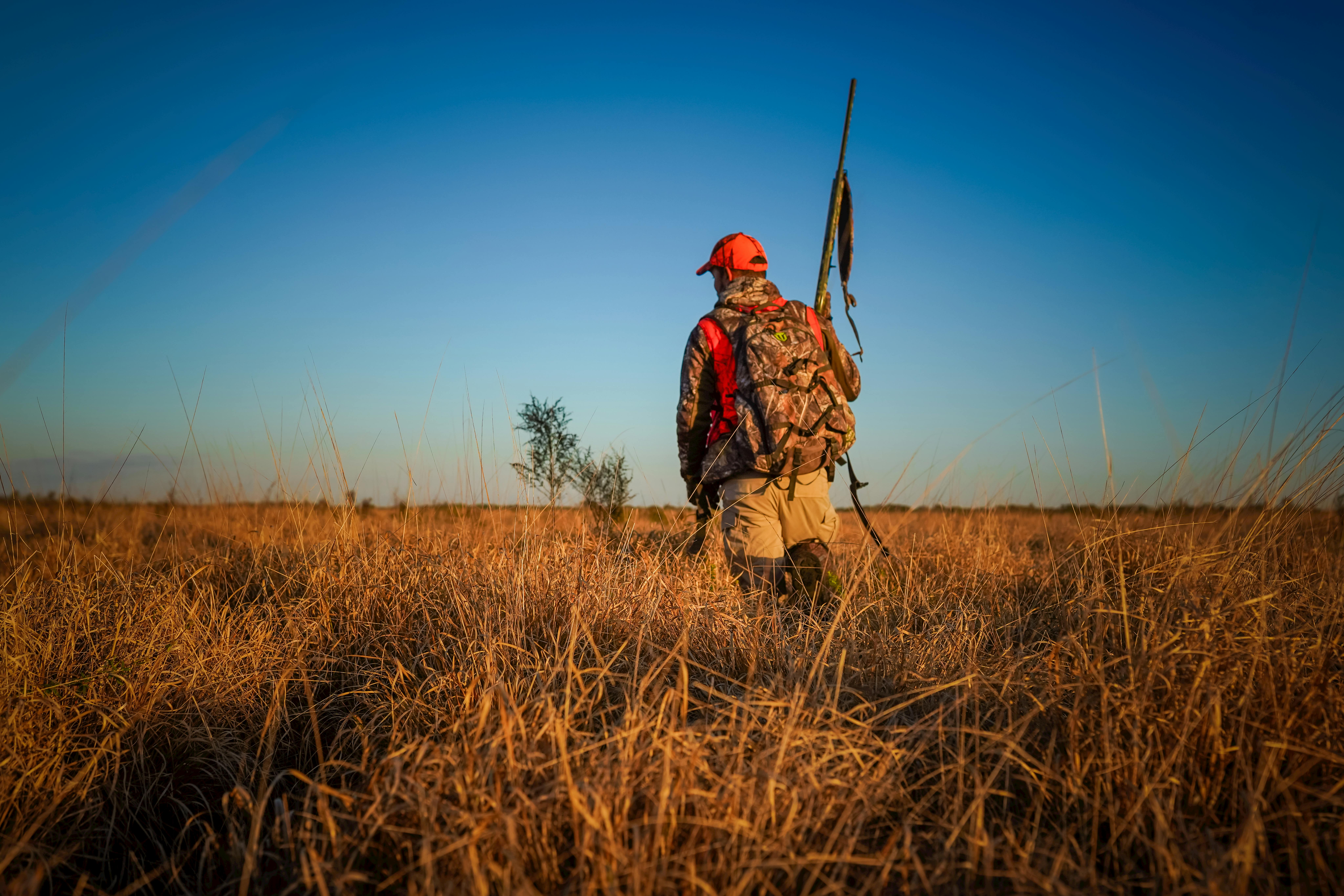
One of the most emotionally charged disputes happens when a deer, turkey, or other game crosses onto neighboring land after being hit. Many hunters believe they have a moral right to retrieve that animal. Many landowners believe they can simply forbid entry under all circumstances. Legally, the answer usually depends on state law, but in many states the landowner’s consent still controls access.
New York states plainly that a hunter must obtain permission before entering private land to track or recover wounded game, and the DEC cannot force a landowner to allow entry. Michigan says something very similar: if wounded game goes onto private property, the hunter has no legal right to pursue it without permission and may face trespass prosecution.
That surprises owners who assume game wardens can step in and order access. In many jurisdictions, they cannot. The officer may document the dispute, explain the law, or investigate if someone illegally takes possession of the animal, but that is different from compelling a landowner to admit a hunter onto the property.
The misunderstanding cuts both ways. Refusing access may be legal, but it can inflame neighbor relations fast, especially in rural communities where access traditions are long-standing. Owners should decide their retrieval policy before season starts, communicate it clearly, and apply it consistently so that a stressful field decision does not become a full-blown feud.
Liability fears are often exaggerated, but not imaginary
A major reason owners say no to hunters is fear of being sued if someone gets hurt. That fear is understandable, but it is often overstated. Many states have recreational use statutes that limit liability when landowners allow free recreational access, including hunting. According to Penn State Extension, Pennsylvania’s Recreational Use statute can protect landowners who allow access without charging a fee, though not for intentional, willful, or malicious conduct.
That protection is helpful, but it is not unlimited. Once an owner charges for access, joins a lease arrangement, or ignores known dangers, the legal analysis changes. Fee-based access can move the relationship closer to a business arrangement, which can reduce statutory immunity and increase expectations about safety disclosures, maintenance, and warnings.
This is where many owners misunderstand risk. They think the law either gives full immunity or none at all. In reality, liability often turns on details such as whether money changed hands, whether the hazard was concealed, whether the owner acted recklessly, and whether the injured person was permitted to be there in the first place.
The better approach is not panic or blind trust. It is risk management. Owners should maintain insurance appropriate to the property use, document permission agreements, disclose unusual hazards, set vehicle and firearm rules, and talk to a local attorney or insurer before opening land for regular hunting access.
Enforcement usually depends on evidence, not outrage
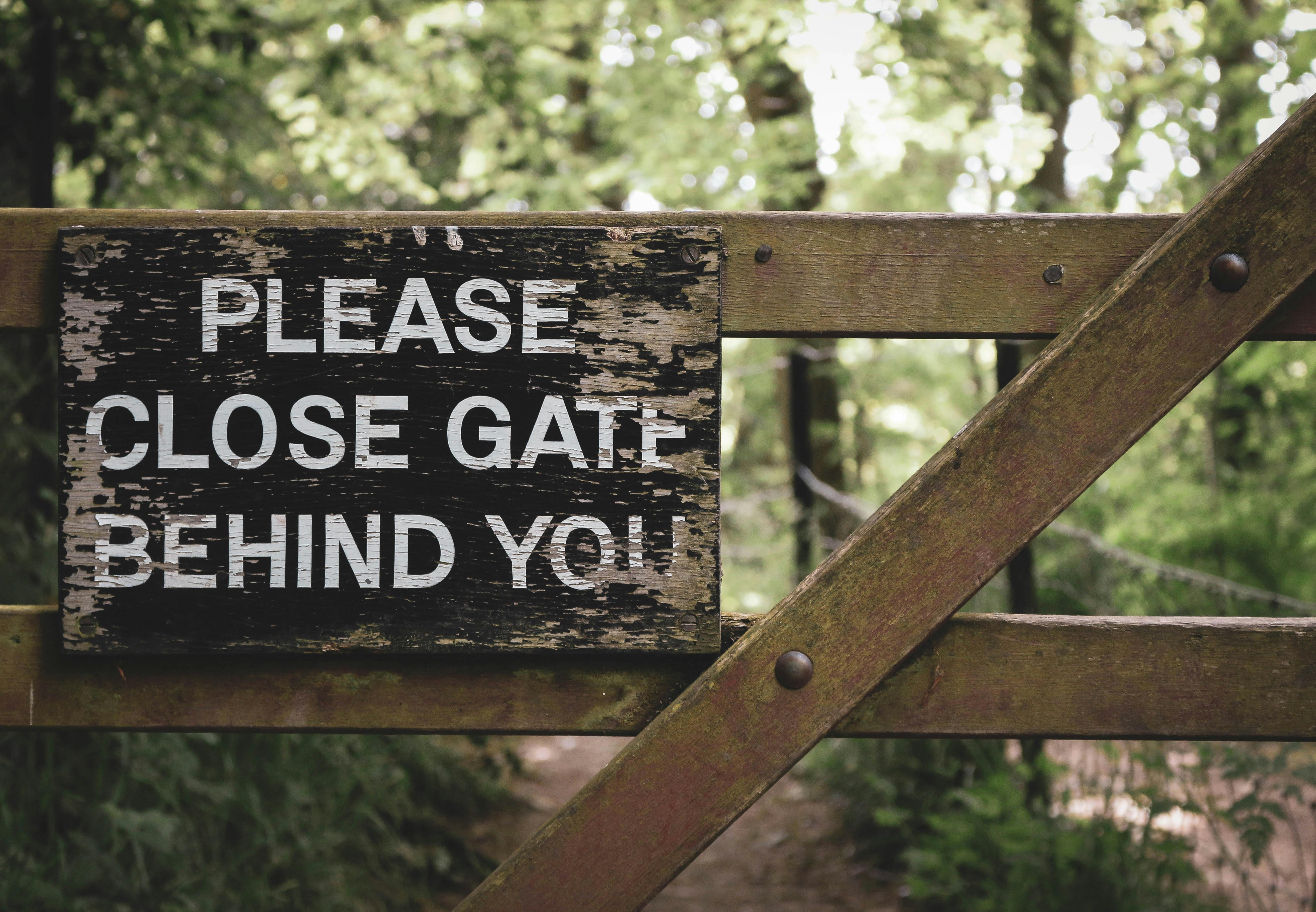
Property owners often assume that once they report a trespassing hunter, law enforcement can take over and fix everything. Sometimes that happens. Often it does not, at least not quickly. Officers need specific evidence: where the line is, who crossed it, whether permission existed, whether the land was posted, what time it happened, and whether there are witnesses, photos, video, shell casings, tire tracks, or license plate information.
South Carolina’s Department of Natural Resources even runs a Property Watch program focused on prevention, documentation, and the use of criminal and civil law when unethical hunters invade private property. That reflects a broader truth: successful enforcement usually starts long before the incident, with preparation by the landowner.
Technology helps. Trail cameras at gates and access trails, visible boundary markers, saved text messages about permission, and incident logs can turn a murky accusation into a clean case. So can practical steps like naming authorized users, locking farm lanes, and preserving recordings rather than confronting armed strangers in the field.
Owners also need realistic expectations. Not every complaint ends in arrest, and some problems are better addressed with a warning letter, civil claim, or a direct notice revoking access. The strongest position is not anger. It is a calm, well-documented record that makes denial and excuse much harder.
The smartest landowners treat hunting access like a policy, not a favor

The biggest misconception of all is that hunting access can be managed casually forever. It usually cannot. As land values rise, rural land changes hands, and more recreation pressure lands on private property, informal traditions break down. What used to be settled with a nod at the feed store now often requires written rules, clearer boundaries, and more active management.
Owners who do this well think like risk managers. They decide whether the property is closed, selectively open, leased, or available only by written permission. They specify whether access includes dogs, game retrieval, stands, baiting where legal, vehicle use, guest privileges, and shooting near homes, livestock, roads, or neighboring lines.
They also understand that communication prevents conflict. A posted policy, a consistent answer to permission requests, and a clear process for reporting wounded game or retrieving dogs can reduce friction before opening day. According to New York DEC guidance and state agency practices elsewhere, prevention is usually more effective than trying to untangle a trespass dispute after shots are fired.
In the end, the owners with the fewest problems are rarely the loudest. They are the clearest. They know their state rules, mark boundaries carefully, document permission, and make sure everyone understands that private land rights are strongest when they are exercised deliberately rather than assumed.