A great property dog does more than bark at the fence. The best ones combine instinct, judgment, trainability, and a stable mind.
What makes a dog truly good at guarding property

A real property guardian is not simply a large dog with a deep bark. According to the American Kennel Club, the breeds most associated with guarding tend to be loyal, fearless, strong, and watchful, but those traits only help when they are matched with control. A dog that reacts to every passing sound is noisy, not necessarily useful. The goal is a dog that notices unusual activity, reads context well, and settles when the threat is gone.
That distinction matters because many people confuse alert dogs with guard dogs. Plenty of breeds will sound an alarm when someone approaches the house, yet only some have the confidence and protective instinct to stand their ground. Working breeds in particular were developed for tasks that included guarding property, livestock, and family members, which is why they dominate this conversation.
Temperament is also shaped by upbringing. The RSPCA notes that even dogs from very defensive guarding lines do not automatically become aggressive if they are raised well, socialized early, and trained responsibly. That is the sweet spot for homeowners: a dog with natural protective instincts that is still safe, manageable, and clear-headed around family, guests, and routine neighborhood life.
German Shepherds and Dobermans are the classic all-around protectors
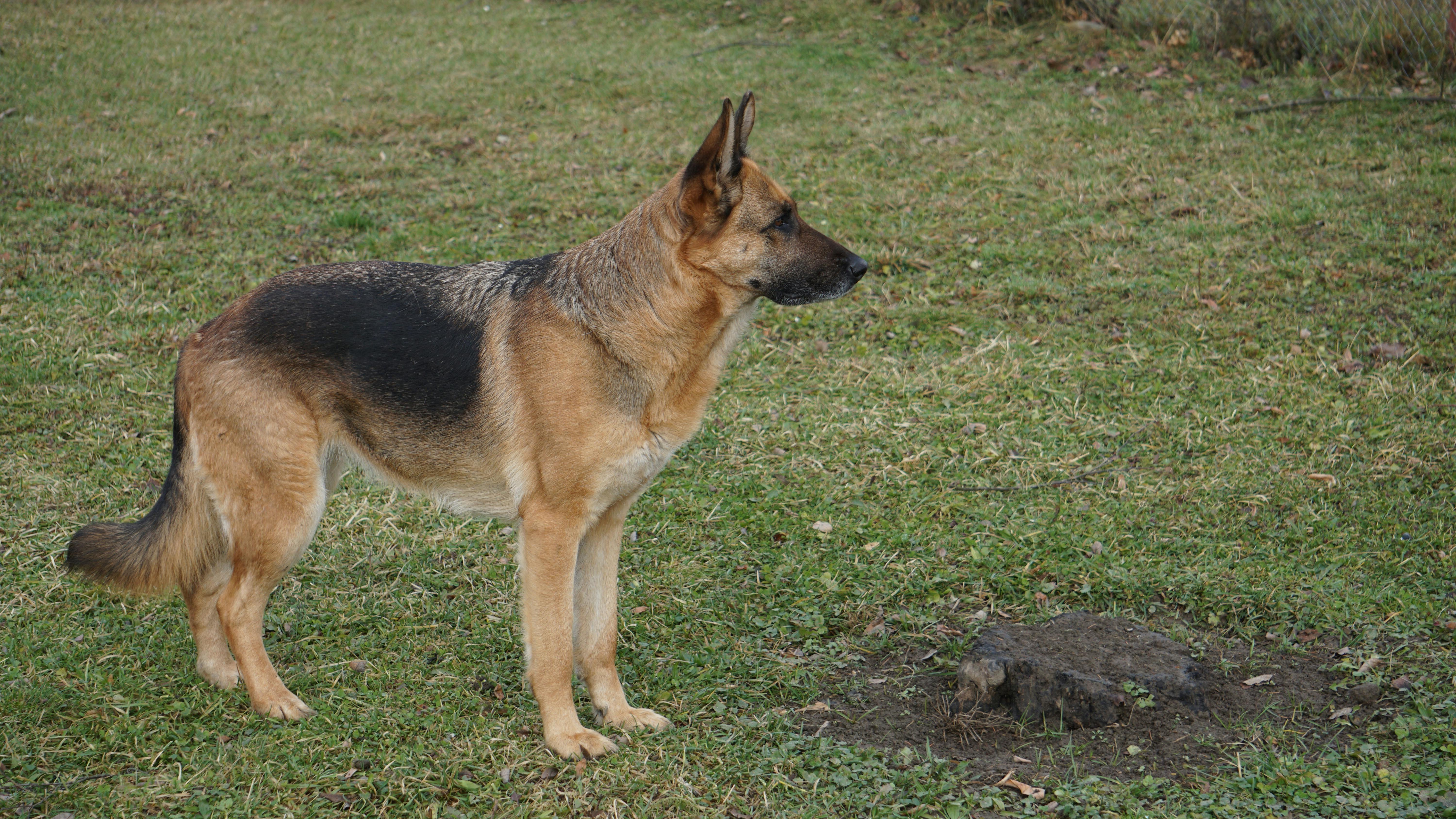
If you want the most balanced mix of deterrence, intelligence, and trainability, the German Shepherd and the Doberman Pinscher remain the two most dependable choices. Both breeds are athletic, highly responsive to handlers, and widely used in demanding roles that require nerve and decision-making. They are not just intimidating to look at; they are also built to learn patterns, patrol routines, and household boundaries quickly.
German Shepherds appeal to many owners because they can shift roles with ease. A well-bred Shepherd can be affectionate with children, serious with strangers, and highly engaged in training. That versatility is why the breed shows up so often in police, military, and security work. For suburban property owners, it is one of the best fits because it combines a visible deterrent with real working ability.
Dobermans are often even sharper in their responsiveness. Leaner and faster than many mastiff-type guardians, they are excellent for owners who want a dog that is vigilant and deeply bonded to its household. Their advantage is precision: they tend to be quick to detect changes, quick to move, and quick to look to their person for direction. In the right home, that makes them exceptional estate and property dogs rather than blunt-force bark machines.
Rottweilers, Bullmastiffs, and Cane Corsos bring serious presence
Some owners want a dog whose appearance alone discourages unwanted visitors, and this is where the heavier guardian breeds shine. Rottweilers, Bullmastiffs, and Cane Corsos bring mass, confidence, and natural territorial seriousness. The AKC includes all three among breeds commonly recognized for guarding, and it is easy to understand why. These dogs project power before they ever make a sound.
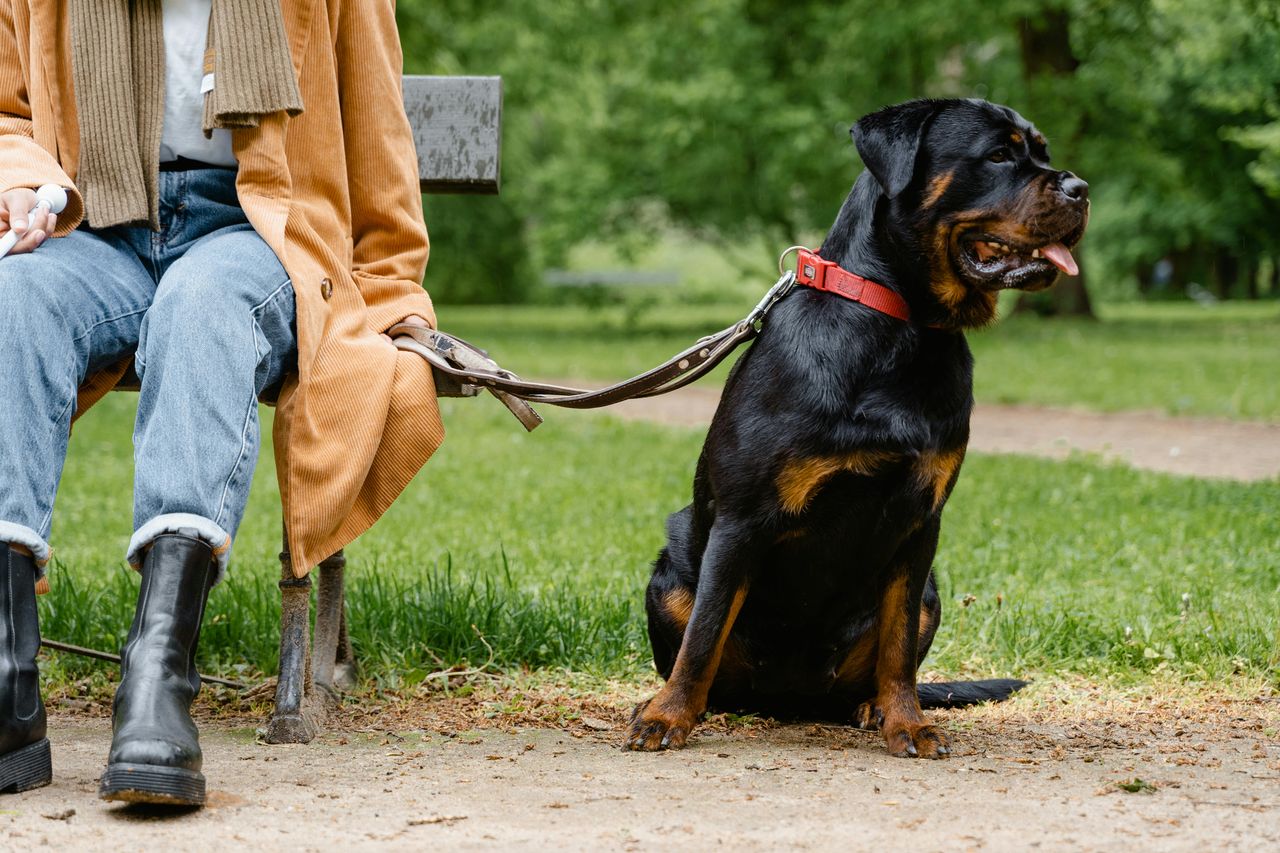
The Rottweiler may be the most balanced of the three for experienced families. Good ones are calm, observant, and not wasteful with energy. They do not need to create drama to control space. That steady presence is exactly what many people want on a property line, driveway, or front entry, especially in homes where the dog also needs to live closely with the family.
Bullmastiffs and Cane Corsos lean even more into the role of physical deterrent. Bullmastiffs were historically valued for tracking and holding intruders, and even today they tend to have a naturally blocking style. Cane Corsos are more athletic and often more intense, which can make them excellent guardians in rural or large-lot settings. The trade-off is that both demand confident handling, careful socialization, and owners who understand that power without structure is a liability.
Great Pyrenees and Anatolian Shepherds excel on larger or rural properties
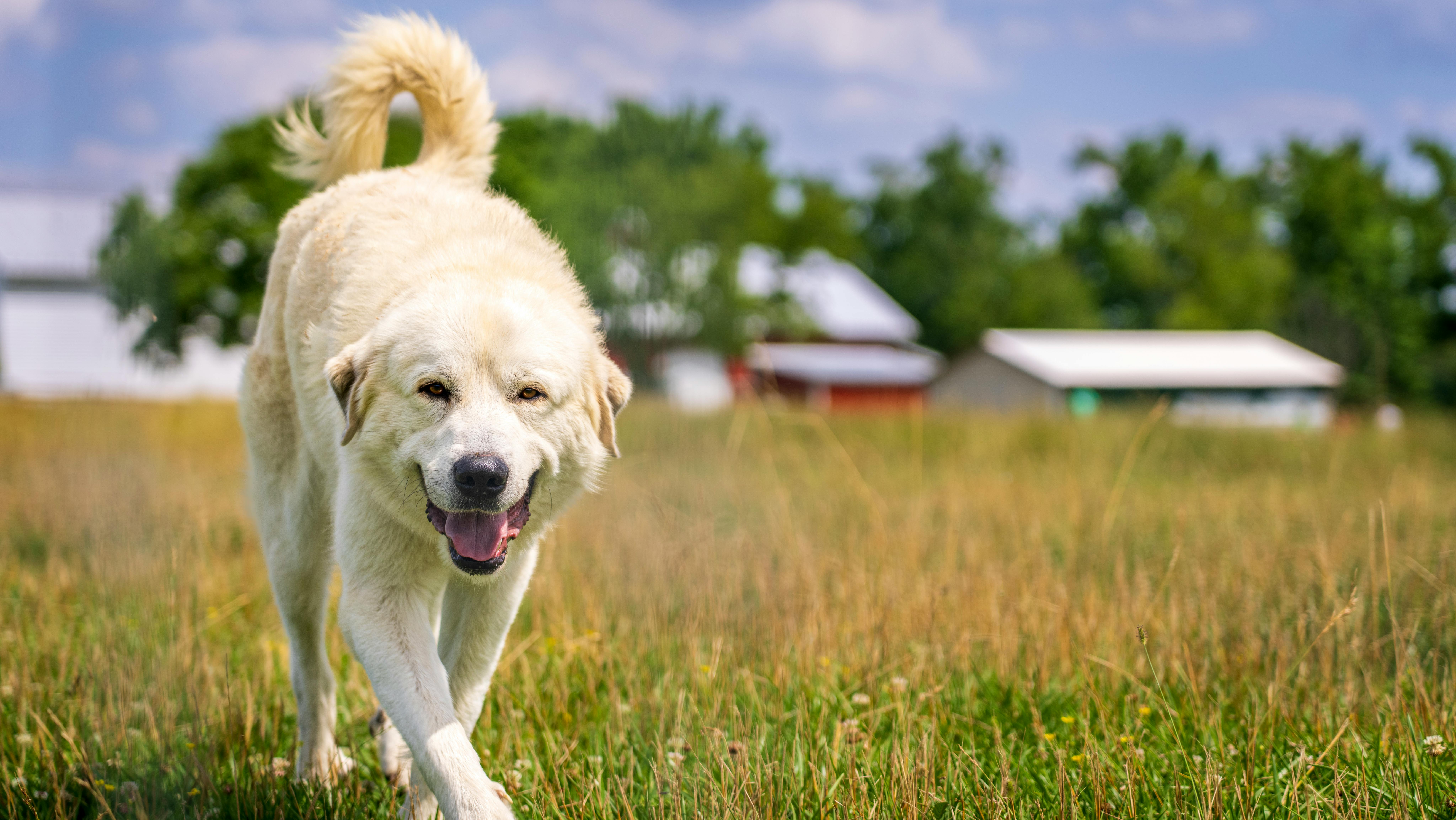
Not every property protection job looks like a suburban front yard. If you live on acreage, keep animals, or need nighttime perimeter awareness, livestock guardian breeds can be outstanding. The Great Pyrenees and Anatolian Shepherd were developed to work independently, often without constant human direction. That independence is an asset when the property is large and the dog must make decisions on its own.
The Great Pyrenees is especially valued for calm confidence. AKC breed information describes the breed as smart, patient, and calm, and those qualities are a big reason it remains popular for farms and rural homes. A Pyr is often less interested in flashy aggression than in quietly watching, placing itself between its people and a problem, and maintaining presence for long stretches.
The Anatolian Shepherd is even more serious. AKC guidance on livestock guardian breeds notes that Anatolians are territorial guardians and not naturally friendly with strangers when alone on their property. That can make them superb protectors for expansive land, barns, and equipment areas, but only when owners respect the breed’s intensity. For average first-time dog owners, these dogs are usually too independent and too powerful. For the right rural setup, they are elite.
The wrong guard dog is still the wrong choice for your home
The best guard breed on paper can still be a poor match in real life. A powerful protection-minded dog in a busy apartment complex, a house filled with frequent visitors, or a home with inconsistent rules can create stress for everyone involved. The AKC warns that many working breeds are not ideal for first-time owners because size, strength, and protective instincts require experienced management, not casual affection alone.
Lifestyle fit matters as much as breed reputation. Some dogs need structured training sessions several times a week, while others need room to patrol and a job to do. A bored guardian breed may become destructive, over-vocal, or overly suspicious. That is not evidence of strong protection; it is often evidence that the dog’s drives are unmanaged.
There is also a safety issue. The American Veterinary Medical Association emphasizes dog bite prevention as a public responsibility, and the RSPCA warns that harsh or painful training tools can increase fear, distress, and aggression. If a homeowner wants a reliable property dog, the smartest route is stable breeding, early socialization, reward-based training, and expert guidance when needed. Guarding should come from confidence and clarity, not chaos.
How to choose the best breed for your property and family

For most households, the safest recommendation is to choose a breed with natural protective instincts but proven trainability and social stability. That is why German Shepherds, Dobermans, and well-bred Rottweilers are often the best all-around answers. They can deter intruders, learn boundaries, and still function as family dogs when raised correctly. They are serious animals, but they are not so specialized that they become impractical for normal home life.
If your property is larger, more isolated, or includes livestock, then the equation changes. Great Pyrenees and Anatolian Shepherds make more sense when the dog must think independently and cover more ground. In contrast, Bullmastiffs and Cane Corsos are better suited to owners who want a close-in guardian with overwhelming physical presence near the house, gate, or yard.
In the end, the best property dog is the one whose instincts match your environment and whose temperament matches your skill as an owner. Do not shop for fear factor alone. Shop for nerve, judgment, and compatibility. A truly effective guardian is not the dog most likely to explode. It is the dog most capable of protecting the property while remaining steady enough to live well within the family every single day.