Big wildlife numbers always tell a bigger story. They reveal where habitat still works, where management has paid off, and where people have learned, sometimes imperfectly, to share space with wild animals.
Why “biggest population” is trickier than it sounds

At first glance, this seems like a simple ranking question. But wildlife agencies do not track every species the same way, and some animals are measured by breeding pairs, some by statewide estimates, and some mainly through harvest, sightings, or range data. That means the “biggest population” label is easier to defend for deer, bald eagles, and black bears than it is for foxes.
For deer, states usually talk about estimated herd size, and the numbers can be huge. The National Deer Association’s recent Deer Report still points to Texas as the standout giant, with a white-tailed deer population commonly estimated in the millions and consistently larger than any other state’s herd. Wisconsin and Pennsylvania remain major deer states, too, but Texas benefits from sheer land area, extensive brush country habitat, and a long history of deer management.
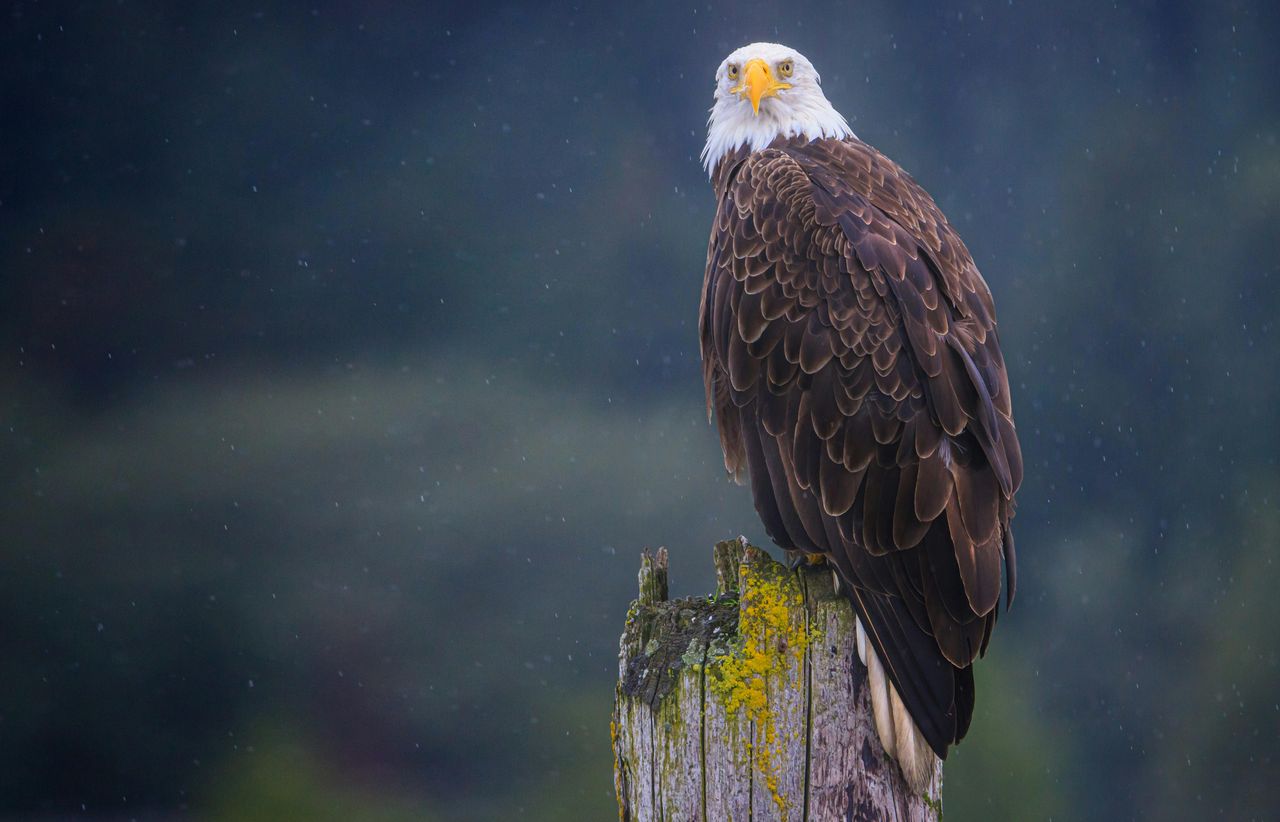
For bald eagles, the picture is even clearer. The U.S. Fish and Wildlife Service says Alaska hosts more than 75% of the U.S. breeding population of bald eagles. That is not a close race. The state’s immense coastline, salmon-rich watersheds, and vast stretches of lightly developed habitat make it the country’s unquestioned bald eagle capital.
The state with the biggest deer population: Texas
Texas is the easy headline pick for deer. Across the wildlife world, it is routinely described as the state with the largest white-tailed deer population in the country, and that reputation is backed by decades of agency data, habitat scale, and harvest totals. The state’s combination of private ranchlands, brush habitat, agricultural edges, and mild winters gives deer a huge geographic advantage.
What really separates Texas is not just the raw number of deer, but how broadly they are distributed. In much of the Hill Country, South Texas, and the Edwards Plateau, white-tailed deer are woven into the landscape and the economy. Hunting, habitat management, supplemental feeding in some regions, and private land stewardship have all shaped the state into a deer powerhouse.
Texas also shows how management can produce abundance without uniformity. Deer densities vary sharply by region, and some areas can support far more animals than others. Even so, when people ask which state has the biggest deer population, Texas is still the answer most wildlife professionals would give first, with states like Wisconsin, Pennsylvania, and Michigan forming the next tier rather than seriously challenging the top spot.
The state with the biggest bald eagle population: Alaska
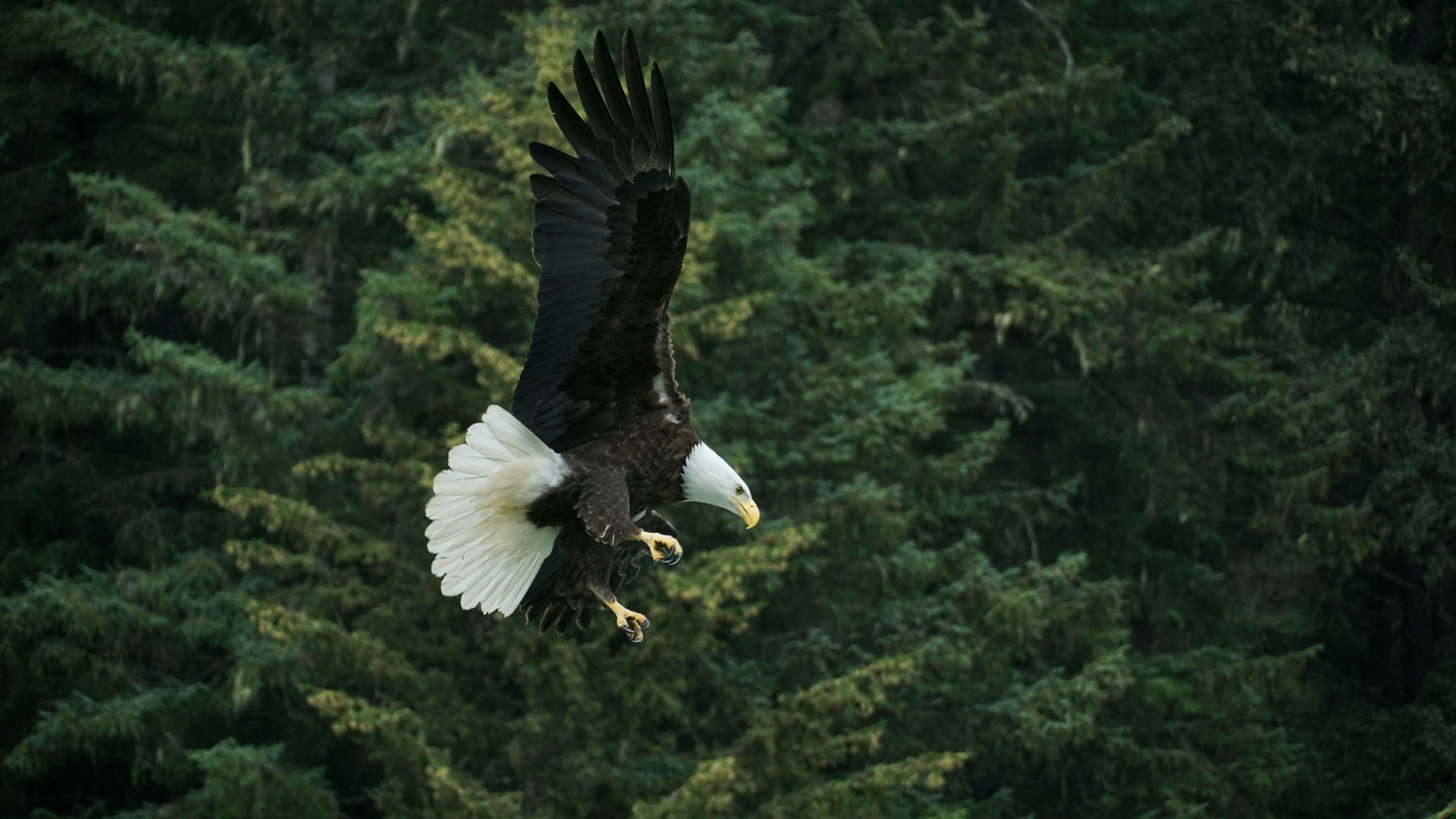
If Texas owns the deer conservation, Alaska owns the bald eagle conservation. The U.S. Fish and Wildlife Service notes that Alaska supports more than three-quarters of the nation’s breeding bald eagles, which instantly makes it the national leader by an overwhelming margin. No other state combines that scale of nesting habitat, marine food sources, and low human density.
Southeast Alaska is especially famous for eagle concentrations. Coastal estuaries, river systems, and salmon runs create exactly the kind of food web bald eagles thrive in. In places such as the Chilkat Valley, huge seasonal gatherings have become part of the state’s wildlife identity, reinforcing what the breeding numbers already suggest: Alaska is not just first, it is first by a lot.
That said, the lower 48 has its own eagle success story. The species has rebounded dramatically since the DDT era, and states around the Great Lakes, the Chesapeake Bay, Florida, Maine, and the Pacific Northwest all support strong populations now. But when the question is which single state has the biggest bald eagle population, Alaska is the clear and authoritative answer.
The state with the biggest bear population: Alaska, with Maine leading the East
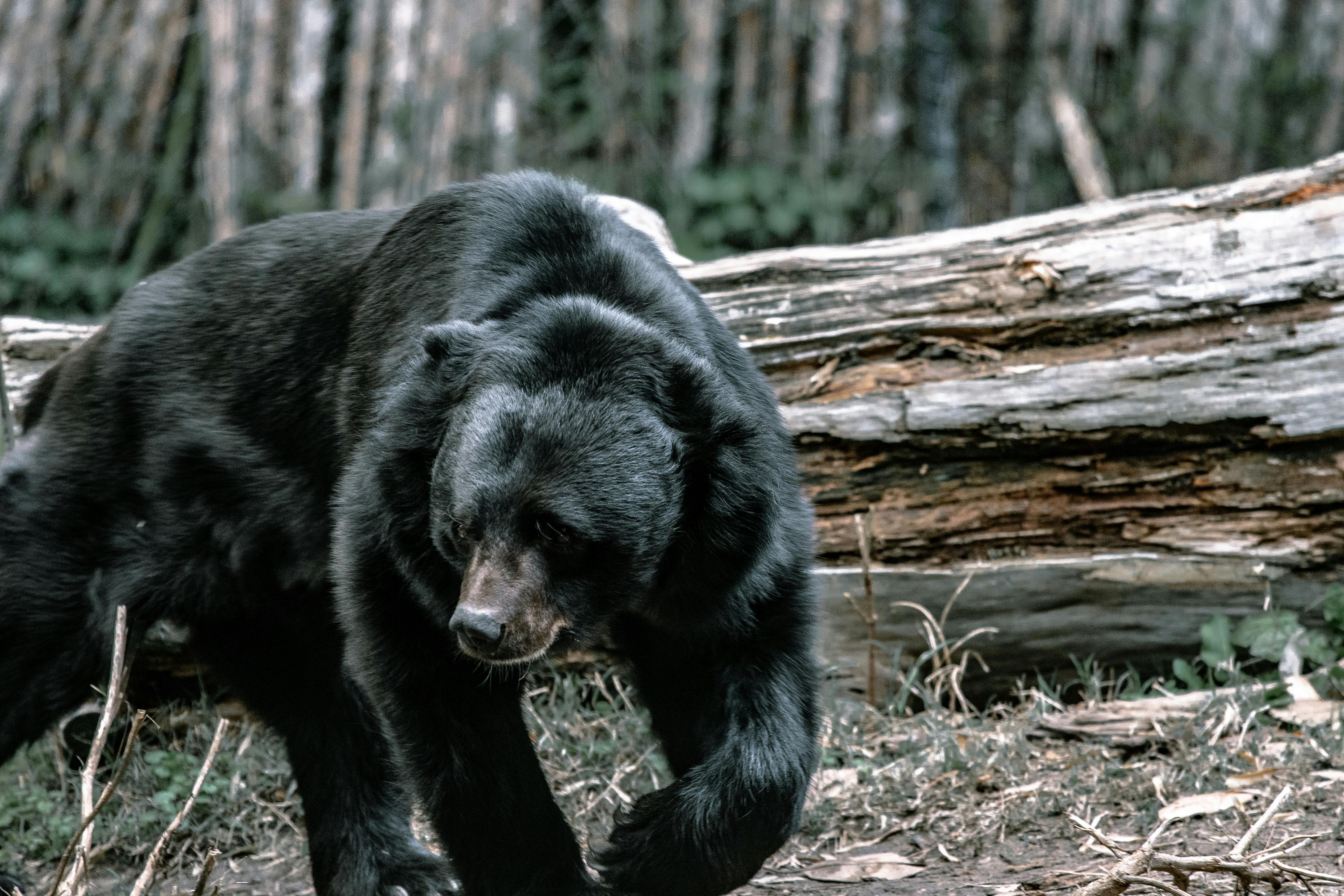
For bears, the answer depends on whether people mean all bears or specifically black bears. If they mean bears overall, Alaska is the heavy hitter because it supports black bears, brown bears, and polar bears across an enormous landscape. Its size, wildness, and relatively intact ecosystems make it America’s bear giant almost by default.
If the focus is on black bears alone, the competition becomes more interesting. BearWise says there are around one million black bears in North America, with about half living in at least 40 U.S. states. In the East, Maine is consistently singled out by its own wildlife agencies as having the largest black bear population in the eastern United States. Maine officials describe the state’s population as healthy and stable, commonly cited at more than 35,000 bears.
That eastern distinction matters because it separates Maine from larger western landscapes. In everyday conversation, many readers looking for the top bear state will still be best served by Alaska. But if the article is being precise, Alaska is the broad bear leader, while Maine deserves recognition as the black bear stronghold of the East and one of the most important bear states in the country.
The fox question: New York is a strong answer, but rankings are messy
Foxes are the hardest animal in this lineup to rank with confidence. There is no single widely accepted national scoreboard for state fox populations comparable to what exists for deer or bald eagles. States track red fox and gray fox differently, and many agencies focus more on distribution, furbearer harvest, or conflict management than on total head counts.
That said, New York stands out as one of the strongest defensible answers if the question is framed around abundance and distribution. The New York State Department of Environmental Conservation says red foxes occur in nearly every county of the state and describes them as the most widely distributed carnivore in the world. New York also tracks gray fox through citizen reporting and furbearer management, suggesting both species have a meaningful statewide footprint.
Texas is another fox-rich state, especially for gray fox, while parts of the Midwest and Upper Northeast also support healthy red fox populations. But unlike deer, eagles, and bears, the fox category does not have a neat national champion with a universally cited official estimate. The safest conclusion is that New York is among the strongest candidates for fox abundance, while any absolute No. 1 claim should be treated more cautiously.
What these wildlife leaders tell us about habitat and conservation
The states that lead in these animals are not random. Texas wins with deer because it has vast habitat, a favorable climate, and a culture built around land and wildlife management. Alaska dominates bald eagles and bears because it still contains huge, functioning ecosystems with food webs intact. Maine’s bear success reflects large forest blocks, relatively low human density in key regions, and long-term monitoring.
New York’s fox strength, meanwhile, says something different. Foxes are adaptable animals, and their success often reflects edge habitat, mixed landscapes, and an ability to live near people without being fully dependent on them. In other words, not every wildlife winner thrives for the same reason. Some need wilderness. Others do well in a patchwork of farms, forests, and suburbs.
Put it all together, and the best big-picture answer looks like this: Texas for deer, Alaska for bald eagles, Alaska for bears overall, Maine for black bears in the East, and New York as one of the strongest answers for foxes. More than a list, that lineup is a snapshot of how geography, habitat, and conservation shape the American wildlife map.