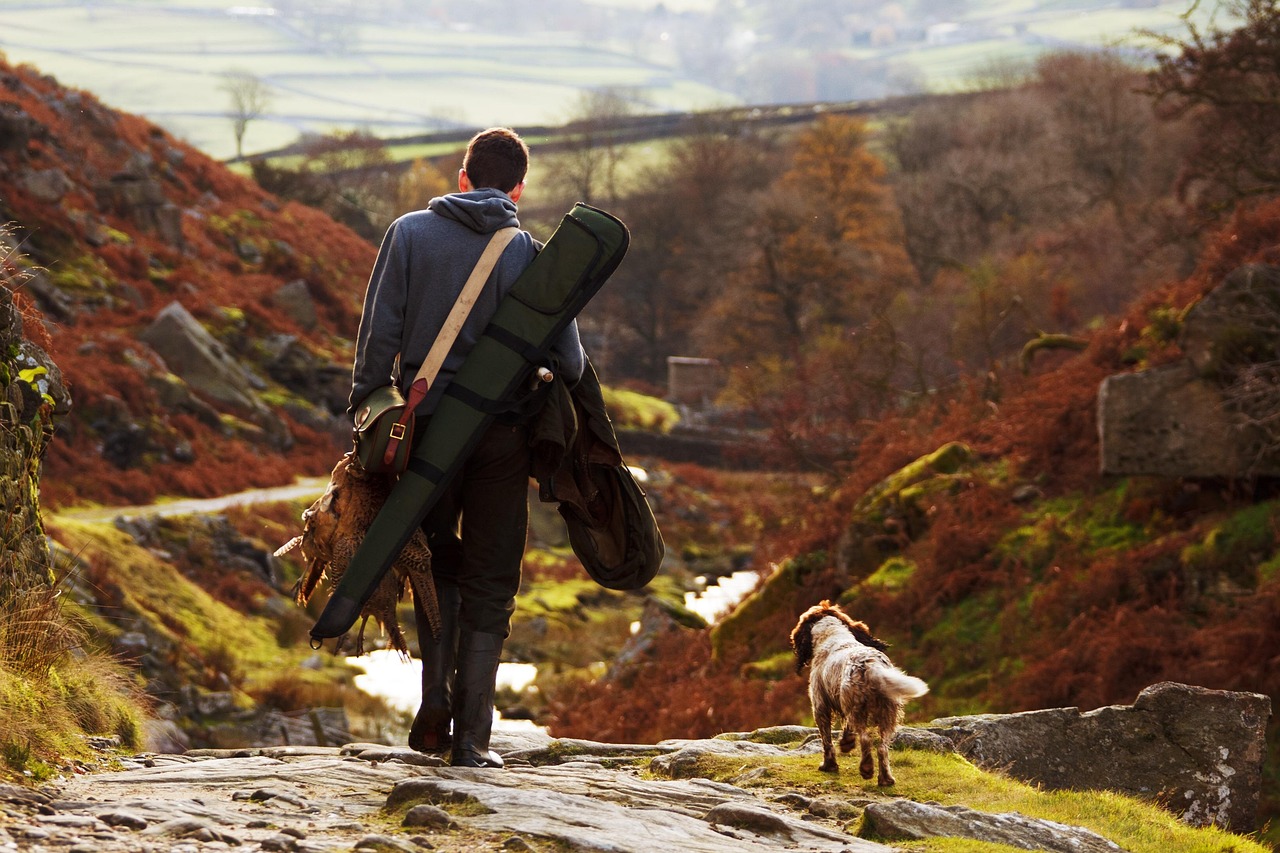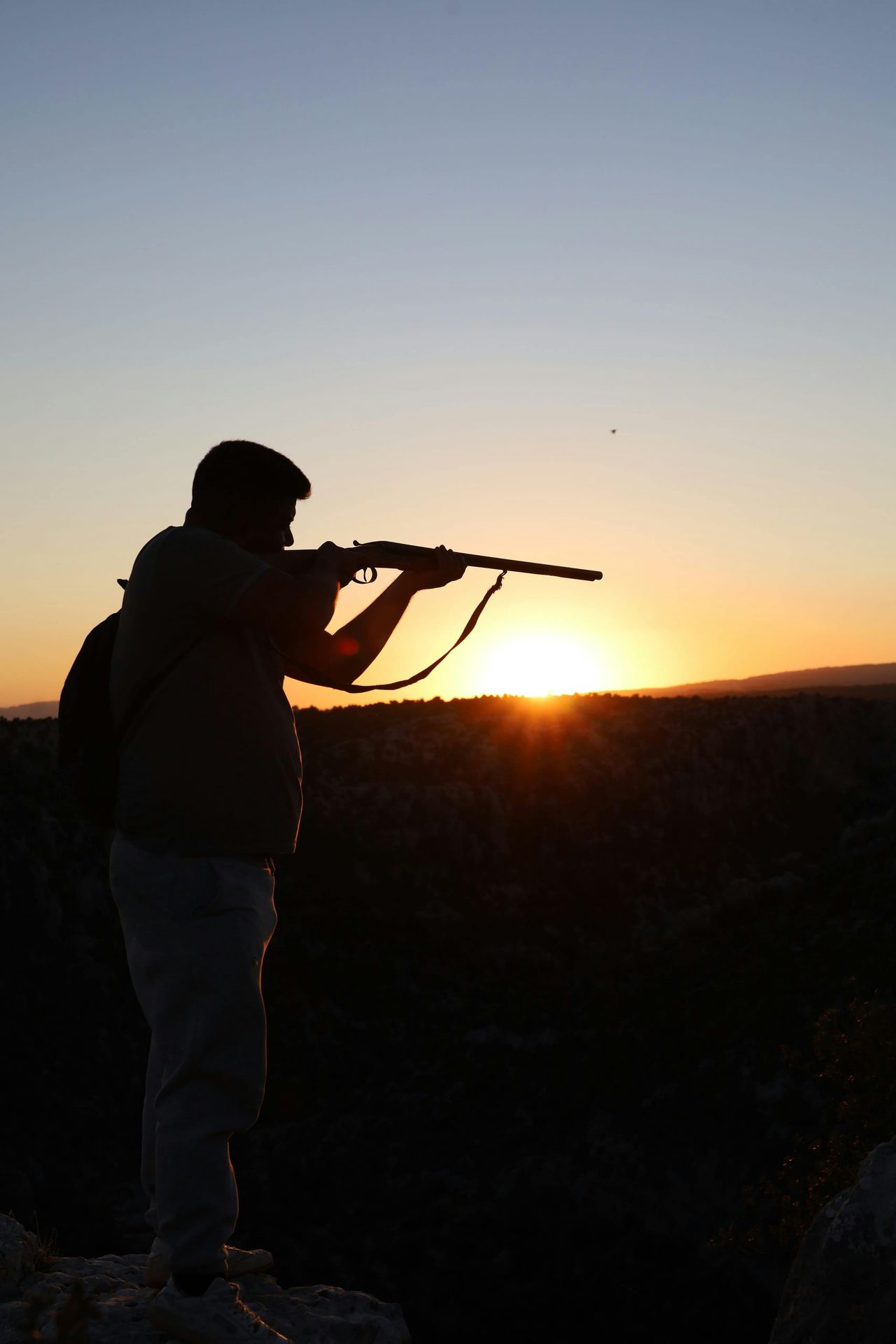
A trespassing encounter can go from irritating to life-altering in seconds. The biggest mistakes hunters make are rarely about toughness; they’re about judgment under stress.
Letting Anger Take Control Before Facts Are Clear

One of the most common errors hunters make is assuming bad intent before they know what actually happened. In the field, someone crossing a fence line or appearing near a stand may be a deliberate trespasser, but it could also be a lost hiker, a neighboring hunter following a poor map layer, or someone tracking a wounded animal without understanding the boundary. When emotions jump ahead of facts, the confrontation usually starts at the worst possible temperature.
That matters because the hunter who loses composure first often loses control of the whole encounter. Raised voices, aggressive body language, profanity, and threats can turn a property dispute into a criminal investigation. News coverage over the years has shown the same pattern again and again: what began as an argument about land access became an assault, a shooting, or a fatality once people decided to “handle it themselves.”
A calmer first move is usually the smarter one. Pause, assess distance, keep your hands off your weapon unless there is an immediate safety threat, and start by identifying yourself clearly. Ask direct questions instead of making accusations. “Do you know this is private land?” works far better than “What do you think you’re doing here?”
Hunters sometimes think a forceful opening establishes authority. In reality, it often creates resistance, denial, or panic. If the other person is armed, intoxicated, embarrassed, or simply reckless, your anger can become the spark that makes a bad situation much worse.
Using a Firearm to Intimidate Instead of Protect

Another major mistake is treating a firearm as a communication tool. Some hunters never point a gun directly at a trespasser, but they still use the rifle or shotgun as a form of intimidation by holding it prominently, chambering a round for effect, or approaching with the muzzle in an unsafe direction. That is reckless, and it can turn a trespass complaint into a life-threatening encounter in seconds.
Basic hunting and firearms safety rules exist for exactly this reason. Hunter education materials and long-standing safety guidance stress that firearms must always be handled as if loaded and never pointed at anything you do not intend to shoot. Project ChildSafe and other safety programs also emphasize responsible control and secure handling, not emotional display. The moment a hunter uses a gun to “send a message,” safety has already broken down.
There is also a legal problem here. Even if the trespasser is clearly in the wrong, brandishing or threatening with a firearm can expose the hunter to criminal charges or civil liability. Courts and investigators do not automatically excuse bad firearm handling just because the other person crossed onto private land first. In many jurisdictions, trespass and armed intimidation are treated as separate issues.
The practical rule is simple: carry normally, keep the muzzle in a safe direction, maintain distance, and do not escalate the encounter with your weapon. A gun is not a badge, and it is not a substitute for communication or law enforcement. Hunters who forget that often discover too late that they have created the most dangerous part of the confrontation themselves.
Assuming Trespass Law Is Obvious When It Often Isn’t

Hunters also get into trouble when they assume the law is simple everywhere. It is not. State rules vary on posting requirements, written permission, retrieval of wounded game, safety zones near homes, and what counts as notice that land is private. According to the New York State Department of Environmental Conservation, hunters may not enter private property without permission, may not use private land to access public land, and must get permission before entering to pursue wounded game. Idaho Fish and Game likewise says it is the hunter’s responsibility to know whether land is private and to obtain permission before being there.
That variation matters in real confrontations because certainty is often lower than people think. One hunter may believe unposted land is fair game. Another may think a mapping app is definitive. A third may assume chasing a wounded deer gives automatic access. In some places, those assumptions are wrong enough to lead to fines, license suspension, or worse.
Pennsylvania’s current hunting digest for the 2025-26 license year reminds hunters to use official tools and permission forms, underscoring how much compliance depends on preparation, not guesswork. Idaho has also warned that trespass penalties can escalate sharply for repeat offenders, including license consequences and significant fines. When hunters confront others without understanding the exact legal framework, they often overstate their rights and mishandle the moment.
A smart hunter prepares before the season by learning the local rules, carrying proof of permission where appropriate, and knowing when the dispute belongs to a conservation officer or sheriff. Confidence is useful in the woods, but false confidence about trespass law is one of the fastest ways to make a bad encounter worse.
Getting Too Close and Turning a Verbal Conflict Physical
Distance is one of the most underrated safety tools in any confrontation. Hunters frequently make the mistake of marching straight up to a suspected trespasser, trying to dominate the encounter face-to-face. That may feel decisive, but it creates exactly the conditions in which a simple dispute can become a shove, a fight over a firearm, or a panic-driven shooting.
Close range strips away reaction time. If the other person is startled, angry, or armed, you have left yourself very little room to disengage. Many violent incidents tied to land disputes follow this pattern: one side approaches aggressively, words get sharper, one person closes the final few feet, and then the encounter becomes physical. Once that happens outdoors, often far from quick medical help, the consequences can be severe.
Hunters should remember that control does not come from proximity. It comes from observation, covering if needed, a calm voice, and an exit plan. If you believe someone is trespassing, the better move is often to stay back, document what you can safely observe, and call the appropriate authority. A photograph, time stamp, vehicle description, stand location, or GPS pin is usually more valuable than a chest-to-chest argument.
This is especially true when you are alone. Solo hunters who close the distance are gambling that the other person is stable, unarmed, and outnumbered by no one. That is a bad bet. Creating space lowers the odds of sudden violence and gives law enforcement a cleaner situation to manage when they arrive.
Failing to Document the Incident and Call the Right Authority
A surprising number of hunters confront trespassers as if the entire matter will be settled on the spot. Then the person leaves, denies everything, and the hunter has no photographs, no plate number, no map screenshot, no saved trail camera image, and no official report. That is a serious error because undocumented trespass is hard to prove, especially when repeat offenders learn they can simply walk away.
Wildlife agencies routinely encourage reporting rather than improvising. Official materials from state agencies and hunter education providers repeatedly frame trespass as an enforcement issue, not a personal contest. In places like Idaho, the emphasis is clear: know the boundary, get permission, and understand that violations can carry license penalties. That only works if incidents are reported through the right channels.
Good documentation is simple but disciplined. Note the date, time, exact location, direction of travel, names if known, vehicle details, weapon type if visible, and any statements made. Preserve camera footage. Screenshot property maps and marked boundaries. If the individual claims permission, write down whose permission they say they have.
Hunters often think calling a game warden is overkill. It usually isn’t. Conservation officers, wildlife officers, and local deputies know the local statutes, understand boundary disputes, and can separate trespass from other possible offenses such as illegal take, shooting from roads, or hunting inside restricted zones. The hunter who documents first and reports promptly is usually the one who protects both safety and credibility.
Forgetting That Reputation and Access Are on the Line
The final mistake is thinking a confrontation affects only that one moment. In reality, how hunters behave with trespassers shapes land access, community trust, and the public image of hunting itself. Landowners talk. Neighbors compare stories. Wardens remember who is cooperative and who creates scenes. One ugly encounter can poison access for an entire area.
This is why respect matters even when the other person is clearly wrong. State agencies and hunter education programs have long stressed the relationship between sportsmen and landowners because access depends on trust. New York DEC explicitly encourages responsible guests and contact with landowners, while hunter education materials across states repeat the same principle: permission, courtesy, and restraint protect opportunities for everyone.
There is also a cultural cost when hunters confuse confrontation with strength. The most credible hunter in a trespass dispute is not the loudest one. It is the one who knows the boundary, stays calm, handles firearms safely, documents the facts, and lets the law do its job. That behavior signals competence, not weakness.
In the end, confronting trespassers is less about winning an argument than avoiding a preventable disaster. Hunters who keep their ego out of the encounter usually make better legal decisions, safer tactical decisions, and better long-term decisions for the future of hunting access. That is the standard worth holding.