During wartime, railways became vital lifelines for transporting soldiers, weapons, food, and other essential supplies. Protecting these routes sometimes required railway police, auxiliary units, and selected railway employees to take on security responsibilities beyond their normal duties. In Britain during World War II, for example, some railway staff received weapons to help protect strategically important transport infrastructure. However, historical records do not establish that six specific rifle models were routinely issued to ordinary train conductors. The following list explores six rifles associated with wartime railway protection, military service, and auxiliary defense, while distinguishing established history from claims that remain unverified.
1. Lee-Enfield SMLE Mk III
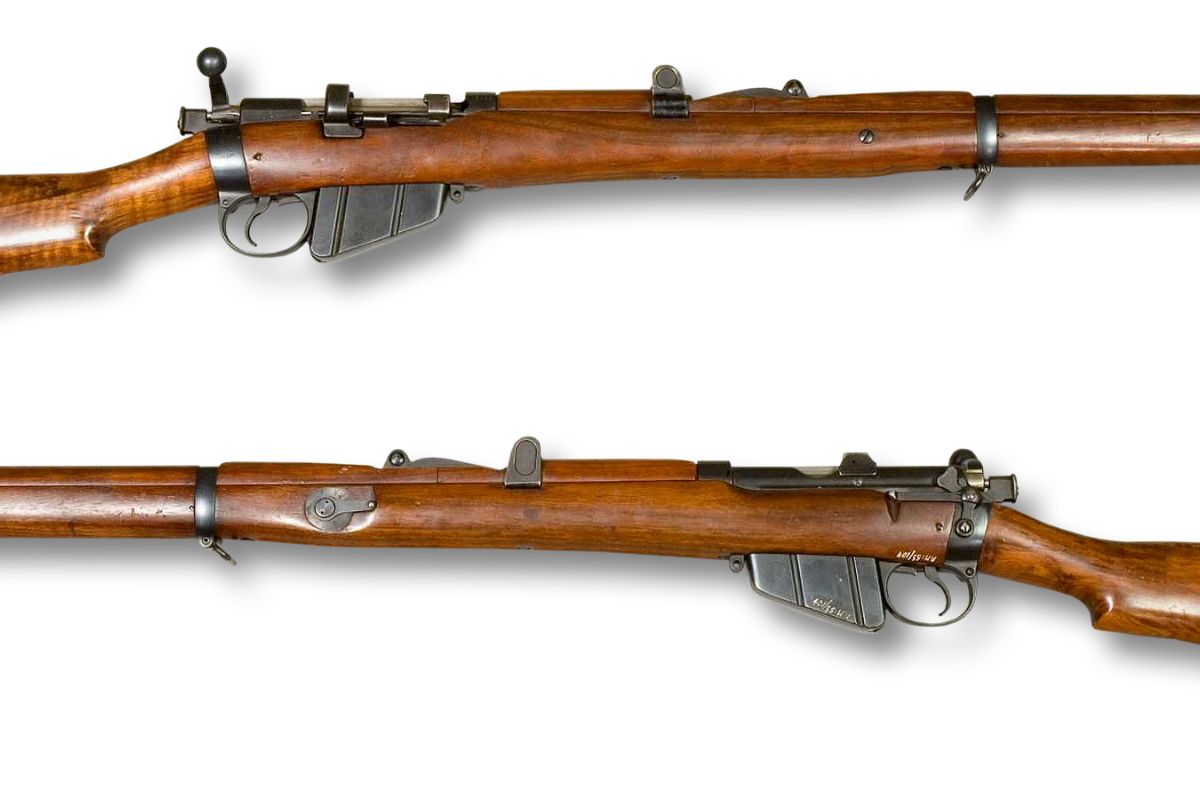
The Short Magazine Lee-Enfield Mk III was a familiar British service rifle during World War I and remained relevant during World War II. Chambered in .303 British, it featured a 10-round magazine and a bolt-action design suited to military service. Although some railway employees undertook wartime protection duties, reliable evidence does not establish that ordinary train conductors routinely received this model. Its connection to the story lies in Britain’s wider defense system, where protecting transport infrastructure became increasingly important as military supplies and personnel moved across the country.
2. Lee-Enfield No. 4 Mk I
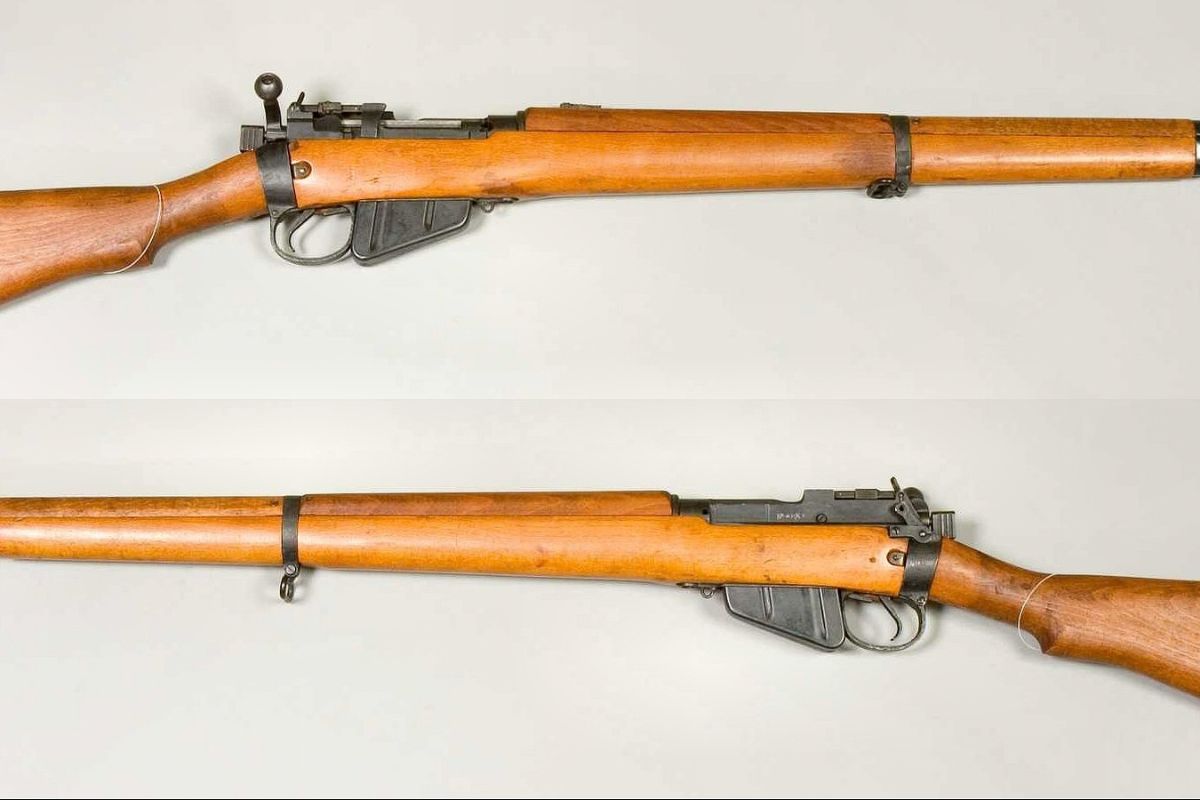
Introduced during World War II, the Lee-Enfield No. 4 Mk I became an important British infantry rifle. It used .303 British ammunition and retained a 10-round magazine, while its updated sights and receiver design distinguished it from earlier Lee-Enfield models. As production expanded from 1941 onward, the rifle gradually supplemented older British service weapons. Its wartime relevance reflects the broader security demands facing Britain, including the defense of railways and other essential infrastructure. However, a direct, routine issue of this particular rifle to train conductors has not been established by the historical sources reviewed.
3. Pattern 1914 Enfield
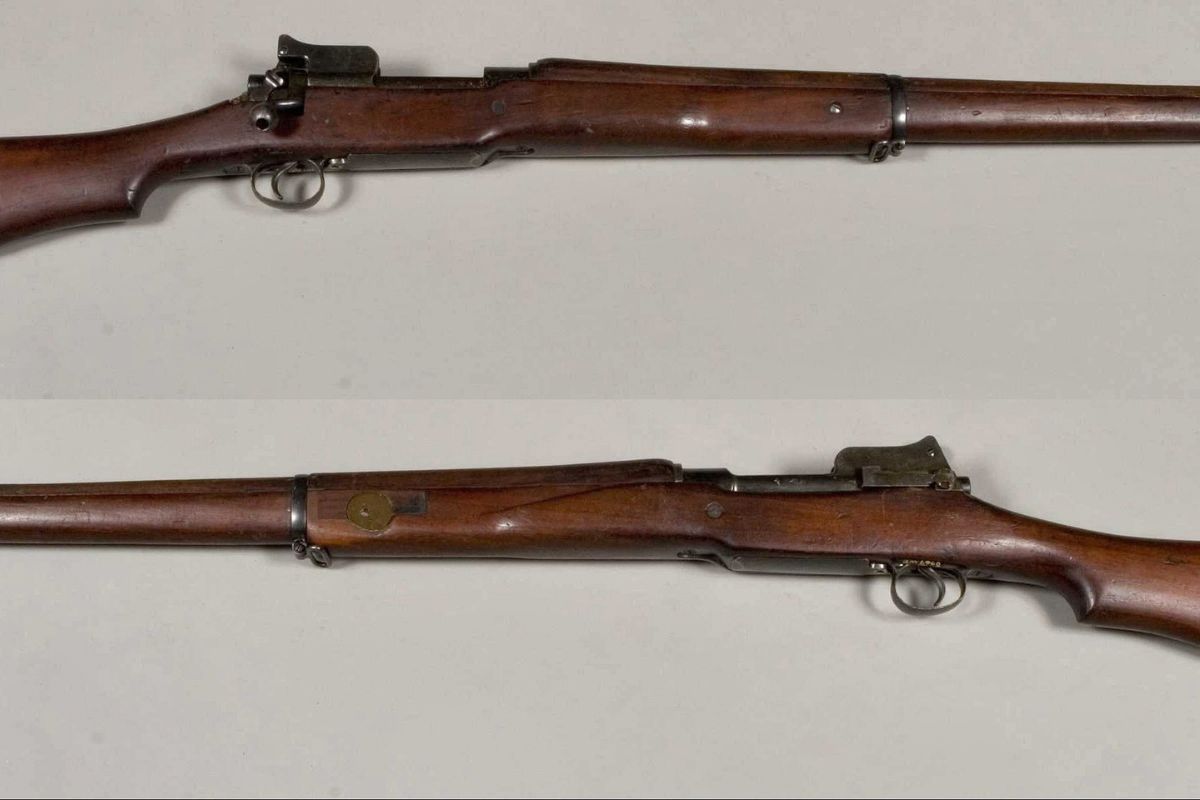
The Pattern 1914 Enfield, later designated the Rifle No. 3, was originally developed for British military requirements during World War I. Chambered in .303 British, it featured a bolt-action mechanism and a five-round magazine. During World War II, Britain returned substantial numbers of these stored rifles to service, particularly for reserve and Home Guard duties following the losses of equipment in 1940. That makes the P14 relevant to wartime home defense, although it does not prove that railway conductors received it as standard equipment. Its history illustrates how older weapons were reused when national security needs intensified.
4. M1917 Enfield
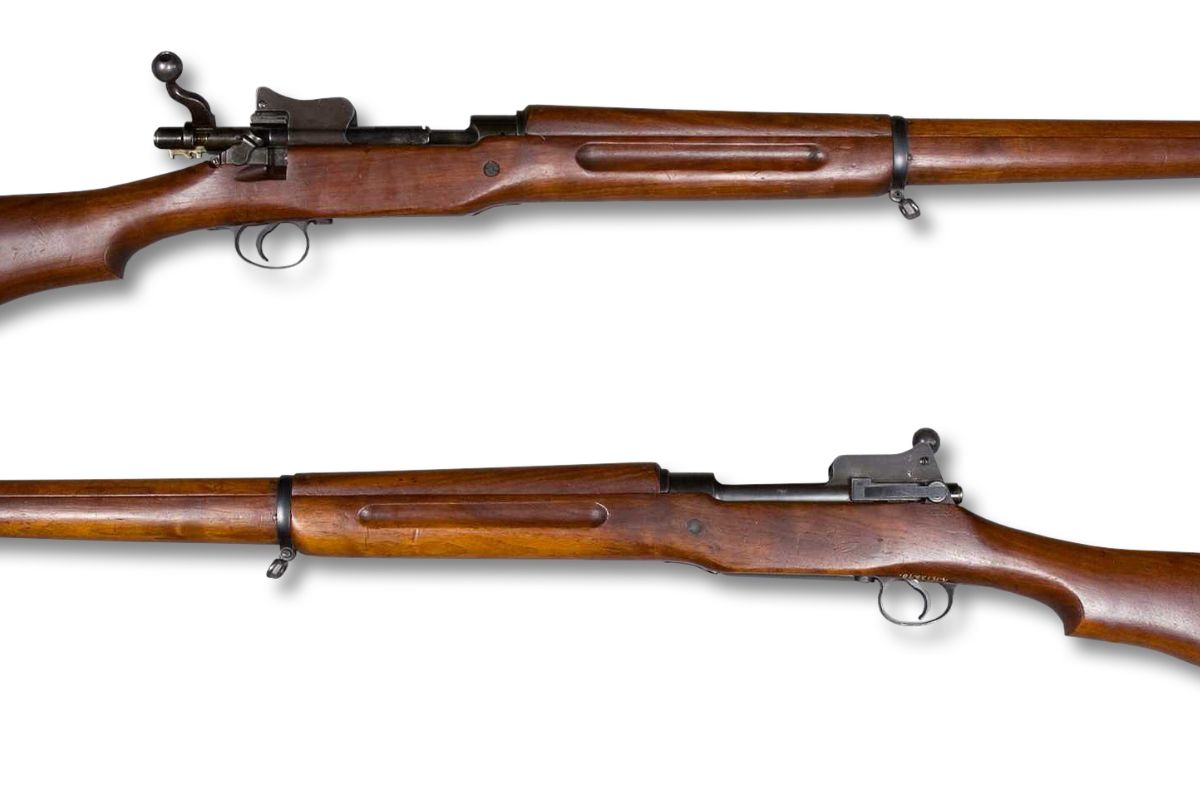
The American M1917 Enfield was developed during World War I and chambered in .30-06 Springfield, with a six-round internal magazine. During World War II, Britain obtained large quantities for Home Guard and other reserve defense duties. Because its ammunition differed from the British .303 standard, issued examples could carry a distinctive red marking on the stock to prevent confusion. The rifle demonstrates how international arms supplies supported Britain’s emergency defenses. Railway installations and transport routes also required protection, but surviving evidence does not confirm that ordinary train conductors were routinely issued the M1917 specifically.
5. Canadian Ross Rifle Mk III
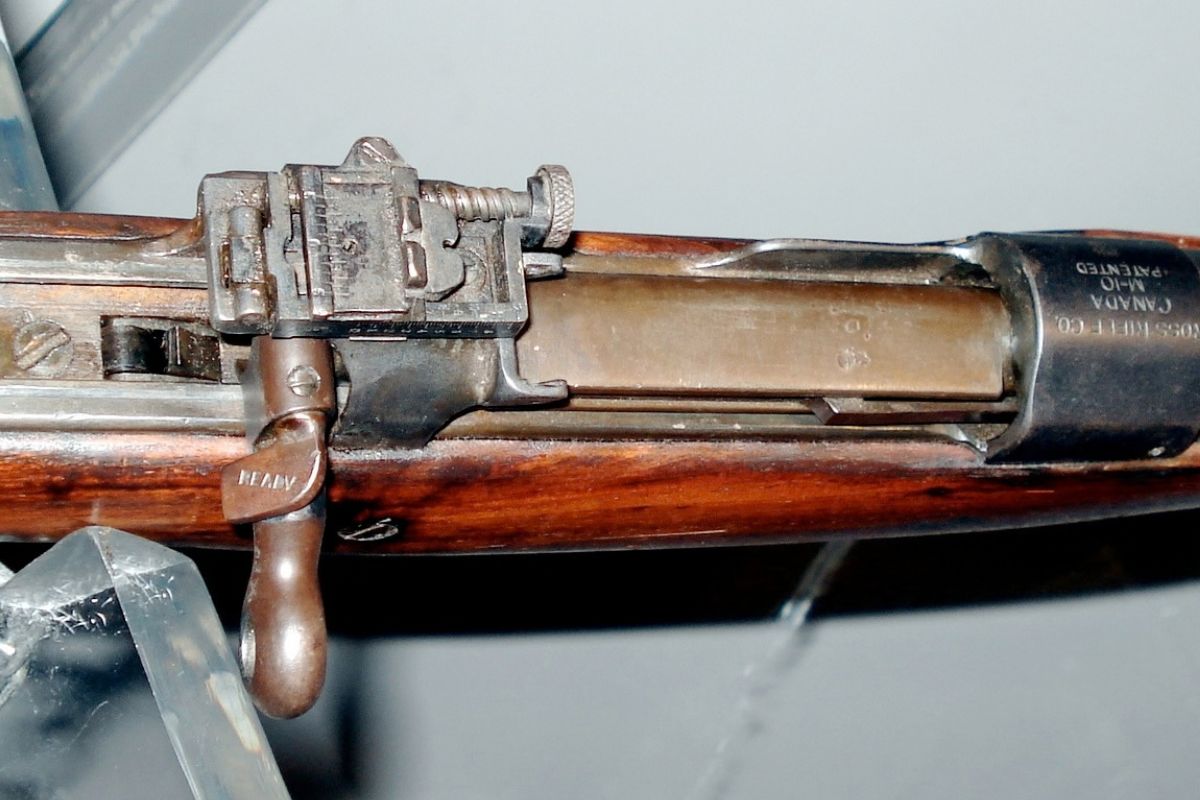
The Canadian Ross Rifle Mk III was a straight-pull bolt-action rifle originally associated with Canadian military service during World War I. Chambered in .303 British, it used a five-round magazine. In 1940, Canada supplied approximately 75,000 Ross rifles to Britain, where they helped equip the Home Guard during an urgent shortage of weapons. Although the design had attracted criticism for reliability in difficult battlefield conditions, its availability made it useful for emergency defense duties. Its wartime story is connected to Britain’s broader protection effort, not to a verified policy of issuing Ross rifles directly to civilian train conductors.
6. Springfield M1903
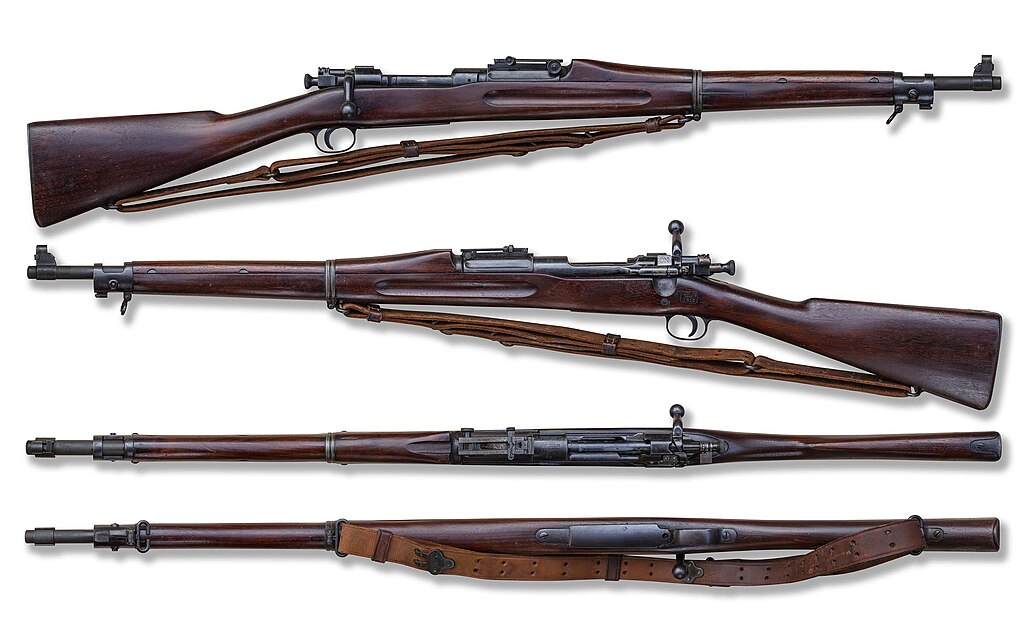
The American Springfield M1903 was a bolt-action military rifle chambered in .30-06 Springfield, with a five-round internal magazine. It served US forces during both World Wars and was also used in reserve and Home Guard contexts during World War II. Its established military history makes it another example of the rifle types associated with wartime defense beyond frontline infantry units. Nevertheless, the available historical references do not confirm that British train conductors routinely carried the M1903 while working passenger or freight services. Its inclusion highlights the wider range of rifles connected with emergency defense rather than a documented standard issue for railway employees.