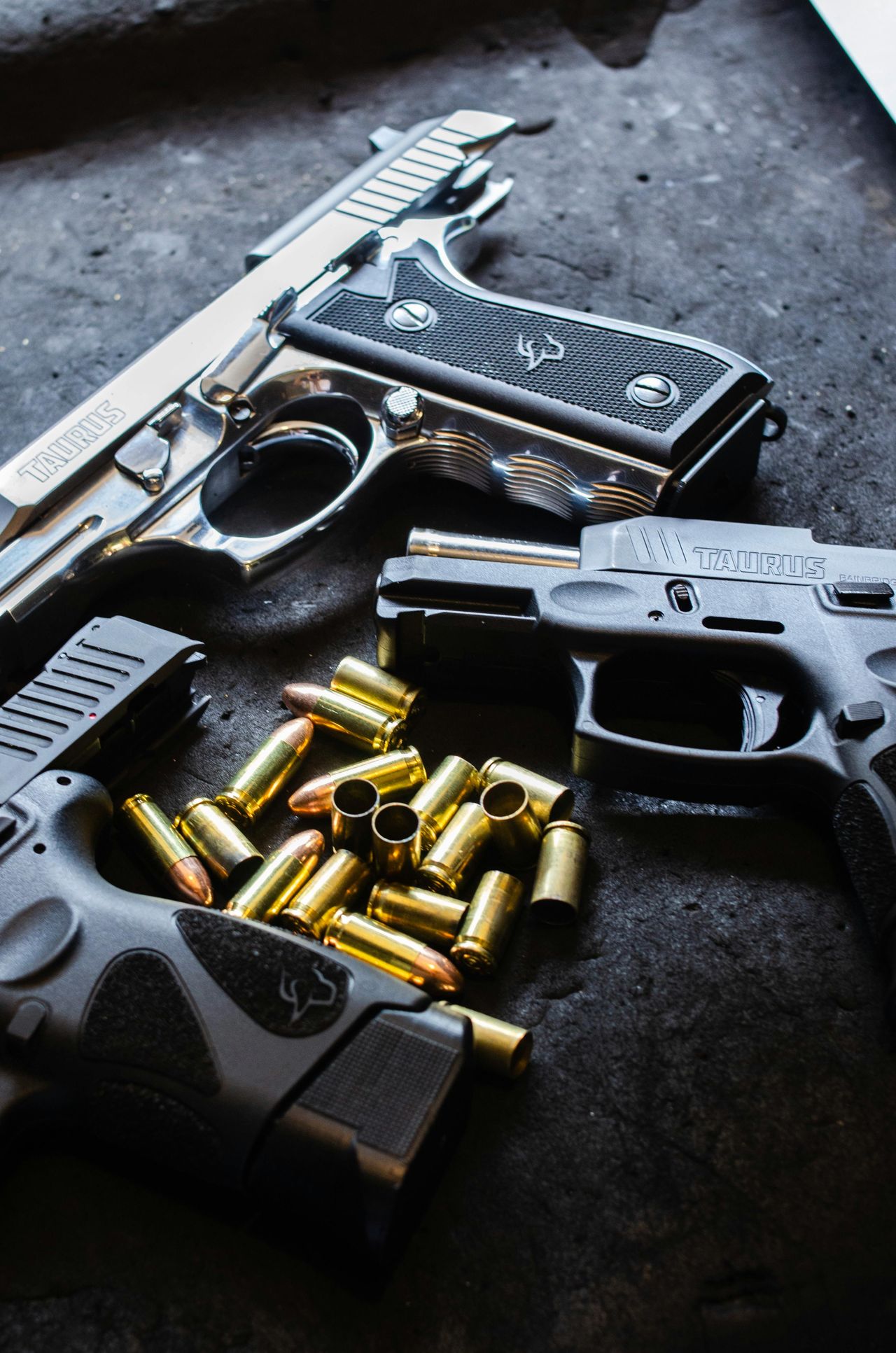
Most cops carry what policy requires. What they buy for themselves often tells you far more about what actually works.
Why personal preference matters more than most people realize

An issued sidearm is built around standardization, liability, armorer support, and procurement cost. That makes sense for an agency, but it does not always produce the pistol an individual officer shoots best, carries most comfortably, or trusts most for off-duty life. The difference between institutional logic and personal confidence is where these preferences start.
Police Magazine’s long-running reporting on backup and off-duty guns has shown a consistent pattern for years: officers often want smaller, lighter pistols for concealed carry, and many still favor compatibility with their full-size duty gun when possible. That means familiar controls, shared magazines, and similar trigger feel matter a lot more in the real world than gun counter hype.
There is also a practical truth here. An officer may spend a shift with a full-size duty pistol on a loaded belt, then switch to plain clothes, errands, school pickup, or travel after work. In those moments, the gun they actually choose to strap on is usually the one they believe balances concealment, shootability, and reliability with the least compromise.
So this list is not about fantasy hardware or internet bragging rights. It is about the handguns that repeatedly show up in officer conversations, approved backup lists, off-duty holsters, and optional duty use programs when cops are allowed to pick something besides the standard issue.
Glock 19 remains the unofficial gold standard.
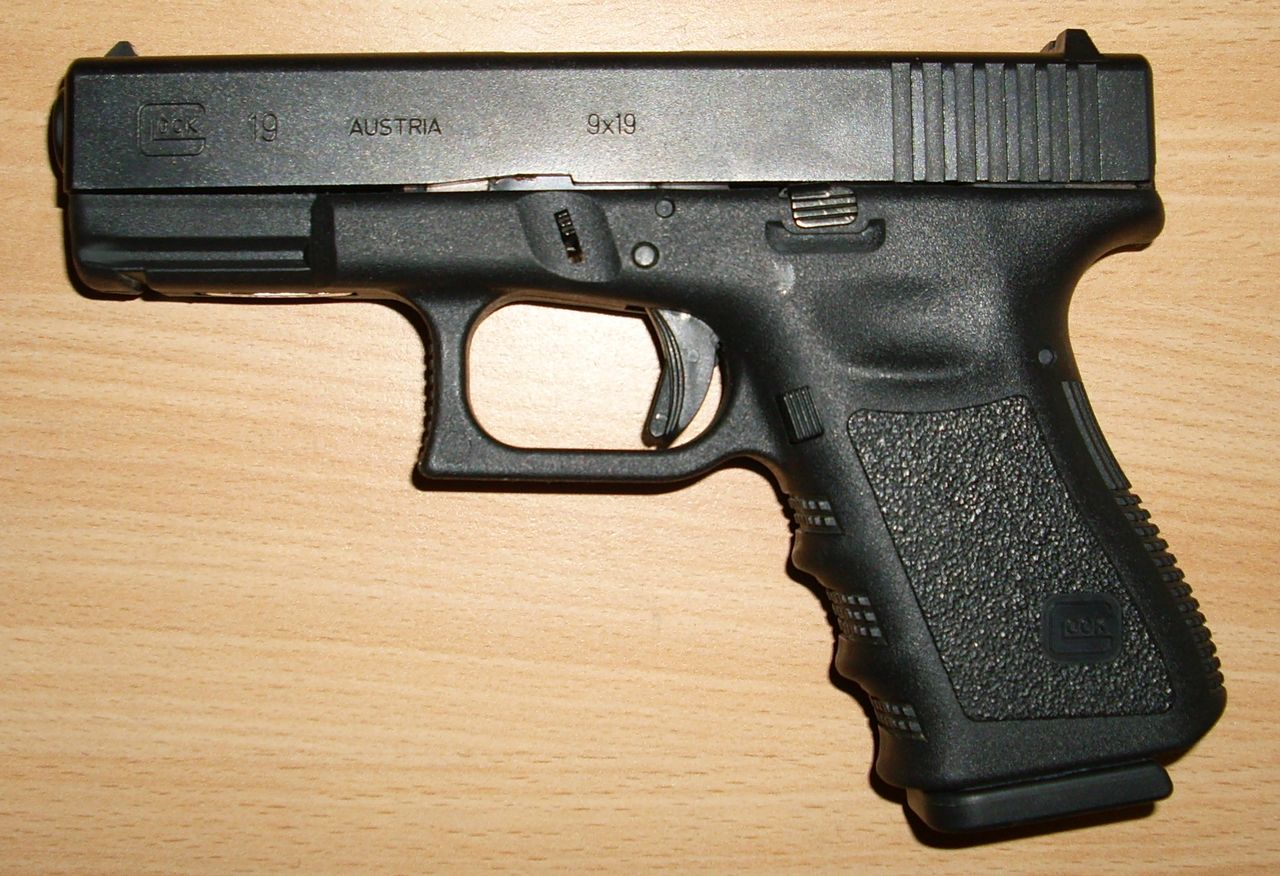
If there is one handgun that keeps surfacing whenever officers can choose for themselves, it is the Glock 19. It is large enough to fight with, small enough to conceal under normal clothing, and familiar to agencies that already issue full-size Glock pistols. That combination has made it the benchmark by which many other carry guns are judged.
For officers issued a Glock 17, Glock 45, or now in some agencies a Glock 47, the Glock 19 offers almost no learning curve. The manual of arms is the same, magazine compatibility is strong, holster options are endless, and armorer support is easy to find. That matters to cops who do not want a personal gun that behaves differently under stress.
This is also the pistol that bridges roles better than almost any other. It can be an off-duty gun, a plainclothes gun, a detective gun, a home-defense gun, and in some departments an approved duty gun. Police trainers have long pointed to compact versions of the issue service pistol as a preferred backup or alternate carry option for exactly that reason.
The Glock 19 is not exciting, and that is the point. Law enforcement tends to reward boring reliability, fast maintenance, and familiarity over novelty. When officers quietly buy their own pistol, many still land on the model that simply does almost everything well enough to remove doubt.
Glock 26 still wins loyalty as the classic backup gun
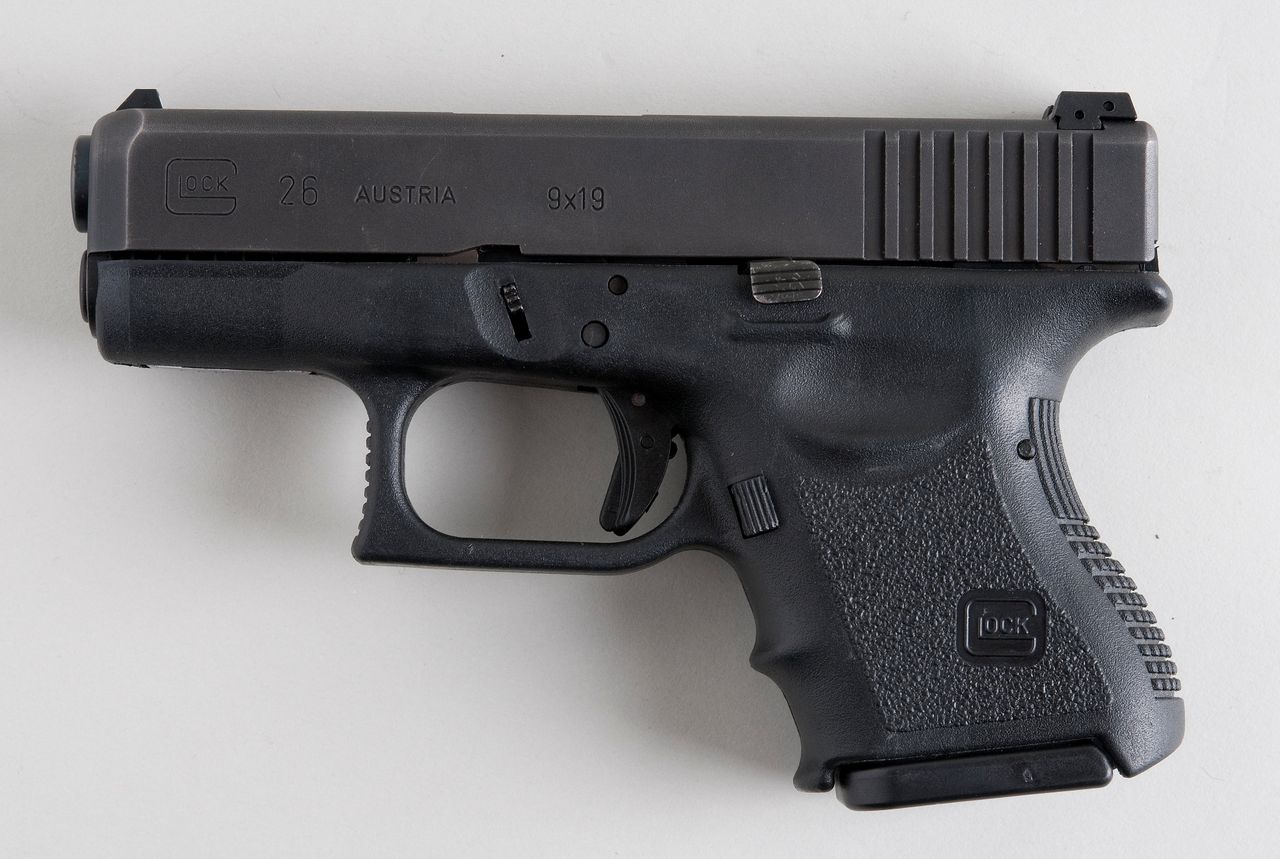
The Glock 26 has been around long enough to feel almost old school, but officers still respect it because it solved a real problem before the micro-compact era arrived. It gave cops a genuinely concealable 9mm that kept the Glock trigger feel and could accept larger duty magazines. For anyone issued a Glock, that was a major advantage.
Police writing over the years has repeatedly highlighted the appeal of the so-called baby Glock as a backup or off-duty option. Officer Magazine has described exactly that kind of pairing, with a Glock 17 on duty and a Glock 26 off duty or as a backup, using the larger magazine as a reload. That kind of interchangeability is hard to overstate in police work.
The Glock 26 also has a reputation for punching above its size. It is thicker than today’s slim carry pistols, but many experienced shooters still find it softer shooting and easier to run quickly than lighter single-stack or micro-compact guns. For officers who prioritize controllability over maximum thinness, it remains a serious choice.
It is no longer the automatic answer it once was, because the concealed-carry market has changed dramatically. Even so, the Glock 26 still shows up wherever practical cops value proven reliability, magazine commonality, and a backup gun that feels like a duty pistol shrunk in the wash rather than a completely separate system.
Glock 43X has become a modern police favorite.e
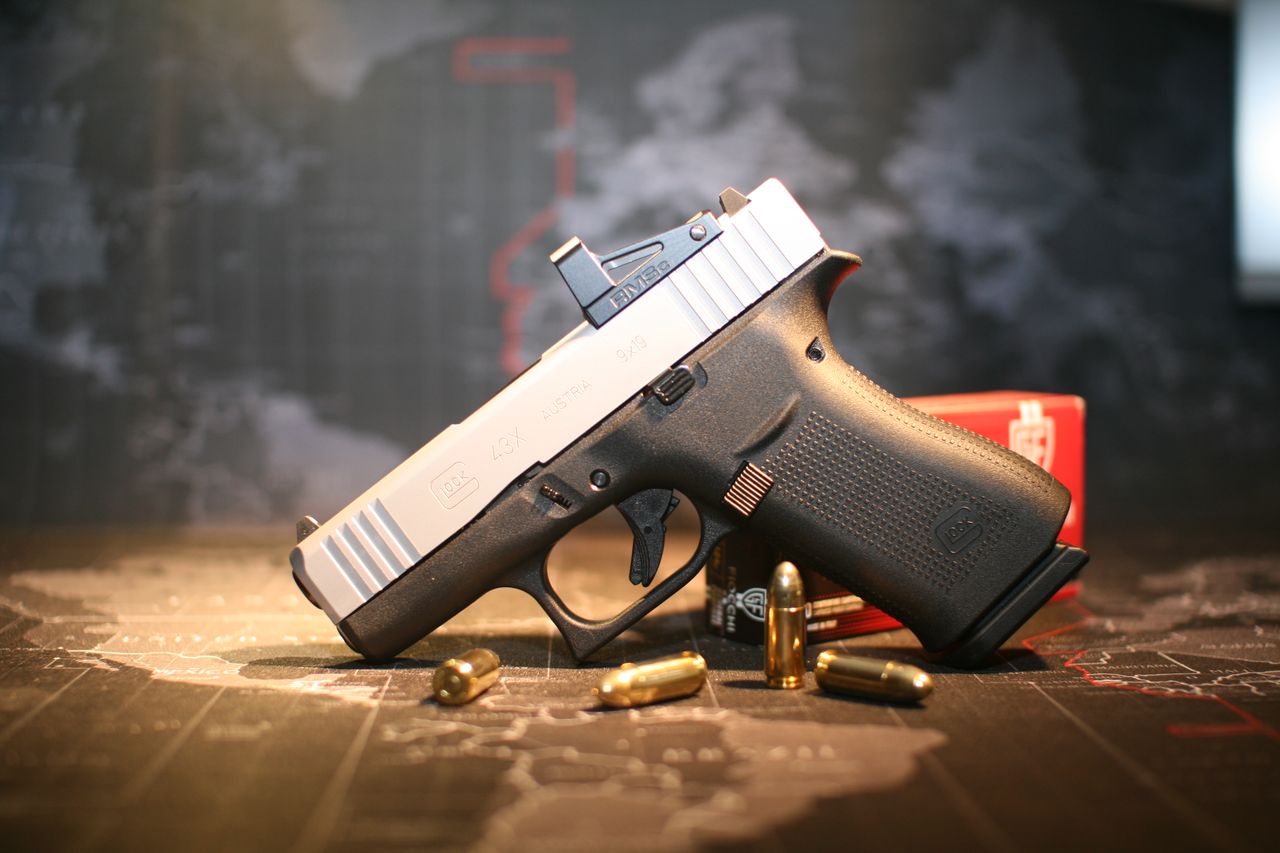
The Glock 43X hits a sweet spot that many officers have been waiting for. It is slimmer and easier to conceal than a Glock 19, easier for many hands to control than the shorter Glock 43, and still large enough to draw, grip, and shoot with confidence. For plainclothes and off-duty carry, that matters every single day.
Its growing police footprint is not just anecdotal. In 2024, a city council purchasing summary tied to a police department weapons update listed Glock 43X pistols as backup weapons alongside a transition to optics-equipped Glock 47 duty pistols. That is the kind of bureaucratic detail that tells you a platform has moved well beyond civilian carry trend status.
Officers like the 43X because it feels less compromised than older pocket-size pistols. The grip gives most shooters a full purchase, recoil is manageable with duty-style 9mm loads, and the pistol carries flatter under a T-shirt or light jacket. It also keeps the Glock ecosystem that agencies already know how to support.
The result is a handgun that fits how many cops actually live outside uniformed patrol. It is not trying to replace a duty gun in every role. It is trying to be the gun an officer will truly carry when a full-size pistol feels like too much, and by that measure it has become one of the strongest personal-preference picks in law enforcement.
SIG Sauer P365 changed the backup gun conversation
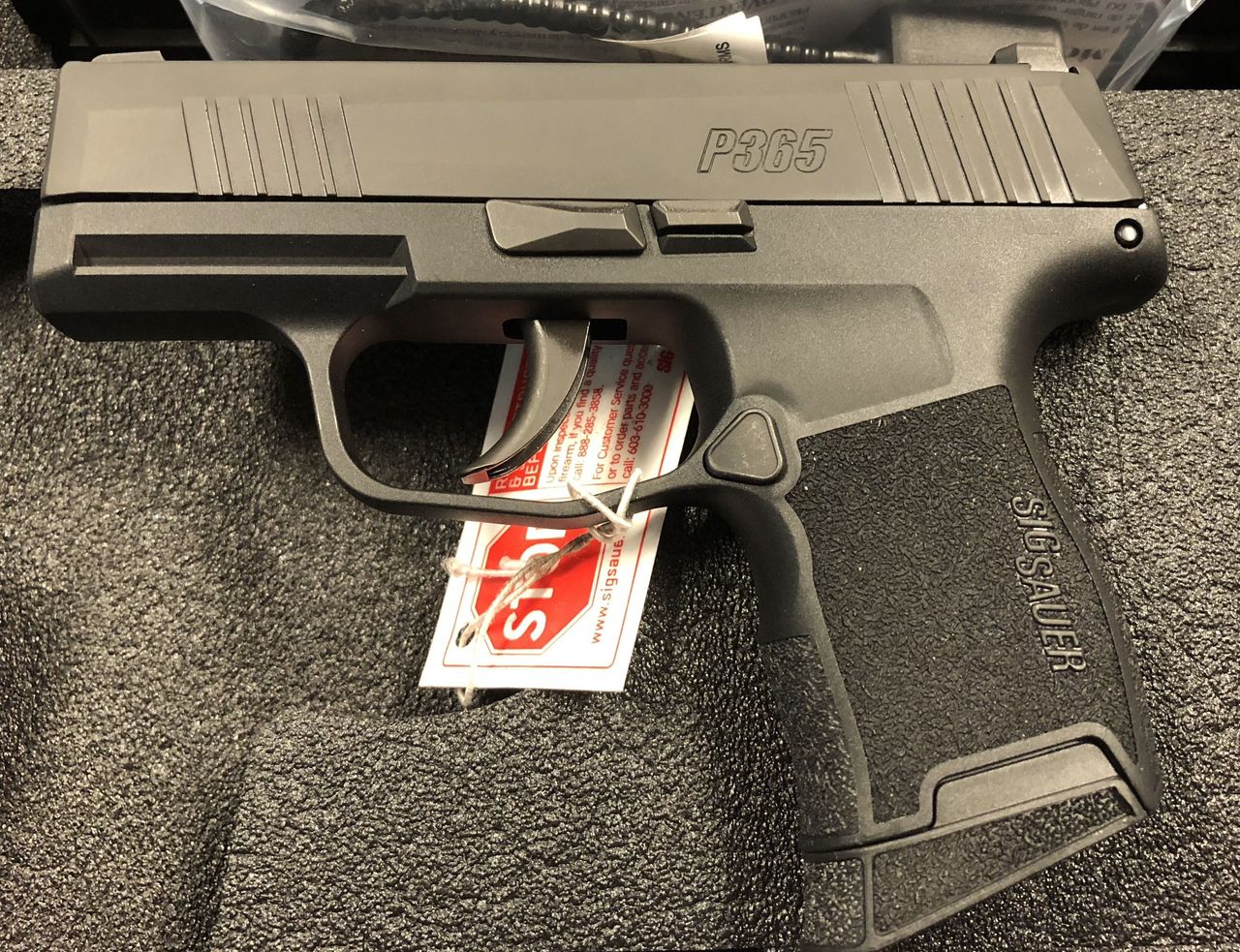
The SIG Sauer P365 did not just enter the market. It changed expectations. Suddenly, officers could get serious 9mm capacity in a package that hid like an older single-stack gun. For law enforcement personnel who wanted deeper concealment without dropping to tiny capacity, that was a major shift.
That capacity-to-size ratio is why the P365 and its variants have become so influential in police circles, even when agencies issue something else. A backup or off-duty pistol has to be comforting to carry, but it also has to feel credible if an officer has to intervene in a real violent encounter while off the clock. The P365 made that compromise easier.
The platform also expanded quickly. The XL and X models gave officers longer grips and sight radius without abandoning concealability, while optics-ready configurations aligned with the broader move toward red dots in police handgun programs. Across the industry, optics-ready duty pistols are becoming normal, and personal guns are following the same path.
Not every officer prefers the tiny-gun feel of the original P365, especially compared with thicker double-stack compacts. But for many cops, the platform solved the exact off-duty problem they had been trying to answer for years: how to carry discreetly, comfortably, and with enough rounds on board to feel genuinely prepared.
SIG Sauer P320 appeals to officers who want modularity
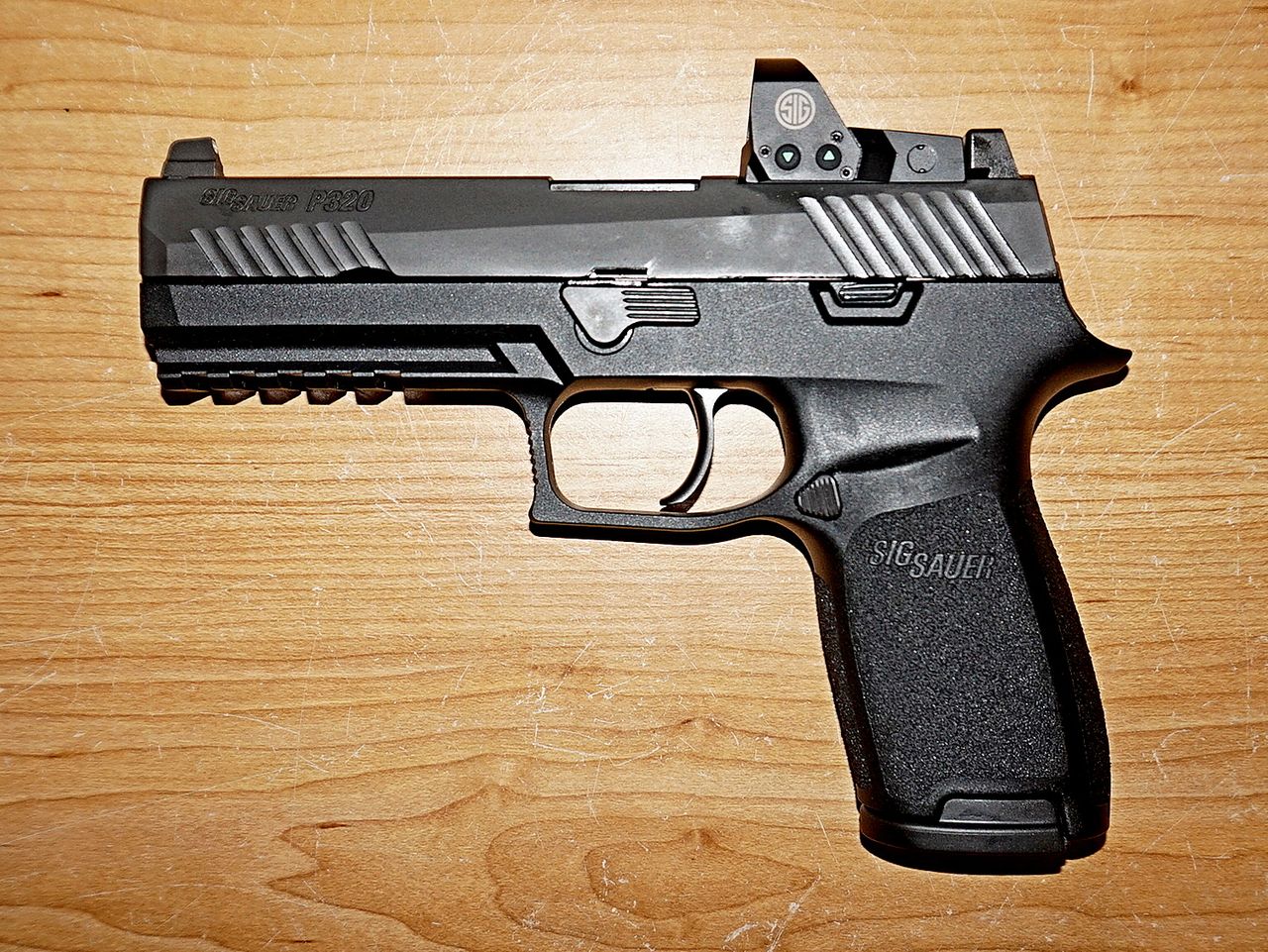
The SIG Sauer P320 occupies a different lane from the P365. This is not mainly about deep concealment. It is about officers who want a striker-fired pistol with duty-size options, modular grip frames, optics-ready configurations, and a trigger feel many shooters simply like better than competing service guns.
That preference is not hard to understand. Officers with large hands, unusual fit issues, or very specific ergonomics can tune a P320 more easily than many fixed-frame pistols. A cop who is not thrilled with an issued handgun often starts by asking whether another platform points more naturally, tracks flatter, or offers a more comfortable reach to the trigger.
There is also institutional credibility here. The P320 family became one of the most discussed service pistol lines in America after major law enforcement and military adoption put it squarely in the duty market conversation. Even when an agency issues Glock, some individual officers still gravitate to the P320 for personal carry or approved alternate use because it feels more tailored.
This is one of those guns that tends to earn strong opinions. Some officers love the modular concept and the way the pistol shoots, while others prefer the simplicity of a Glock. But that split itself proves the larger point: when policy allows room for personal choice, a meaningful slice of law enforcement chooses the P320 over whatever the department handed them.
Smith & Wesson M&P Shield Plus stays strong off duty.
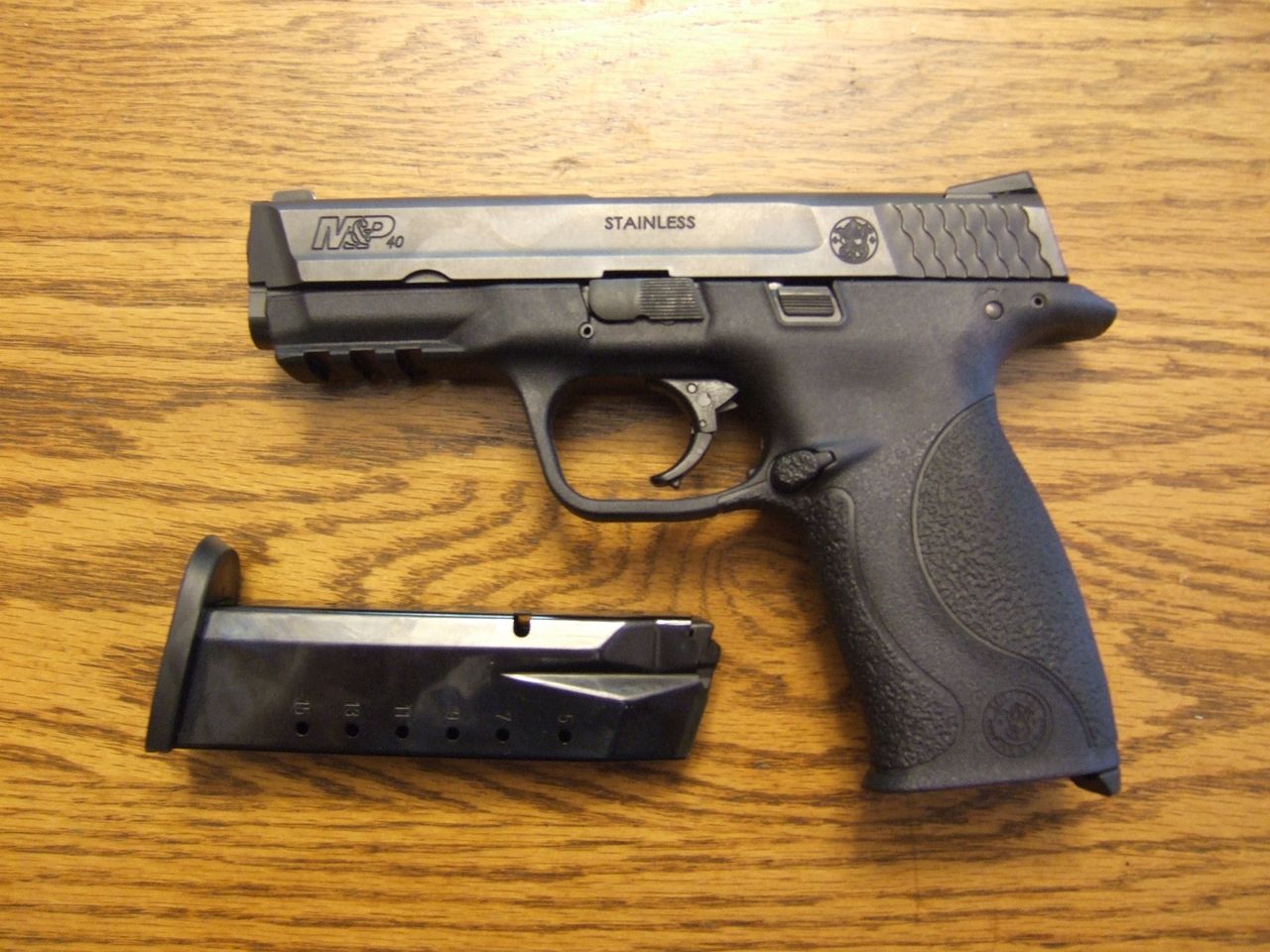
The M&P Shield line earned police trust years ago, and the Shield Plus keeps that momentum going by giving officers more capacity without abandoning the slim, discreet carry profile that made the original so popular. If a cop wants an off-duty gun that disappears easily but still shoots like a serious pistol, this is one of the most logical options.
Police Magazine survey coverage found Smith & Wesson ranking just behind Glock among backup and off-duty brands used by officers, with SIG Sauer also prominent. That is important because it shows the Shield family is not just a civilian concealed-carry success story. It has real traction with professionals who carry handguns for a living.
The Shield Plus appeals especially to officers who do not want to fight a thick waistband gun after a long shift. Its grip texture, improved capacity, and manageable recoil make it easier to train with than many older subcompacts. For smaller-framed officers and plainclothes assignments, that blend of comfort and practical shootability is hard to dismiss.
This is also a pistol with a mature support ecosystem. Holsters, sights, magazines, and armorers are widely available, and officers already familiar with the M&P duty line can transition without much drama. Quietly, that is often what determines whether a personal gun gets carried often enough to matter.
Staccato P is the prestige pick that keeps gaining ground

A decade ago, a 2011-style pistol as a serious police preference would have sounded niche. Today, the Staccato P has become the gun many officers mention when they talk about what they would carry if budget and policy were not major barriers. It is expensive, but its reputation among skilled shooters has spread well beyond competition circles.
Part of that shift is official acceptance. In April 2025, Jacksonville Sheriff’s Office confirmed officers could purchase an approved Staccato at their own expense and, once trained and proficient, carry it on duty in place of the issued Glock. That matters because it moves the Staccato conversation from internet aspiration to documented agency-level authorization.
Officers drawn to the Staccato usually cite shootability first. The trigger is crisp, the gun tracks fast, and many shooters find they can make cleaner hits at speed than with a standard striker-fired service pistol. For SWAT-adjacent users, firearms instructors, and highly motivated enthusiasts inside law enforcement, that edge is compelling.
The downside is obvious. Cost, maintenance expectations, and agency support are all more complicated than with mainstream polymer pistols. But preference is not always about convenience. Sometimes it is about what an officer shoots best, and in that conversation the Staccato P has become one of the most quietly influential status-and-performance guns in policing.
Staccato C and C2 fit the concealed role better.r
If the Staccato P is the dream duty alternative, the smaller Staccato C and older C2-type footprint answer the carry problem more directly. These guns preserve much of the platform’s trigger quality and shootability while trimming enough size for plainclothes, executive protection, or off-duty concealment.
That matters because few officers can realistically hide a full-size steel-framed pistol every day without dressing around it. The more compact Staccato variants are easier to live with while still giving the owner the same style of trigger and operating feel they may prefer over striker-fired pistols. In agencies that allow approved alternates, that consistency can be a major draw.
There are signs these smaller Staccato models are appearing on approved lists. A recently published policy manual from one department includes the Staccato C among listed firearms, evidence that at least some agencies are adapting policy to reflect officer demand for higher-end alternatives. That does not make the platform common, but it does make it real.
For the average officer, this is still an enthusiast purchase. Yet it reflects a broader law enforcement trend toward paying personally for better triggers, better sights, and better practical accuracy. That willingness to spend real money says a lot about what some cops believe they are missing from standard-issue pistols.
Walther PDP earns respect from officers who value shootability
Walther does not dominate police contracts in the United States the way Glock and SIG do, but among officers who have spent time behind the trigger, the PDP has developed a strong word-of-mouth reputation. The reasons are predictable: an excellent factory trigger, ergonomic grip design, and a slide that many shooters find easy to manipulate under stress.
This is the kind of pistol that often wins over firearms instructors and range-heavy officers. When someone shoots enough to notice subtleties in trigger reset, recoil impulse, and grip texture, the PDP tends to make a strong impression. For officers dissatisfied with a mushier issued trigger or a grip angle they never fully loved, Walther can feel like an instant upgrade.
The optics-ready design also fits where police handguns are going. Departments around the country are increasingly adopting red-dot-equipped sidearms, and officers buying personal guns are often trying to stay aligned with that future. A personal pistol that already supports optics cleanly is easier to justify than a legacy design that needs extra work.
The PDP remains a quieter choice than Glock 19s or P365s simply because fewer agencies are built around Walther support. Even so, among officers who prioritize how a handgun actually feels and performs on the range, it has become one of the more respected alternative picks.
FN 509 speaks to officers who want a duty-grade alternative
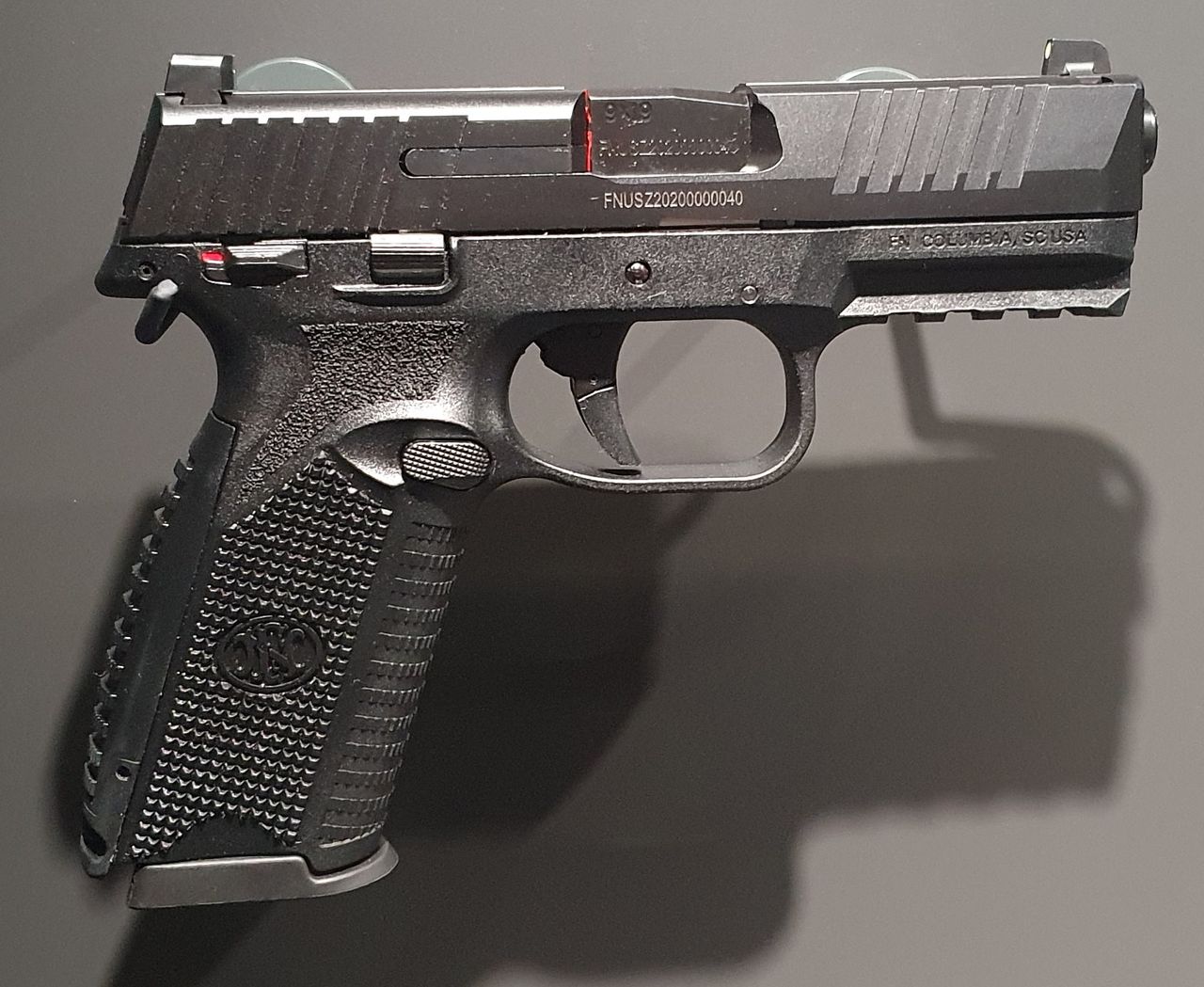
The FN 509 is not the first name most civilians mention in concealed carry chatter, but it deserves attention in the law enforcement context because it was built squarely for hard-use service work. Officers who prefer it often describe it as a rugged, duty-minded pistol with good capacity, solid texture, and modern optics-ready options.
Its law enforcement credentials have grown through actual agency adoption. In October 2024, FN announced that the Waterbury Police Department selected the FN 509 MRD-LE 9mm as its new sidearm for roughly 300 sworn officers, emphasizing reliability, durability, and future-proof optics readiness. That kind of adoption gives hesitant officers confidence the platform is not a boutique gamble.
For individual preference, the 509 often appeals to cops who want something slightly different from the Glock-dominated norm without stepping outside the mainstream duty universe. The pistol feels substantial in the hand, recoil control is generally praised, and the LE-focused versions are clearly intended for professional use rather than pure commercial trend chasing.
The tradeoff is ecosystem depth. Glock still wins on sheer holster availability, magazine commonality, and armorer familiarity in many departments. But officers willing to do a little extra homework often find the FN 509 gives them the robust, full-service handgun feel they wanted from issue guns in the first place.
Snub-nose revolvers still survive as true deep backup guns.
It is easy to assume revolvers are gone from police carry culture, but that is not entirely true. The lightweight snub-nose revolver still hangs on in certain circles as a deep concealment or ankle backup option. It is no longer the mainstream answer, yet some officers continue to value its simplicity, pocket safety, and reliability when carried in awkward positions.
This preference usually shows up among veterans, plainclothes officers, or people who want a gun that can ride in a coat pocket or ankle holster with minimal fuss. A small revolver is less sensitive to lint, body pressure, and contact-shot concerns than some tiny semi-autos. In a backup role, that kind of mechanical certainty still has believers.
Older police writing reflected this culture far more strongly, especially when revolvers were primary duty guns and backup compatibility meant matching speedloaders. Today the role is narrower, but the logic survives. A five-shot .38 is not ideal for every problem, yet as a last-ditch gun that can be carried almost anywhere, it remains relevant.
The key point is not that revolvers are making a comeback. They are not. It is that officer preferences do not always move in a straight line toward whatever is newest. Sometimes an older tool remains in circulation because it solves a very specific problem better than more fashionable alternatives.
What these choices reveal about how cops really buy guns
Taken together, these preferences reveal a pattern that is more practical than glamorous. Law enforcement officers usually do not abandon issue guns because they want something exotic. They do it because they want one of four things: better concealment, better shootability, better familiarity across roles, or better confidence when they are paying with their own money.
That is why the same names keep resurfacing. Glock 19 and Glock 26 represent continuity with issued systems. Glock 43X, P365, and Shield Plus answer the off-duty carry problem. P320, PDP, and FN 509 appeal to officers who want a different duty-gun feel. Staccato models capture the performance-first crowd willing to spend heavily for marginal gains that matter to them.
What looks like quiet preference is really a map of police life outside the procurement spreadsheet. Officers carry in uniform, in plain clothes, at home, on errands, and sometimes in places where comfort dictates whether the gun comes along at all. The pistol they choose for those hours says more about trust than the one signed out from the armory.
In the end, issue guns are about standardization. Preferred guns are about lived experience. And when you look closely at what cops privately favor, you see a simple truth: the best gun on paper is not always the one they most want on their belt.