When a firearm collection is inherited, families sometimes take the quickest route to selling it. An old pistol goes into a case, receives a handwritten price tag, and ends up at a gun show. Unfortunately, that approach can overlook important details. Certain discontinued models, military-issued handguns, and early production variants have collector interest that ordinary buyers might not immediately recognise. A pistol that looks like an everyday used firearm could have a much different value because of its manufacturer, production period, original components, or documented history. Here are 12 pistols that deserve careful identification before an inherited collection receives a price tag.
1. Colt Government Model 1911
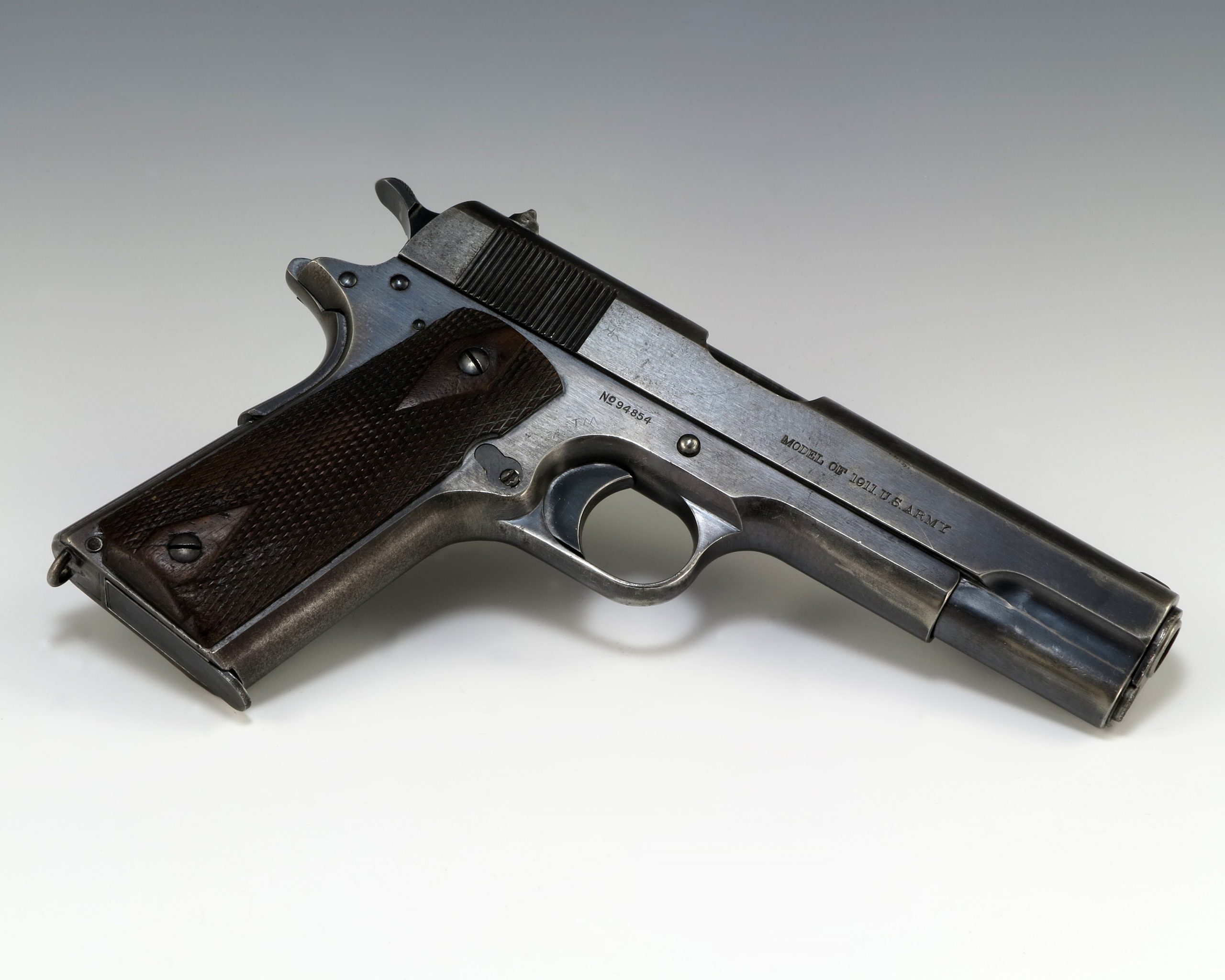
A standard Colt Government Model from the 1911 family can look ordinary beside rare wartime examples, but condition and originality still matter. A common postwar or later commercial pistol may sit around $700 to $1,200 in a US private-sale discussion, while documented early or scarce variants can be worth considerably more. Heirs should not assume every pistol marked Colt is a collector rarity. Check the exact model, serial-number range, finish, parts, box,x and paperwork with a qualified appraiser. Refinished metal, replacement parts, or missing provenance can change the figure sharply. A second opinion is worthwhile.
2. Luger P08
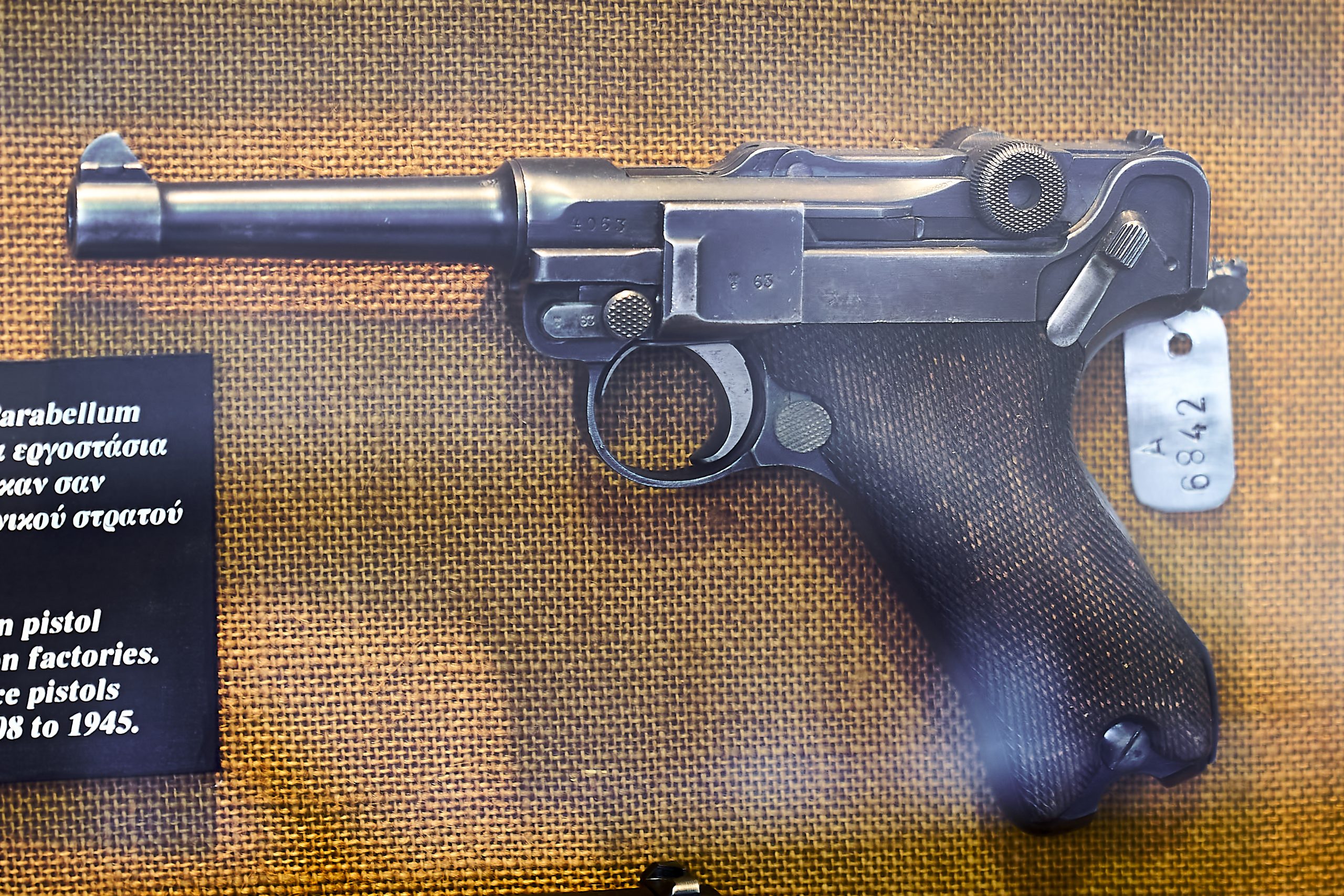
The Luger P08 attracts attention because its toggle-lock profile is instantly recognisable and its history spans two world wars. Yet not every Luger is a premium example. A mismatched, worn,n or import-marked pistol may be valued very differently from a documented, matching-number specimen with credible history. Broad US asking discussions often place ordinary examples around $1,000 to $2,000, but unusual variants can exceed that range. The maker, date, military acceptance marks, matching components,ts and condition all matter. A family should obtain specialist authentication before accepting a show-floor offer.
3. Walther P38
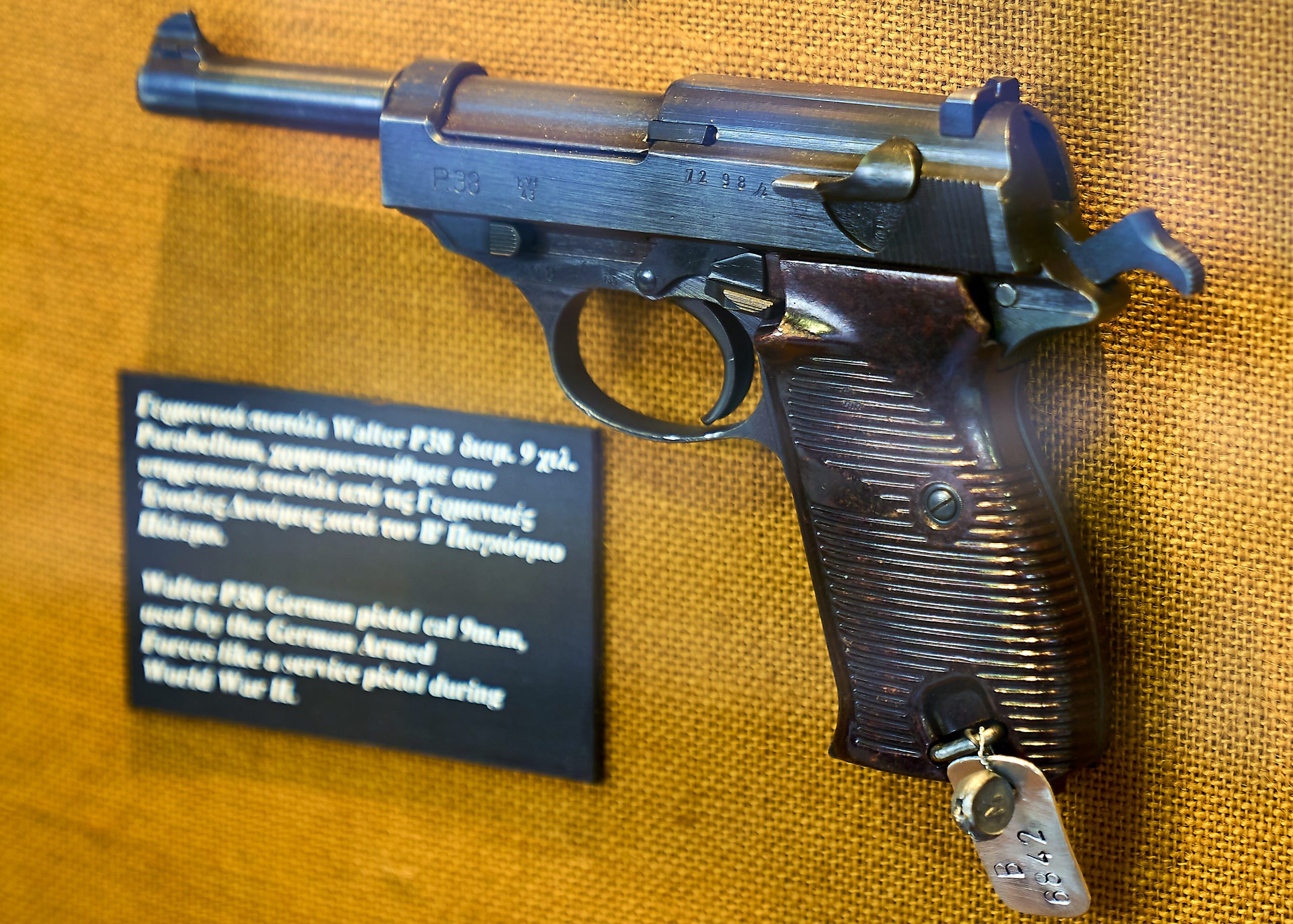
The Walther P38 is sometimes mistaken for a less valuable alternative to the Luger, although its own wartime history gives it a strong collector following. A common postwar commercial example may bring roughly $400 to $800, while a correctly identified wartime pistol can reach about $800 to $1,500 or more depending on maker, date, and condition. Matching parts and clear military markings matter more than a seller’s dramatic story. Heirs should record every marking and preserve any holster, magazine, or papers. Avoid polishing or replacing anything before an expert has examined it. Provenance should be independently checked.
4. Browning Hi-Power
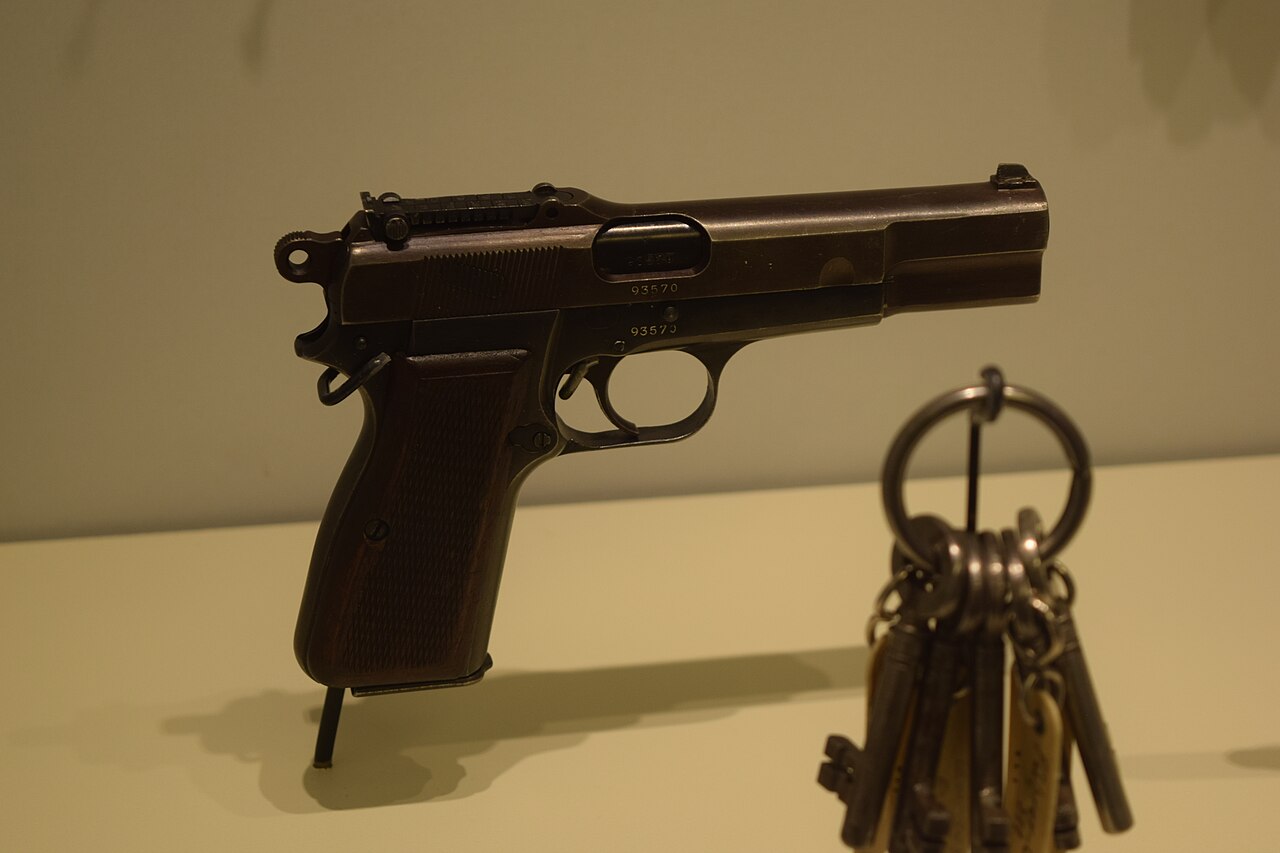
A Browning Hi-Power can be overlooked when a family sees an older service pistol rather than a recognised design. Standard commercial examples often fall around $600 to $1,000 in the US market, while scarce military-contract, early or documented variants can command more. The maker and production period are essential: Belgian FN, Canadian Inglis, and later examples are not interchangeable in collector value. Original finish, grips, magazines, and paperwork also influence the result. A relative should photograph the markings and seek a specialist opinion before treating a quick gun-show quote as a fair valuation.
5. Colt Woodsman
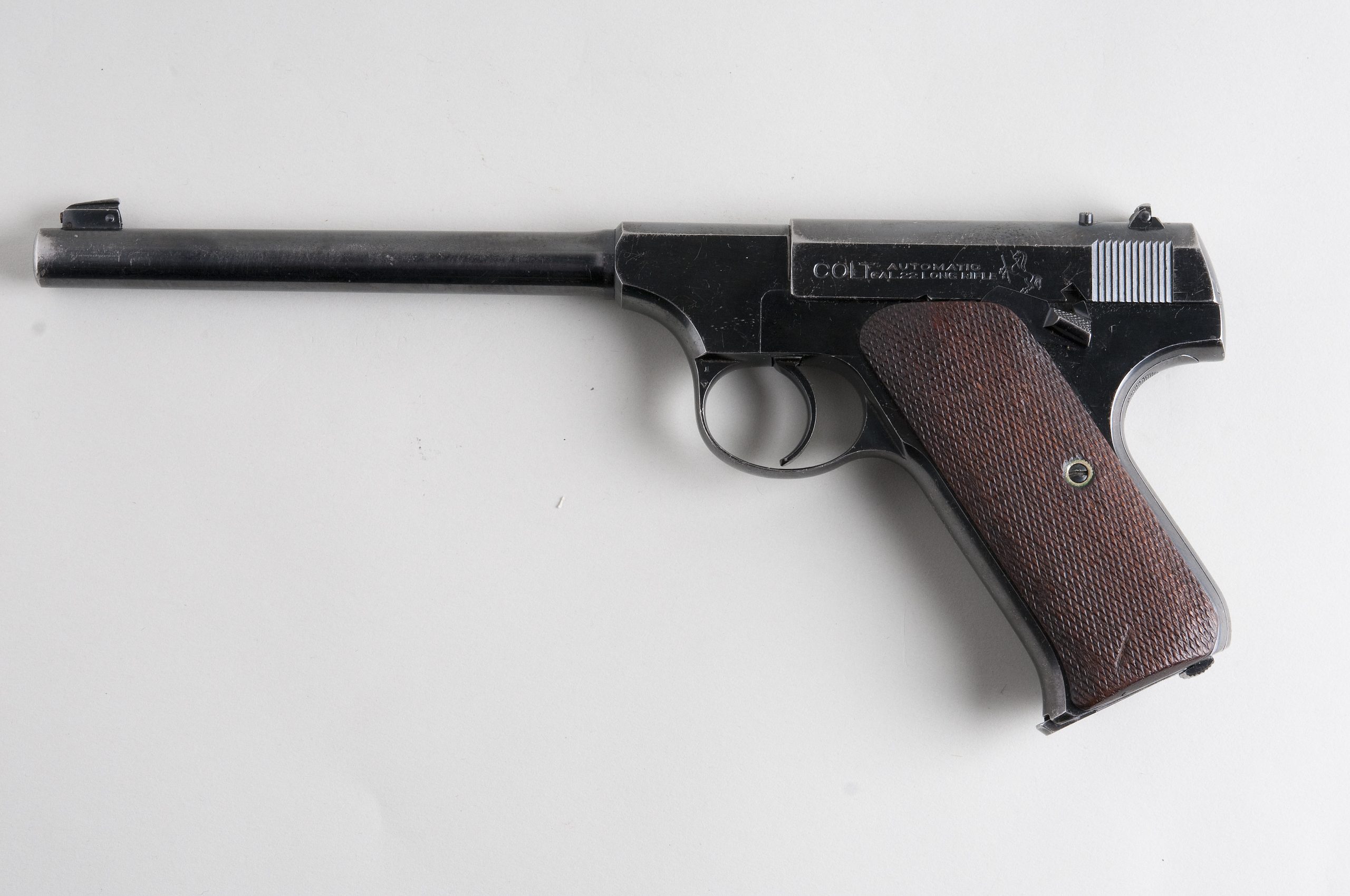
The Colt Woodsman is a classic rimfire pistol with a following among collectors, but its value depends heavily on the generation and configuration. Many ordinary examples may be discussed in the $400 to $800 range, while scarce target versions or unusually complete early examples can be higher. The family should identify whether it is a First, Second,d or Third Series and note barrel length, sights, grips,ps and any original box. A worn finish does not automatically make it worthless, and a polished appearance does not prove originality. Ask an experienced Colt appraiser to verify the details. Keep all accessories together.
6. Smith & Wesson Model 19
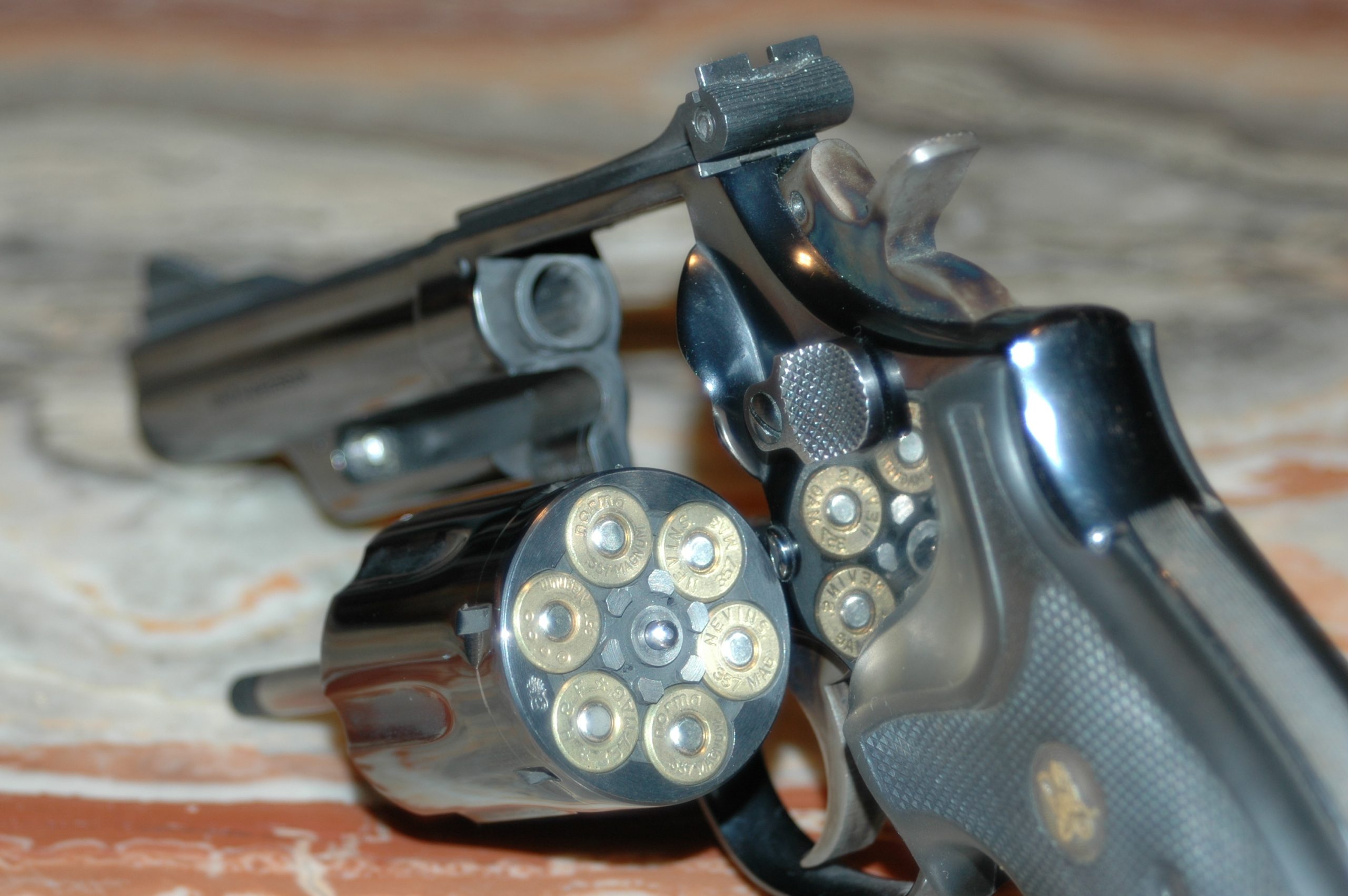
A Smith & Wesson Model 19 may look like a familiar older revolver, yet its production details can separate a routine used example from a desirable collectible. Common versions may bring roughly $500 to $900 in the US market, with condition, barrel length, dash variation, and original packaging affecting the final figure. Heirs should not rely on a single number quoted by a buyer at a crowded show. Record the model designation and visible serial information, then compare completed sales for the same configuration. Do not clean, refinish, or alter the revolver before professional inspection. Local demand can also shift the result.
7. Colt Python
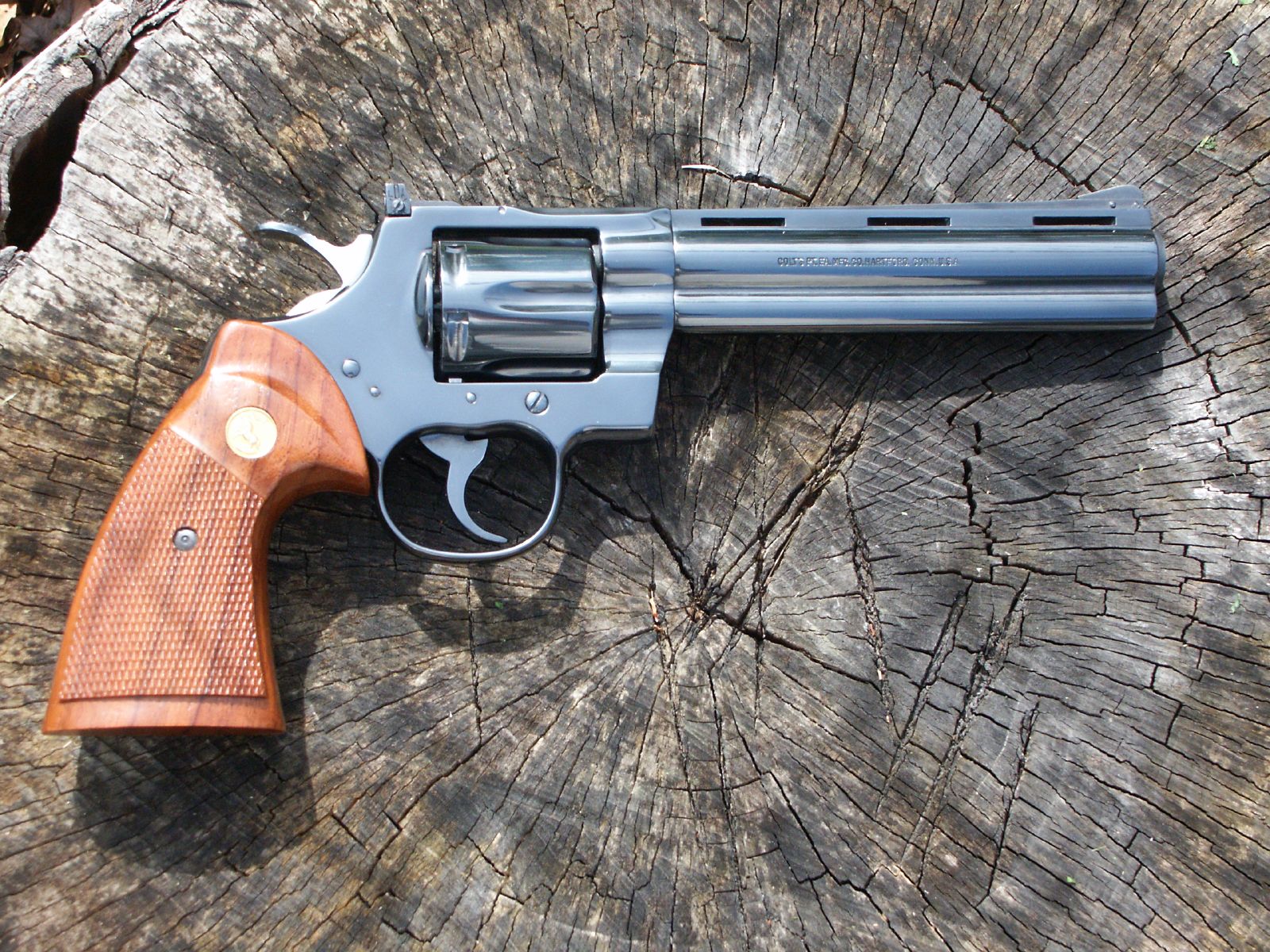
The Colt Python has a reputation that can make families expect a fortune, but values are not identical across every production period. Older examples and certain barrel lengths may attract strong interest, while later versions and heavily used pistols can occupy a different bracket. A broad US guide range for many used examples is about $1,000 to $2,000, with exceptional condition or scarce configurations moving higher. Original finish, box, papers,s and factory features matter. Heirs should verify the exact generation and condition rather than pricing it solely by the Python name. A specialist can confirm originality.
8. Beretta 92FS
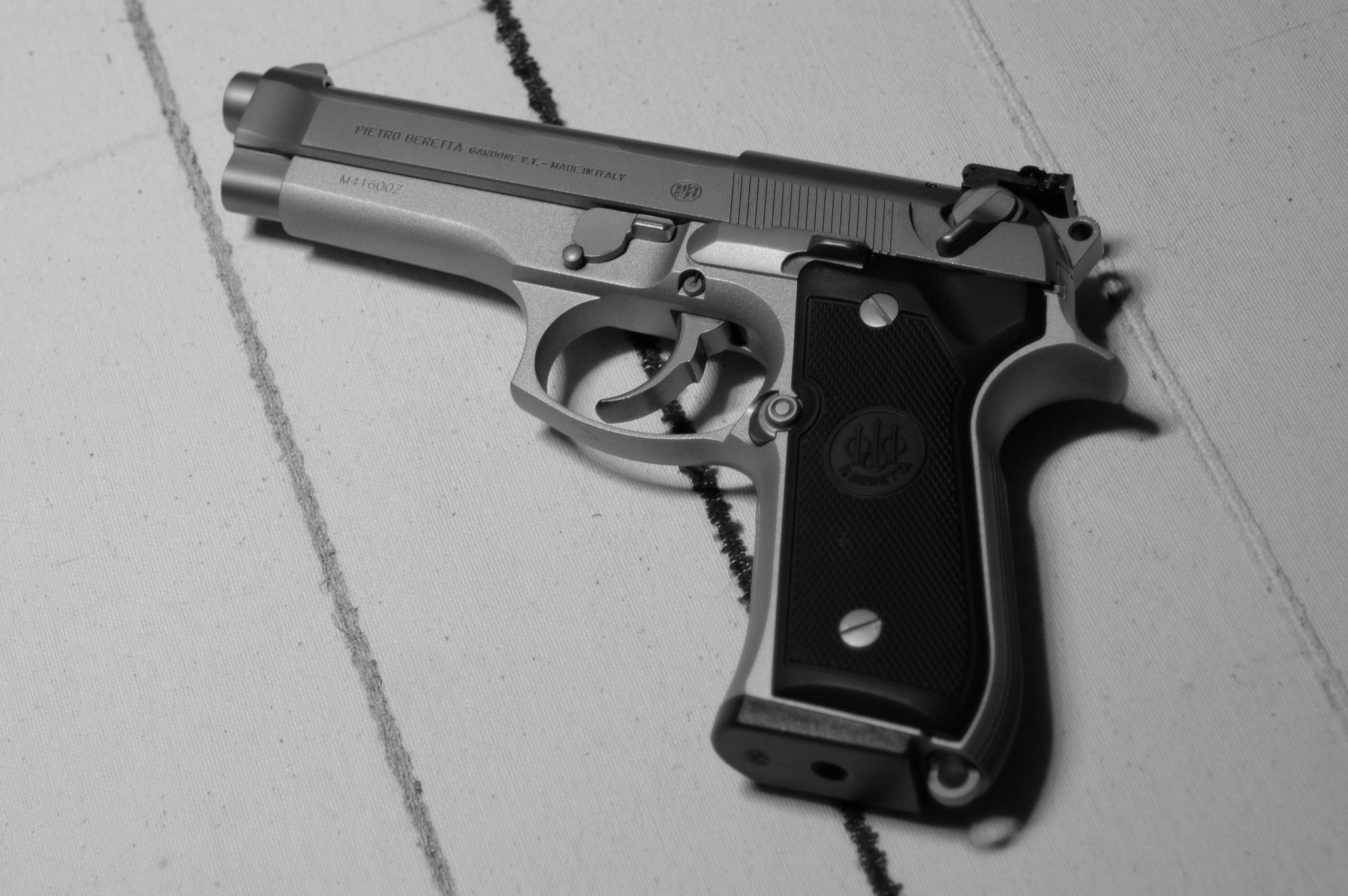
A Beretta 92FS is widely recognised, but its popularity does not automatically make every used example a rare collectible. A typical standard pistol may sit around $400 to $650 in the US market, depending on condition, included accessories, and local demand. Special military, police, or limited-production variants need separate identification and evidence. Families sometimes mistake an older service history for proof of rarity, so paperwork should be checked rather than assumed. Photograph the markings, retain the original case and accessories, and compare completed sales of the same version before considering an offer.
9. Ruger Mark II

The Ruger Mark II is a well-known .22 rimfire pistol, and its age alone does not make it scarce. Ordinary used examples are often discussed around $250 to $450 in the US market, while desirable target configurations or excellent boxed examples may bring more. Buyers should identify the exact variant, barrel style, sights,s and original accessories before setting a price. A common model with honest wear is not the same as a rare configuration in exceptional condition. Check recent completed sales, not just optimistic listings, and have the firearm assessed before agreeing to a quick cash offer. Accessories should stay with it.
10. Walther PPK
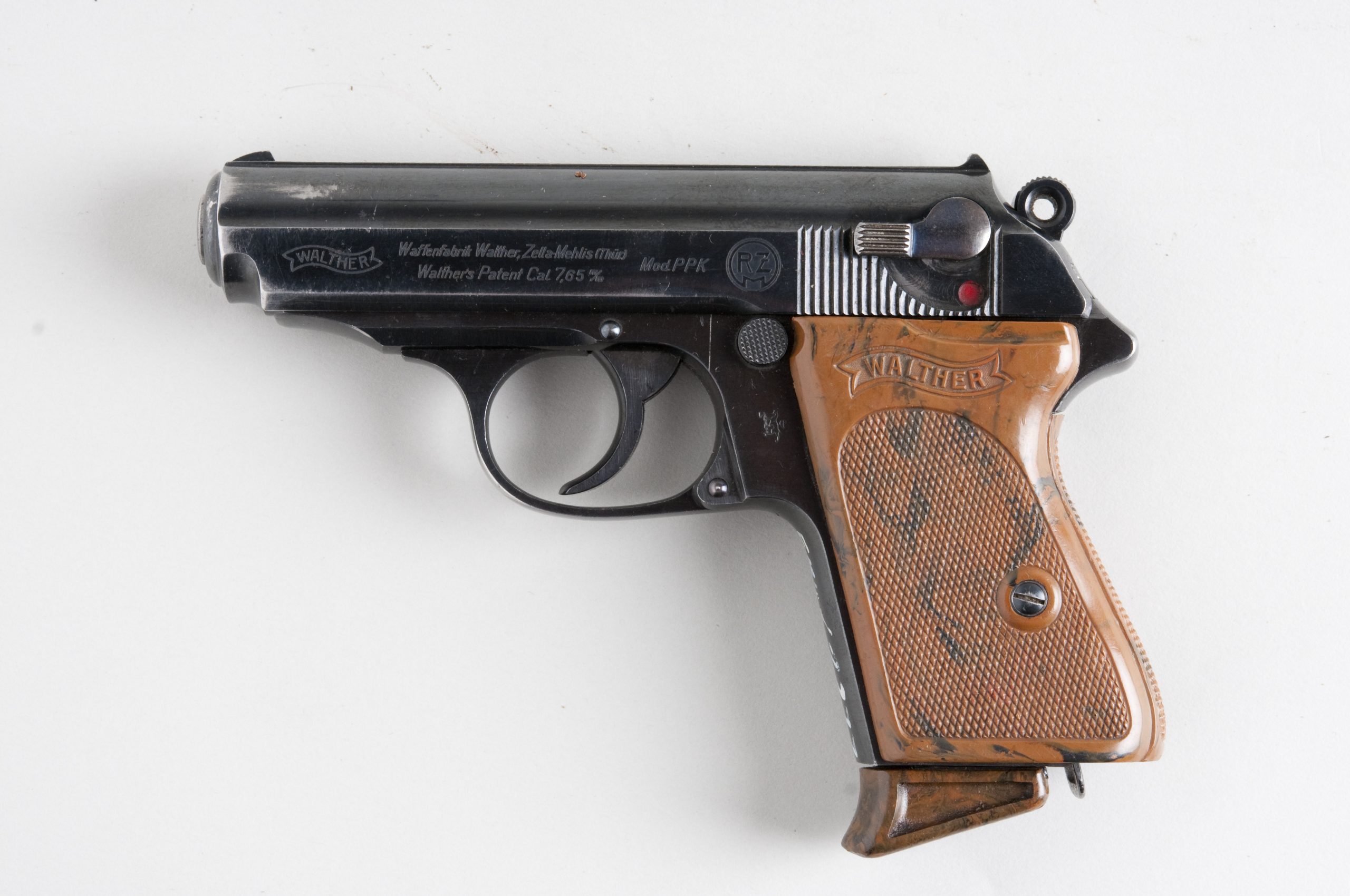
The Walther PPK is small, familiar,ar and often associated with film and popular culture, which can lead relatives to overestimate its value. Standard used examples may fall around $500 to $900 in the US market, while older German-made or scarce variants can command a premium when correctly authenticated. Country of manufacture, date, calibre, markings, finish,ish and original accessories all deserve attention. A replacement grip or refinished slide can reduce collector interest. Heirs should resist pricing it by appearance alone and ask a Walther specialist to distinguish an ordinary example from a genuinely desirable one.
11. Mauser C96
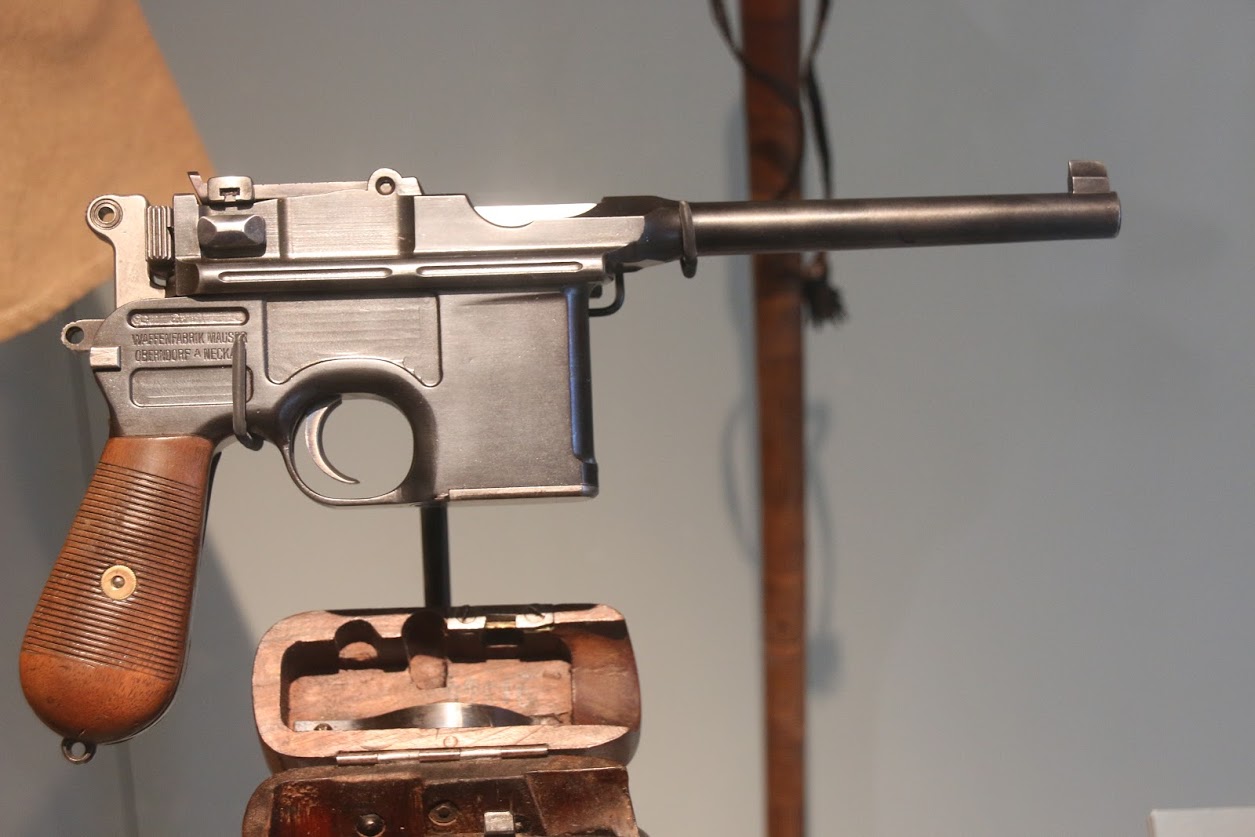
The Mauser C96 stands apart from later service pistols because of its distinctive profile. That makes identification especially important: early, late, commercial,l and military-associated examples can have very different values. A common, incomplete example may be discussed from roughly $1,000 to $2,000, while rare variations and well-documented examples can be worth substantially more. Matching numbers, original finish, condition, and credible provenance are central. Families should not accept a broad estimate based only on the Mauser name. Seek an antique-firearms specialist and preserve all accompanying papers and accessories.
12. CZ 75 Pre-B
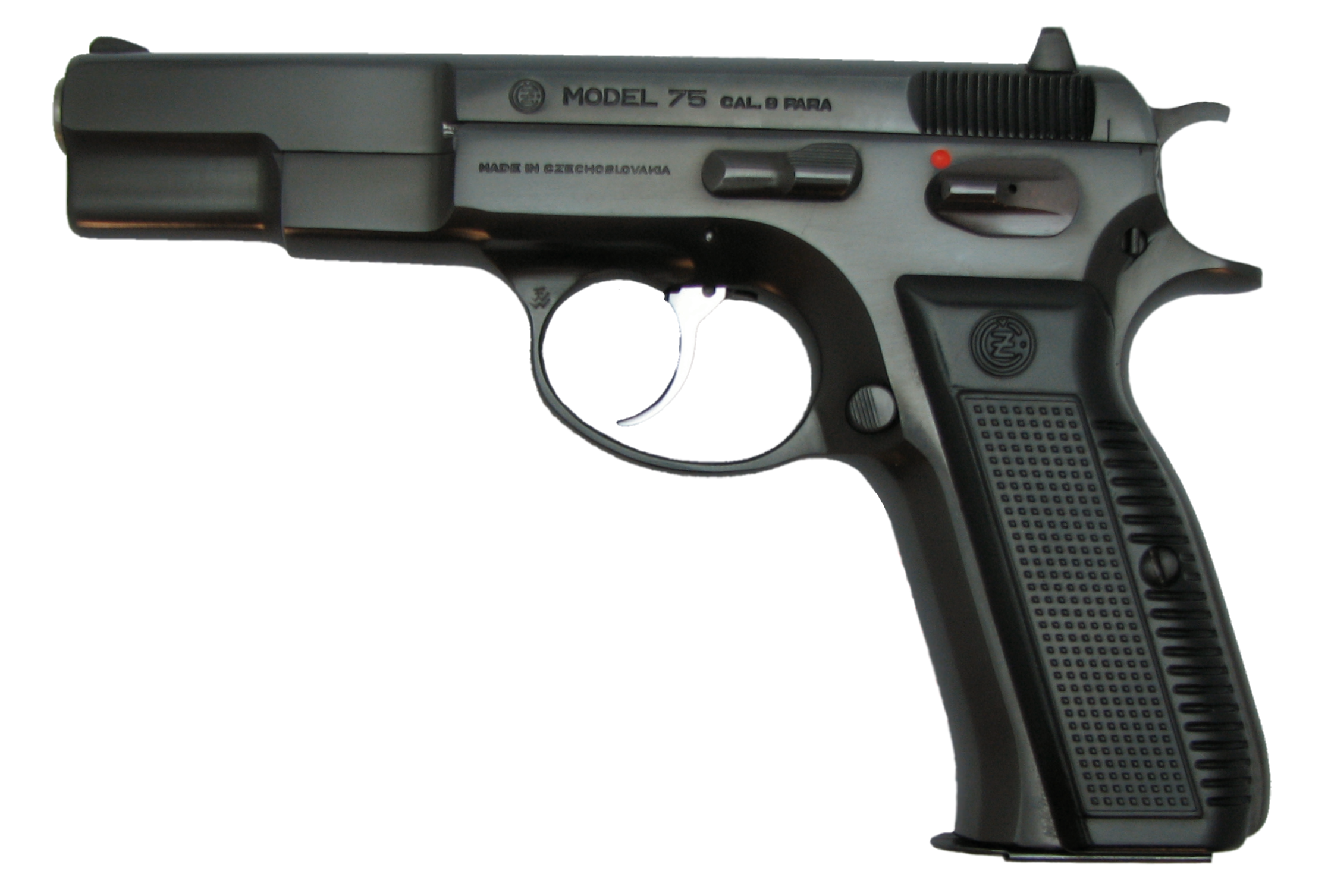
A CZ 75 from the early production period can be more collectible than a later, more common example, but the distinction is easy to miss. Standard used CZ 75 pistols may be valued around $400 to $700 in the US market, while early Pre-B versions and documented scarce variants can bring more. Markings, production details, finish, grips, and original packaging help establish which version is present. Heirs should avoid assuming every older CZ is an early collectible. Photograph identifying marks and compare the exact variant with completed sales before accepting a dealer’s or show visitor’s estimate. Take time to verify.