Some firearms were more than just successful in their own era — they quietly sketched the blueprint for the future. From battle rifles and service pistols to groundbreaking shotguns and long-range platforms, these designs introduced features, ergonomics, or operating systems that still shape what shooters value today. This gallery explores 13 guns that arrived early, proved their worth, and still hold up remarkably well.
Browning Auto-5
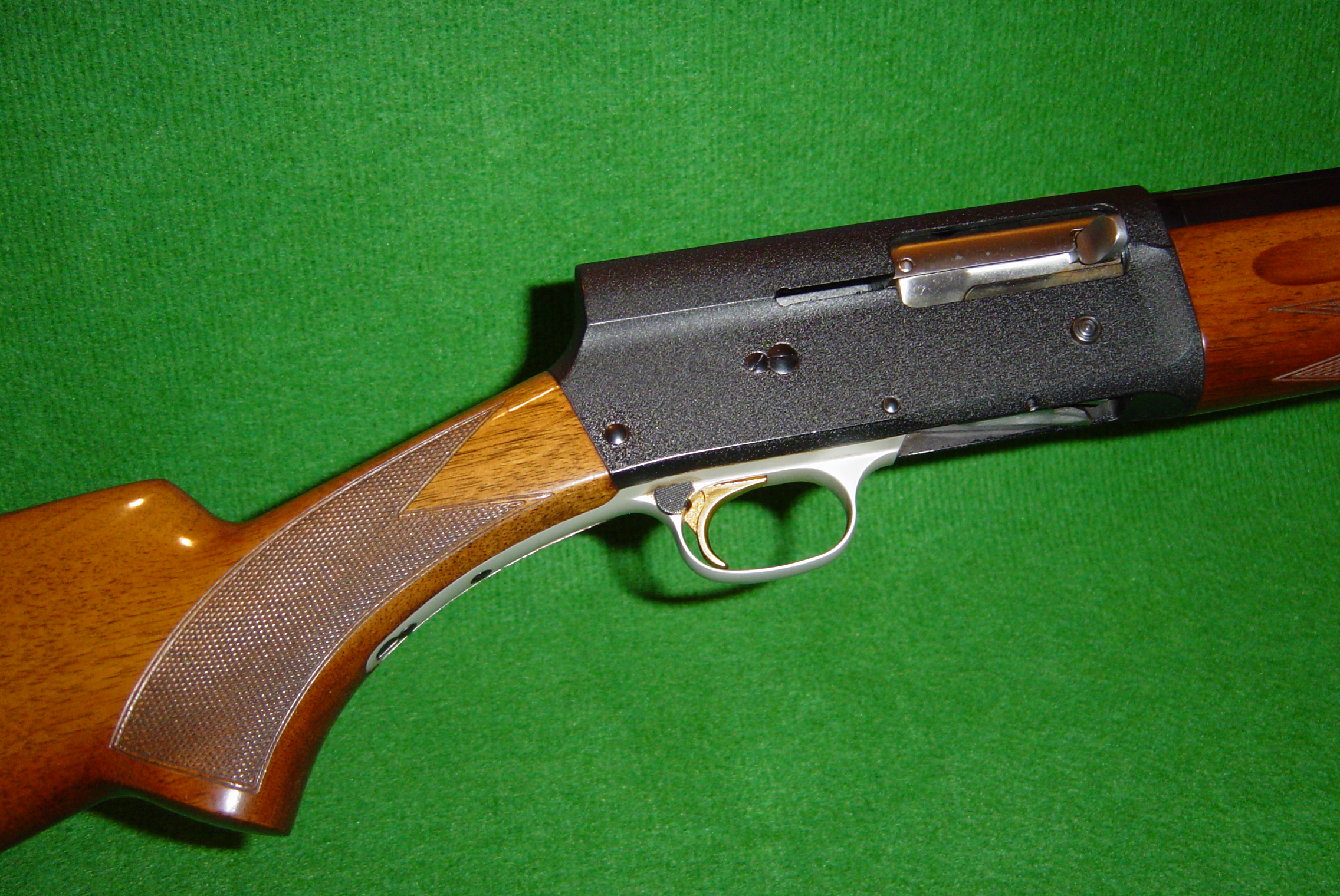
When the Browning Auto-5 debuted at the turn of the 20th century, the idea of a reliable semiautomatic shotgun still felt almost futuristic. Yet John Browning’s long-recoil design proved rugged, practical, and surprisingly adaptable, giving hunters and sport shooters a gun that could keep running long after newer ideas came and went.
Its distinctive humpback receiver also did more than create a recognizable profile. It gave shooters a useful sighting plane and a handling character that many still love today, especially in the field.
Even by modern standards, the Auto-5 feels like a serious working gun. That longevity says a lot about how far ahead Browning really was.
Colt M1911

More than a century after its adoption, the M1911 still refuses to become merely historical. Its slim profile, excellent trigger, natural pointing qualities, and authoritative .45 ACP chambering helped define what a fighting pistol could be, and many of those traits remain desirable in a handgun right now.
What makes the design feel so modern is its blend of shootability and customization. The platform invited refinements long before modularity became a buzzword, and generations of gunsmiths turned it into a personal sidearm in a way few pistols could match.
Plenty of newer pistols are lighter and simpler, but the 1911 still earns respect because it got so much right so early.
Browning Hi-Power
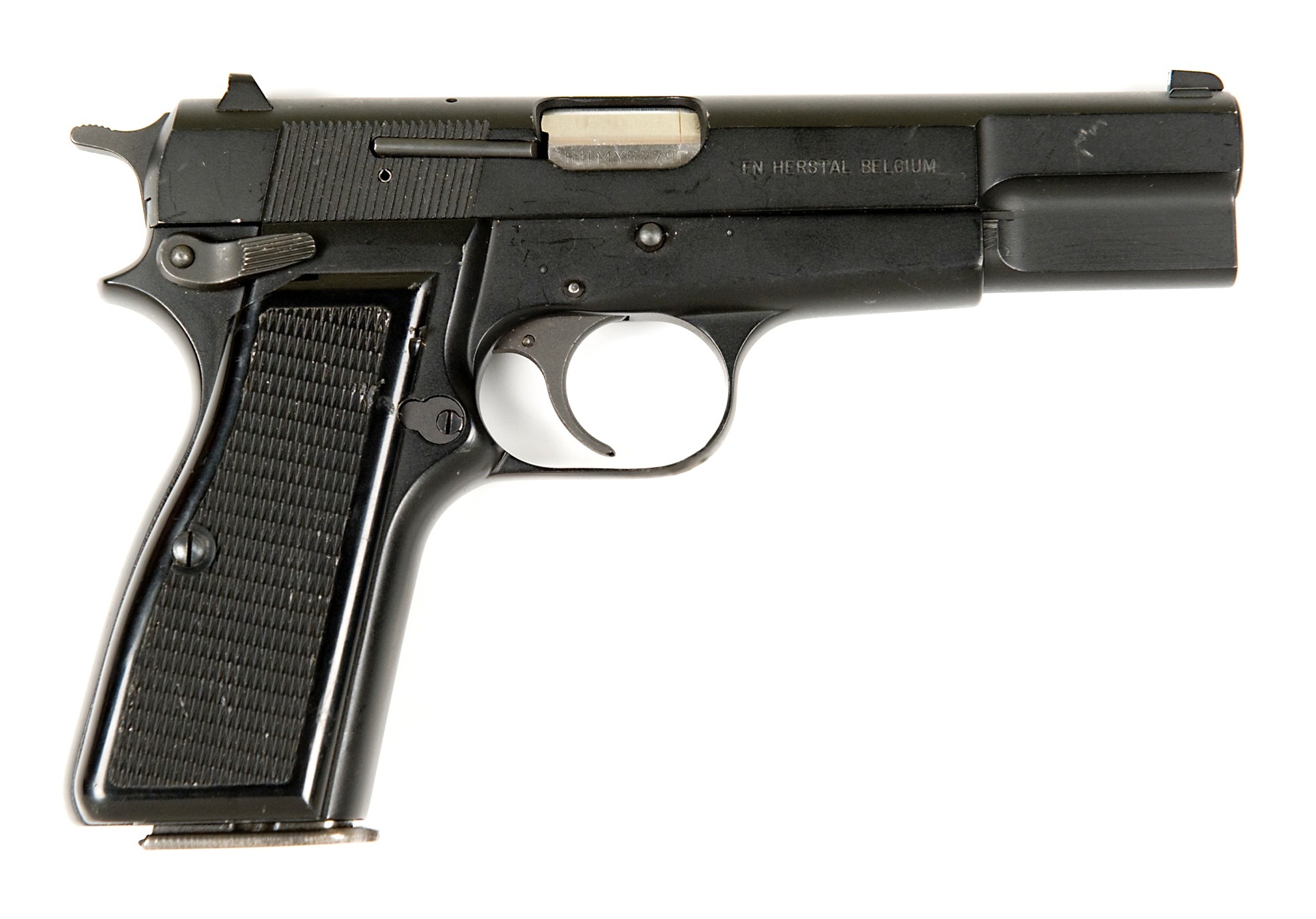
The Browning Hi-Power arrived with a feature set that reads like a preview of the modern service pistol. Its double-stack magazine offered major capacity in an era when many sidearms were still relatively limited, and its overall shape balanced elegance with practical handling.
Shooters also appreciated how comfortable it felt in the hand. The grip was famously good, and the pistol pointed with an ease that made it memorable even among excellent contemporaries.
The Hi-Power influenced decades of military and police handguns for a reason. High capacity, clean lines, and a very shootable layout made it seem ahead of schedule when it appeared, and it still feels relevant now.
Winchester Model 1897
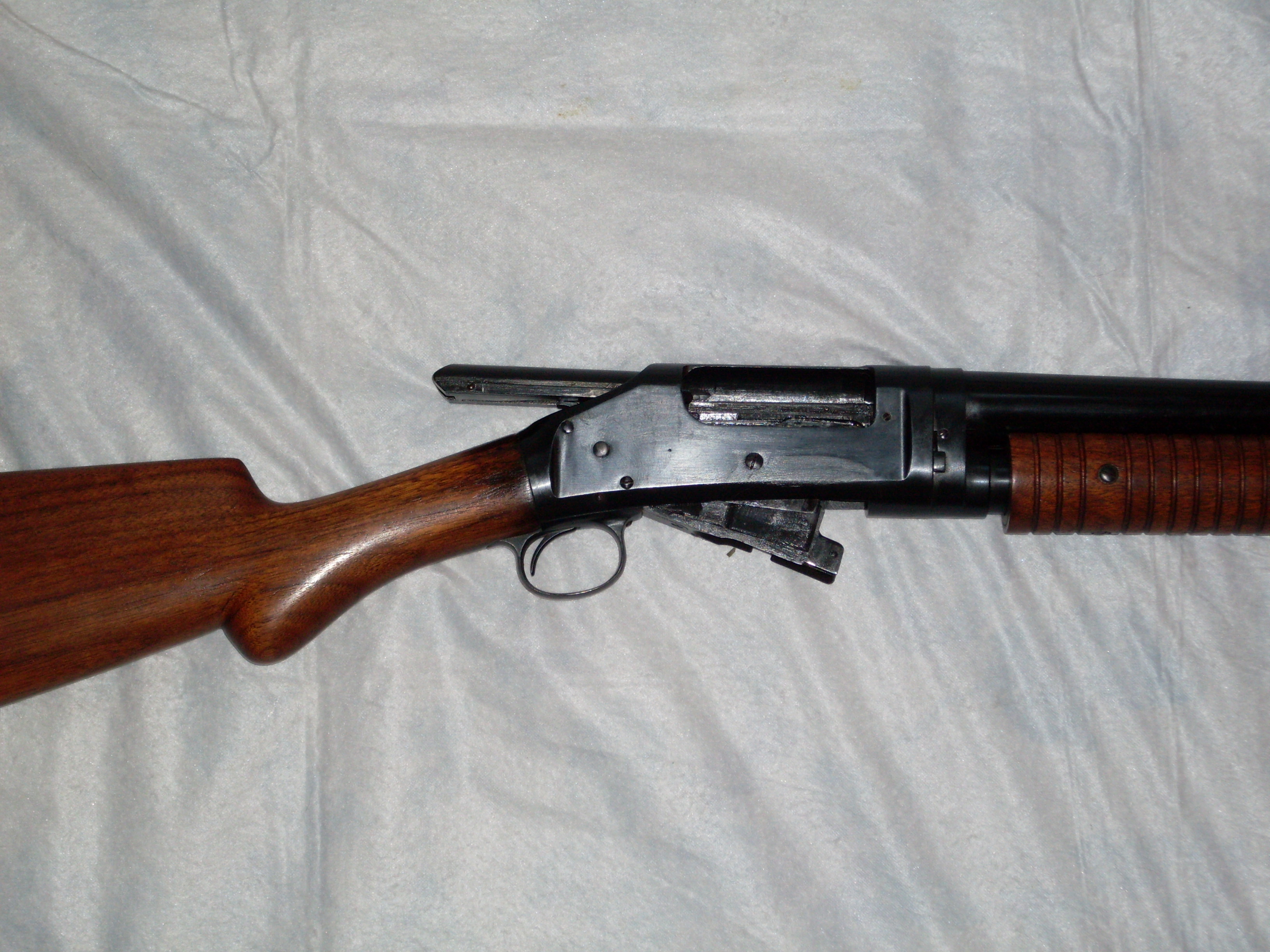
The Winchester Model 1897 was a pump shotgun from another age, but it anticipated a surprising amount about the fighting and utility shotgun concept. Fast cycling, external hammer simplicity, and a proven appetite for hard use gave it a reputation that stretched from hunting fields to military service.
Its trench gun variants became especially iconic, showing just how effective a repeating shotgun could be in close quarters. That role would become a standard part of 20th-century arsenals, and the 1897 helped establish it early.
Even today, the gun feels less like a relic and more like a rough draft of every practical pump that followed. That is a remarkable legacy for a design this old.
M1 Garand

The M1 Garand changed the standard infantry rifle conversation almost overnight. In a world where many armies still leaned heavily on bolt actions, the Garand gave American forces a reliable semiautomatic service rifle with real battlefield durability and a meaningful rate-of-fire advantage.
That alone would make it important, but the rifle also holds up because it remains a genuinely usable, well-balanced design. Its sights are excellent, its action is smooth, and its overall handling still impresses shooters who expect much from a rifle.
The Garand’s influence runs deeper than nostalgia. It proved that semiautomatic firepower in a full-power military rifle was not a luxury — it was the future arriving early.
AK-47
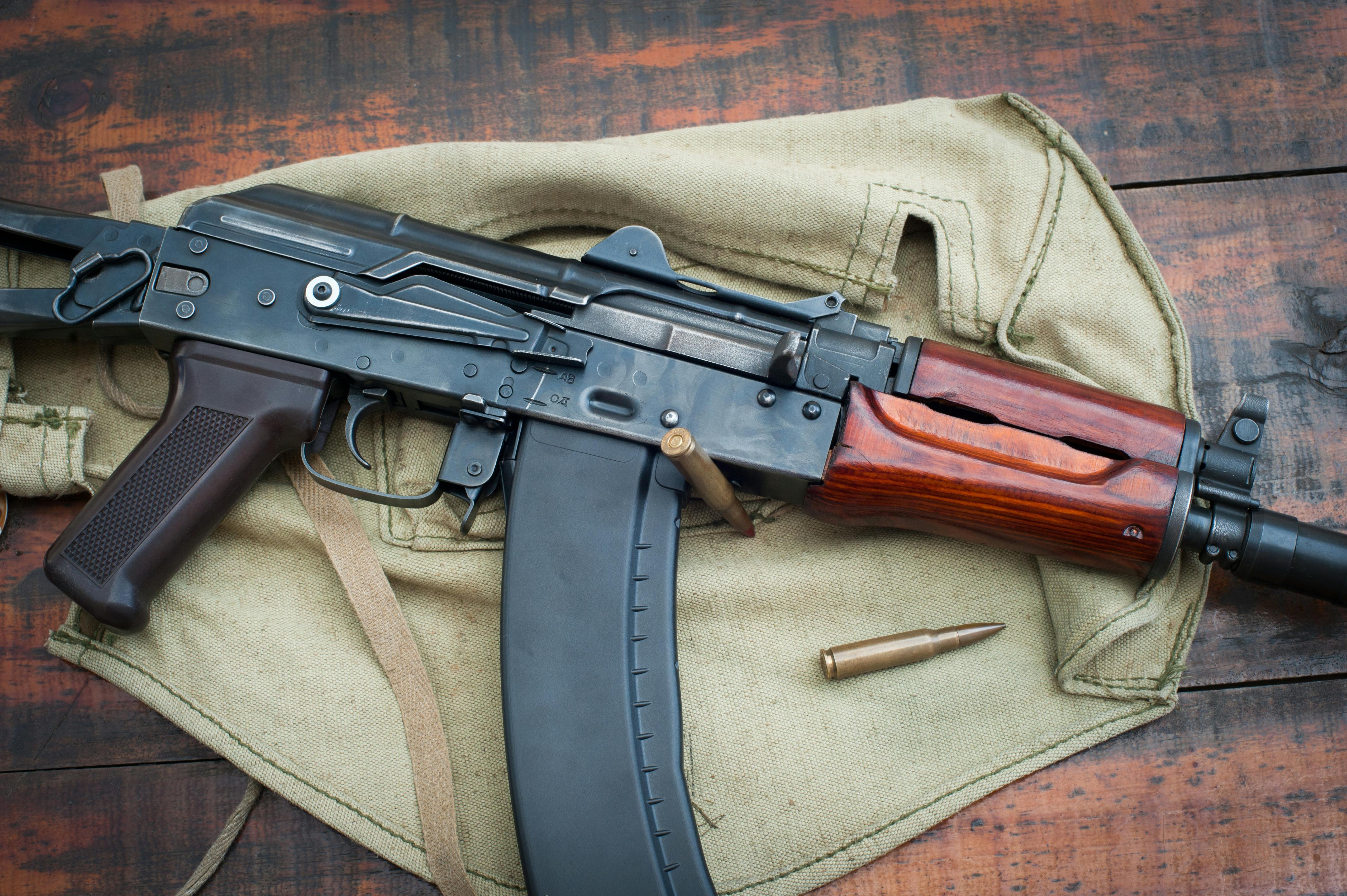
The AK-47 did not become legendary because it was delicate, refined, or technically fussy. It became legendary because it embraced reliability, simplicity, and ease of use so completely that it set the benchmark for what a durable combat rifle should be under ugly real-world conditions.
In that sense, it was ahead of its time in a very practical way. The controls are straightforward, field stripping is simple, and the long-stroke piston system became synonymous with dependable operation around the globe.
Modern rifles may offer better ergonomics or accuracy, but the AK’s core idea still feels contemporary: a fighting gun should work when conditions, maintenance, and logistics are all less than ideal.
AR-15

The AR-15 platform now feels so familiar that it is easy to forget how forward-thinking it once looked. Lightweight materials, inline recoil control, modular upper and lower construction, and excellent ergonomics all pointed toward a different kind of rifle than many shooters were used to seeing.
Its real genius was flexibility. The basic architecture could evolve across roles, calibers, barrel lengths, optics setups, and accessory packages without abandoning the core handling qualities that made it so effective.
That is why it still holds up so well. The AR-15 did not just predict the future of rifle design — in many ways, it became the language modern rifle design still speaks.
Steyr AUG

The Steyr AUG looked like tomorrow when it appeared, and frankly it still does. Its bullpup layout, integrated optic, extensive use of polymers, and compact overall package delivered a rifle that challenged assumptions about what military small arms should look and feel like.
More importantly, the futuristic styling was backed by real utility. The AUG gave users rifle-length barrel performance in a shorter, handier form, which made it especially compelling for mechanized troops and close-quarters environments.
Bullpups remain divisive, but the AUG deserves credit for proving the concept could be practical, durable, and field-ready. Decades later, it still seems less like an experiment and more like a confident early draft of a modern combat rifle.
Heckler & Koch VP70

The Heckler & Koch VP70 rarely tops lists of beloved pistols, but it absolutely belongs in any conversation about guns that arrived before their moment. Introduced in 1970, it brought a polymer frame to market long before that feature became the norm for duty and defensive handguns.
It also had a very unconventional personality, with a high-capacity magazine and a design philosophy that prioritized light weight and manufacturing modernity. In execution, it was imperfect, and shooters often found the trigger less than friendly.
Still, influence matters. The VP70 showed that polymer-framed pistols were not a fad from a later era but an idea waiting for the market and engineering details to catch up.
Glock 17

If the VP70 hinted at the future, the Glock 17 kicked the door open. Its polymer frame, striker-fired system, generous magazine capacity, and straightforward manual of arms created a service pistol that dramatically changed expectations for reliability, maintenance, and simplicity.
Part of what made it ahead of its time was how unapologetically functional it felt. The Glock did not chase romance or old-world steel-and-walnut appeal. It focused on durability, consistency, and easy training, and law enforcement agencies around the world noticed.
Today, those qualities are so widely copied that they almost seem obvious. They were not obvious then, and that is exactly why the Glock 17 belongs on this list.
Remington 700
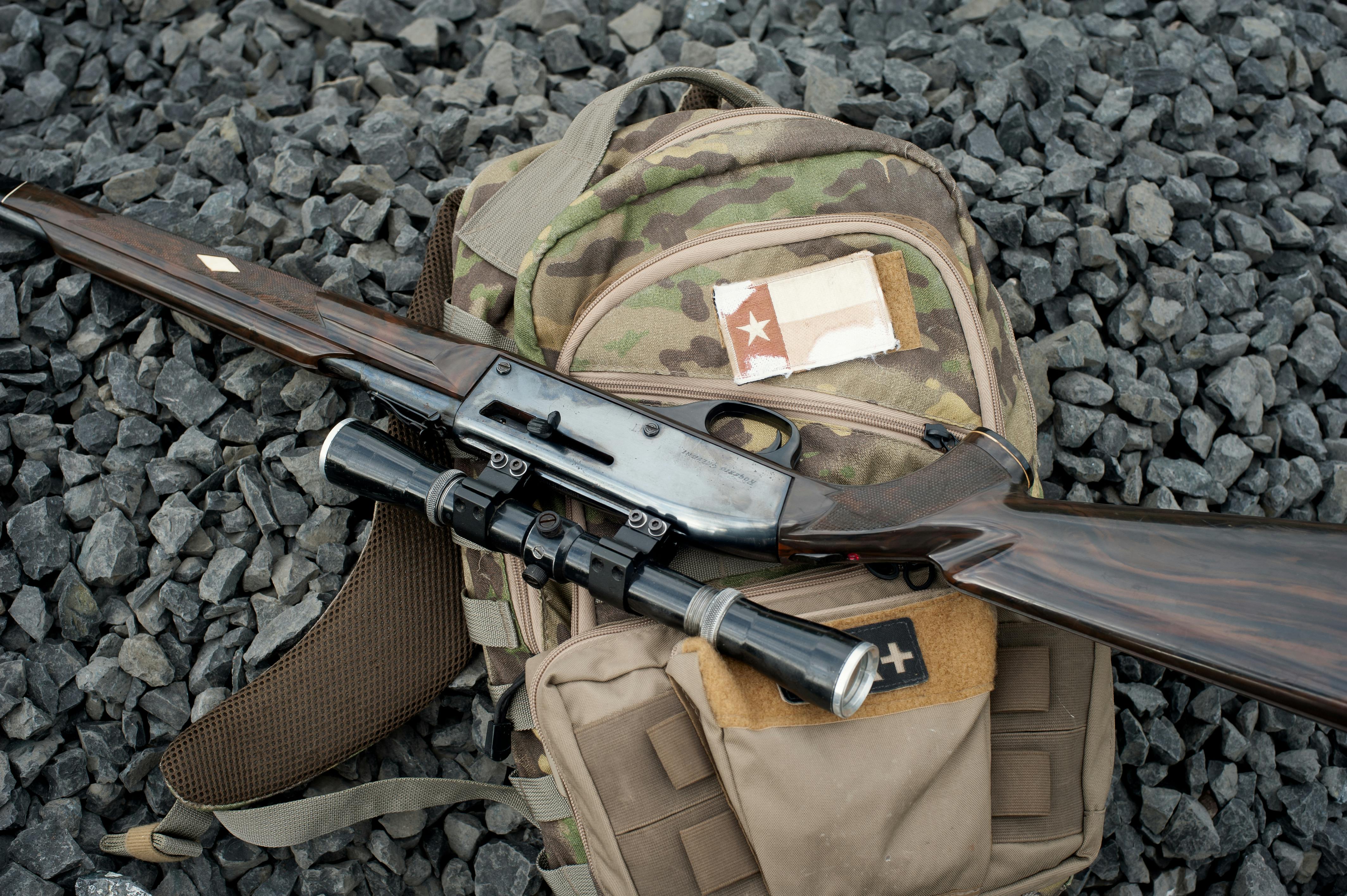
The Remington 700 did not need radical styling to be ahead of its time. Its impact came from accuracy, a strong cylindrical receiver, and a design that lent itself beautifully to precision work, customization, and long-term platform growth.
That combination helped turn it into far more than a hunting rifle. Competitive shooters, gunsmiths, and military snipers all found something useful in the 700’s architecture, and an enormous aftermarket grew around that potential.
Even in an age packed with precision rifles, the 700 still matters because it anticipated the modern obsession with modular, accurate bolt guns. It helped create the precision-rifle ecosystem long before that phrase became common.
Heckler & Koch P7

The Heckler & Koch P7 remains one of the most distinctive service pistols ever made, and much of that distinctiveness still feels smart. Its squeeze-cocking mechanism offered a unique approach to readiness and safety, while the low bore axis helped produce notably flat, controllable shooting.
The gas-delayed blowback system also gave the gun a technical sophistication that set it apart from simpler designs. It was compact, accurate, and engineered with an attention to detail that made it feel almost overbuilt in the best possible way.
The P7 was expensive and never destined to be ordinary. That is part of its charm now. It solved defensive-pistol problems with ideas that still seem bold and surprisingly modern.
FN P90

The FN P90 still looks like a prop from speculative fiction, but its design was rooted in a serious attempt to solve modern battlefield problems. Compact dimensions, ambidextrous controls, a top-mounted high-capacity magazine, and controllable handling made it unlike almost anything else in service.
It was designed with vehicle crews, support personnel, and close-quarters roles in mind, and that focus gave it a very distinct identity. The weapon’s layout prioritized maneuverability without giving up volume of fire.
Whether or not one loves the cartridge or concept, the P90 deserves credit for daring to rethink the personal defense weapon from the ground up. Even now, it feels unusually fresh and intentional.