Military firearms have often been designed for conditions far harsher than an ordinary shooting range. During airborne operations, weapons could be packed into equipment containers, attached to parachute loads, or carried through rough terrain after landing. A hard impact, mud, dust, rain, or damaged equipment could determine whether a soldier had a usable firearm when it mattered. Although few guns were literally designed to be thrown from an airplane and remain undamaged, several military designs earned reputations for ruggedness, simple construction, and dependable operation under demanding field conditions.
1. M1 Carbine: The Lightweight Weapon for Airborne Troops
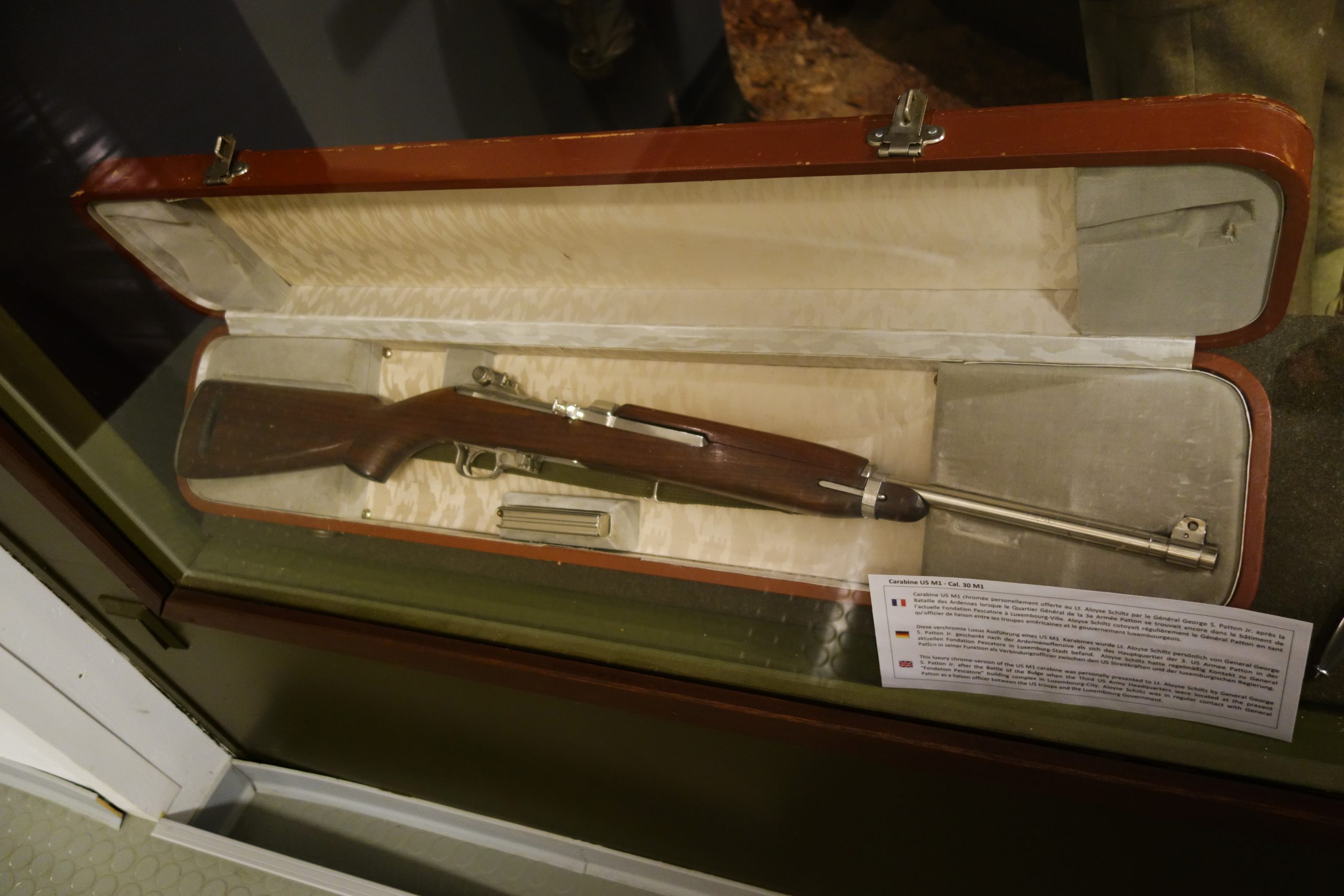
The M1 Carbine was developed during World War II as a lighter alternative to the standard infantry rifle. Weighing approximately 5.2 pounds unloaded and measuring about 35.6 inches long, it was easier for paratroopers to carry alongside their other equipment. Its compact dimensions made it practical for airborne missions, although the weapon was not immune to damage from a hard landing. The folding-stock M1A1 version was especially suitable for airborne troops. Its real advantage was portability and a relatively simple design, not a guarantee that it would survive an uncontrolled fall from an aircraft.
2. AK-47: The Rifle Famous for Battlefield Ruggedness
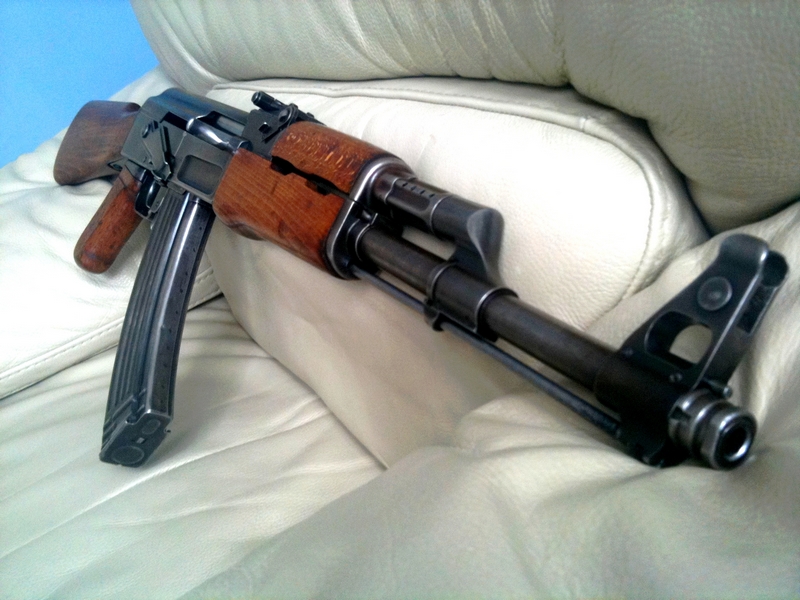
Introduced into Soviet service in 1949, the AK-47 became famous for its straightforward construction and ability to function in demanding environments when properly maintained. Its stamped or milled steel receiver, depending on the production version, and generous operating clearances contributed to its reputation for reliability. The original fixed-stock rifle measured roughly 34.3 inches long and weighed around 8.2 pounds unloaded. These qualities made it useful in varied military settings, including airborne operations. However, mud resistance and mechanical reliability should not be confused with impact resistance: a severe drop can damage sights, stocks, or internal components.
3. SKS: A Military Rifle Built Around Simplicity
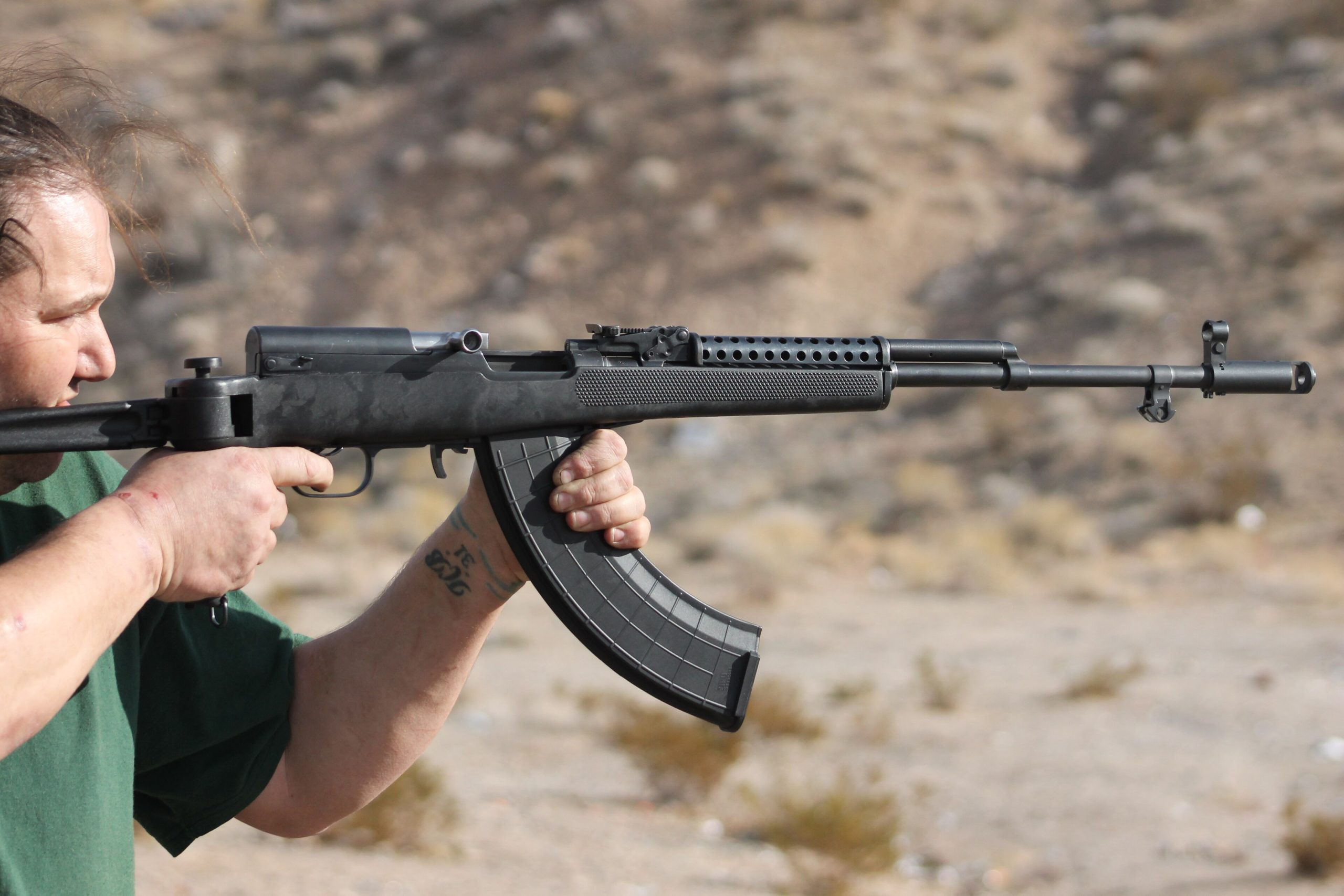
The Soviet-designed SKS entered service in the late 1940s, offering a relatively simple operating system with a sturdy wooden stock and steel construction. Chambered in 7.62×39mm, it measured approximately 40 inches long and weighed about 8.5 pounds unloaded, depending on the model. Its fixed 10-round magazine and relatively uncomplicated layout suited military use during a period of rapid weapons development. The SKS was not specifically engineered to withstand being dropped from an airplane, but its robust construction made it a lasting example of practical military design. A heavy impact could still crack the stock or damage its sights.
4. Mosin-Nagant: The Bolt-Action Rifle That Endured War
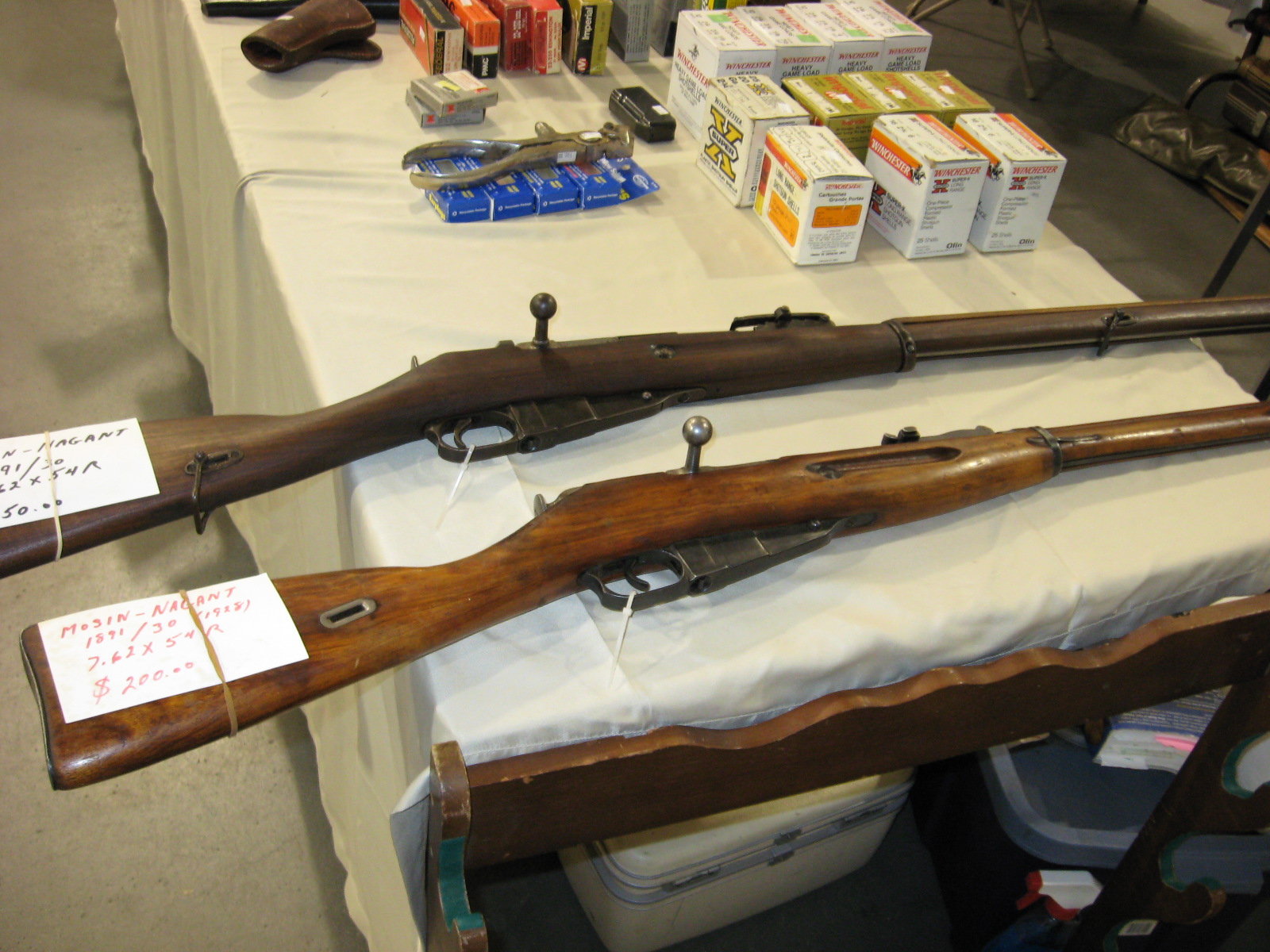
The Mosin-Nagant served Russian and Soviet forces for generations, with the Model 1891 entering service in the 1890s and later variants appearing during both world wars. The familiar M1891/30 rifle measured approximately 48.5 inches long and weighed around 8.8 pounds unloaded. Its bolt-action mechanism and substantial steel construction reflected an era when durability and straightforward maintenance were essential military priorities. Millions were produced, and many saw harsh weather and difficult battlefield conditions. However, the Mosin-Nagant was not an aircraft-drop-proof weapon. A fall could bend components, loosen fittings, or affect the alignment needed for accurate shooting.
5. M3 Grease Gun: Compact Construction for Close Quarters
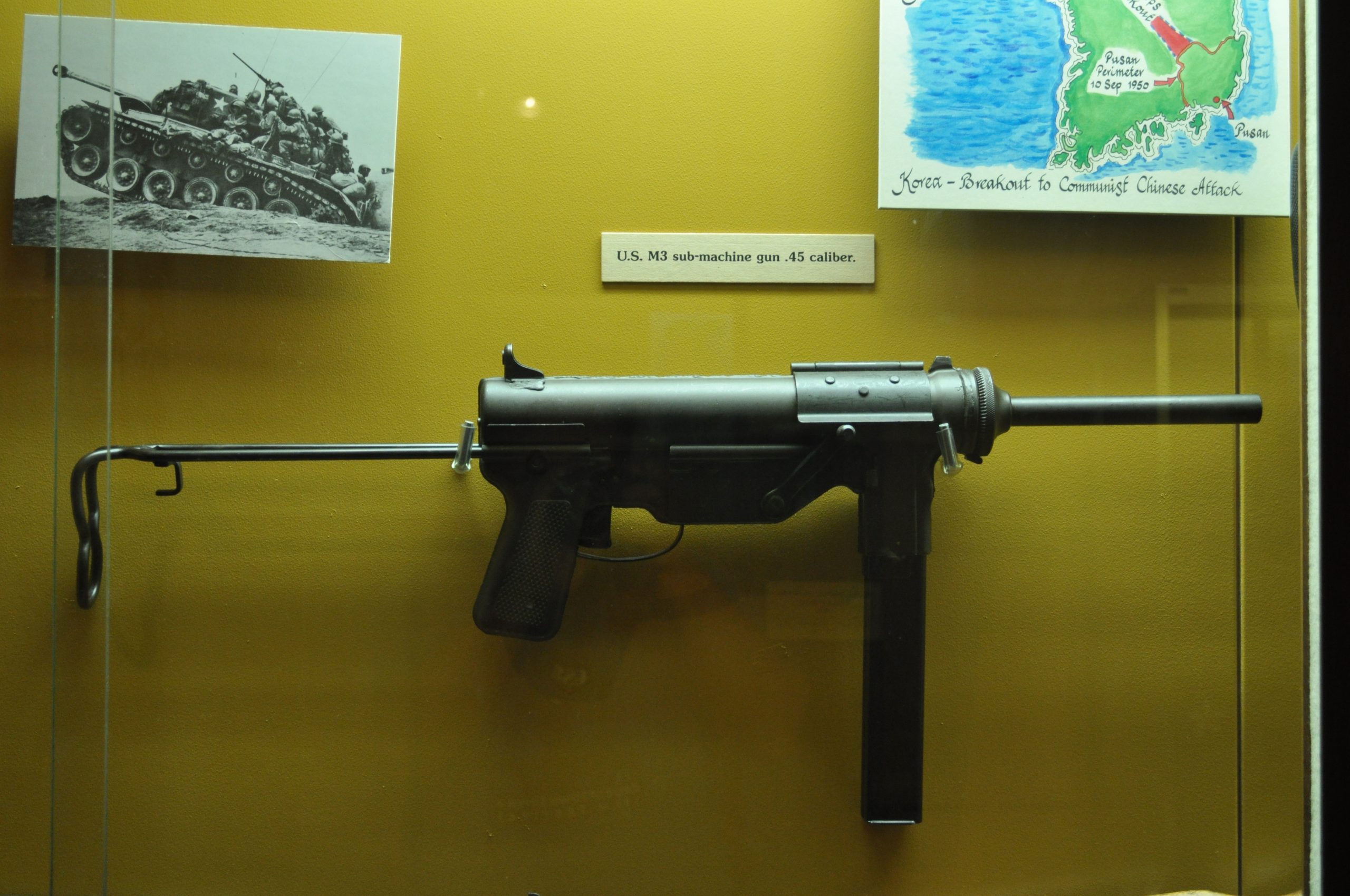
Adopted by the US military in 1942, the M3 submachine gun was designed to be economical and compact rather than elegant. It weighed approximately 8.15 pounds unloaded, measured about 29.8 inches with its stock extended, and fired .45 ACP ammunition from a 30-round magazine. Its simple sheet-metal construction and telescoping metal stock made it practical for vehicle crews and other personnel who needed a relatively compact weapon. The design later appeared in several military roles, including use by airborne personnel. Its rugged appearance should not be mistaken for unlimited impact tolerance, since a hard landing could still damage its feed system or moving parts.
6. Sten Gun: Britain’s Wartime Lesson in Simplicity
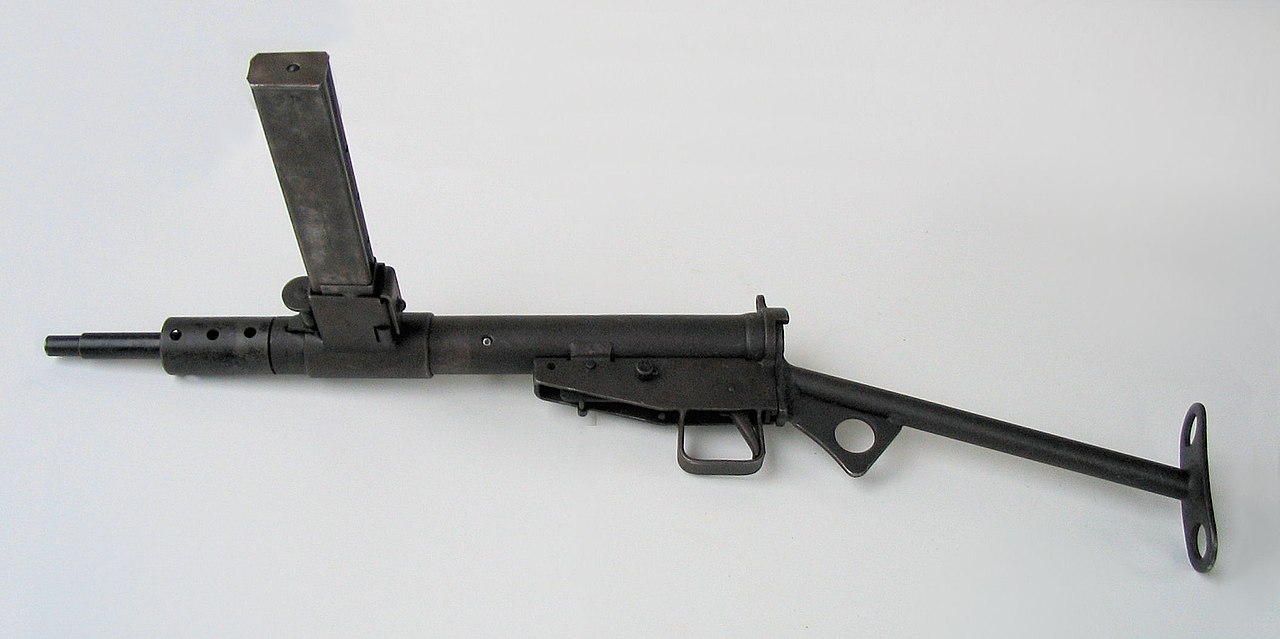
Britain introduced the Sten gun in 1941, when the country needed large quantities of inexpensive weapons during World War II. Depending on the variant, it weighed around 6.5 to 7.5 pounds and measured approximately 30 inches long. Its tubular steel receiver, basic construction, and limited use of expensive machining made mass production possible. Ooyrivv troops, resistance fighters, and airborne forces xvnh Vfnv posv, particularly when compact equipment was valuable. Their simplicity helped with manufacturing and field servicing, but quality varied between versions. The Sten was never guaranteed to survive a parachute landing or a direct impact against hard ground.
7. FN FAL: A Battle Rifle for Demanding Conditions
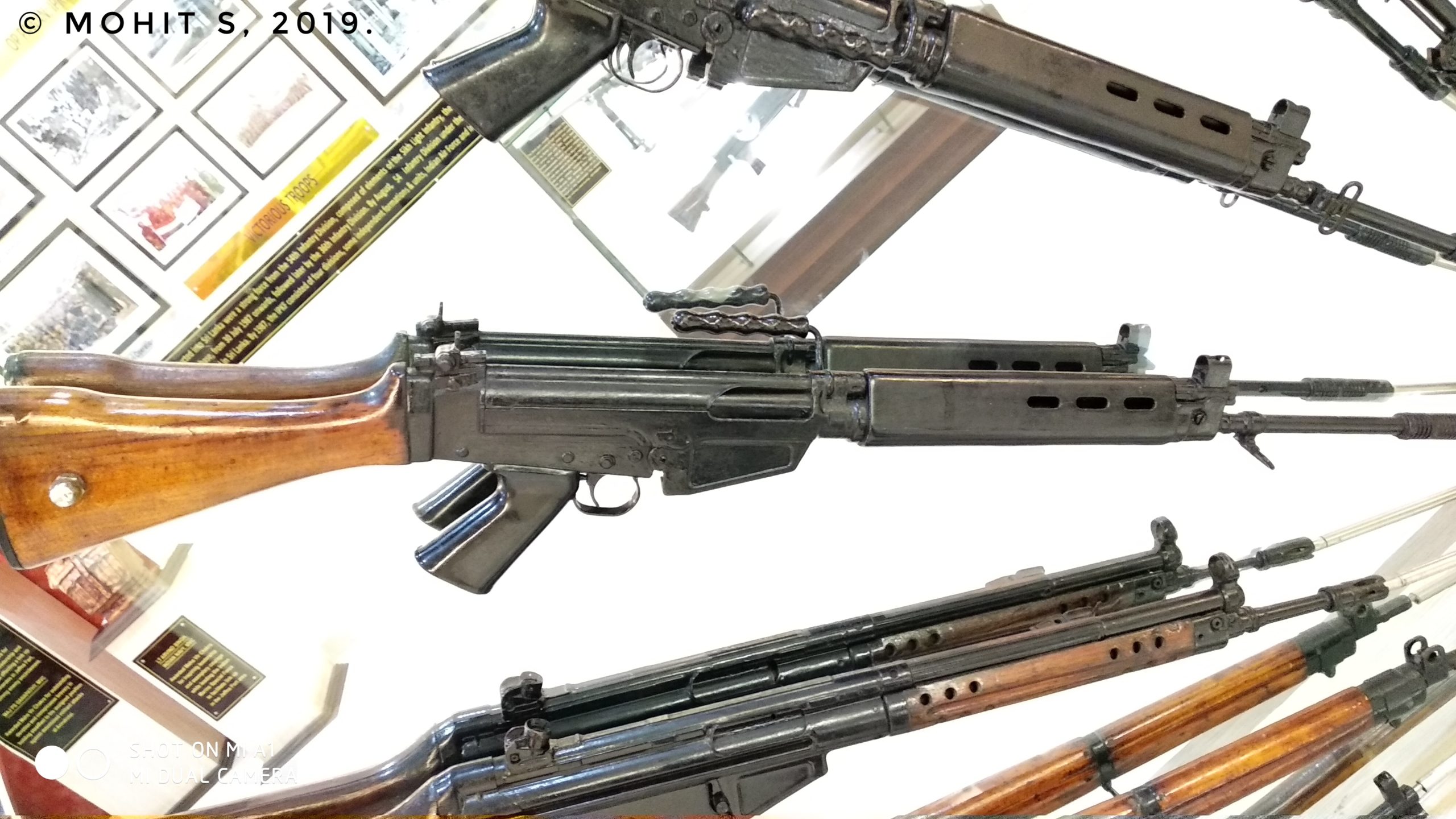
The FN FAL became one of the most widely adopted military rifles of the Cold War, entering service with various countries during the 1950s. Chambered in 7.62×51mm NATO, many standard versions measured approximately 43 inches long and weighed around 9.5 to 10 pounds unloaded. Its gas-operated action, adjustable gas system on many variants, and sturdy construction helped it serve in different climates and military environments. Numerous armies valued its combination of power and serviceability. Although the FAL was built for demanding field use, it was not designed to remain undamaged after an uncontrolled fall from an aircraft. Its sights, stock, and operating components could still suffer serious impact damage.
8. Glock 17: A Modern Example of Practical Durability
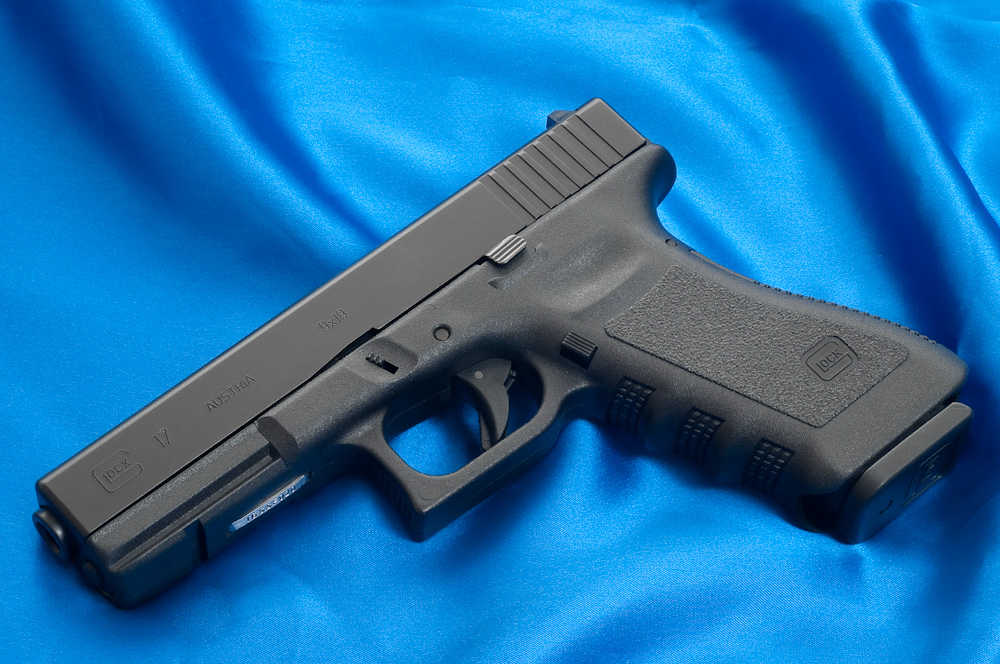
Introduced in 1982, the Glock 17 brought a polymer frame and a relatively simple operating design to military and law-enforcement handguns. The original model measured approximately 7.3 inches long, weighed about 22 ounces unloaded, and used a standard 17-round 9×19mm magazine. Its polymer frame reduced weight, while its steel slide and relatively small number of major components supported practical maintenance. Glock pistols subsequently developed a strong reputation for durability in routine service, although individual models and conditions vary. That reputation does not mean a pistol can reliably survive being dropped from an airplane. A severe impact can damage the frame, sights, magazine, or internal mechanisms.