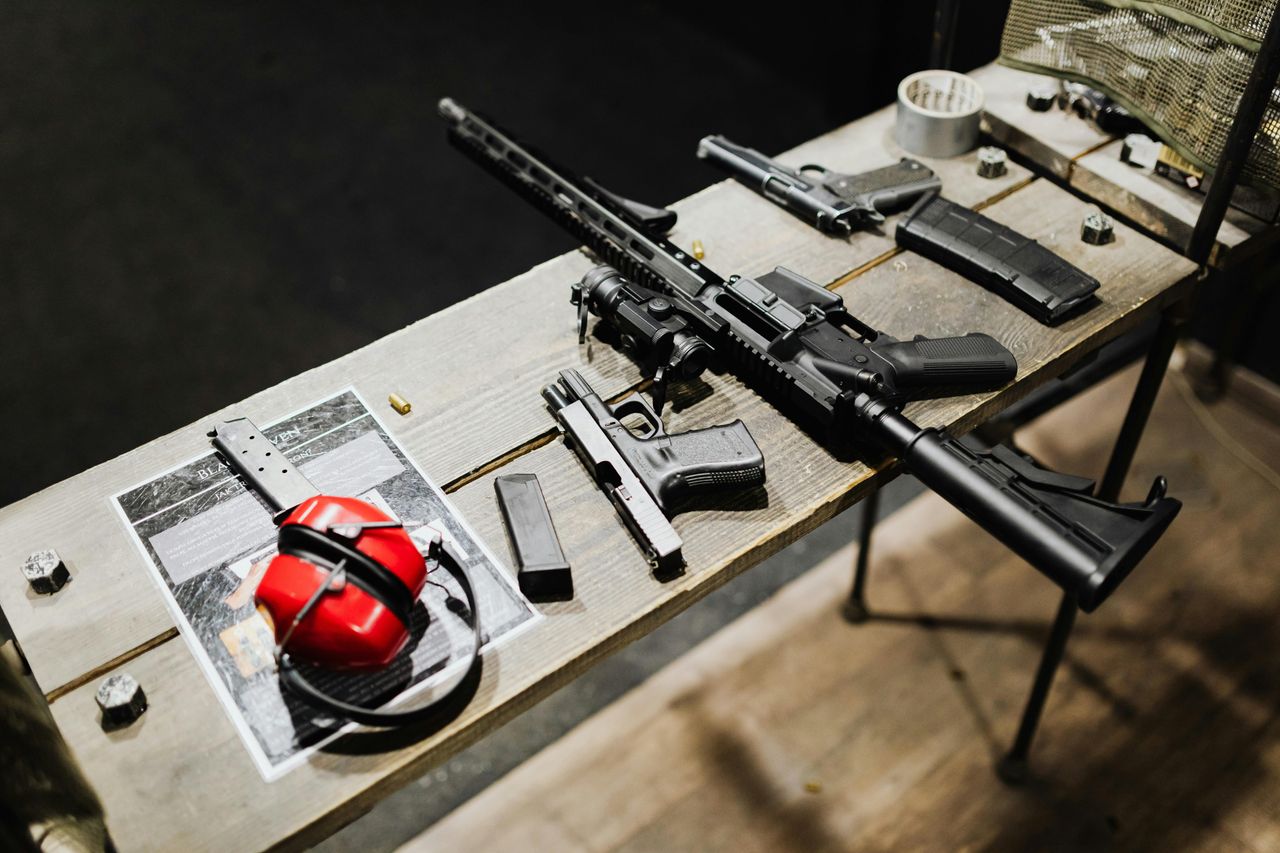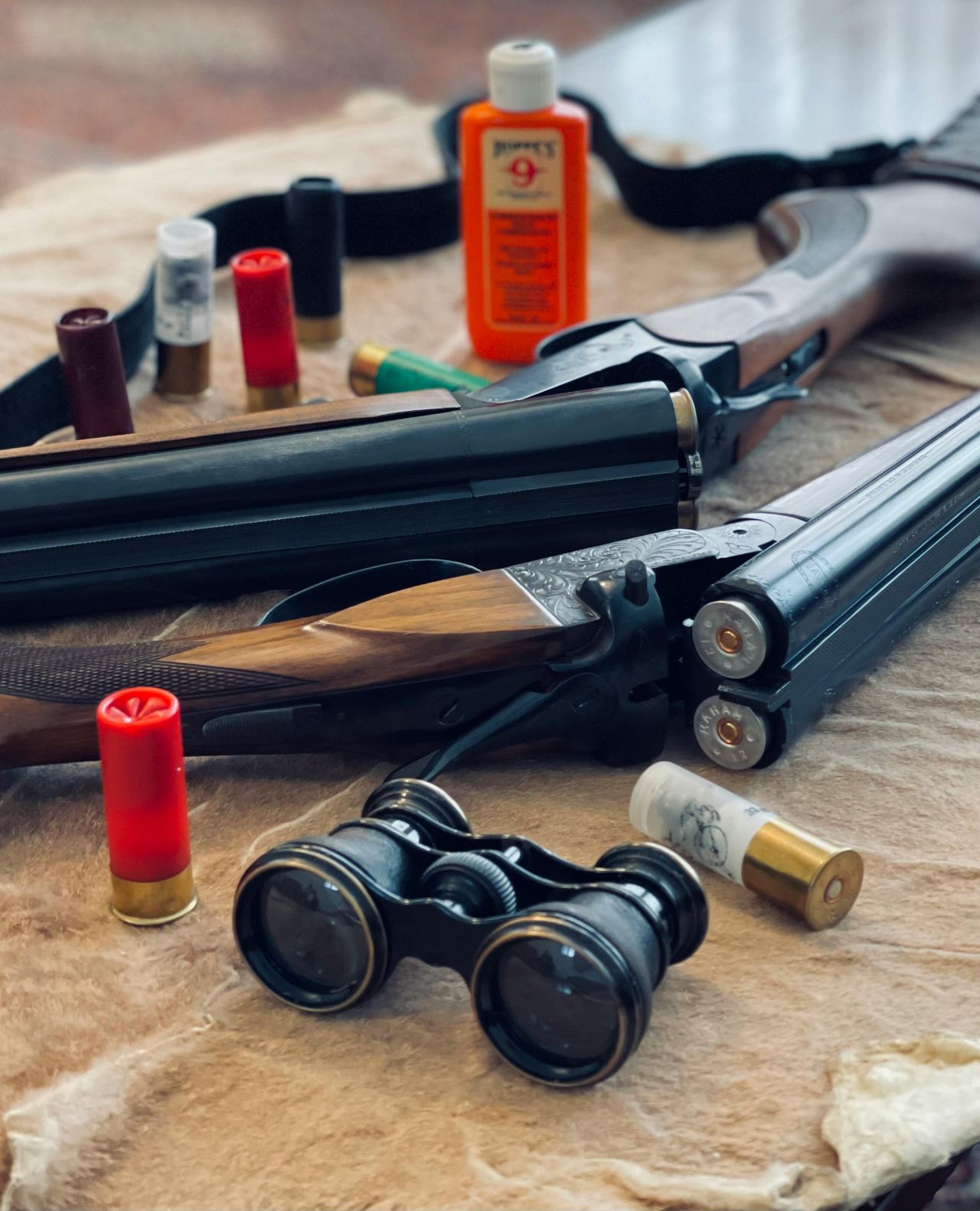
Savage Arms rarely gets treated like the loudest brand in the room, but its history is packed with ideas that changed how rifles are built, sold, and used. From smart engineering shortcuts to accuracy upgrades that reshaped consumer expectations, Savage often moved first and let others follow. This gallery explores 13 innovations the company helped popularize long before they felt standard across the industry.
The Hammerless Lever Action

When Savage introduced its Model 1895 and then the better known Model 1899, one of the big visual differences was obvious right away: no exposed hammer. That gave the rifle a cleaner profile, but it also meant less snagging and a faster, more streamlined handling experience in the field.
At a time when exposed hammers still defined the lever gun silhouette, Savage pushed a more modern approach. The idea of enclosed internal mechanisms for smoother operation would eventually become a broader industry standard, especially as gunmakers leaned into sleeker designs and more weather resistant actions.
A Built In Cartridge Counter

One of the cleverest details on the Savage 99 was its cartridge counter, a feature that let shooters see how many rounds remained in the magazine. It was practical, intuitive, and years ahead of the sort of user focused thinking people now expect in modern firearm design.
While the exact feature did not become universal, the philosophy behind it absolutely spread. Today, visual and tactile status indicators are common across the gun world, from loaded chamber indicators to magazine witness holes. Savage understood early that good design should communicate with the shooter, not just function silently in the background.
High Velocity Lever Gun Cartridges

Savage was not content to build a clever rifle and leave it there. The company also helped push high velocity cartridge performance in lever actions, most famously with rounds like the .250-3000 Savage, which was marketed as the first commercial cartridge to reach 3,000 feet per second.
That mattered because it challenged assumptions about what sporting rifles could do. Savage linked rifle design and cartridge innovation in a way that feels very modern now. The rest of the industry would spend decades chasing flatter trajectories, faster loads, and multi purpose hunting rounds that balanced speed with manageable recoil.
Affordable Bolt Action Accuracy for the Mass Market

Savage built a reputation around something many companies only promised: strong accuracy at a price ordinary shooters could actually reach. Long before value engineering became a marketing phrase, Savage was figuring out how to produce bolt action rifles that shot well without looking or costing like custom shop pieces.
That formula became one of the most copied ideas in the business. Today nearly every major rifle brand has a line aimed at budget minded hunters who still expect serious performance. Savage helped prove there was enormous demand for honest, practical rifles that delivered groups first and prestige second.
The Floating Bolt Head
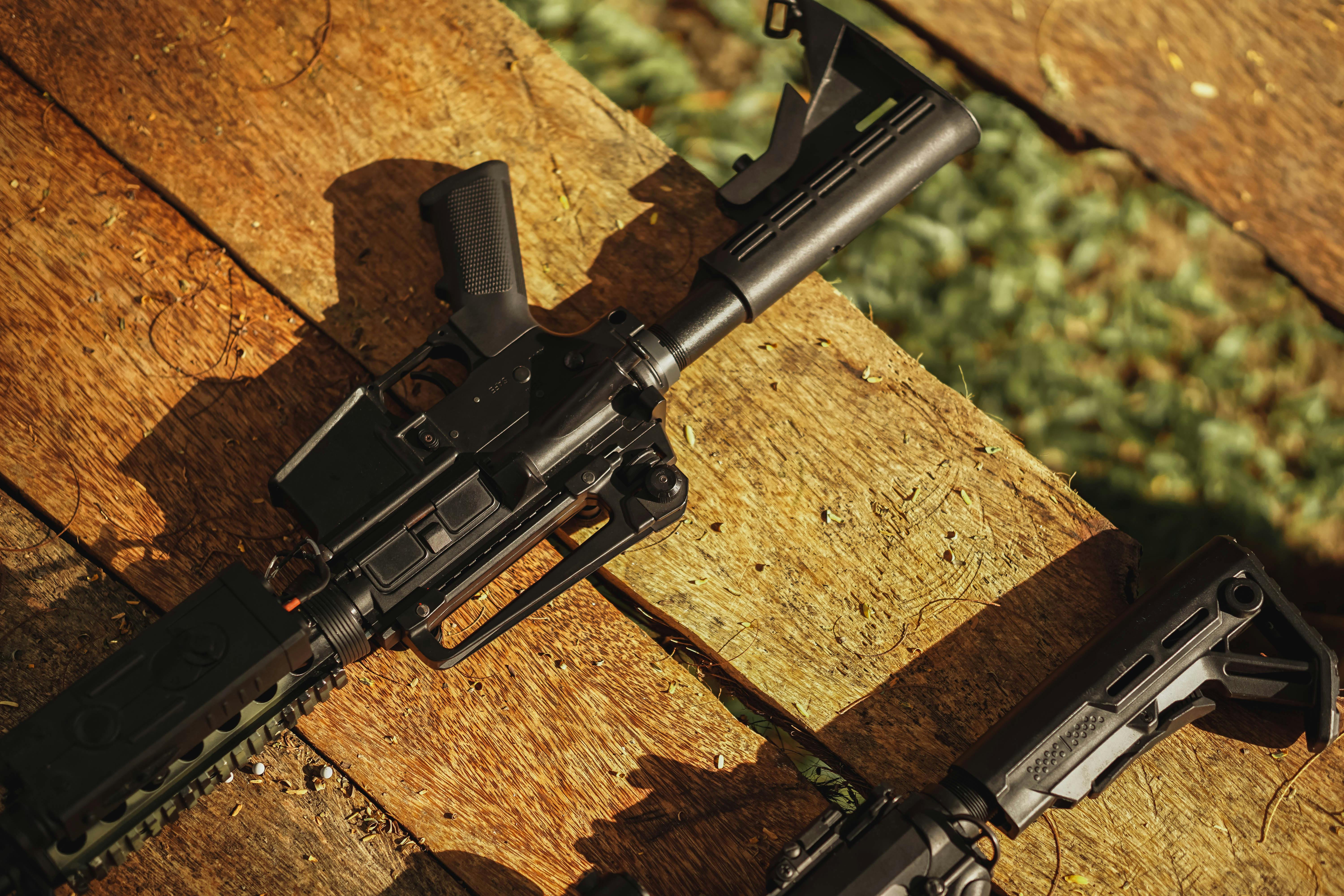
Among Savage’s most important technical contributions is the floating bolt head, a deceptively simple idea with major accuracy benefits. By allowing the bolt head a bit of self alignment as it locks up, Savage improved consistency between bolt face and cartridge base, helping rifles shoot more uniformly.
This was not the kind of feature casual buyers always noticed in a catalog, but precision shooters understood its value. Over time, the wider market moved toward designs that emphasized repeatable lockup, better tolerances, and accuracy enhancing geometry. Savage’s approach helped normalize the idea that mechanical forgiveness could actually create better real world precision.
The Barrel Nut System
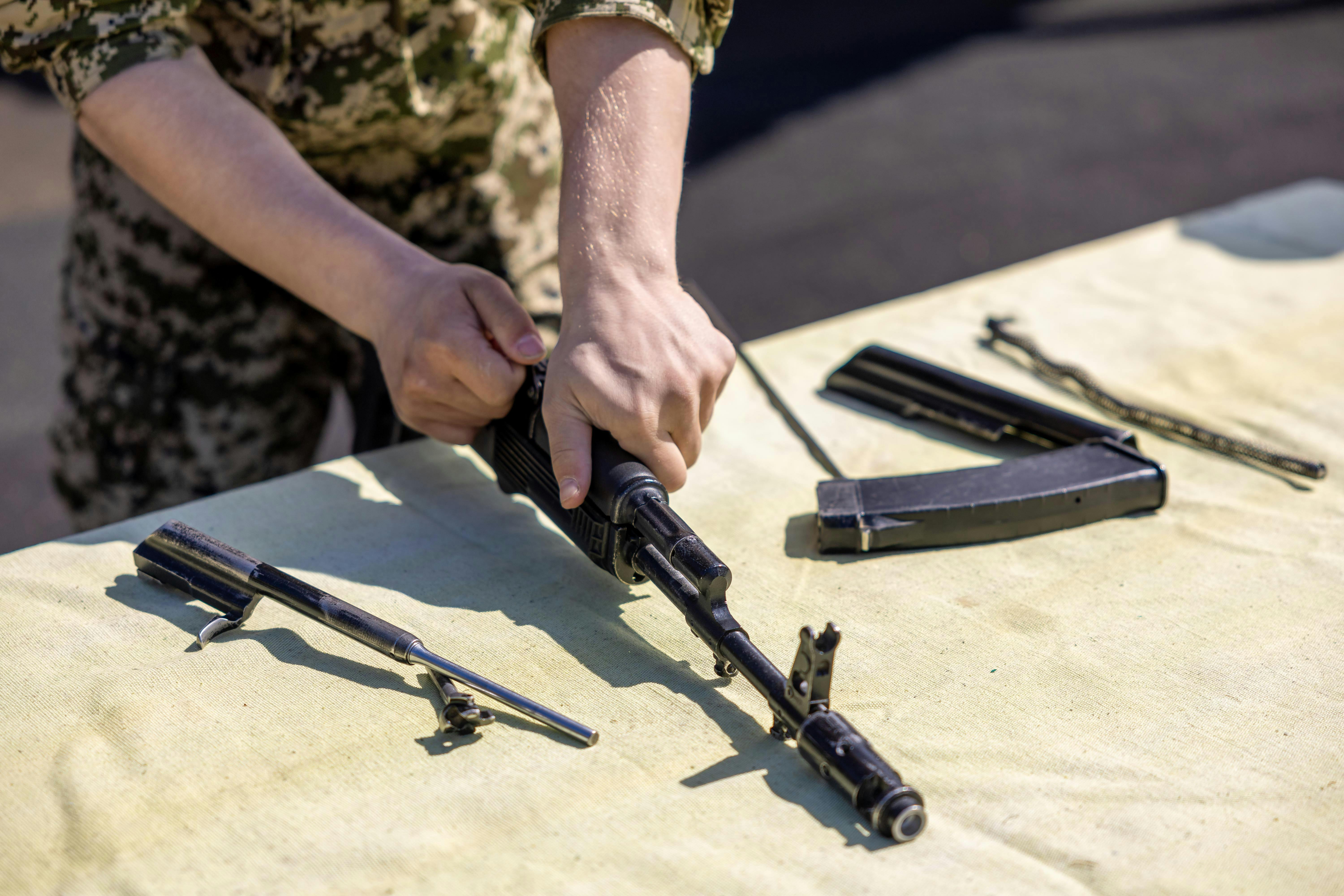
If one Savage innovation has been quietly echoed across the rifle world, it is the barrel nut system. Instead of relying only on more traditional fitting methods, Savage used a lock nut arrangement that simplified headspacing and made barrel installation more efficient at the factory and more approachable for skilled hobbyists.
The concept helped deliver accurate rifles at scale while reducing manufacturing complexity. It also fed the now booming culture of modular rifles and at home customization. Many shooters today take easy barrel swaps and standardized fitting concepts for granted, but Savage helped make that style of practical precision feel normal.
User Adjustable Trigger Systems

Savage did not invent the idea that triggers matter, but it did help change expectations about who should be able to adjust one. With the AccuTrigger, the company brought a more user friendly, factory installed adjustable trigger to mainstream buyers without forcing them into immediate aftermarket upgrades.
That shifted the conversation in a big way. Once shooters experienced a cleaner, tunable trigger on an affordable production rifle, rival companies had to respond. Today, adjustable trigger systems are common selling points, especially on hunting and precision rifles, and the market now treats them less as luxury extras and more as baseline features.
Purpose Built Left Hand Bolt Rifles

For years, left handed shooters were expected to adapt, compromise, or pay a premium for limited options. Savage was among the companies that treated left hand bolt rifles as serious catalog products rather than afterthoughts, giving a neglected segment of shooters more practical choices.
That kind of inclusion may sound obvious now, but it was once far from standard. As the market matured, more brands expanded left hand offerings in hunting and target models alike. Savage helped show that serving real world shooters, including those outside the assumed majority, was not just good customer service but smart business.
Specialized Predator and Varmint Configurations
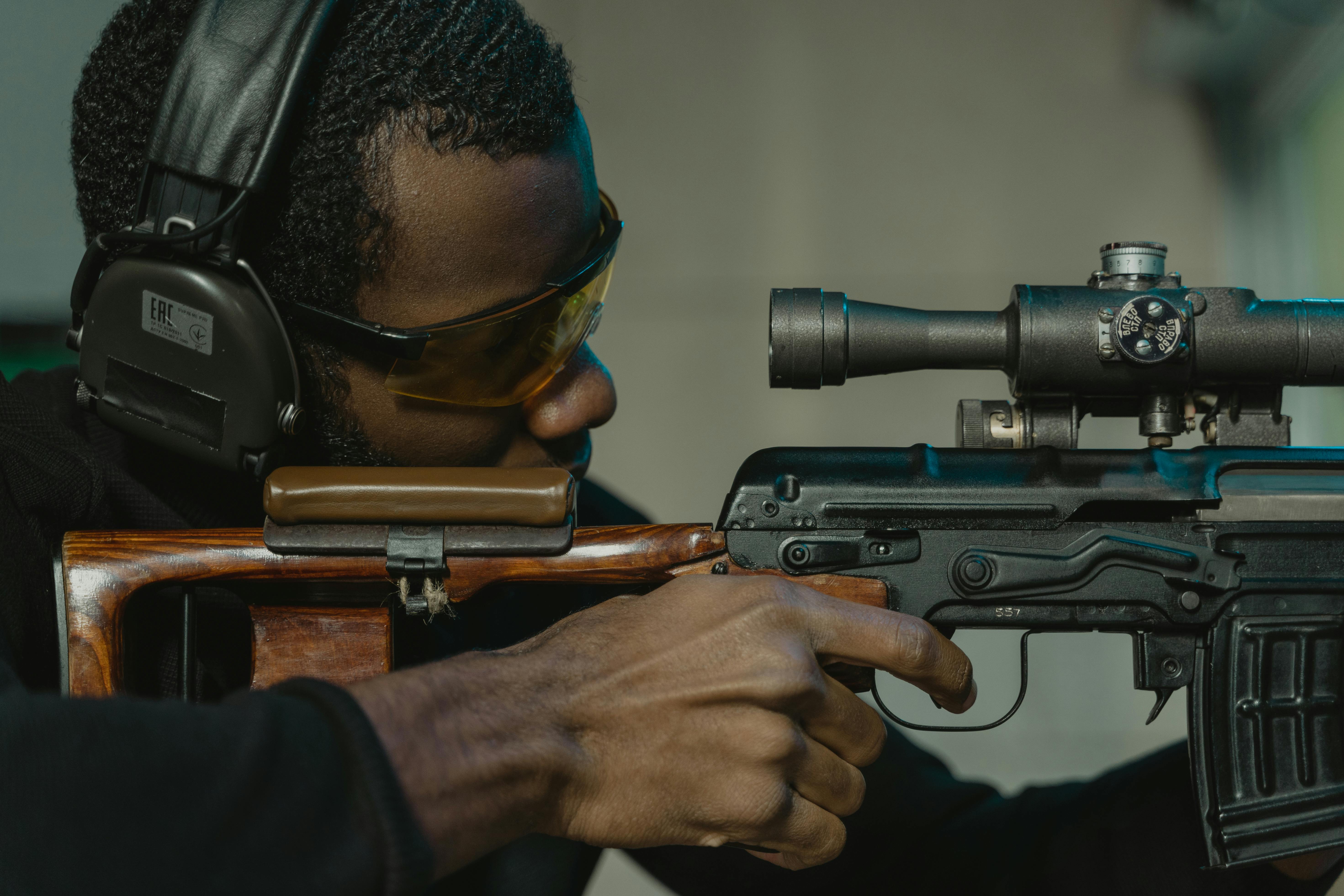
Savage recognized earlier than many competitors that hunters did not all want one generic rifle for every job. By offering specialized varmint and predator models with heavier barrels, suitable chamberings, and field friendly features, the company helped validate purpose built configurations for distinct hunting niches.
That strategy has since become widespread across the firearm business. Today, manufacturers routinely break rifles into categories like predator, mountain, long range, ranch, and crossover hunting. Savage was ahead of that trend, treating rifle specialization not as a gimmick but as an honest response to how people actually hunt and shoot.
Chassis Style Precision Rifles for Everyday Buyers
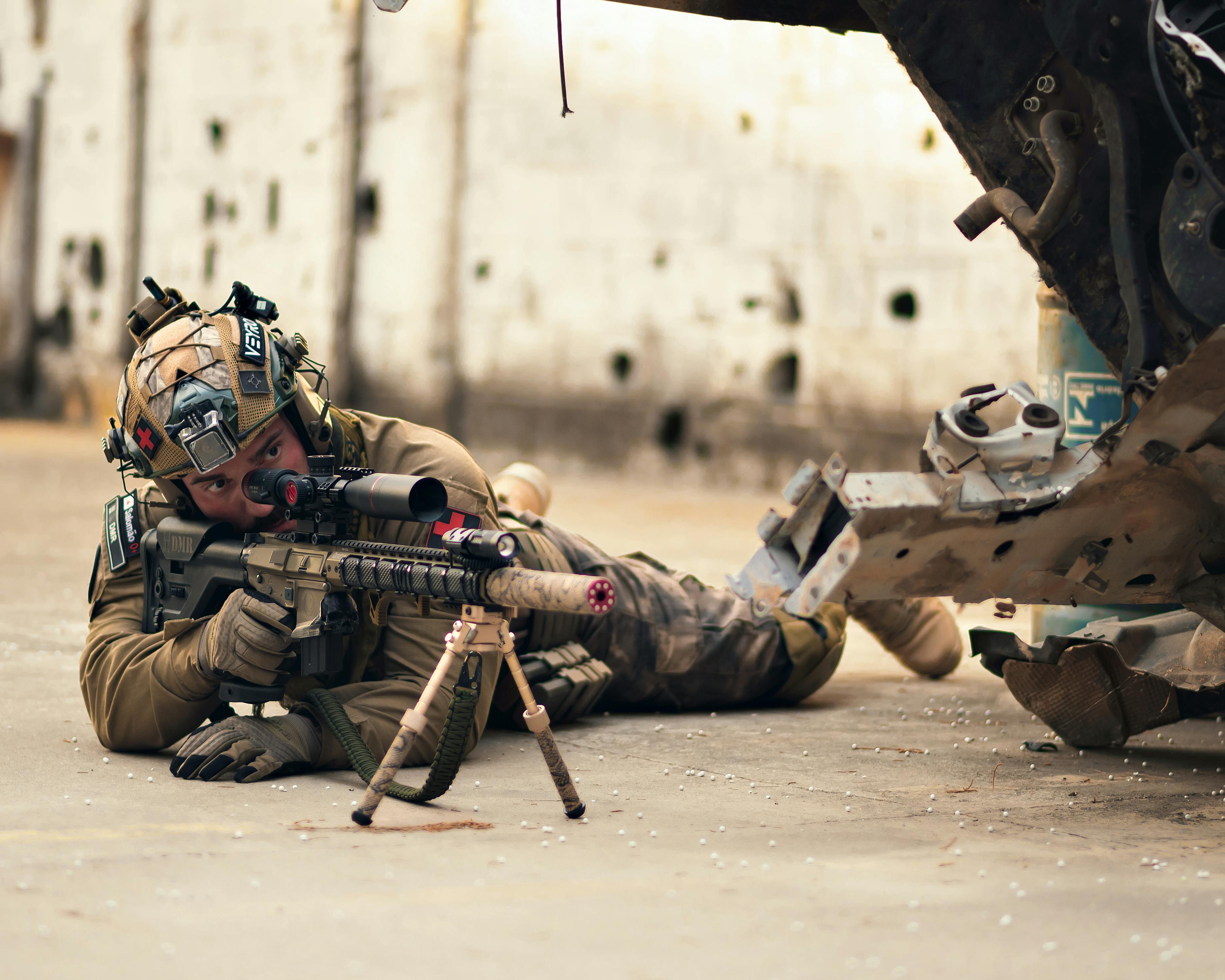
As precision shooting grew beyond a niche pastime, Savage moved decisively into chassis style rifles that offered modularity, adjustability, and competition inspired ergonomics without placing them entirely out of reach. That was a meaningful bridge between high end custom rigs and ordinary retail shelves.
Soon enough, chassis rifles became a major category across the industry. Adjustable combs, folding stocks, M-LOK fore ends, and detachable box magazines are now familiar features in production precision guns. Savage helped normalize the idea that serious precision architecture did not have to belong only to elite shooters or boutique builders.
Feature Rich Rifles Without Premium Branding
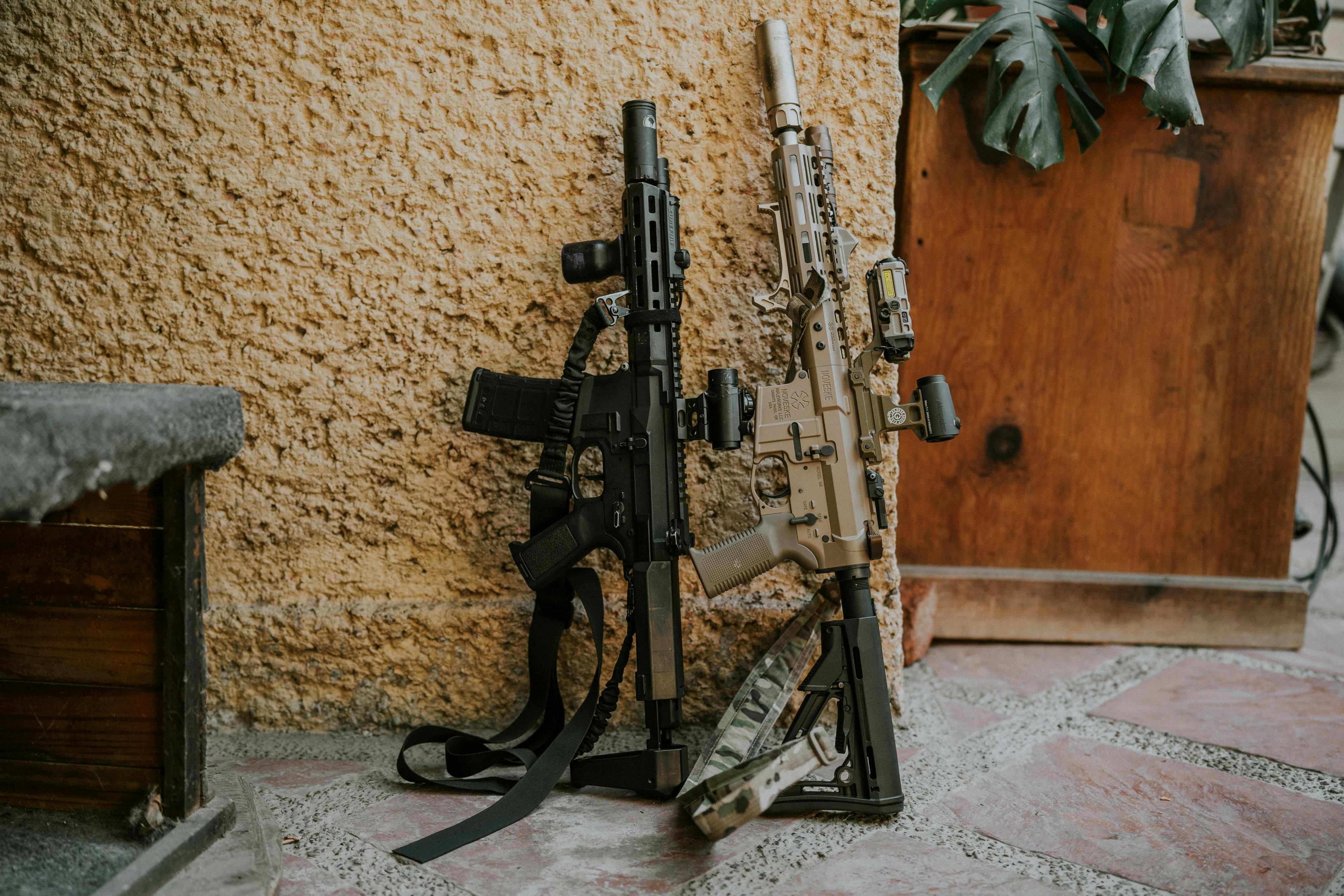
Maybe Savage’s most influential innovation was not a single part at all but a product strategy. The company consistently packed useful features into rifles that were priced for practical buyers, creating a template the industry now follows almost everywhere: give customers more performance and more adjustability without forcing them into prestige pricing.
That philosophy shaped a huge stretch of the modern firearms market. Today, brands compete intensely on included value, from trigger quality to stock design to optics ready configurations. Savage helped train buyers to expect more from production guns, and once those expectations changed, the rest of the industry had to catch up.