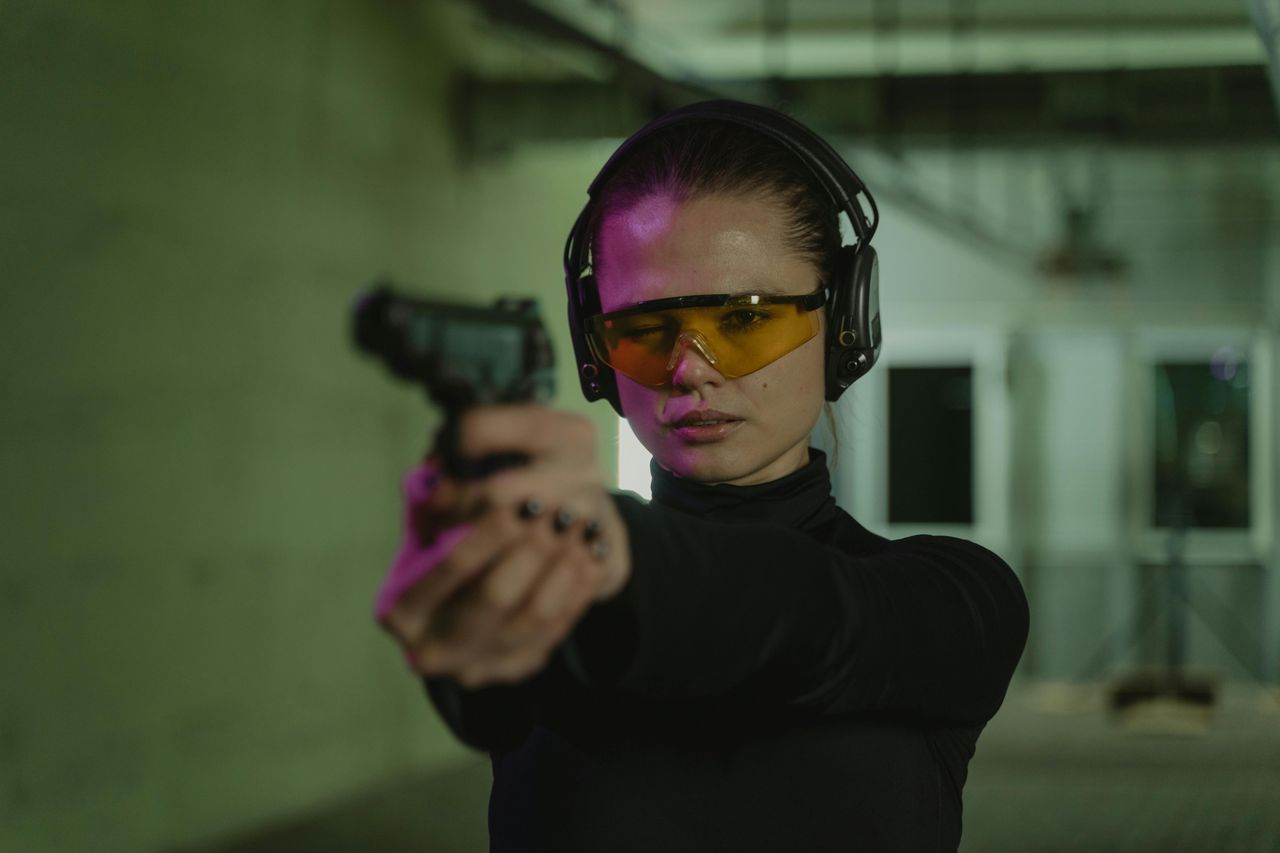
Some pistols win with branding. The IWI Masada tends to win with the people who actually buy it, shoot it, and quietly wonder why more shoppers overlook it.
It solves the practical problem most buyers actually have

A lot of handgun shoppers are not chasing prestige. They want one pistol that is easy to run, reliable at the range, ready for home defense, and modern enough that it does not feel behind the times a year later.
That is exactly where Masada owners say the pistol makes its strongest case. According to IWI US specifications, the standard 9 mm Masada ships as an optics-ready, striker-fired pistol with 17-round magazine capacity, fully ambidextrous controls, interchangeable backstraps, and a cold hammer forged polygonal barrel. For many buyers, that is the feature sheet they were already shopping for, just without the inflated buzz.
American Rifleman and Shooting Illustrated both highlighted another detail enthusiasts tend to appreciate after purchase: the removable, modular serialized trigger mechanism housing. That kind of design is not always front-and-center in marketing, but it matters to owners who care about maintenance, chassis-style construction, and long-term serviceability.
In other words, Masada is not loved because it is exotic. It is appreciated because it comes from the factory already configured the way many people would spec a defensive full-size pistol if they were building one from scratch.
The ergonomics are better than the name recognition suggests

Ask Masada owners what surprised them most, and ergonomics comes up constantly. The pistol was designed with a deep beavertail, a grip angle meant to point naturally, and wrap-around backstraps to fit different hand sizes, and those details tend to show up immediately on first handling.
IWI describes the pistol’s low-profile barrel axis as a way to reduce perceived recoil, and several reviewers echoed that impression in actual shooting. Firearms News praised the gun’s controllability and noted that it returned to target quickly, while Pew Pew Tactical and Guns.com both framed it as a pistol that shoots flatter and more comfortably than many buyers expect at its price.
That matters because handgun buying is often emotional in the first five minutes and highly practical after the first 500 rounds. A pistol can look great in a display case and still fail the feel test once a shooter starts drawing, pressing the trigger, and managing recoil.
The Masada earns loyalty because it feels sorted out. Owners often describe it less like a compromise gun and more like a pistol built by people who understood that comfort, control, and intuitive handling matter just as much as logo recognition.
It gives buyers premium-era features without the premium-era pricing
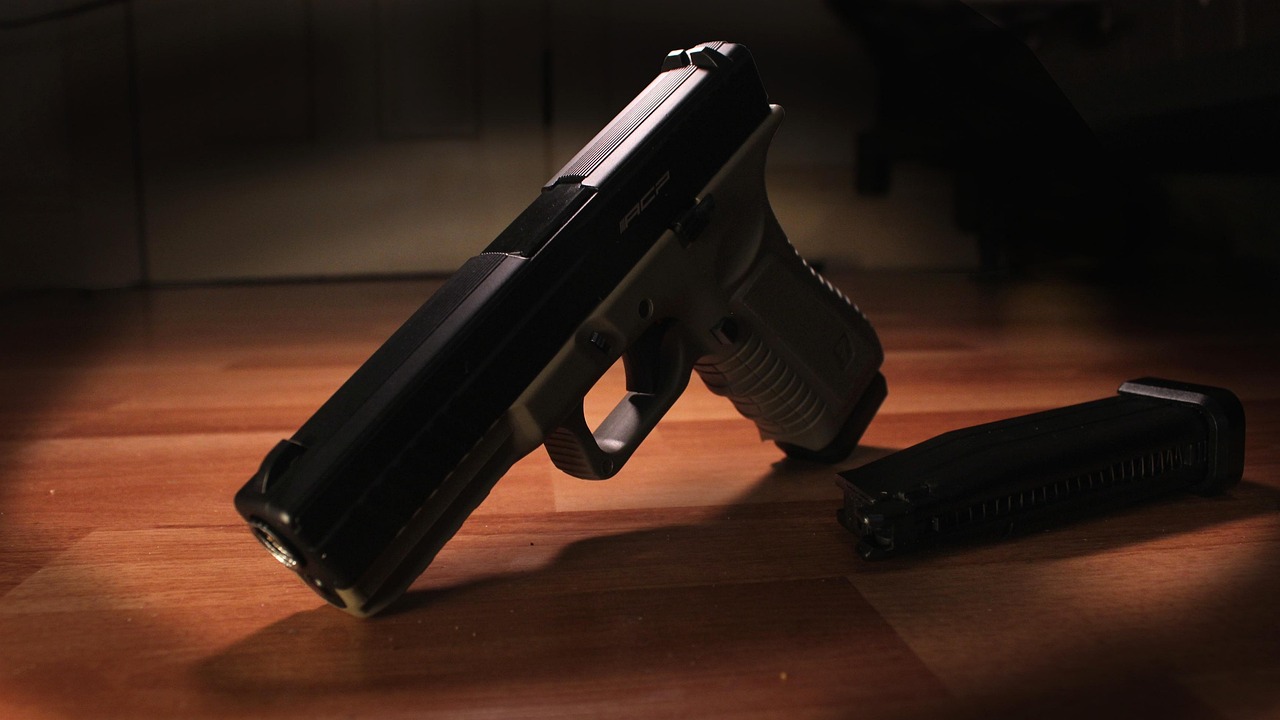
The modern striker-fired market has trained buyers to expect add-ons. Want optics readiness? Pay more. Want ambidextrous controls? Maybe move up a trim level. Want decent capacity, modularity, and a useful accessory rail in the same package? That usually nudges the price higher still.
Masada owners argue that this is where the pistol deserves more credit than it gets. Reviews from Guns.com, Firearms News, and Homeland Arms all lean into the same theme: value. Not cheapness, but value in the old-school sense of getting serious capability for less money than the category’s headline names often command.
That distinction matters. Plenty of lower-priced pistols feel low-rent somewhere in the trigger, the sights, the texture, or the machining. Masada’s reputation among owners is different. It is seen as a pistol that saves money mostly by avoiding hype, not by stripping out the features people actually use.
In a crowded case full of recognizable competitors, that can work against it. Shoppers often assume the less-discussed gun must be missing something. The recurring owner response is simple: no, it is mostly missing a louder marketing machine.
Reliability is the trait that turns curiosity into advocacy
A pistol can get attention with specs, but it keeps owners only if it runs. That is why reliability sits at the center of Masada’s reputation among people who own one instead of merely comparing product pages.
Guns.com called the Masada Tactical an ultra-reliable, affordable duty pistol, while Firearms News described recoil as manageable and accuracy as strong for a modestly priced handgun. Even favorable third-party reviews that approached the pistol skeptically tended to arrive at the same conclusion: it works, and it keeps working in the role it was built for.
That consistency is especially important because IWI’s broader reputation is tied to military and duty-oriented firearms. The Masada was introduced as a modern combat-style striker-fired handgun, and IWI’s own materials repeatedly emphasize hard-use durability, passive safeties, and straightforward maintenance. Owners often connect those dots and see the pistol as a practical tool first, range toy second.
That is really the hinge point in this whole conversation. Masada does not earn respect through trendiness. It earns it the way durable products usually do: by proving boring in the best possible sense, shot after shot, magazine after magazine.
The aftermarket is smaller, but that is not the weakness people think

It is true that the Masada does not enjoy the same ocean-deep aftermarket as Glock, SIG Sauer, or Smith & Wesson. That is one of the main reasons it remains outside the mainstream conversation, and there is no point pretending otherwise.
But owners often frame that limitation differently. The standard pistol already arrives optics-ready, and IWI says it includes four adapter plates on current optics-ready models. It also includes the rail space, ambidextrous controls, capacity, and grip tailoring that many users would otherwise spend money upgrading on another platform.
That means the Masada does not ask as much from the aftermarket in the first place. The gun comes closer to being finished on day one. For a buyer who wants to mount a light, maybe add an optic, and leave the rest alone, that is a strength rather than a shortcoming.
There is also a broader market truth here. A giant aftermarket usually follows giant sales volume, not necessarily superior design. Owners who defend the Masada are often arguing that popularity and completeness are different things, and that this pistol deserves more recognition precisely because it needs fewer corrections out of the box.
Bigger brands dominate attention, not always the value equation
The handgun market is full of familiar scripts. Buyers walk in planning to compare the same handful of names because those names own shelf space, police contracts, ad budgets, YouTube airtime, and forum mindshare.
The Masada sits outside that circle, which affects perception long before anyone fires a shot. A lesser-known pistol often has to be dramatically better to get the same attention a major-brand pistol gets automatically. That does not mean the bigger names are overrated. It means the attention economy and the performance economy are not the same thing.
This is why so many owners sound mildly evangelical after buying one. They feel like they discovered a product that should have been in the first round of recommendations all along. Not necessarily the undisputed king of the category, but a pistol that belongs in the same serious conversation much more often than it is.
That mismatch between reputation and experience is the real story. Masada is not underappreciated because it lacks merit. It is underappreciated because the market often rewards familiarity first and careful comparison second.
The real reason owners defend it is simple: it feels like an honest gun

When people say the IWI Masada deserves more credit, they are usually talking about something bigger than any single specification. They are responding to the rare feeling that a product delivered exactly what it promised, without forcing them to pay extra for basic modern expectations.
It has the features buyers want, the shootability they notice quickly, and the reliability that matters most over time. Reviews from American Rifleman, Guns.com, Firearms News, and other outlets keep circling the same conclusion from different angles: this is a competent, well-thought-out striker-fired pistol that competes better than its low profile suggests.
That is why owners keep speaking up for it. They are not claiming that Masada crushes every rival in every category. They are saying it offers an unusually honest package in a market where brand gravity often overshadows practical merit.
And that may be the strongest argument of all. In a category crowded with famous choices, Masada’s real appeal is that it does not need to be the loudest option to be one of the smartest ones.