A lot of hunters will blame inflation when a favorite box of ammo suddenly costs more. That is only part of the story.
This season, trade policy is quietly deciding which calibers remain practical and which ones start feeling like luxury goods.
Tariffs are hitting hunting ammo through raw materials, not just headlines

Ammunition prices do not move only because of demand from shooters. They also move because every centerfire cartridge is a small bundle of globally traded inputs: brass cases made mostly from copper and zinc, steel used in machinery and some case or component supply, lead for bullets, chemicals for primers and powder, plus packaging and freight. When tariffs lift the cost of metal somewhere in that chain, the shelf price often follows.
That matters more now because the tariff picture has changed fast. Federal Register notices tied to Section 232 actions show steel and aluminum tariffs were overhauled in February 2025, then increased to 50% starting June 4, 2025, for covered imports. Customs guidance and later White House material in 2026 also show broader derivative-product rules and additional treatment for certain steel, aluminum, and copper-related imports.
Hunters may never see those policy details on a price tag, but manufacturers and importers do. Reuters has reported that U.S. metals prices jumped after the new tariff moves, reflecting expectations that downstream users would pay more for foreign metal while domestic supply adjusted. That adjustment is not instant. In the meantime, ammo makers and distributors are left absorbing, reallocating, or passing along higher costs.
Why do some calibers absorb price pressure better than others?

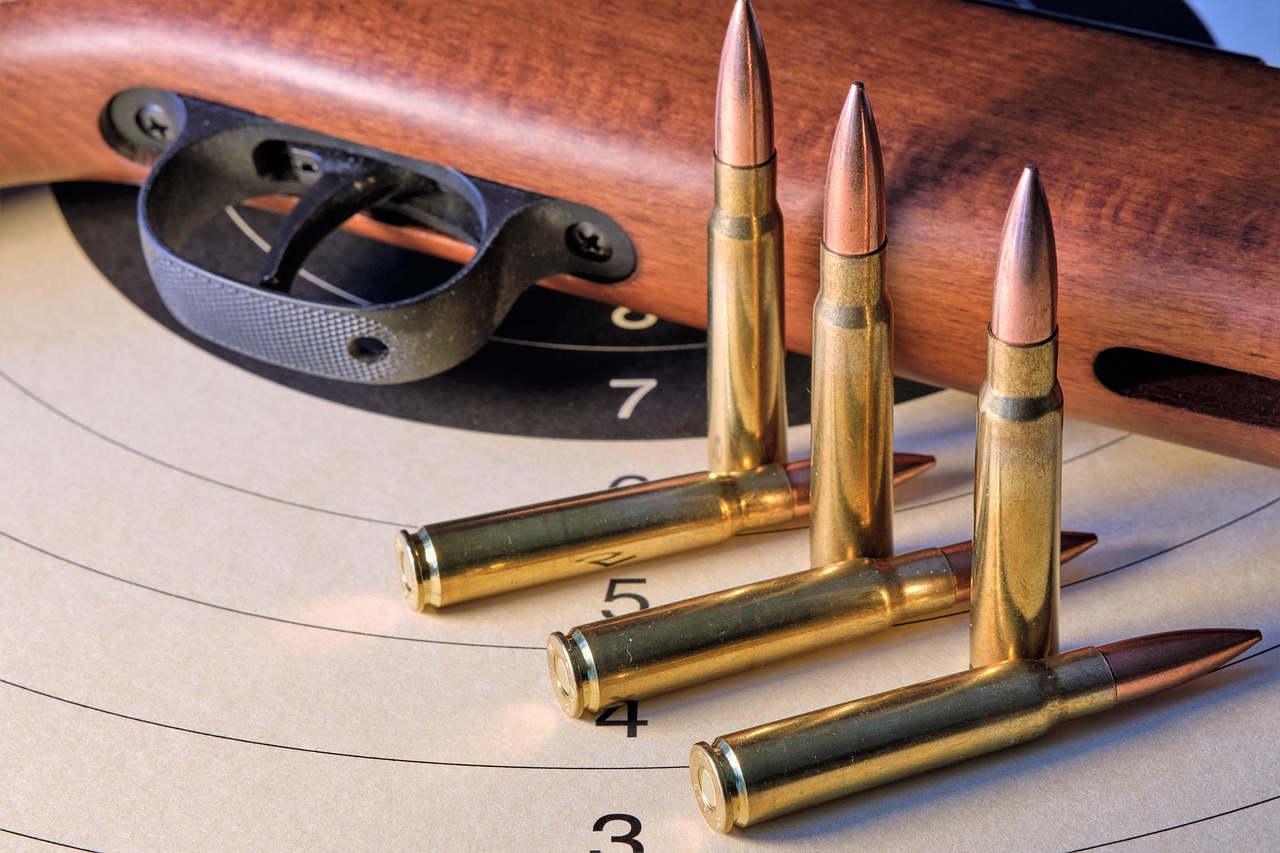
Not all hunting calibers are equally exposed to cost shocks. The rounds that hold up best are usually the ones with huge production volume, broad factory support, and overlap with other large shooting markets. That is why.308 Winchester and 6.5 Creedmoor often remain comparatively resilient. They benefit from deep manufacturing runs, wide retailer stocking, and a competitive field of brands fighting for shelf space.
By contrast, lower-volume hunting rounds have less room for error. A niche caliber may require a shorter production run, fewer suppliers, and more specialized bullets or seasonal allocations. If brass, steel-intensive tooling, or imported components get more expensive, there are fewer units over which to spread that pain. The result is not always a dramatic sticker jump. Sometimes it shows up as thinner availability, fewer load options, or the disappearance of the cheapest practice load.
You can already see the market sorting itself this way. Live price trackers this July show mainstream rounds like 6.5 Creedmoor around 50¢ per round, while 243 Winchester, .270 Winchester, .350 Legend, .308 Winchester, and .30-06 Springfield are stepping up in cost, with .308 and .30-06 notably pricier in listed current offers. Those snapshots are imperfect, but they illustrate the core reality: popularity alone is not enough. Scale, sourcing flexibility, and production priority matter more.
The hidden role of brass and copper in what hunters pay

Steel tariffs get the headlines, but brass may be the more important hunting-ammo story. Most centerfire rifle ammo uses brass cases, and brass depends heavily on copper. That means any tariff action or market squeeze affecting copper can ripple into hunting loads even if a box looks traditional and entirely American-made. Case production does not happen in a vacuum.
That is especially relevant in 2026 because copper markets have been tense. Reuters reported in June that Goldman Sachs raised its end-2026 copper forecast to $13,735 per metric ton, citing tighter supply and stronger U.S. imports, and said potential U.S. copper tariffs could push prices even higher in the second half of 2026. Other Reuters market coverage this spring also noted that U.S. tariff expectations were supporting copper prices and pulling more metal toward the American market.
For hunters, that means steel and copper pressures can stack. A manufacturer may face higher costs for case material, higher costs in metal-intensive tooling and plant inputs, and higher uncertainty on imported subcomponents or packaging. Even if average ammo prices eased in 2025, according to NSSF retail data, that broad average can hide a very different story at the caliber level. Commodity pressure does not hit every SKU evenly, and premium hunting loads rarely get the benefit of the cheapest mass-market sourcing.
Straight-wall favorites and classic deer rounds are feeling it differently.

Hunters in straight-wall states have their own version of this problem. Cartridges like .350 Legend remain popular because they solve a legal and practical need, not because they are the cheapest rounds to mass-produce. Winchester still markets the .350 Legend aggressively as a purpose-built deer cartridge, but that does not guarantee bargain pricing when demand is regional, and the product mix is more hunting-specific than general-purpose.
Current retail trackers show .350 Legend offers often landing above bulk-friendly rounds and sometimes nearing or exceeding traditional deer-caliber pricing depending on load type. That creates an odd market dynamic. A hunter may own a rifle chosen specifically to comply with state hunting rules, yet still face ammo prices that make preseason practice feel expensive. When tariffs squeeze materials, that kind of specialized cartridge has less cushion than a crossover round with target-shooting volume behind it.
Classic deer rounds are splitting into winners and losers, too. .243 Winchester and .270 Winchester still benefit from long-established demand, but they do not always enjoy the same constant production intensity as .308. .30-06 remains deeply respected, yet current market snapshots often show it priced above .308 and 6.5 Creedmoor. The old idea that every classic caliber is easy to find at a fair price is becoming less reliable at the exact moment hunters need to buy for fall.
Retail data shows the market is softer, but that does not mean every box is cheap.per
One of the more confusing parts of the ammo story is that broad market data looks calmer than the shelf experience many hunters describe. NSSF’s 2025 annual retail report found that same-store ammunition unit sales fell 12.4% year over year, revenue fell 16.7%, and average ammunition prices declined 4.8%. Inventory also remained elevated versus 2019, even after contracting from 2024 levels.
At first glance, that sounds like relief. In reality, it means the market is cooling unevenly. Retailers may be discounting common handgun ammo, bulk rimfire, or overstocked categories while hunters are shopping for seasonal centerfire loads that sell in smaller runs and carry more material cost. Those are not the same market. A falling average price does not guarantee that your preferred 20-round deer load is getting friendlier.
This is why hunters often feel like official numbers and personal experience are talking past each other. Both can be true at once. The overall ammo business can be softer while the specific calibers hunters rely on remain stubbornly expensive. Tariffs amplify that divide because they reward scale and domestic sourcing depth, two advantages that not every hunting cartridge enjoys to the same degree.
What manufacturers and importers are likely doing behind the scenes
When trade costs rise, manufacturers do not simply add a flat surcharge to every box. They triage. The highest-volume calibers get production priority because they keep lines moving and retailers happy. The premium calibers with loyal followings stay alive because theycarryy margin. The vulnerable middle is where hunters start noticing trouble: fewer value loads, fewer bullet-weight choices, longer gaps between production runs, and more frequent out-of-stock notices right before season.
Importers face a similar problem from the other side. Customs guidance in 2026 laid out additional duties on certain steel, aluminum, and copper-related products and derivative articles, with rates varying by category and origin. Even when finished ammunition itself is not the headline example, the broader effect is to make sourcing decisions more complicated and more expensive. That can push companies toward fewer SKUs and more conservative forecasting.
The likely result is a market that looks normal from a distance but thinner up close. You may still find ammo in the chambering you want, just not the affordable soft-point you used to buy every summer. Instead, the shelf may hold only a premium bonded load, a specialty ballistic-tip option, or nothing at all until the next shipment. That is how tariff pressure often arrives in hunting country: quietly, through assortment.
How hunters can adapt without overpaying for the wrong caliber
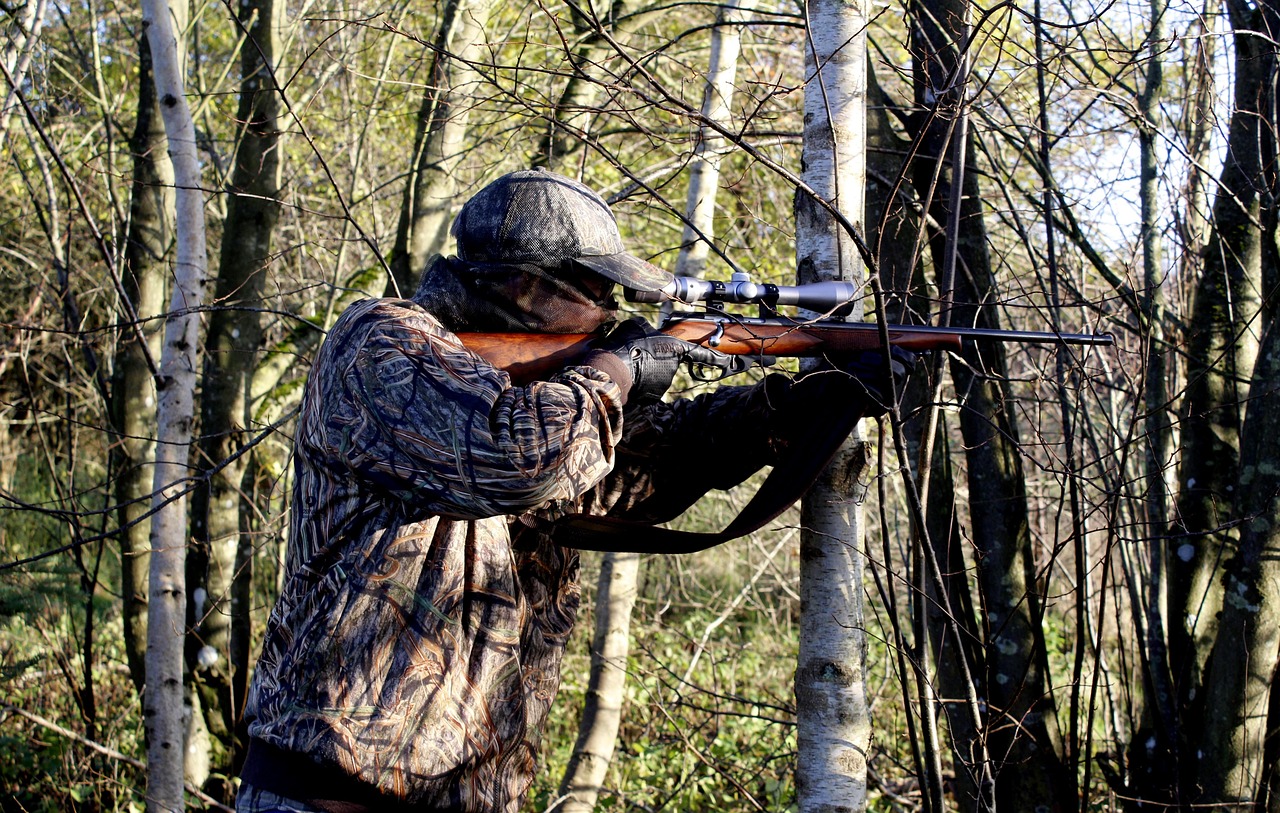
The smart response is not panic buying. It is caliber realism. If you are choosing a new deer rifle this year, ammo economics should be part of the decision right alongside recoil, range, and local game laws. In the current market, cartridges with broad factory support such as .308 Winchester and 6.5 Creedmoor generally offer more resilience than niche rounds, simply because more manufacturers are competing to supply them.
If you already own a less common or region-specific rifle, planning matters more than ever. Buy enough of one proven hunting load to confirm zero, practice responsibly, and set aside your season supply early. Do not assume your usual bargain box will be there in September. For many hunters, the real cost of a caliber is no longer just dollars per round. It is also how easy it is to replace that round when the shelf thins out.
That is the quiet reshaping now underway. Tariffs on steel, aluminum, and potentially copper are not banning anyone’s favorite caliber. They are doing something subtler. They are sorting cartridges into those supported by industrial scale and those left exposed to every bump in materials, trade policy, and seasonal inventory. For hunters, affordability is becoming less about tradition and more about supply-chain muscle.