Some hunting debates are really arguments about identity. This one is about who gets to define the culture.
Two Worlds Now Shape the Same Tradition

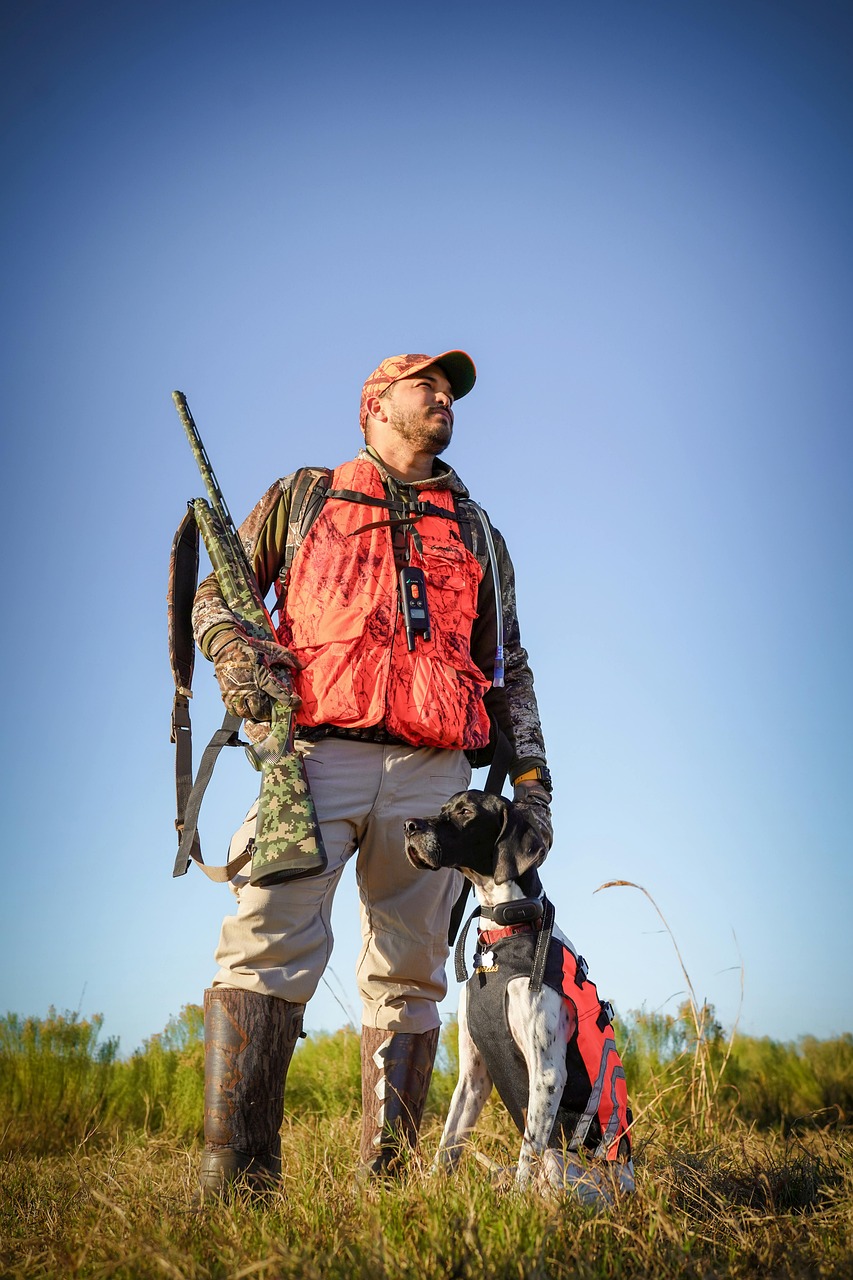
For most of the last century, hunting knowledge moved through family lines, local mentors, outfitters, and regional camps. You learned where to glass, how to read sign, and what counted as good judgment from people who knew your country and your game. Today, a hunter can absorb years of tactics in a weekend through YouTube, podcasts, TikTok clips, and digital mapping tutorials. That shift has created a second power center inside hunting culture, and it does not answer to the old gatekeepers. According to the U.S. Fish and Wildlife Service, 14.4 million Americans hunted in 2022, which means even small changes in how newcomers learn the sport can ripple widely across the culture.
Online creators thrive by making hunting legible. They break down bedding cover, wind strategy, elk calling, rifle setups, and meat care into repeatable lessons. Brands love that format because it turns expertise into influence, and influence into equipment sales, partnerships, and direct audience loyalty. Outdoor Life has reported that some hunting and fishing influencers have built meaningful incomes from merchandise and sponsorships, while larger channels turn audience trust into real market power.
Traditional outfitters operate in a different economy. They are not selling content first. They are selling time, access, logistics, stock, scouting, and a higher probability that a client will have a safe and successful experience. That business model values discretion, local relationships, and reputation earned over years, sometimes generations. Where creators often win attention by sharing, outfitters often protect value by knowing what not to share.
Why the Tension Feels So Personal
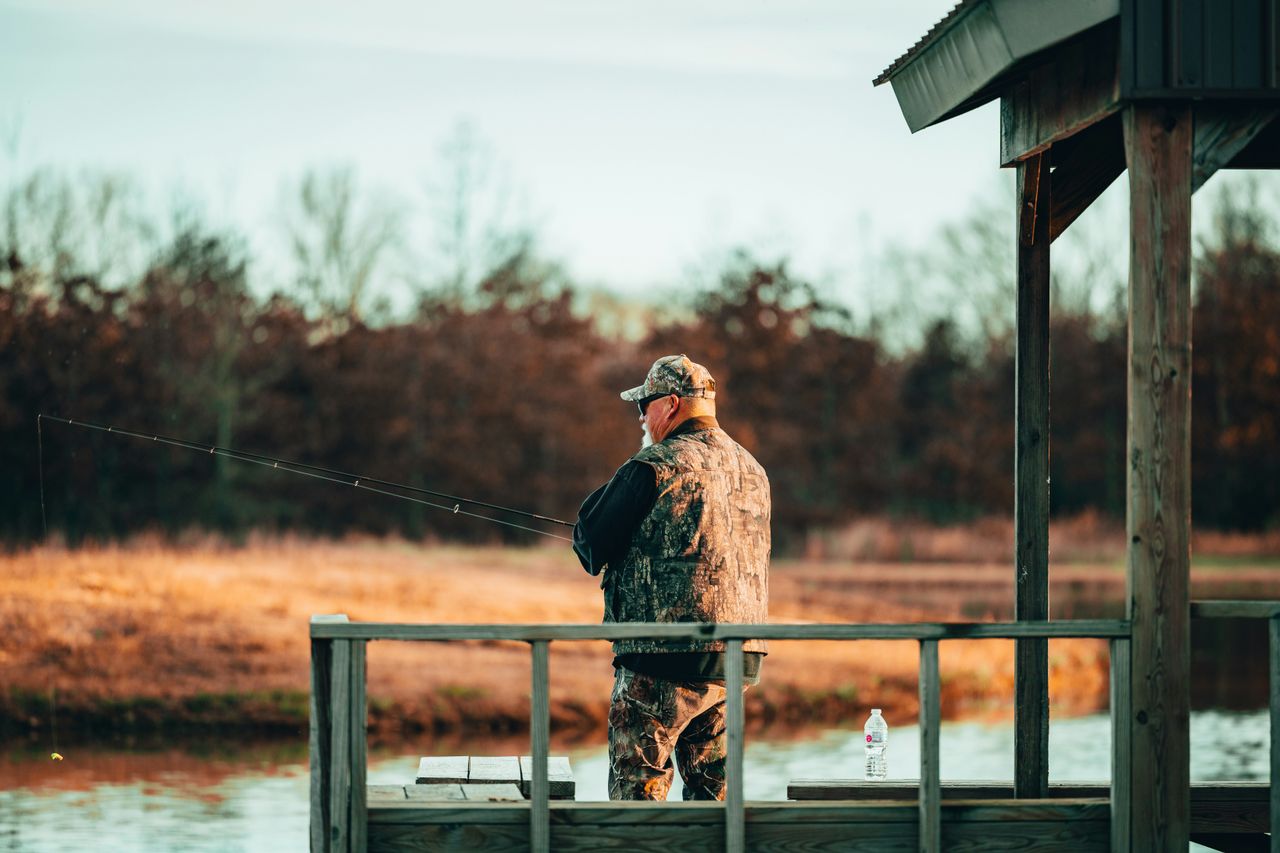
The conflict between these camps is not just commercial. It touches status, class, and what counts as authenticity. For many lifelong hunters, especially in the West and Upper Midwest, the rise of online hunting celebrity feels like a flattening of hard-earned local knowledge. Techniques that once took seasons to learn are now packaged as content, sometimes by people who are excellent communicators but not necessarily rooted in one landscape for decades.
On the other side, many newer hunters see traditional outfitting culture as expensive, exclusive, and sometimes dismissive. A creator with a camera can feel more approachable than a lodge owner or veteran guide. MeatEater’s beginner resources and podcast network openly position media as a bridge for people trying to enter hunting without family connections. The broader R3 movement, recruitment, retention, and reactivation- has made that access mission central to the industry, with the NSSF continuing to fund mentorship and growth efforts.
That leaves both groups claiming they are helping hunting survive. The creator says, “I am teaching people who otherwise would never get in.” The outfitter says, “I am preserving standards, access, and a viable business that keeps land and wildlife valuable.” Both arguments have merit. The trouble starts when each side treats the other as the main problem rather than as a response to larger forces already changing hunting.
Public Land Pressure Changed the Conversation

Nothing has sharpened this divide more than crowding on public land. In deer country especially, online personalities are often blamed for showing DIY hunters how to find overlooked spots, hunt aggressively, and compete more effectively. Outdoor Life noted in 2024 that YouTube groups such as The Hunting Public are regularly accused of contributing to heavier pressure on public ground, whether fairly or not. The same outlet also tied rising public-land popularity to both new media and the pandemic-era bump in participation.
This matters because public land is where the democratic promise of hunting lives. It is also where resentment shows up first. When more hunters arrive better informed, armed with mapping apps, aerial imagery, and creator-tested tactics, longtime users can feel displaced even if no rules were broken. The frustration is cultural before it is statistical. People feel that something once intimate has become broadcast.
Outfitters fit awkwardly into this picture. On one hand, they are often associated with private land, leased access, and hunts that insulate clients from crowding. On the other, guides in some regions are dealing with the same pressure, permit limits, and client expectations shaped by viral success stories. When a client arrives after binge-watching highlight reels, the guide may have to manage fantasy as much as wildlife.
Fair Chase Is the Shared Language, but Not the Shared Practice
When hunters argue about creators and outfitters, they often end up arguing about ethics through the language of fair chase. The Boone and Crockett Club defines fair chase as the ethical, sportsmanlike, and lawful pursuit of free-ranging wild game in a way that does not give the hunter an improper or unfair advantage. That definition remains one of the strongest common reference points in North American hunting, especially as technology keeps changing what is possible.
The technology fight is real, not abstract. Idaho approved major restrictions that take effect in 2026, including limits on transmitting trail cameras on public lands during hunting season, along with bans on using thermal imaging, night vision, and drones for certain hunting and scouting applications. Those changes were explicitly tied to fair-chase concerns as states try to catch up with rapidly evolving gear and tactics.
Creators and outfitters both get pulled into this debate, but differently. Creators are rewarded for demonstrating new tools quickly and clearly. Outfitters are judged on whether their methods still feel sporting to clients, regulators, and other hunters. The result is a culture where legality, marketability, and legitimacy are no longer perfectly aligned. A tactic can be legal, effective, camera-friendly, and still make a lot of hunters uneasy.
Money, Access, and the New Class Divide
At the heart of the split is a simple question: who can still afford the kind of hunting they want? Outfitters have always served hunters willing to pay for expertise and opportunity, but rising demand, nonresident competition, and limited tags have made guided hunts feel even more like premium products. In states like Montana, nonresident big-game opportunity is filtered through quotas and preference-point systems, making access itself part of a managed scarcity.
That scarcity feeds both sides of the culture war. Some hunters view creators as fueling demand for destinations, species, and tactics that were once regional secrets. Others see outfitters and access brokers as monetizing wildlife opportunity in ways that push average hunters out. The resentment is not always fair, but it is understandable. When hunting opportunity feels tighter, every visible winner can look like part of the problem.
Meanwhile, the economics of media and guiding are converging in strange ways. Creators sell authenticity but often need sponsors, merchandise, and affiliate-style revenue to survive. Outfitters sell experience but increasingly need social media to fill calendars and stay visible. The old distinction between pure storyteller and pure guide is fading. Many businesses now have to be both, whether they want to or not.
Recruitment Is the Bright Spot and the Flashpoint
The strongest argument for hunting creators is that they help people enter a tradition that can be hard to access. Not everyone grows up with a hunting family, a deer camp, or a generous mentor. Digital instruction lowers that barrier. The NSSF’s research and outreach around R3 makes clear that recruitment and retention are now central priorities because participation growth, conservation funding, and political support all depend on bringing in and keeping hunters.
But recruitment is also where the backlash intensifies. More hunters can mean more voices for conservation, more license sales, and broader public legitimacy. It can also mean more competition for tags, more trucks at the trailhead, and more pressure on public parcels that were already strained. That is why even pro-recruitment voices sometimes split over pace and messaging. The fight is rarely about whether new hunters are good. It is about whether the current media machine recruits responsibly.
This is where traditional outfitters sometimes make a stronger case than they get credit for. A good outfitter can mentor new hunters in field care, local ethics, safety, and realistic expectations in a way a screen cannot. The weakness is scale. A video can reach a million people. A guide can shape a handful each week. Hunting culture now rewards reach, even when depth may matter more.
What This Divide Means for the Future of Hunting
The most important thing to understand is that neither side is going away. Online creators are now part of the infrastructure of hunting education, entertainment, and consumer influence. Traditional outfitters remain essential where logistics, local knowledge, private access, wilderness travel, or species-specific expertise matter most. The future is not a winner-take-all battle. It is an uneasy coexistence shaped by crowding, regulation, money, and ethics.
The healthiest version of that future would borrow strengths from both camps. Creators can normalize transparency about effort, failure, conservation, and the limits of technology instead of selling endless highlight culture. Outfitters can lean into mentorship and stewardship, not just exclusivity, and explain why certain standards exist beyond nostalgia. Both could do a better job reminding audiences that hunting is not only a product, a brand, or a clip. It is a responsibility carried in public.
If the culture gets this wrong, the divide deepens and hunting becomes more performative, more transactional, and less rooted. If it gets it right, the tension could actually force a better balance: wider access to knowledge, stronger ethical norms, and a clearer understanding that wild animals and wild places are not content inventories or luxury packages. They are the center of the whole thing.