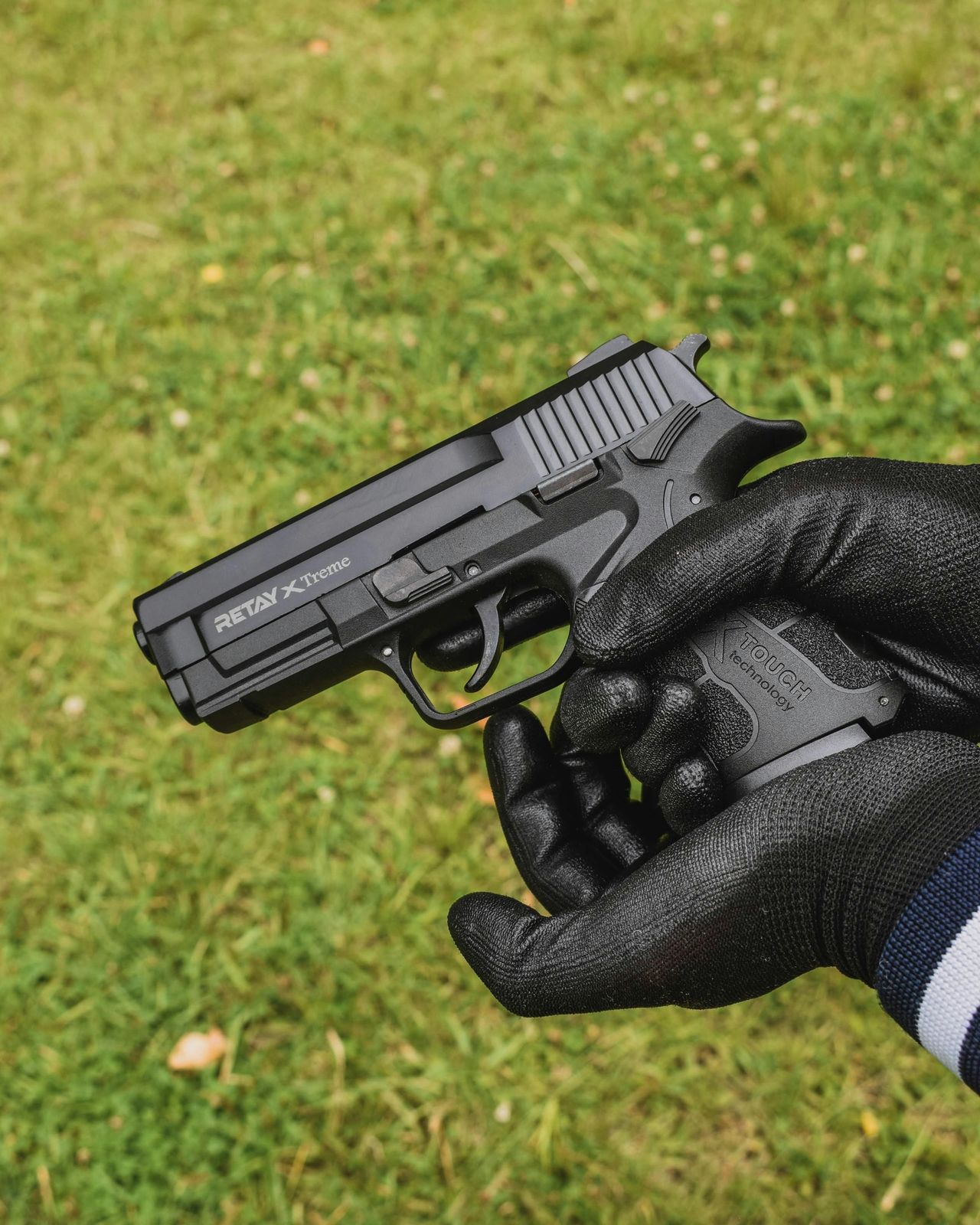
Owning a firearm and understanding situational awareness are not the same skill set. Veterans often describe awareness as a disciplined habit of reading people, places, timing, and exits long before trouble starts. This gallery breaks down the everyday lessons many service members say civilian gun owners still miss, especially when they confuse confidence with preparation.
Awareness starts before you leave the house
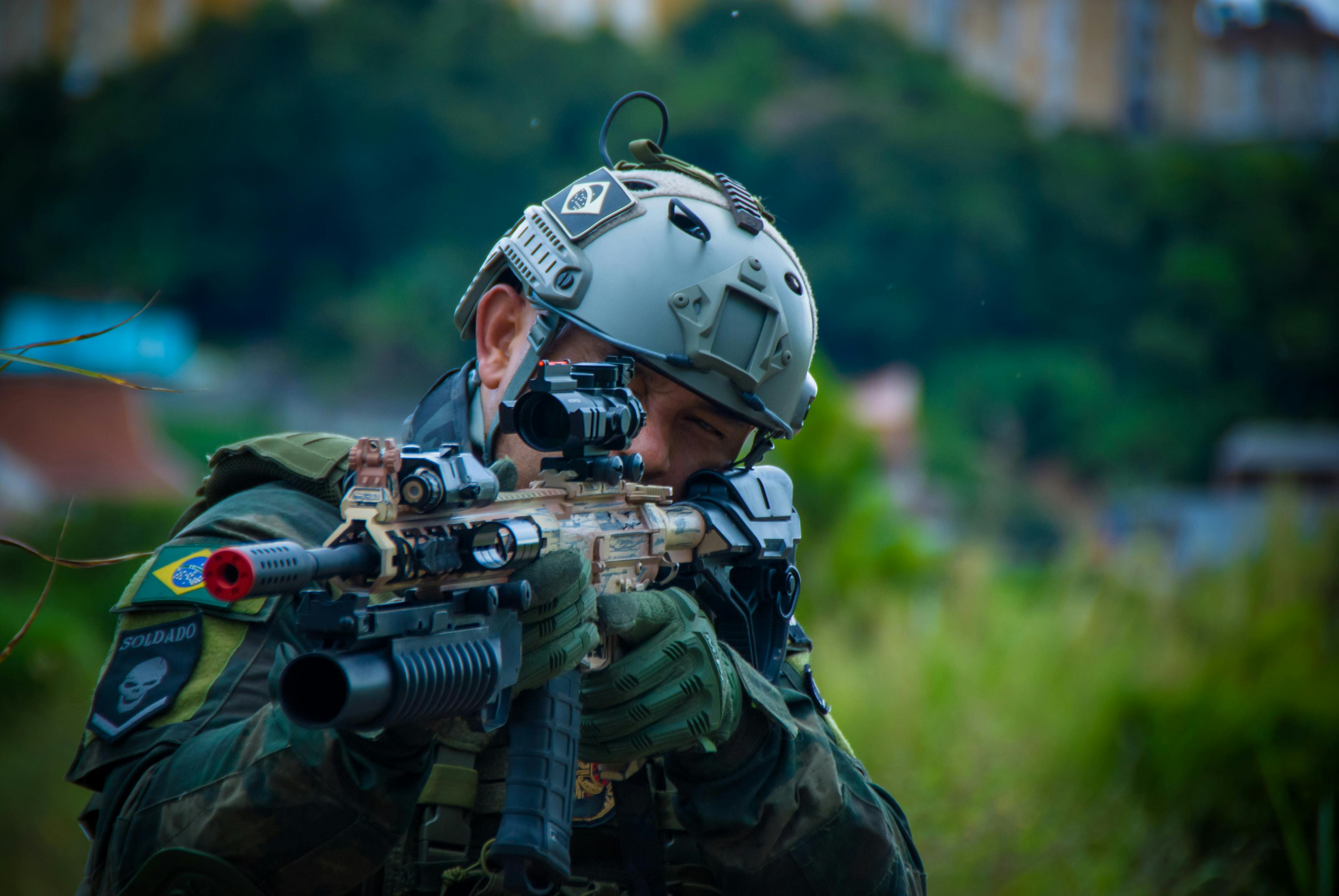
Veterans often say situational awareness does not begin in a parking lot or a gas station. It starts at home, when you decide where you are going, what time you are traveling, what the area is like, and what your backup plan looks like if something changes fast.
That kind of preparation sounds boring compared with range talk, but it is usually where smart decisions are made. Knowing the route, checking the weather, charging your phone, and thinking about likely choke points can lower risk before you ever step into public.
In that sense, awareness is less about reacting well and more about arriving prepared.
Your eyes are not enough if your mind is elsewhere

A common veteran critique is that many civilians look around without truly observing. They are technically seeing the room, but their attention is split between a phone, a conversation, a shopping list, or the assumption that nothing unusual will happen to them today.
Situational awareness depends on attention management. It means noticing behavior, movement, spacing, and changes in tone, then quickly deciding whether those details matter. A distracted person can stare straight at a problem and still fail to register it.
That is why veterans often treat awareness as a mental discipline, not a visual one.
Confidence can make you miss danger

Some veterans say concealed carriers sometimes develop a false sense of security simply because they are armed. The weapon becomes a psychological cushion, and that cushion can dull caution. People take shortcuts, enter sketchy spaces, or ignore rising tension because they believe they are ready for anything.
Experienced service members tend to see that as backward. The goal is not to feel invincible. The goal is to avoid scenarios where a weapon might become relevant at all.
Real awareness is humbling. It keeps reminding you that every bad situation carries unknowns, and unknowns are where overconfidence gets punished.
The best move is usually distance
Veterans regularly emphasize that distance solves problems before force ever enters the picture. If someone is acting erratically, closing space to prove a point is rarely a smart move. Crossing the street, changing aisles, leaving the venue, or getting back in the car can be the most skilled response available.
Civilian culture sometimes glorifies standing your ground in every uncomfortable interaction. Veterans usually frame it differently. Distance buys time, improves options, and reduces the chance of misreading intent under stress.
That matters because awareness is about creating space to think, not shrinking the margin for error.
You should always know your exits

Ask veterans what they notice first in an unfamiliar place, and exits come up fast. Not because they expect chaos everywhere, but because exits shape your options if something medical, criminal, or accidental suddenly unfolds. They matter in restaurants, theaters, stores, parking decks, and even small social gatherings.
Many civilians drift into a room and settle in without mapping a way out. Then, when stress hits, they freeze or follow the crowd. Veterans know that hesitation grows when your brain has to build a plan from scratch.
A quick glance at doors, stairwells, choke points, and cover can save precious seconds later.
People matter more than gear
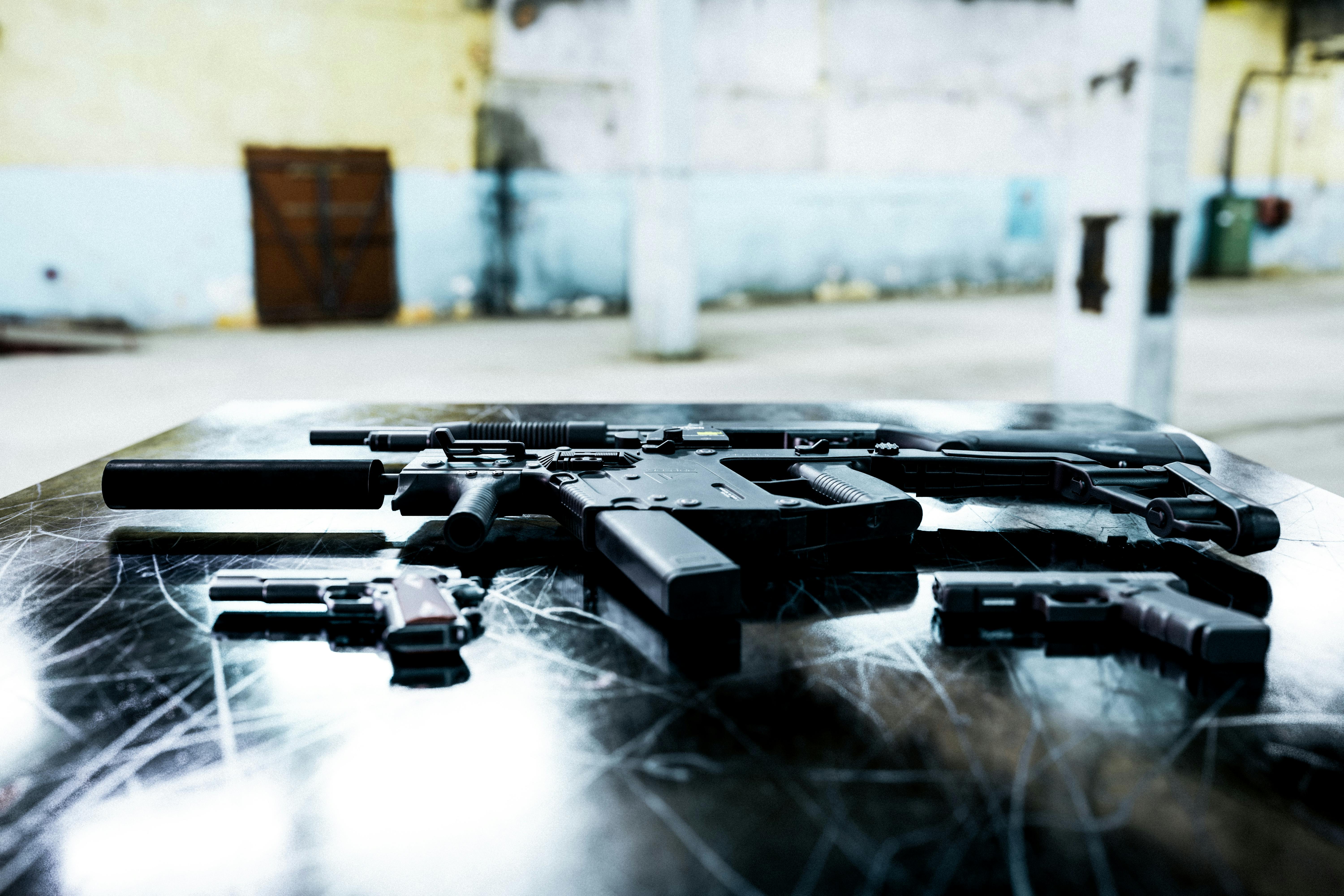
Civilian gun conversations often revolve around holsters, optics, calibers, and upgrades. Veterans usually bring the focus back to human behavior. Who is agitated, who is lingering oddly, who is watching others instead of minding their own business, and who suddenly changes pace or direction for no clear reason?
Gear can support a response, but behavior usually provides the earliest clue that something is off. The person who notices pre-incident indicators has a major advantage over the person who only notices a visible threat once it is fully underway.
In practical terms, reading people beats obsessing over hardware every time.
Normal matters because change is the warning

Veterans often develop an eye for baseline behavior. What does this place usually feel like, sound like, and look like? Once you have that mental snapshot, changes stand out more clearly. A crowd suddenly goes quiet, one person starts moving against the flow, or a parked car looks occupied when it should not be.
Many civilians search for dramatic threats and miss subtle shifts that come first. Situational awareness is rarely about spotting movie-style danger. It is about sensing when the ordinary pattern breaks.
That simple habit, noticing what changed, can help you act earlier and more calmly.
Your body gives away your attention

Veterans know that awareness is not only internal. Your posture, pace, and head position tell other people whether you are tuned in or easy to exploit. Someone who looks lost, overloaded, or mentally absent can attract the wrong kind of attention before they even realize anyone is assessing them.
That does not mean acting paranoid. It means moving with purpose, keeping your hands free when possible, and looking like you know where you are going. Small signals can discourage opportunistic behavior.
In everyday life, appearing switched on is often part of being switched on.
Stress makes simple tasks harder than you think
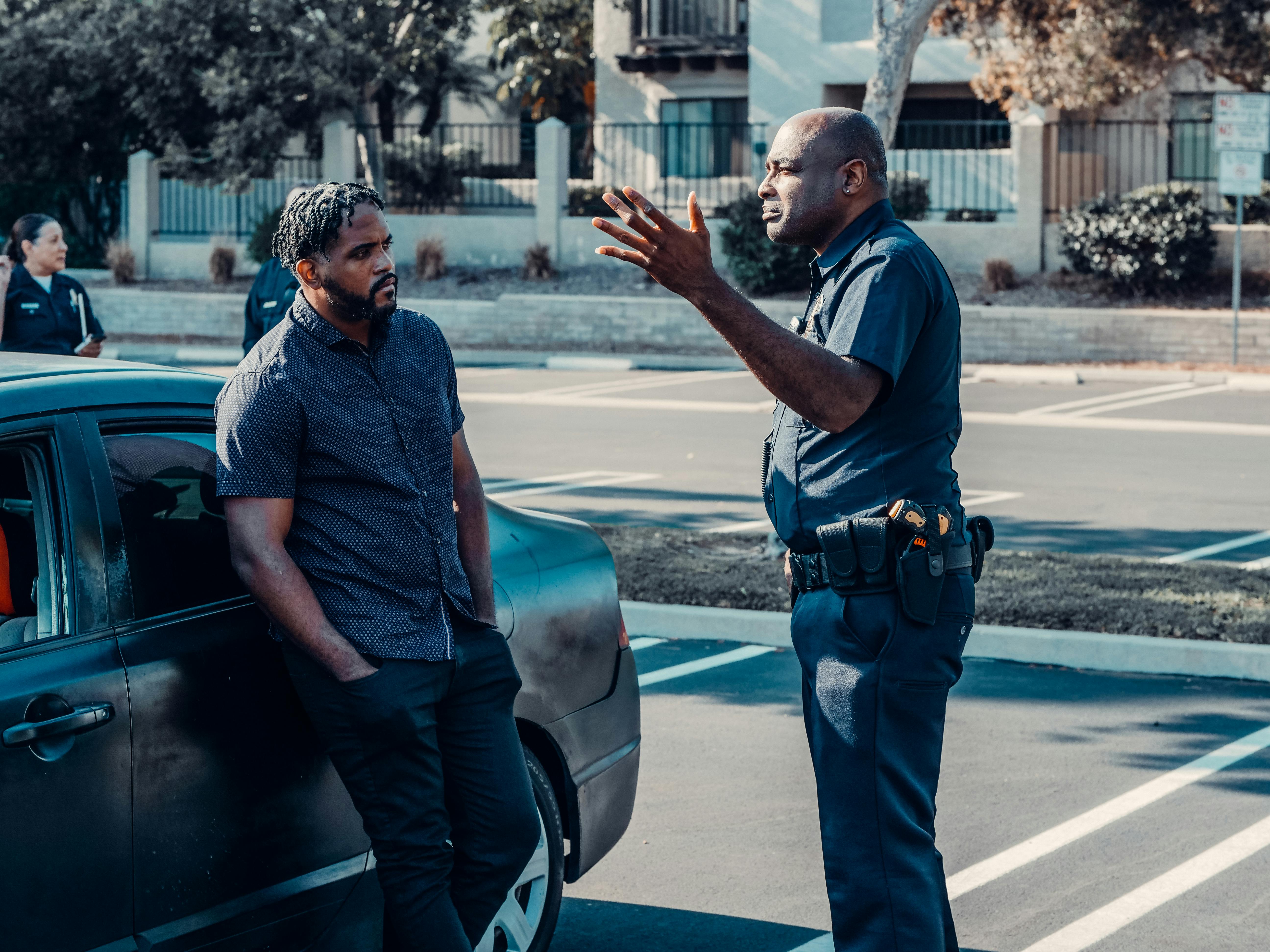
Veterans are often blunt about what adrenaline does to fine motor skills, memory, and judgment. Under stress, people fumble with phones, keys, seat belts, doors, and even basic speech. That reality is one reason awareness matters so much. It gives you time before panic shrinks your performance.
Many civilian discussions jump straight to what someone would do in a worst-case event, as if the body will cooperate on command. Veterans tend to be more realistic. They know stress narrows attention and distorts time.
The earlier you spot trouble, the more likely you are to make useful, simple decisions while your brain still works clearly.
Avoiding ego is part of staying safe

One lesson veterans repeat is that pride can drag ordinary people into dangerous situations fast. A rude comment, a parking dispute, a shoulder bump, or a challenge from a stranger can feel personal in the moment. But situational awareness asks a different question: is this worth staying for?
Civilians sometimes frame retreat as weakness, especially if they are armed and feel obligated to assert control. Veterans usually see ego as a threat multiplier. The need to win, teach a lesson, or save face can blind you to risk.
Walking away may bruise your pride, but it often protects everything that actually matters.
Companions change your responsibilities

Being aware alone is one thing. Doing it while responsible for children, a spouse, aging parents, or distracted friends is something else entirely. Veterans often point out that your movement, seating choice, and exit plan should change when other people depend on you in real time.
That means noticing who wanders, who freezes, who cannot move quickly, and who will need direct instructions if something goes wrong. A plan that works for one capable adult can fail badly for a group.
Situational awareness is not just self-protection. It is understanding how the people with you affect both your options and your obligations.
Awareness is a habit, not a switch
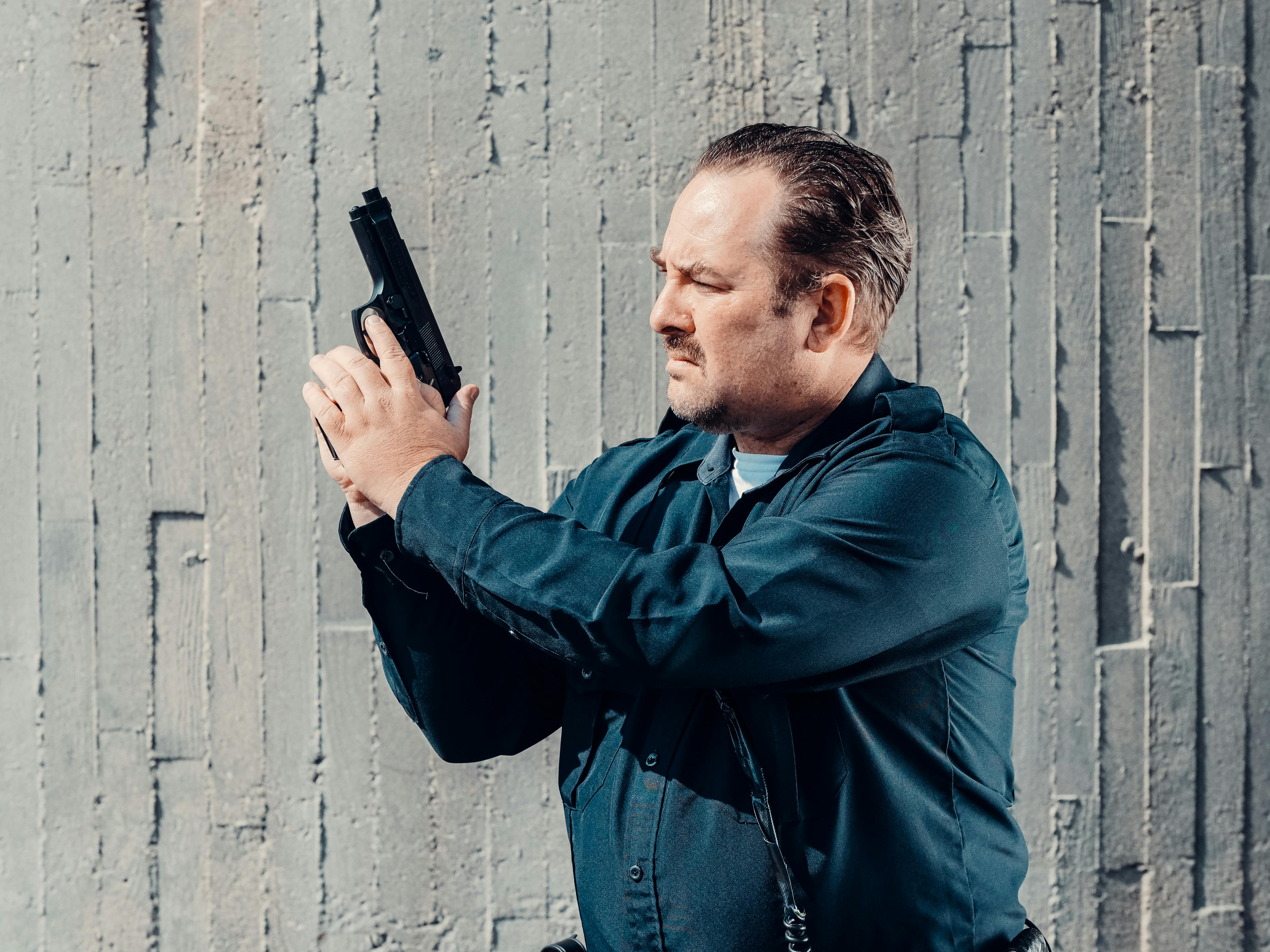
Perhaps the biggest point veterans make is that situational awareness cannot be turned on only when a place feels dangerous. By then, you are already behind. The skill comes from steady, low-key habits practiced in ordinary settings, not bursts of intensity when your instincts finally wake up.
That means checking mirrors as you park, pausing before stepping through doors, noticing who is near your vehicle, and staying mentally present during routine errands. None of it has to look dramatic.
Over time, those small habits become automatic. And that is the real goal: calm awareness that travels with you everywhere, not fear that appears too late.