A hunting rifle does not get many chances to prove itself when weather turns ugly and one clean shot matters most. For some models, a single rough season of missed zeroes, feeding issues, sticky bolts, or fragile parts was enough to shake buyer confidence. This gallery looks at 11 rifles that earned backlash from hunters who expected dependability and came home with doubts instead.
Remington Model 770

The Model 770 was supposed to improve on earlier value line complaints, yet many buyers came away feeling it inherited the same uneasy reputation. Hunters frequently mentioned a stiff, gritty bolt and a detachable magazine system that did not always inspire confidence when quick follow up shots might matter.
In showroom lighting, the package could seem appealing, especially with an included scope. Out in freezing blinds and damp timber, though, several owners said the rifle never felt refined or reassuring. Once a rifle starts making its owner second guess chambering, feeding, or zero retention, that trust can disappear in a single season.
Marlin X7

The Marlin X7 earned praise from some shooters for decent accuracy at a modest price, but field use revealed enough inconsistencies to sour others quickly. Buyers who got a good one were satisfied, yet those who encountered rough actions, flimsy stock feel, or uneven assembly were far less forgiving after a season outdoors.
Hunting exposes little irritations until they become big ones. A rifle that feels acceptable at the range can seem far less impressive after rain, bumped tree stands, and long hikes. For disappointed owners, the X7 sometimes crossed that line from affordable to forgettable before the first season was over.
Mossberg ATR
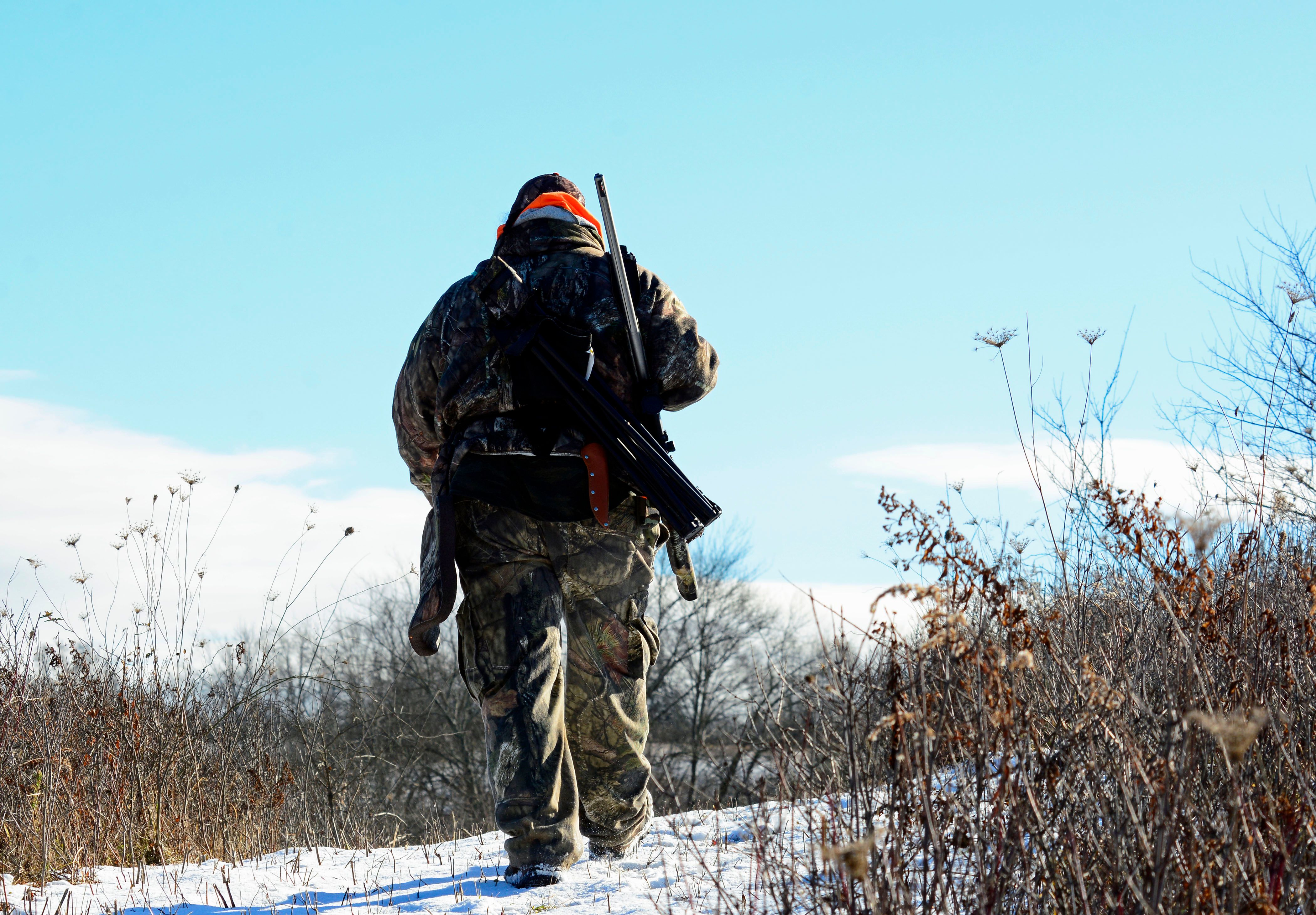
Mossberg’s ATR appealed to practical buyers who wanted a straightforward hunting rifle without stretching the budget. Still, some owners reported that the rifle’s economy roots became obvious under field conditions, especially when fit, finish, and action smoothness failed to match expectations set by more established competitors.
A hard season can be unforgiving to a rifle that already feels a little rough around the edges. Hunters described sticky operation, hit or miss accuracy, and a generally plain build that did not age gracefully with use. Once confidence slips on opening morning, even a functional rifle can start feeling like a liability rather than a companion.
Savage Axis First Generation
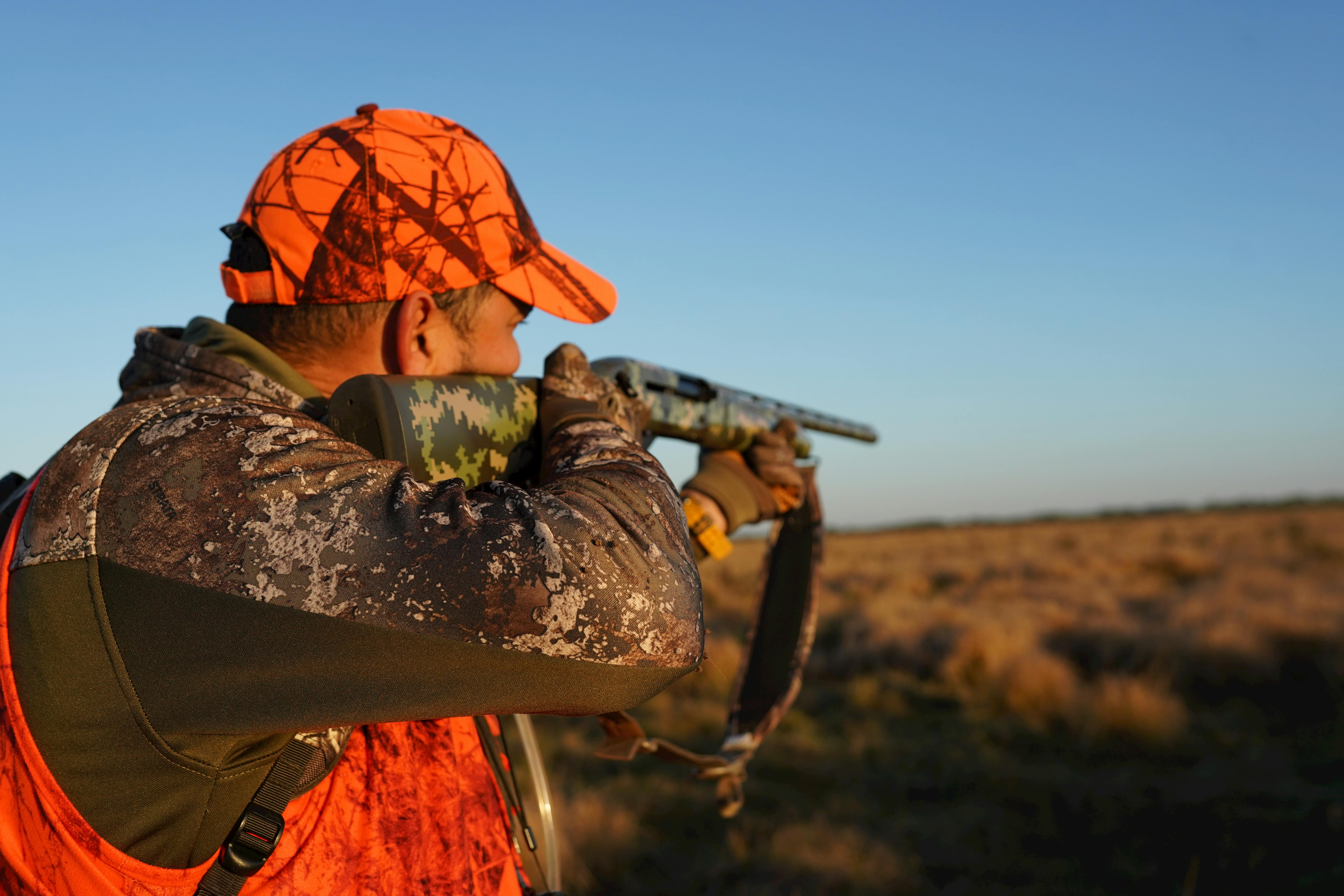
The original Savage Axis had clear value appeal, but early buyers often felt they were making compromises they could not ignore once hunting season began. While the rifle could certainly shoot, criticism focused on the stock, trigger feel on some examples, and an overall budget finish that made it seem more utilitarian than confidence building.
That matters because a rifle’s reputation is not built on groups alone. It is built on how it handles stress, weather, and repeated use when adrenaline is high. For some hunters, the first generation Axis worked fine on paper yet never felt solid enough in the field to earn long term trust.
Ruger American Early Production
The Ruger American became a major seller for good reason, but early production examples drew enough criticism to make some first wave buyers uneasy. Complaints often involved the flexible stock, bedding concerns, and occasional inconsistencies that left owners wondering whether they had received a standout bargain or a rifle that needed tinkering.
The frustration was not always dramatic. Sometimes it was just a slow accumulation of doubts after point of impact shifts, odd fit, or underwhelming feel in rough conditions. In a market where reliability and repeatability are everything, even a few nagging issues can make one difficult season feel like a final verdict.
Thompson Center Compass Early Models

The Thompson Center Compass launched with impressive value messaging, and many shooters appreciated what it offered on paper. Yet some early owners reported that quality control did not always keep pace with the rifle’s ambitions, especially when extraction, finish durability, or general consistency became talking points after heavy seasonal use.
Hunters are usually willing to forgive a plain looking rifle if it performs every single time. They are much less forgiving when small annoyances pile up in wet leaves and cold dawns. For disappointed Compass owners, the issue was not always catastrophic failure. It was the nagging sense that the rifle had not fully earned its place in camp.
Winchester XPR Early Runs
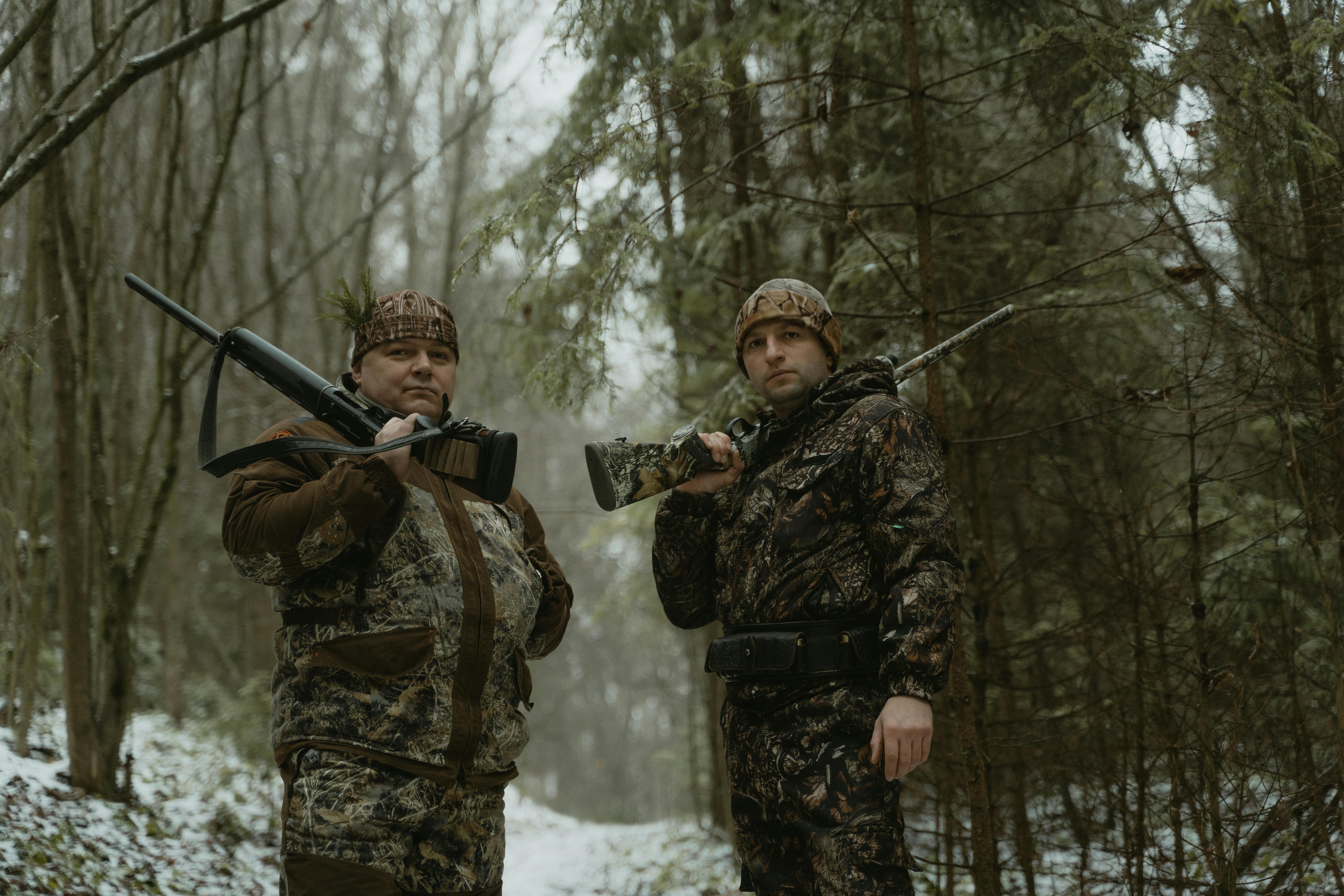
The Winchester XPR entered the crowded budget bolt action category with a recognizable name and serious expectations. Some early buyers, however, felt that the rifle did not consistently deliver the polished dependability associated with the brand, especially when magazine quirks or uneven finish details showed up under real hunting conditions.
Brand reputation can make disappointment sting more. When hunters see Winchester on the receiver, they expect a certain level of field confidence from day one. For those who spent one tough season wrestling with small but memorable issues, the XPR became less of a value buy and more of a reminder that familiar branding does not guarantee immediate trust.
Browning AB3
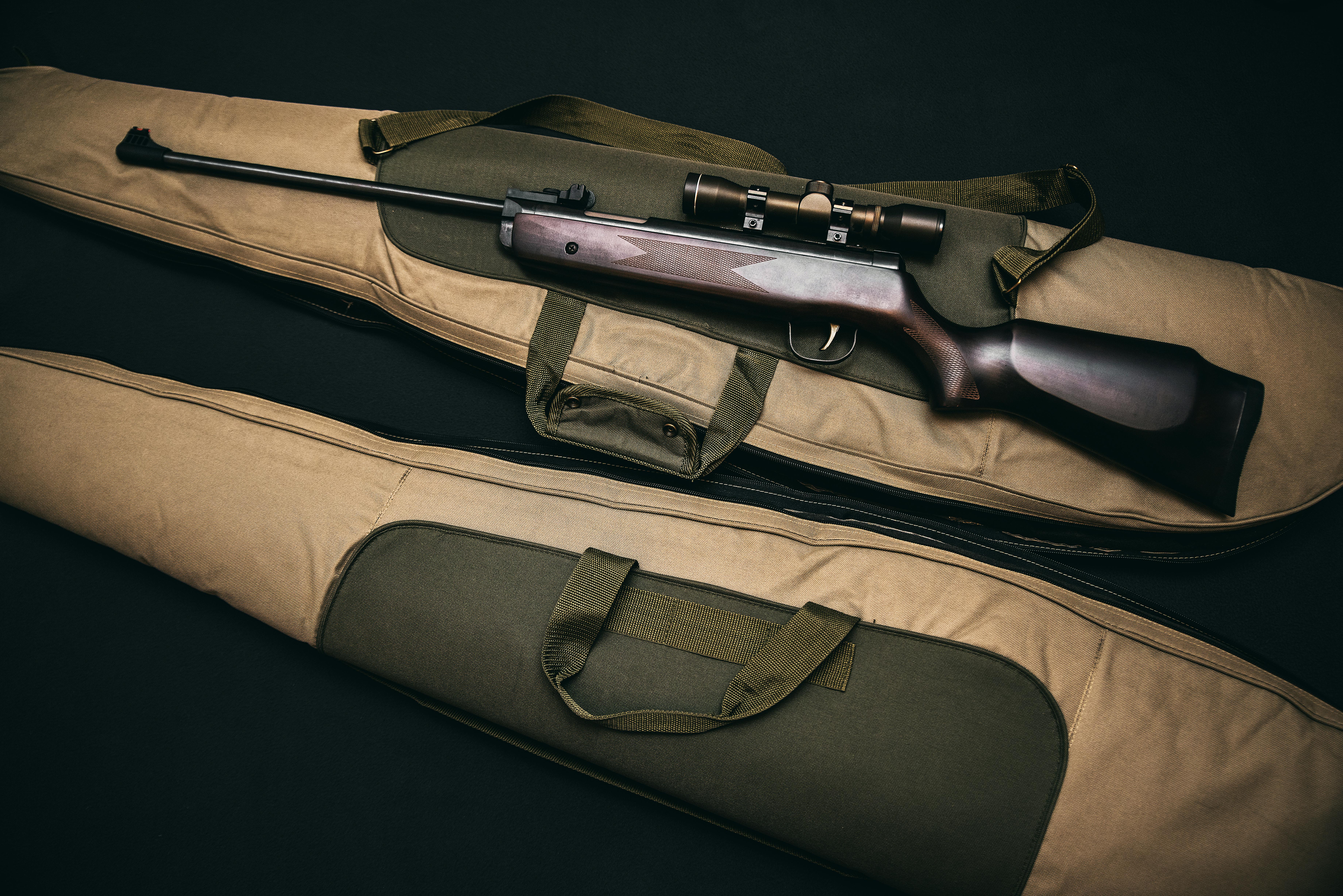
The Browning AB3 was marketed as an accessible entry into a respected hunting lineage, but some buyers felt it landed in an awkward middle ground. It carried a strong name, yet certain owners said the rifle lacked the refined feel they expected, with criticism aimed at parts quality, stock character, and a less premium overall impression.
That disconnect can be hard to shake once the season starts. Hunters who pay for a badge often expect more than basic competence. If the rifle feels ordinary while conditions are difficult and opportunities are scarce, confidence can erode fast. For skeptical AB3 owners, one demanding season was enough to raise uncomfortable questions about value.
Weatherby Vanguard Series 1 Problem Examples

The Weatherby Vanguard has many loyal fans, but certain Series 1 examples left some buyers frustrated after hard use. When a rifle line has a generally strong reputation, the occasional troublesome gun can stand out even more, especially if feeding, extraction, or accuracy consistency becomes questionable during the short window of hunting season.
A single bad example can shape a hunter’s opinion for years. In this case, the issue was not that every Vanguard disappointed. It was that some owners expected near automatic trust and instead spent their season troubleshooting. Once a rifle feels like a variable rather than a constant, confidence tends to evaporate quickly.
Muzzleloader Converted Expectations on the CVA Cascade’s Rivals

In the bargain rifle space, several competitors to newer value standouts developed a reputation for overpromising and underdelivering after one demanding season. Buyers drawn in by attractive pricing often discovered that rough actions, mediocre stocks, or inconsistent assembly became far more noticeable once the rifle left the range and entered real terrain.
This slide is less about one single notorious model and more about a pattern hunters know well. A rifle can seem perfectly acceptable under calm conditions, then lose all credibility after rain, recoil, and repeated carry expose weak points. Trust in this category is fragile, and many buyers never return after that first disappointment.
Why One Bad Season Ruins a Rifle’s Reputation

Hunters build trust slowly and lose it fast. A rifle is expected to chamber smoothly, hold zero, feed reliably, and shrug off ugly weather without drama. When any of those basics fail during the narrow stretch of time that matters most, owners rarely remember the good range session. They remember the missed chance and the sinking feeling that followed.
That is why certain rifles never recover in the court of public opinion. Once enough buyers share stories of shifting impact, broken parts, or actions that feel wrong under pressure, the label sticks. In hunting culture, dependability is not a bonus feature. It is the whole deal, and one difficult season can decide everything.