Few handgun matchups create stronger opinions than this one. For concealed carry owners, the Sig Sauer P365 and Glock 43X represent two different ideas of what a compact pistol should be.
Two pistols, two philosophies

The P365 changed the market because it made higher capacity feel normal in a truly small package. When it arrived, many shooters saw it as the gun that forced everyone else to rethink what a micro-compact could hold without becoming bulky. Its standard magazine capacity immediately became part of the conversation, and competitors had to respond.
The Glock 43X came from a different direction. Instead of chasing the smallest possible footprint, Glock leaned into familiarity, shootability, and a slightly larger grip that many people find easier to control. For longtime Glock owners, the 43X felt less like a revolution and more like a very smart correction to the slimmer but lower-capacity Glock 43.
That split still defines the debate today. Some carriers want maximum rounds in minimum space and see the P365 as the obvious answer. Others care more about a full firing grip, predictable handling, and Glock’s famously simple operating feel, which keeps the 43X firmly in the fight.
Real-world buyers often divide along experience lines. Newer carriers may be attracted to the P365 because spec sheets make a strong first impression. More experienced concealed carriers, especially those with time on Glock platforms, often prioritize consistency under stress over raw numbers, and that is where the 43X continues to earn loyalty.
Size on paper vs comfort on body

On paper, these pistols are close enough that casual shoppers may think the difference is minor. In actual carry, small shifts in width, grip contour, and how the gun distributes weight can matter a lot more than the measurement chart suggests. A pistol that disappears for one person can print badly for another based on body type, holster choice, and clothing.
The P365 generally wins the pure concealment argument because it is shorter in the grip and compact in overall form. That shorter grip is often the first thing people notice when carrying inside the waistband, especially under a T-shirt. It tends to reduce printing, which matters for people who carry daily in warmer climates or business-casual clothing.
The Glock 43X, however, often feels more planted on the belt. Its taller grip can make it harder to hide for some users, but it also makes the gun easier to draw cleanly and establish a confident purchase. Many instructors note that a gun which carries slightly larger but draws more reliably can be the better defensive tool in practice.
This is why owners remain split. Carry comfort is not just about the smallest dimensions. It is about whether the gun feels manageable for 10 hours, whether it shifts when seated in a car, and whether the shooter still trusts the draw stroke at the end of a long day.
Capacity changed the conversation
Capacity is where the P365 built its legend. For many buyers, getting double-digit capacity in a pistol this small felt like a category-changing advantage. It made older single-stack designs seem compromised overnight, and that impact still shapes how people compare concealed carry guns today.
The Glock 43X answered with a 10-round magazine in a larger, easier-to-hold frame, which satisfied plenty of shooters but did not fully silence the numbers debate. In pure stock form, many buyers still look at the Sig and see more efficiency. If two guns are close in size, the one carrying more rounds will naturally attract attention.
But capacity does not exist in a vacuum. Magazine design, reliability, availability, and confidence in feeding all matter just as much as total round count. Glock supporters often argue that they are willing to accept slightly less impressive numbers if the platform gives them a simpler, more familiar ecosystem and a reputation for durable consistency.
There is also the legal angle. In states with 10-round magazine limits, the P365’s headline advantage can shrink considerably, making the 43X look more competitive. Once local laws level the field, buyers start focusing less on capacity bragging rights and more on grip feel, recoil control, and day-to-day usability.
Shootability is where opinions harden
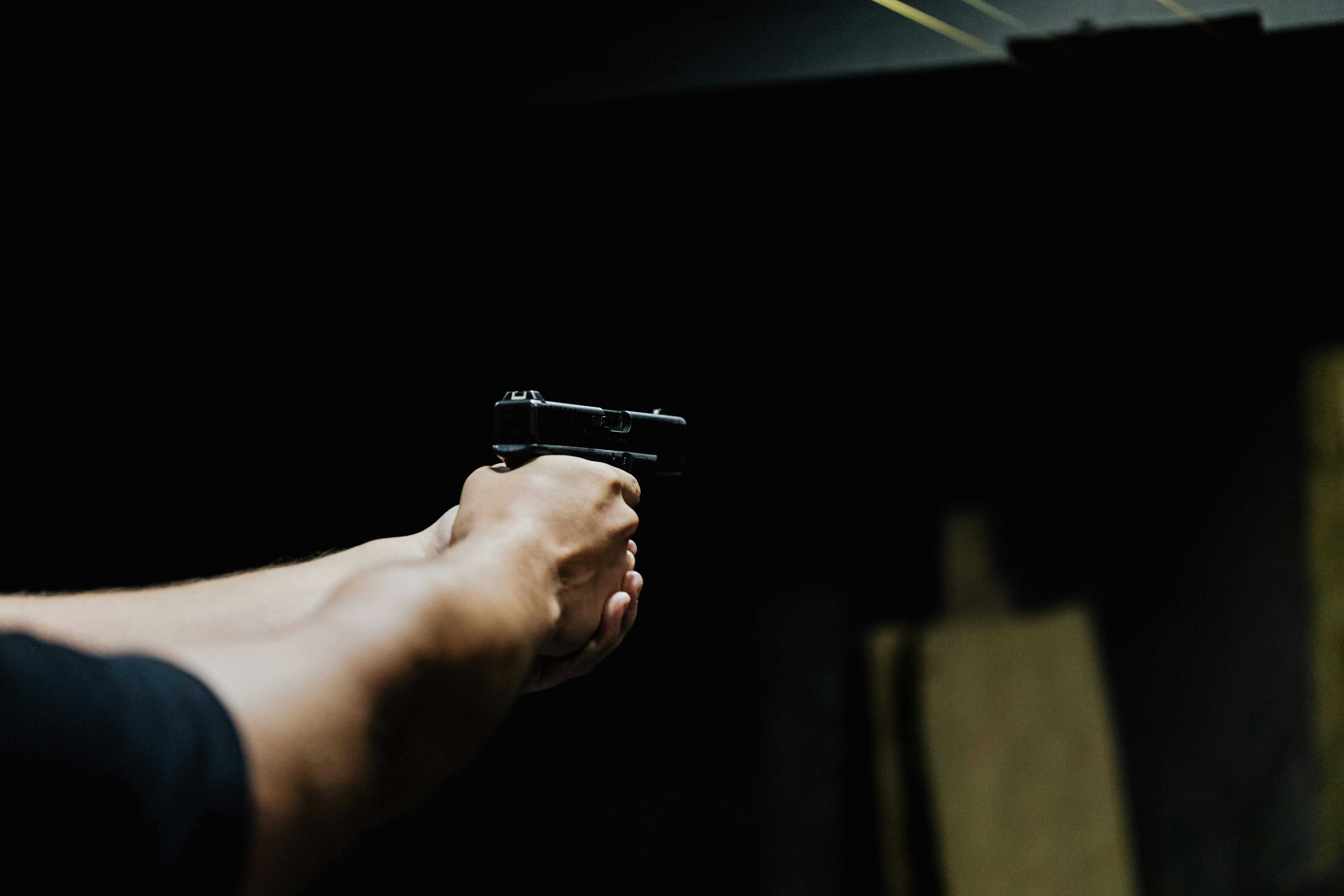
This is the section where debates usually stop being theoretical. A pistol may look ideal online, but recoil impulse, trigger feel, and how fast sights return in live fire often determine what people actually carry. Many shooters who expected to prefer one model have changed their minds after a single range session.
The Glock 43X frequently earns praise for being easier to shoot well, especially for those with medium or large hands. Its grip gives more contact, and many shooters say that translates into faster follow-up shots and less perceived snap. The trigger feel is classic Glock, not perfect, but familiar enough that many users shoot it confidently with very little adjustment.
The P365 is absolutely shootable, but it asks a little more from some hands. Because it is smaller and denser in feel, recoil can seem sharper, particularly for newer shooters or those sensitive to snappier micro-compacts. That does not make it inferior. It means the owner may need more practice to unlock its full advantage.
Instructors often see this divide on qualification days and defensive classes. A student may conceal the P365 better, yet shoot tighter, faster strings with the 43X. Another may find the 43X grip too tall for discreet carry and accept the P365’s sharper impulse as a worthwhile trade. Both conclusions are rational, which is why the argument never really ends.
Reliability, trust, and brand reputation

Reliability is where conversations become personal, because carry guns are not casual purchases. Owners are betting on a tool meant for the worst moment of their lives. That is why reputation, past recalls, anecdotal reports, and brand confidence all weigh heavily, even when both pistols generally perform well in modern form.
Glock has an enormous advantage in institutional trust. Law enforcement history, a broad aftermarket, and decades of consistent user experience give the 43X a halo that extends beyond its actual dimensions or capacity. Many buyers assume that if a Glock runs in larger duty formats, the compact carry version inherits that same no-drama identity.
The P365, on the other hand, carries the legacy of early production concerns that some buyers still remember. Sig has spent years improving the line, and large numbers of current owners report excellent reliability, but first impressions can linger in the gun world for a very long time. A platform can improve dramatically and still spend years fighting old internet narratives.
For many consumers, the trust question comes down to individual testing rather than forum folklore. If a shooter runs several hundred rounds of carry ammo and training ammo through either pistol without issue, confidence grows fast. At that point, the debate shifts away from rumor and back to fit, performance, and preference, where it probably belongs.
Aftermarket support and customization matter
A carry pistol rarely stays exactly as it left the box. Owners change sights, triggers, holsters, magazines, and optics setups based on how they actually use the gun. In that world, both the P365 and 43X have become strong platforms, but they appeal to different kinds of tinkerers.
The P365 family offers remarkable variety within its own ecosystem. Owners can move between grip modules, slide lengths, optics-ready variants, and magazine configurations with relative ease. That modularity has helped Sig build a kind of expandable carry platform, where someone can start small and later adapt the pistol to better fit home defense, training, or seasonal carry needs.
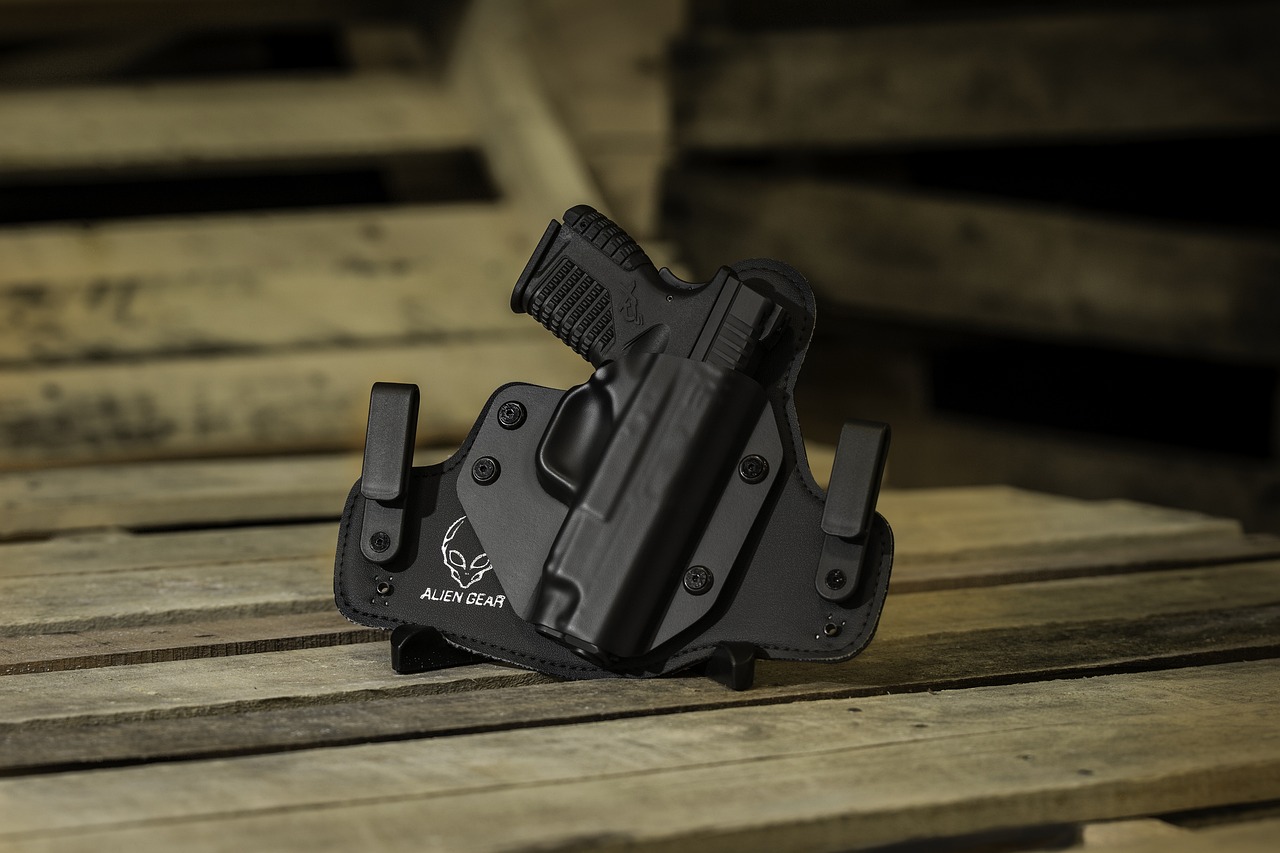
The Glock 43X benefits from Glock’s broader aftermarket culture. Holster options are everywhere, replacement parts are easy to source, and many gunsmiths know the platform inside and out. For owners who value simple upgrades and broad compatibility, that support network is a real advantage, not just a talking point.
Cost also influences this category. A buyer may save money on accessories, spare magazines, or night sights depending on local availability and preferred brands. Over a few years of ownership, those expenses add up, and they can quietly tip the scales toward one pistol even when the original purchase price looked nearly identical.
Why the split is sharper now than ever
The reason people are more divided now is simple: both pistols have matured into credible answers. This is no longer a case where one model clearly dominates and the other survives on brand loyalty alone. Each one serves a specific type of concealed carrier extremely well, which makes the choice more personal and less obvious.
If your priority is maximum capacity in the smallest realistic package, the P365 still makes a powerful argument. It remains one of the most influential concealed carry pistols of its era, and its compact efficiency is hard to ignore. For deep concealment, lighter clothing, and buyers who want the most capability per inch, it is easy to understand the appeal.
If your priority is control, familiarity, and a slightly more forgiving shooting experience, the Glock 43X continues to justify its fan base. It may not win every spec-sheet battle, but handguns are not purchased on paper alone. They are carried, drawn, fired, and trusted, and the 43X performs strongly in all of those areas.
That is why compact carry owners are split more than ever. The debate persists because both sides have legitimate evidence, not just brand bias. The smartest takeaway is not that one pistol crushes the other. It is that the best concealed carry gun is the one you can hide, shoot, and trust without hesitation.