
A stuck vehicle is stressful anywhere, but it becomes a genuine survival problem when you are far beyond cell coverage. Many overlanders focus on traction boards and winches, then overlook the small decisions that quietly set them up for failure. These common recovery mistakes can damage equipment, waste energy, and leave travelers isolated when they need help most.
Traveling Without a Real Recovery Plan

A lot of trips begin with confidence and end with improvisation. Drivers pack gear because it looks right in photos, but never decide who will spot, where anchor points are, or what to do if the first attempt fails. In the backcountry, uncertainty burns daylight fast.
A real plan means knowing the terrain, the weather window, and your vehicle’s limits before tires ever leave pavement. It also means identifying bailout options and communication backups early, not after the truck is buried to the frame.
When people skip that planning step, every recovery choice becomes slower, riskier, and more exhausting. That is exactly how a manageable delay turns into an overnight emergency with no easy way to call for help.
Using Recovery Gear You Have Never Practiced With

Owning recovery equipment is not the same as knowing how to use it. A winch, kinetic rope, jack, or traction boards can be incredibly effective, but only if the driver understands setup, load direction, and safe operating limits.
The first time many people unbox that gear is when the vehicle is already stuck in mud or sand. That is a terrible moment to learn where the shackles go, how much line to spool out, or how unstable a jack can feel on soft ground.
Practice in controlled conditions matters because stress narrows judgment. Without muscle memory, small mistakes pile up quickly, and the result can be broken equipment, wasted effort, or a stranded vehicle that is now even harder to recover.
Relying on One Recovery Tool for Every Situation

Some overlanders become devoted to a single solution. They trust the winch for everything, or assume traction boards will always save the day, or believe a shovel alone can work miracles. Terrain does not care about that kind of loyalty.
Deep sand, slick clay, snow, and rocky ledges each demand different tactics. A tool that shines in one setting may be nearly useless in another, especially if the vehicle is high-centered, off-camber, or wedged against an obstacle.
When drivers bet everything on one piece of kit, they lose flexibility at the exact moment they need options. The smartest recovery setups are layered, with simple tools and alternate methods ready when conditions change or the first idea fails.
Ignoring Tire Pressure and Basic Vehicle Setup

One of the most common recovery mistakes starts before the vehicle is truly stuck. Drivers charge into sand, snow, or loose rock on highway tire pressures, then wonder why the truck digs down instead of floating forward. Often, the easiest recovery was available from the start.
Airing down can dramatically improve traction and reduce wheelspin, but it has to be done thoughtfully and matched to terrain, tire construction, and load. The same goes for selecting the right drive mode, transfer case range, and locker settings before momentum disappears.
When those basics are ignored, people end up reaching for heavy recovery gear far too soon. That wastes time, strains components, and can turn a small mistake into a much bigger mechanical problem deep in the backcountry.
Getting Aggressive With the Throttle

Panic has a sound, and in vehicle recovery it often sounds like an engine revving harder and harder. The instinct to power out is understandable, but excessive throttle usually does the opposite of what drivers hope. It spins tires, polishes mud, and buries axles deeper.
On soft surfaces, momentum can help before a vehicle stops, but once it is stuck, brute force is rarely the answer. Wheelspin creates heat, chews up tread, and can damage driveline parts that were never meant to absorb repeated shock loads.
A calmer approach almost always works better. Pause, assess, clear material, lower tire pressure if appropriate, and set up a controlled recovery. The less drama involved, the better the odds of driving away without making the situation worse.
Attaching Straps and Winches to the Wrong Points

This is where a bad recovery stops being inconvenient and becomes dangerous. Too many drivers hook straps to trailer balls, tie-down loops, suspension parts, or anything metal that looks strong enough. Under load, those weak points can fail violently.
Proper recovery points are engineered for the forces involved and mounted to handle the direction of pull. If you are not certain a point is rated and intended for recovery, it should not be used, no matter how tempting it looks in the moment.
The consequences are serious. A flying shackle or broken mount can smash bodywork, destroy gear, and injure people standing nearby. In a remote location, that kind of mistake can leave both the vehicle and the crew in far worse shape than when they started.
Recovering Alone Without Managing Safety

Solo travel has its appeal, but solo recovery raises the stakes dramatically. Without another driver to spot obstacles, monitor line tension, or help reposition gear, small errors are easier to miss and much harder to correct once the recovery begins.
Safety often slips when people are tired, wet, or frustrated. They step inside the danger zone, rush a setup, or forget to think about what happens if a strap snaps or the vehicle suddenly lurches forward.
Even when traveling alone, a careful system matters. Use deliberate positioning, clear escape paths, wheel chocks when needed, and slow, repeatable steps. If you are your own driver, spotter, and mechanic, discipline is what keeps a difficult recovery from turning into a remote disaster.
Forgetting Redundant Communication and Emergency Backup
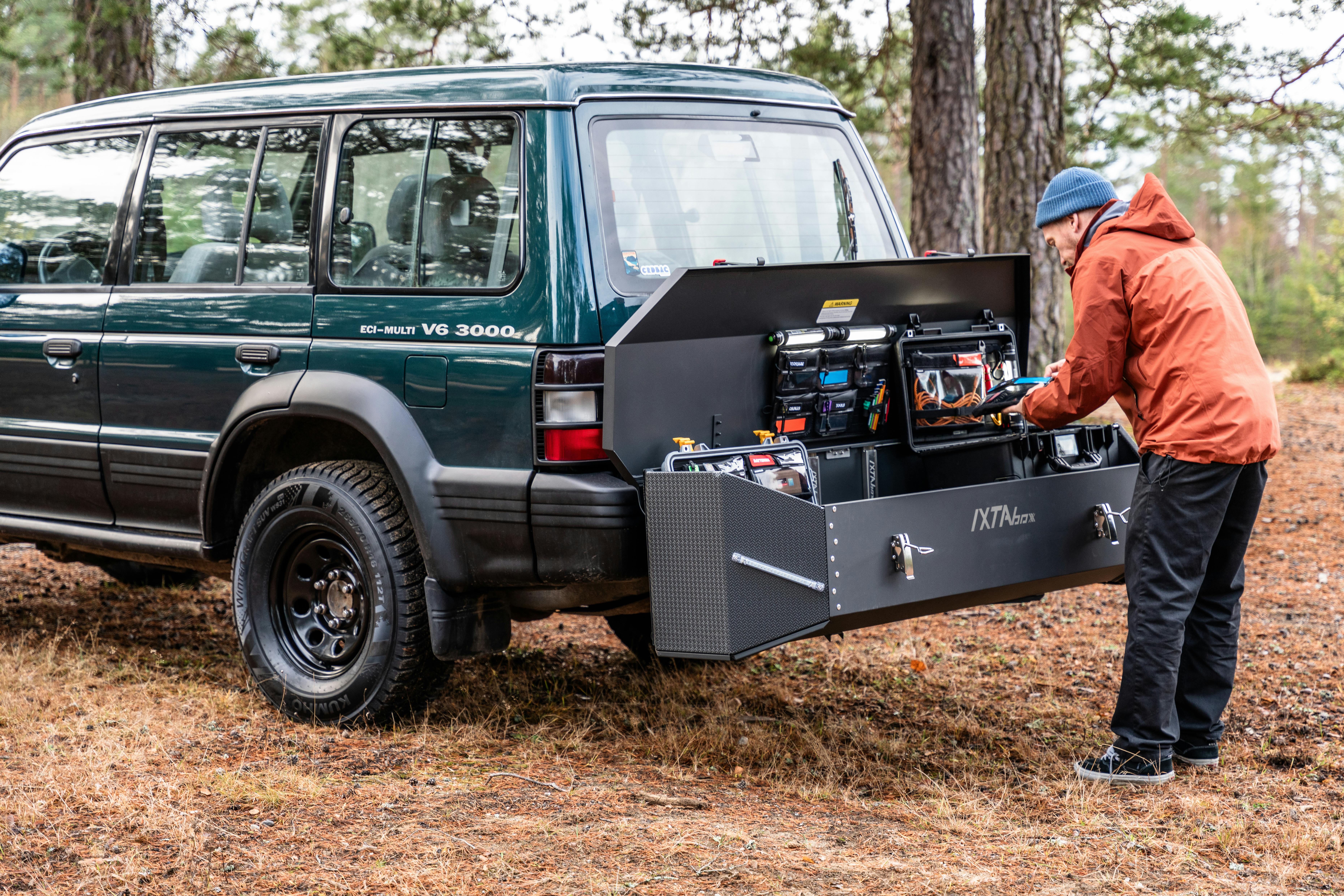
The biggest mistake may happen after the recovery attempt fails. Many overlanders still assume a phone will be enough, only to discover there is no signal anywhere near the trail, wash, or forest road where they are stranded. That realization arrives late and hits hard.
A satellite communicator, personal locator beacon, or other off-grid emergency device changes the equation completely. So does leaving a route plan with someone reliable and setting check-in times before departure. Redundancy is not paranoia when your location is hours from the nearest passerby.
Recovery gear is only part of self-reliance. When the vehicle cannot move and no one knows where you are, communication becomes the most important tool you failed to pack. In truly remote country, that omission can define the whole outcome.