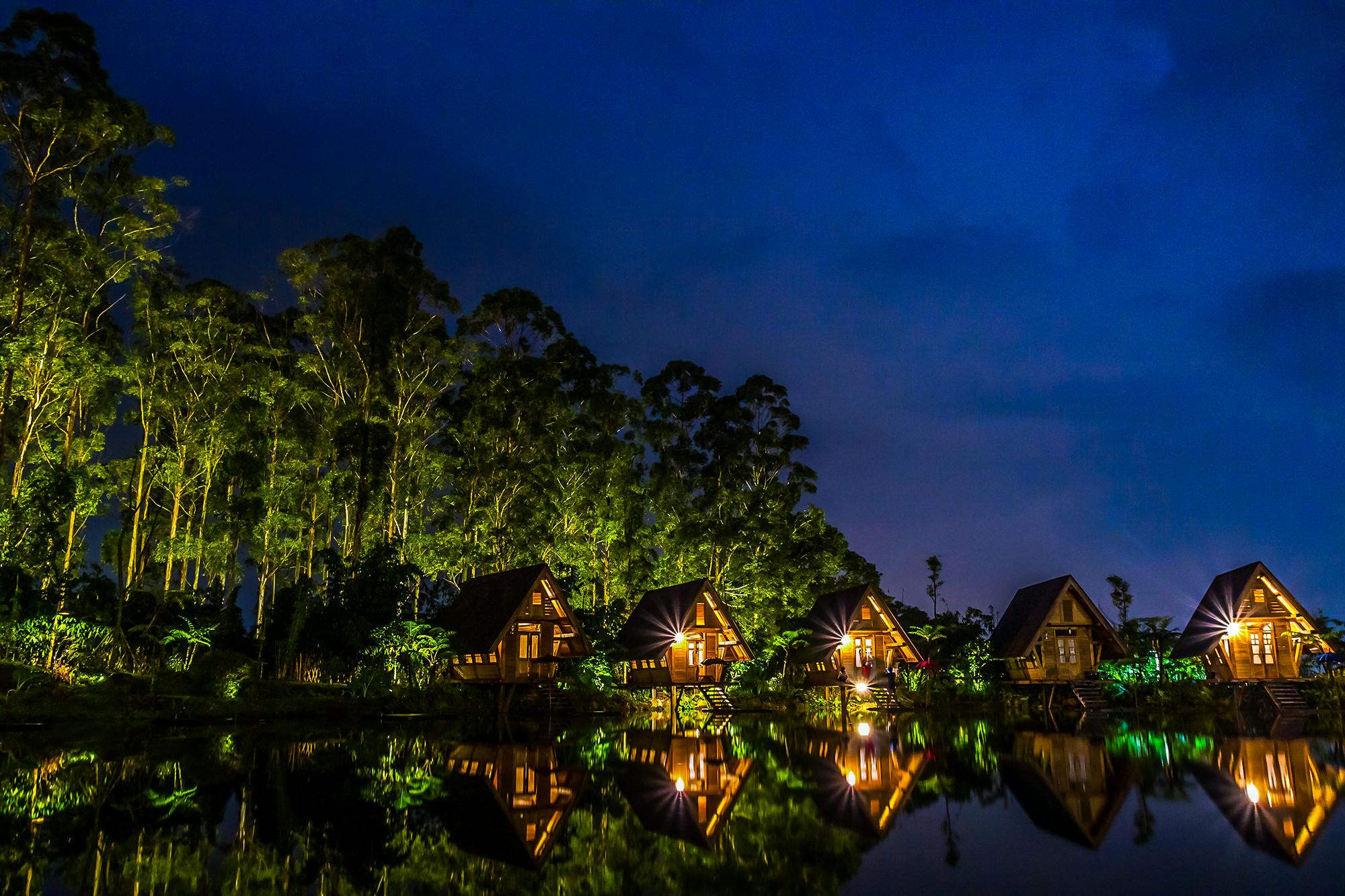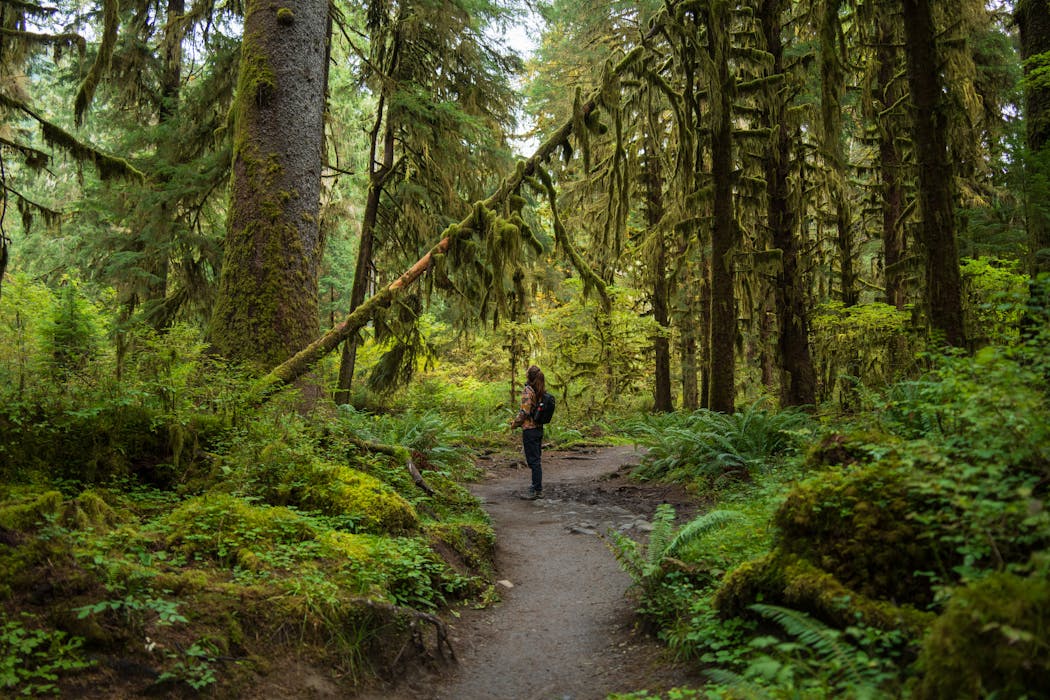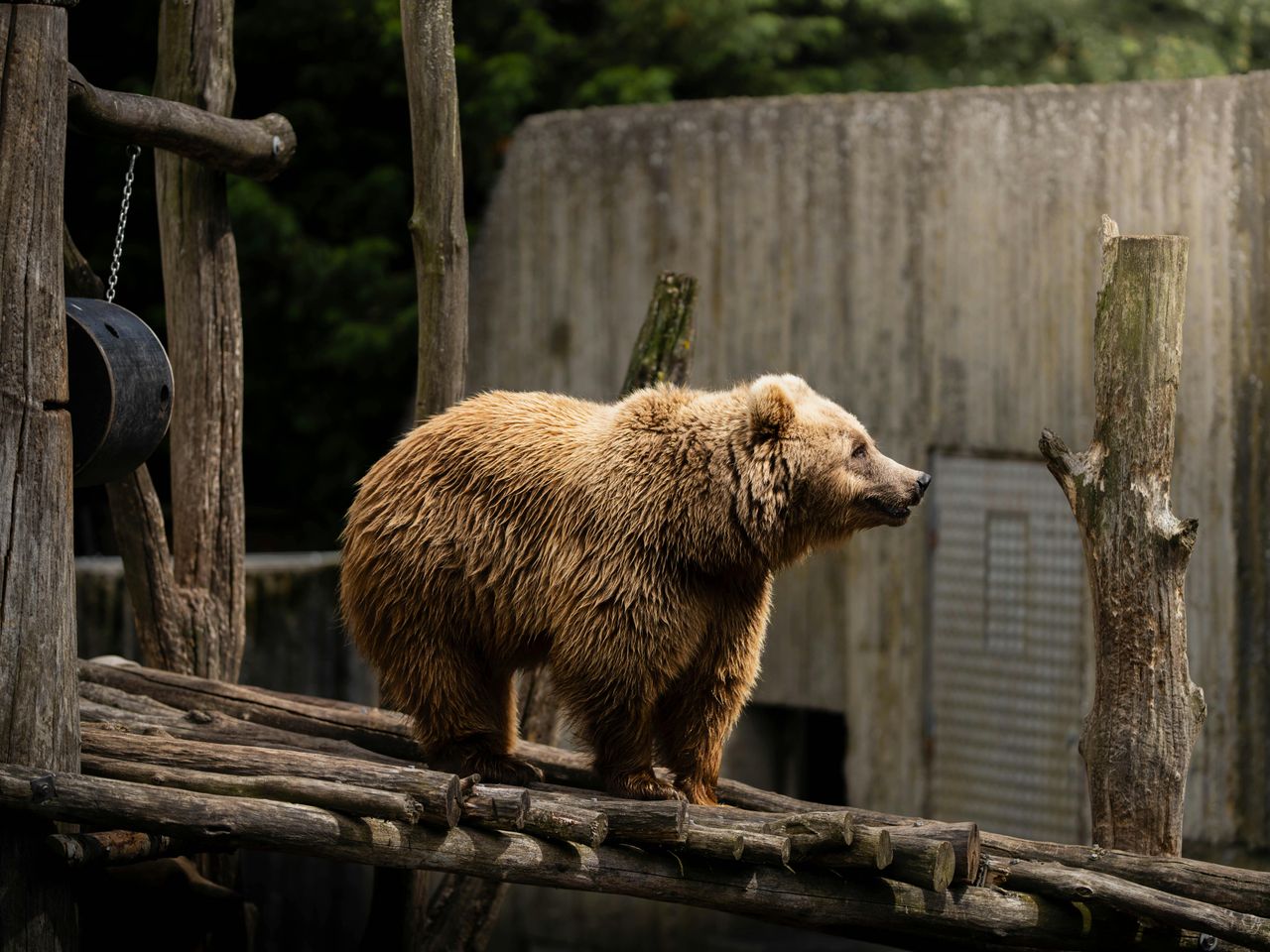
Predators that once stayed deep in forests, deserts, or remote coastlines are now showing up closer to where people live. In many cases, the animals are not simply becoming bolder, they are following food, adapting to changing landscapes, and reclaiming former ranges. This gallery explores 13 species whose growing overlap with towns and suburbs is reshaping how people think about wildlife at the edge of everyday life.
Coyotes
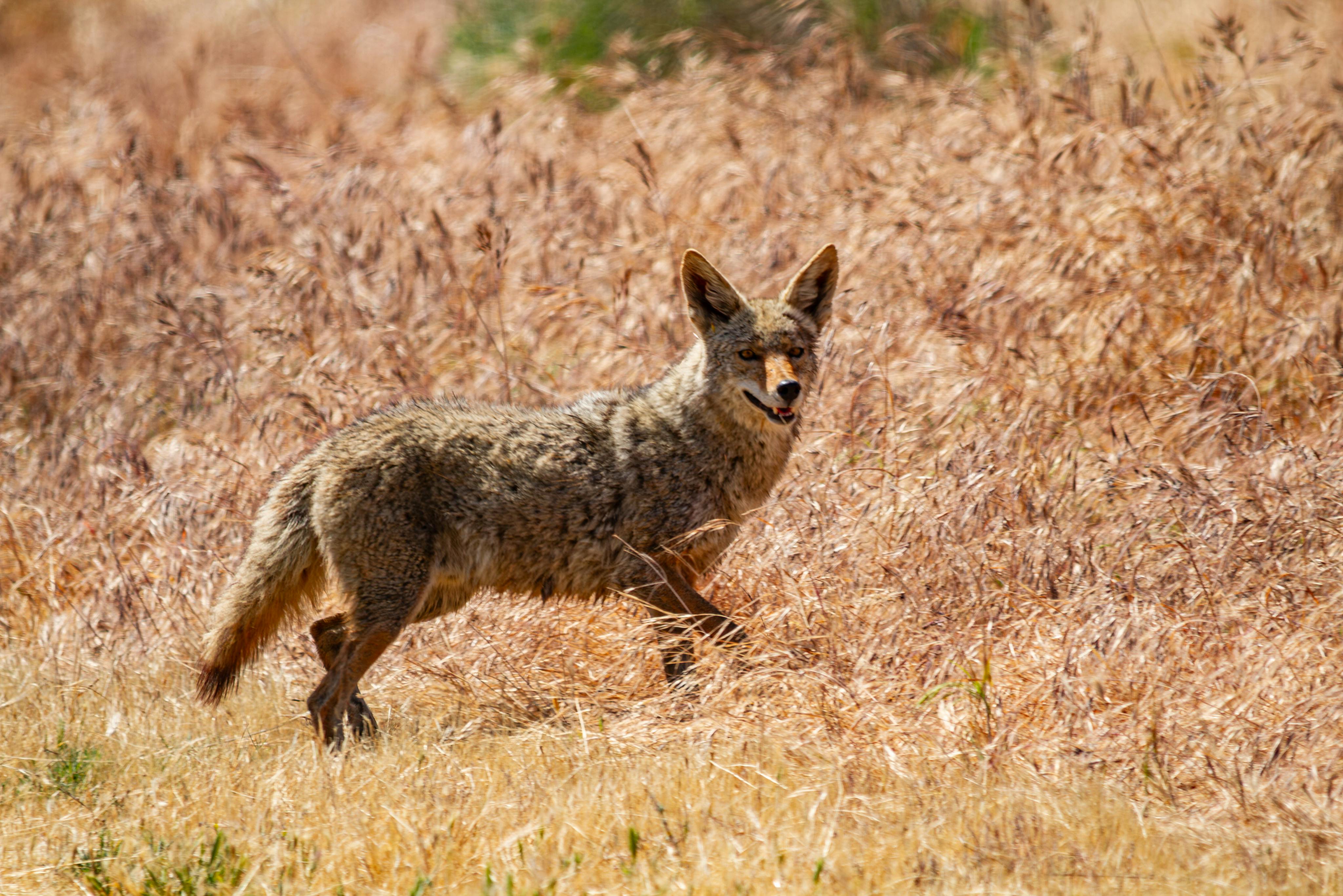
Coyotes have become one of the clearest examples of a predator thriving near people. Once associated mainly with open prairies and rural landscapes, they now live in suburbs, city parks, golf courses, and industrial corridors across North America.
Their success comes from flexibility. Coyotes eat rodents, rabbits, fruit, pet food, and even garbage when it is available, which makes developed areas surprisingly attractive. They also use greenbelts, railroad lines, and drainage channels as safe travel routes.
That closeness does not always lead to conflict, but it does change daily life. Residents increasingly spot them at dawn, hear them at night, and learn that unsecured pets and food can quickly turn a passing predator into a regular visitor.
Black Bears

Black bears are turning up more often near mountain towns, wooded subdivisions, and even small cities. In many regions, growing bear populations and expanding development mean the line between wild habitat and human space keeps getting thinner.
What draws them in is often simple and predictable. Bird feeders, trash bins, outdoor grills, orchards, and livestock feed all offer easy calories, especially when natural food supplies vary from season to season.
A bear strolling through a neighborhood may look calm, but wildlife agencies regularly warn that repeated access to human food can make bears harder to deter. That is why communities increasingly focus on bear resistant containers and stricter food storage rules before a temporary visit becomes a pattern.
Mountain Lions
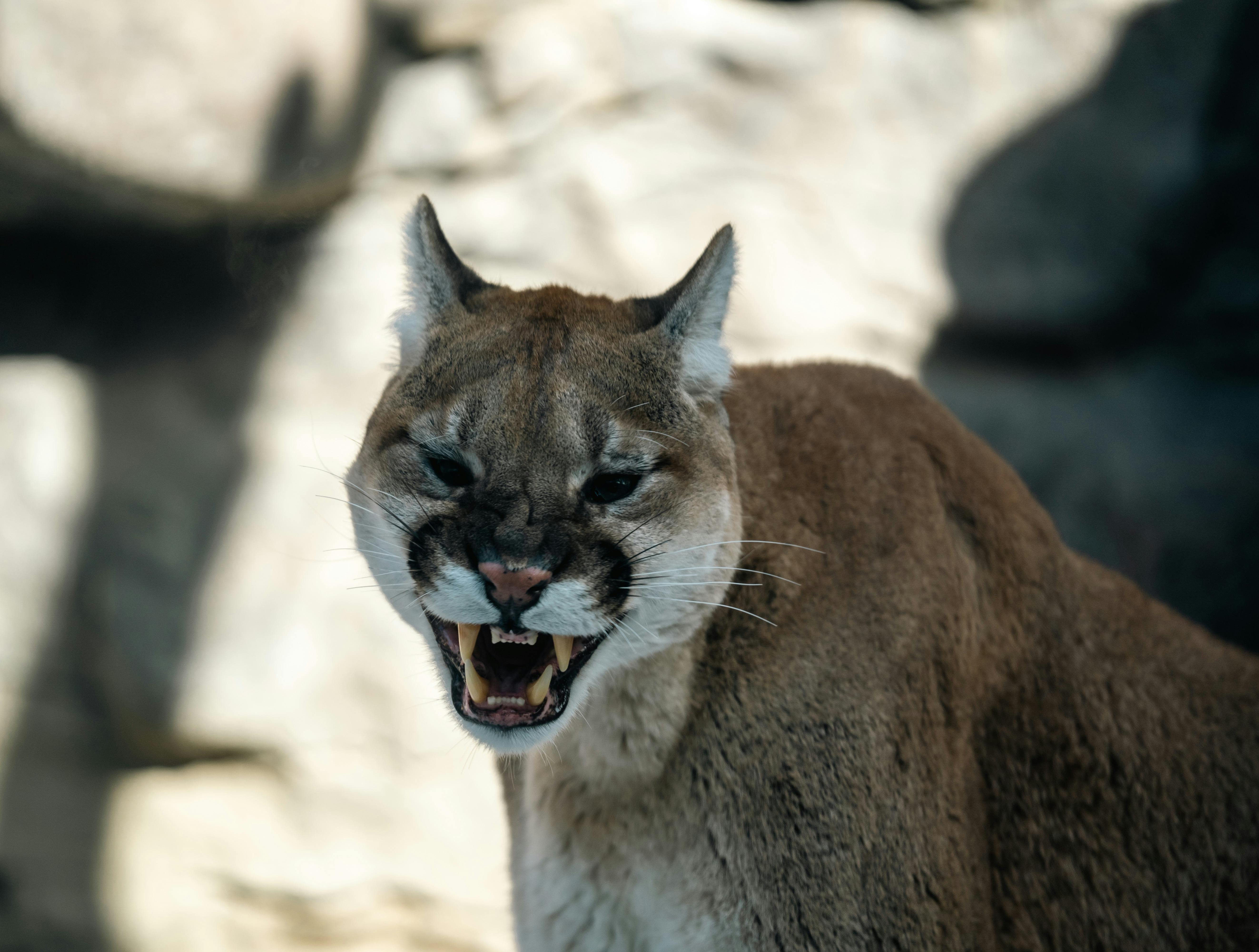
Mountain lions are elusive, but their presence near populated areas is becoming harder to ignore. As suburbs spread into foothills and canyons, the cats are using the same landscapes for cover, travel, and hunting, often without being seen until a trail camera captures them.
Deer populations are a major reason they linger near developed edges. Where deer browse in landscaped neighborhoods or along open space corridors, mountain lions may follow, moving mostly at night and avoiding direct contact with people.
Even rare sightings can spark intense concern because these predators are powerful and secretive. Experts often stress that coexistence starts with understanding behavior, securing pets, and recognizing that many homes now sit beside active wildlife habitat, not outside it.
Wolves

In parts of Europe and North America, wolves are returning to landscapes where they had disappeared for decades. That recovery is a conservation success, but it also means packs are sometimes moving through agricultural land, village outskirts, and forest fragments closer to human communities.
Wolves usually avoid people, yet expanding range naturally increases encounters with roads, livestock, and rural settlements. Young dispersing animals can travel long distances, crossing highly developed areas as they search for new territory.
The debate around wolves often becomes emotional very quickly. Farmers worry about losses, conservationists point to ecological benefits, and residents adjust to the idea that a top predator may once again be living just beyond the tree line.
Bobcats

Bobcats are smaller and less conspicuous than mountain lions, which makes their expansion into developed areas easy to miss. Yet in many suburbs, especially those near brushy habitat or open preserves, bobcats are appearing with surprising regularity.
These cats do well where rabbits, squirrels, and rodents are abundant. Native landscaping, retention ponds, and undeveloped lots can create a patchwork that supports prey while also giving bobcats enough cover to move unseen.
Most interactions are brief and harmless, often just a quick glimpse at sunrise or a camera alert after dark. Still, their presence is a reminder that even tidy residential areas can function as part of a predator’s hunting range when food and shelter line up.
Foxes
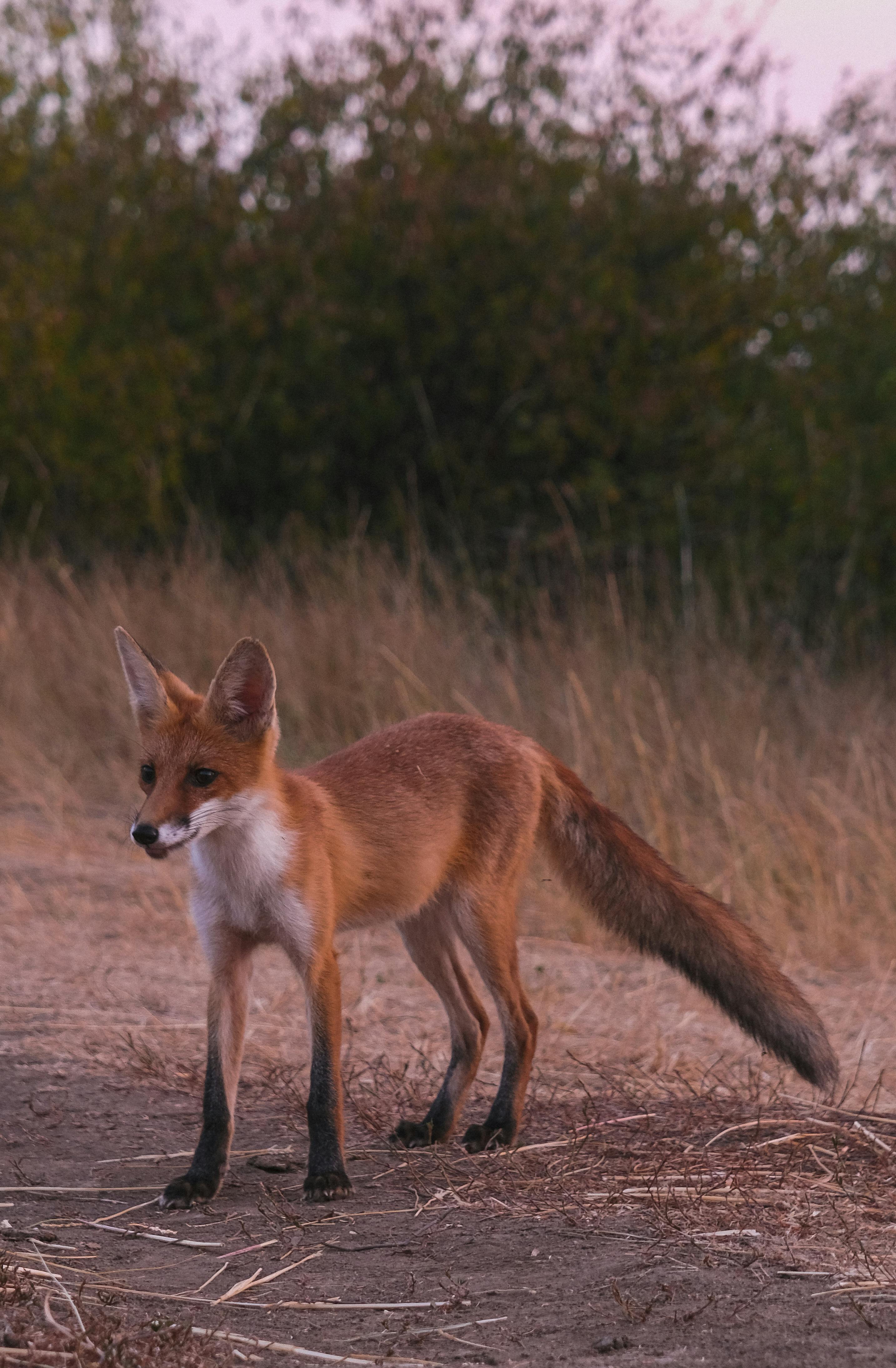
Foxes have become familiar urban and suburban neighbors in many countries. Red foxes in particular are remarkably comfortable around people, denning under sheds, slipping through alleyways, and hunting in parks, school fields, and quiet residential streets.
Their small size helps them stay adaptable. They can live on rodents, insects, fruit, and scavenged scraps, making cities and suburbs full of opportunities if traffic and human disturbance are manageable.
For many residents, foxes are the charismatic face of urban wildlife. But their success also reveals a larger story about predator adaptation, showing how quickly some species learn to exploit the overlooked food sources and shelter that populated environments provide.
Alligators
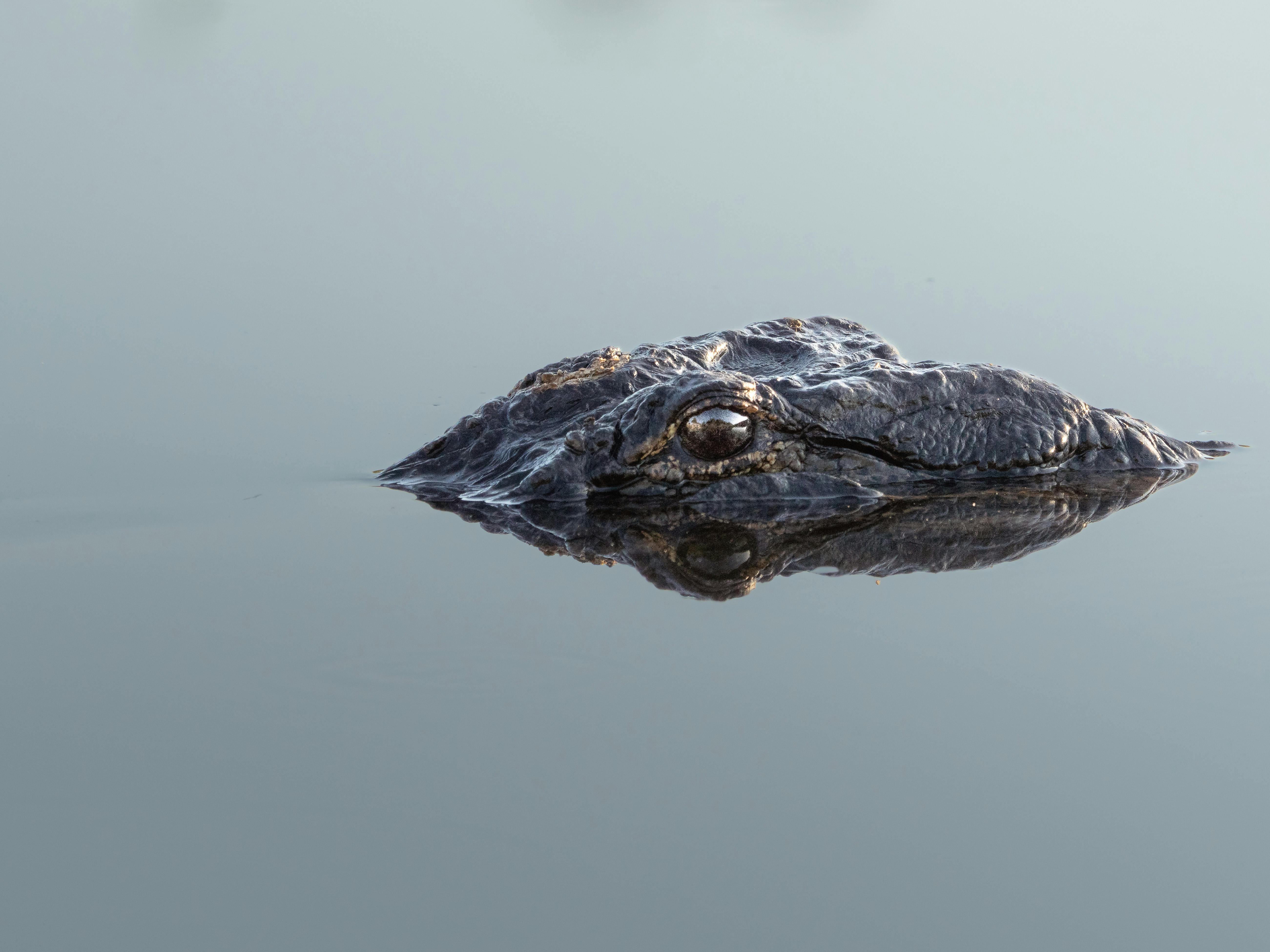
In the American Southeast, alligators are increasingly visible around fast growing communities built near wetlands, canals, retention ponds, and golf course water features. As development spreads into former marsh and swamp habitat, close encounters have become part of regional life.
These reptiles do not need dramatic wilderness to persist. A network of ponds and waterways can support them surprisingly well, especially where fish, turtles, birds, and small mammals are plentiful and warm conditions last most of the year.
Problems often start when people treat artificial water bodies as harmless scenery. Wildlife officials repeatedly caution against feeding alligators or letting pets roam near shorelines, because even a calm looking pond can be part of a large predator’s everyday territory.
Leopards
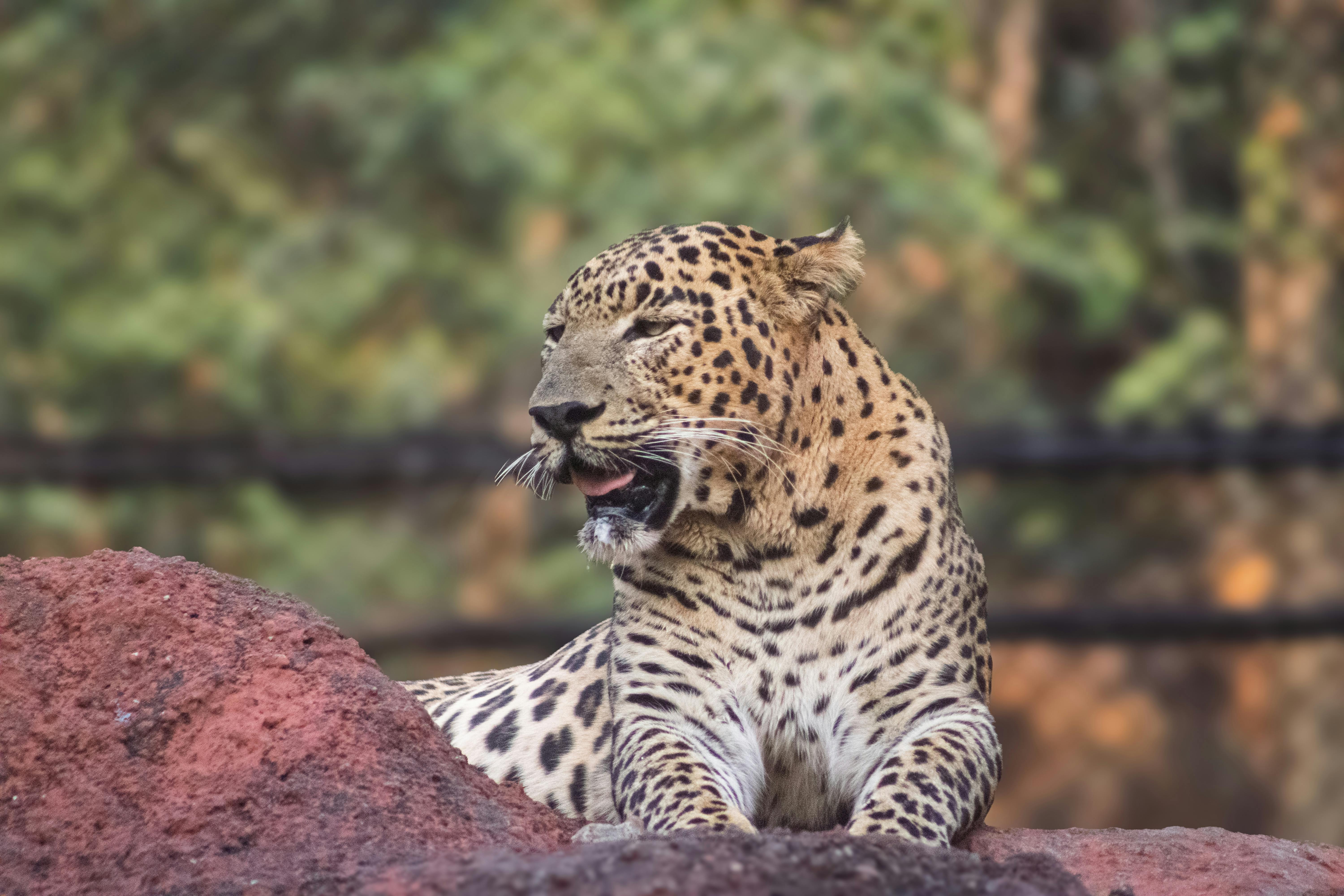
Leopards are among the most adaptable big cats on Earth, and in parts of India and Africa they are living astonishingly close to dense human populations. Sugarcane fields, scrubland, village edges, and peri urban zones can all provide enough cover for them to remain hidden.
Their ability to hunt dogs, pigs, monkeys, and other animals near settlements allows them to persist where less flexible predators might disappear. That makes leopard presence both impressive and deeply unsettling for nearby residents.
Conservationists often describe the challenge as one of coexistence rather than simple separation. When a large cat can move through farmland and neighborhoods almost invisibly, awareness, rapid response teams, and community education become as important as protected habitat.
Hyenas
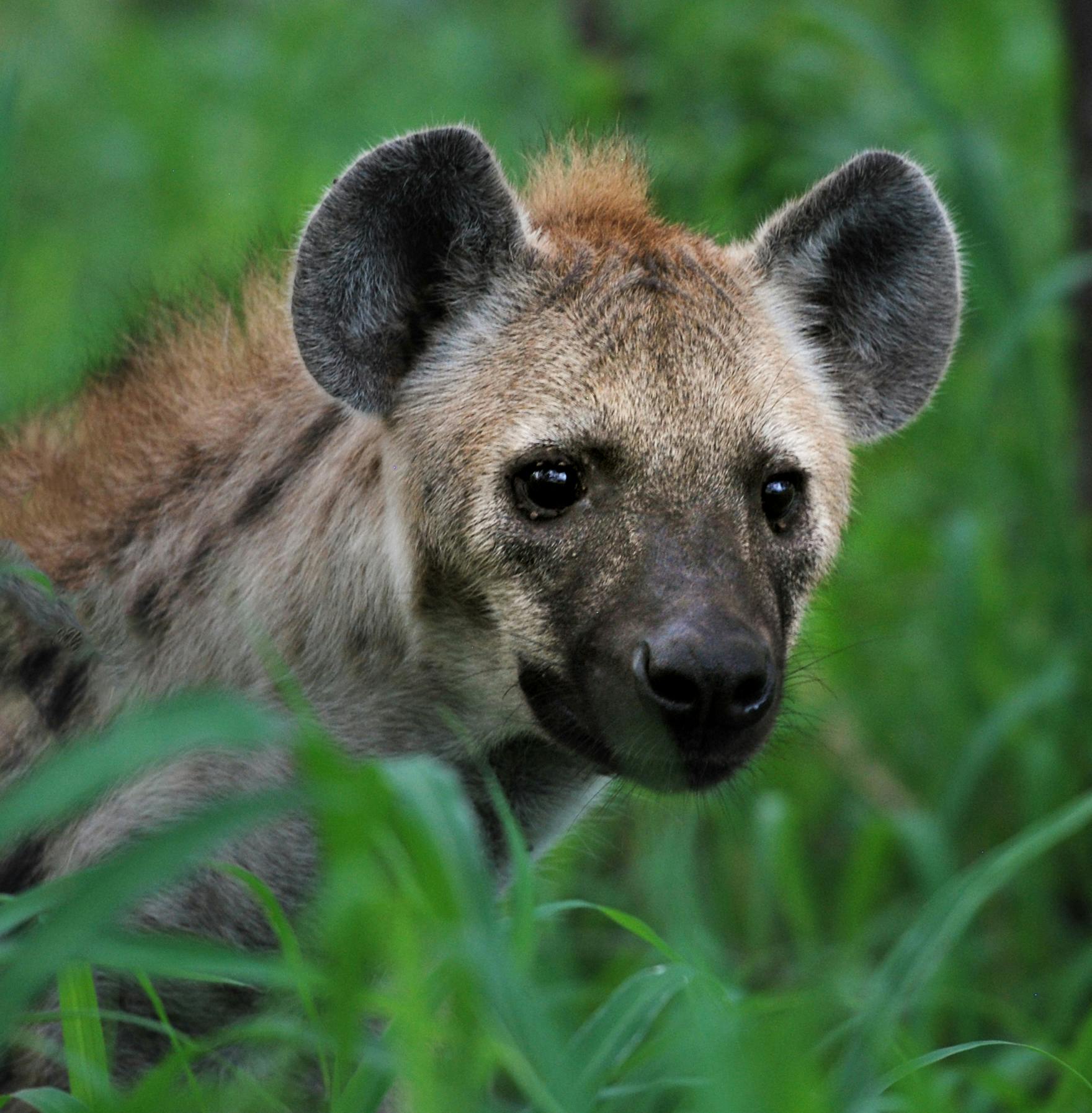
Spotted hyenas and striped hyenas are showing up near towns and cities in several parts of Africa and Asia, often taking advantage of open waste sites, livestock areas, and easy movement corridors on the urban fringe. Their reputation may be dramatic, but their behavior is often shaped by practical scavenging opportunities.
Where unmanaged trash and animal remains accumulate, hyenas find a dependable food source. Some populations also pass through settlement edges while moving between fragmented habitat patches, especially after dark.
That overlap can create fear, even when direct attacks on people are uncommon. The larger issue is that expanding human settlement, paired with easy access to food waste, gives highly intelligent predators strong incentives to keep returning to populated landscapes.
Jaguars

Jaguars are still strongly associated with remote forests and wetlands, but in parts of Latin America they are increasingly moving through ranchland, agricultural zones, and settlement edges. As habitat becomes fragmented, these wide ranging cats are forced to navigate landscapes with far more human presence.
Livestock can become a flashpoint where natural prey is reduced or movement routes are disrupted. At the same time, camera trap studies have shown jaguars using corridors surprisingly close to roads, fences, and working lands.
Their approach to populated areas is usually quiet and fleeting, yet each appearance carries major symbolic weight. It suggests that some of the continent’s most powerful predators are not disappearing outright, but adapting in tense, complicated proximity to people.
Polar Bears
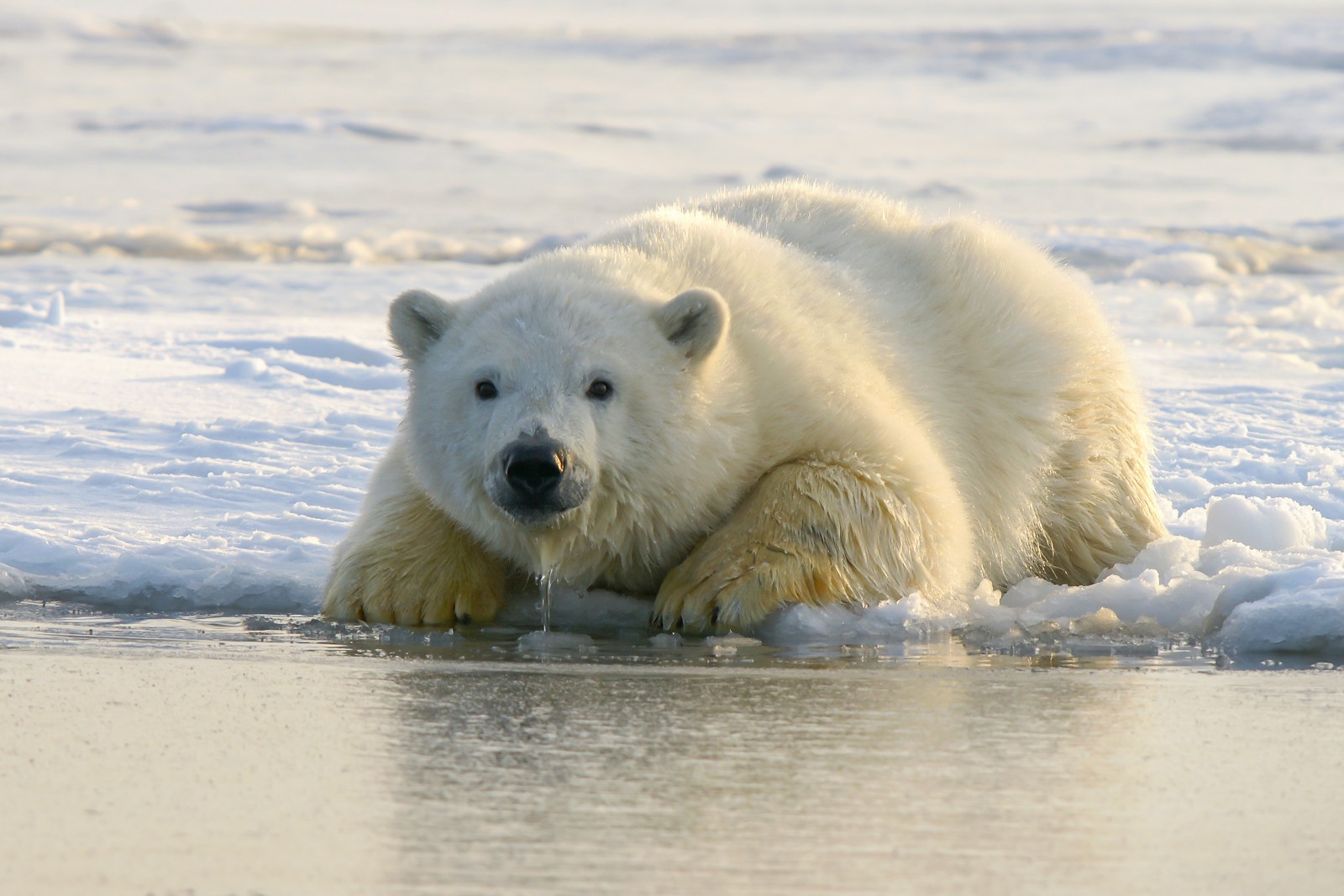
Polar bears are not moving into suburbs in the usual sense, but they are coming ashore near Arctic communities more often as sea ice patterns shift. With less stable access to hunting platforms over water, some bears spend longer periods on land, bringing them closer to towns and infrastructure.
In places like northern Canada, residents already live with this risk, but changing conditions may increase the frequency and duration of encounters. Food odors, storage areas, and whale remains can all attract bears toward settlements.
This is one of the clearest examples of climate change altering predator geography in real time. For Arctic communities, the issue is not novelty but rising pressure, as a formidable hunter spends more time near places where people work, travel, and live.
Dingoes
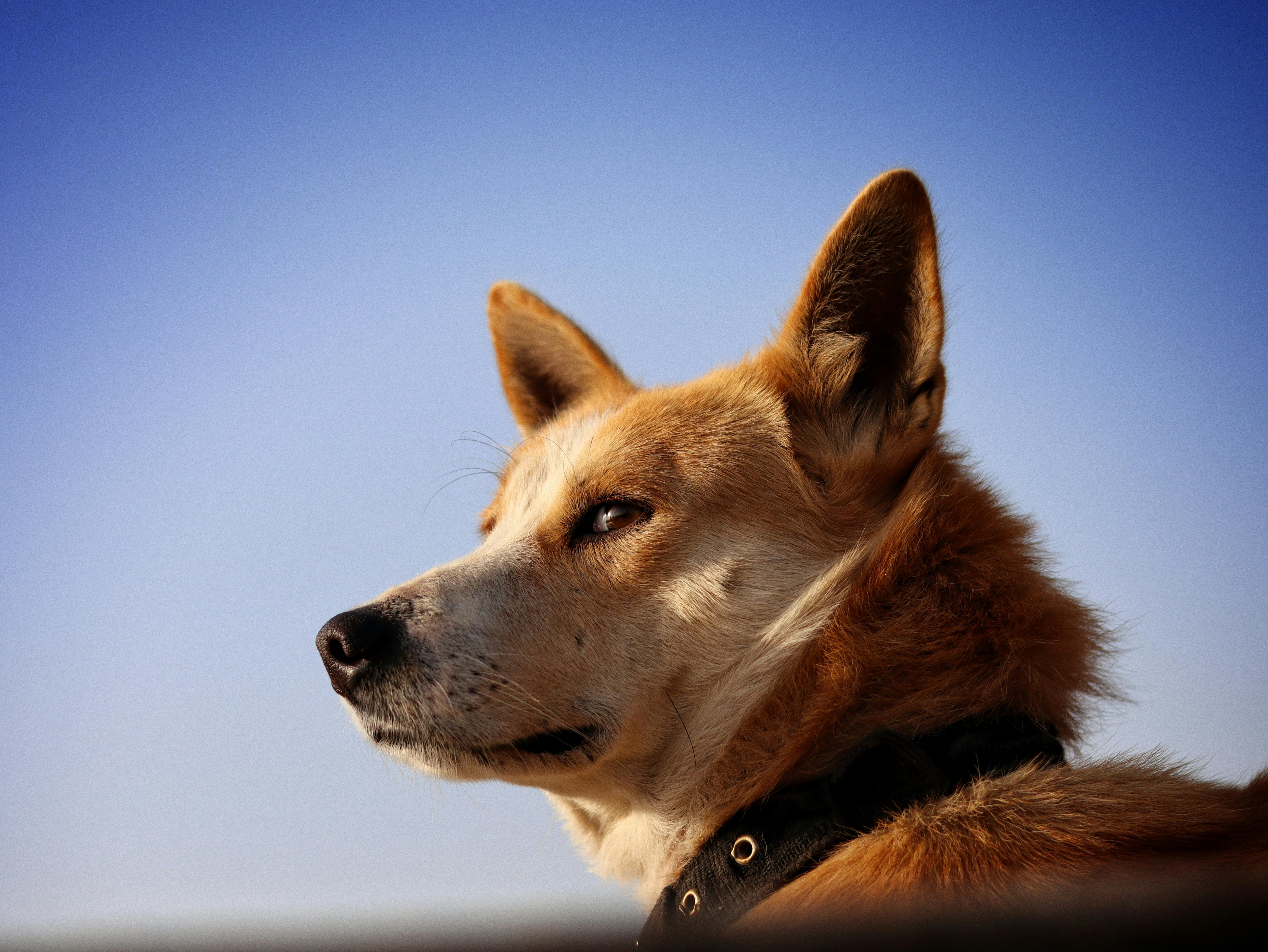
Dingoes in Australia are increasingly part of conversations about expanding human footprint, especially in coastal developments, island tourist areas, and rural fringe communities. As people build into habitat and leave behind food opportunities, dingoes can become more visible and more habituated.
They are opportunistic hunters and scavengers, able to exploit both natural prey and human associated resources. Campsites, unsecured bins, and handouts can all teach dingoes to associate people with easy rewards.
That shift can happen faster than many visitors expect. Authorities often emphasize that feeding wildlife is not a harmless thrill, because once a predator loses caution around humans, management options become narrower and the stakes for both people and animals rise sharply.
Crocodiles
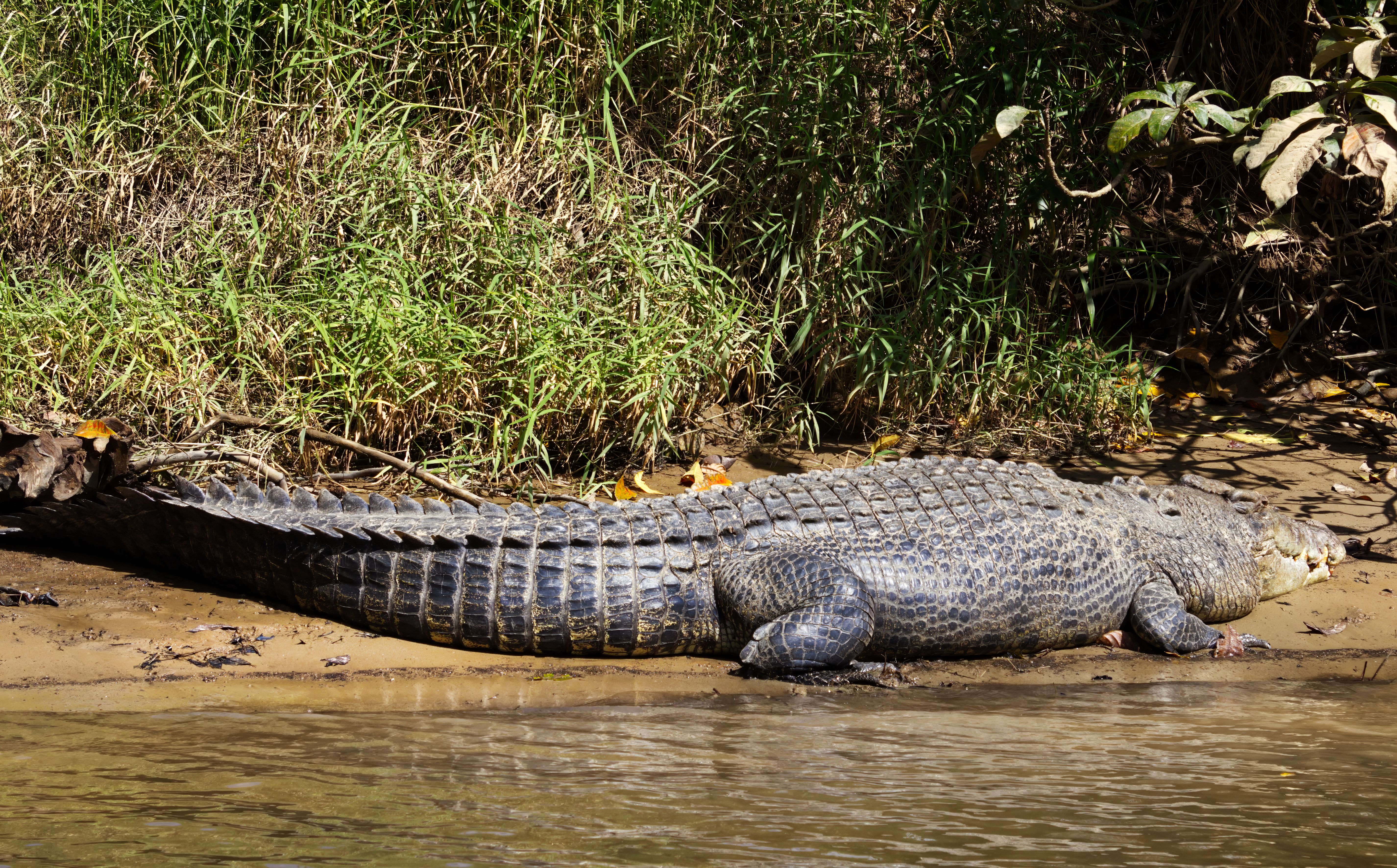
Saltwater and Nile crocodiles are among the predators most capable of turning shared waterways into contested space. In regions where human populations grow along rivers, estuaries, and mangrove edges, these reptiles are increasingly part of daily risk calculations.
They benefit from protected status in some areas and can rebound strongly when conditions improve. But recovery, combined with development near shorelines and boat ramps, means more chances for encounters at fishing spots, crossings, and village waterfronts.
Unlike some predators, crocodiles can remain almost invisible until the moment they strike. That reality shapes local behavior in powerful ways, reminding communities that a river or tidal creek beside a home may still function as prime habitat for an ancient ambush hunter.