Some animals earn a reputation for being shy, slow, or oddly peaceful, right up until things go very wrong. This gallery looks at creatures that seem quiet on the surface but can turn devastating in an instant, whether through strength, speed, venom, or sheer attitude. If you’ve ever assumed the calmest animal in the room was the safest, these ten examples will make you think twice.
Hippopotamus
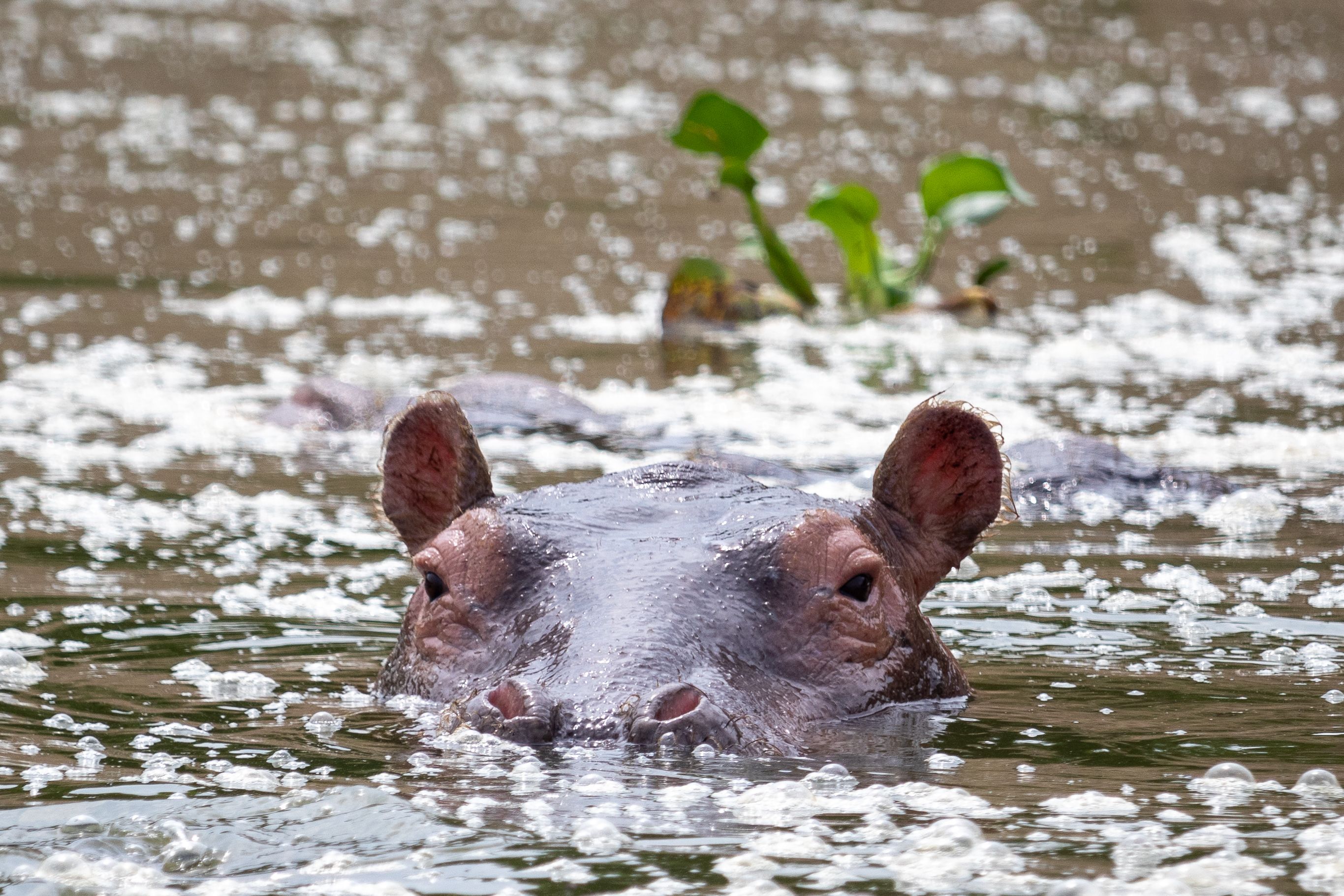
At a distance, a hippo can look almost lazy. It spends long hours half-submerged, blinking in the sun like an oversized river rock with ears. That relaxed posture has fooled plenty of people into thinking the animal is slow, sleepy, and not especially interested in conflict.
In reality, hippos are among the most dangerous large animals in Africa. They are fiercely territorial in water, explosively fast over short distances, and fully willing to charge boats, people, or anything else they read as a threat. The quiet surface is the trick. Underneath it is a compact engine built for brute force.
Cassowary
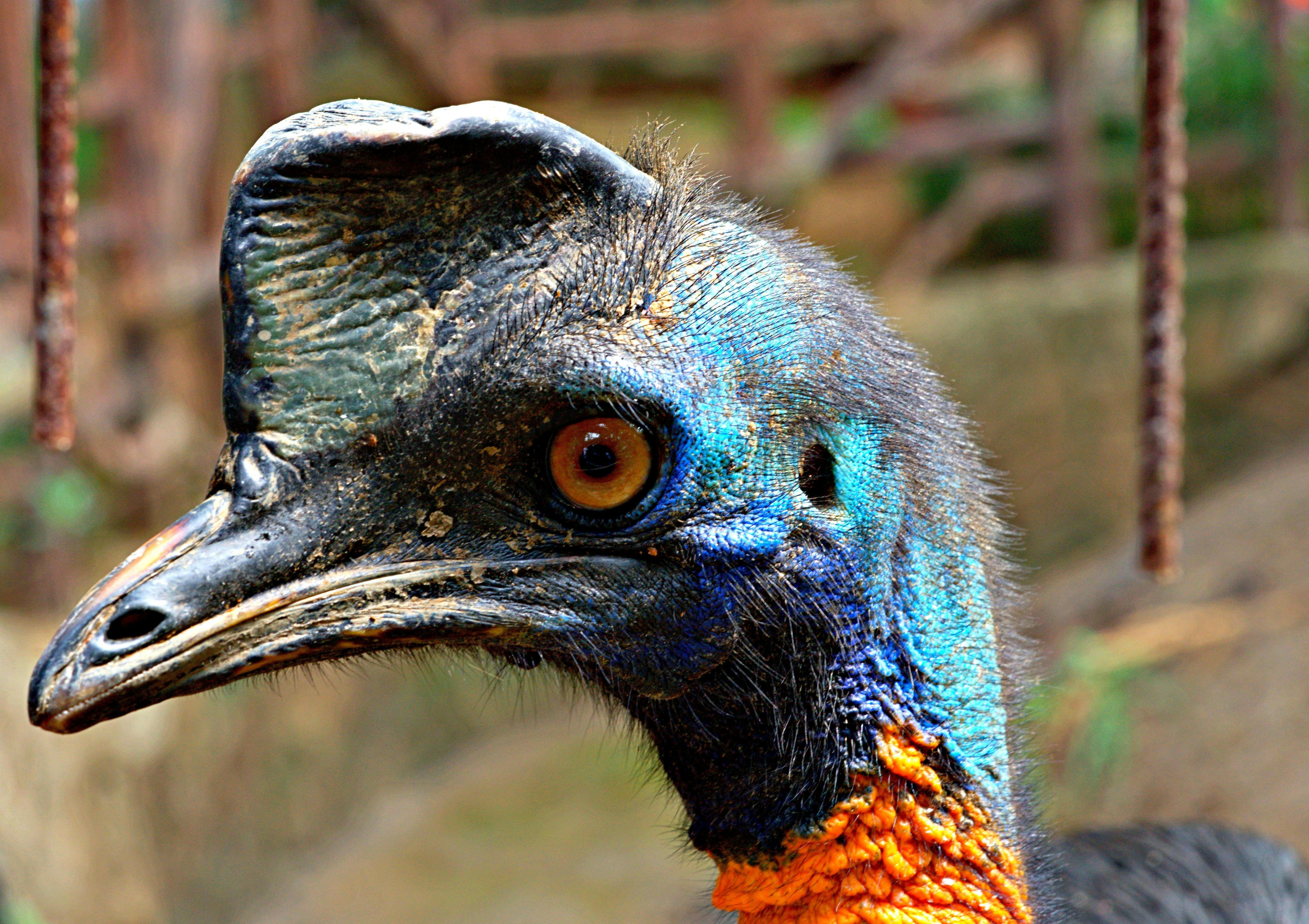
The cassowary often stands motionless in the forest, giving off the energy of a shy bird that would rather be left alone. With its glossy feathers and strange helmet-like casque, it can seem more awkward than dangerous, like a relic from another era wandering quietly through tropical brush.
Then you notice the legs. Cassowaries are powerfully built and armed with dagger-like claws capable of inflicting catastrophic injuries. When cornered, startled, or defending space, they can leap, kick, and slash with terrifying speed. The stillness is not gentleness. It’s the kind of calm that belongs to something perfectly capable of ending an argument instantly.
Moose
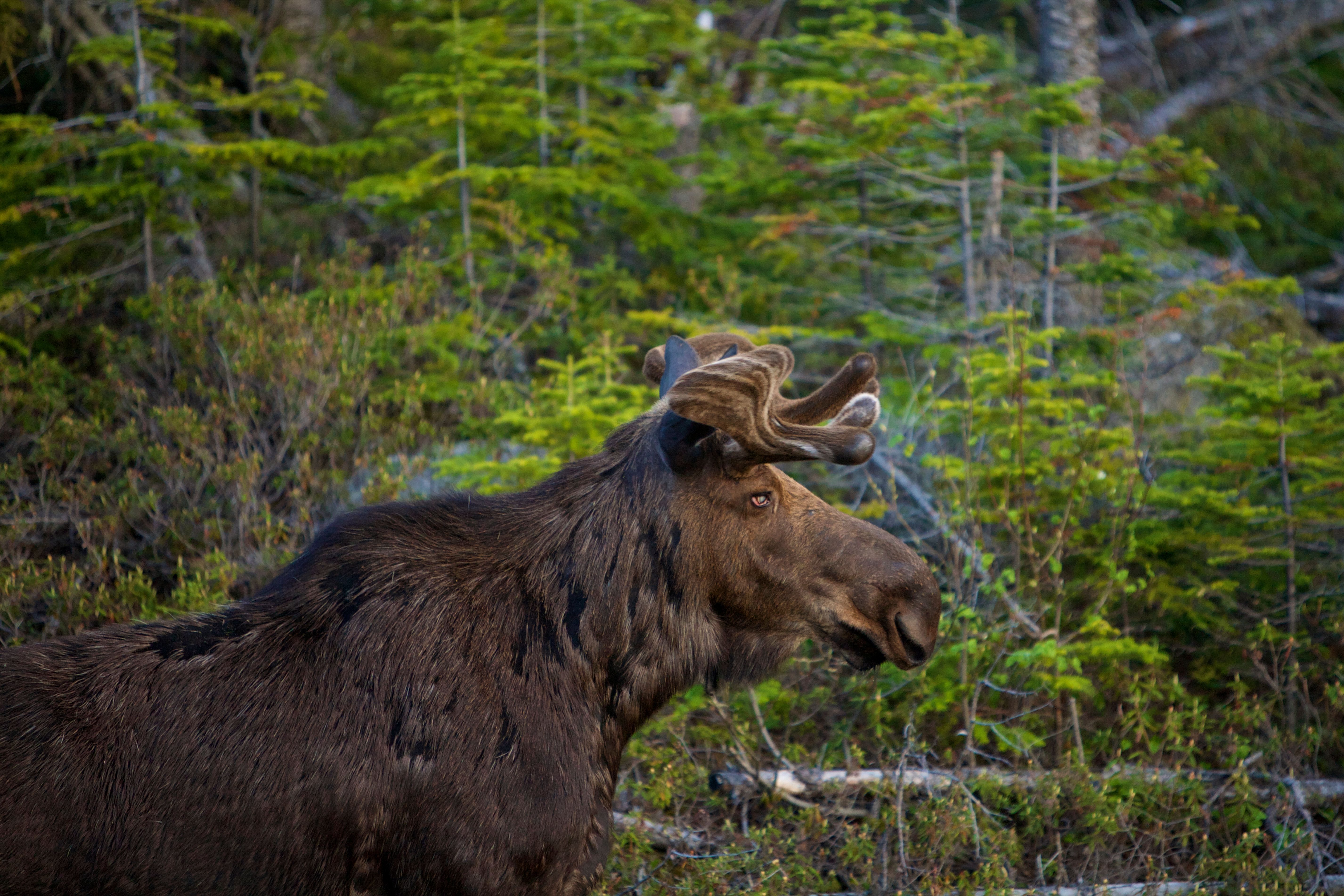
A moose often looks like a peaceful browser, quietly moving through wetlands or standing in snowfall like a giant woodland statue. Because it eats plants and usually avoids drama, many people mentally file it under harmless. That is a major misread, especially up close.
Moose are enormous, unpredictable, and remarkably aggressive when stressed, surprised, or protecting calves. During the rut, bulls can become especially volatile, and even outside breeding season a cow can charge with almost no warning. Their size alone turns every movement into a hazard. What seems like quiet reserve is often just an animal deciding whether you’re worth trampling.
Blue-Ringed Octopus
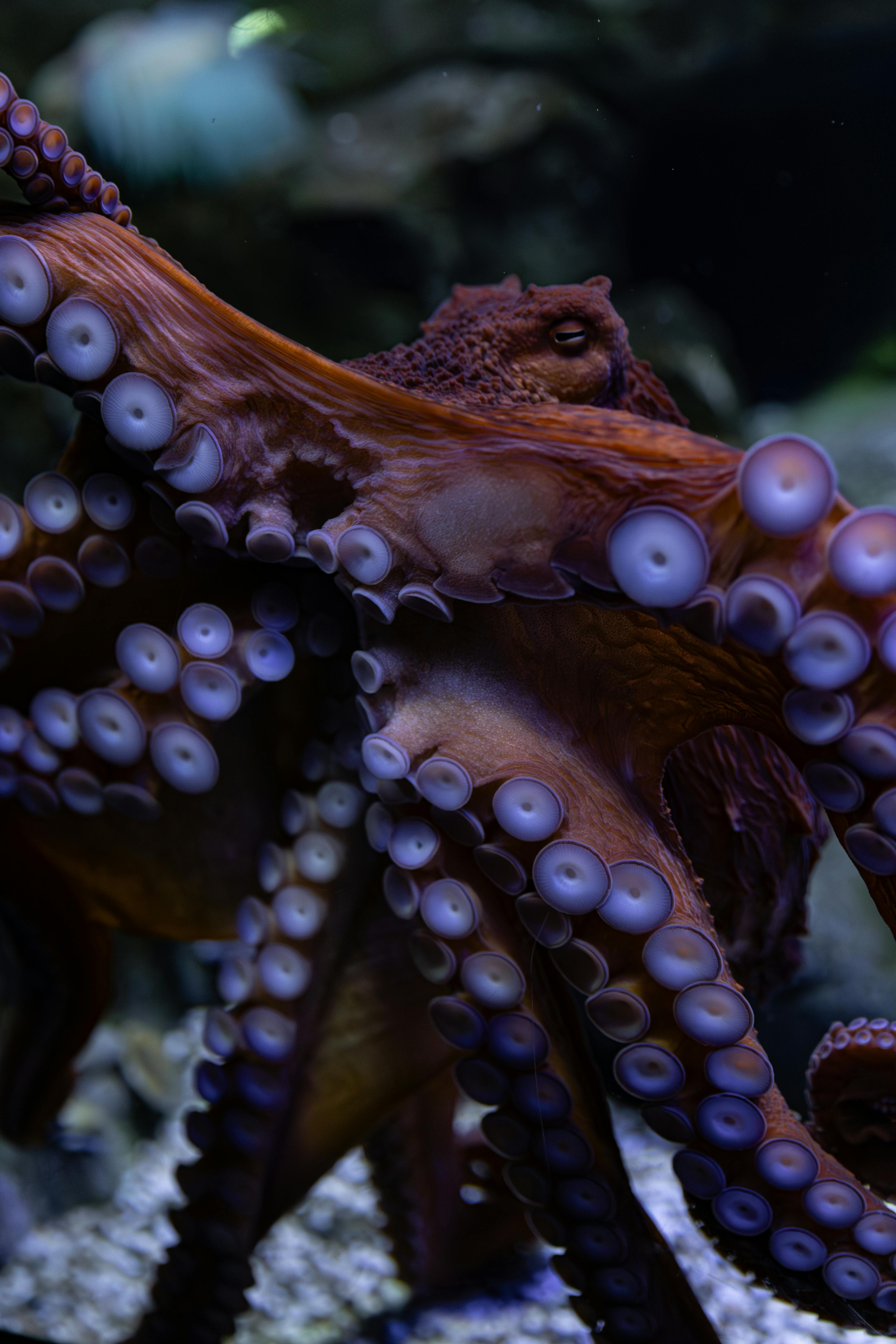
Small, beautiful, and usually tucked into reef crevices, the blue-ringed octopus doesn’t exactly advertise itself as a nightmare. It spends much of its time hidden, and its compact size encourages the worst possible assumption: that something so delicate can’t really be that dangerous.
But when threatened, those electric blue rings flare, and the warning is very real. This tiny octopus carries venom potent enough to cause paralysis and respiratory failure in humans. There may be little pain at first, which makes the encounter even more deceptive. It is a master class in how silence and size can disguise devastating power.
Elephant

Elephants are often framed as wise, gentle giants, and there is truth in that image. They can be affectionate, social, and surprisingly tender within their herds. Watching one move quietly through grassland can feel almost serene, which is exactly why people forget how dangerous they can be.
An elephant in distress, musth, or defense mode is not a lumbering creature. It is a highly intelligent, massively strong animal capable of charging at shocking speed and crushing nearly anything in its path. Their silence can make them even more unnerving. You may get very little warning before calm presence becomes overwhelming force.
Wolverine
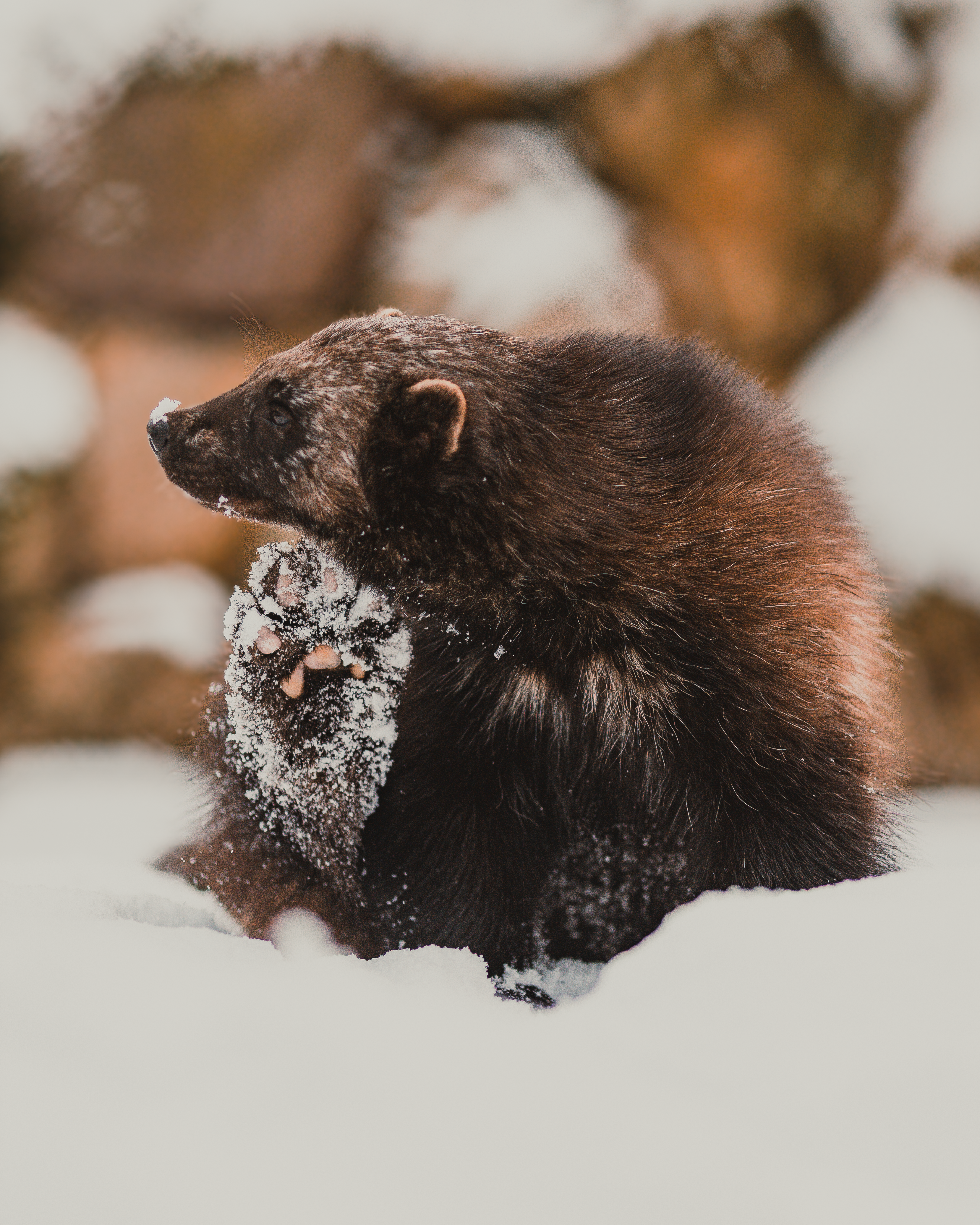
The wolverine’s reputation suffers from a size problem. People hear the name, picture a stocky little forest scavenger, and assume it is mostly attitude. In truth, this animal moves through remote landscapes with the confidence of something that has never doubted its ability to win a fight.
Wolverines are intensely strong for their size, deeply territorial, and equipped with jaws and determination that seem wildly disproportionate to their frame. They can take on prey much larger than themselves and defend food with astonishing ferocity. A quiet wolverine is not a mellow wolverine. It is simply one that hasn’t decided to make the situation violent yet.
Leopard Seal

In photos, the leopard seal can look sleek, almost sleepy, drifting through polar water with a lazy expression. Compared with more familiar big predators, it doesn’t always trigger the same immediate fear response. That cool, streamlined appearance can read as elegant rather than actively threatening.
Underwater, though, leopard seals are formidable hunters with serious speed, sharp teeth, and a willingness to investigate anything entering their space. They prey on penguins, fish, and even other seals, often with startling aggression. In the water, where they are fully in control, their calm is predatory composure. The silence is part of the hunt, not a sign of peace.
Swan
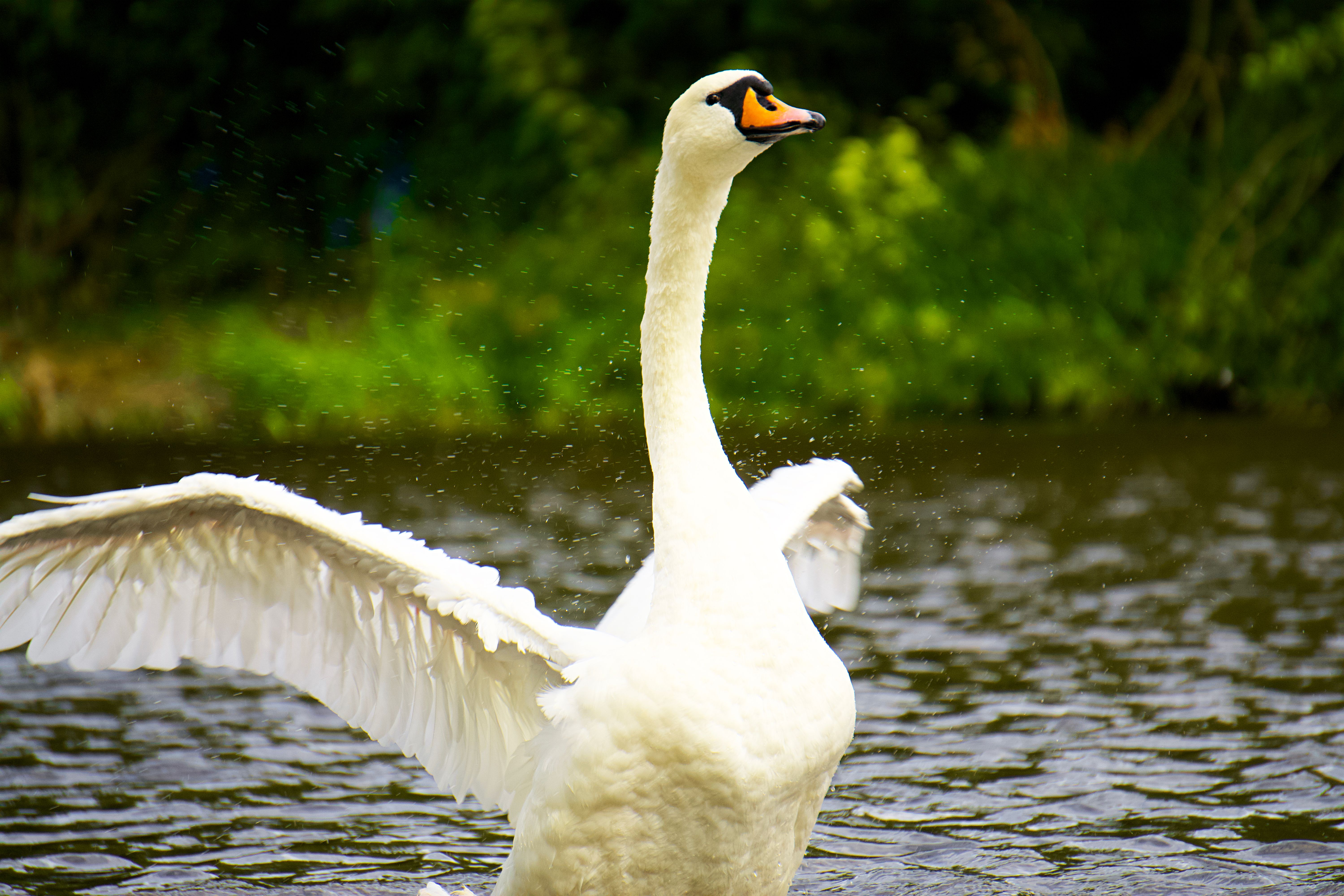
Swans are practically shorthand for elegance. They glide across ponds like living sculpture, necks curved into perfect lines, radiating poise and composure. That beauty leads many people to underestimate just how territorial and aggressive they can become, especially around nests or young.
A threatened swan doesn’t just hiss and pose. It can lunge, beat with powerful wings, and drive straight at people, pets, or boats with startling conviction. The attack may not sound dramatic on paper, but up close it’s chaotic, forceful, and surprisingly intimidating. Their quiet grace masks an animal that fully believes the lake belongs to it.
Cone Snail

A cone snail looks more like something you’d pocket on a beach than something you’d fear. Its shell can be beautifully patterned, almost decorative, and the animal itself appears slow, soft, and harmless. That combination makes it one of nature’s more unsettling bait-and-switches.
Cone snails are venomous marine predators that use a harpoon-like tooth to inject toxins into prey. Some species deliver stings severe enough to cause paralysis and can be dangerous to humans. Because the threat is hidden inside such a quiet, ordinary-looking package, people often don’t realize the risk until after contact. It is the deadly version of judging by appearances.
Chimpanzee
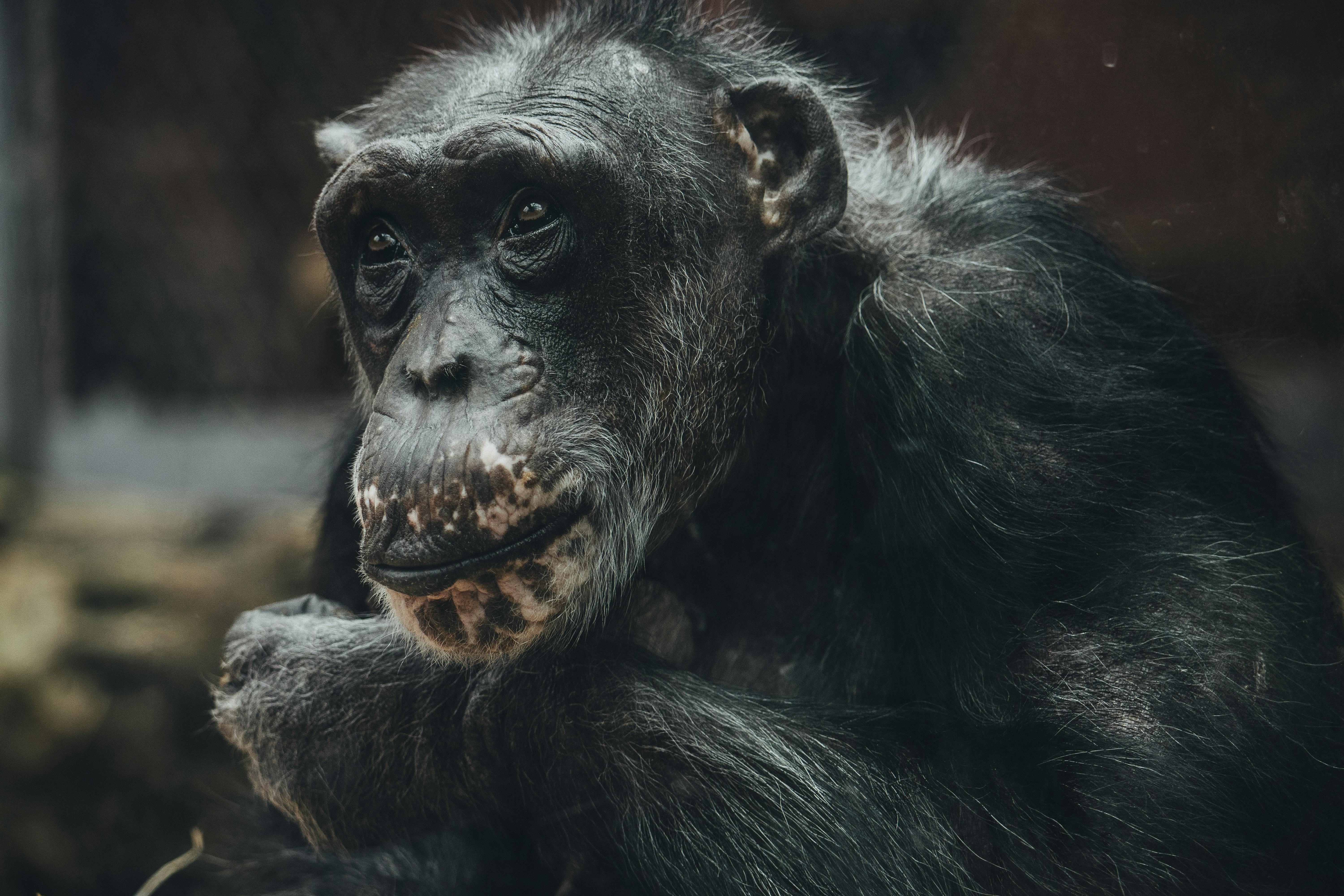
Chimpanzees are often misunderstood because people focus on their intelligence, expressive faces, and eerily familiar behavior. In quiet moments, they can seem thoughtful, even gentle, as they groom, observe, and interact within their groups. That resemblance to us makes it dangerously easy to project softness onto them.
But chimpanzees are extraordinarily strong, highly territorial, and capable of sudden, coordinated violence. When agitated or in conflict, they can inflict severe injuries with speed and force that humans are simply not built to handle. Their silence isn’t innocence. It’s often the watchful pause of an animal assessing hierarchy, threat, and the next move.