Buying raw land can look simple compared with buying a house, but the legal risks are often much harder to spot. A beautiful parcel can come with hidden access fights, zoning limits, title defects, and costly obligations that do not show up in a casual walkthrough. This gallery breaks down the most common mistakes first time buyers make so you know what to check before signing anything.
Skipping a full title search

Many first time buyers assume a deed and a seller’s word are enough to prove clean ownership. They are not. A proper title search can uncover liens, old judgments, unpaid taxes, easements, recording errors, or even competing claims that could limit what you own or whether you can sell later.
This is one of those problems that feels invisible until it becomes expensive. If a title issue surfaces after closing, you may be forced into court, delayed in development, or stuck with a parcel that cannot be financed. Paying for a careful title review and appropriate title insurance up front is usually far cheaper than cleaning up a legal mess after the fact.
Failing to confirm legal access
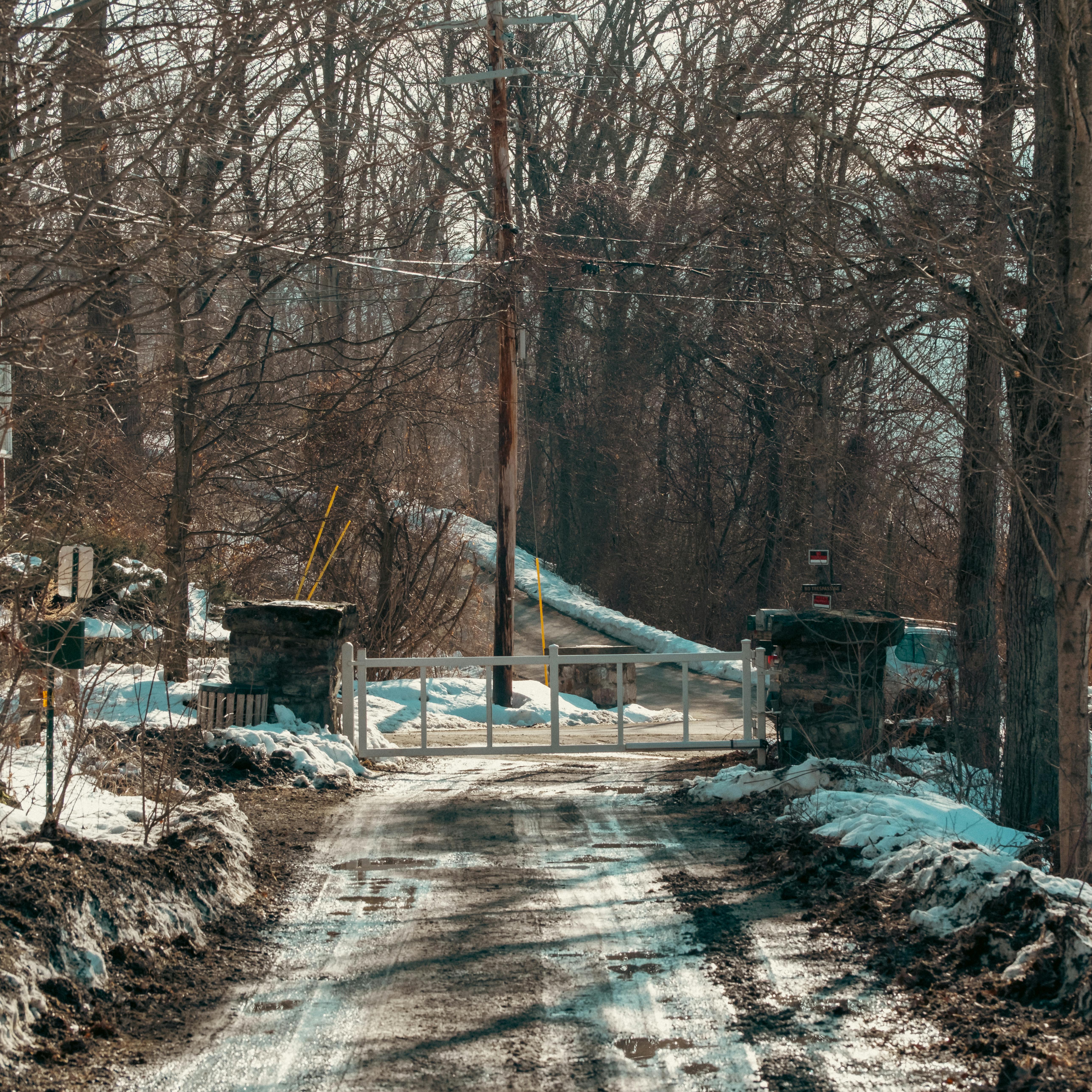
A parcel can look easy to reach on a map and still have no legal right of access. That means you might physically drive to it today, but without a recorded easement or public road frontage, that route could disappear the moment a neighboring owner objects.
This mistake shocks buyers because access problems can turn usable land into a stranded investment. Lenders may refuse financing, builders may walk away, and future buyers will spot the issue fast. Before closing, confirm exactly how the property is accessed, whether that access is permanent and recorded, and whether any gates, maintenance duties, or shared road disputes could trigger trouble later.
Ignoring zoning and land use rules
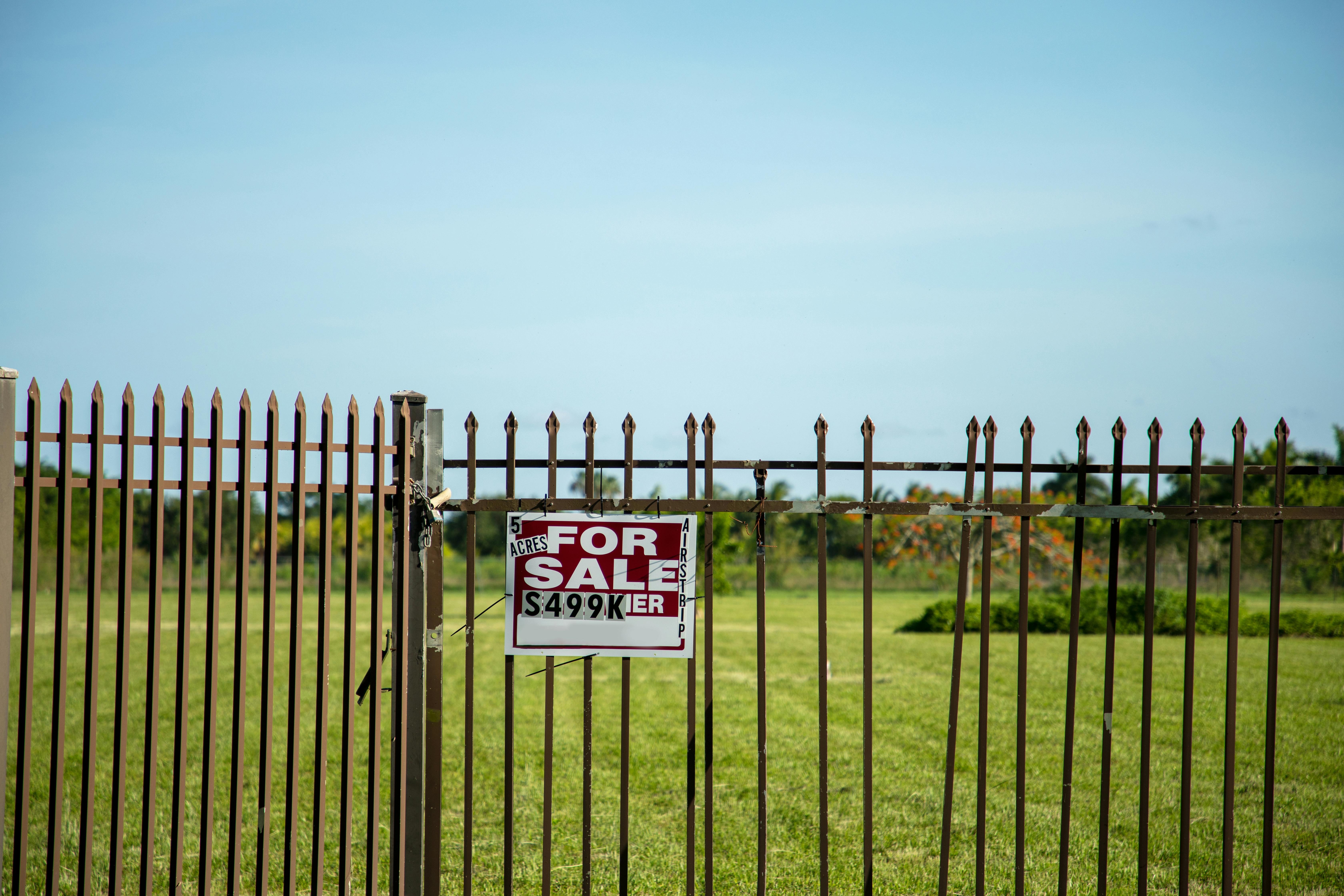
First time buyers often fall in love with their plans before checking whether the land actually allows them. Zoning, overlay districts, minimum lot sizes, setback rules, floodplain restrictions, and local ordinances can sharply limit what you can build, farm, subdivide, or operate on the property.
The painful part is that these limits may not be obvious from the listing. A parcel advertised as a dream homesite may require expensive permits or may not support that use at all. Before you commit, talk to the local planning office and verify current rules in writing where possible. Assumptions are expensive when land use law says otherwise.
Buying without a professional survey

Fence lines, old markers, and neighbor opinions are not a reliable substitute for a current survey. Without one, you may not know the true boundaries, acreage, encroachments, setback conflicts, or whether a driveway, shed, or utility line crosses where it should not.
Boundary mistakes can become ugly very quickly. You might discover after closing that part of the land you thought you bought is not actually yours, or that a neighbor has been using a strip for years. A professional survey gives you a defensible picture of what exists on the ground and helps prevent disputes that can stall construction, resale, or simple peace of mind.
Overlooking easements and rights of way
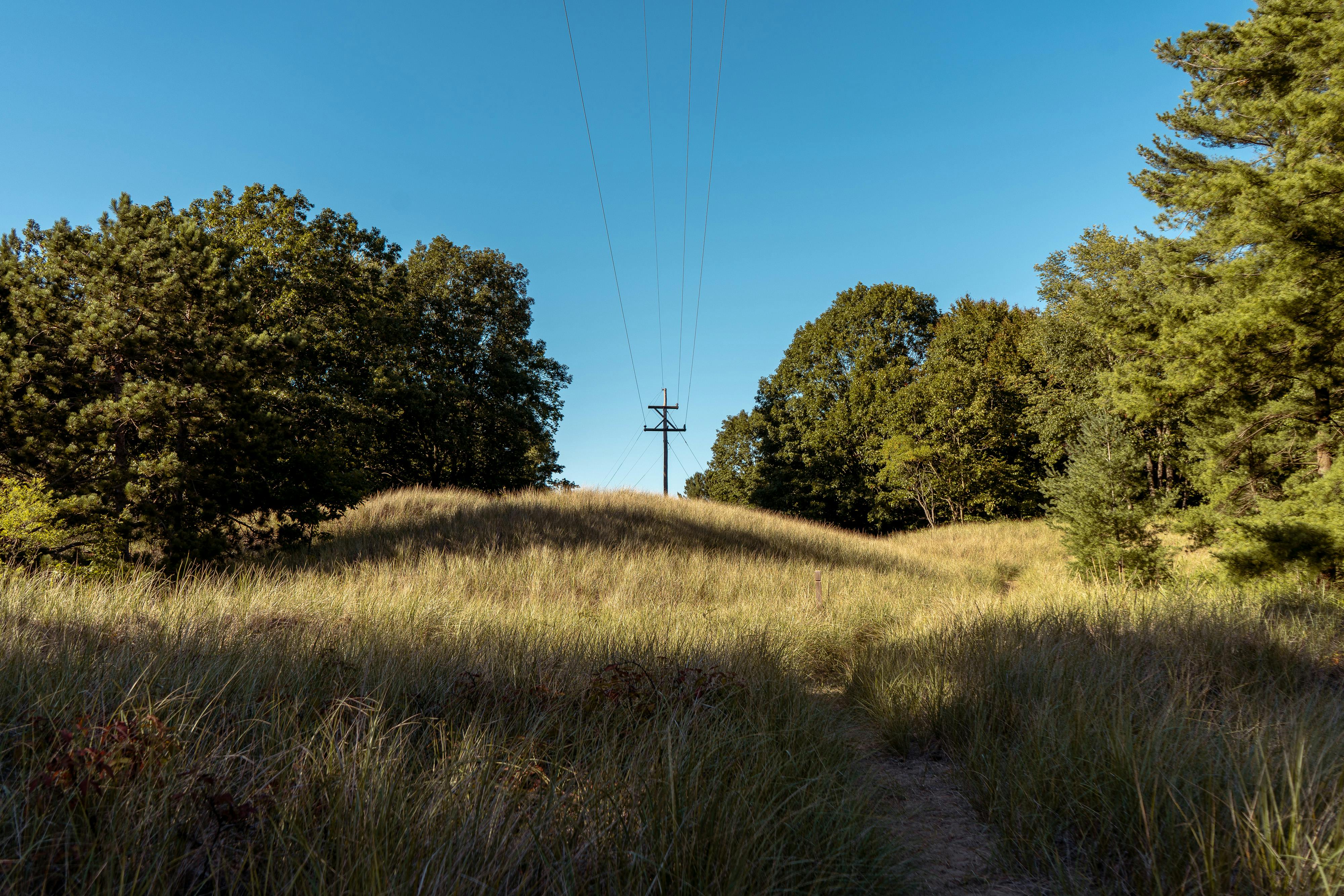
Even when title is clear and boundaries are known, someone else may still have legal rights over part of the land. Utility easements, pipeline corridors, drainage rights, conservation restrictions, and shared drive agreements can all affect where and how you build.
This matters because easements do not always sound dramatic on paper, yet they can reshape the value of a parcel. A future home site may sit directly where a utility company can dig, or a scenic section may be off limits to certain improvements. Review every recorded burden carefully and understand how each one affects your plans, not just the seller’s description of them.
Not checking environmental restrictions
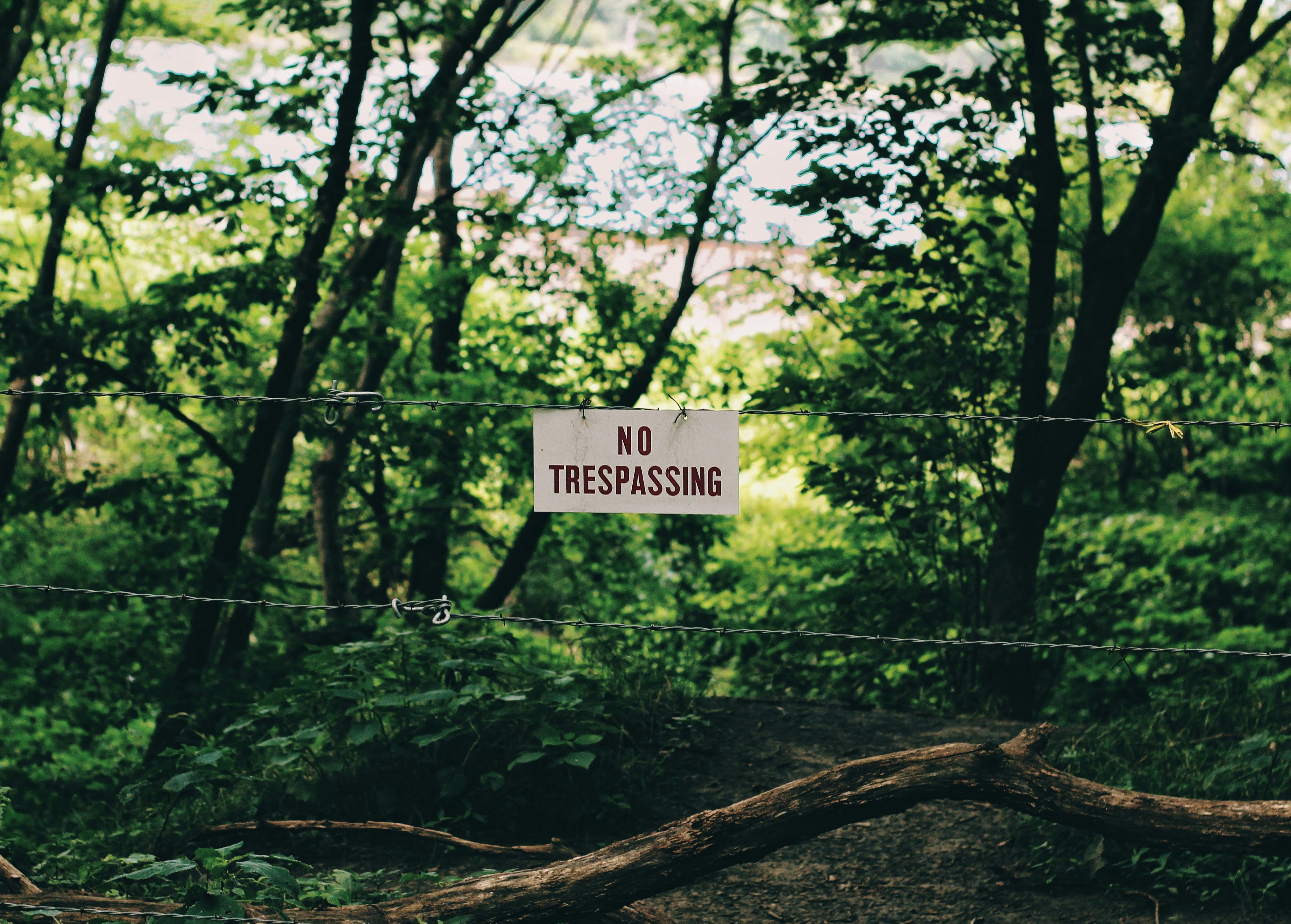
Raw land can carry environmental issues that follow the property long after the sale. Wetlands, protected habitats, soil contamination, abandoned dumping, flood risks, and prior industrial or agricultural use can trigger permitting hurdles, cleanup duties, or outright limits on development.
Buyers sometimes assume this only matters for commercial sites, but even a quiet rural parcel can have expensive surprises. If your intended use involves building, drilling a well, installing septic, or altering the landscape, environmental review is essential. The right inspections and agency checks can reveal whether the land is truly usable or whether hidden restrictions will drain your budget before work even begins.
Signing a contract without contingencies

A rushed land contract can lock you into a bad deal before you have checked the basics. If the agreement lacks clear contingencies for financing, survey review, title objections, zoning approval, access verification, or environmental findings, backing out may cost your deposit or trigger legal fights.
This is where enthusiasm can overpower judgment. Land transactions often need more due diligence time than buyers expect, especially when utilities, permits, or legal access are uncertain. A well drafted contract creates room to investigate without losing leverage. If key facts do not check out, contingencies give you a lawful path to renegotiate or walk away before a small mistake becomes a long term burden.
Trusting verbal promises over recorded documents

Sellers, agents, and neighbors may all speak confidently about what the land can do, who maintains the road, where utilities will go, or whether a variance is easy to get. None of that carries much weight if the promise is not reflected in binding documents or official approvals.
This is a classic first buyer mistake because verbal assurances feel personal and reassuring in the moment. But memories shift, ownership changes, and disputes are decided by records, not conversations. If a fact matters to your decision, get it confirmed in writing and review the underlying recorded or governmental source. Land deals are won or lost on what can be proven later.
Missing taxes, assessments, and HOA obligations

The purchase price is only part of the financial story. Unpaid property taxes, special assessments, rollback taxes, utility district fees, and homeowners association rules or dues can all attach to land and change the economics of ownership in a hurry.
First time buyers often focus on whether they can afford the closing and ignore the obligations waiting after it. A low priced parcel may sit inside a community with strict use rules, road fees, architectural controls, or future assessment exposure. Review tax records, governing documents, and any pending local charges before closing. Legal obligations tied to the land can outlast your excitement and keep costing you year after year.