Some cartridges fade into history. The .30-06 Springfield never seems interested in doing that.
A cartridge old enough to be legendary

The .30-06 Springfield arrived in 1906, and by now it has done something very few firearm designs ever manage: it outlived multiple waves of supposed replacements. Born as a U.S. military cartridge, it quickly built a reputation for reliable performance, practical power, and broad usefulness. Those traits translated naturally from service rifles to hunting rifles, and that crossover helped lock it into American outdoor culture.
Its military background matters because it gave the cartridge an early footprint that newer rounds never had. Surplus rifles, widespread ammunition production, and decades of familiarity put the .30-06 into countless gun cabinets. Once hunters discovered that the same round could cleanly take deer, elk, black bear, and even larger game with proper bullets, the cartridge stopped being merely common and became trusted.
Trust carries enormous weight in hunting conversations. Hunters tend to value what has worked in real weather, on real animals, at real distances, not just what looks efficient on a spec sheet. The .30-06 built that trust one season at a time, and each generation handed the story to the next.
That is why discussions about the .30-06 rarely sound purely technical. They are often about memory, camp tradition, and confidence under pressure. Plenty of modern cartridges can claim good ballistics, but very few can claim more than a century of repeated proof in the field.
Its versatility is still hard to beat.

The strongest argument for the .30-06 has always been flexibility. With bullet weights commonly ranging from 125 grains to 220 grains, it can be tailored for everything from varmints and predators to moose-sized game. That spread gives hunters options without forcing them to buy an entirely new rifle for every type of season or terrain.
A 150-grain load remains a classic deer choice because it offersa flat enough trajectory for normal hunting distances and plenty of energy for clean kills. Step up to 165 or 180 grains, and the cartridge becomes a serious elk and black bear tool. In heavier configurations, it has long been used for larger North American game where penetration matters as much as raw speed.
This range of applications helps explain why the .30-06 still comes up whenever someone asks for a single do-everything rifle. A hunter in the Midwest chasing whitetails, a Western hunter planning for mule deer and elk, and an Alaskan hunter thinking about larger animals can all make a reasonable case for the same cartridge. Few rounds feel so equally at home across such different settings.
Modern cartridge design has certainly produced flatter and faster options. But versatility is not only about speed. It is about how many jobs one rifle can perform well, and by that standard, the .30-06 remains stubbornly competitive.
Ammunition availability keeps it relevant.

One reason the .30-06 survives every trend cycle is simple: people can actually find it. Walk into enough sporting goods stores, rural hardware shops, or local gun counters, and the cartridge is still one of the most likely centerfire rifle loads on the shelf. During periods of supply strain, that kind of common availability becomes more than a convenience. It becomes a major reason to stick with a proven chambering.
Manufacturers continue to support it with a wide range of factory loads. Hunters can choose traditional soft points, modern bonded bullets, monolithic copper designs, long-range hunting loads, and managed-recoil offerings. That breadth matters because it lets the cartridge adapt to changing tastes without changing identity.
Ammo availability also lowers the barrier for new hunters. Someone borrowing a family rifle or buying a used bolt-action chambered in .30-06 has a good chance of finding ammunition without much drama. Compare that with niche or newer cartridges that may be excellent on paper but can become frustrating when local shelves are thin.
Reloaders have kept the round alive, too. The .30-06 is famously flexible at the loading bench, with abundant brass, bullet choices, and load data. That handloading culture deepens loyalty, because once shooters learn how tunable the cartridge is, they are less likely to see it as outdated.
Recoil, power, and practicality stay in balance.e

The .30-06 sits in an important middle ground. It produces enough power for nearly all North American hunting, yet it usually avoids the punishing recoil of the big magnums. That balance has always been part of its appeal, especially for hunters who want authority on game without developing a flinch at the range.
In a typical sporting rifle, recoil is noticeable but manageable for most experienced shooters. It is more substantial than a .243 Winchester or 6.5 Creedmoor, of course, but generally less abusive than cartridges like the .300 Winchester Magnum. That distinction matters because practical accuracy often depends more on shooter comfort and confidence than on a slight ballistic advantage.
Energy figures tell only part of the story. What keeps the .30-06 relevant is that it delivers field-ready performance with bullets heavy enough for dependable penetration and broad enough load choices to match different game. Hunters do not need to overthink whether it is powerful enough for deer or elk. The answer, with good shot placement and proper ammunition, has been yes for a very long time.
Practical cartridges endure because they solve problems without creating many new ones. The .30-06 may not be the lightest-kicking, flattest-shooting, or trendiest option, but it remains one of the easiest cartridges to live with year after year.
Newer cartridges have not fully replaced their role.
Every decade seems to produce a new answer to the old hunting question. At various times, shooters have been told that short actions, ultra-high ballistic coefficients, magnum velocity, or recoil-efficient precision rounds would finally push the .30-06 aside. Yet the older cartridge keeps hanging around because most hunters are solving broader field problems than marketing slogans suggest.
The 6.5 Creedmoor, for example, earned its popularity honestly with mild recoil and strong long-range characteristics. The .308 Winchester remains a hugely practical and efficient round. Newer magnums and specialized hunting cartridges offer real advantages in certain niches. But none has erased the .30-06’s combination of flexibility, power, and familiarity across game classes.
There is also the issue of margins in real hunting. Many shots happen well inside the distances where ballistic charts become dramatic. In that space, cartridge differences often shrink, while rifle fit, bullet construction, and shooter discipline matter more. The .30-06 performs comfortably inside those realities, which keeps it relevant outside internet debates.
That is why experienced hunters often speak about the cartridge with a shrug rather than fanfare. They are not claiming it is magical. They are saying it still works so consistently that replacing it is often a solution in search of a problem.
It carries generational credibility in hunting culture
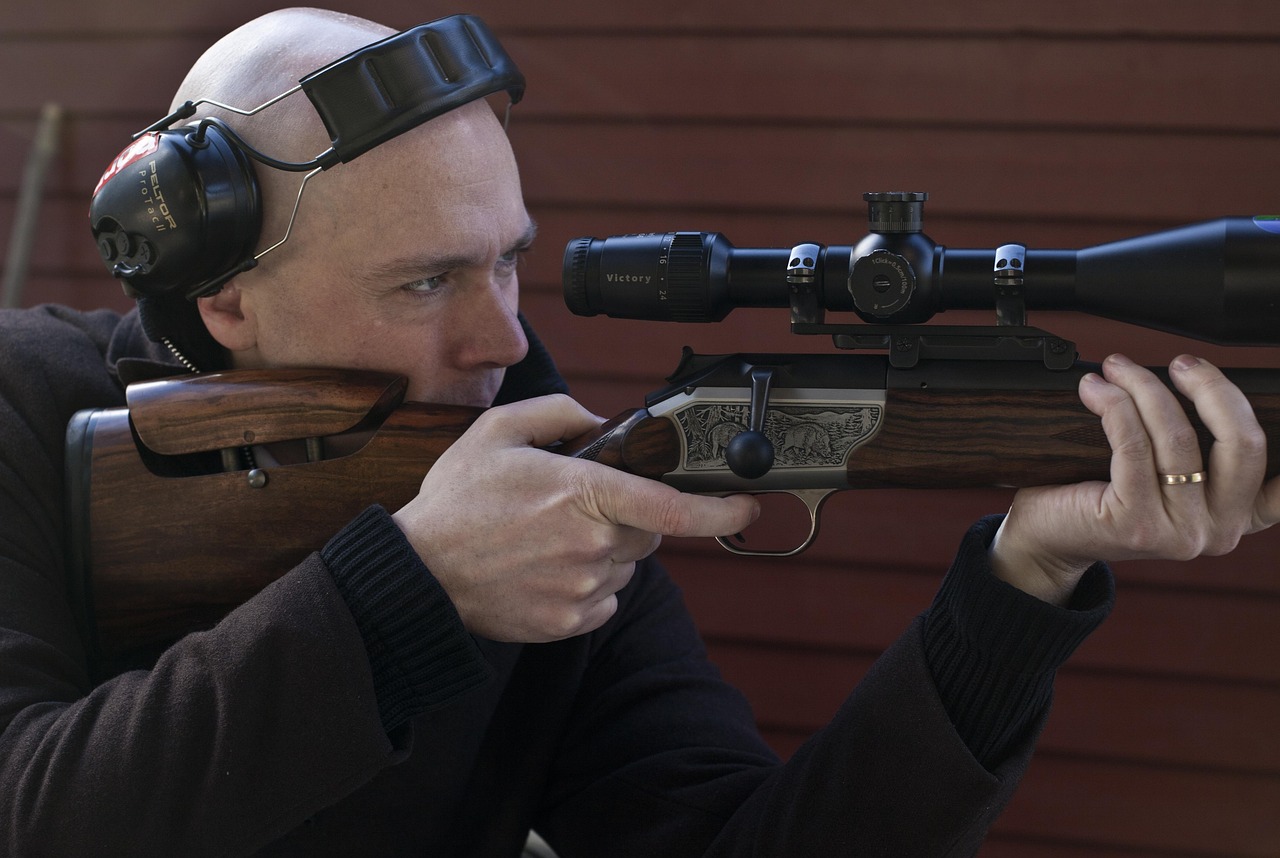
The .30-06 is not just a cartridge. In many families, it is an inheritance. A grandfather’s walnut-stock bolt action, a father’s sight-in routine before deer season, or a first successful elk hunt with a hand-me-down rifle all attach the round to lived experience in a way newer cartridges have not had time to build.
That cultural weight matters because hunting is partly technical and partly communal. People learn from mentors, relatives, guides, and camp partners. If a trusted elder has seen the .30-06 perform for decades, that recommendation often carries more influence than any advertisement or trend report.
Generational credibility does not mean blind loyalty. It means repeated validation. Hunters have watched the cartridge anchor whitetails in hardwoods, punch through elk shoulders in the mountains, and function dependably in freezing weather and rough travel. Stories like those are not just sentimental. They are a form of field testing spread over more than a century.
This is why the .30-06 remains a frequent benchmark in conversation. Even when someone chooses a different cartridge, they often explain it relative to the .30-06. That alone says a lot about how deeply it remains woven into modern hunting language.
The real reason it will likely endure
The .30-06 Springfield refuses to disappear because it still answers the main hunting question better than many people want to admit. Hunters need a cartridge that is available, versatile, effective, and familiar enough to inspire confidence when the shot matters. The .30-06 continues to check every one of those boxes without demanding much explanation.
Its staying power is not a rejection of progress. Modern rifles, optics, bullets, and cartridge designs have improved hunting in real ways. But progress does not always eliminate older tools. Sometimes it simply clarifies which old tools were exceptionally well designed from the start, and the .30-06 is a textbook case of that.
There will always be faster rounds, softer-shooting rounds, and more specialized rounds. Yet the number of hunters who can honestly say, “I wish my .30-06 were less useful,” remains very small. That is a major reason the cartridge still dominates campfire arguments, gun-shop recommendations, and preseason debates.
In the end, the .30-06 survives because it keeps earning its place. Not through nostalgia alone, and not through myth, but through the kind of dependable competence that hunters respect more than hype.