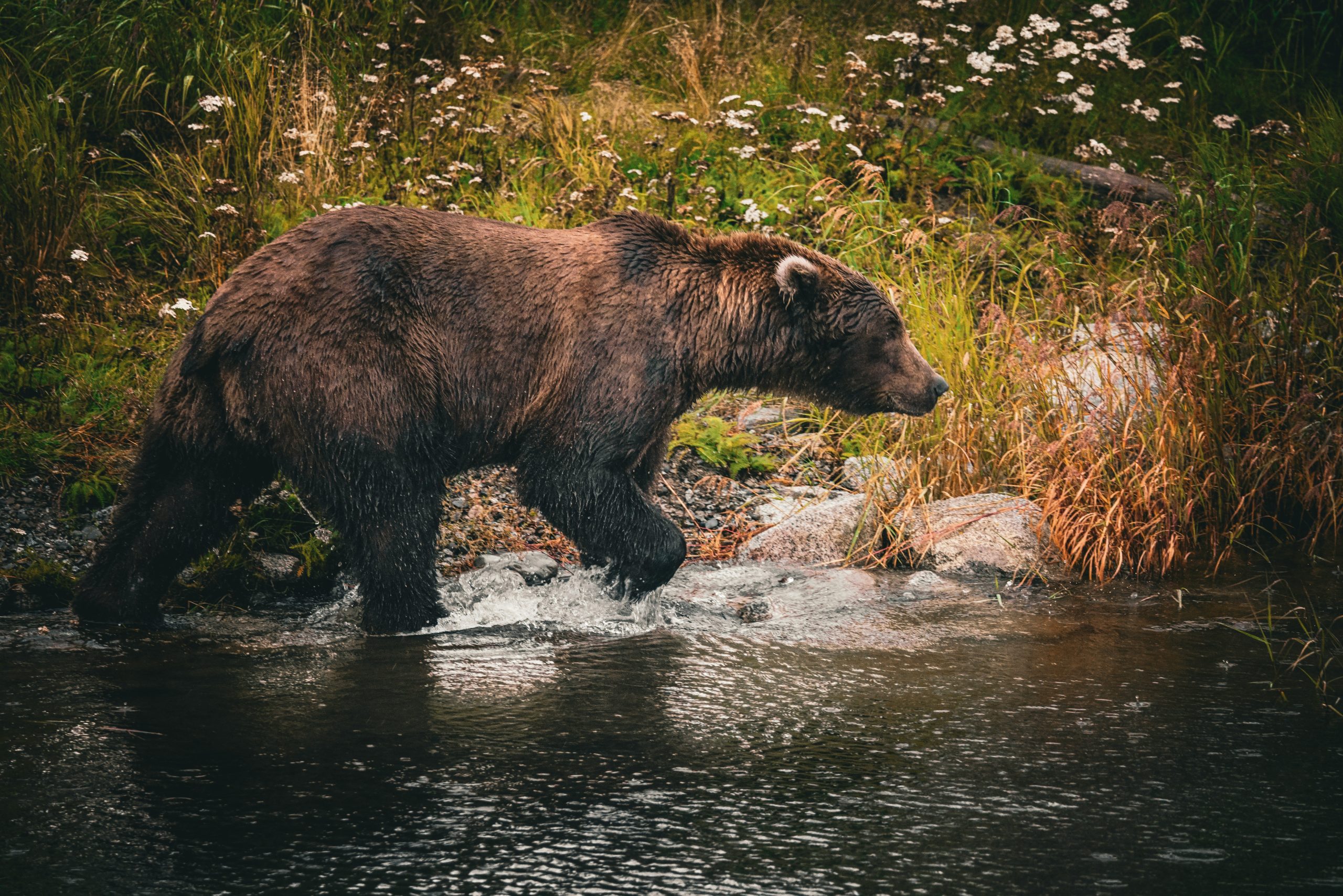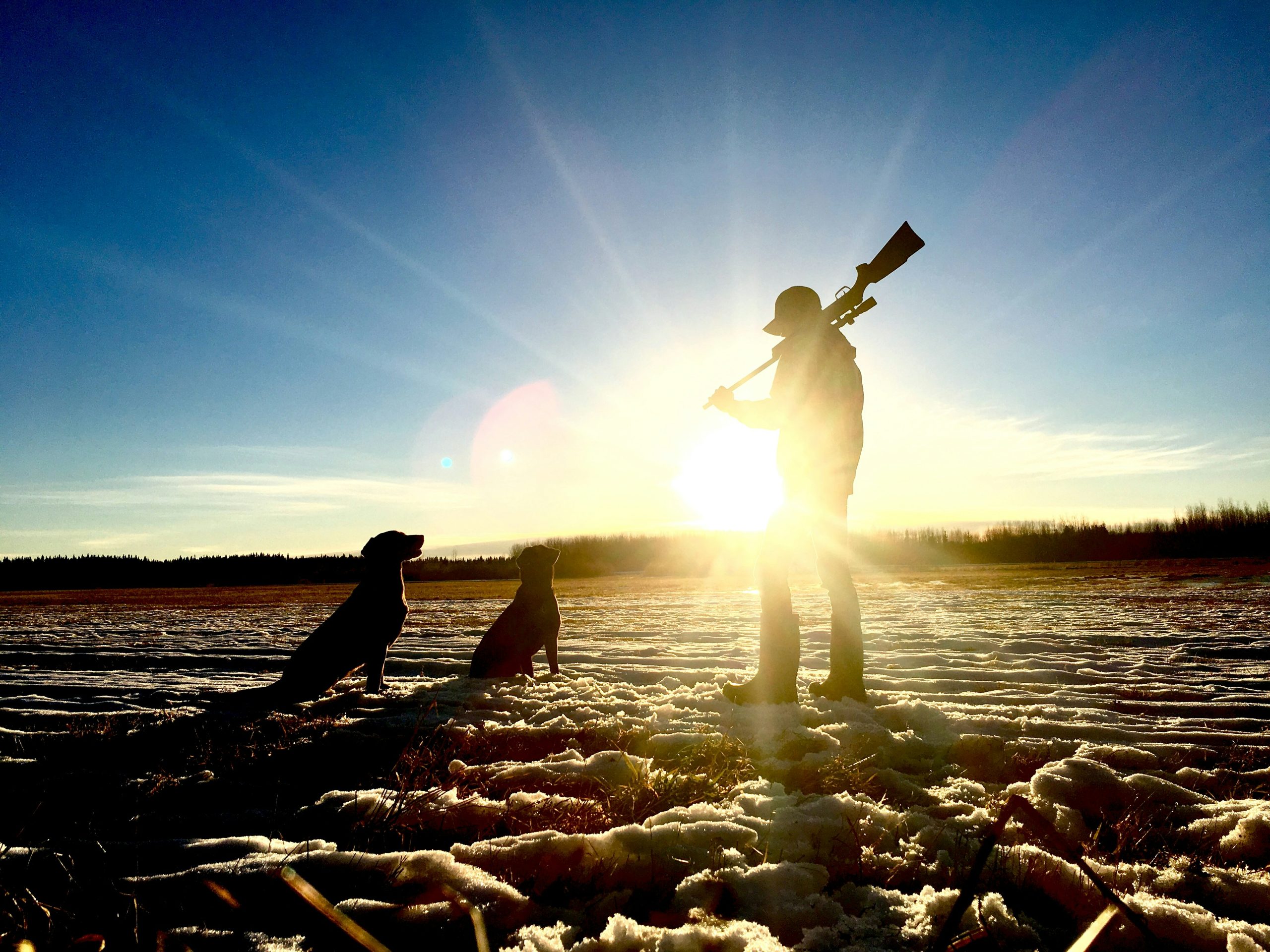
Hunting has shifted from a survival necessity to a complex moral discussion. Modern hunters navigate a fine line between sport, tradition, and ecological responsibility. Ethical hunting is no longer just about the thrill of the chase; it involves stewardship, scientific awareness, and respect for wildlife. Understanding the balance between human recreation and conservation helps ensure that hunting sustains ecosystems, preserves species, and maintains a healthy relationship between humans and nature.
The Evolution of Hunting Ethics

Hunting ethics have evolved as societies moved from survival to recreation. Modern hunters are increasingly aware that their actions impact ecosystems, animal populations, and public perception. Ethical hunting now demands responsibility, knowledge, and respect for life. The shift emphasizes sustainability over dominance, blending ancient traditions with modern conservation principles. Today, ethical hunters seek a meaningful connection with nature while ensuring that their practices protect wildlife and future generations.
Hunting as a Tool for Conservation

Ethical hunting can support conservation by regulating wildlife populations and funding habitat restoration. Licensing fees and taxes provide essential resources for protecting ecosystems and endangered species. Responsible hunts prevent overpopulation, reducing disease and resource depletion among animals. By participating in regulated hunting, individuals contribute to scientific wildlife management, ensuring that the balance between predator and prey remains intact while promoting biodiversity for both current and future generations.
Trophy Hunting: Ethics and Controversy
Trophy hunting sparks intense debate over morality and conservation impact. Advocates argue it generates critical funding for protected areas and incentivizes wildlife preservation. Critics view it as unnecessary and exploitative. Ethical trophy hunting requires strict adherence to regulations, conservation goals, and sustainable quotas. The hunt should focus on maintaining ecological balance rather than personal gratification. Understanding the local context and long-term effects helps separate responsible, conservation-driven hunting from mere display-driven exploitation.
Fair Chase and Sportsmanship
Fair chase is a core ethical principle, ensuring hunters do not gain an unfair advantage through technology or baiting. It emphasizes skill, patience, and respect for wildlife. Ethical hunters recognize that the value of hunting lies in the pursuit, challenge, and connection with nature rather than the kill itself. Practicing fair chase builds integrity, self-discipline, and empathy. By following this principle, hunters maintain public trust, foster sustainable practices, and elevate hunting from recreation to a moral and mindful engagement with wildlife.
Indigenous Perspectives and Ancestral Respect
Indigenous hunting traditions honor the sacred relationship between humans and wildlife. Every animal harvested was fully utilized, and rituals expressed gratitude and reverence. Modern hunters can learn from this approach, emphasizing respect, minimal waste, and ecological mindfulness. Integrating these values helps hunters appreciate the deeper purpose behind the practice. Viewing hunting as a partnership with nature rather than domination promotes ethical decision-making and reinforces the responsibility to maintain harmony within ecosystems and respect the life taken.
The Role of Regulation and Science

Science and law underpin ethical hunting. Biologists set quotas based on population studies to prevent overharvesting and protect vulnerable species. Regulations ensure hunters follow sustainable practices, preserving breeding populations and habitat health. Compliance transforms hunting into a form of stewardship, aligning recreation with conservation. Hunters who respect these guidelines actively participate in maintaining ecological balance, contributing to long-term wildlife sustainability, and demonstrating that sport and science can coexist to protect both animal populations and natural ecosystems.
Hunting for Food vs. Sport
Hunting for sustenance aligns more clearly with ethical considerations, as it directly provides nutrition while minimizing waste. Sport hunting emphasizes recreation, requiring additional ethical reflection. Responsible hunters focus on necessity, efficient use of resources, and minimizing suffering. Both approaches can be ethical if guided by respect, regulation, and sustainability. The distinction lies in intention: taking life responsibly for nourishment or conservation differs morally from pursuing trophies for ego or entertainment alone, reinforcing mindfulness in all hunting practices.
Minimizing Suffering and Ethical Killing
An ethical hunt prioritizes a quick, humane kill to reduce suffering. Hunters invest in skill, training, and proper equipment to ensure accuracy and efficiency. Understanding animal behavior and anatomy is critical for ethical decision-making. Minimizing suffering demonstrates respect for wildlife and aligns with broader conservation goals. Modern hunters recognize that ethical responsibility extends beyond the act itself, encompassing preparation, awareness, and compassion. Practicing humane methods preserves integrity and fosters public trust in hunting practices.
Balancing Recreation with Conservation
Hunting today must balance human recreation with ecological responsibility. Ethical hunters respect limits, adhere to quotas, and avoid overharvesting. They also consider habitat preservation, seasonal patterns, and species behavior. This balance ensures that hunting contributes positively to wildlife management rather than threatening populations. By combining sport with science-based stewardship, hunters can enjoy their craft while leaving ecosystems healthier than they found them, demonstrating that recreation and conservation can coexist harmoniously.
The Future of Ethical Hunting

The ethics of hunting will continue evolving alongside societal values and ecological needs. Education, transparency, and adherence to conservation principles will shape the future. Ethical hunters serve as stewards, promoting sustainability, fairness, and respect for nature. By embracing science, indigenous wisdom, and humane practices, the hunting community can maintain legitimacy and ensure that hunting enhances rather than harms ecosystems. Responsible practices today will define the long-term balance between sport and conservation for generations to come.