
The divide is no longer quiet, and it is no longer local. Each hunting season now seems to bring a fresh round of outrage, confrontation, and political trench warfare.
How a long-running conflict turned into a seasonal flashpoint
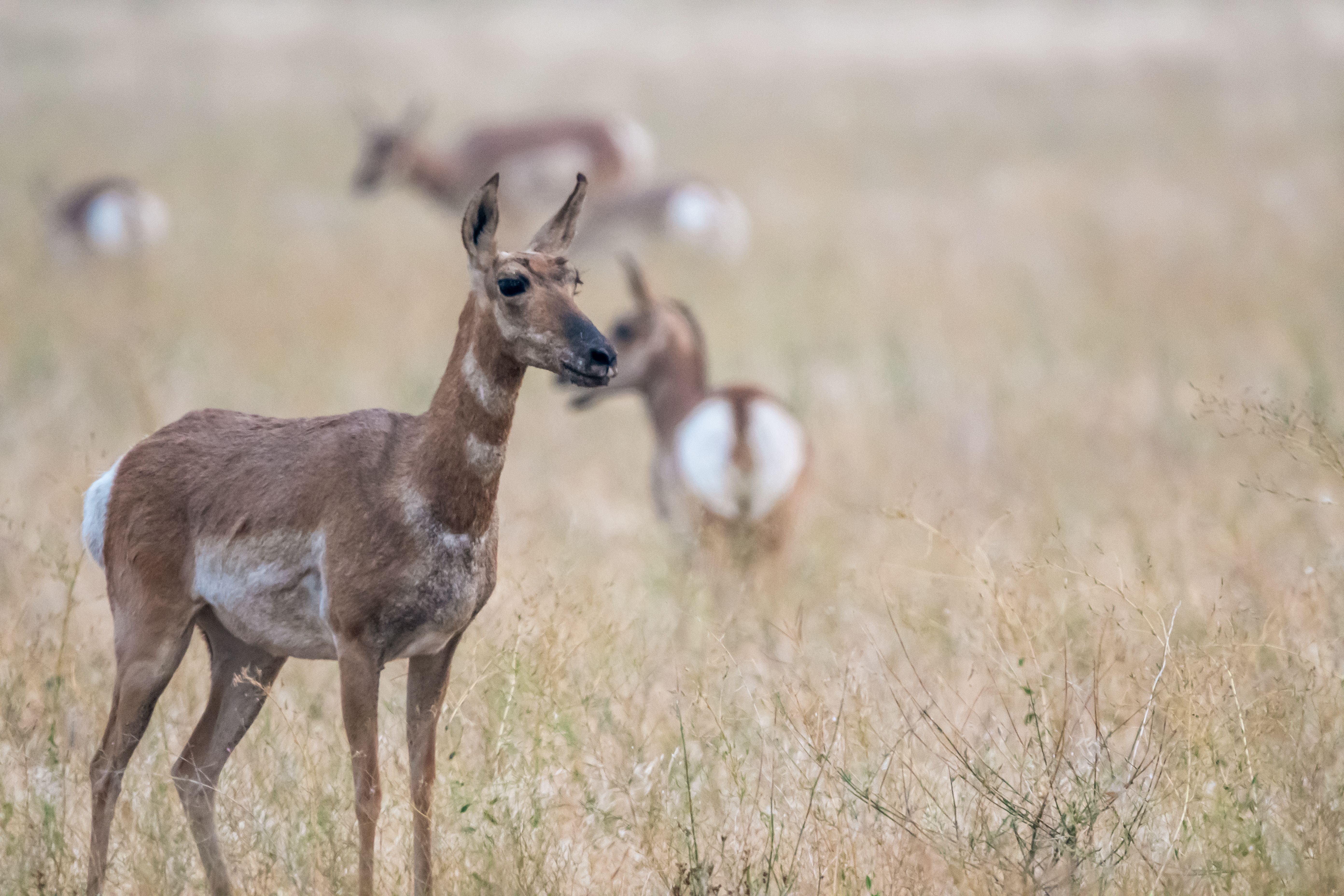
For decades, hunters and animal rights advocates have disagreed over one basic question: whether killing wildlife can ever be ethical. That dispute is not new. What has changed is the intensity. A debate that once played out in state wildlife meetings and regional newspapers now explodes every year across social media, courtrooms, and legislatures.
Part of the escalation comes from visibility. A single photo of a trophy animal, a video of a trapped predator, or footage of activists confronting hunters in the field can reach millions of people in hours. The emotional response is immediate, and the facts often arrive later. By then, people have already chosen sides.
Wildlife policy also sits at the intersection of science, money, tradition, and morality. Hunters often point to conservation funding, herd management, and food harvesting. Animal rights groups argue that these claims are used to sanitize cruelty and preserve a pastime that modern society should move beyond. Those positions leave little room for compromise because each side believes it is defending something fundamental.
Seasonality makes everything worse. Every fall, the same arguments return with new symbols, new villains, and new outrage cycles. Instead of cooling down over time, the conflict resets and hardens, like a political campaign that never truly ends.
Why hunters say they are being caricatured and pushed out
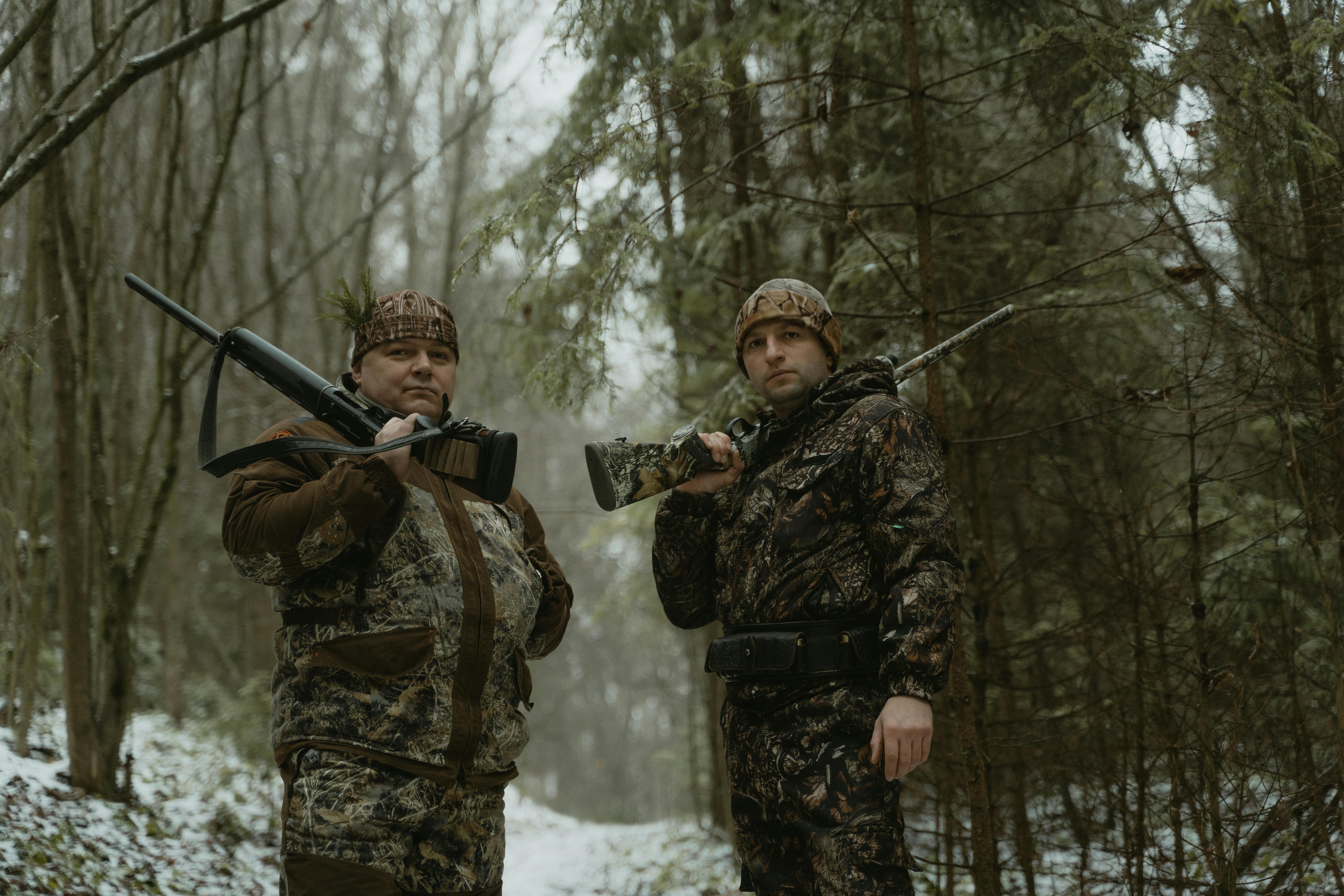
Many hunters argue that the public image of hunting has been flattened into a cartoon. In that version, every hunter is a thrill-seeking trophy collector with a camera-ready grin and a dead animal at their feet. That portrayal ignores major differences between subsistence hunters, rural families who fill freezers with venison, Indigenous traditions, and highly commercialized trophy operations.
Hunters also stress that license fees and excise taxes on firearms, ammunition, and certain outdoor gear have long funded wildlife agencies and habitat work in the United States. Through mechanisms tied to state licensing and the Pittman-Robertson framework, billions of dollars have supported conservation, land acquisition, and species management. In their view, they are being condemned by people who benefit from a system hunters helped finance.
There is also a cultural grievance underneath the policy argument. In many rural communities, hunting is not treated as an eccentric hobby but as a skill, family ritual, and local norm. When activists frame it as barbaric in principle, hunters hear not just moral criticism but class contempt and urban scorn.
That sense of exclusion has sharpened politically. Hunters in several states have backed right-to-hunt constitutional amendments and fought restrictions on methods, seasons, and public land access. To them, these battles are not isolated rule changes. They are signs of a broader effort to erase a way of life by turning public disgust into law.
Why animal rights groups believe the system protects cruelty

Animal rights groups approach the conflict from a radically different moral baseline. For many organizations, the central issue is not whether hunting supports management goals in some cases. It is whether human recreation, sport, or convenience can justify deliberately injuring and killing sentient animals at all. If the answer is no, then the rest of the hunting defense sounds like a rationalization.
These groups often target practices that generate strong emotional reactions because those cases move public opinion fastest. Predator contests, canned hunts, body-gripping traps, hounding, and the use of certain baits or high-tech tools have become recurring flashpoints. Even some people who accept deer season for food recoil at images of wolves, bears, coyotes, or mountain lions pursued under controversial rules.
Activists also argue that state wildlife agencies are structurally biased toward hunters. In many states, agency funding still depends heavily on hunting-related revenue, and advisory boards often include strong representation from hunting and agricultural interests. Critics say that creates a management culture where animals are treated first as resources or nuisances rather than living beings with intrinsic value.
That critique has gained traction as the public grows more urban and more distant from killing animals directly. Surveys over the years have suggested stronger support for wildlife protection than for recreational killing, especially among younger adults. Animal rights organizations see that demographic shift as their opening, and they are pressing harder because they believe the culture is finally moving their way.
Social media has made every confrontation feel like a national crisis.
The ugliest part of this conflict now unfolds online, where nuance tends to die fast. Hunters post successful harvest photos to celebrate tradition, food, or achievement. Activists repost them as evidence of cruelty and narcissism. Within hours, strangers are trading insults, employers are being contacted, and families can find themselves pulled into a national pile-on.
This has happened repeatedly after high-profile trophy cases involving lions, wolves, bears, and other charismatic species. A hunt that might once have been discussed in local terms now becomes a morality play for millions. The internet rewards the most inflammatory framing, not the most accurate one. That pushes both sides toward performance and away from dialogue.
Activists have also used digital organizing effectively. They can mobilize petition drives, email campaigns, and public pressure against outfitters, sponsors, state agencies, and politicians with remarkable speed. Hunters, in turn, have built their own media ecosystem of podcasts, outdoor brands, and advocacy groups that portray anti-hunting campaigns as misinformation driven by people ignorant of land, wildlife, and rural realities.
The result is a feedback loop. Online hostility encourages real-world mistrust, and real-world incidents produce more online outrage. Every season adds fresh clips, new villains, and stronger incentives for each camp to treat the other as not merely wrong, but morally beyond redemption.
The legal and political fight is moving into statehouses.
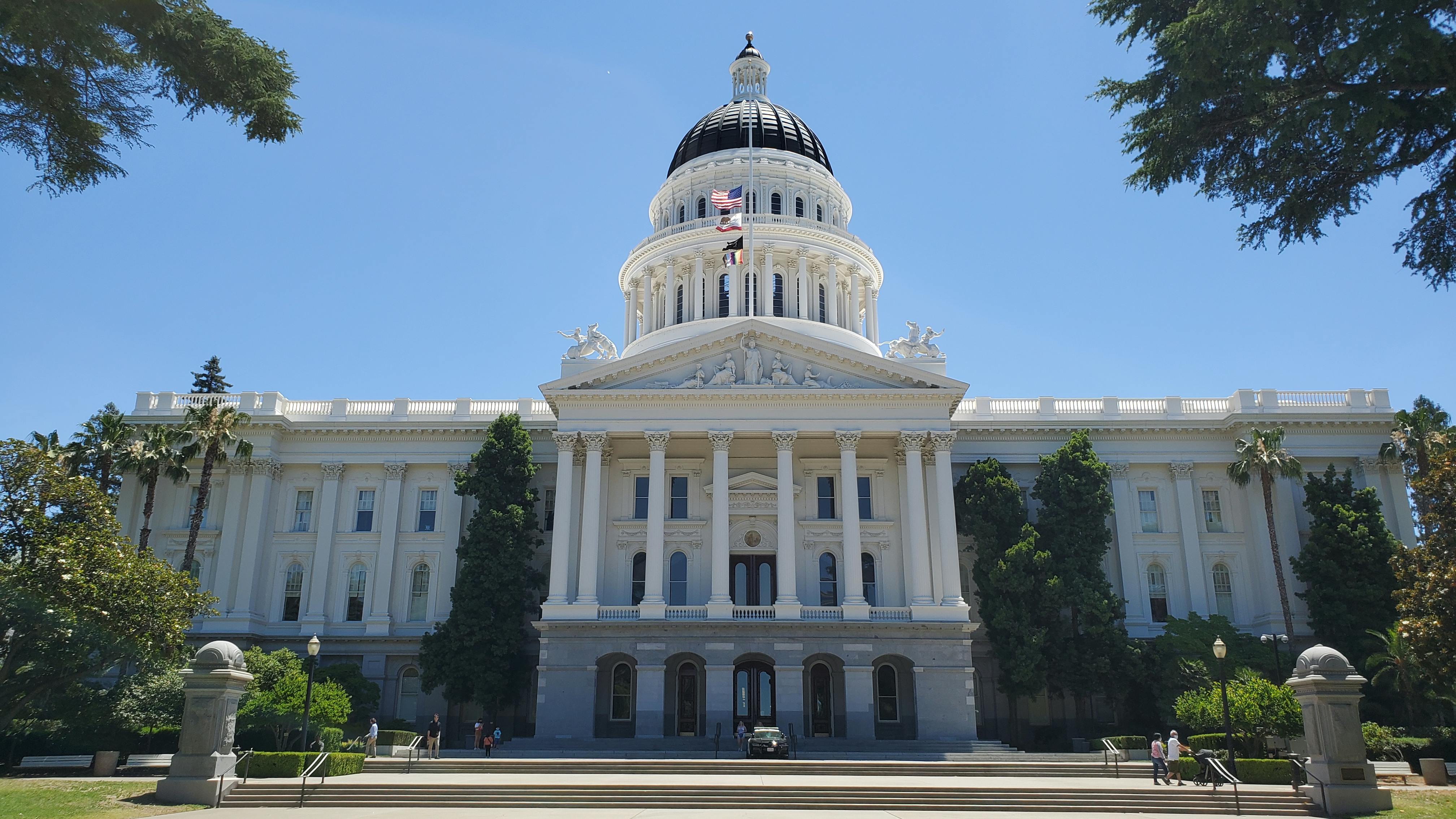
The courtroom and the state legislature have become major battlegrounds because both sides know culture alone is too slow. Animal rights groups increasingly target specific practices rather than hunting in the abstract, calculating that narrow bans can win broader support. Measures against trapping methods, wildlife killing contests, or the use of hounds have gained traction in some states, often after graphic incidents captured public attention.
Hunters and pro-hunting organizations have responded with aggressive legal and political strategies of their own. Right-to-hunt amendments have passed in more than 20 states, designed to protect hunting and fishing as traditional means of managing wildlife and securing food. Supporters say these provisions are necessary guardrails against incremental restrictions. Opponents argue they can freeze outdated practices into law and weaken reform efforts.
Ballot measures have become especially bitter because they bypass agency culture and place emotionally loaded questions before the broader public. When voters are shown disturbing images and asked to rule on cougar hunting, bear baiting, or trapping, the scientific complexities often struggle to compete with the moral imagery. Both camps know that and build campaigns accordingly.
Political polarization amplifies all of it. Hunting rights are increasingly framed within larger fights over rural identity, gun culture, federal authority, and distrust of urban elites. Animal protection campaigns, meanwhile, are often folded into broader progressive politics around environmentalism, compassion, and institutional reform. That makes compromise harder because each dispute now carries ideological baggage far beyond wildlife policy.
Wildlife science is often invoked, but rarely settles the argument.t

Both sides regularly claim science is on their side, yet science alone cannot resolve a moral conflict. Hunters point to biologists who support regulated harvests for deer overpopulation, invasive species control, and predator management in specific ecosystems. In places with limited natural predation, crop damage, vehicle collisions, and habitat stress can increase when herds grow beyond what the landscape can support.
Animal rights advocates counter that wildlife agencies have historically used selective science to justify politically popular killing. They note that predator eradication campaigns were once defended as sound management and are now widely criticized. They also argue that nonlethal tools, fertility control in limited contexts, better fencing, carcass management, and habitat adaptation are often dismissed too quickly because killing remains the default policy instrument.
Experts who study public attitudes say the conflict is partly about language. Terms like harvest, take, nuisance, and management can sound clinical to people who see an animal as an individual life rather than a population unit. On the other hand, terms like murder, massacre, and blood sport can flatten complex ecological decisions into slogans. Once language hardens, trust in expertise falls apart.
This is why appeals to data so often fail to cool tempers. Science can describe population trends, ecosystem pressures, and probable outcomes. It cannot tell a society how to weigh suffering, tradition, risk, food, recreation, and responsibility. Those are value judgments, and values are exactly where this fight is most combustible.
Where this conflict goes next, and why it may get worse first
The next phase of this conflict will likely be more targeted, more emotional, and more technologically sophisticated. Activists are getting better at using drone footage, mobile video, geotagged evidence, and rapid response campaigns to spotlight controversial hunts and pressure decision-makers. Hunters are becoming more organized too, building legal defense funds, political coalitions, and public messaging that emphasizes conservation, meat harvest, and rural stewardship.
A generational shift is also underway. Younger Americans are generally more supportive of animal welfare language, but they are also interested in local food, self-sufficiency, and ecological restoration. That creates an unusual middle zone. Some may reject trophy culture while accepting tightly regulated hunting for food or management. Others may support public lands and wildlife funding yet oppose methods they view as inhumane.
That middle ground could matter, but right now it is not driving the conversation. The loudest voices are the ones that benefit from total moral clarity. For activists, compromise can look like surrender to cruelty. For hunters, compromise can look like the first domino in a campaign to delegitimize them completely.
So yes, the fight is getting uglier every season. It is no longer just about animals in the field. It is about who gets to define ethics, authority, and belonging in a country that cannot even agree on what wildlife is for. When a dispute reaches that level, it rarely cools down before it gets hotter.