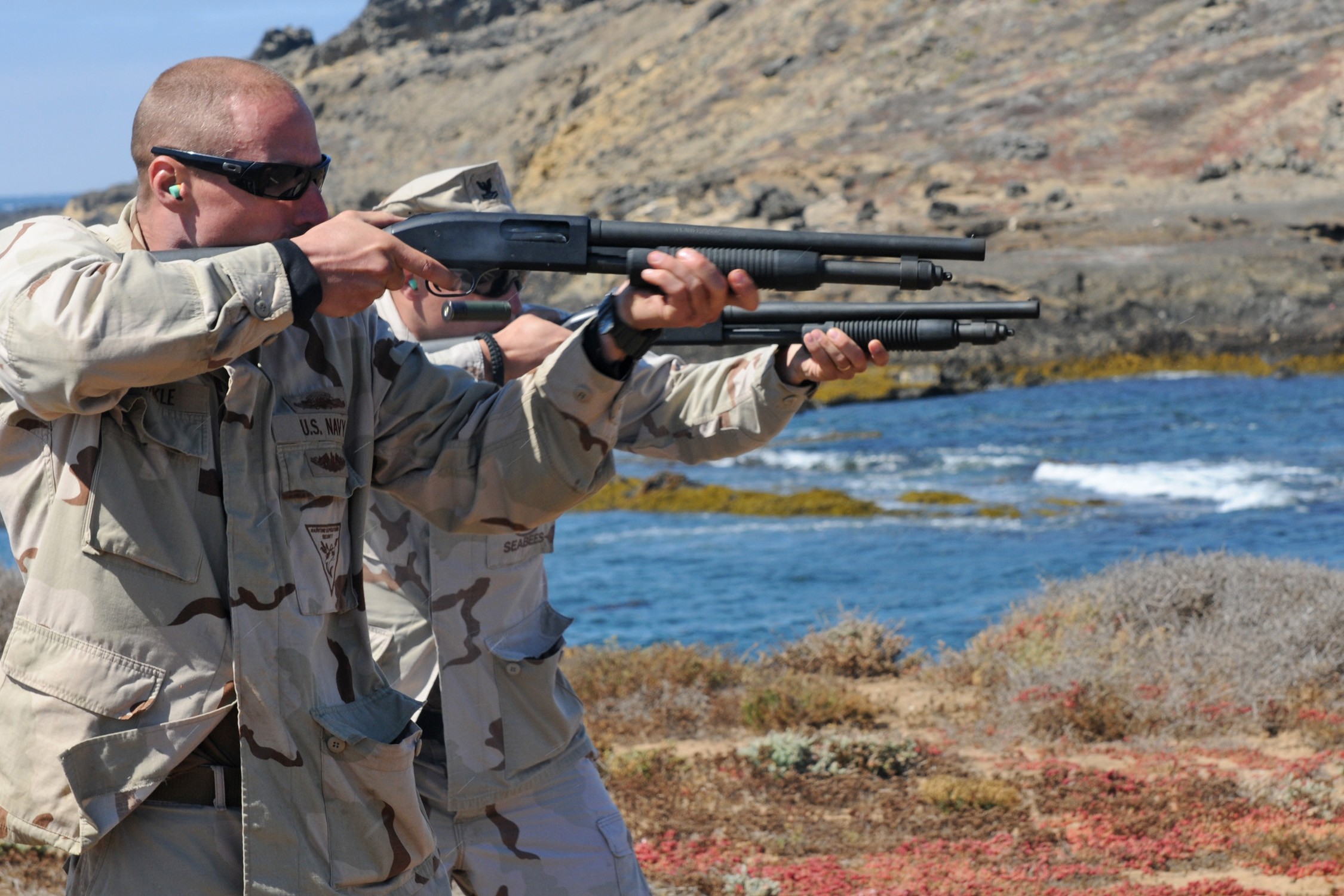
Ammo doesn’t just fill magazines and break clays. In America’s shooting sports world, it quietly sets the pace of the entire culture.
Why ammunition has become the sport’s pressure point

For a long time, many shooters treated ammunition like a background variable. You bought a few boxes before a range trip, maybe stacked a case in the garage, and assumed the next shipment would always be there. That assumption broke during the pandemic-era surge, and the aftershocks are still shaping how people approach the sport.
The scale of participation helps explain why supply shocks hit so hard. NSSF says adult sport shooting participation grew 24.1 percent from 2009 to 2022, rising from 34 million to more than 63.5 million. The U.S. Fish and Wildlife Service has also reported that more than 47 million Americans participate in firearms target shooting, a base large enough to magnify every factory delay, shipping disruption, and panic-buying wave.
When millions of occasional shooters, dedicated competitors, hunters, and first-time gun owners all enter the same market, ammunition stops being just a product and becomes the sport’s choke point. A rifle or shotgun can last decades. Ammo gets consumed every weekend.
That reality has changed behavior. According to NSSF’s 2024 discussion of participation trends, the pandemic spike has given way to a more normalized market, but economic pressure from ammunition, targets, fuel, and travel is still influencing how often people shoot and which disciplines they choose. In other words, the culture has not returned to the old casual model.
Scarcity changes how people practice, compete, and keep score.
The first visible cultural shift is practice itself. When ammunition is expensive or inconsistent, shooters stop thinking in terms of unlimited repetition. They ration live fire, shorten sessions, save premium loads for match day, and dry-fire more at home. That makes participation more deliberate, but it can also slow skill development for newcomers who need repetition most.
Competitive shooters feel this especially hard because their sports are volume-driven. Action pistol, 3-Gun, rimfire steel, and clay disciplines all reward consistency built through thousands of rounds. If a shooter cannot find the preferred load or has to switch brands and recoil profiles repeatedly, scores can wobble even when fundamentals stay sound.
Clubs and match directors adapt by trimming round counts, simplifying stage design, or spacing events farther apart. None of that kills competition, but it changes its personality. Matches become more budget-conscious, less spontaneous, and sometimes less welcoming to the curious first-timer who is unsure about paying entry fees on top of volatile ammo costs.
At the youth level, this matters even more. The Scholastic Shooting Sports Foundation said its 2024 national championship drew competitors from 40 states and involved more than 3 million rounds fired safely without incident across its youth programs. That scale shows how deeply ammunition availability affects scheduling, fundraising, coaching plans, and whether families feel they can stay in the sport year after year.
Youth programs are growing, but costs are testing access.

One of the biggest stories in American shooting sports is that youth participation has kept expanding even while the cost structure has gotten tougher. The USA Clay Target League said its 2024 impact report showed a record 53,250 registered student athletes, 14,300 of them new, along with 168 new teams. That is not a niche pastime clinging to survival. It is a major organized pipeline into the sport.
But growth does not erase the math. Clay target programs require shells, targets, coaching time, range access, eye and ear protection, and transportation. When shells jump in price or become harder to source in bulk, the burden lands on parents, volunteer-led booster clubs, and local sponsors who were already stretching to keep teams affordable.
That cost pressure subtly changes culture. Teams that once emphasized high-volume practice may move toward fewer live rounds and more targeted coaching. Fundraisers become central to the season, not supplemental. Athletes learn quickly that participation depends not just on talent and safety, but on logistics and household budgets.
The silver lining is that programs have become more organized and resourceful. USA Clay Target League and the Scholastic Shooting Sports Foundation both emphasize safety certification, school structure, and coach oversight. In a tight supply environment, that professionalism matters because programs able to forecast needs, buy early, and manage inventory carefully are far more likely to keep kids engaged.
Retailers, ranges, and manufacturers now shape culture as much as coaches.
Ammo cycles have elevated a new group of cultural gatekeepers: retailers, ranges, and manufacturers. During shortage periods, the range that limits box sales fairly, reserves stock for league shooters, or bundles ammo with events becomes more than a business. It becomes the stabilizer that keeps a local shooting community intact.
Manufacturers have become more visible, too. Federal says it remains one of the world’s largest sporting ammunition producers, and in 2024, the former Vista Outdoor sporting products segment became The Kinetic Group under CSG ownership. That matters culturally because a handful of major producers now influence what is available for practice, competition, and hunting across huge parts of the market.
Shooters have also become more informed about the supply chain than they used to be. They talk about primer capacity, import flows, shipping rules, and factory output with the fluency sports fans once reserved for batting averages. SAAMI and PHMSA have even highlighted how increased demand changed the volume of ammunition and component shipping, showing that logistics is no longer an invisible back-office issue.
The result is a more supply-aware culture. People watch stock alerts, compare lot consistency, and build friendships around bulk buys and split cases. That can strengthen community ties, but it also keeps the sport in a defensive crouch, always wondering when the next squeeze will begin.
Supply swings are reshaping what “regular participation” means

Before the big disruptions of the early 2020s, being a regular shooter often meant frequency. You showed up every week, burned through a familiar load, and treated repetition as normal. Today, regular participation is just as likely to mean planning, substituting disciplines, and preserving inventory for the parts of the sport you value most.
That has produced a quiet sorting effect. Some shooters move from centerfire-heavy disciplines into rimfire when possible. Others spend more time in hunting prep, precision zeroing, or shotgun sports where every round has a more obvious purpose. Some leave formal competition for informal practice because match volume feels too expensive.
NSSF’s recent participation commentary suggests the market is normalizing from its peak frenzy, but also notes that cost pressures continue to shape decisions. That helps explain why participation can remain large while behavior changes underneath it. A shooter who still identifies strongly with the sport may simply be firing fewer rounds, traveling less, and making gear last longer.
In cultural terms, that means identity is becoming less about raw consumption and more about intentionality. The modern shooting sports enthusiast is often part athlete, part quartermaster, part economist. The people who stay active are not necessarily the ones with the most free time, but the ones best able to adapt.
Conservation, public ranges, and access all ride on the same cycle

Ammo supply is not just about private recreation. It feeds a larger ecosystem. The Pittman-Robertson excise tax on firearms and ammunition helps fund wildlife conservation, public access, and shooting infrastructure, and NSSF says those apportionments topped $1.6 billion to the states in 2023. When people buy ammo, they are also underwriting part of the American conservation model.
The U.S. Fish and Wildlife Service says these excise tax funds support more than 800 public target ranges nationwide, along with youth programs, outreach, and hunter education. That means robust ammunition sales can expand access over time, even if short-term price spikes make shooting harder for some families. The same cycle that causes frustration can also produce downstream investment.
Still, access is uneven. A region with strong public ranges, active clubs, and supportive retailers can weather supply swings better than a place where shooters already drive long distances and rely on thin local inventories. Ammo scarcity amplifies every existing weakness in the ecosystem.
That is why supply stability has become a cultural issue, not merely a consumer one. If ammunition remains erratic, the sport risks becoming more concentrated among shooters with deeper pockets, more storage space, and better local infrastructure. If access broadens, the culture stays healthier and more democratic.
The next chapter will favor adaptable communities, not just abundant shelves.
American shooting sports are not disappearing. If anything, the participation numbers from NSSF, the U.S. Fish and Wildlife Service, the USA Clay Target League, and the Scholastic Shooting Sports Foundation show a culture that remains broad, active, and institutionally stronger than many outsiders assume. But it is undeniably changing under supply pressure.
The communities doing best are the ones that treat ammo cycles as a permanent condition rather than a temporary inconvenience. They encourage dry-fire and coaching efficiency, help newcomers borrow equipment, organize bulk purchases, and design events that are financially sustainable. They make room for people who cannot always afford the ideal round count.
This shift may ultimately produce a more resilient culture. Shooters are becoming better planners, clubs are becoming more disciplined operators, and youth organizations are building stronger support systems. Those are healthy developments, even if they were forced by scarcity instead of chosen freely.
In the end, ammo supply cycles are changing more than what people buy. They are changing how Americans gather, train, compete, mentor, and belong. The shelves matter, of course. But the deeper story is how a sport built on repetition is learning to live with uncertainty and still hold onto its sense of community.