Bushcraft videos can make wilderness survival look like a stylish mix of carving, campfire tricks, and handmade shelters. But when weather turns, daylight fades, or someone gets hurt, the most popular skills online are often not the ones that help most. This gallery breaks down why viral bushcraft content can mislead people about what actually matters when conditions get serious.
They prioritize performance over practicality
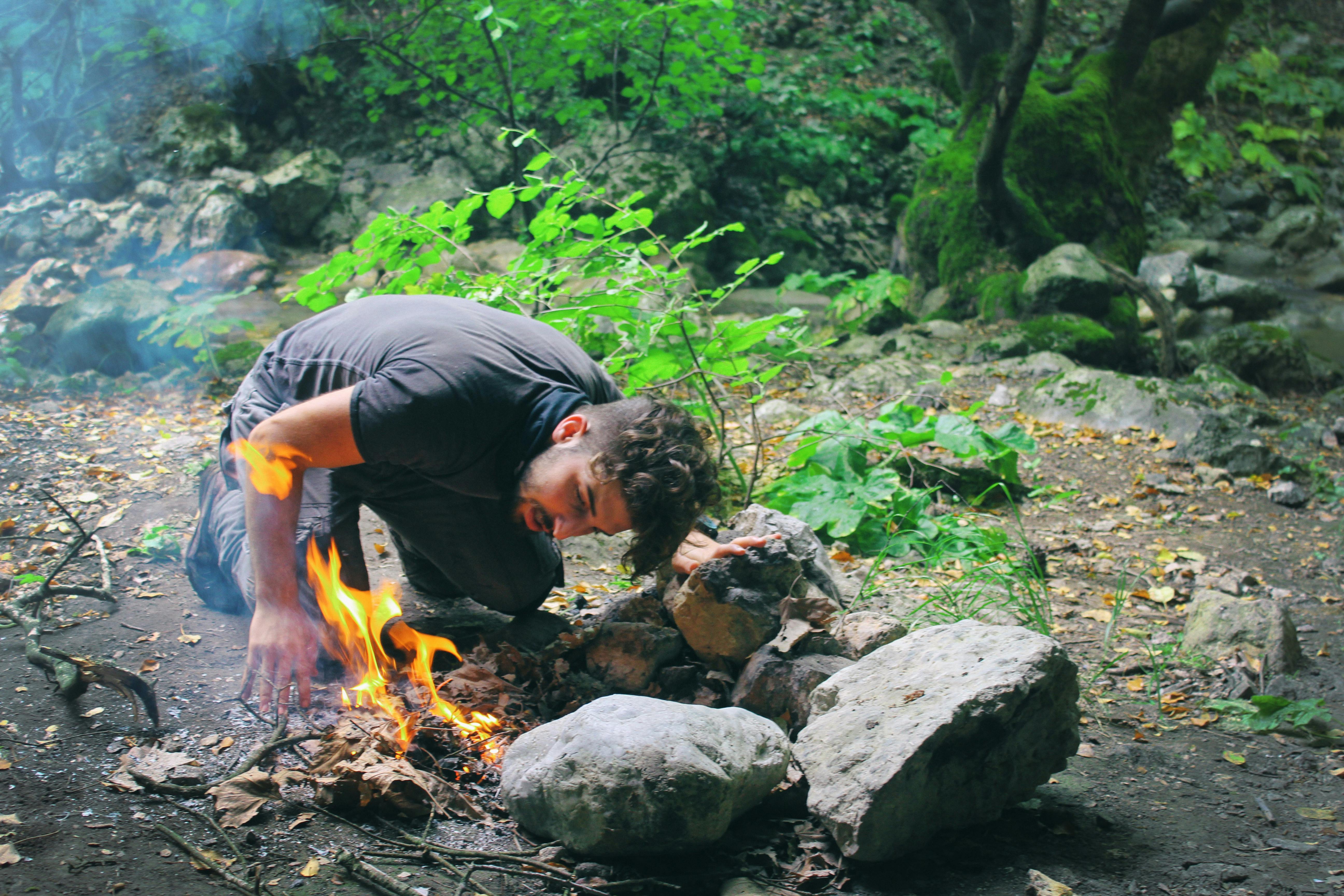
Social media rewards skills that look impressive on camera. Feather sticks, spark showers, axe work, and elaborate camp setups all read well in a short clip because they are visual, dramatic, and easy to admire from a phone screen.
Real emergencies are usually less cinematic. The useful question is not whether a skill looks advanced, but whether it saves time, conserves energy, and reduces risk when you are cold, wet, lost, or injured.
In that context, simple choices often beat showy technique. Putting on dry layers, finding wind protection, drinking water, and staying put can matter far more than demonstrating a skill that earns likes.
They assume perfect conditions
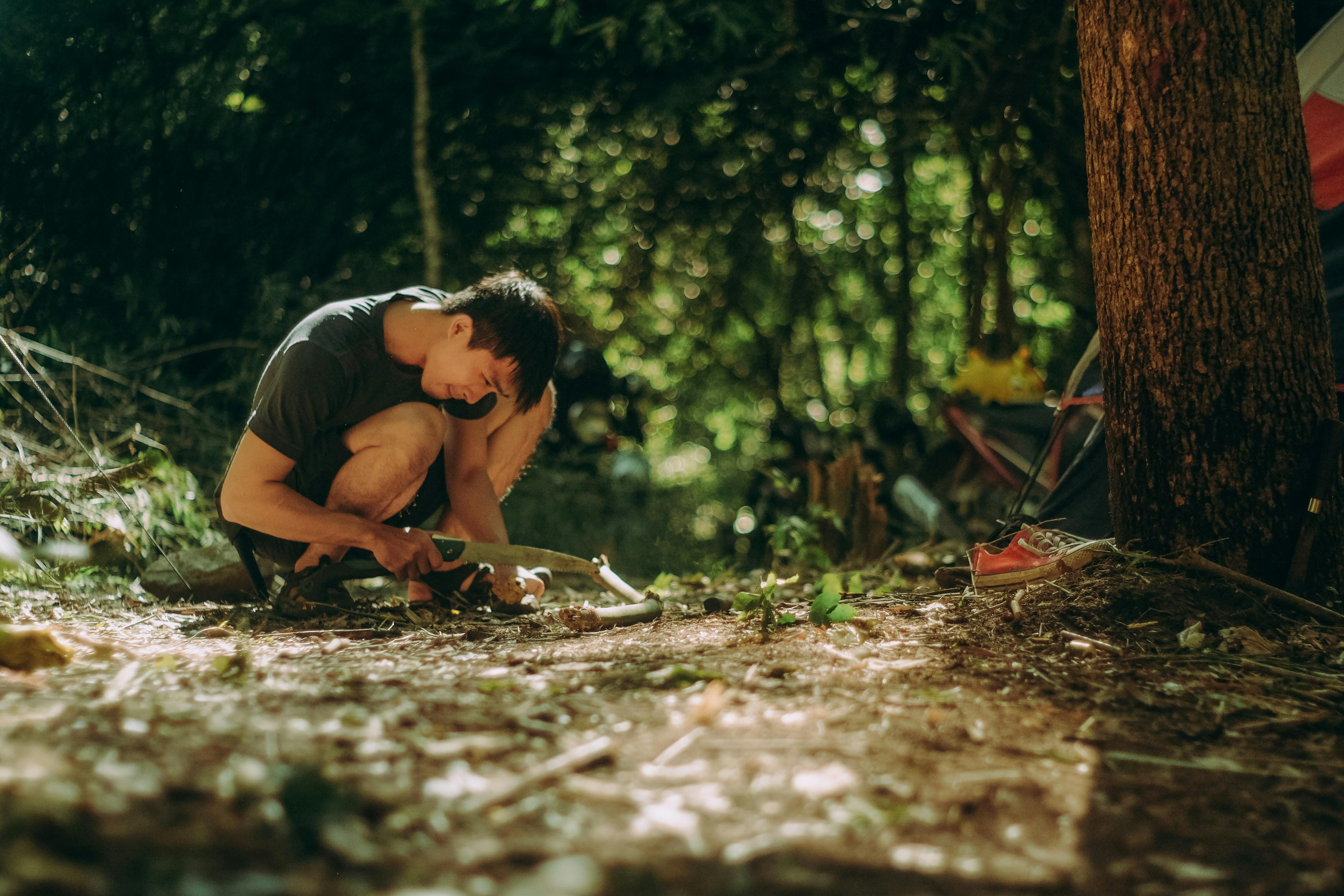
Many popular bushcraft demonstrations happen when the creator is rested, dry, well fed, and working in daylight with known resources nearby. That makes almost any technique seem more reliable than it really is.
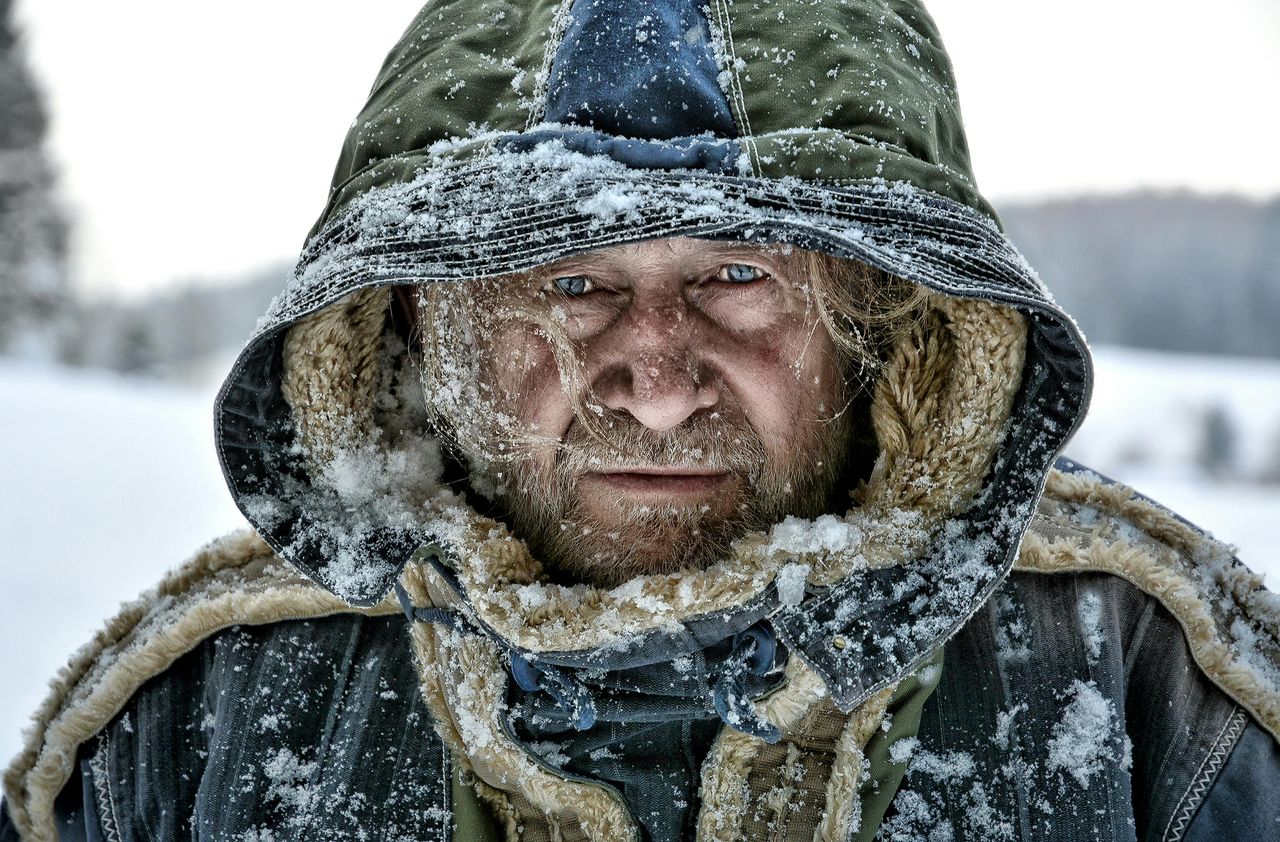
When things actually go wrong, the situation is usually messier. Hands shake in the cold, rain soaks tinder, wind kills flame, and fatigue turns a basic task into a frustrating drain on time and focus.
A skill that only works when conditions are ideal is not much of a survival skill. The most valuable techniques are the ones that still function when you are uncomfortable, rushed, and dealing with fewer options than expected.
They ignore the basics that prevent emergencies
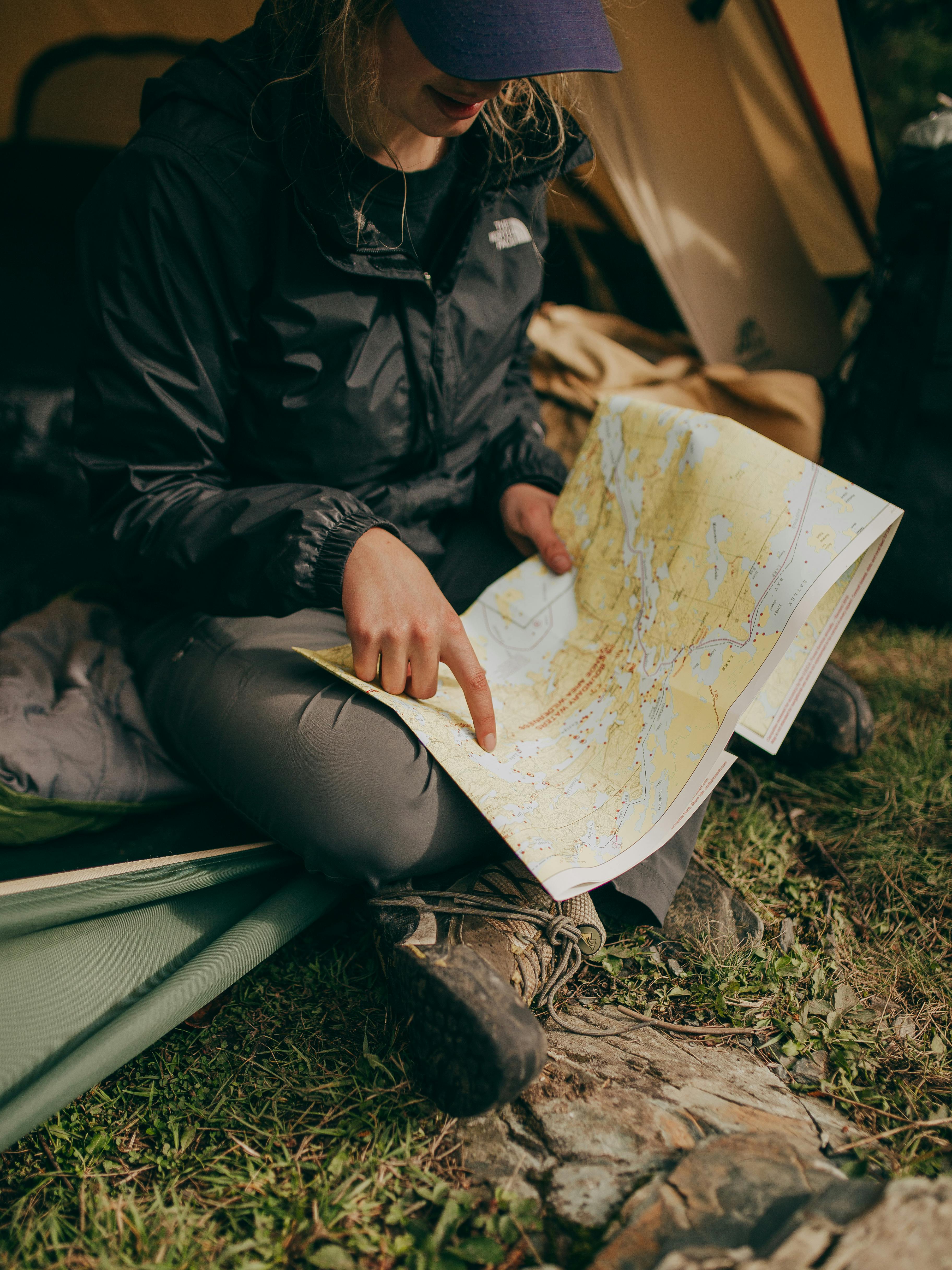
A lot of viral bushcraft content starts after the camera reaches the scenic campsite. It rarely lingers on route planning, weather checks, extra insulation, water treatment, navigation, or letting someone know the plan before heading out.
Those habits are less glamorous, but they prevent small mistakes from becoming rescue situations. In the real world, avoiding trouble is usually more valuable than proving you can improvise once trouble arrives.
That is the quiet truth behind outdoor safety. A headlamp with fresh batteries, a map you know how to read, and enough food can do more for survival than most of the handcrafted skills people practice for entertainment online.
They overemphasize building instead of moving or signaling
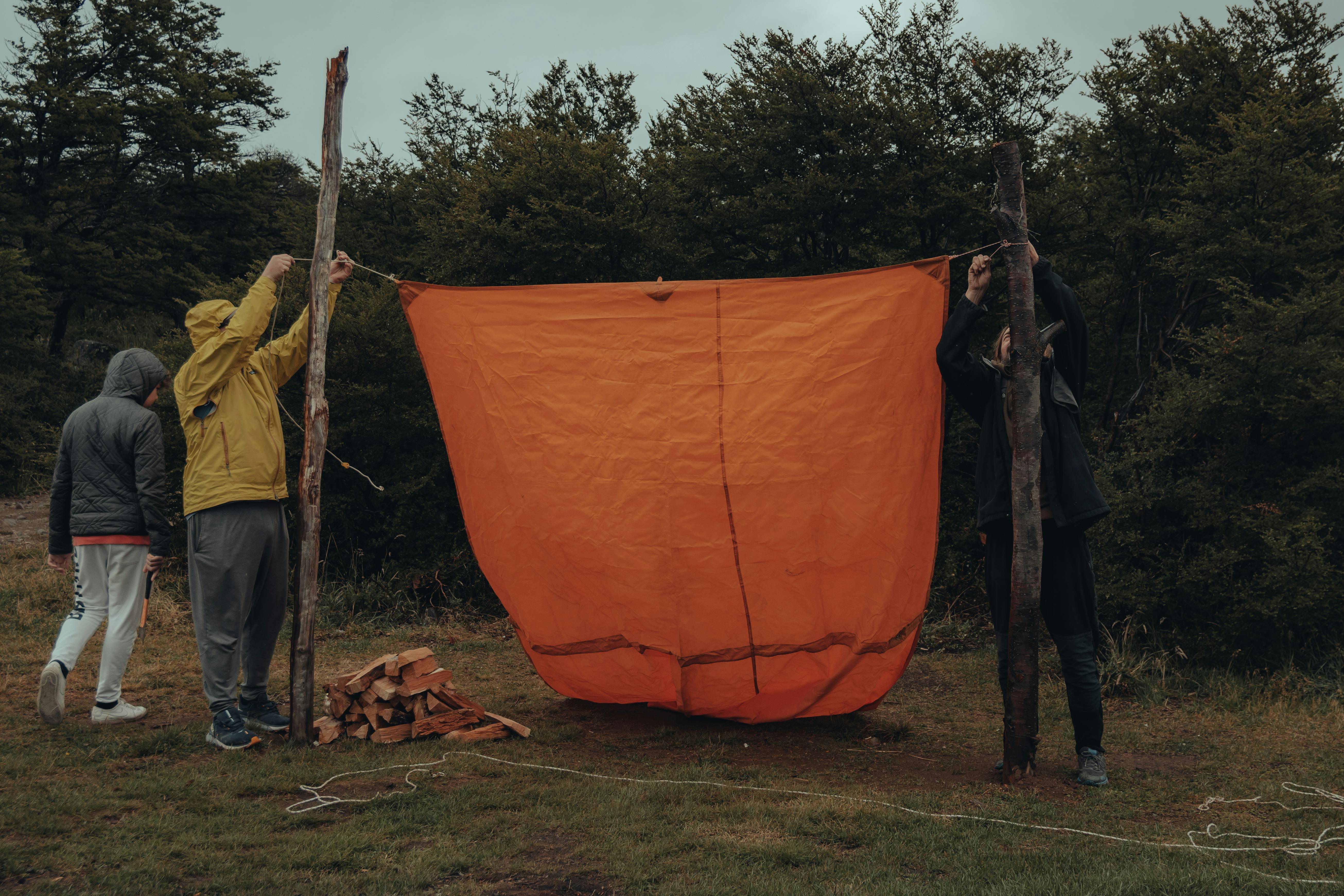
Social platforms love a construction project. Lean-tos, debris huts, carved utensils, and field-made furniture create a satisfying beginning, middle, and end. They suggest control, craftsmanship, and self-reliance.
But in many emergency scenarios, spending hours building is the wrong call. If you can safely self-rescue, reach a trail, find coverage, or signal searchers, movement and communication may matter more than creating a picture-perfect camp.
Even when staying put is the best choice, the goal is function, not artistry. A quick windbreak, visible signal, and body heat conservation can be far more useful than a shelter that looks amazing but costs precious daylight and calories.
They can create false confidence
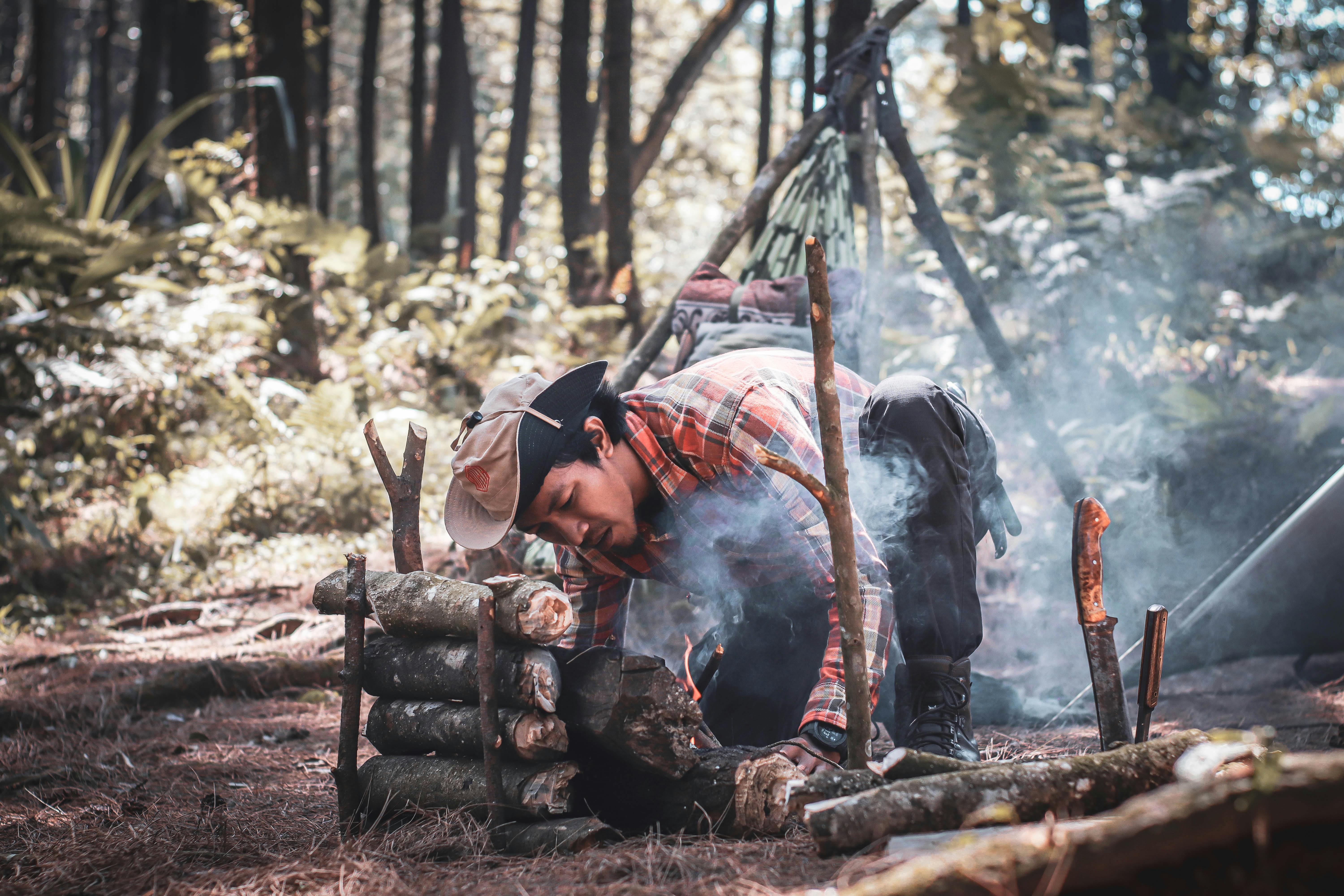
Watching hundreds of bushcraft clips can make outdoor survival feel familiar, even if that familiarity comes mostly from observation. The danger is mistaking recognition for competence, especially with tools, fire, navigation, and judgment under stress.
In a real crisis, confidence without repetition can unravel fast. Fine motor tasks become harder, decision-making narrows, and mistakes compound when people rely on half-learned skills they have never tested outside a curated setting.
That is why the least flashy abilities tend to matter most. Practice with your actual gear, in bad weather, on tired legs, and with a backup plan. Survival is rarely about doing something impressive. It is about doing simple things reliably when they count.