Building a shelter in the wild doesn’t have to harm the environment. With a bit of creativity and the right approach, you can stay dry, warm, and comfortable using only natural debris or reusable gear. By working with what’s already on the ground, you protect local ecosystems while learning practical survival skills. These methods show how simple, sustainable shelter-building can keep you safe without disturbing the beauty around you.
Use Fallen Branches and Leaves

You can create a sturdy debris shelter using only fallen branches and leaves found nearby. Start by forming a frame with large sticks and layering smaller twigs to fill gaps. Cover the top with dry leaves, grass, or pine needles for insulation. This structure holds warmth and shields you from light rain without cutting a single tree.
Build a Lean-To with Deadwood
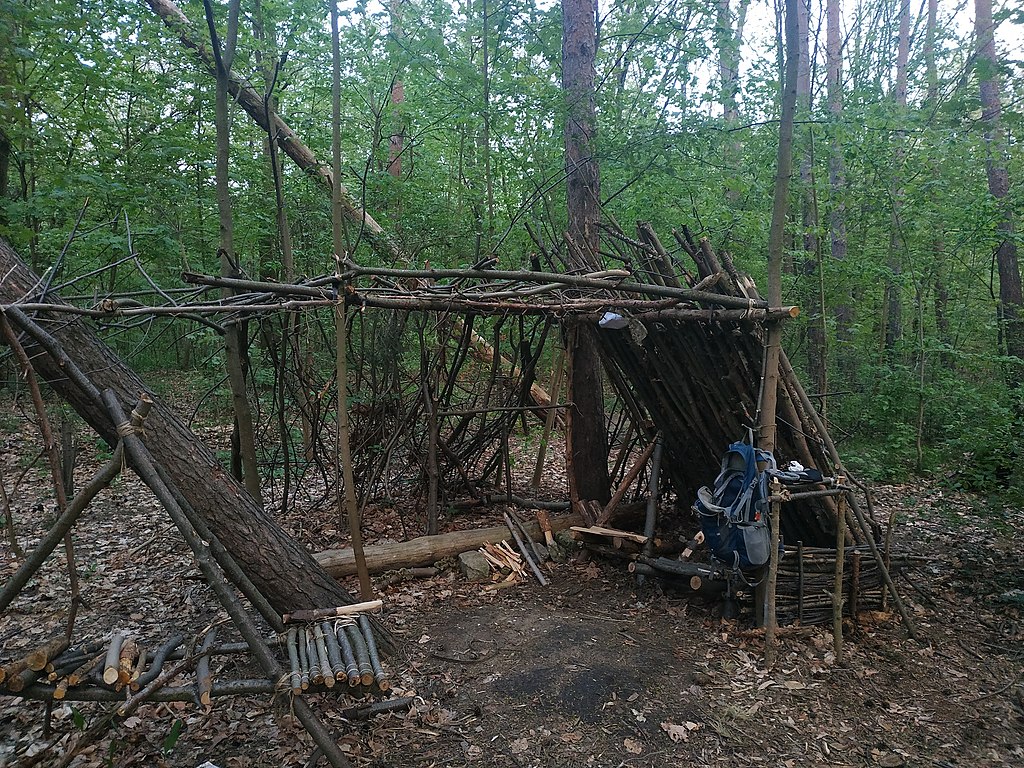
A lean-to made from deadwood is quick, effective, and eco-friendly. Stack sturdy branches against a log or rock face to form a slanted roof. Add layers of brush or bark for protection against wind and moisture. This minimalist setup takes little time and blends naturally into the surroundings, offering dependable cover.
Use a Tarp or Poncho
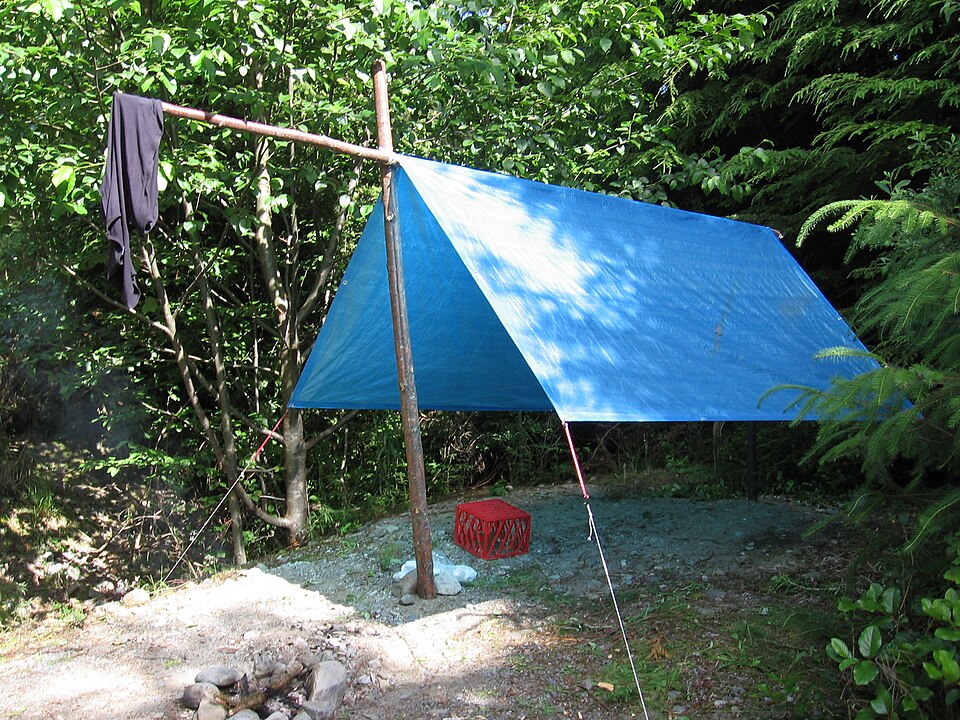
A simple tarp or poncho can become a waterproof roof when tied between trees with paracord or rope. Adjusting the height and angle helps direct water runoff. It’s one of the lightest and most versatile shelter options for hikers and campers. You can easily pack it away without leaving any trace on the land.
Create a Rock Overhang Shelter
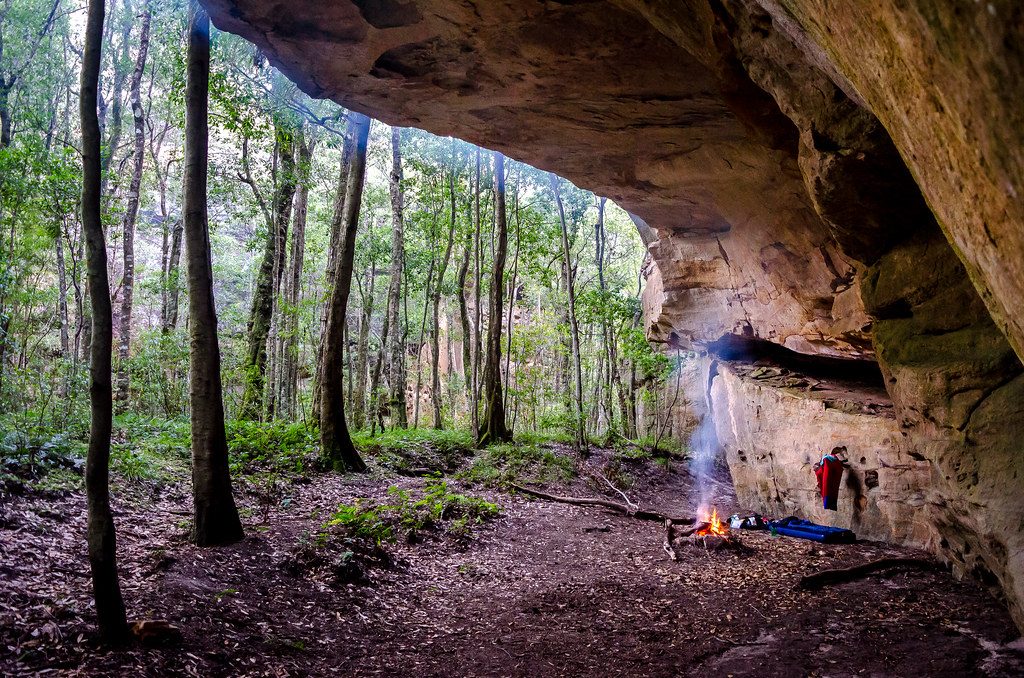
If you find a large boulder or natural overhang, you can turn it into instant protection. Use fallen branches and leaves to close off exposed sides and retain warmth. Rocks naturally deflect wind and rain, creating a durable barrier. Combining nature’s formations with minimal materials keeps you sheltered and safe.
Try a Snow Cave in Winter

In snowy conditions, a snow cave provides excellent insulation without cutting wood. Pile snow into a mound and hollow out the center while keeping a small vent for air. The thick walls trap body heat and block icy winds. With patience and careful shaping, this method keeps you warm even in freezing temperatures.
Use Driftwood by Water

Along lakes or beaches, driftwood offers a perfect resource for lightweight shelters. Arrange larger pieces as a base and stack smaller logs across the top. Seaweed, grass, or sand can help insulate gaps. This approach works especially well for coastal or riverside camping, where materials are plentiful and easy to move.
Repurpose a Backpack or Ground Cloth

When options are limited, your own gear can double as protection. Prop your backpack against a rock or tree and drape a ground cloth or jacket over it for coverage. It’s a quick fix that shields you from wind or light rain until you find something sturdier. Adapting your equipment saves energy and resources.
Combine Fallen Logs and Moss
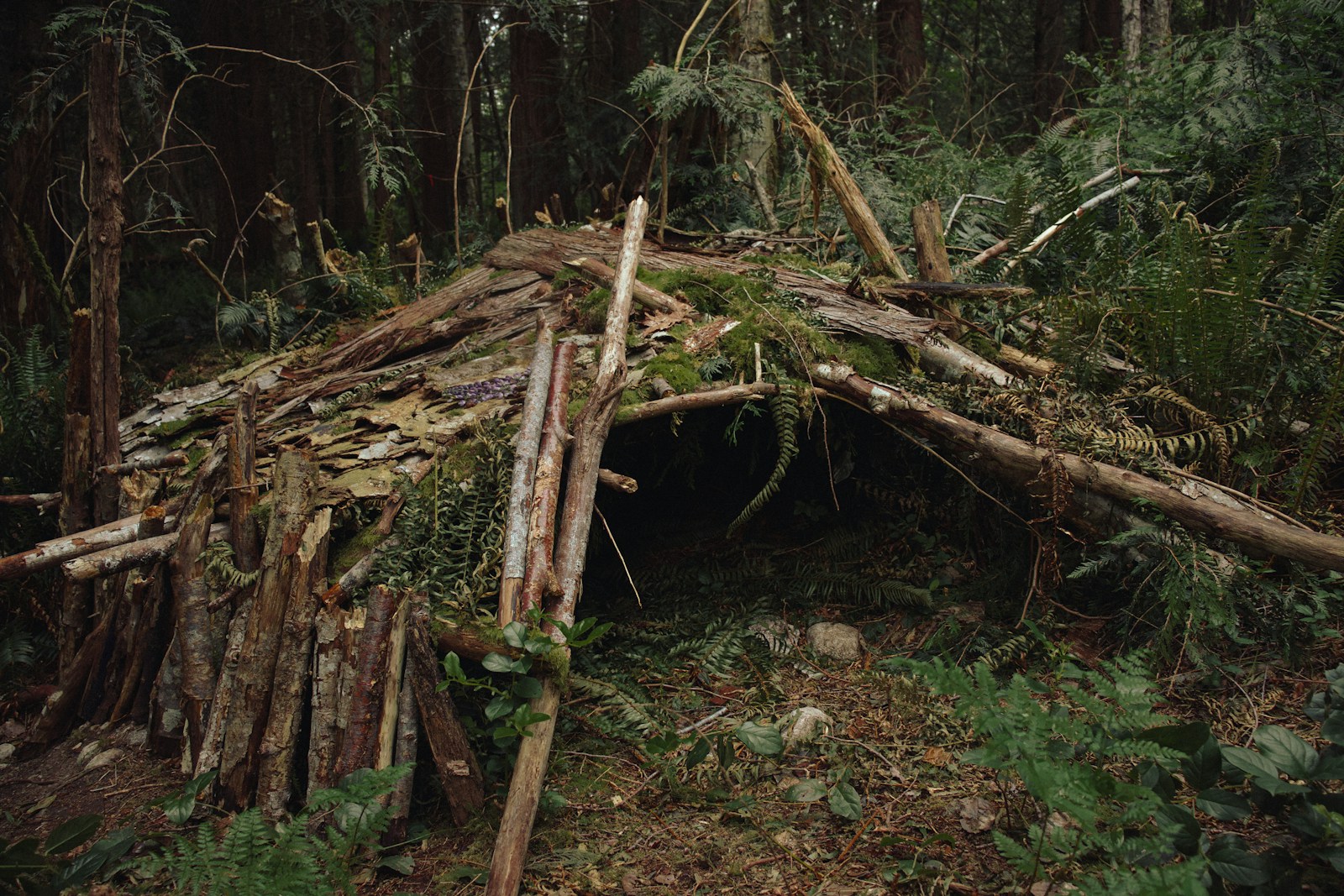
You can build a cozy shelter by stacking fallen logs into a partial wall and sealing gaps with moss or bark. This structure adds both insulation and camouflage. Using what nature has already provided minimizes impact while offering solid protection from the weather. It’s a sustainable way to stay warm and dry outdoors.