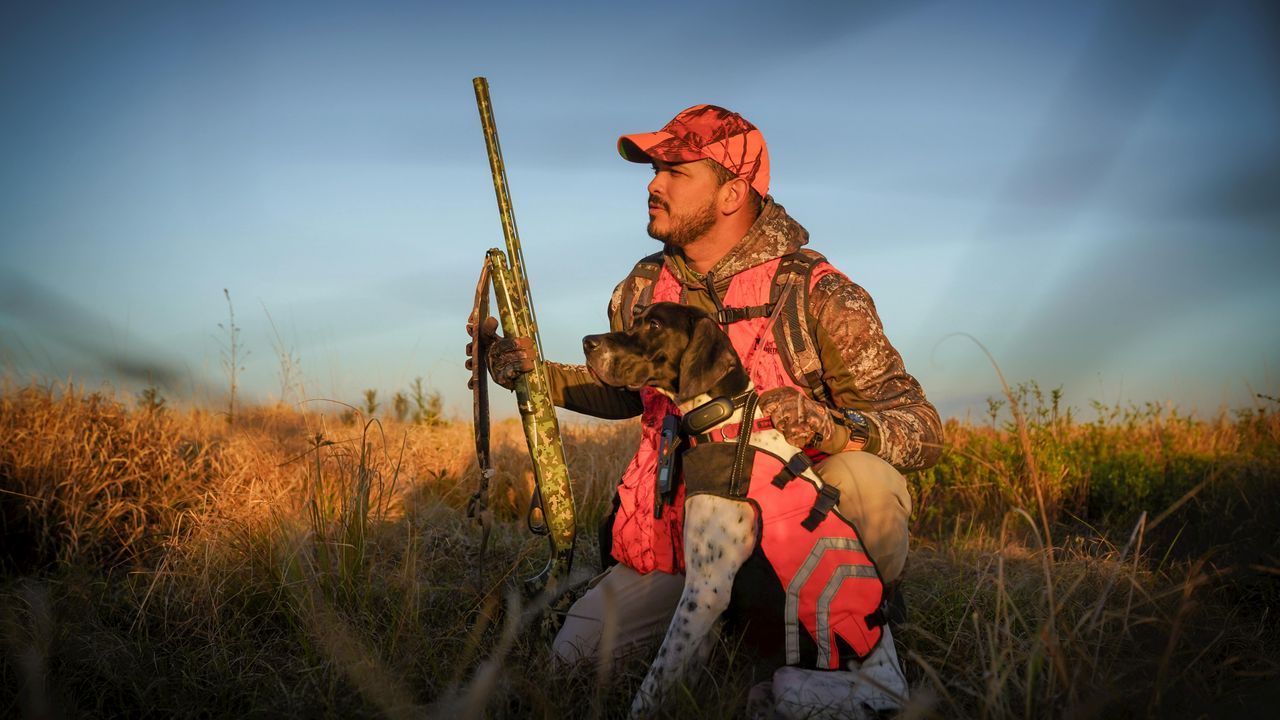
Something is changing in the woods. And the reasons reach far beyond deer season.
Hunting Is No Longer Just an Inherited Tradition
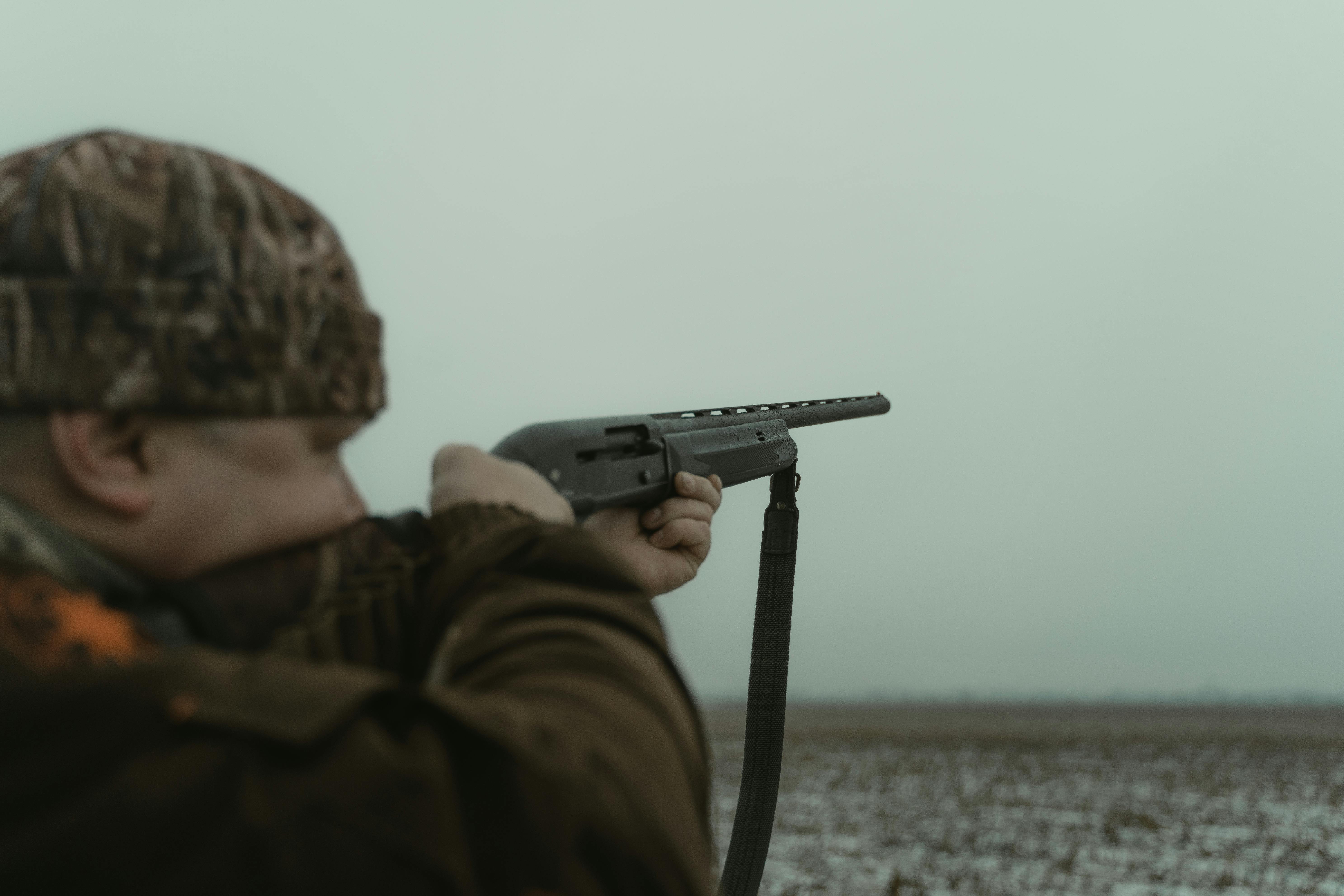
For generations, hunting in America was often passed down through families, especially in rural communities where opening day carried the weight of ritual. What is different now is that many younger hunters are not simply continuing a family practice. They are arriving on their own, sometimes from suburbs and cities, often after years spent feeling detached from the source of their food and the pace of modern life.
State wildlife agencies and industry groups have spent years trying to recruit and retain new participants, and younger adults are responding in visible ways. Recruitment data from several states has shown interest in first-time licenses from people in their 20s and 30s, particularly after 2020, when outdoor activities surged. In many cases, the draw was not nostalgia. It was a discovery.
That matters because self-chosen traditions tend to mean something different than inherited ones. A 28-year-old who takes a hunter safety course, buys secondhand gear, and learns to field dress a whitetail from mentors or videos is making a conscious statement about values. It says this is not just recreation. It is a way of engaging the world that feels more grounded, tangible, and real than many digital alternatives.
You can see this in the language young hunters use. They talk less about trophies and more about process, stewardship, and skill. Even when they love the challenge, they often frame hunting as a way to reconnect with responsibility, patience, and a physical reality that screens cannot simulate.
The Food Question Is Pulling People In

One of the biggest drivers behind this shift is food. Younger Americans have grown up in an era obsessed with labels, sourcing, organic standards, regenerative agriculture, and the ethics of industrial meat production. Hunting enters that conversation in a powerful way because it offers the most direct answer possible to the question, where did this protein come from?
For many new hunters, especially millennials and Gen Z adults, venison or wild turkey is not just game meat. It is clean, local, free-range food acquired through effort rather than convenience. In a culture that increasingly values transparency, hunting can look less like an old rural pastime and more like the logical endpoint of the farm-to-table movement.
There is also an economic angle that should not be ignored. Grocery prices have reshaped household decisions across the country, and a freezer full of deer meat has obvious appeal. Hunting is not cheap when gear, licenses, and travel are included, but for many people who commit to it, the value is measured not only in dollars per pound but in trust and quality.
That food-centered motivation changes the culture around hunting. It encourages nose-to-tail use, home butchering, cooking literacy, and a stronger moral vocabulary around taking animal life seriously. Younger hunters often talk openly about discomfort, gratitude, and waste, which suggests a generation trying to align consumption with conscience.
Social Media Has Rebranded the Image of the Hunter
If you want to understand why hunting feels newly visible, look at social media. For years, hunting content online leaned heavily toward grip-and-grin trophy photos and brand-heavy masculinity. That still exists, but younger creators have broadened the picture, showing camp cooking, public-land scouting, conservation work, fitness, wildlife photography, and the emotional complexity of the experience.
Platforms like YouTube, Instagram, and TikTok have made hunting legible to people who never encountered it at home. A first-generation hunter in Atlanta, Denver, or Minneapolis can now follow creators who explain tags, seasons, ethics, and gear in plain language. That lowers the social barrier to entry in a way that earlier generations never had.
It also changes who gets represented. More women, more people of color, more LGBTQ outdoors enthusiasts, and more urban professionals are visible in hunting culture than in the past. They are not the majority, but their presence matters because it pushes back on the stereotype that hunting belongs to only one kind of American.
At the same time, online visibility creates tensions. Some longtime hunters worry that social media encourages performance, overcrowds public land, or rewards spectacle over ethics. Those concerns are real, but the larger story is that hunting is being culturally translated for a new generation, and that translation is expanding the audience.
The Appeal Is Also About Control in an Unstable Era
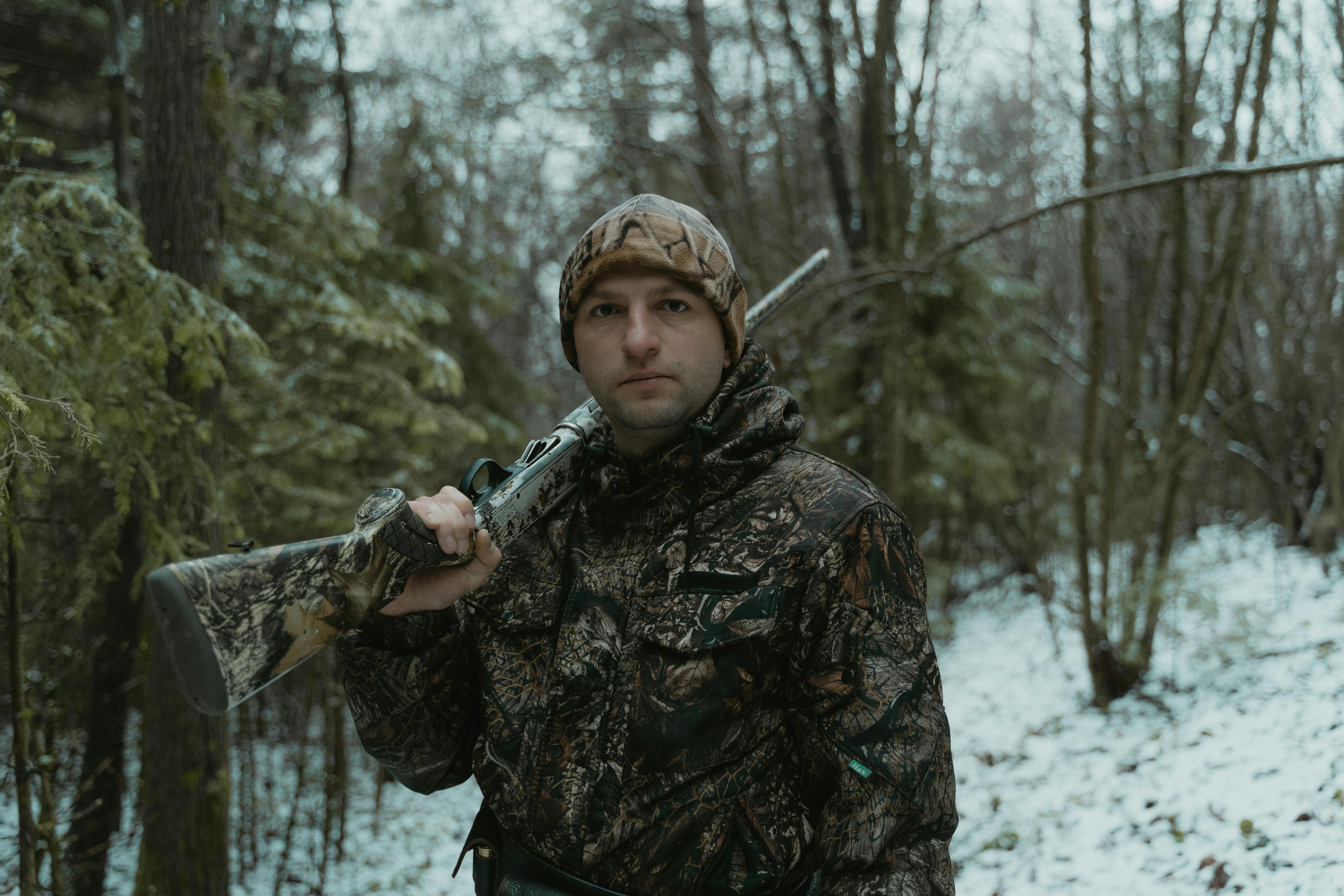
A lot of younger Americans came of age during instability: the Great Recession, the pandemic, rising rents, political polarization, supply chain shocks, and a broad loss of faith in institutions. In that environment, hunting offers something unusually concrete. It rewards preparation, observation, and competence, and it creates a direct link between effort and outcome.
That helps explain why hunting often rises alongside interest in gardening, fishing, foraging, home cooking, and other self-provisioning skills. These activities are not always about survivalism in the dramatic sense. More often, they reflect a softer but still meaningful desire for resilience, the feeling that you can provide for yourself and your household at least in some limited way.
There is a psychological dimension too. Hunting imposes patience in a culture built around instant response. It demands attention to wind, terrain, weather, and animal behavior. For people whose work happens on laptops and phones, that shift can feel deeply restorative, almost like a form of discipline that modern life rarely asks of them.
In that sense, hunting is not simply about animals or seasons. It is part of a broader search for practices that make people feel capable again. When a young person learns to track, shoot accurately, butcher cleanly, and feed friends from that effort, the appeal is bigger than sport. It is about agency.
Conservation Is Becoming Central to the Pitch
One reason young Americans can embrace hunting without seeing it as contradictory to environmental values is that the conservation case is stronger than many outsiders realize. The North American model of wildlife management has long tied hunting license fees and excise taxes on firearms and ammunition to habitat restoration, research, and species management. For many new hunters, that structure is persuasive.
They are entering at a time when public conversations about biodiversity loss, habitat fragmentation, chronic wasting disease, and ecosystem imbalance are increasingly common. In many regions, deer populations can exceed what landscapes and suburban edges can support, bringing crop damage, vehicle collisions, and forest regeneration problems. Hunting is often presented not as domination over nature but as participation in management.
That message lands especially well with younger adults who distrust abstract slogans and want practical outcomes. If a hunting license helps fund wetlands, public lands, biologists, and restoration work, then participation starts to look civic rather than merely recreational. Ducks Unlimited, Backcountry Hunters & Anglers, and state agencies have all benefited from this more conservation-oriented language.
Of course, not everyone accepts the argument equally, and debates remain about predators, land use, and ethics. But among many younger participants, conservation is not a side note. It is one of the main reasons hunting feels defensible, modern, and connected to a larger public good.
The New Hunter Is Reshaping Rural and Urban Boundaries
The return of interest in hunting also says something about the blurring lines between rural and urban America. For a long time, hunting served as a cultural marker that separated those worlds. Today, a software engineer might spend weekdays in a city apartment and weekends scouting public land, while a rural guide builds an audience online and sells educational content to followers nationwide.
That crossover matters because it challenges old assumptions about who belongs outdoors. Public-land hunting, in particular, has become a point of entry for younger adults who do not own property and may not come from hunting families. In western states, over-the-counter tags and do-it-yourself trips have fueled a whole subculture centered on mobility, effort, and learning by doing.
At the same time, access remains unequal. Private land concentration, rising lease costs, and crowded public areas can make entry difficult. The image of hunting may be broadening faster than the practical opportunity to participate, and that gap could shape the future of the sport as much as interest levels do.
Still, the social meaning is clear. Hunting is becoming less of a purely regional inheritance and more of a chosen identity that cuts across class, geography, and profession. That does not erase differences, but it does suggest a country where older cultural boundaries are being renegotiated in unexpected places.
What This Trend Says About Where America Is Headed
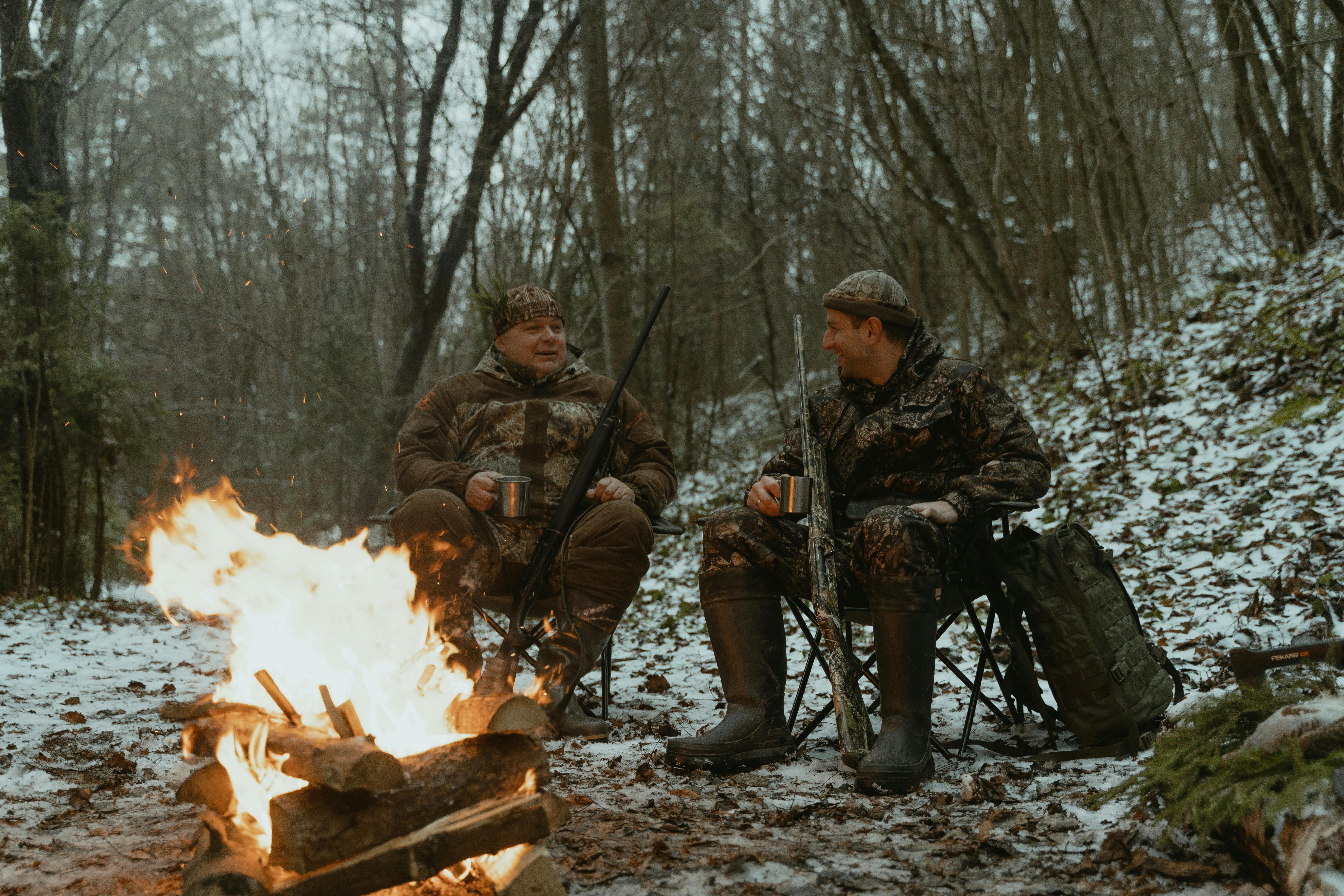
When young Americans take up hunting, they are not all making the same statement. Some want better food. Some want a challenge. Some want to spend time outside, test themselves, or step away from an economy and culture that often feel abstract and unstable. But taken together, their choices point toward a broader shift in national mood.
The country appears to be moving toward a renewed interest in competence, locality, and direct experience. People still live online, order from apps, and work inside systems too big to understand, but many are also looking for activities that restore texture to daily life. Hunting fits that desire because it is demanding, physical, seasonal, and impossible to fake for long.
It also reflects a more complicated American identity than the usual political shorthand allows. Hunting can be traditional and progressive, pragmatic and spiritual, individualistic and community-minded all at once. Younger participants are not necessarily reviving the past. They are remixing it, taking an old practice and using it to answer modern anxieties.
That may be the clearest signal of all. The future of America may belong less to people who reject old traditions outright than to those who repurpose them for a world shaped by uncertainty, ecological pressure, and a hunger for something more real than convenience.