The Desert Eagle is one of cinema’s most recognizable handguns, famous for oversized style and instant screen presence. What many fans do not realize is that its story is deeply tied to Israeli development, branding, and manufacturing history. This gallery looks past the Hollywood image to uncover the real origins of a pistol that became a global icon.
Its first concept was not originally Israeli
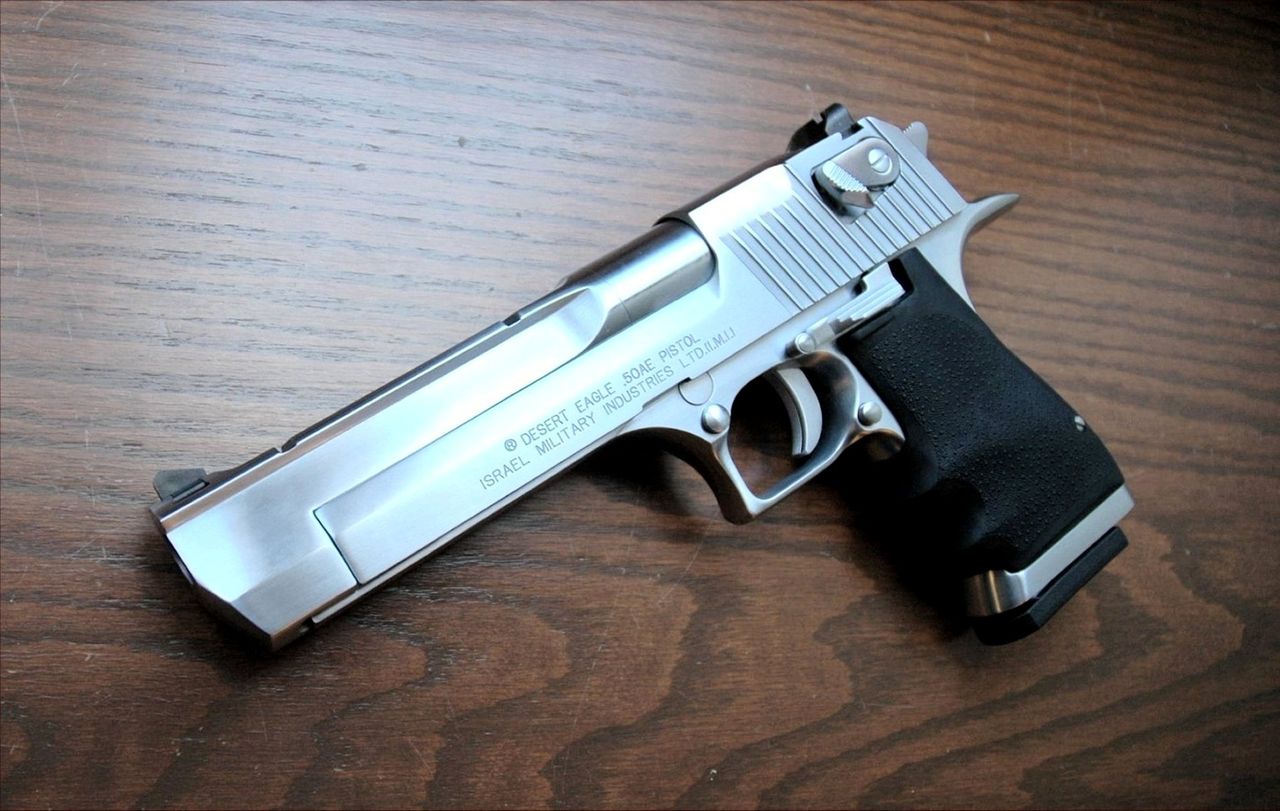
One of the biggest surprises about the Desert Eagle is that the idea did not begin in Israel at all. The earliest concept work is generally traced to Magnum Research in the United States, which pursued an ambitious semi-automatic pistol capable of handling magnum revolver cartridges.
That makes the Israeli connection more interesting, not less. Israel Military Industries became the crucial partner that helped transform a bold American concept into a real production gun. So while fans often assume the whole story started in Israel, the truth is a transnational collaboration that gave the Desert Eagle its unusual identity.
Israel Military Industries helped make it real
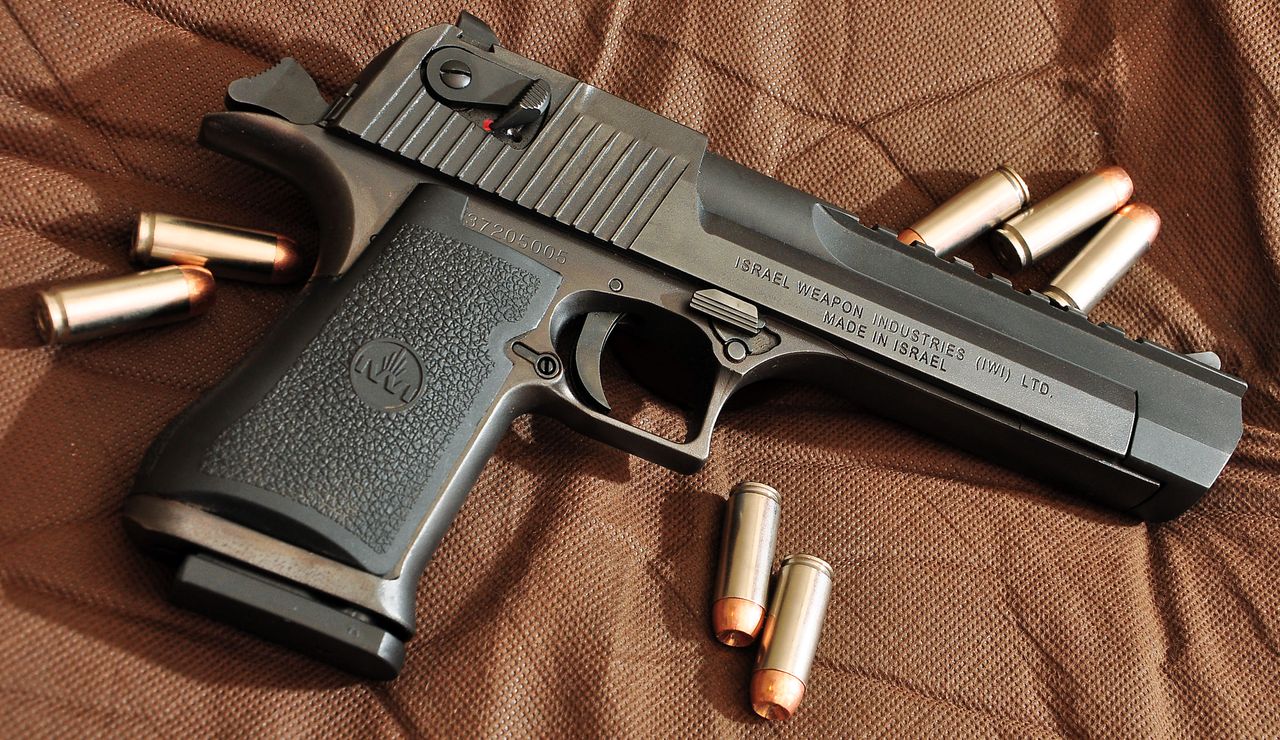
The Desert Eagle became viable because Israel Military Industries, often known as IMI, had the manufacturing experience to tackle something this unconventional. Building a giant gas-operated pistol was not a routine assignment, and it required serious engineering confidence.
IMI’s involvement gave the project credibility and practical momentum. For many years, the pistol was strongly associated with Israeli production, which is why so many people still think of it as an Israeli handgun first and foremost. In popular memory, the IMI name and the Desert Eagle became tightly linked, especially among collectors and movie fans who noticed the markings on the gun itself.
The gas system was a radical choice for a handgun
Part of what made the Desert Eagle stand out was its use of a gas-operated system, a feature more commonly associated with rifles than pistols. That engineering decision helped the gun handle powerful cartridges that would be difficult for a more conventional semi-automatic design.
This technical path is central to the Israeli chapter of the story because it demanded careful development and production know-how. The result was a handgun that looked and behaved unlike almost anything else on the market. For action movies, that translated into instant visual drama. For firearms history, it marked the Desert Eagle as an unusually bold piece of industrial problem-solving.
Israeli markings became part of its mystique
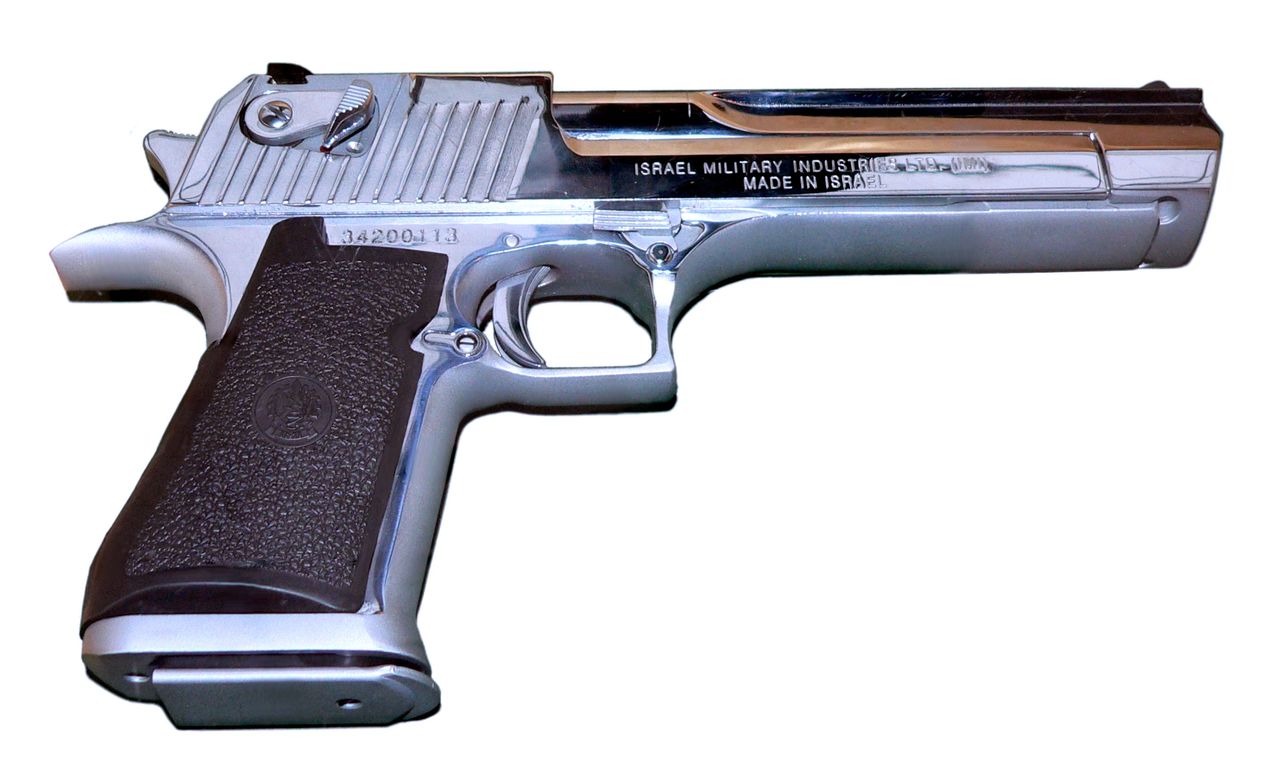
Collectors and sharp-eyed fans often point to the pistol’s roll marks as a clue to its background. Models stamped with IMI or later Israeli markings helped build the aura that this was not just another flashy handgun, but a weapon with a distinct overseas pedigree.
In the age of VHS rentals, action posters, and video game box art, those details mattered more than many people realized. The Israeli association gave the Desert Eagle an extra layer of intrigue, making it feel exotic, elite, and slightly mysterious. For audiences, the gun’s identity was shaped as much by branding and visible markings as by its oversized silhouette.
The famous look was shaped by function
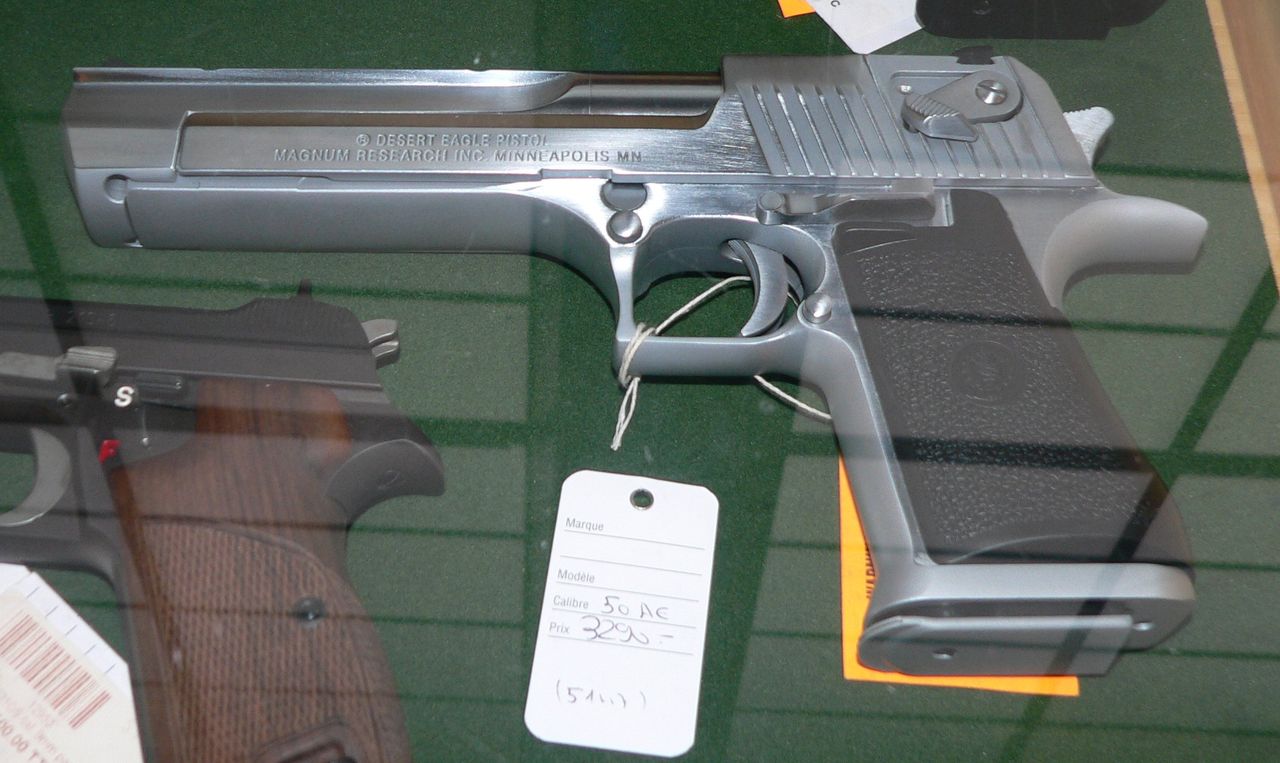
The Desert Eagle’s massive profile looks almost exaggerated, which is exactly why directors and game designers loved it. But that famous shape was not created only for style. Much of the bulk came from the engineering needed to manage magnum-level cartridges in a semi-automatic platform.
Israeli production played a role in locking in that now-iconic appearance, because once the design was refined for real-world manufacturing, the gun’s visual identity became inseparable from its mechanics. In other words, the very traits that made it a screen legend were tied to practical development choices. Its Israeli-built era helped cement the final form the world came to recognize instantly.
It became famous in movies more than in military service
Despite its intimidating reputation, the Desert Eagle was never a standard military sidearm in the way some viewers might imagine. Its size, weight, and specialized role made it far better suited to sporting use, collecting, and spectacle than to widespread service adoption.
That disconnect actually strengthened its legend. Because the pistol was tied to Israeli manufacturing, some fans assumed it must have had a broad tactical life, but the real story is much more cinematic. Hollywood embraced it because it looked powerful before a character even fired a shot. Its Israeli roots gave it authenticity, while the screen gave it mythmaking power on a much larger scale.
Magnum Research handled the brand while Israel built the image
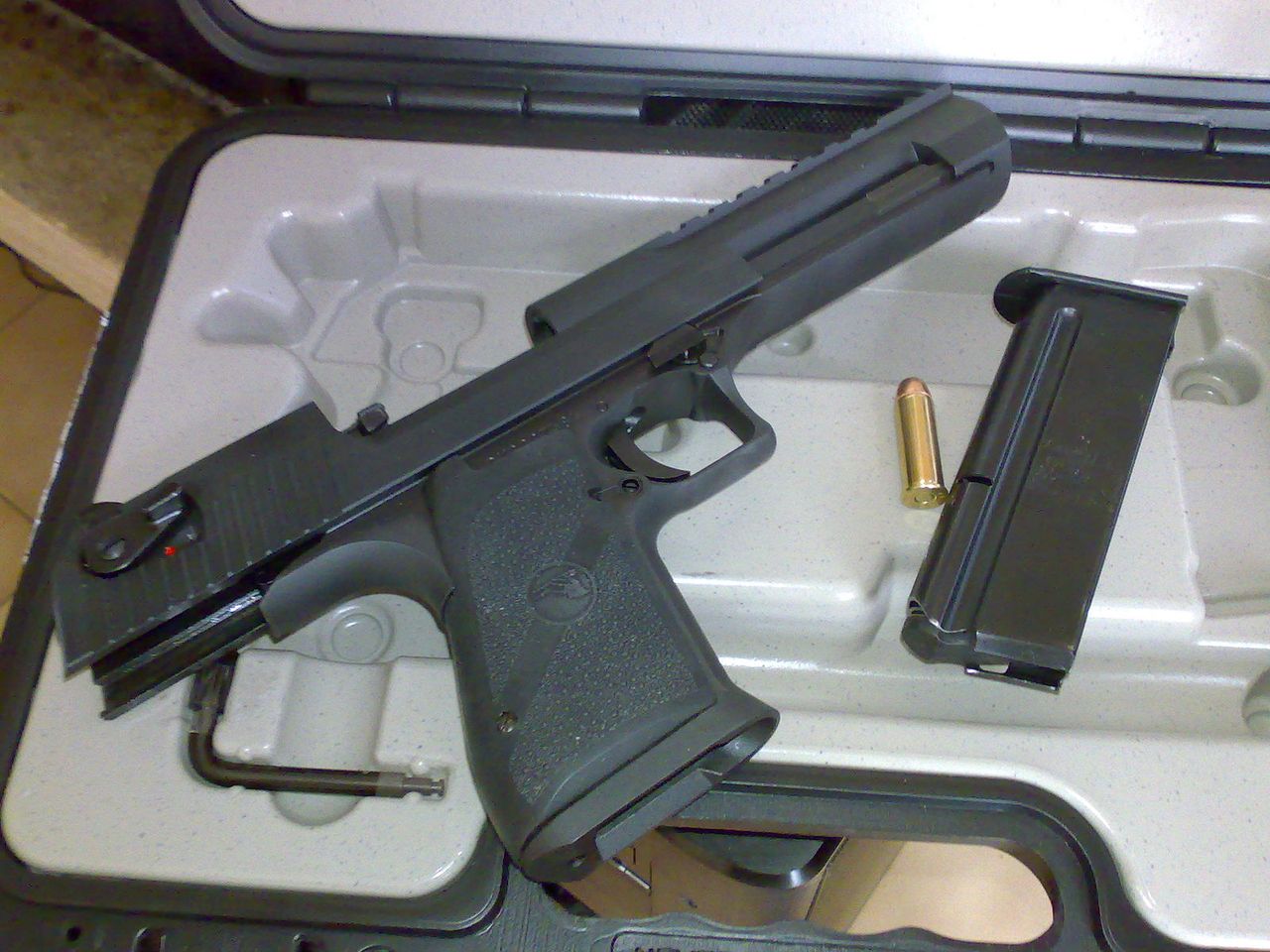
A key fact many people miss is how split the Desert Eagle story really is. Magnum Research marketed the pistol in the United States, but Israeli manufacturing gave the gun much of its reputation, especially during the years when IMI production defined the product in enthusiasts’ minds.
That division between brand ownership and manufacturing identity is part of what makes the pistol’s origin story so easy to oversimplify. To the public, the Desert Eagle often felt purely Israeli because the manufacturing connection was so visible and memorable. In reality, it was the combination of American marketing ambition and Israeli industrial execution that created the legend.
Production history later shifted, but the Israeli era defined it
Over time, Desert Eagle production and corporate arrangements changed, and later examples were not always tied to the same Israeli manufacturing chapter. But for many enthusiasts, the definitive version remains the one most closely associated with IMI and the gun’s Israeli-built years.
That is because cultural identity tends to stick at the moment a product breaks through. The Desert Eagle entered global pop consciousness while its Israeli connection was front and center, so that period became the one people remember most. Even as factories and markings evolved, the Israeli era remained the foundation of the pistol’s enduring image and collector appeal.
Its Israeli connection boosted its global cool factor
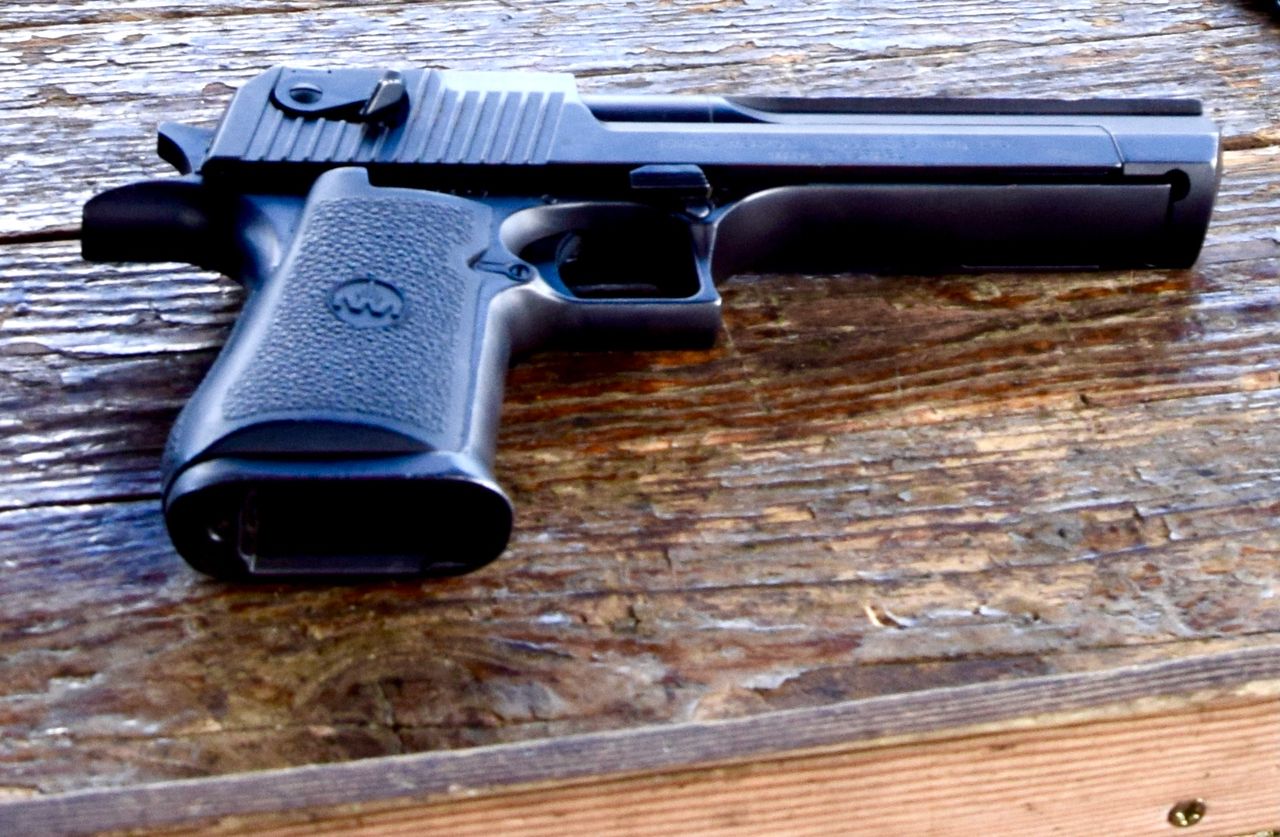
In the late 20th century, audiences were especially drawn to objects that felt international, technical, and hard-edged. The Desert Eagle benefited from that atmosphere. Its Israeli association made it seem more specialized and worldly than a standard domestically produced handgun.
That perception helped it thrive in films, magazines, and video games, where image can matter as much as performance. The gun projected a blend of foreign intrigue and industrial seriousness that fit perfectly with action storytelling. Even people who knew almost nothing about firearms recognized that the Desert Eagle was being presented as something rare and formidable, and its Israeli roots contributed heavily to that impression.