It started as a serious revolver for serious shooters. Then Hollywood got hold of it, and the Smith & Wesson Model 29 became something much bigger.
Built for power in an era that respected it
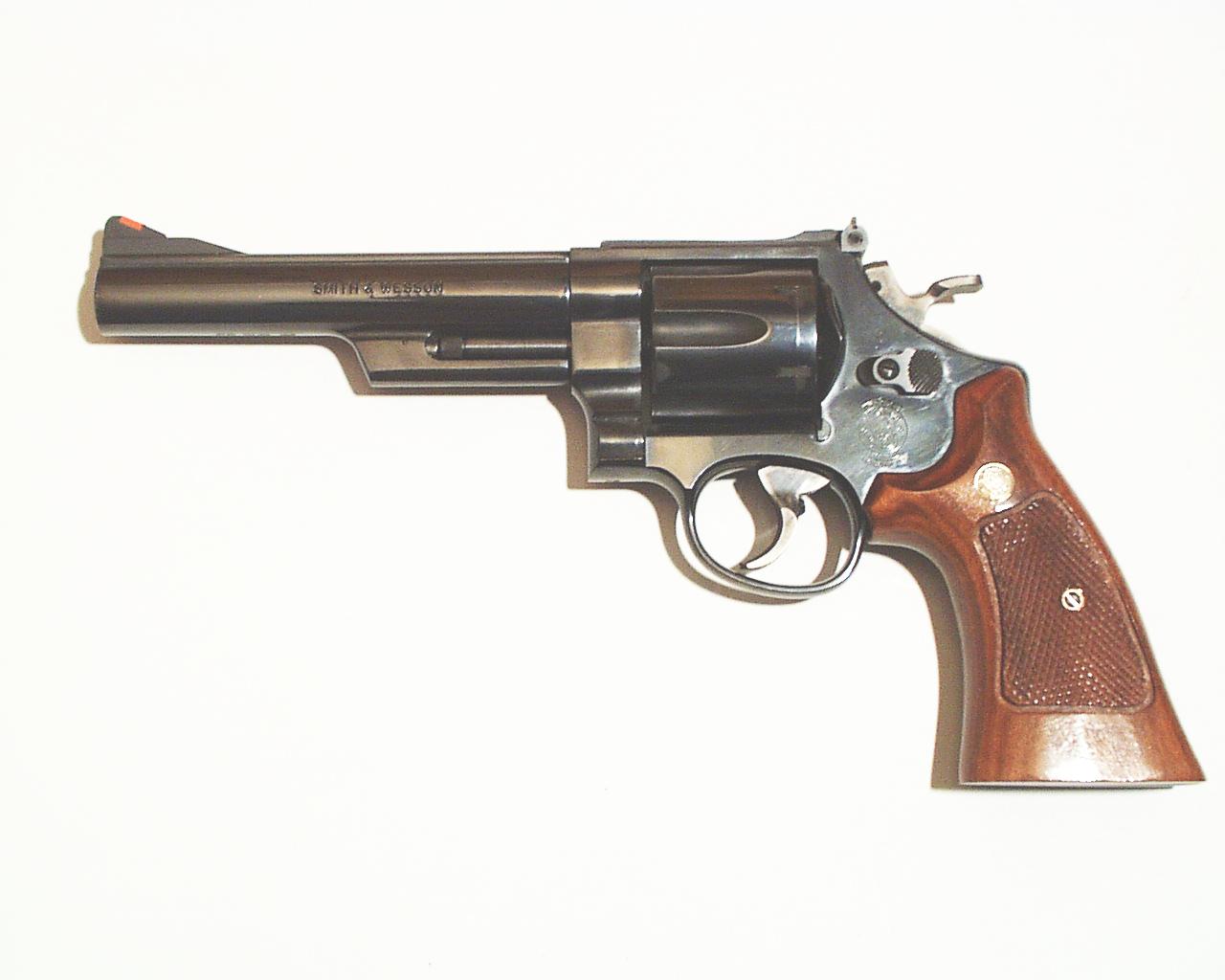
(Original text: kaltduscher)/Wikimedia Commons
Smith & Wesson introduced its .44 Magnum revolver in 1955, a gun developed with strong influence from handgun experimenter Elmer Keith and the push for a more powerful sporting handgun. According to Smith & Wesson’s own company history, the revolver first appeared with 4-inch and 6 1/2-inch barrels. It was built on the large N-frame, giving it the size and weight needed to handle heavy recoil.
This was not a casual carry gun for the average buyer. It was aimed at hunters, outdoorsmen, and handgun enthusiasts who wanted real authority on game and in the backcountry. In practical terms, that meant a revolver that could do work smaller service handguns simply could not.
The gun was officially designated the Model 29 in 1957, when Smith & Wesson shifted to model-number naming. Early examples earned a lasting reputation for fine polish, deep bluing, and old-school craftsmanship. That quality helped establish the Model 29 as a prestige revolver long before it became famous.
A niche favorite before the movies found it
For all its performance, the Model 29 was never initially a mass-market sensation. American Rifleman notes that by the late 1960s, sales had fallen enough that Smith & Wesson took it out of regular production, even though it still appeared in catalogs. That tells you exactly where it stood: admired, but specialized.
Part of the challenge was simple practicality. The revolver was large, expensive, and chambered for a cartridge that produced substantial recoil and muzzle blast. Plenty of shooters respected it, but fewer wanted to own one, train with it regularly, or pay for a steady diet of .44 Magnum ammunition.
Even so, the gun had already built a mystique among knowledgeable shooters. Lawmen who could choose their own sidearms, handgun hunters, and revolver traditionalists saw it as the top end of the double-action wheelgun world. It was a connoisseur’s firearm before it was a celebrity’s prop.
Dirty Harry changed everything overnight
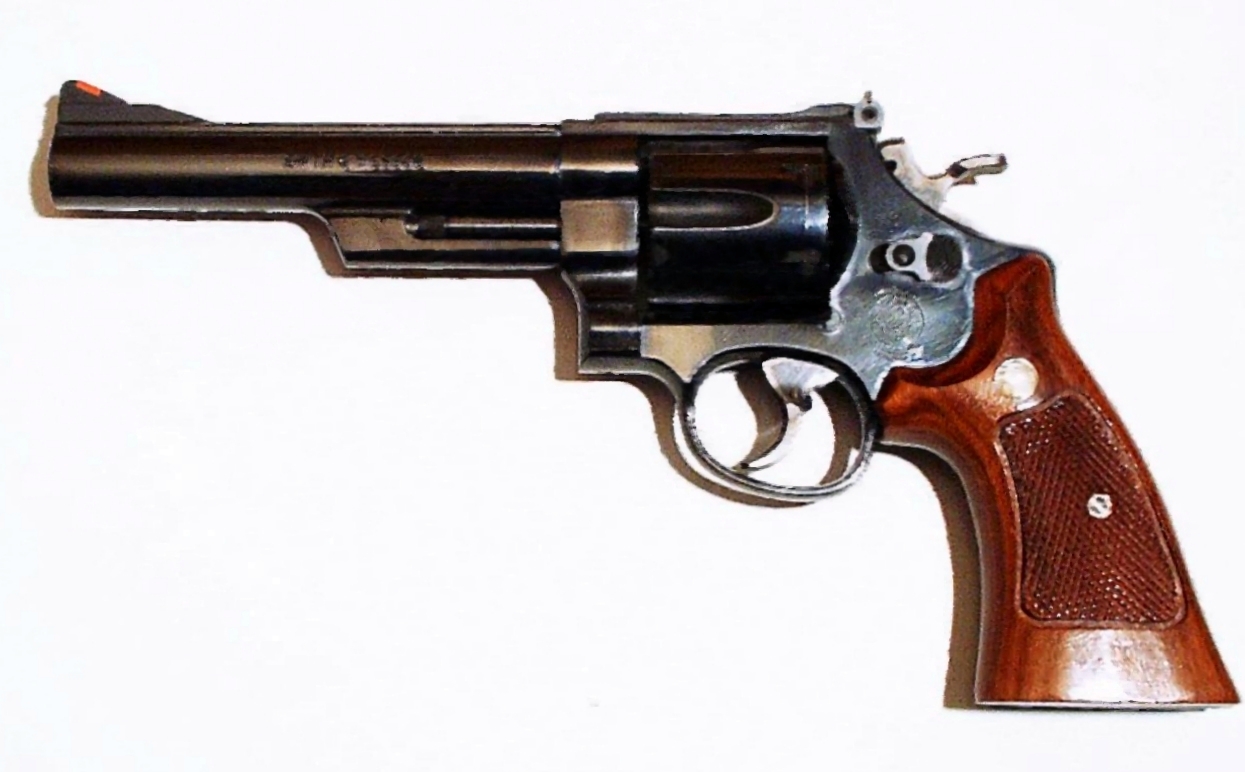
(Original text: kaltduscher)/Wikimedia Commons
Then came Dirty Harry in 1971, and the Model 29’s place in American culture changed for good. Clint Eastwood’s Inspector Harry Callahan carried the revolver as if it were an extension of his personality: blunt, intimidating, and impossible to ignore. Smith & Wesson says demand had softened in the 1960s, then skyrocketed in the 1970s after the film’s release.
The famous “most powerful handgun in the world” line was not perfectly accurate even then, but accuracy was beside the point. The scene sold an image of unstoppable power, and audiences responded immediately. American Rifleman has described the gun as an “America’s shooting star” moment, a perfect collision of screen charisma and product identity.
Sequels kept the association alive through the 1970s and 1980s. Every return of Callahan reinforced the Model 29 as more than a firearm; it became a symbol. Few guns have ever been so completely fused with one character in the public imagination.
Why the image stuck so hard
A lot of movie guns become recognizable, but the Model 29 became mythic because it already looked the part. The long barrel options, oversized frame, and bright blued steel gave it visual drama before the camera ever rolled. It read instantly on screen as serious machinery.
There was also perfect timing. The early 1970s were full of antihero cinema, urban crime stories, and hard-edged masculinity. Callahan’s revolver fit that mood exactly, turning the Model 29 into a shorthand for individual force in a chaotic world.
That image traveled far beyond gun culture. People who knew nothing about N-frames, barrel lengths, or magnum pressures still knew the silhouette. When a product crosses from enthusiast circles into general cultural recognition, that is when it stops being merely successful and becomes iconic.
Evolution, collectibility, and the rise of the 629
The Model 29 did not stay frozen in 1971. Smith & Wesson expanded the family with different barrel lengths over time, including the 8 3/8-inch version added in 1958. Later engineering changes also mattered to collectors, especially the end of pinned barrels and recessed cylinders in 1981, as American Rifleman details.
For shooters, the biggest long-term evolution was the stainless steel Model 629. It delivered the same .44 Magnum concept in a finish better suited to hard field use, and over time it became the more practical choice for many owners. But practical is not always the same as legendary.
That is why early blued Model 29s still hold a special place. Collectors chase condition, dash numbers, barrel lengths, and provenance, while fans of film history want the gun that looks like Harry Callahan’s. In both cases, the appeal is emotional as much as mechanical.
More than a revolver, it became an American symbol
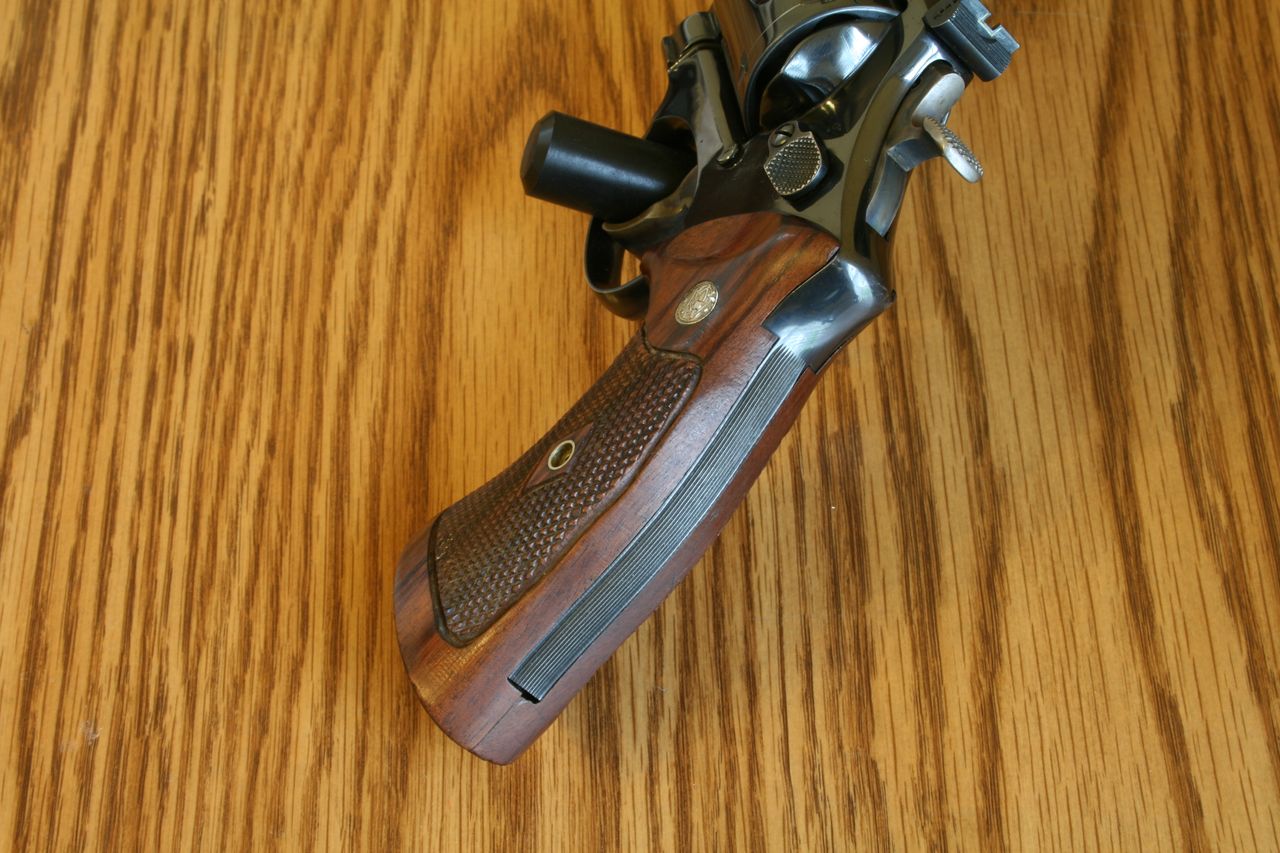
Today, the Model 29 stands at the crossroads of firearms history, cinema, and American identity. Smith & Wesson still treats it as one of the company’s defining classics, and recent corporate materials continue to describe it as the gun made famous by Dirty Harry. That is a rare legacy for any product.
Its endurance comes from a combination that is hard to manufacture on purpose. The revolver was authentic before it was famous, powerful before it was quoted, and beautifully made before it was merchandised. Hollywood did not invent the Model 29’s appeal; it amplified qualities that were already there.
That is the real story of the Model 29. It began as a big-bore revolver for outdoorsmen and handgun devotees, then evolved into a cultural artifact recognized far beyond the range. Few firearms have made that leap so completely, or stayed there so long.